


The importance of historical memory in preventing and countering discrimination against Roma and Travellers was the focus of a side event hosted by the Parliamentary Assembly of the Council of Europe (PACE) on 23 April during their spring plenary session 2026 in Strasbourg.
Recognition, remembrance and education were highlighted as essential to addressing antigypsyism and strengthening democratic resilience across Europe. In this context, the discussions directly reflected the Council of Europe Strategy for Roma and Traveller Inclusion (2026–2030), which underlines the need to increase and promote knowledge and awareness of Roma and Traveller history and culture, including the remembrance of the Roma Holocaust, as a key means of combating antigypsyism, prejudice and stereotypes, and fostering respect for human rights and democratic values.
The Council of Europe’s Anti‑discrimination and Inclusion Department recalled that Roma history and culture remain largely absent or inaccurately represented in school curricula in too many Council of Europe member states. At the same time, progress has been made, notably through the standard‑setting work of the Committee of Ministers, including the recommendation on the inclusion of Roma and Traveller history in school curricula and the recommendation on passing on the remembrance of the Holocaust and preventing crimes against humanity.
The role of the Committee of Experts on Roma and Traveller Issues (ADI‑ROM) was underlined in supporting member states in the implementation of these standards, through the development of practical resources, guidance and co‑operation activities aimed at strengthening education and remembrance policies.
Making Roma and Traveller history, including the Roma Holocaust, a structural component of education and remembrance policies was highlighted as key not only to combating discrimination, but also to strengthening democracy and building more inclusive societies.
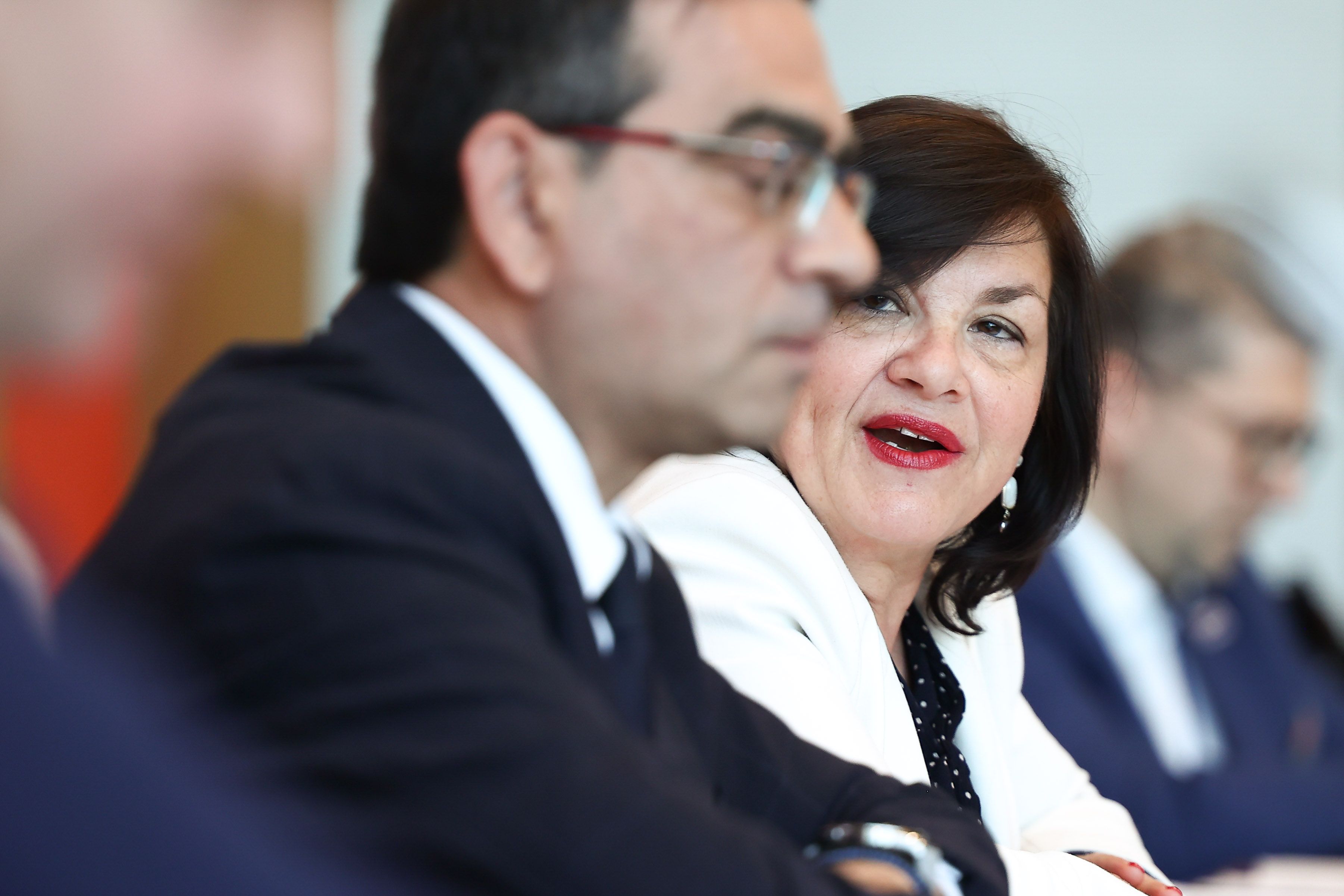
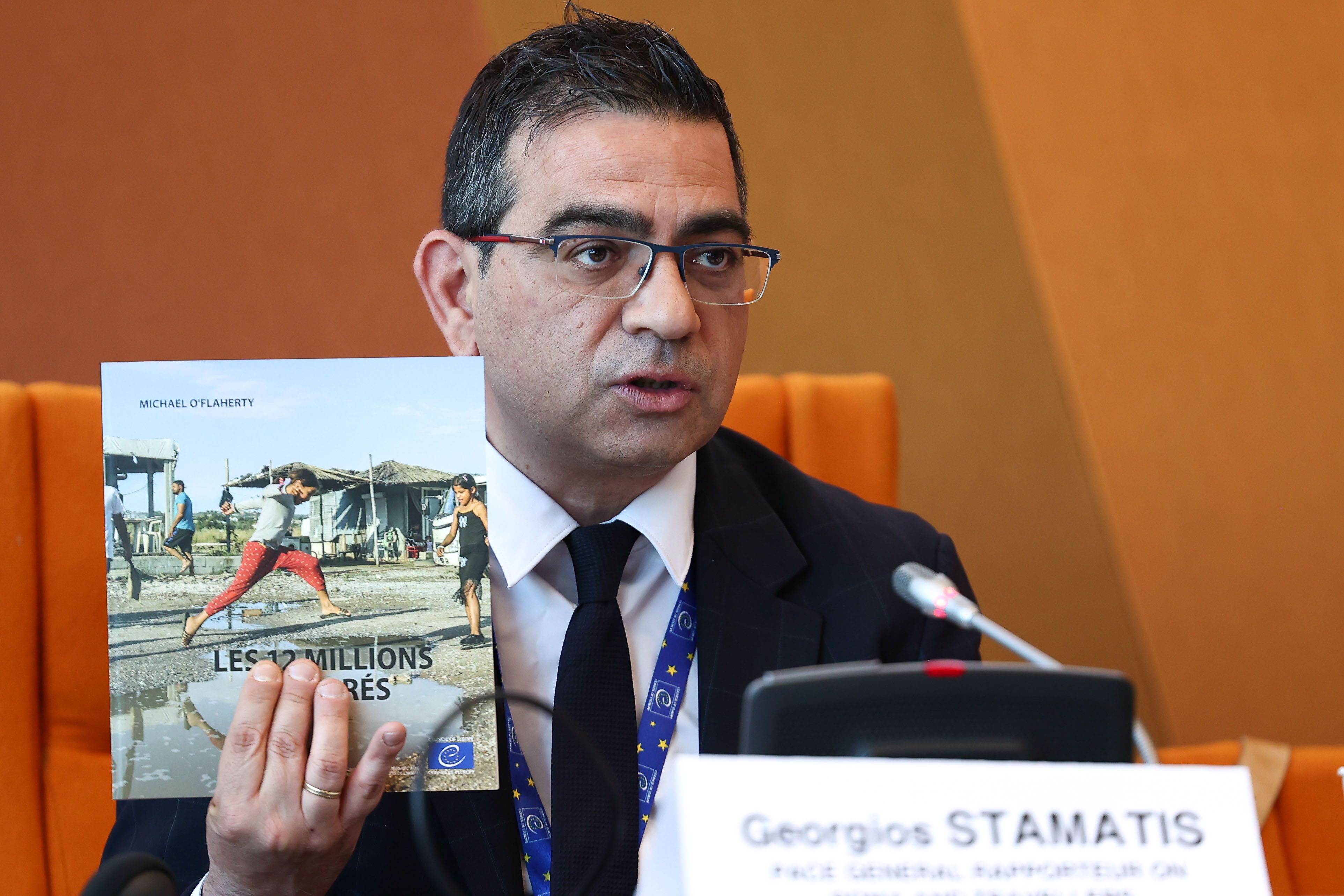
The event, organised within “Opre Roma!” Month, was hosted by MP Georgios Stamatis, PACE General Rapporteur on Roma and Travellers, brought together high‑level speakers, including representatives of PACE, the Commissioner for Human Rights, the United Nations, academia and Roma organisations. It also included testimony by Mr Christian Pfeil, a Sinti Holocaust survivor, underlining the importance of remembrance and the transmission of historical memory. Participants highlighted the need for sustained political commitment and cross‑sectoral co‑operation to counter antigypsyism and strengthen the protection of Roma and Travellers’ rights in Europe.
- Recommendation CM/Rec(2022)5 of the Committee of Ministers to member States on passing on remembrance of the Holocaust and preventing crimes against humanity
- Recommendation CM/Rec(2020)2 of the Committee of Ministers to member States on the inclusion of the history of Roma and/or Travellers in school curricula and teaching materials
- Thematic report on inclusion of Roma history in school curricula
- Capacity-building programme and tools supporting the implementation of CM/Rec(2020)2
- Roma History Factsheets



.jpg/9b22d125-6976-2463-9c1c-59cd96b557a6?version=1.0)
.jpg/fcf06b6f-e3cc-0305-4021-1e730bcd48c1?version=1.0)
.jpg/7f413acd-f4a8-f451-d3f2-a8356845a230?version=1.0)
.jpg/dc54e7a2-b833-d921-9175-7ca196a7c414?version=1.0)