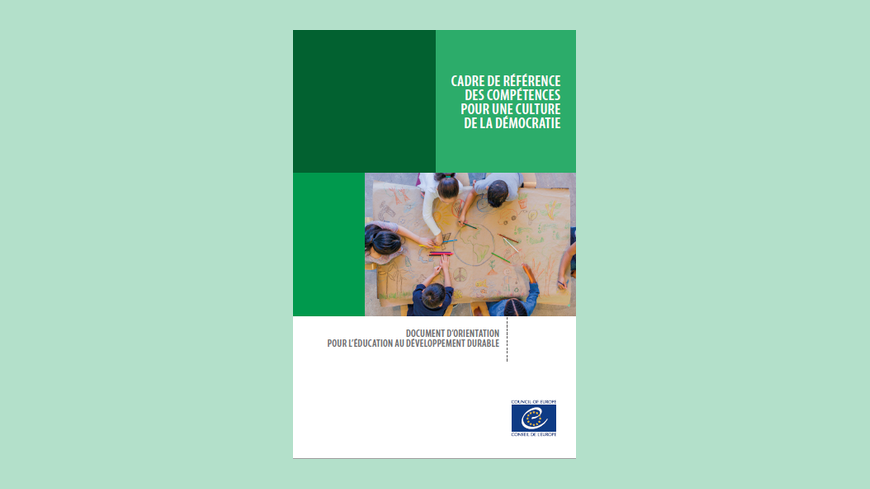
The Council of Europe’s Education Department has released a new Guidance document on applying the...
The Education Department, through its four-year programme of activities and the Steering Committee on Education (CDEDU), supports Member States in developing their policies, legislation and practices with a view to promoting democratic, quality, inclusive and corruption-free education systems, taking into account the Council of Europe's legal and policy instruments, guidelines, tools and resources.
27th session of the Council of Europe Standing Conference of Ministers of Education
The working groups and networks set up by the Steering Committee on Education (CDEDU) are mandated to support the implementation of the Committee's programme of activities. >> More about Working Groups and Networks




 Calendar of events
 EduTalks
 Calls for Tenders
 Education in time of crisis
 Covid-19 Response