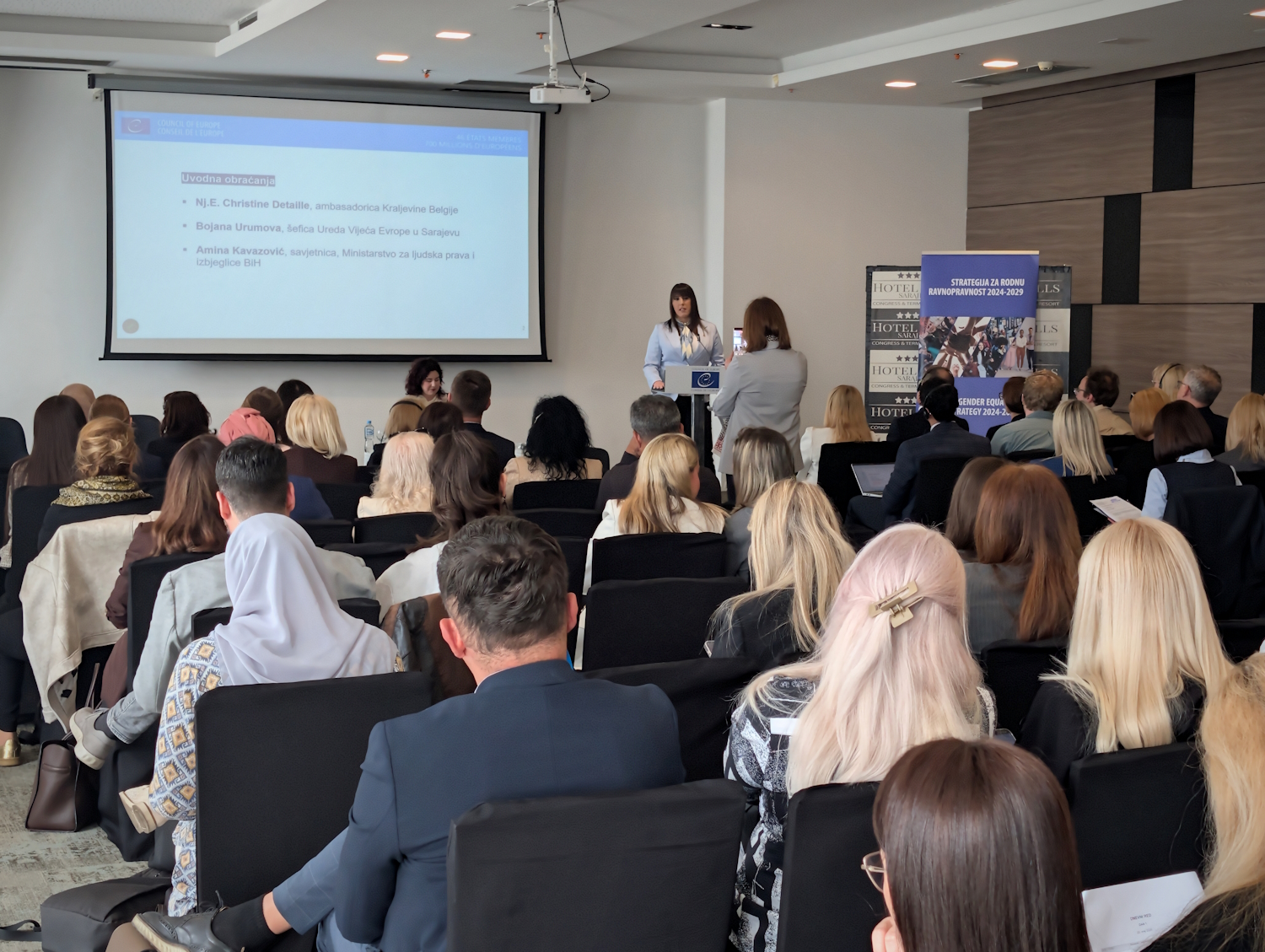
The best prevention against sexual violence is a legal framework that incorporates the definition of rape based on the absence of freely given consent, supported by effective institutional measures to protect survivors and ensure access to justice. This was the key message of a conference held in Sarajevo on 20–21 May, bringing together representatives of legislative and executive authorities, the judiciary, police agencies, gender equality bodies, academia and civil society from Bosnia and Herzegovina and across the region.
The conference explored how legislation and practice can be better aligned with the standards of the Council of Europe Convention on Preventing and Combating Violence against Women and Domestic Violence (Istanbul Convention). Participants exchanged experiences from Bosnia and Herzegovina, Belgium, Sweden, Slovenia and North Macedonia on introducing consent-based definitions of sexual violence and discussed how these reforms can contribute to better protection for survivors, higher reporting rates and more effective institutional responses.
The discussions highlighted that addressing sexual violence requires more than legal reform alone. Participants stressed the importance of understanding sexual violence through the lens of human dignity and human rights, while ensuring that victims receive timely support, protection and access to justice.
Particular attention was given to the situation in Bosnia and Herzegovina, where legal approaches differ across jurisdictions. Participants emphasised that all women and girls should have equal access to protection and justice, regardless of where they live.
The conference also highlighted the importance of specialised support services, stronger co-operation between institutions and building trust between victims and authorities. The shifting of responsibility between institutions was recognised as one of the obstacles that can prevent victims from obtaining effective protection and justice.
Opening the conference, the Ambassador of the Kingdom of Belgium to Bosnia and Herzegovina, Christine Detaille, reflected on recent legislative developments in Belgium and at the European Union level, which place greater emphasis on supporting victims, facilitating reporting and strengthening the implementation of laws through continuous training of police and judicial professionals.
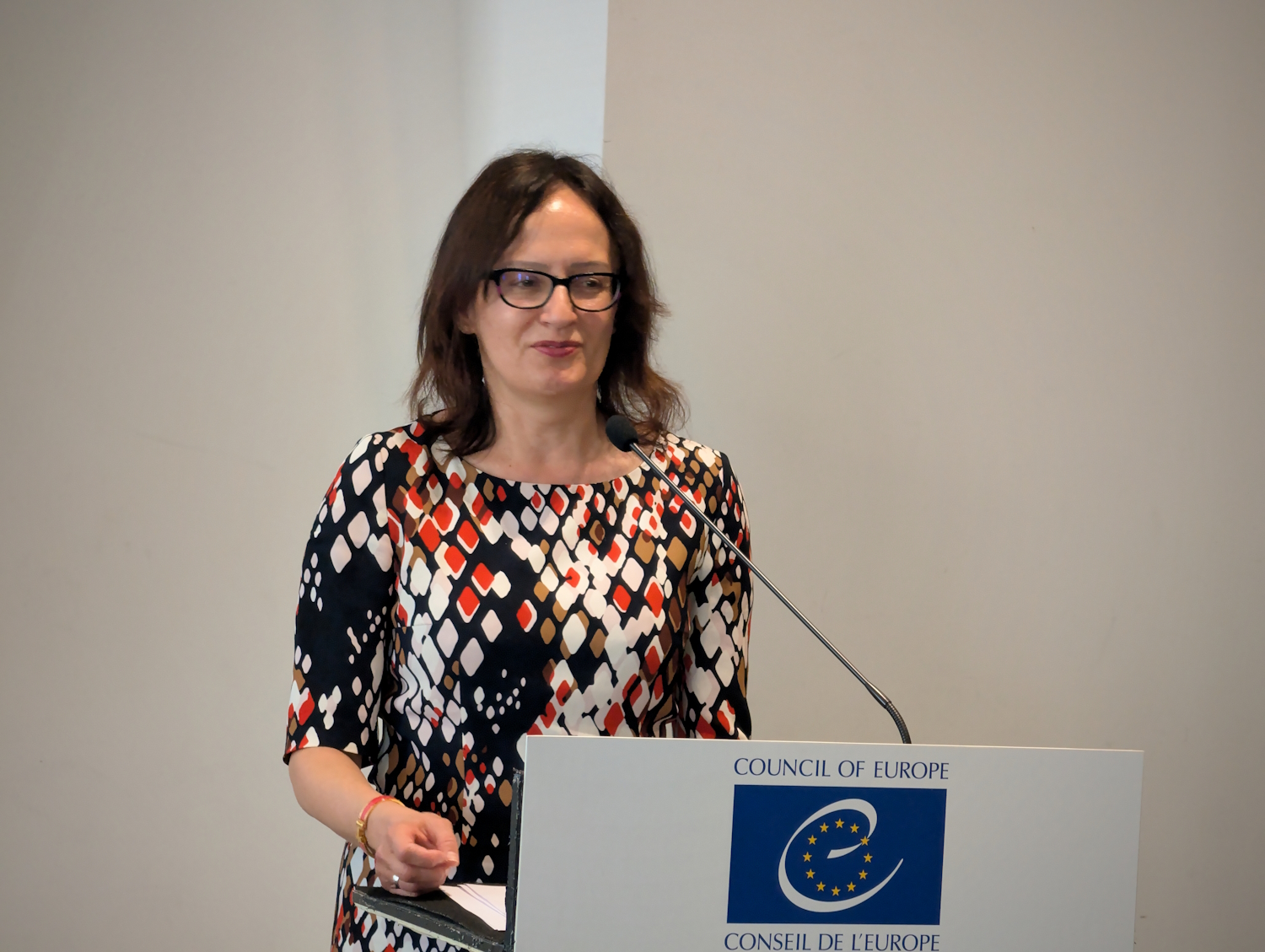
Head of the Council of Europe Office in Sarajevo, Bojana Urumova, underlined that the benefits of the Istanbul Convention extend to society as a whole. She called for a multi-sector approach involving institutions, police, the judiciary and educational institutions to address stereotypes and improve understanding of sexual violence.
Council of Europe monitoring bodies have repeatedly called on Bosnia and Herzegovina to align legislation at all levels with the Istanbul Convention, including by adopting a consent-based definition of sexual violence. Having ratified the Convention in 2013, Bosnia and Herzegovina continues, with the support of the Council of Europe, to strengthen its response to violence against women and domestic violence.
The conference was organised as part of the project “Strengthening Bosnia and Herzegovina's responses to digital and sexual violence against women” implemented by the Council of Europe under the Action plan for Bosnia and Herzegovina 2026-2029 and funded through voluntary contributions.


 +387 33 957 790
 +387 33 590 447