


Bosnia and Herzegovina

Having joined the Council of Europe and ratified the European Charter of Local Self-Government in 2002, Bosnia and Herzegovina has worked closely with the Council of Europe Congress to strengthen local democracy and promote good governance.
The most recent Congress monitoring report was adopted in October 2019, underscoring the need for deeper citizen engagement, stronger municipal autonomy, and more robust frameworks for local self-government.
Since 2020, the Congress has played a pioneering role in promoting deliberative democracy in Bosnia and Herzegovina and throughout South-East Europe. Its interventions have been instrumental in breaking the political deadlock in Mostar by introducing deliberative processes that empower local public authorities and citizens to actively contribute to local decision-making.
Ongoing projects in Bosnia and Herzegovina
 Advancing multilevel dialogue, innovative democracy and human rights at local level in Bosnia and Herzegovina
The project aims at strengthening participatory local democracy and human rights-based policymaking and improving local public services in Bosnia and Herzegovina. This will be achieved by supporting deliberative processes and innovative forms of citizen participation in local decision-making and strengthening capacities of local authorities and their associations to protect and fulfil human rights at local level.
Strengthening innovative democracy in South-East Europe
The project aims at enhancing local democracy and promoting more transparent and inclusive local public institutions in South-East Europe, building on increased awareness and evident demand in the region for more deliberative and participative democracy. It focuses on strengthening capacities of local authorities, piloting Citizens’ Assemblies, and improving legal frameworks to embed participatory and deliberative processes as complement to representative democracy in Albania, Bosnia and Herzegovina, Kosovo*, Montenegro, North Macedonia, and Serbia.
*All references to Kosovo, whether the territory, institutions or population, in this text shall be understood in full compliance with United Nation's Security Council Resolution 1244 and without prejudice to the status of Kosovo.

Bosnia and Herzegovina and the Council of Europe

Contact
Head of the Centre of Expertise for Multilevel Governance
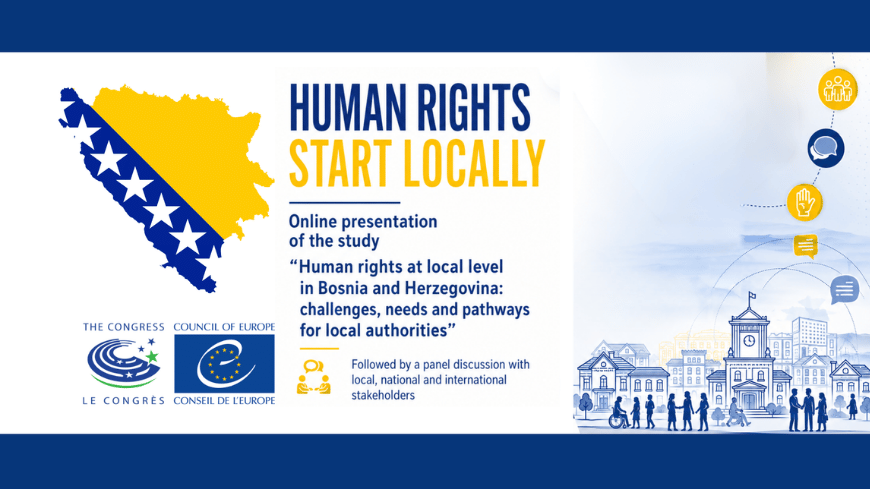
Congress steps up support for human rights at local level in Bosnia and Herzegovina
Completed projects in Bosnia and Herzegovina
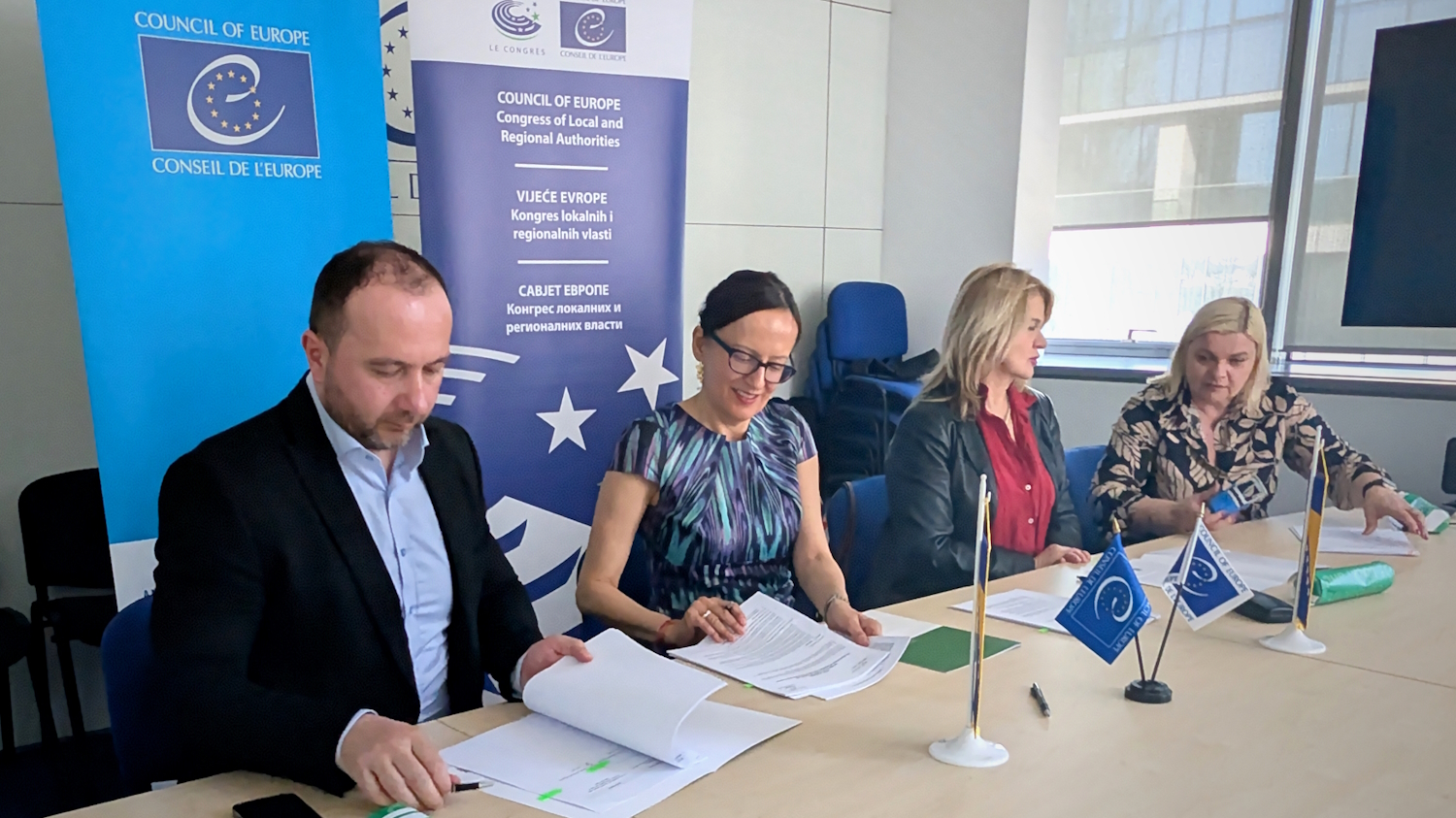
Strengthening democratic innovations and promoting human rights at local level in Bosnia and Herzegovina (2024-2025)
As part of the Council of Europe Action Plan for Bosnia and Herzegovina 2022-2025, the project builds upon the results of the previous Congress interventions and responds to the needs voiced by relevant stakeholders across the country. The project intends to propose concrete action for local authorities from Bosnia and Herzegovina to renew democracy and reinforce human rights across their constituencies.
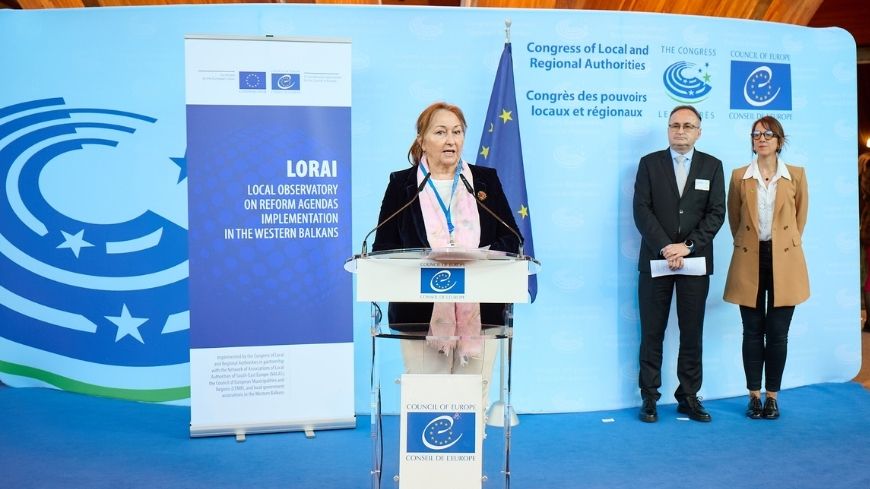
Promoting deliberative democracy and innovative approaches to citizen participation in South-East Europe (2024-2025)
Bosnia and Herzegovina is also part of this regional project along with Albania, Kosovo*, Montenegro, North Macedonia and Serbia. This initiative aims at strengthening democratic processes across South-East Europe and foster innovative citizen engagement.
*All references to Kosovo, whether the territory, institutions or population, in this text shall be understood in full compliance with United Nation's Security Council Resolution 1244 and without prejudice to the status of Kosovo.
Innovating democratic participation at local level in Bosnia and Herzegovina (2022-2024)
The project aimed at boosting democratic innovation through deliberative processes and on enhancing the quality of local governance implemented in partnership with associations of local authorities in the country.
Building democratic participation in the City of Mostar (2020-2021)
Following a decade where Mostar citizens could not exercise their fundamental right to vote and stand in local elections, the aim of the project is to create opportunities for citizens to engage in deliberative processes and participate in local decision making, with the ultimate goal of restoring citizen’s confidence and trust in public authorities