


Advancing participatory and human rights-based local democracy in Georgia

About the Project
The project Advancing participatory and human rights-based local democracy in Georgia aims to ensure that residents across Georgia enjoy enhanced public services and increased community involvement at the local level through participatory and human rights-based decision-making, along with efficient decentralisation efforts.
The project will support local authorities, their national association, and civil society organisations to better engage citizens in local decision-making, actively use existing participatory forms, pilot and institutionalise innovative citizen participation mechanisms, and develop local policies tailored to citizens’ needs. It will also enhance the engagement of local authorities and civil society in the development of decentralisation strategy and action plans, embedding participatory and human rights principles into the reform process. Finally, it will empower local authorities and their national associations to advocate for human rights, use a human rights-based approach in decision-making, engage in dialogue with youth and underrepresented groups, and promote a green perspective.
The project addresses cross-cutting issues such as gender mainstreaming, environmental protection, participation of underrepresented groups, in particular persons with disabilities, and effective data collection for reinforcing evidence-based and participatory decision-making.
The project contributes to reaching the Sustainable Development Goal 5 (Gender equality), 10 (Reduced inequalities), 11 (Sustainable cities and communities), 16 (Peace, justice, and strong institutions) and 17 (Partnership for the goals) set by the United Nations in its 2030 Agenda for Sustainable Development.
The project is implemented by the Congress of Local and Regional Authorities in the framework of the Council of Europe Action Plan for Georgia 2024-2027 with the financial contribution of International Partnerships Austria.
 Budget: EUR 3 500 000. The project budget is implemented under the Council of Europe Action Plan for Georgia 2024-2027 with the financial contribution of International Partnerships Austria.
 Duration: 3 October 2024 - 31 December 2027.
Intervention logic
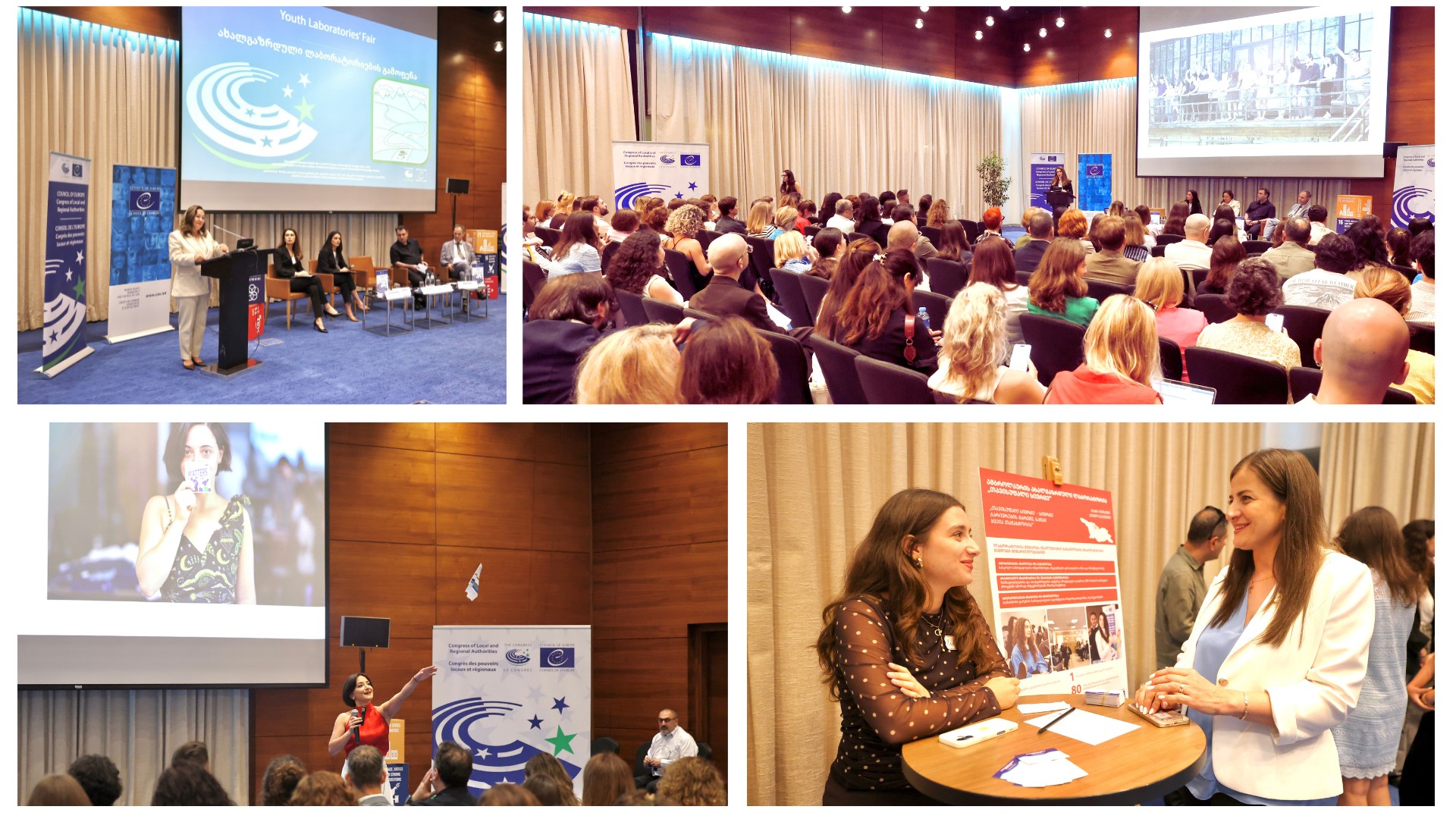
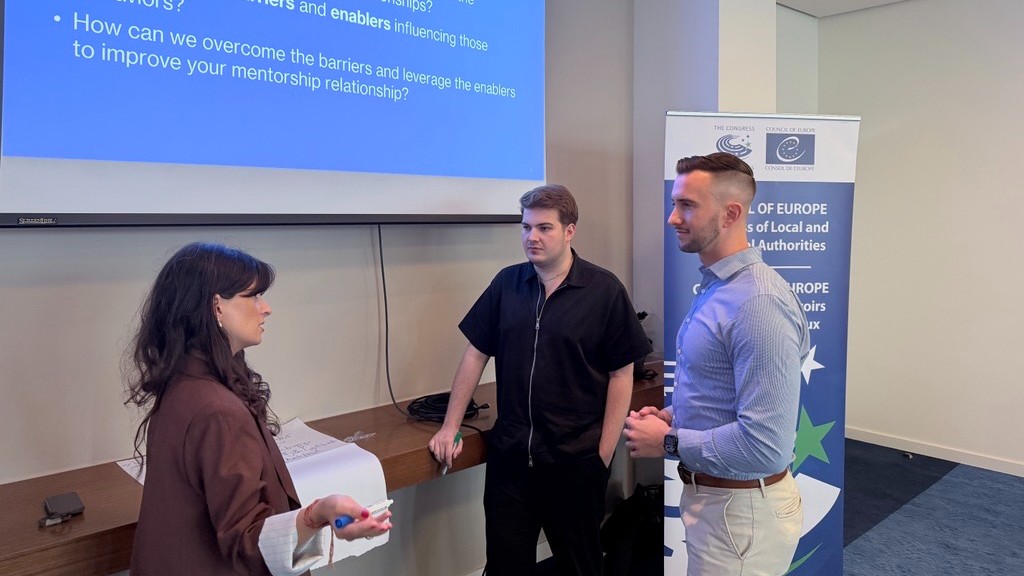
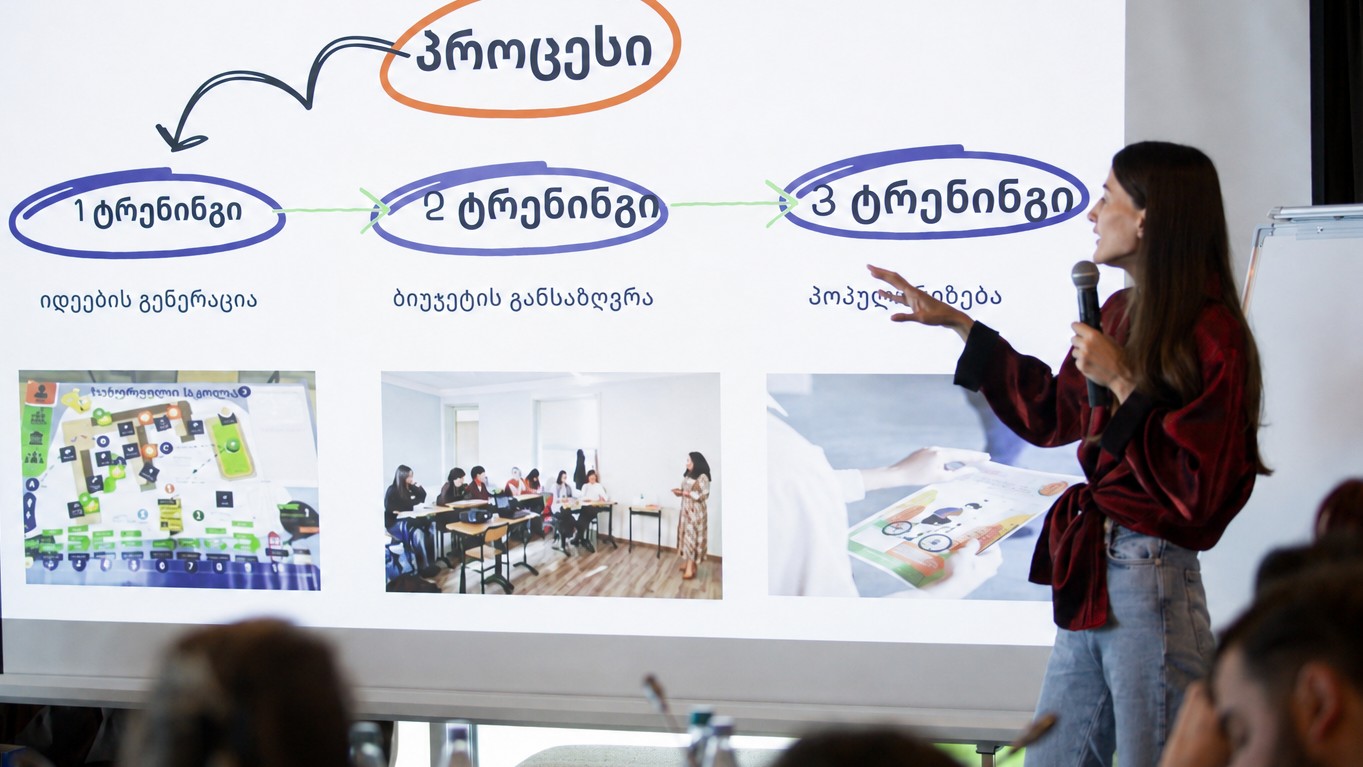
The implementation of the project is based on supporting local ownership of the project outputs while channelling best European practice and promoting peer-to-peer learning among local actors as well as with peers from other Council of Europe member states. Activities aim at promoting effective, balanced, and inclusive civil participation in local decision-making, developing the institutional capacities of local authorities and NALAG to carry out their responsibilities, strengthening the protection of human rights at local level, and contributing to the development of national legislation and policies in line with European norms and standards. Project activities will be implemented in selected municipalities in Georgia and include public cascade trainings, expert support, peer-to-peer exchanges, outreach initiatives, as well as support to local initiatives and partnerships. The participation of women, youth and vulnerable groups is prioritised.
The project intervention is based on the best European practice and standards such as the European Charter of Local Self-Government and its Additional Protocol on the right to participate in the affairs of a local authority, the 12 Principles of Good Governance, the updated Code of Good Practices for Civil Participation, the Recommendation of the Committee of Ministers CM/Rec(2018)4 on the participation of citizens in local public life, Guidelines on Civil participation in political decision-making and Recommendation CM/Rec(2023)6 of the Committee of Ministers to member States on deliberative democracy. It addresses the Reykjavík Principles for Democracy adopted at the 4th Council of Europe Summit of Heads of States and Governments (16-17 May 2023) and the priorities set during the Georgian Chairmanship of the Committee of Ministers of the Council of Europe (November 2019 – May 2020), including the inclusion of the right to a healthy environment as a human right, and aligns with the Congress priorities as well as its thematic and monitoring recommendations.
Who benefits from the Project?
- Local authorities and their national association
- Civil society actors and community-based organisations
- Under-represented groups, including women, youth and vulnerable groups (i.e., minorities, IDPs, and others)
What do we expect to achieve?
- The regulatory frameworks and institutional setup are suited to the implementation of effective citizen engagement in political decision-making.
- Local authorities and civil society actively use participatory mechanisms, demonstrating awareness and commitment to collaborative decision-making.
- The central government applies a human rights-based participatory approach in the development of the decentralisation strategy and its action plan.
- Local authorities effectively implement gender-responsive and inclusive initiatives that promote human rights and gender equality, support underrepresented groups, and advance environmental sustainability.
- Local authorities and their national association effectively participate in multilevel governance improving integration and implementation of human rights practices across all levels.


Office in Georgia
64b Chavchavadze Ave. 14th Floor
Tbilisi 0179, Georgia
 +99532 2913870/ 71/ 72
