Across Europe, criminal asset recovery is gaining renewed attention. On 15 May 2026, the Council of Europe adopted in Chișinău a new Additional Protocol to the Warsaw Convention, extending asset recovery tools and strengthening international co-operation. At European Union level, the Directive 2024/1260 on asset recovery and confiscation is also reaching an important milestone, with member States required to transpose it into national law by November 2026.
These developments strengthen the legal framework, but recovery ultimately depends on what happens once a confiscation order is made. The money may have moved, property may be held in somebody else’s name or located abroad, and other assets may only come to light after criminal proceedings have ended. Following the financial trail beyond conviction can therefore be essential to giving the court’s decision effect.
For the Republic of Moldova, this is a very practical challenge. The country’s National Programme for Criminal Assets Recovery 2023–2027 recognises that assets may not always be identified during earlier financial investigations and identifies insufficient co-operation between the authorities involved in criminal asset recovery as one of the system’s weaknesses. Moldova has also introduced a framework allowing confiscated property to be used for social purposes or in the public interest, making successful recovery more tangible for society.
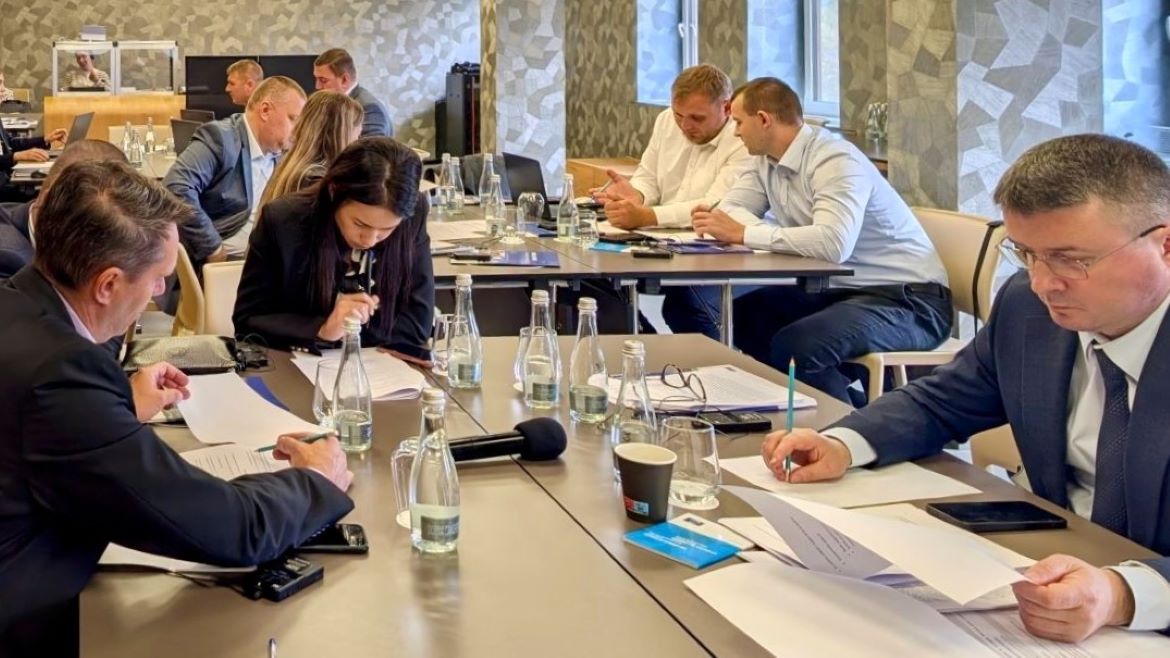
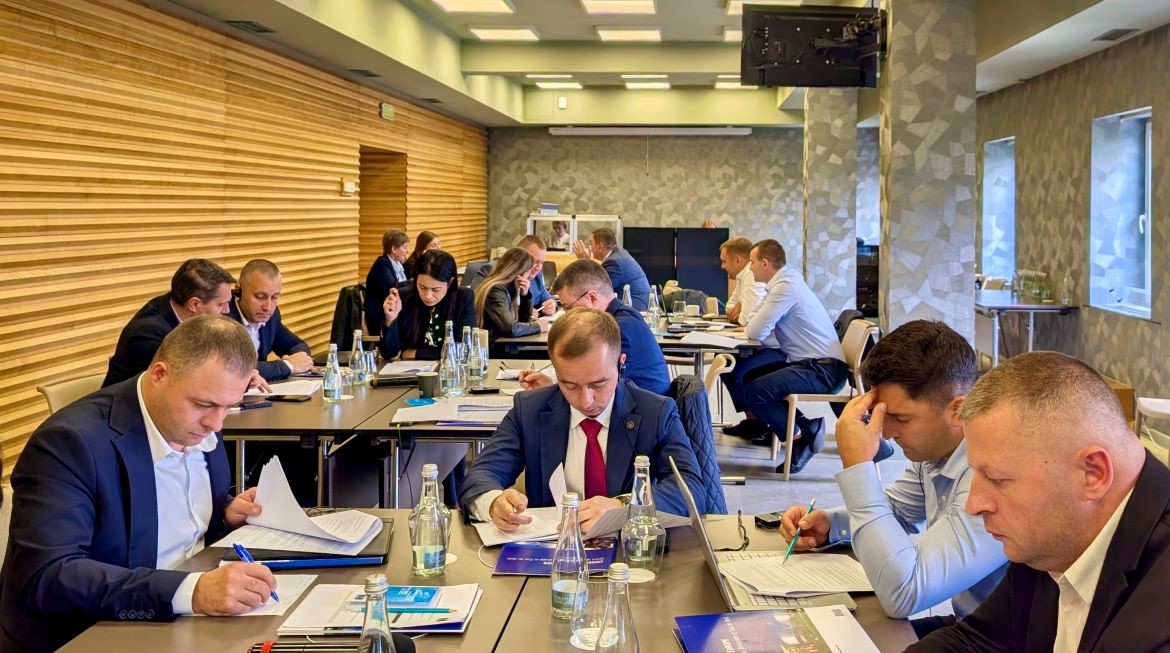
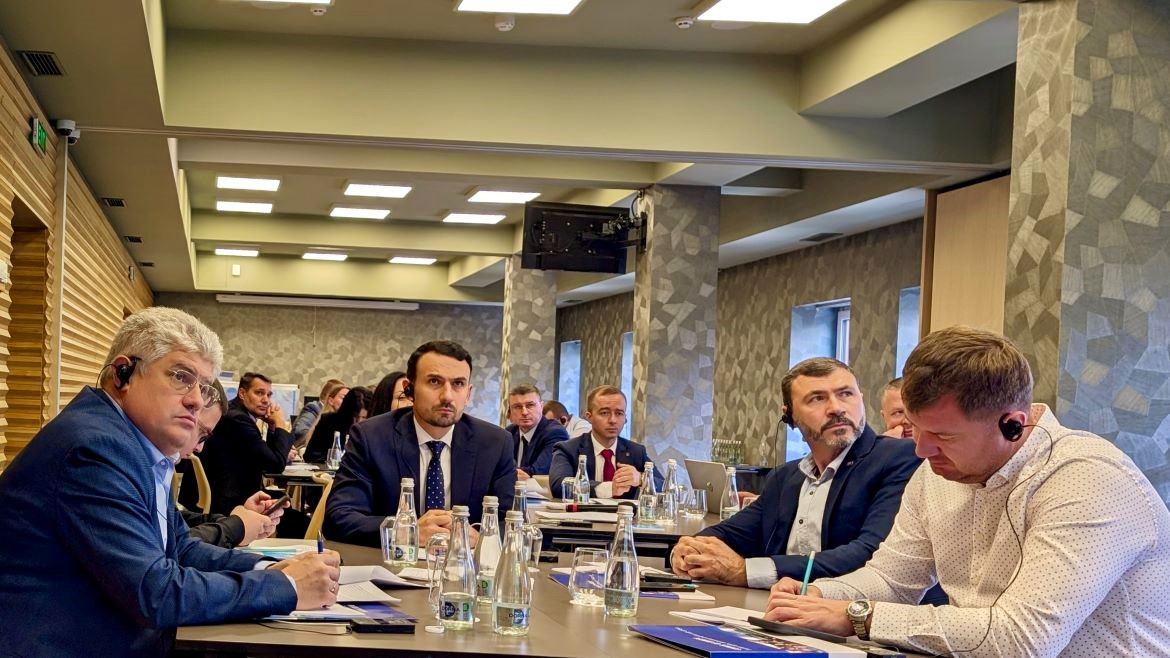
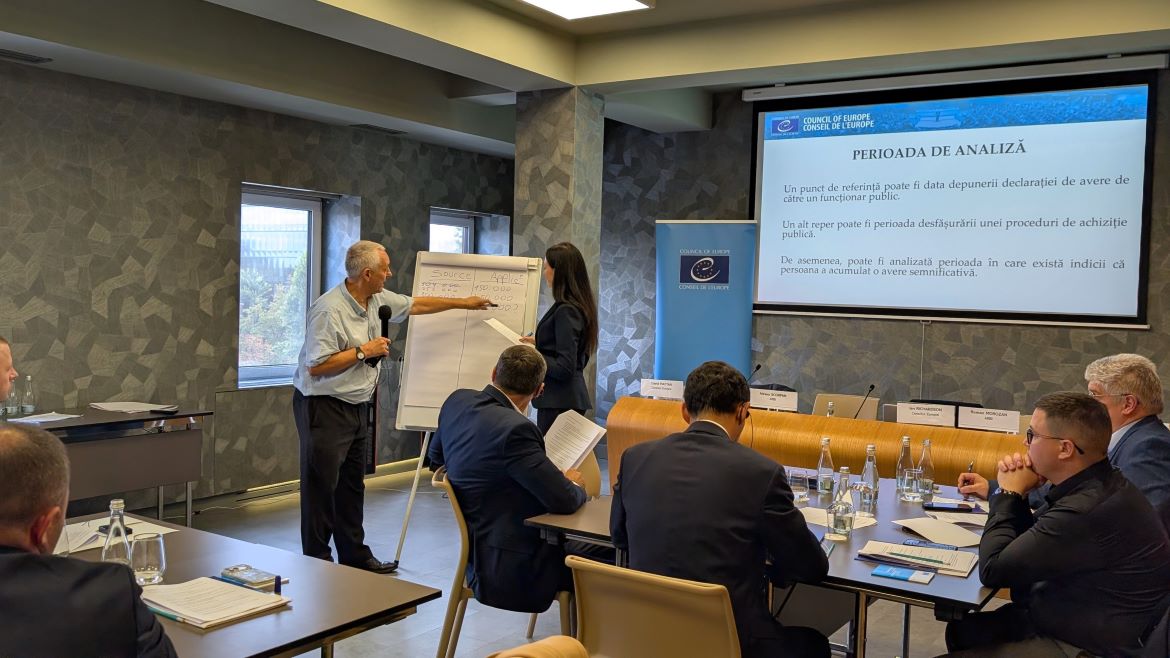
These challenges brought prosecutors and representatives of the National Anticorruption Centre and Criminal Assets Recovery Agency, the General Police Inspectorate, the State Tax Service and the Financial Intelligence Unit together in Chișinău on 23–24 September for a two-day training on “Post-Conviction Financial Investigations”. Their different but complementary roles reflect the range of institutions involved in turning confiscation decisions into effective recovery.
Working with Council of Europe international experts, participants followed that process beyond the courtroom. They explored what happens when the original proceeds of crime can no longer be found, when new assets emerge during enforcement, when ownership is disputed or when property or relevant information is located abroad. Through practical scenarios, participants considered where to look for information, how to connect evidence held by different institutions and when prosecutors, courts or other competent authorities need to become involved.
For Alesea Scorpan, Acting Head of the International Co-operation, Secretariat and Archive Division of the Criminal Assets Recovery Agency, the practical and interactive format was one of the most useful aspects of the training. “I particularly appreciated working through concrete cases, as well as the experience and practical examples shared by the trainers,” she said. She also highlighted the value of having the institutions involved in the process in the same room, allowing them to exchange perspectives and “better understand the role of each institution in this chain.”
That exchange also showed why co-operation between institutions matters in practice. Information emerging during enforcement may raise new questions about an asset or its ownership, requiring several authorities to act together before recovery can move forward.
Cristina Gladcov, Prosecutor at the Anti-Corruption Prosecutor’s Office, linked the practical value of the training to Moldova’s European integration process. “As Moldova aligns its national legal framework with EU law, legislative reforms in criminal, civil and enforcement matters need to go hand in hand with strengthening institutions’ capacity to apply them in practice. The training provided methodological guidance on the use of freezing measures, extended confiscation and post-conviction enforcement of criminal assets, practical tools that are essential for making asset recovery effective,” she noted.
By the end of the two days, participants had followed the circulation of a confiscation order following the conviction and through practical questions that can determine whether assets are ultimately recovered. Bringing the institutions involved together around those questions helped clarify how their different roles connect in practice and where co-operation matters most.
The activity was organised within the framework of the project “Action against money laundering and terrorism financing in the Republic of Moldova”, funded by a grant from the U.S. Government.