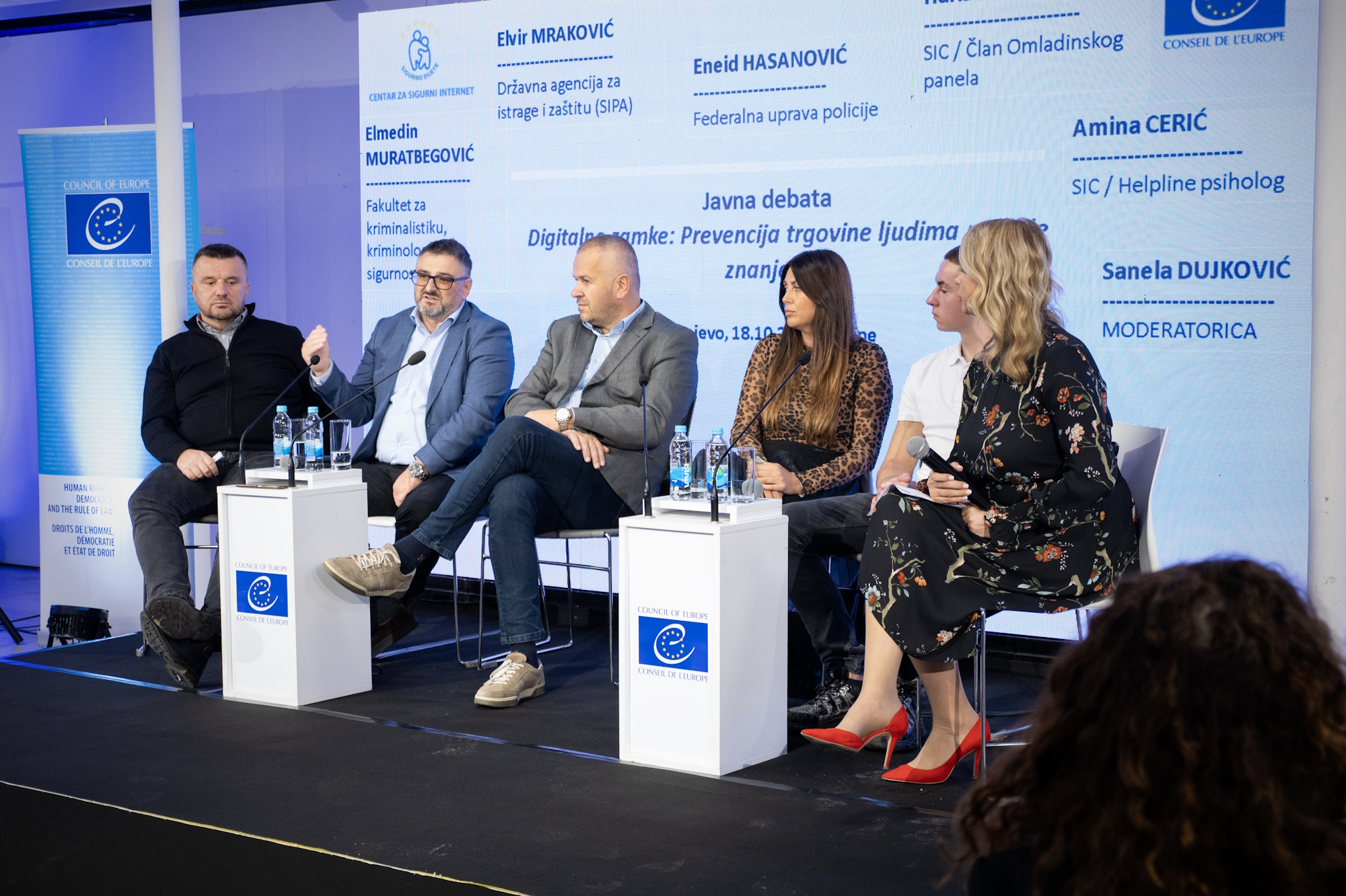
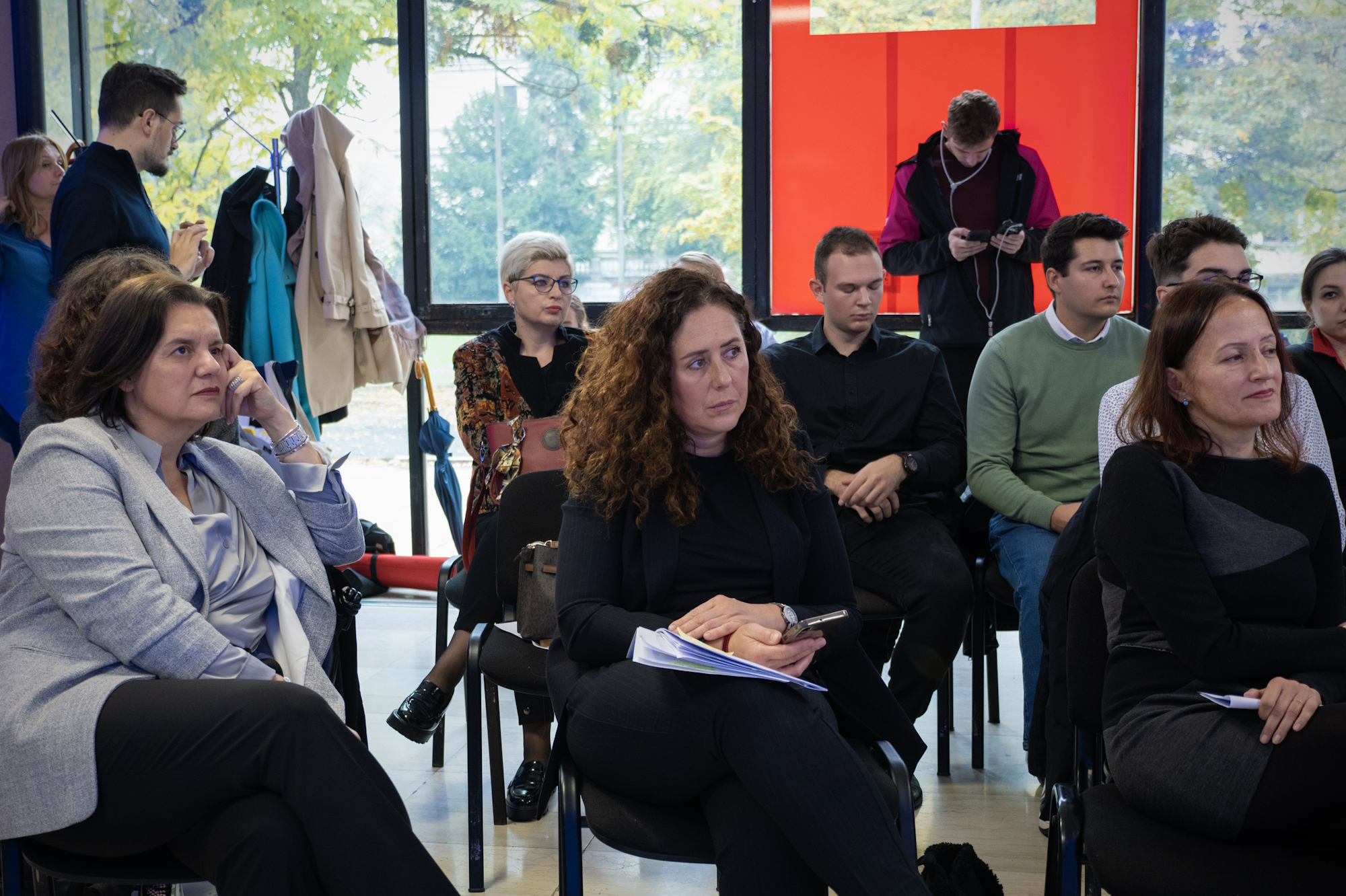
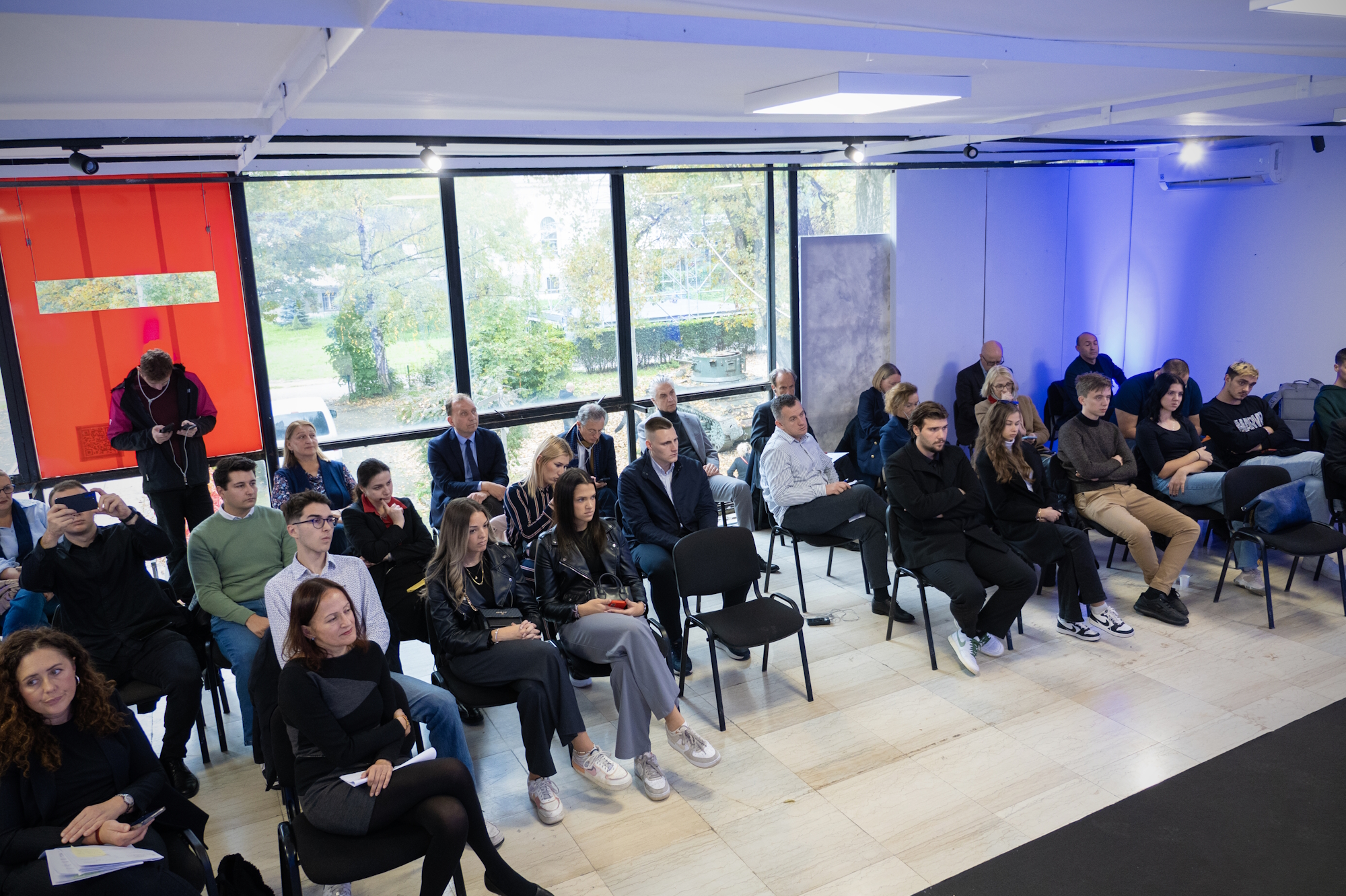
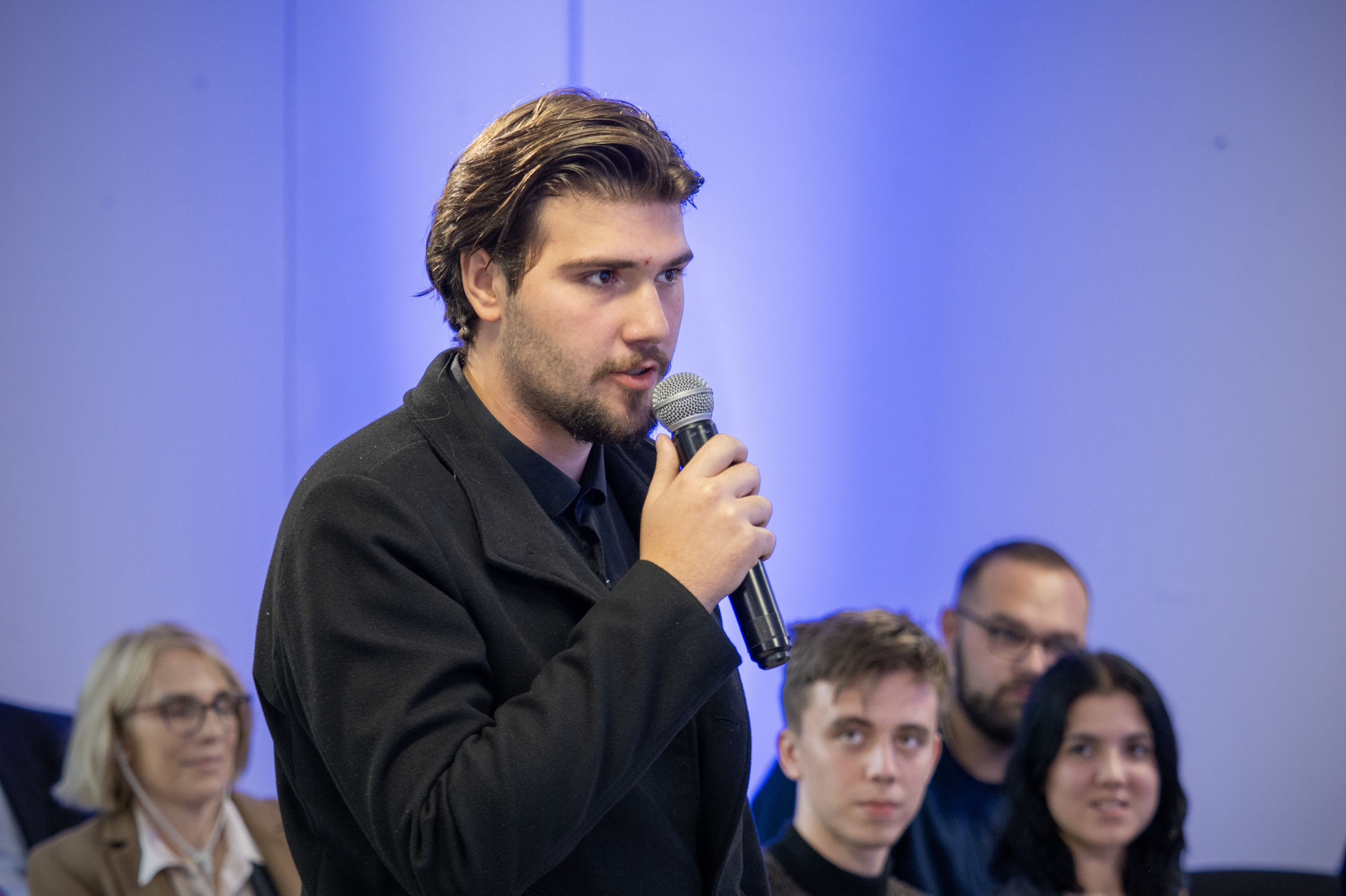
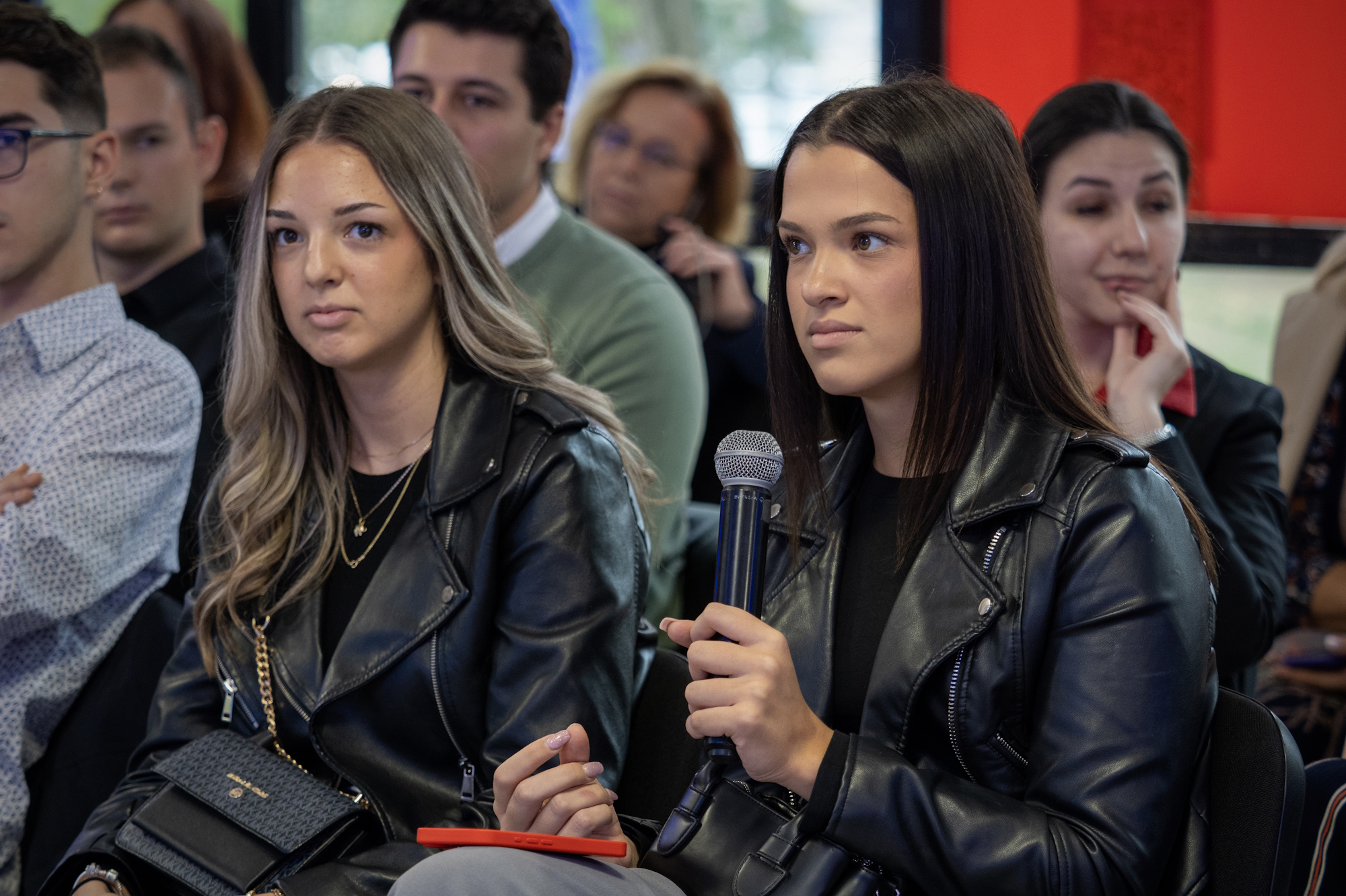
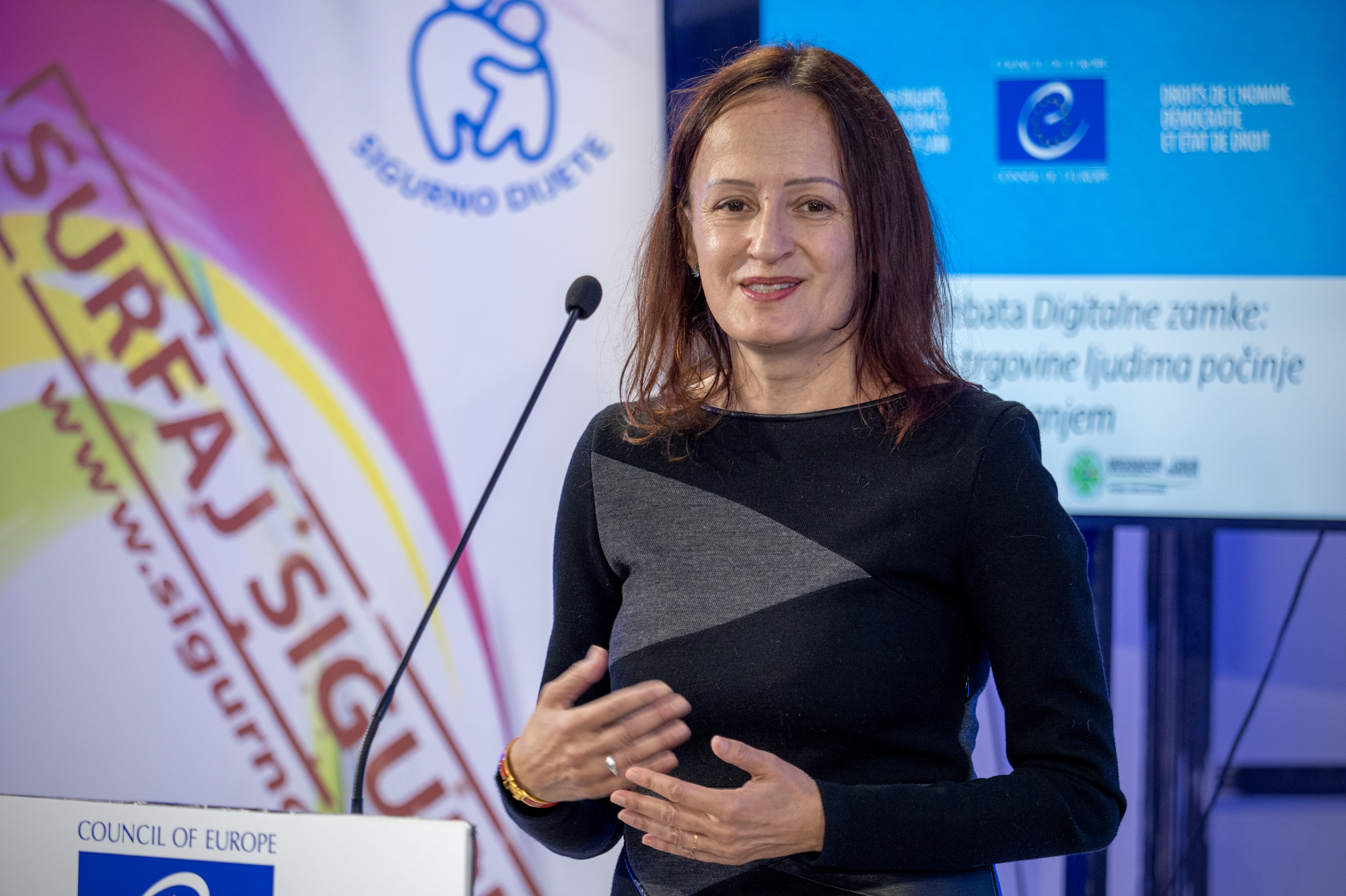
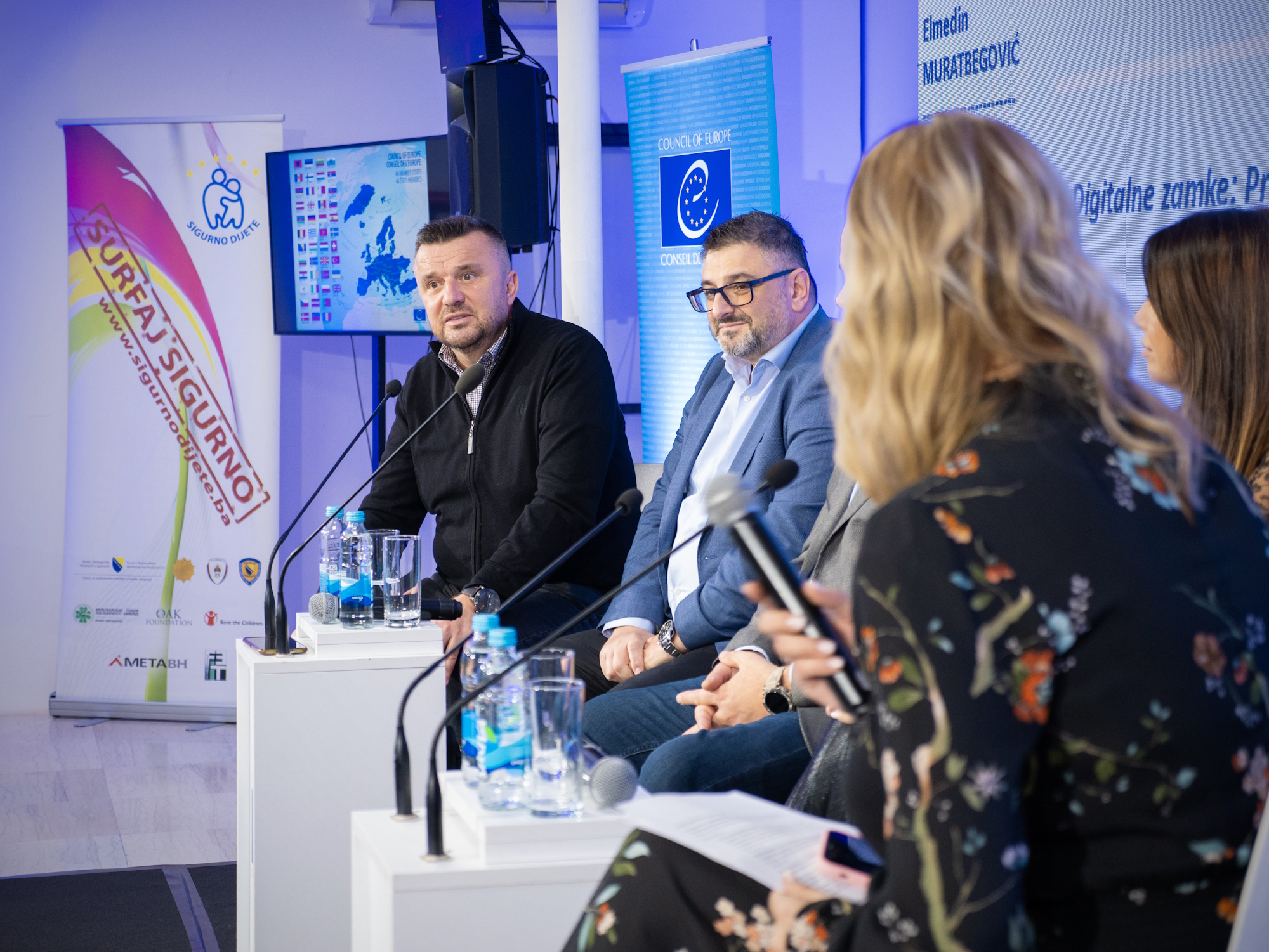
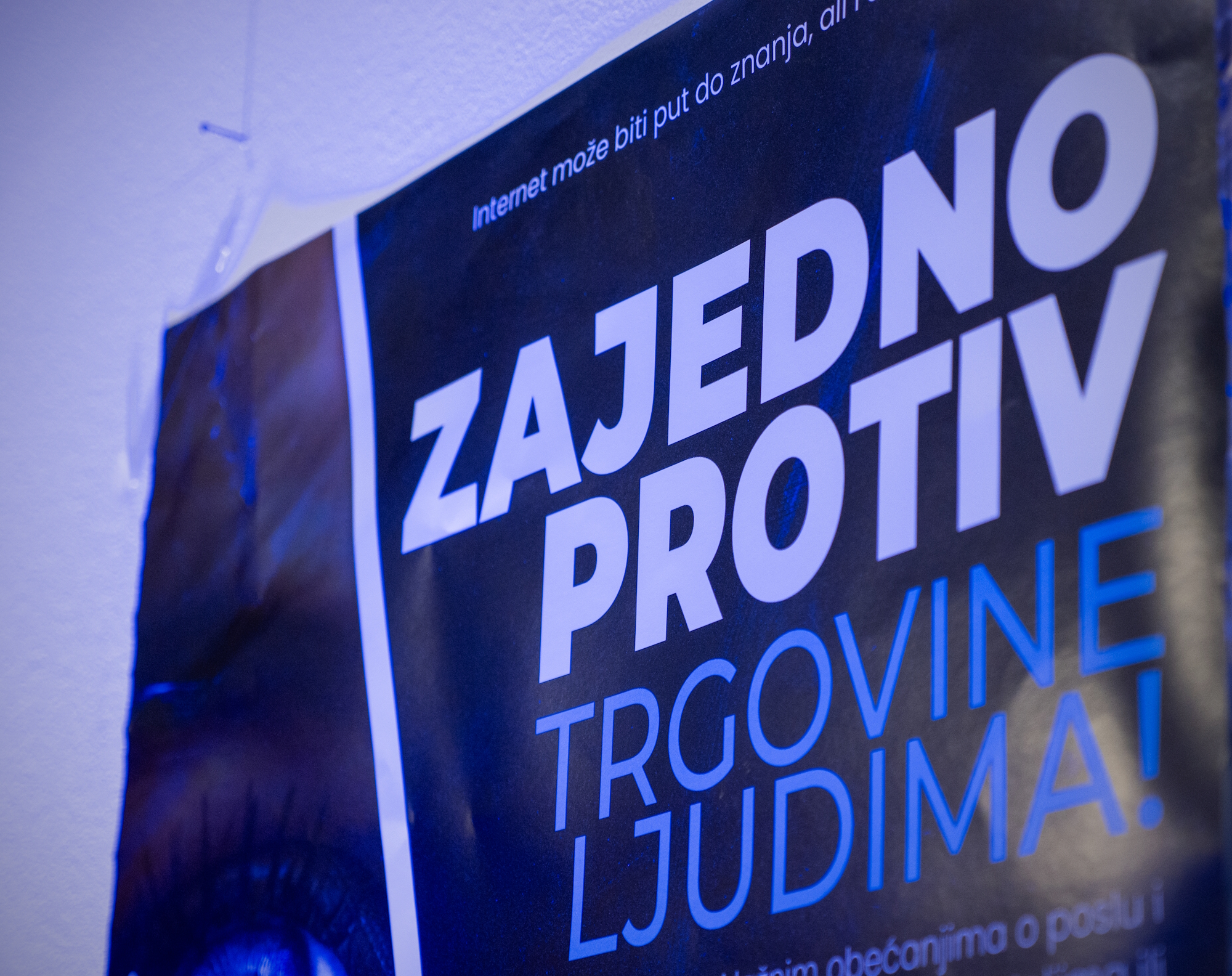
The BiH History Museum in Sarajevo radiated with energy and curiosity on 18 October, European Anti-Trafficking Day. Young people filled the room for the panel discussion Digital traps: Preventing human trafficking begins with knowledge, organised by the Council of Europe in cooperation with the Ministry of Security of Bosnia and Herzegovina and MFS-EMMAUS.
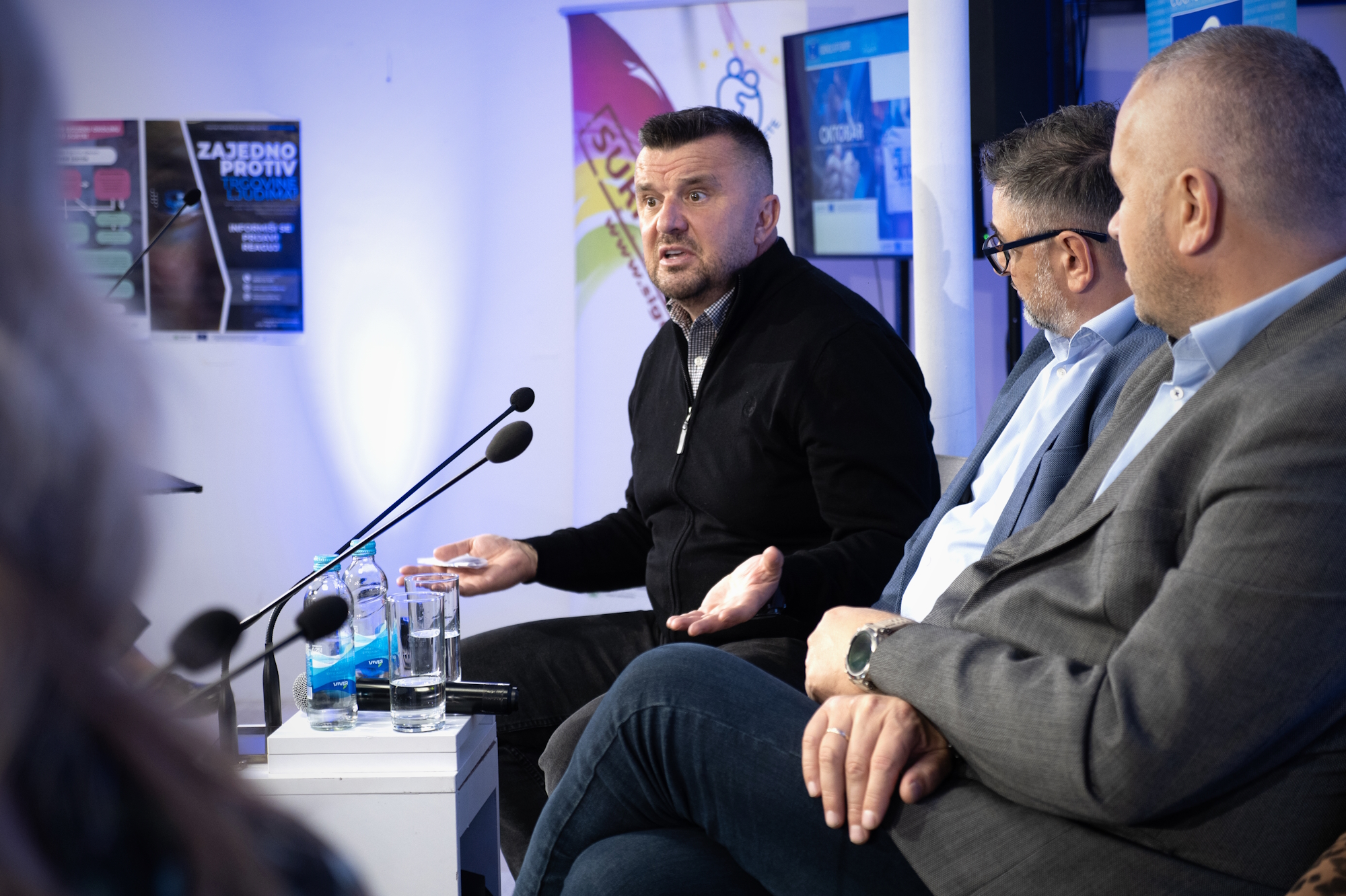
The event went beyond a lecture, offering an interactive discussion about hidden dangers and traps in the online world. Experts guided participants through the tactics traffickers use: fake job offers, catfishing, grooming, and other online schemes aimed at manipulating youth. Criminal justice professionals, police officers, and representatives from the Safe Internet Centre explained warning signs, ways to protect personal data, and practical steps for reporting suspicious behaviour.
"Each of our conferences or public debates delivers a lot of new information because we are discussing topics that are, sadly, increasingly prevalent in today’s world," said 18-year-old Haris Hamza, member of the Safe Internet Centre’s Youth Panel. "The digital sphere is something new we are stepping into and prevention of human trafficking - especially children and youth who are a greater target for manipulative traffickers hiding behind screens - is a very important topic."
For Damir Bešić, participant and first-year pedagogy student, the lessons were deeply personal. "I had the opportunity to learn about certain facts, competences, and of course, the laws in our country related to human trafficking - particularly in the digital space. I think this is important. Later in my career, I will be working with children, and I need to know how to help a child if I notice signs of exploitation or any form of violence."
"At a time of emerging digital technologies, violence can spread with a click of a mouse – silently and rapidly, with devastating consequences," said Amela Efendić, Director of the Safe Internet Centre. "We work with children and youth, but also parents, teachers and other people to provide tools for reporting online violence, an SOS help line for victims, and education on how to recognise and protect oneself from this form of violence."
By the end of the day, the young attendees were not just informed - they were empowered. "For me and for other young people, I believe it’s essential to be here and to hear about this topic. Because who will educate others if not us? I believe the future depends on the youth," said Alma Smajlović, participant and member of the “Be a Man Club” from Lukavac.
Participants agreed that awareness is the best tool for prevention of trafficking online. They were encouraged to take what they had learned back to their schools, online networks, and communities, sharing knowledge and helping others stay safe in the digital world.
The panel discussion was organised as part of the Council of Europe project “Strengthening access to justice and effective remedies for victims of human trafficking in Bosnia and Herzegovina,” implemented under the Council of Europe Action Plan for Bosnia and Herzegovina 2022-2025 and funded through voluntary contributions.


 +387 33 957 790
 +387 33 590 447