


Further strengthening judicial and non-judicial remedies for the human rights protection of the war-affected people in Ukraine
 Link to resources of the Council of Europe Project “Internal Displacement in Ukraine: Building Solutions. Phase I and II” (2018 - 2021)
PROJECT DESCRIPTION
Project title - “Further strengthening judicial and non-judicial remedies for the human rights protection of the war-affected people in Ukraine”
Duration - 21 months (April 2025 – December 2026)
Funding - Voluntary contributions of the Council of Europe member states
The Project aim
Enhancing access to justice, redress mechanisms, and relief measures for the war-affected people at the national level. Project aligns with the Reykjavik Declaration Principles, emphasising the commitment to uphold human rights, democracy, and the rule of law in response to aggression and conflict. It supports Ukraine’s efforts to recover and rebuild, ensuring that human rights and international obligations are upheld in the face of significant challenges. The Project also reflects the broader mission of the Council of Europe to protect and promote these core values across the continent.
Pillar 1 - Further improvement of the domestic legal and regulatory framework on remedies and reparations for the war-affected people and documenting of war-related damage, loss, and injury in line with Council of Europe standards and recommendations.
Building on the European and international standards, the Project will further support the national authorities in advancing domestic legislation and policies on the human rights protection of war-affected people as well as relevant redress mechanisms and relief programmes. The Project will also promote interagency dialogue among key stakeholders (i.e., parliamentarians, the Ombudsperson Office, relevant ministries, the judiciary, the legal professionals, etc.) in order to address challenges related to the administration of justice, access to effective remedies and relief measures for the war-affected people in Ukraine in line with Council of Europe standards and recommendations.
In addition, the Project will foster an improvement of the data collection and verification tools including the registers (data bases) of key groups of war-affected people and types of damage with a view to facilitating access to effective remedies. In this context, the Project will facilitate and promote coherence, complementarity, and interoperability between relevant domestic inventories and the Register of Damage for Ukraine, in line with the “Riga Principles”.
Pillar 2 - Strengthening judicial protection and facilitating access to legal aid for war-affected people in line with Council of Europe standards and the case-law of the European Court of Human Rights.
Through continued expert support and specialised trainings, the Project will strengthen the capacities of the judiciary to apply Council of Europe standards including the case-law of the European Court of Human Rights in cases related to armed conflicts. This will further enhance the judicial protection of the war-affected people within civil and administrative proceedings. Along with compensation for damage, loss and injury caused by the aggression of the Russian Federation against Ukraine and in accordance with the Committee of Ministers’ decisions and resolutions in relation to this matter, the Project, among others, will facilitate access to justice, verification and restoration of property rights, recognition of legal facts and civil statuses for the war-affected population. Additionally, expert support will be provided to the judiciary on state immunity issues, enabling better handling of complex cases concerning state immunity in line with international and Council of Europe standards, with focus on the relevant case-law of the European Court of Human Rights.
Finally, access to high-quality legal aid for different categories of war-affected people will be further improved through tailor-made support and trainings for the free legal aid system and other legal professionals. Moreover, the Project will continue to raise awareness on access to justice, claiming war-related damage and legal services available for the war-affected people with a focus on the most vulnerable groups.
Pillar 3 - Enhancing access to non-judicial remedies and administrative redress mechanisms for the war-affected people.
The Project will further support the Ukrainian Parliament Commissioner for Human Rights (the Ombudsperson) Office in implementing its initiatives and work concerning remedies and redress for the aggression against Ukraine as well as conducting regular monitoring of the war-affected persons’ rights. This assistance does not overlap with the actions undertaken by the Council of Europe bilateral project dedicated to the Ombudsperson’s Office .
The Project will strengthen institutional capacities of compensation commissions and administrative entities responsible for the implementation of domestic relief measures to promote victim-centred and human rights-based approach. Through targeted media campaigns and other awareness raising activities the Project will ensure access to reliable information on existing domestic remedies, redress mechanisms and support programmes for the war-affected people and their compatibility with the Register of Damage caused by the Aggression of the Russian Federation against Ukraine (RD4U).
In that context, the Project in co-operation with the Register of Damage caused by the Aggression of the Russian Federation against Ukraine (RD4U) Kyiv Office will contribute to the outreach activities to facilitate submission of claims on damage, loss and injury caused by the aggression of the Russian Federation against Ukraine to the war-affected people.
* The Project will not address criminal prosecution matters for war crimes.
NATIONAL PARTNERS
- Supreme Court
- Office of the President of Ukraine
- National School of Judges of Ukraine
- Ukrainian Parliament Commissioner for Human Rights (Ombudsperson)
- Constitutional Court of Ukraine
- Ministry of Justice of Ukraine
- Ministry of Social Policy of Ukraine
- Coordination Center for Legal Aid Provision
- Law Faculties in Ukraine
PUBLICATIONS
REPORTS AND ANALYTICAL MATERIALS
KEY COUNCIL OF EUROPE STANDARDS
SELECTED CASES OF THE EUROPEAN COURT OF HUMAN RIGHTS
Materials will be added at a later stage.

In the period from 2023 to 2025, the first phase of the Project «Strengthening judicial and non-judicial remedies for the human rights protection of the war-affected people in Ukraine» was implemented, aimed to improve access to justice, human rights protection, and information for the war-affected people in line with Council of Europe standards and good practices in the field.
The previous phase of the Project was also funded by voluntary contributions from Council of Europe member states.
Main activities
1. Improving the national legal framework and data collection on effective remedies for the war-affected people in line with Council of Europe human rights and rule of law standards.
Building on the European and international standards, including the case-law of the European Court of Human Rights (ECtHR), the Project has supported the national authorities in assessing domestic legislation and policies on the human rights protection of war-affected people as well as relevant support programs and compensation mechanisms for those who suffered from damage, loss or injury caused by the aggression of the Russian Federation against Ukraine at the national level. In addition, the Project has promoted data collection tools for key groups of war-affected people with a view to facilitating access to effective remedies. The Project has also promoted interagency dialogue among key stakeholders (i.e., parliamentarians, the Ombudsperson Office, relevant ministries, the judiciary, the legal professionals, etc.) in order to address challenges related to the administration of and access to justice for war-affected people with a focus on the most vulnerable persons.
2. Strengthening judicial remedies and facilitating access to legal aid for the war-affected people in conformity with European human rights standards and the case-law of the European Court of Human Rights.
Through, among others, expert support and specialised trainings, the Project has strengthened the capacities of the judiciary to apply the European human rights standards, with a focus on the comprehensive jurisprudence of the ECtHR. This has, in turn, enhanced the judicial protection of the war-affected people in civil and administrative proceedings*. In accordance with Council of Europe standards, the Project has fostered better access to justice, property, social and labour rights as well as recognition of civil statuses. At the same time, the Project has highlighted the key role of the judges of the Constitutional Court of Ukraine in protecting human rights and enhancing the rule of law in war and post-war context. Finally, access to high-quality free legal aid for different groups of war-affected people will be improved through expert support, specialised trainings and in-demand equipment for the free legal aid system and independent providers.
3. Strengthening access to non-judicial human rights restoration mechanisms for the war-affected people.
The Project has strengthened institutional capacities of the Office of Ukrainian Parliament Commissioner for Human Rights to conduct regular monitoring in relation to the restoration of rights of the war-affected people in Ukraine. Special attention has been given to the most vulnerable groups. Through, inter alia, targeted media campaigns, the Project has ensured access to reliable information on existing remedies, support mechanisms and compensation tools for the war-affected people.
Nataliia Okhotnikova – Senior Project Officer
Oleksandr Kotenko – Project Officer
Arsen Serhiienko – Project Assistant
Council of Europe Office in Ukraine
8 Illinska Street, Entrance 7, 04070 Kyiv, Ukraine
Tel.: + 380 44 425 60 01 (ext. 135)
Fax: +380 44 425 02 62 (ext. 111)
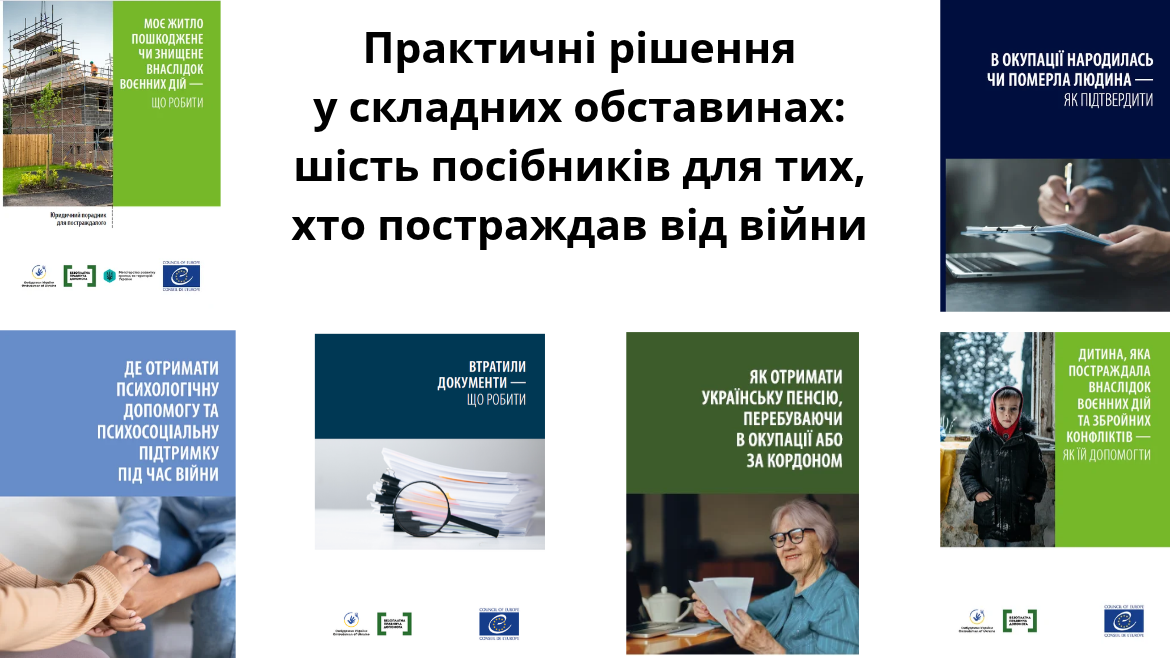
Practical solutions for challenging circumstances: six guides for those affected by the war in Ukraine
The information is available in Ukrainian.
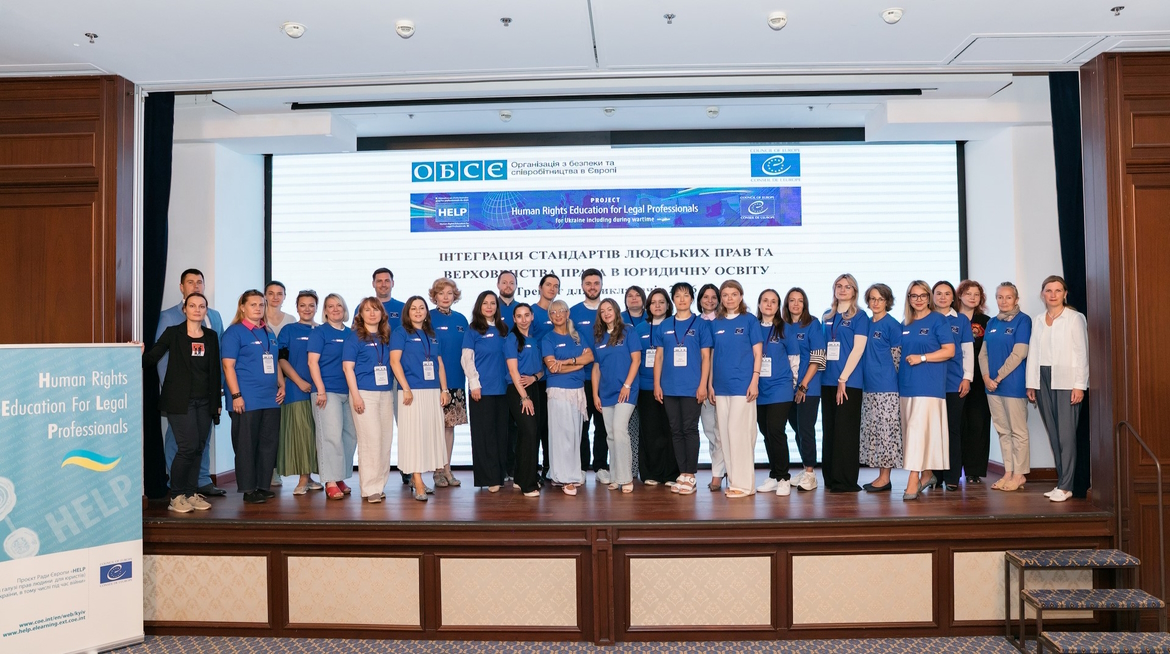
Human Rights-Based Legal Education: The Council of Europe and the OSCE Strengthen the Capacities of Law Teachers in Ukraine
The second in a series of training sessions for lecturers at Ukrainian law faculties, entitled “Integrating Human Rights and Rule of Law Standards into Legal Education,” has concluded in Kyiv. From 27 to 29 August 2026, lecturers from higher education institutions across different regions of...
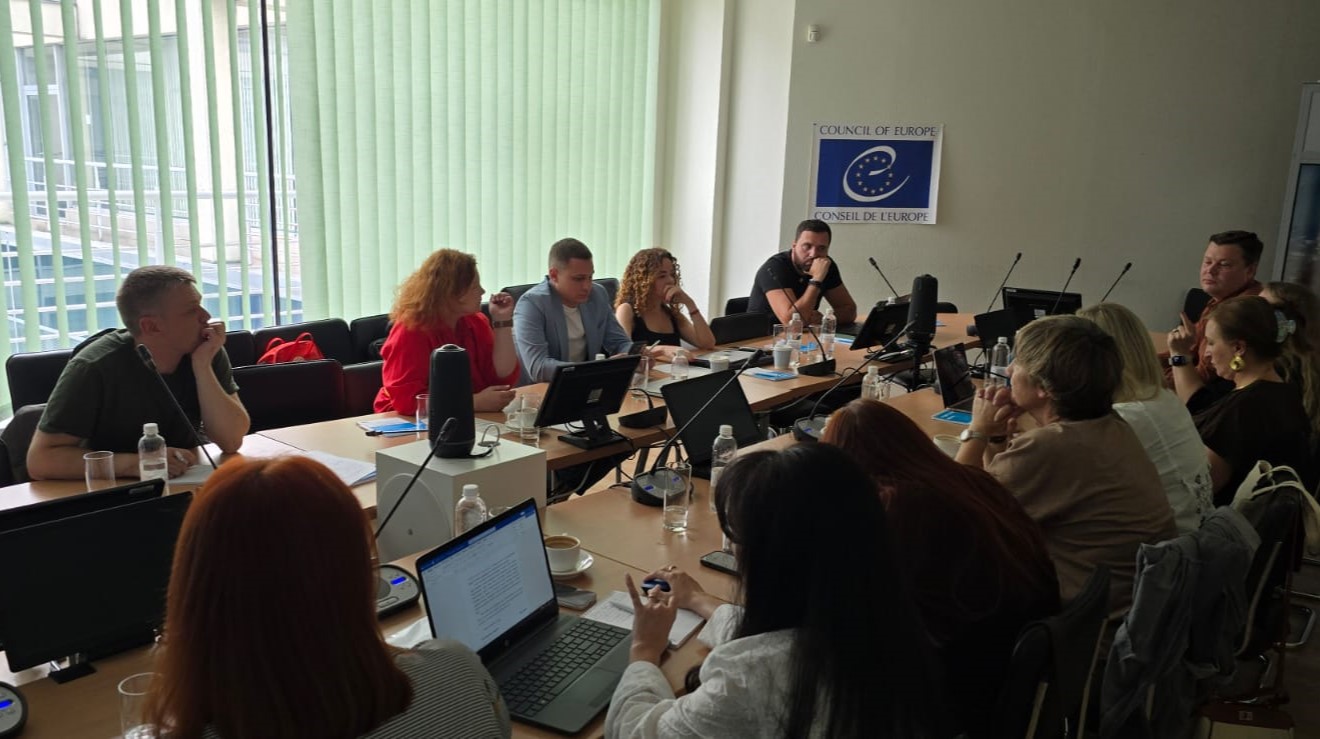
Council of Europe strengthens dialogue with civil society to better protect the rights of war-affected people
The Council of Europe held a meeting with representatives of civil society organisations working daily with the war-affected people and advocating for their rights.* Such dialogue is important for understanding the real needs of the war-affected people. Civil society organisations work directly...

Ukraine updates legislation on the protection of internally displaced persons
The President of Ukraine has signed the new version of the Law of Ukraine №4924-IX “On Ensuring the Rights and Freedoms of Internally Displaced Persons” (Draft Law No. 12301), introducing a modern approach to state policy on internal displacement. The law provides for a transition from a model...
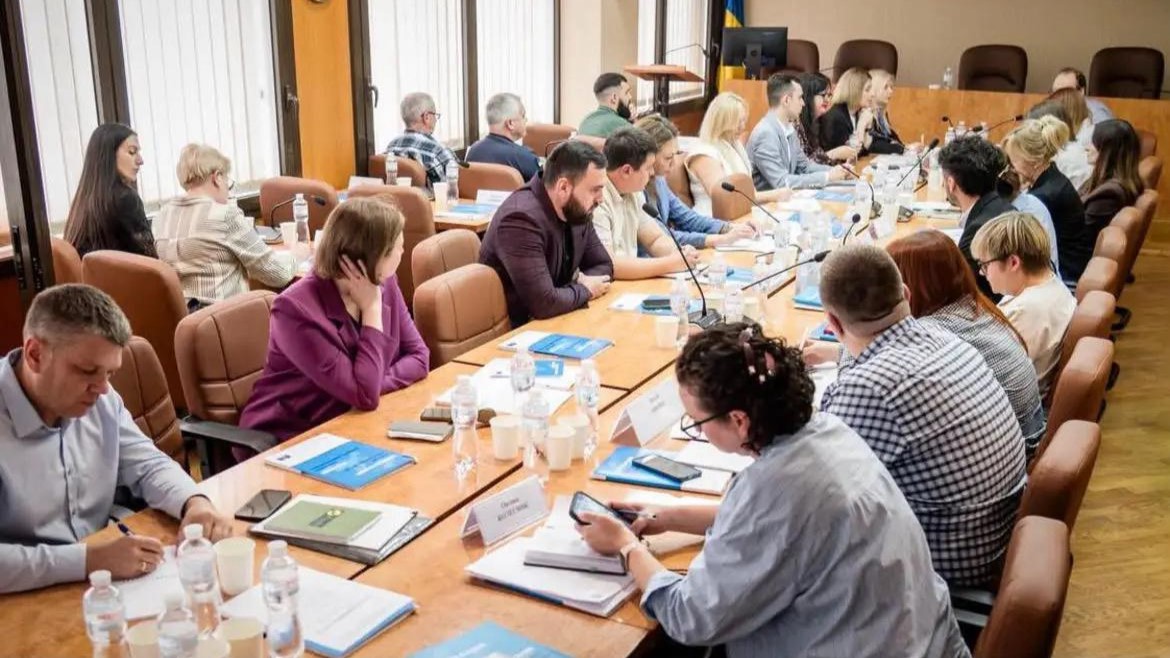
A new step towards strengthening state support for civilians affected by the war
How can state support for civilians affected by the war become more accessible, fair and responsive to people's actual needs? This question will be at the heart of the newly established Working Group on improving the legal framework governing support for civilians affected by the war, which held...

More than 470 professionals strengthened their knowledge of the eRecovery programme
How does judicial practice affect the implementation of the eRecovery programme? How can ownership of damaged or destroyed housing be confirmed? How can the most common mistakes be avoided when reviewing applications for compensation for destroyed housing? These issues were discussed during a...

Invitation to online practical workshops on compensation for destroyed housing
Destroyed housing compensation: how to avoid common mistakes and find answers to complex questions? Register now for online practical workshops on 9-18 June 2026. Having difficulties reviewing applications for compensation for damaged and destroyed housing under the eRecovery program? There is a...
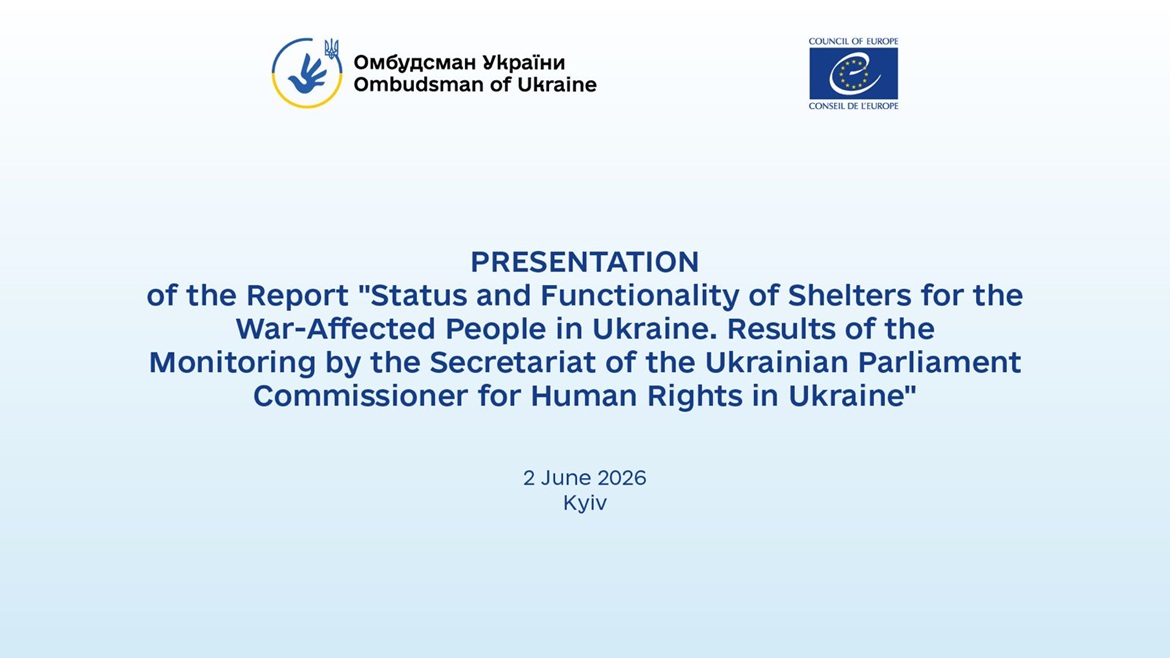
New monitoring report shows widespread shelter accessibility gaps across Ukraine
For millions of people living through Russia’s ongoing war of aggression against Ukraine, finding an accessible shelter is not a distant or hypothetical scenario. It is an everyday reality that can determine whether fundamental rights — including the rights to life, safety and human dignity — can...
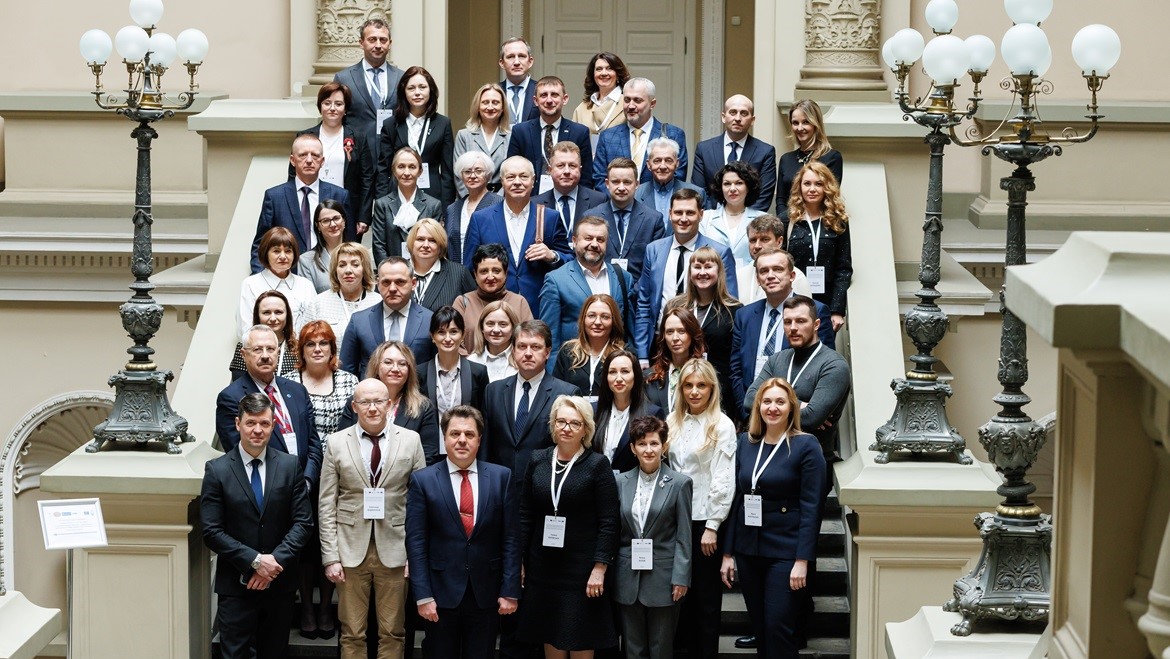
XIII Annual International Forum on the Case-Law of the European Court of Human Rights Held in Lviv
On 1 and 2 May 2026, the XIII Annual International Forum on the Case-Law of the European Court of Human Rights entitled “The European Convention on Human Rights in the Legal System and Legal Education in Ukraine: Scientific and Applied Dimension” was held in the Mirror Hall of Ivan Franko...

CALL FOR TENDER: Purchase of services for the design and implementation of an information campaign
The Council of Europe Project "Further strengthening judicial and non-judicial remedies for the human rights protection of the war-affected people in Ukraine" (Project), implemented within the framework of the Council of Europe Action Plan for Ukraine "Resilience, Recovery and Reconstruction"...