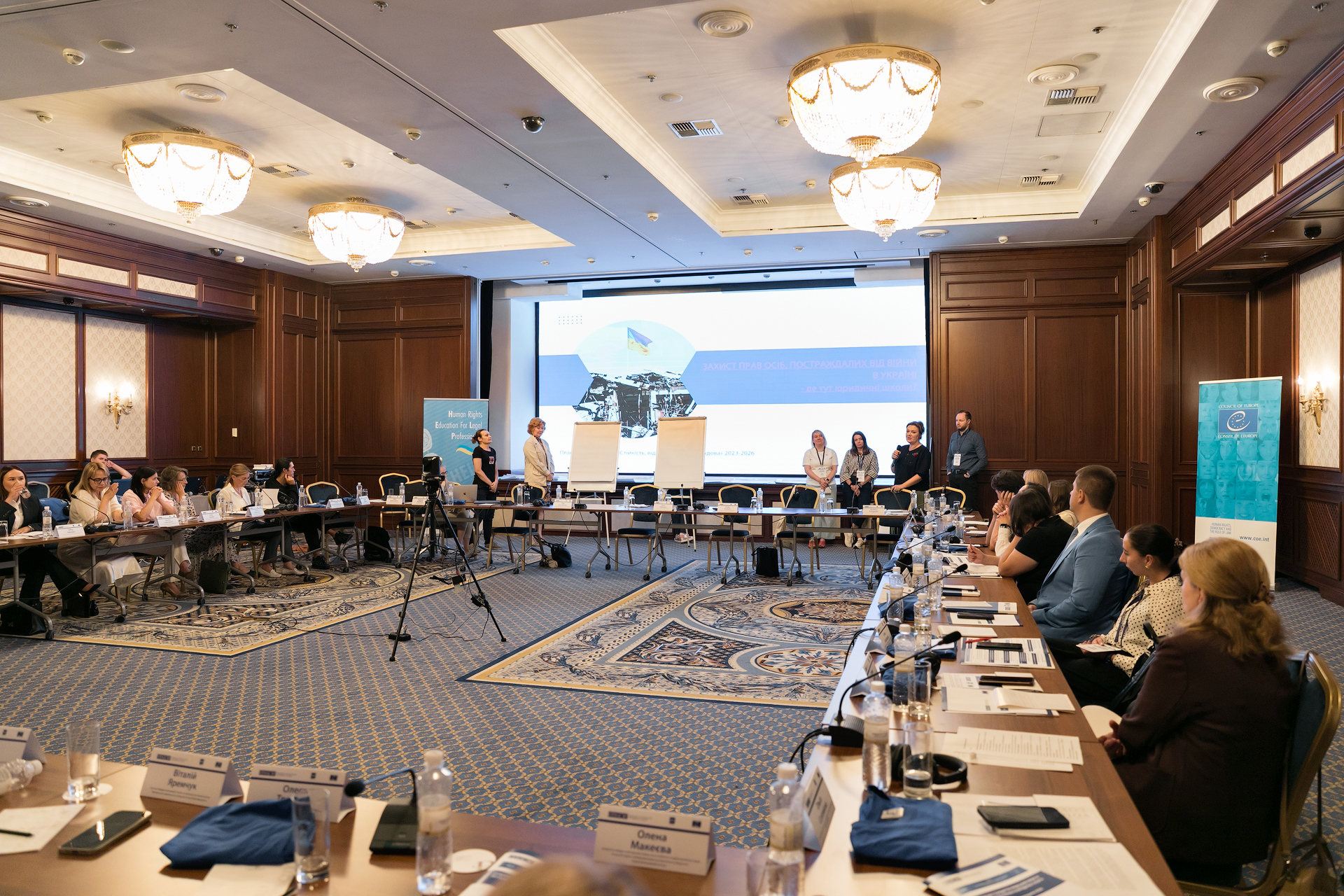
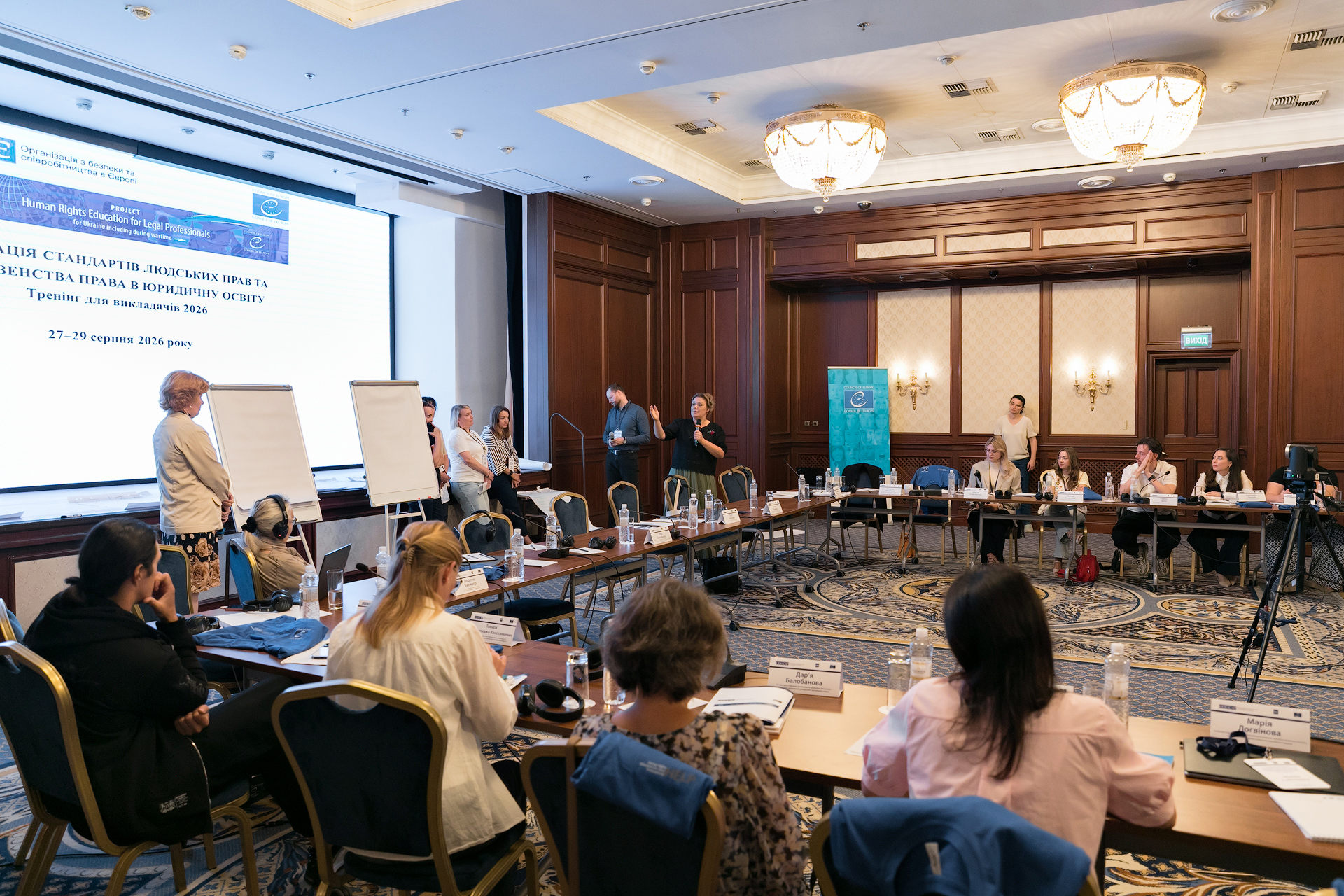
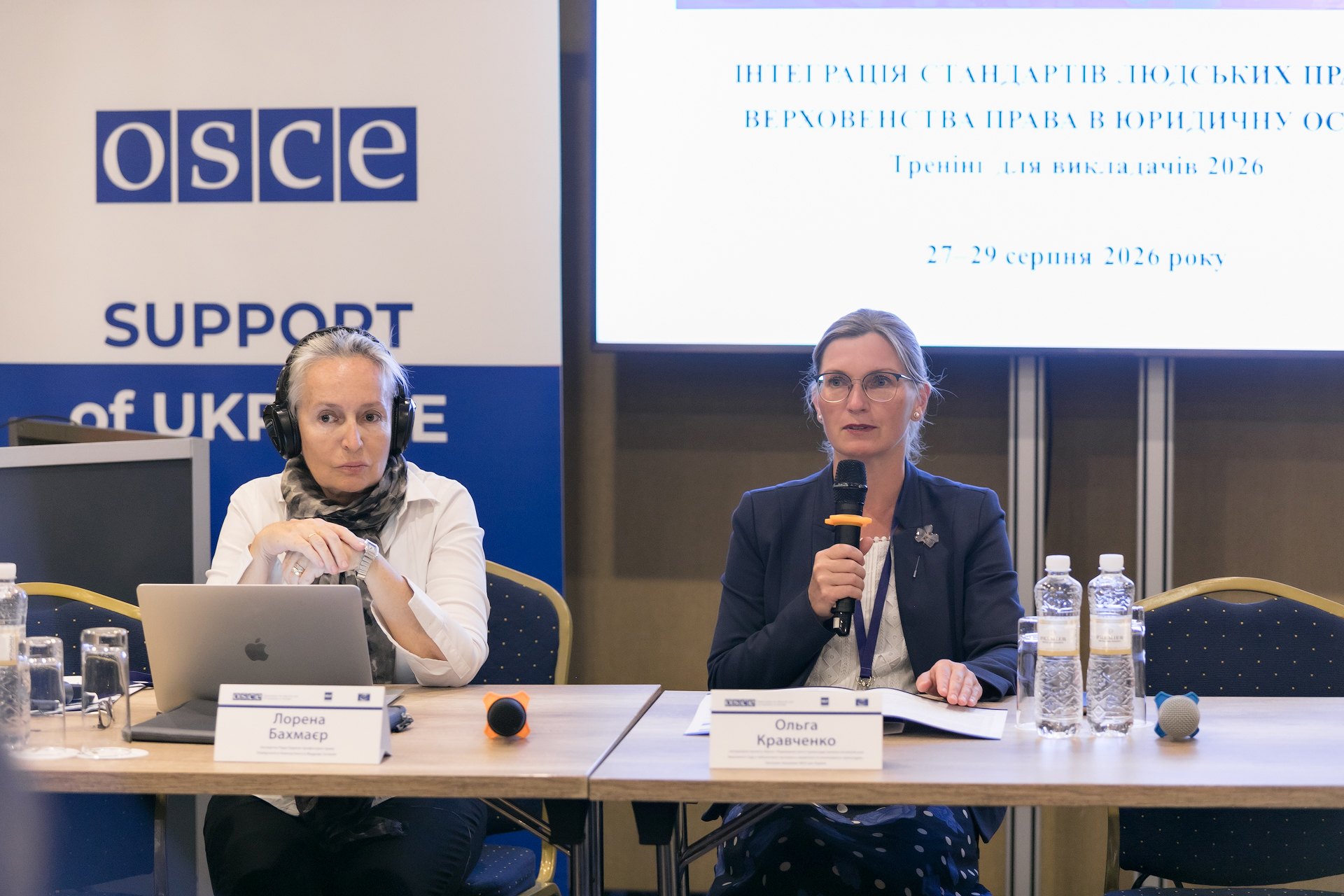
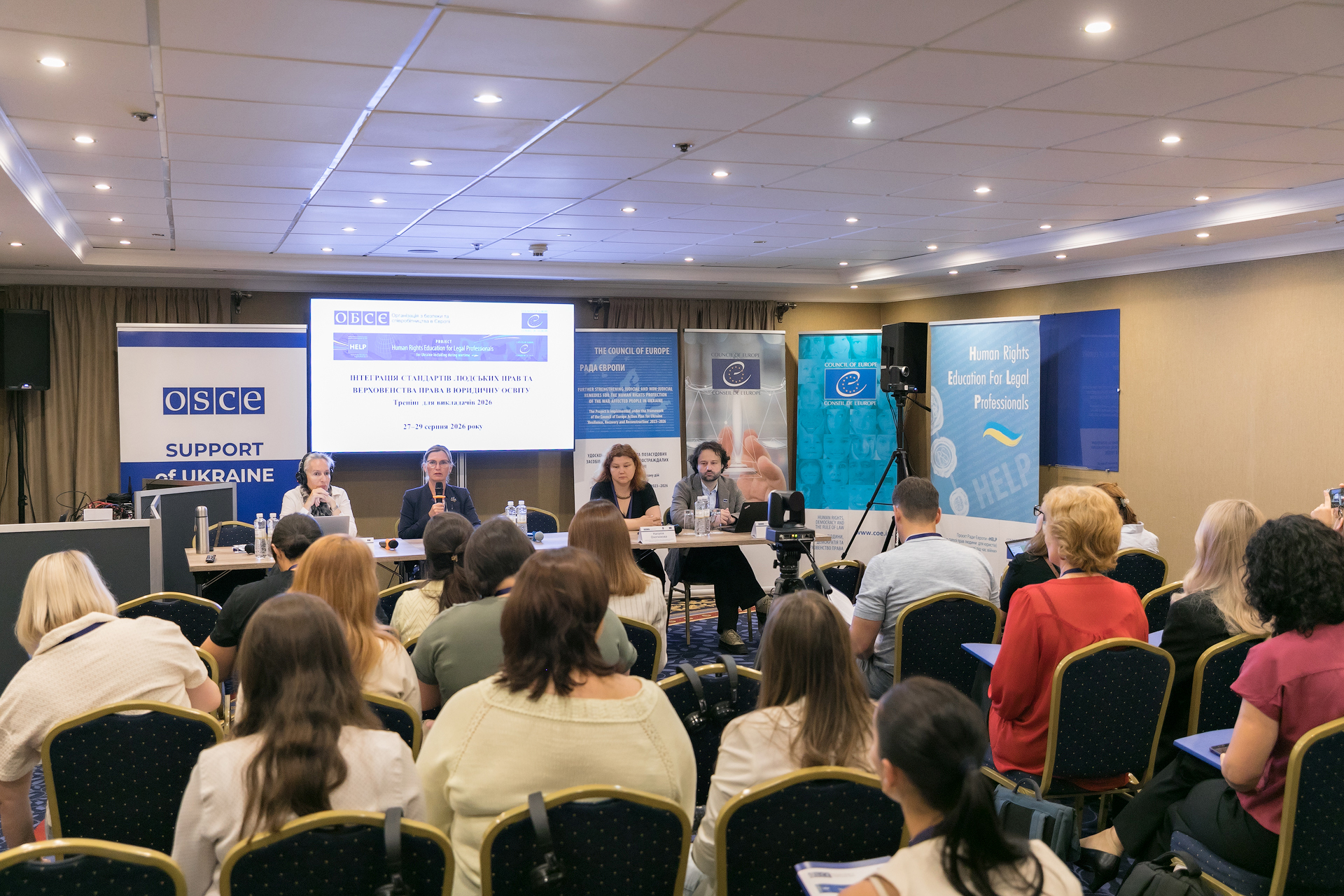
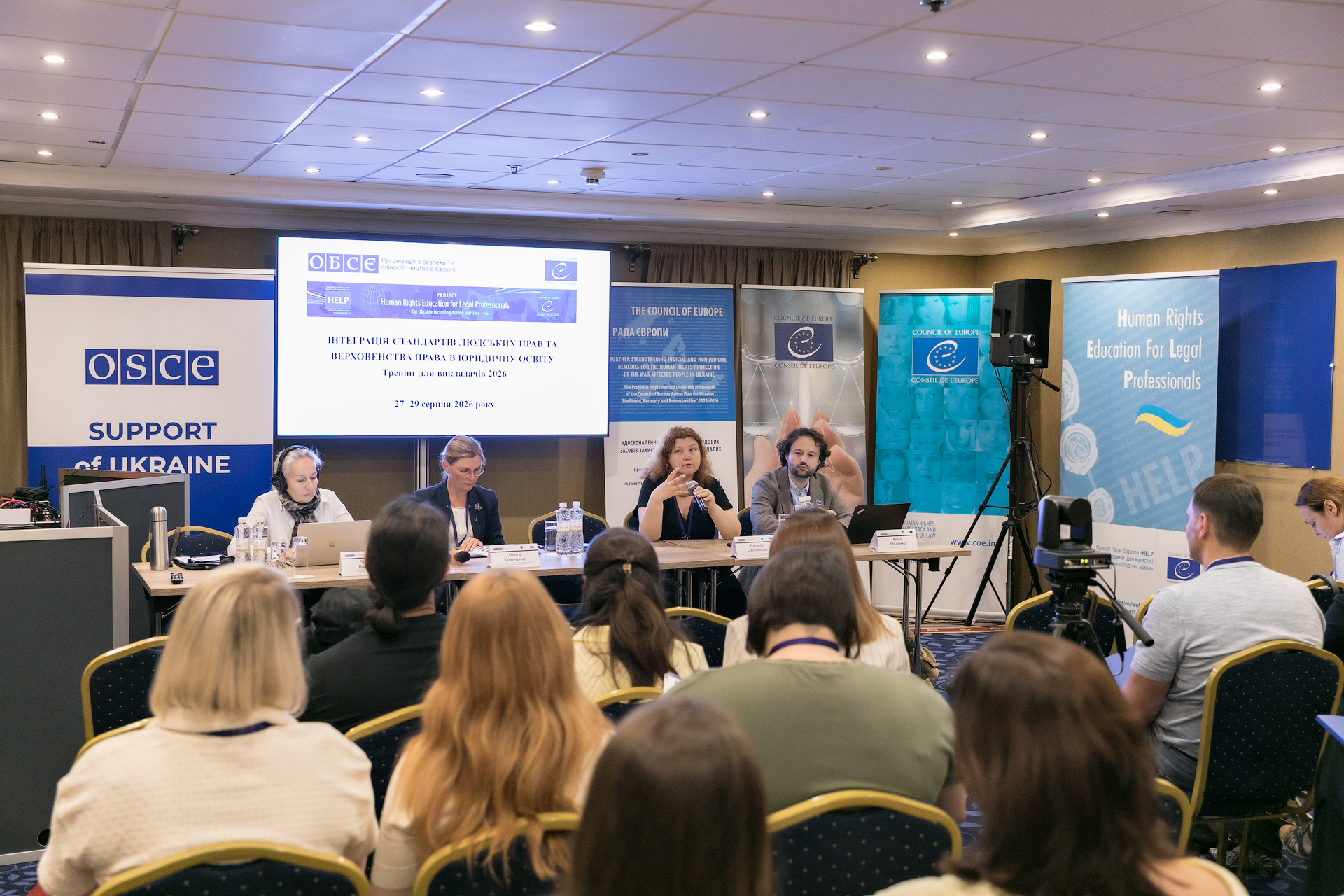
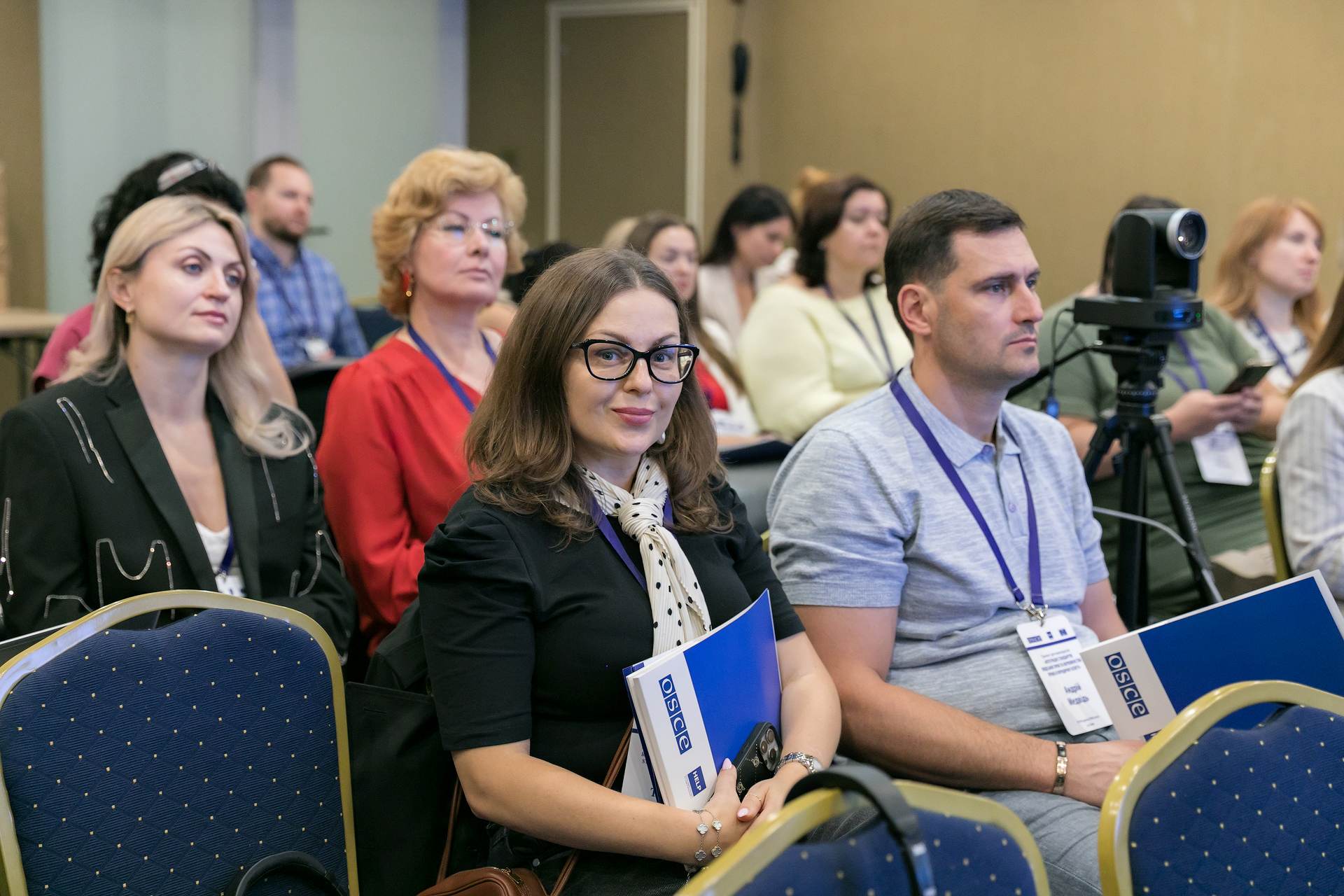
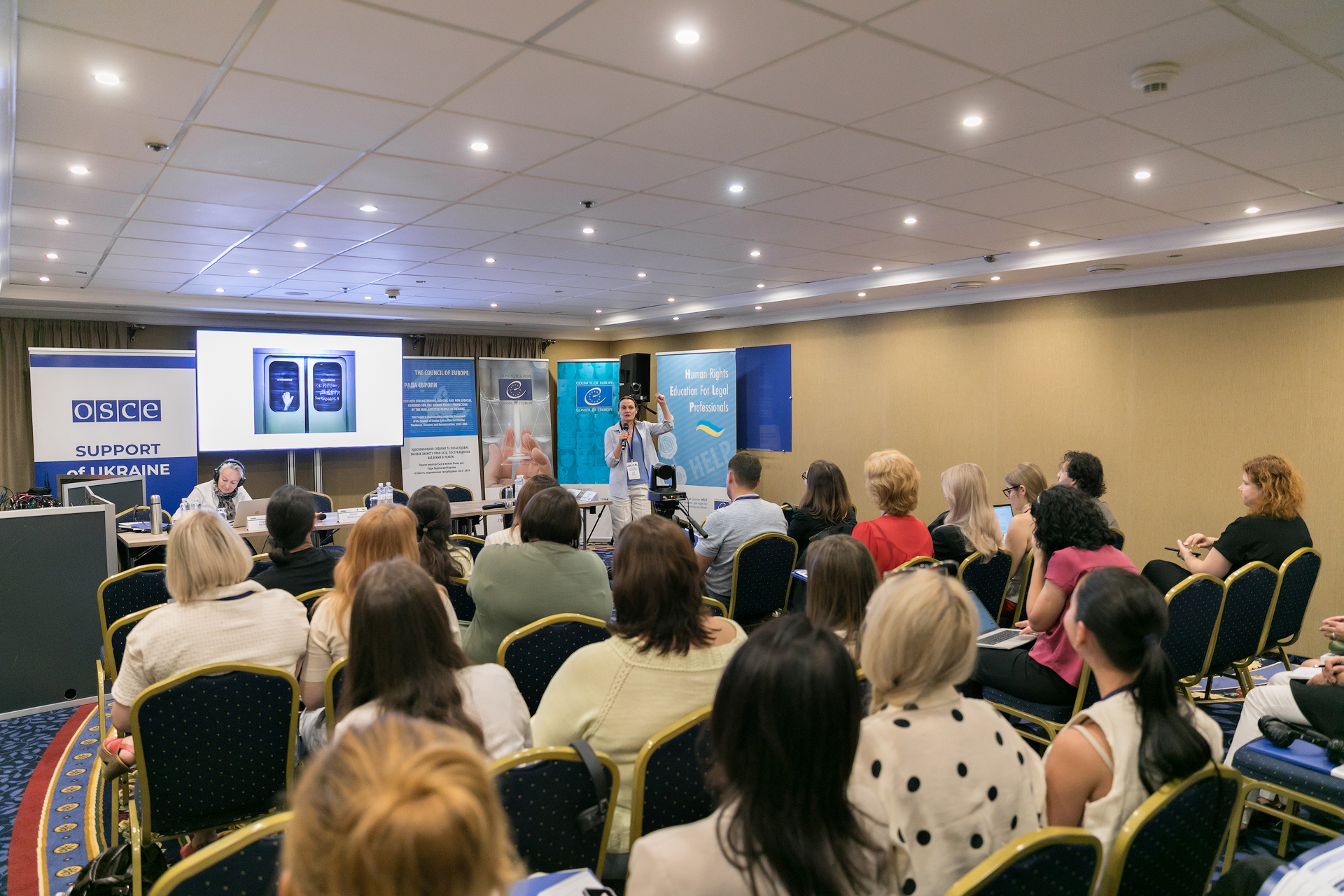
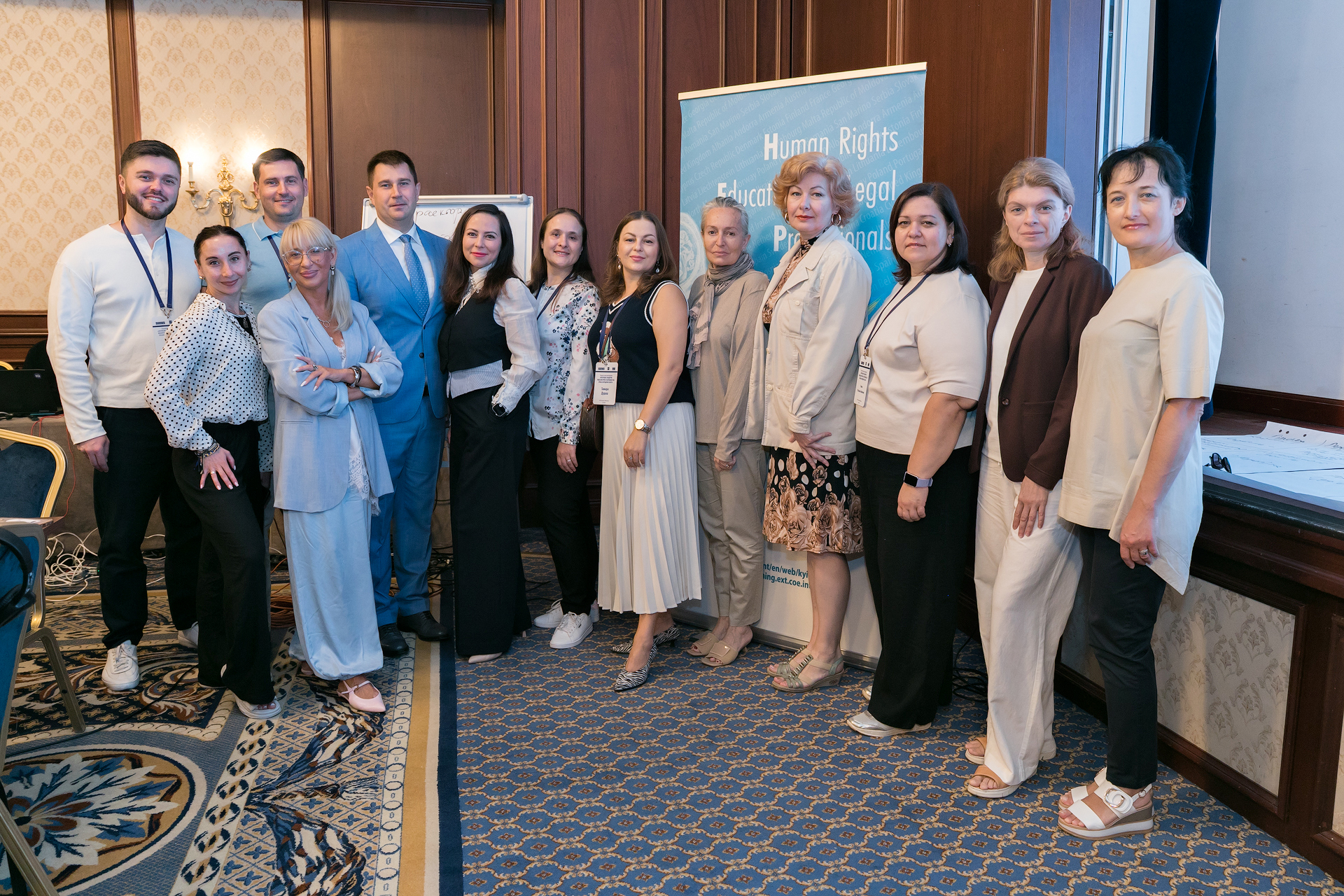
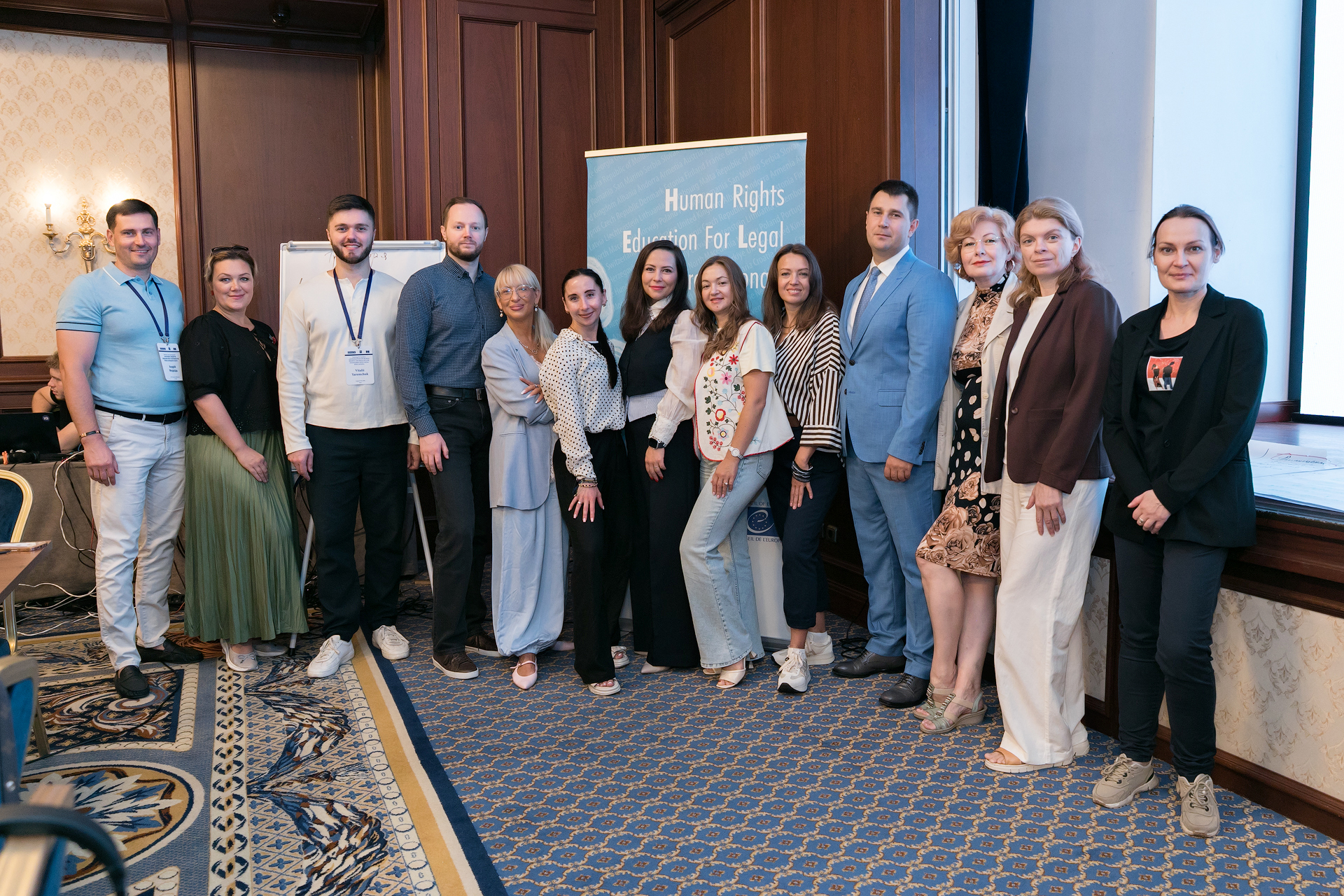
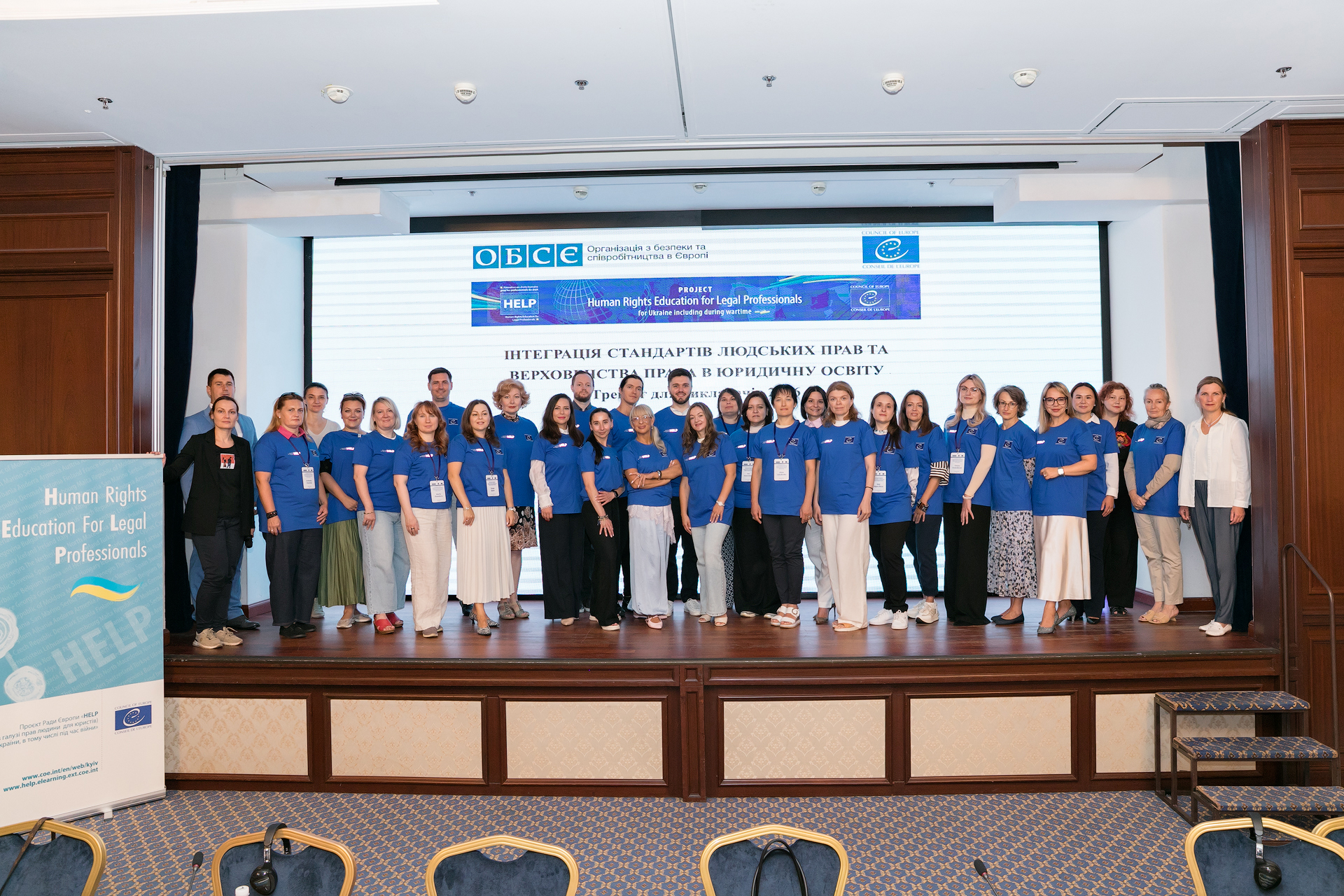
The second in a series of training sessions for lecturers at Ukrainian law faculties, entitled “Integrating Human Rights and Rule of Law Standards into Legal Education,” has concluded in Kyiv.
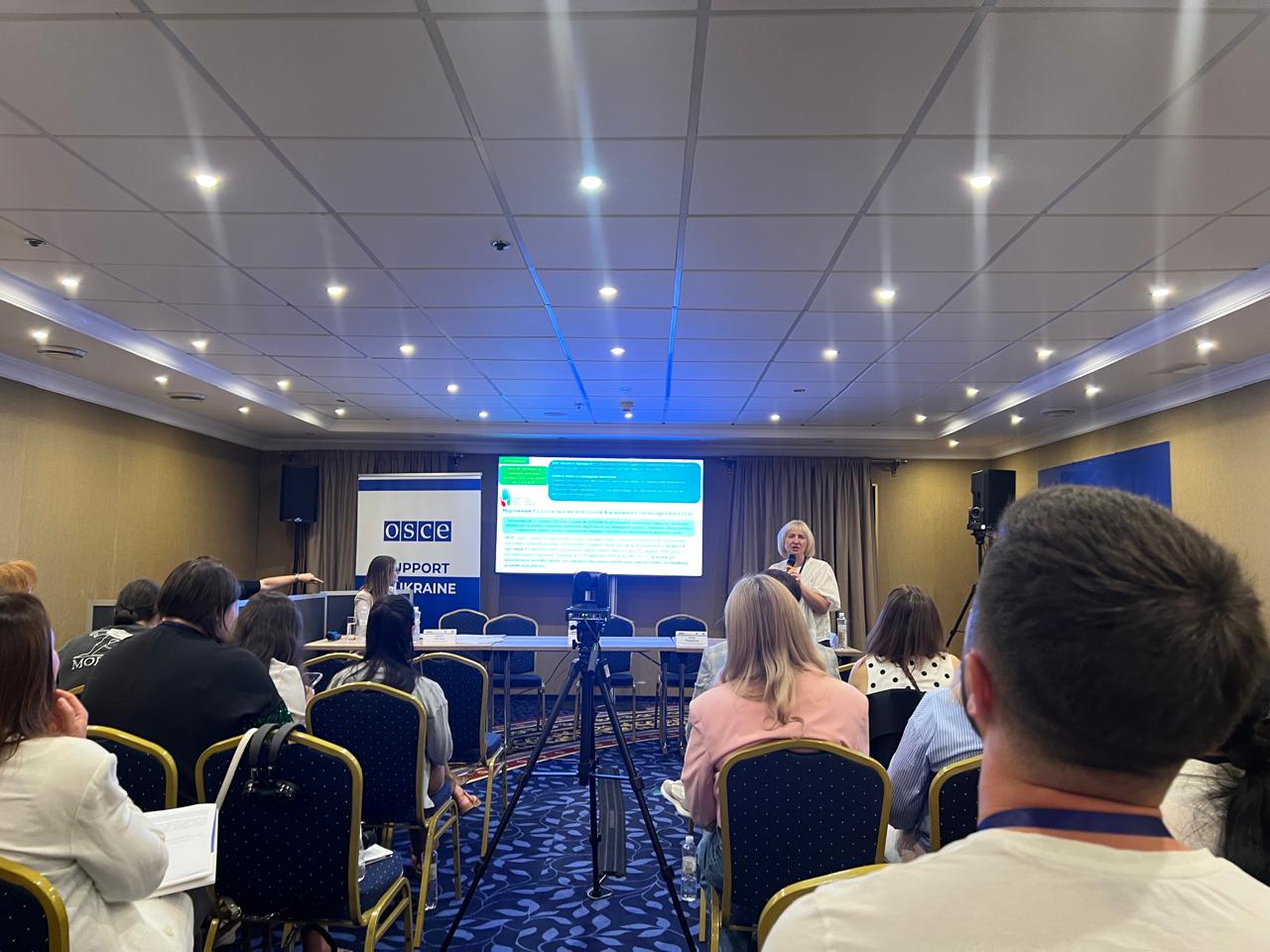
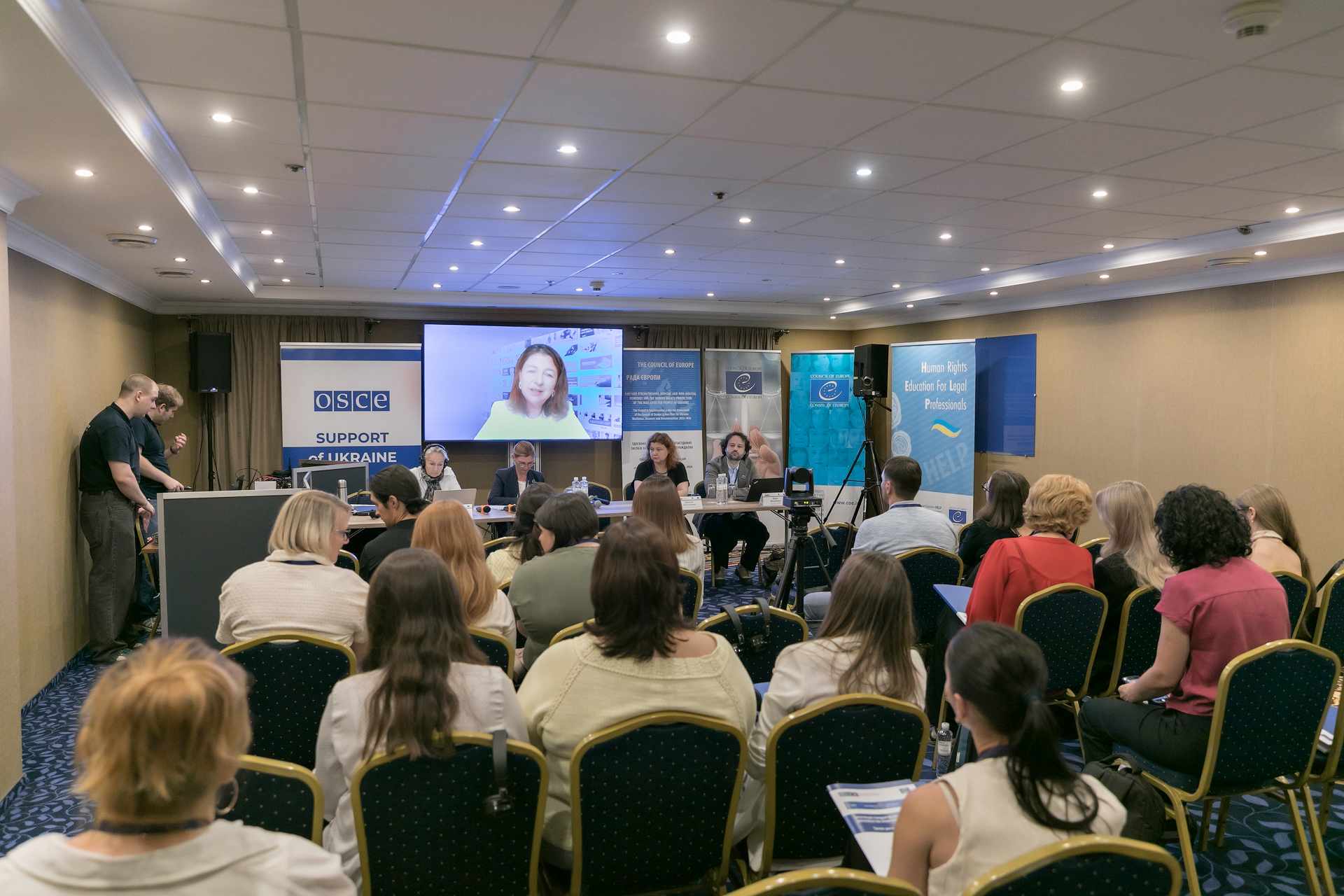
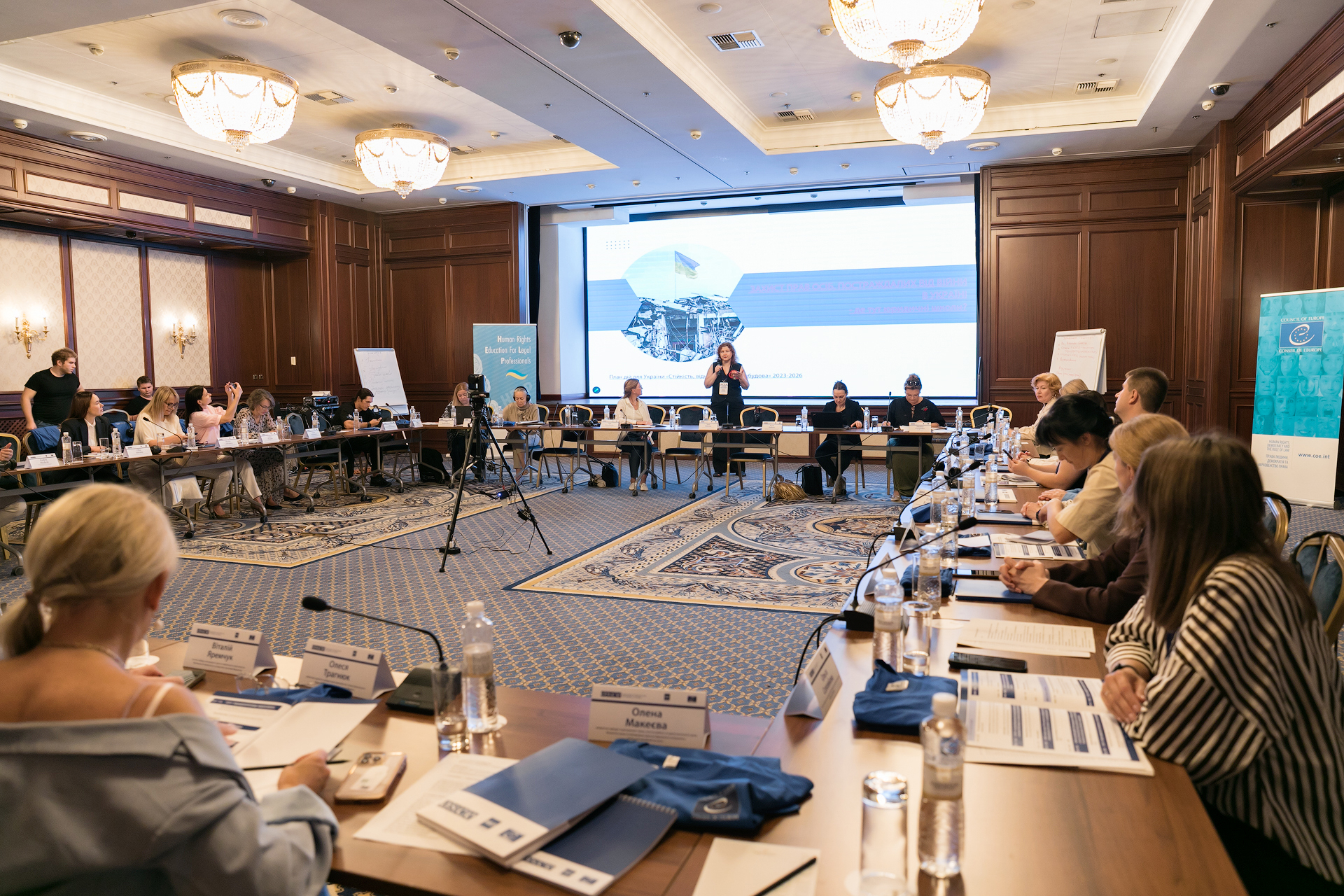
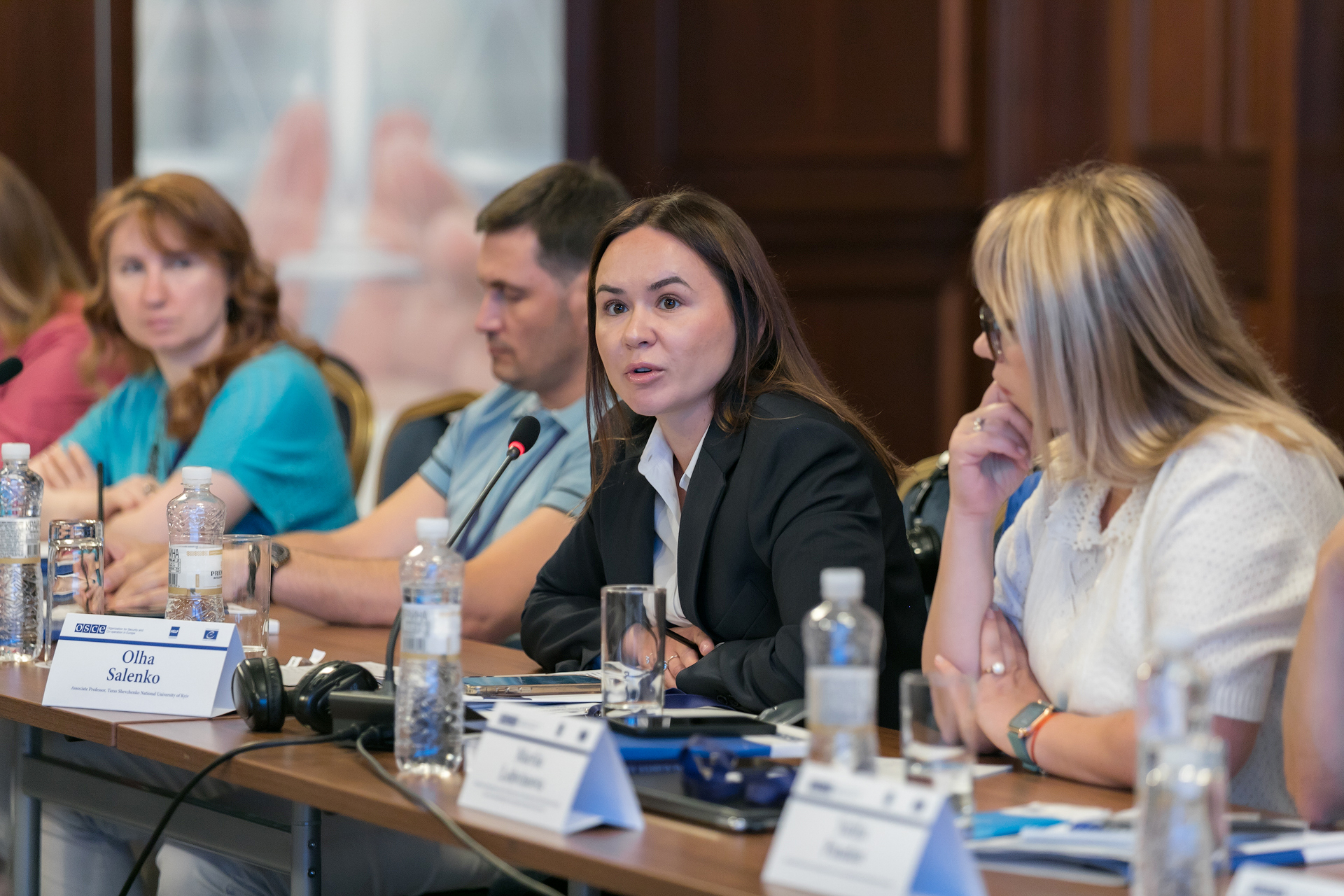
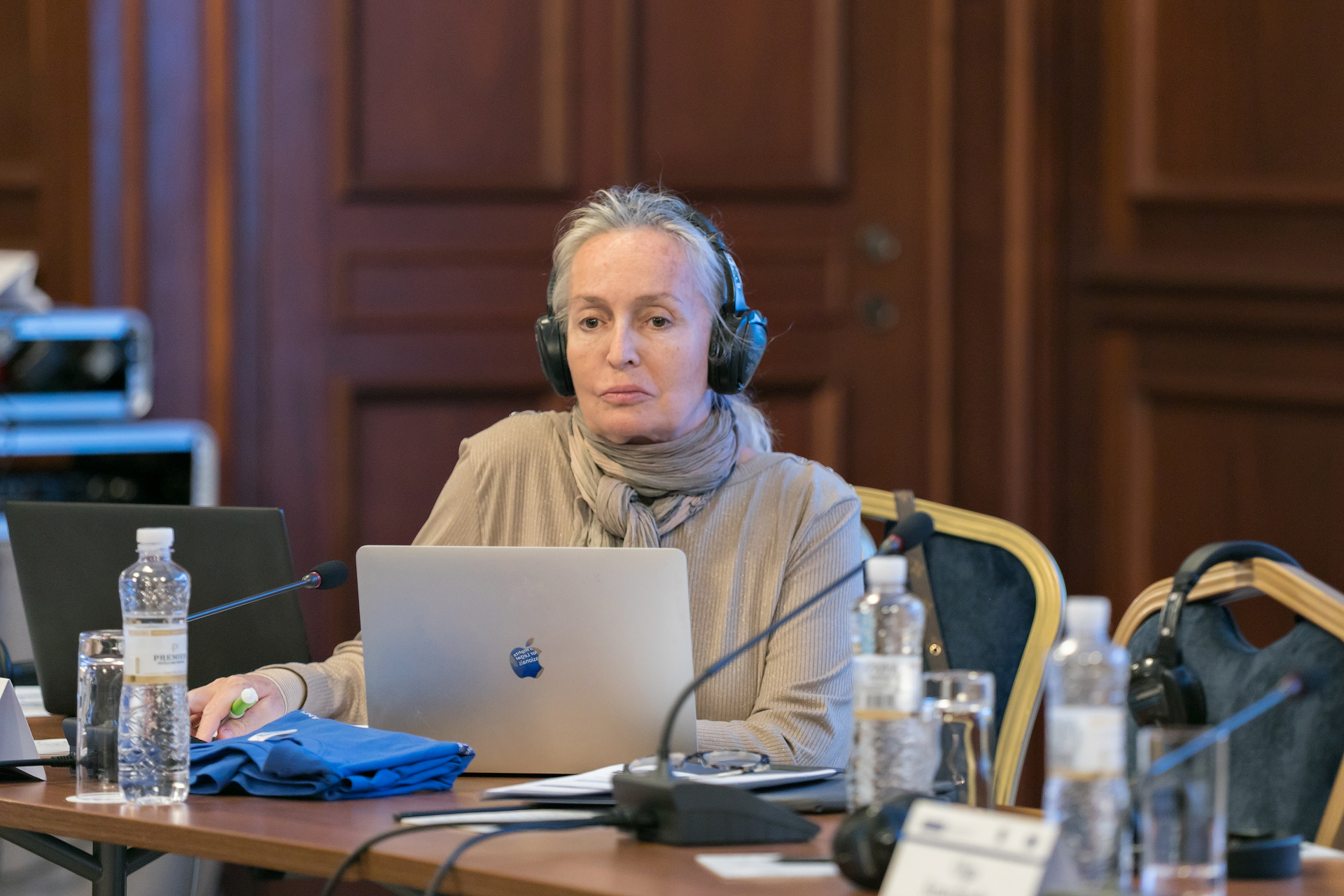
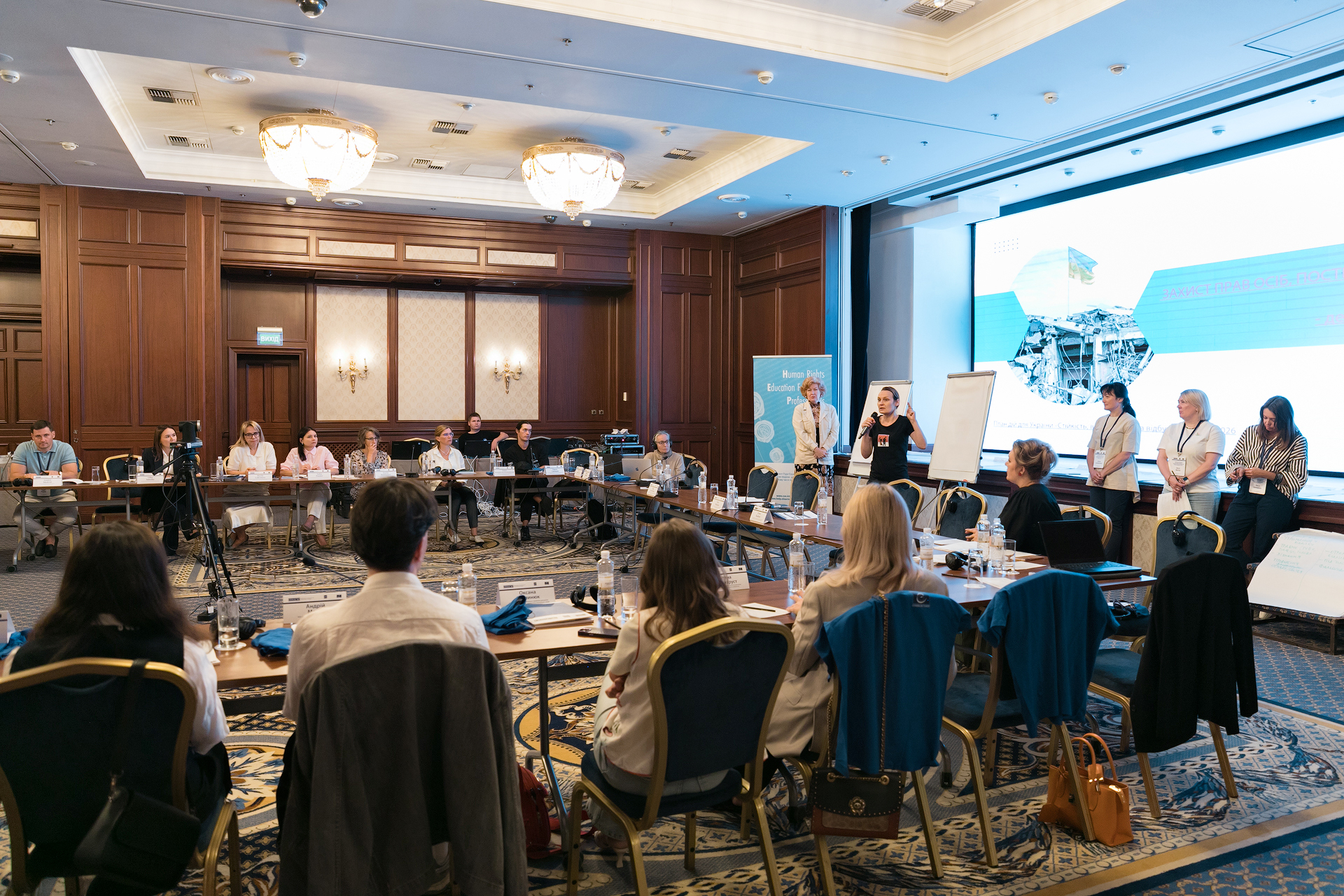
From 27 to 29 August 2026, lecturers from higher education institutions across different regions of Ukraine, together with representatives of the Council of Europe, the OSCE and invited experts, explored modern approaches to teaching law, human rights and the rule of law.
The training aimed to strengthen the capacity of lecturers at Ukrainian law faculties to integrate Council of Europe standards and the case law and practice of its bodies—particularly the European Court of Human Rights and the European Committee of Social Rights—into their courses. Particular attention was paid to interactive, human-centred and practice-oriented teaching methods that help students not only acquire legal knowledge but also develop skills in independent legal analysis, argumentation, professional ethics and responsible decision-making.
Training participants considered legal education an important setting for building a professional community capable of protecting human rights, upholding democratic values and strengthening the rule of law, particularly in the context of Russia’s full-scale war against Ukraine and the country’s post-war recovery.
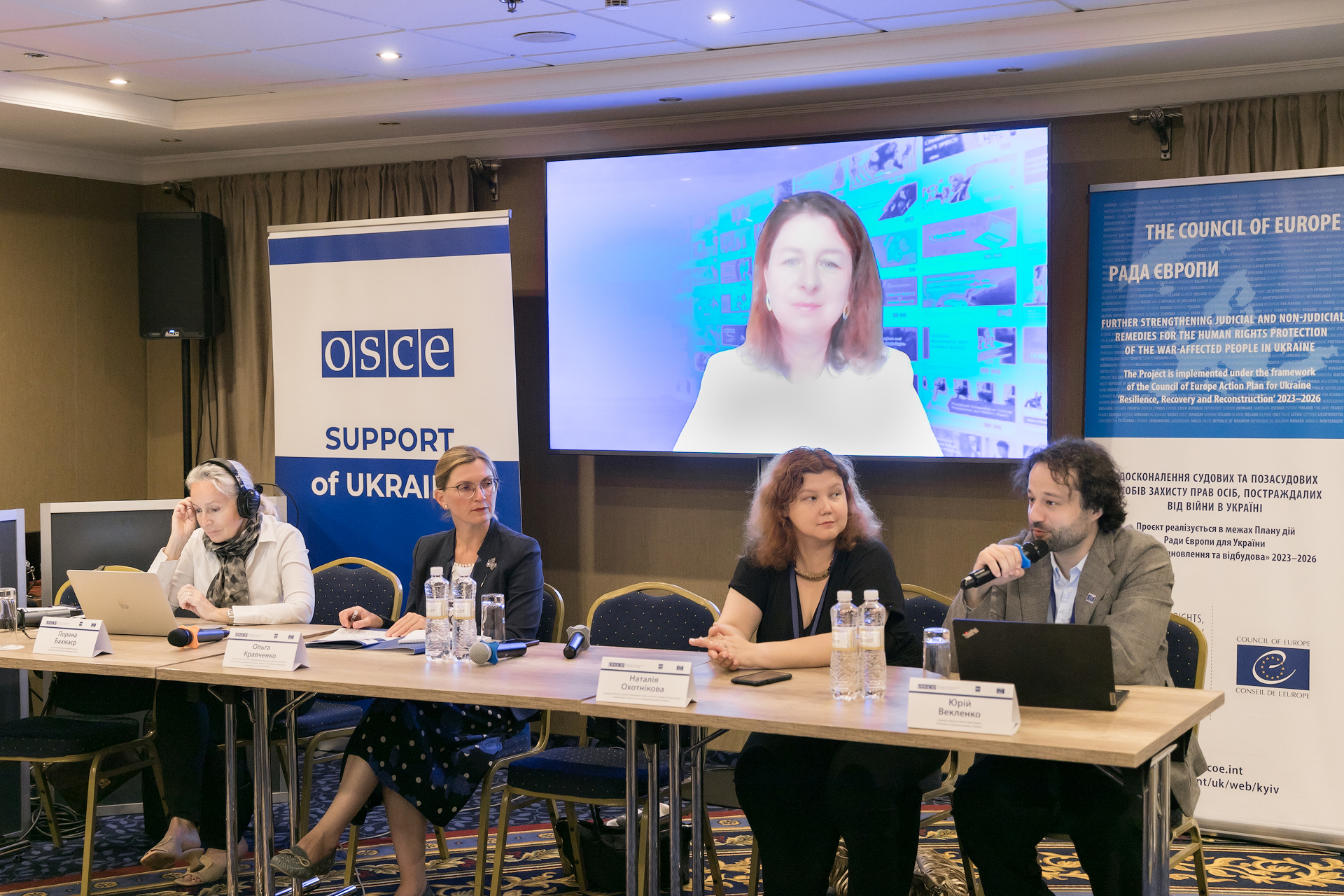
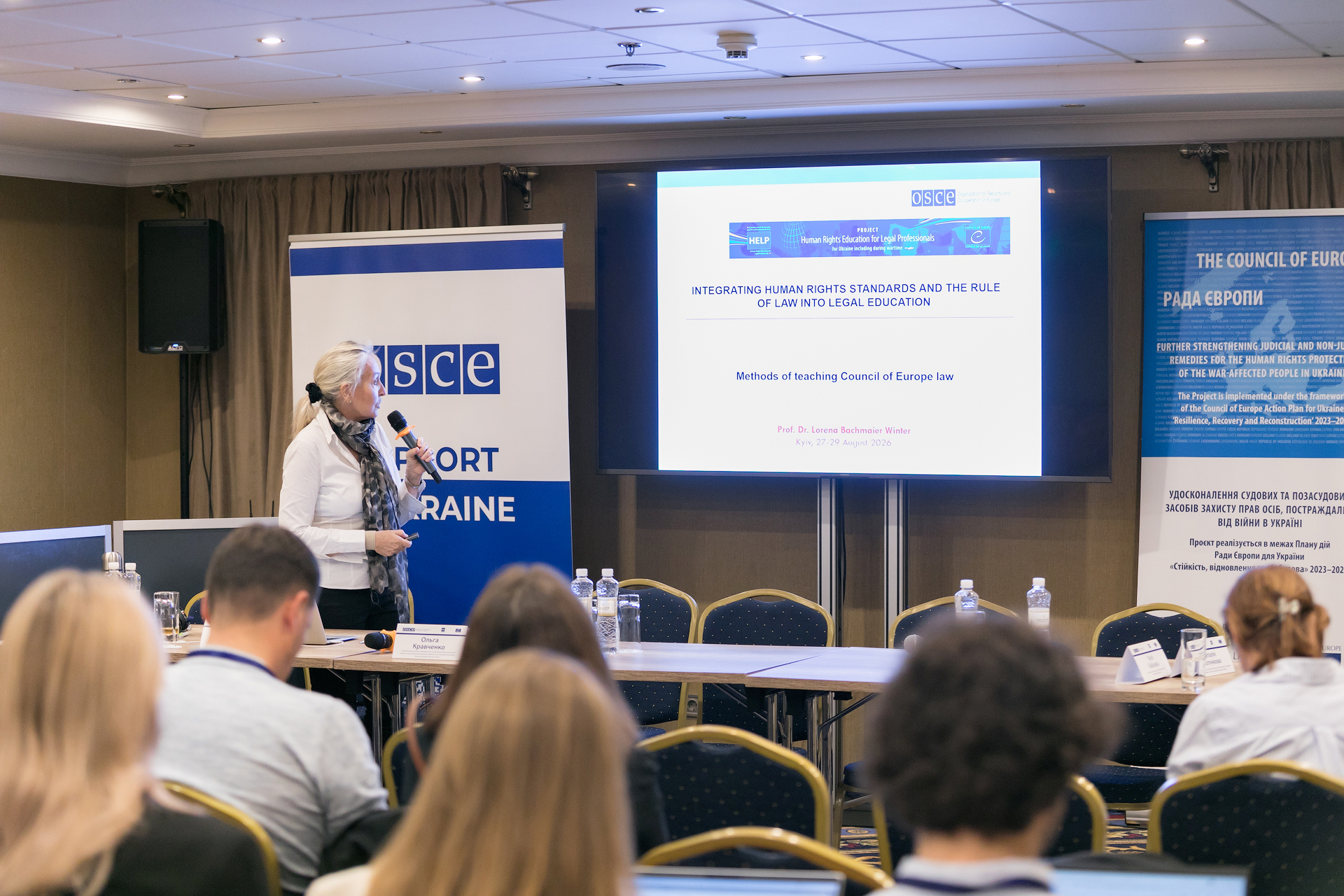
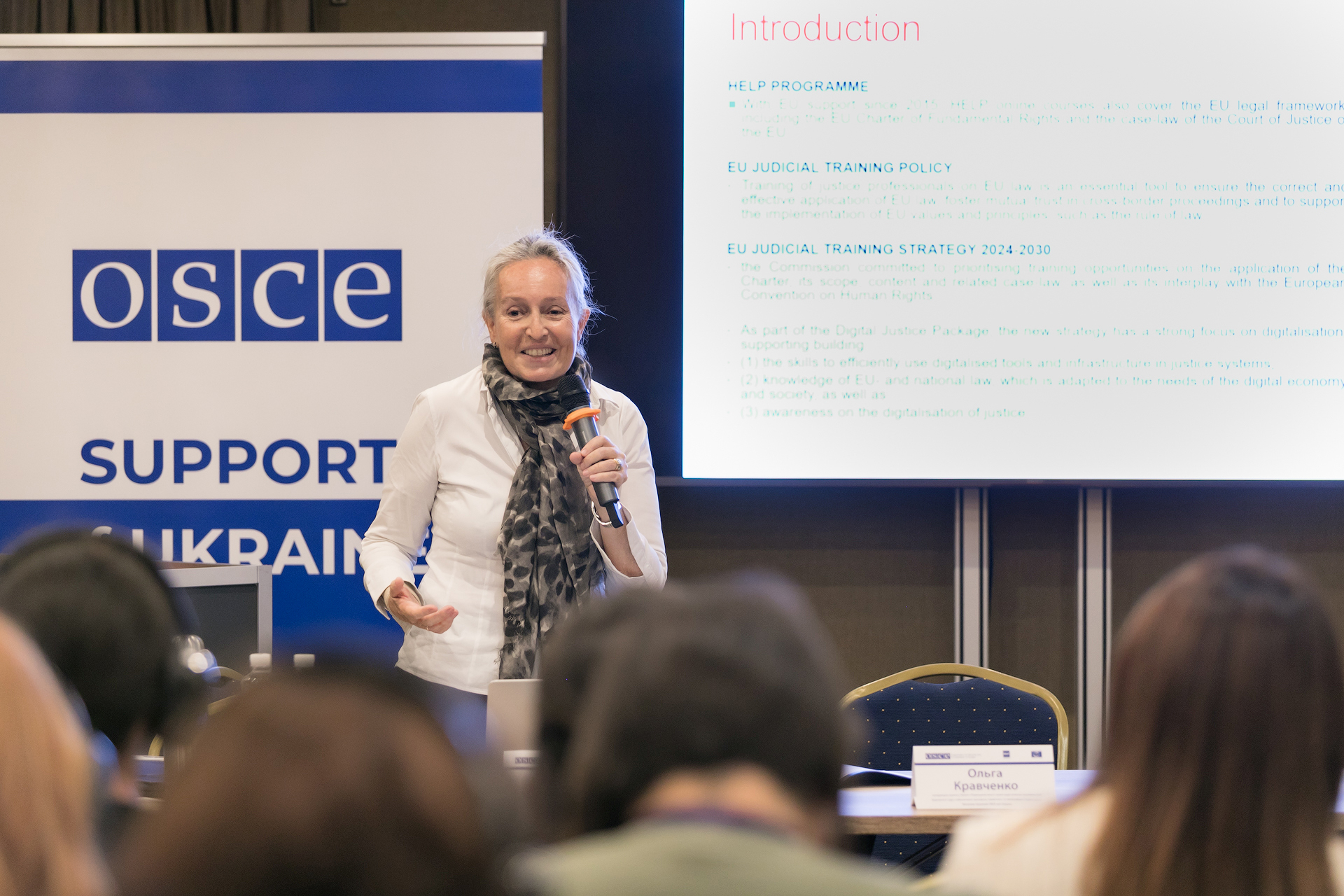
Lorena Bachmaier Winter, Professor of Law at the Complutense University of Madrid and Council of Europe expert, presented approaches to teaching Council of Europe law and human rights. She stressed that human rights education should bring together three interrelated dimensions: learning about human rights, learning through practices that themselves respect human rights, and learning for the ability to apply and protect rights in professional and public life.
Iryna Kushnir, Project Manager of the Council of Europe project “Support to Ukraine in implementation of the Council of Europe standards on the judiciary,” presented tools and approaches for teaching Council of Europe law, including opportunities to use the ECtHR Knowledge Sharing platform, the Court’s case law and the case-study method in the learning process. Participants examined how ECtHR judgments can be used to develop the ability to work with facts, assess the permissibility of interferences with rights, determine the proportionality of restrictions and substantiate a legal position.
Alla Fedorova, member of the European Committee of Social Rights, devoted her sessions to the European Social Charter and the integration of social rights standards into legal education. She highlighted the Charter’s importance as an instrument for the protection of everyday rights, the case law and practice of the European Committee of Social Rights, and the collective complaints procedure. Working with the Committee’s relevant decisions and conclusions enables lecturers and students to analyse more deeply legal and practical issues in the areas of labour, social protection, health care, housing, protection of children, anti-discrimination and equality.
Kateryna Shunevych, Head of the Analytical Centre of the Ukrainian Women Lawyers Association “JurFem”, focused on integrating gender equality and non-discrimination issues into legal disciplines. Participants discussed how a gender-sensitive approach can be organically incorporated into various courses.
An important part of the programme addressed topics directly related to the legal challenges of war and ensuring justice for those affected.
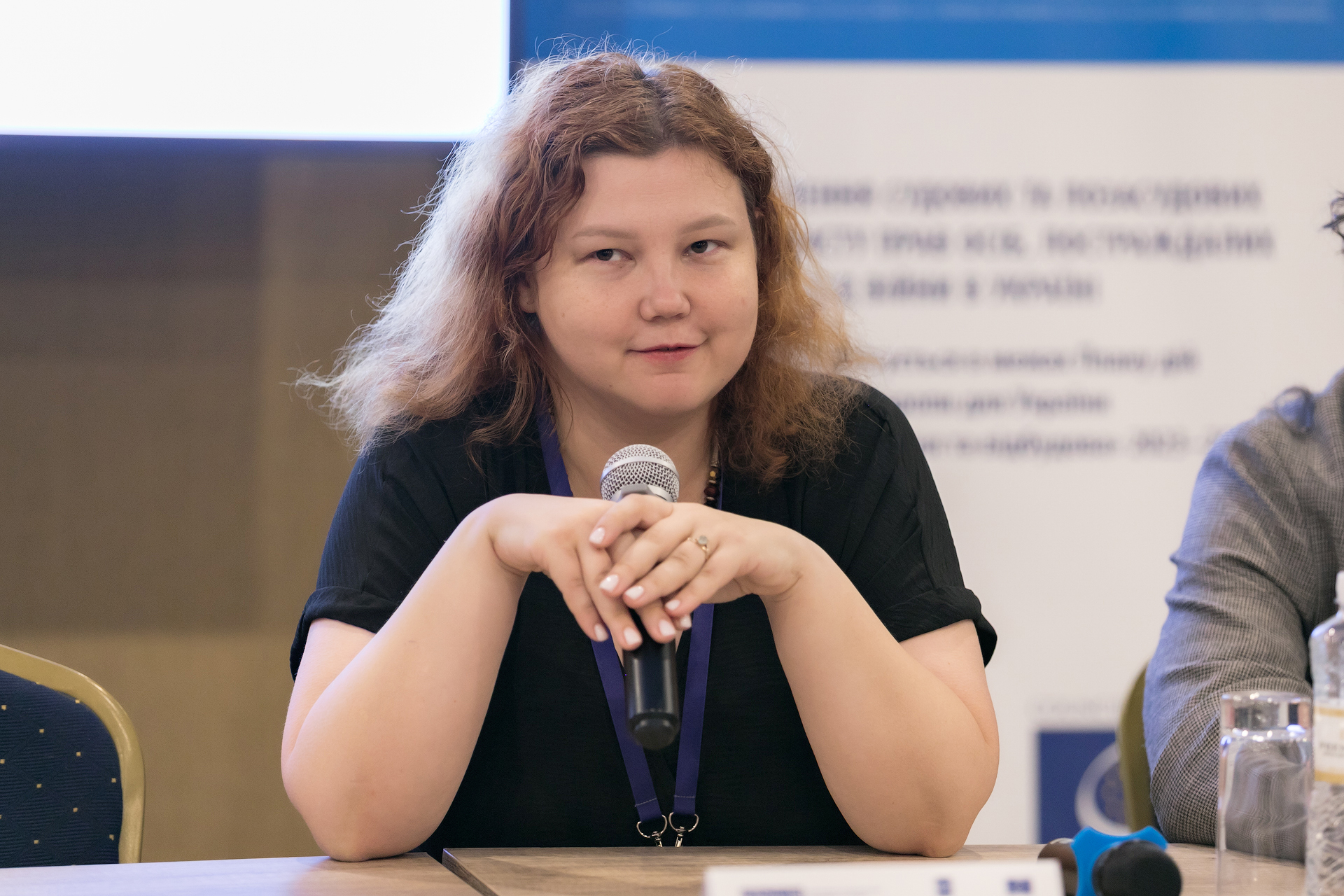
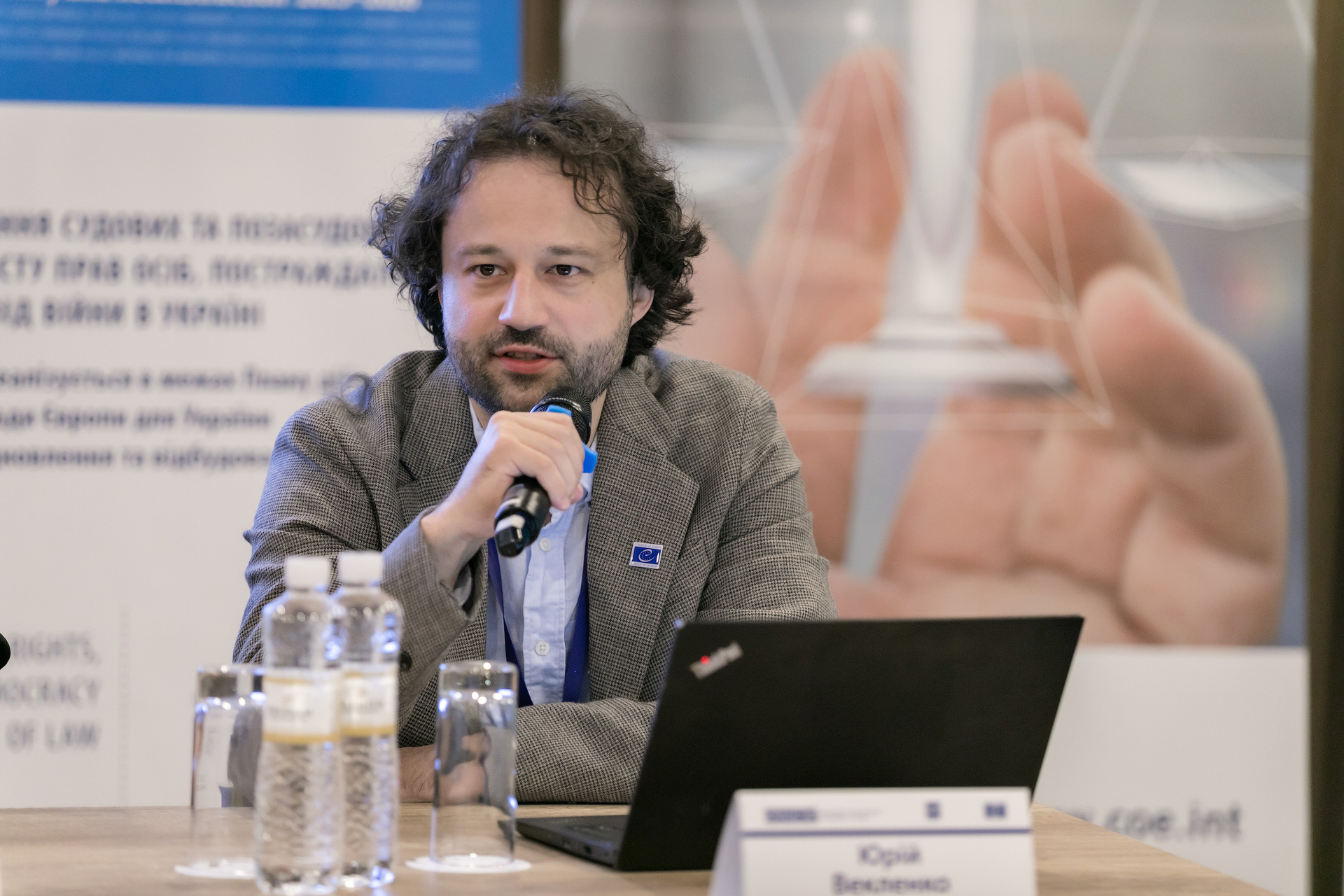
Nataliia Okhotnikova, Senior Project Officer of the Council of Europe project “Further strengthening judicial and non-judicial remedies for the human rights protection of the war-affected people in Ukraine,” presented the topic of compensation for war-related damage. Participants examined legal mechanisms for protecting the rights of persons affected by the armed aggression of the Russian Federation against Ukraine, as well as the importance of preparing future legal professionals to work with such categories of cases.
Professor Mykhailo Buromenskyi, Doctor of Legal Sciences, addressed human rights in wartime and the issue of the retroactive application of liability for war crimes. The discussion focused on the requirements of the principle of legality—nullum crimen sine lege—its connection with Article 7 of the European Convention on Human Rights, and the approaches of international judicial bodies and the ECtHR to individual criminal responsibility for international crimes. The analysis included, among others, the approaches taken in Kononov v. Latvia, Vasiliauskas v. Lithuania, and Kolk and Kislyiy v. Estonia.
Oleksandr Vodiannikov, Judge of the Constitutional Court of Ukraine, presented his vision of the skills required of modern legal professionals. The focus was on combining sound legal training with critical thinking; the ability to work with case law and facts; the capacity to build persuasive arguments; the use of digital tools; and the responsible application of technology, including artificial intelligence systems.
Lecturers at Ukrainian universities are joining efforts to introduce the Council of Europe HELP courses into the educational process. HELP courses can be easily integrated into existing curricula and used to expand and complement them in the field of human rights. Universities were also invited to join an information campaign aimed at raising awareness among students and lecturers of the opportunities offered by the HELP Programme for Universities. In addition, some lecturers will take part in a HELP training-of-trainers programme. Upon its completion, they will be able to independently deliver HELP courses in a tutor-led format at their universities.
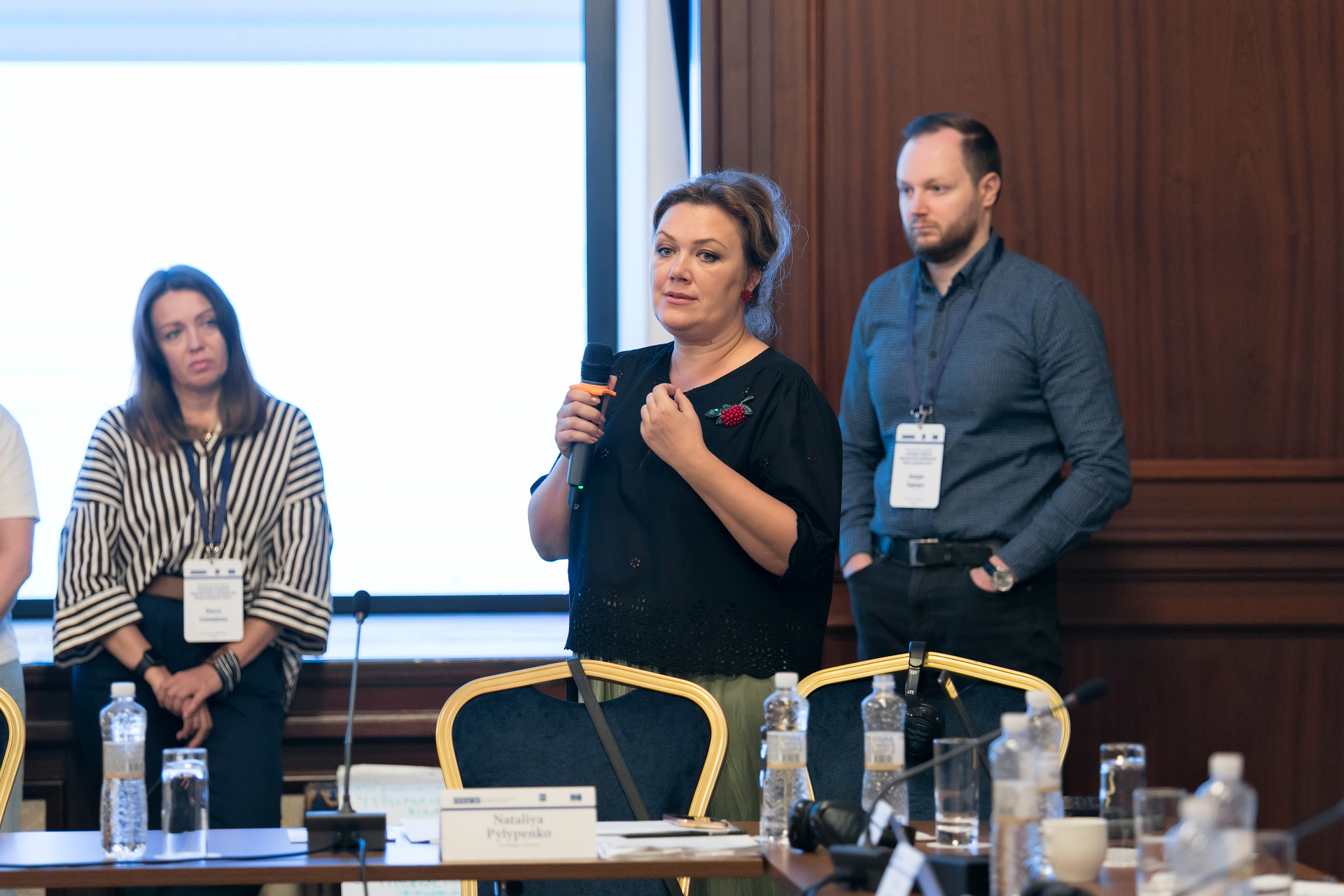
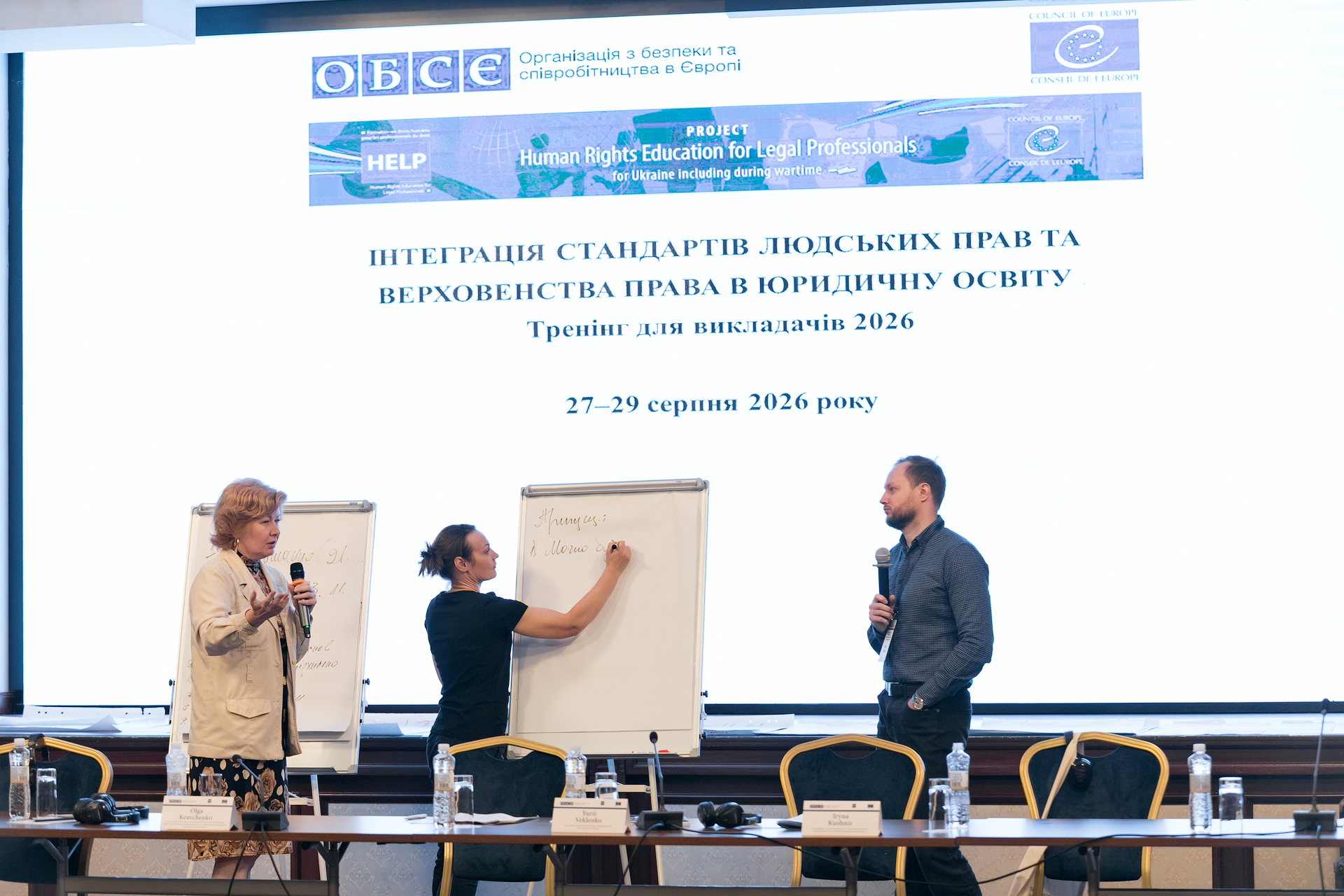
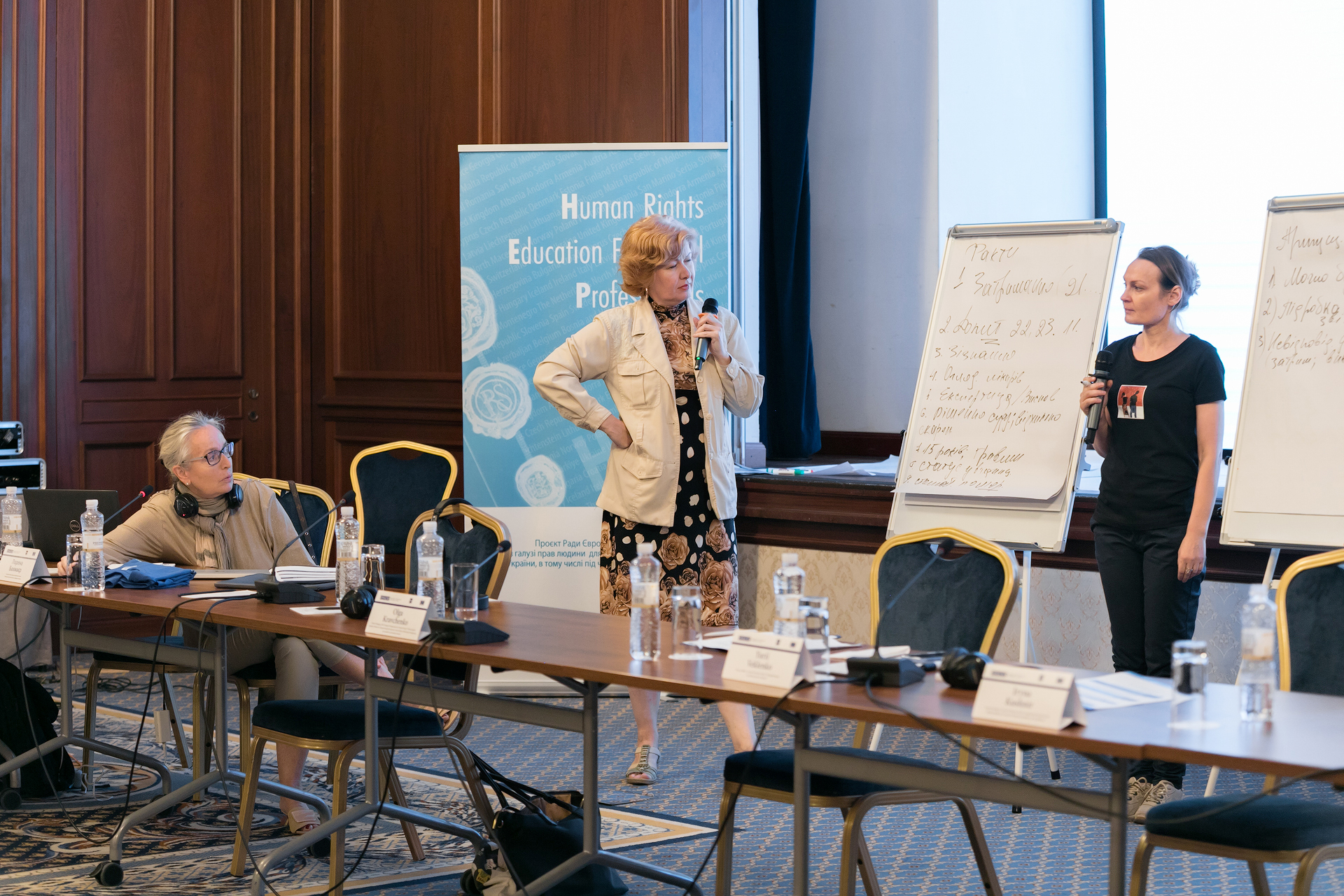
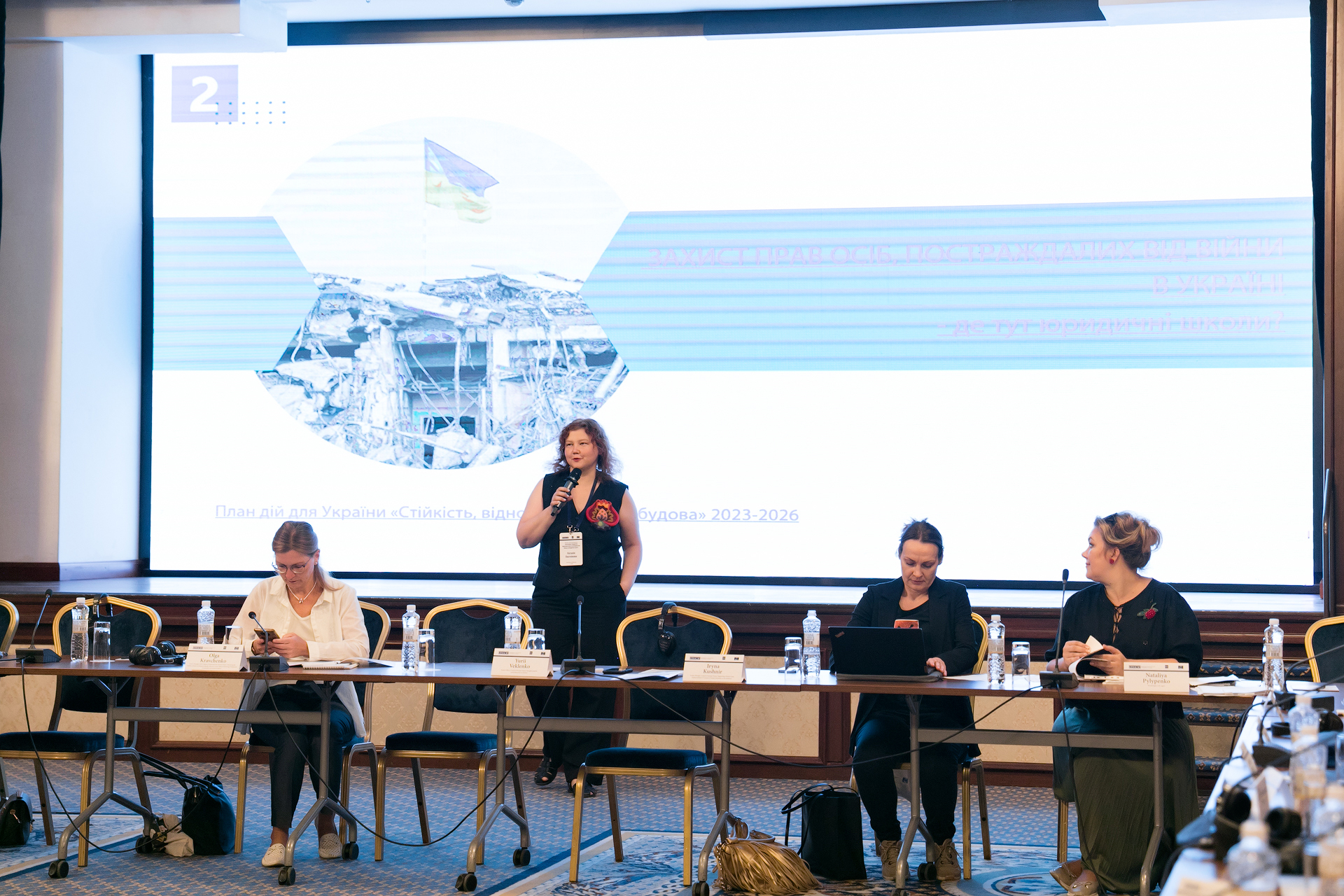
A distinctive feature of the training was the practical group work led by Nataliia Pylypenko, psychologist and Council of Europe expert. Participants explored legal analytical thinking not only as a learning outcome, but as a process: from distinguishing facts from assumptions to formulating questions and hypotheses, analysing arguments, dealing with doubt, testing preliminary conclusions and revising a legal position in light of new information.
The practical exercise made this process visible: two groups analysed the material and then compared their shared and differing observations, discussed the reasons for discrepancies and identified the moments that influenced changes in their line of reasoning. The psychological perspective helped participants reflect on how emotional and physical states, cognitive biases, intuitive responses and the volume of available information can affect engagement, retention and the quality of legal analysis.
“Over these two days, we explored legal analytical thinking not only as an outcome that a student arrives at, but also as the path itself: how a student works with facts, separates them from assumptions, formulates hypotheses, develops arguments, asks questions, doubts and changes their position,” said Nataliia Pylypenko. “Knowledge alone is not enough. Behind every professional decision lies a process: searching, questioning, doubting, comparing and discovering connections. This process is our thinking,” she emphasised.
According to the expert, it is particularly important for lecturers to be able to recognise in time when students need additional questions, a pause, clarification or a different format of interaction. It is precisely this approach that helps transform knowledge into professional thinking, and professional thinking into a conscious readiness to act in complex legal situations.
The event was organised as part of the Council of Europe’s projects “Support to Ukraine in implementation of the Council of Europe standards on the judiciary”, “HELP (Human Rights Education for Legal Professionals) for Ukraine including during wartime”, Phase II, “Further strengthening judicial and non-judicial remedies for the human rights protection of the war-affected people in Ukraine”, and “Strengthening the social dimension in Ukraine”, in cooperation with OSCE Support Programme for Ukraine within the framework of the project “Advancing the Quality of Justice by Empowering the Supreme Court’s Role in Delivering Transparent, Accountable and Inclusive Justice».





.jpg/e85665dd-90ad-6761-2f2f-321df2287526?version=1.0)