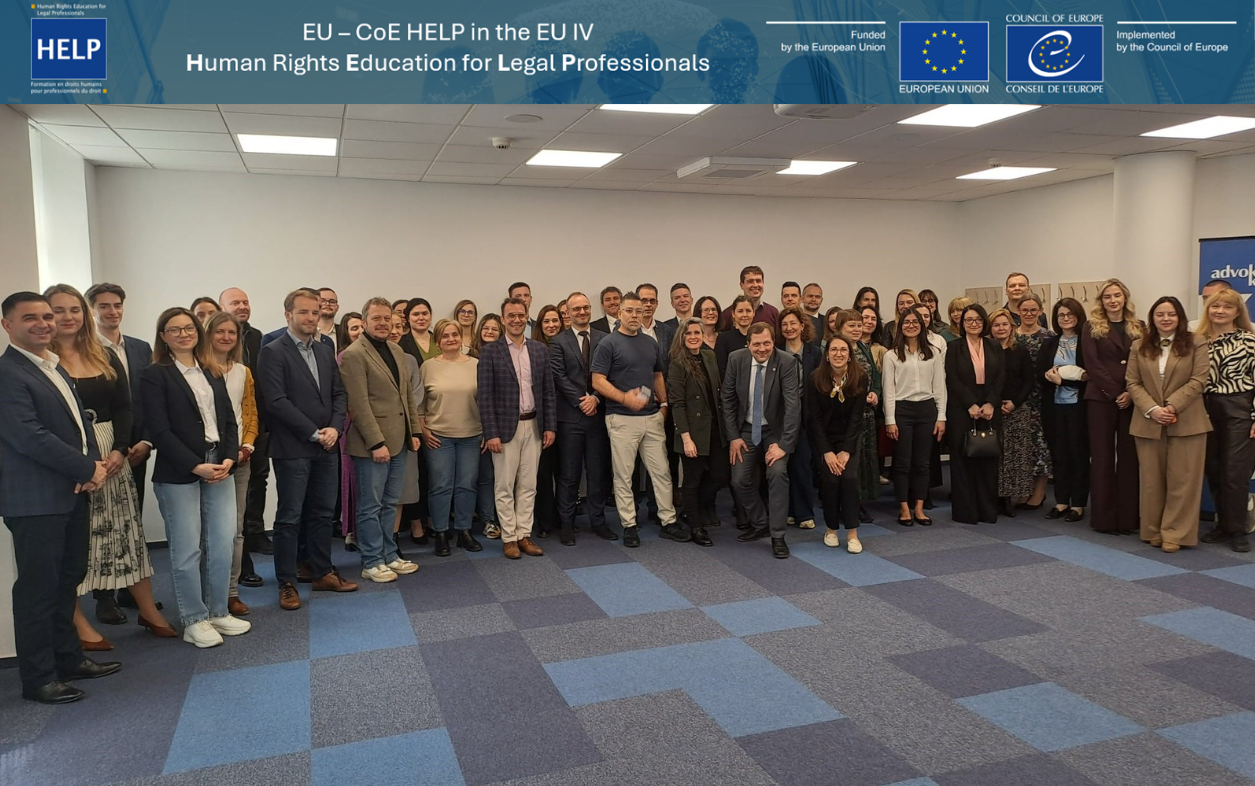
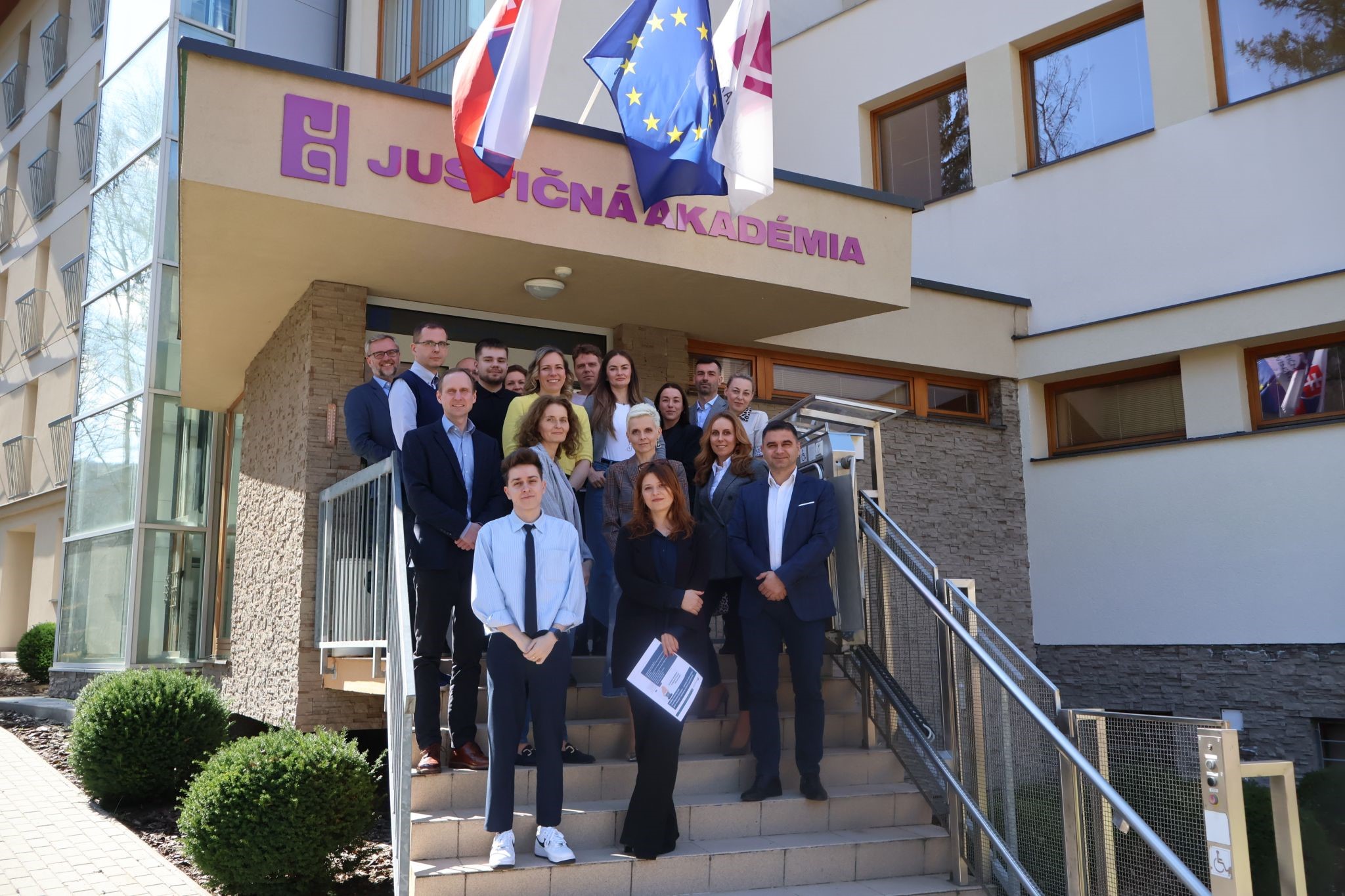
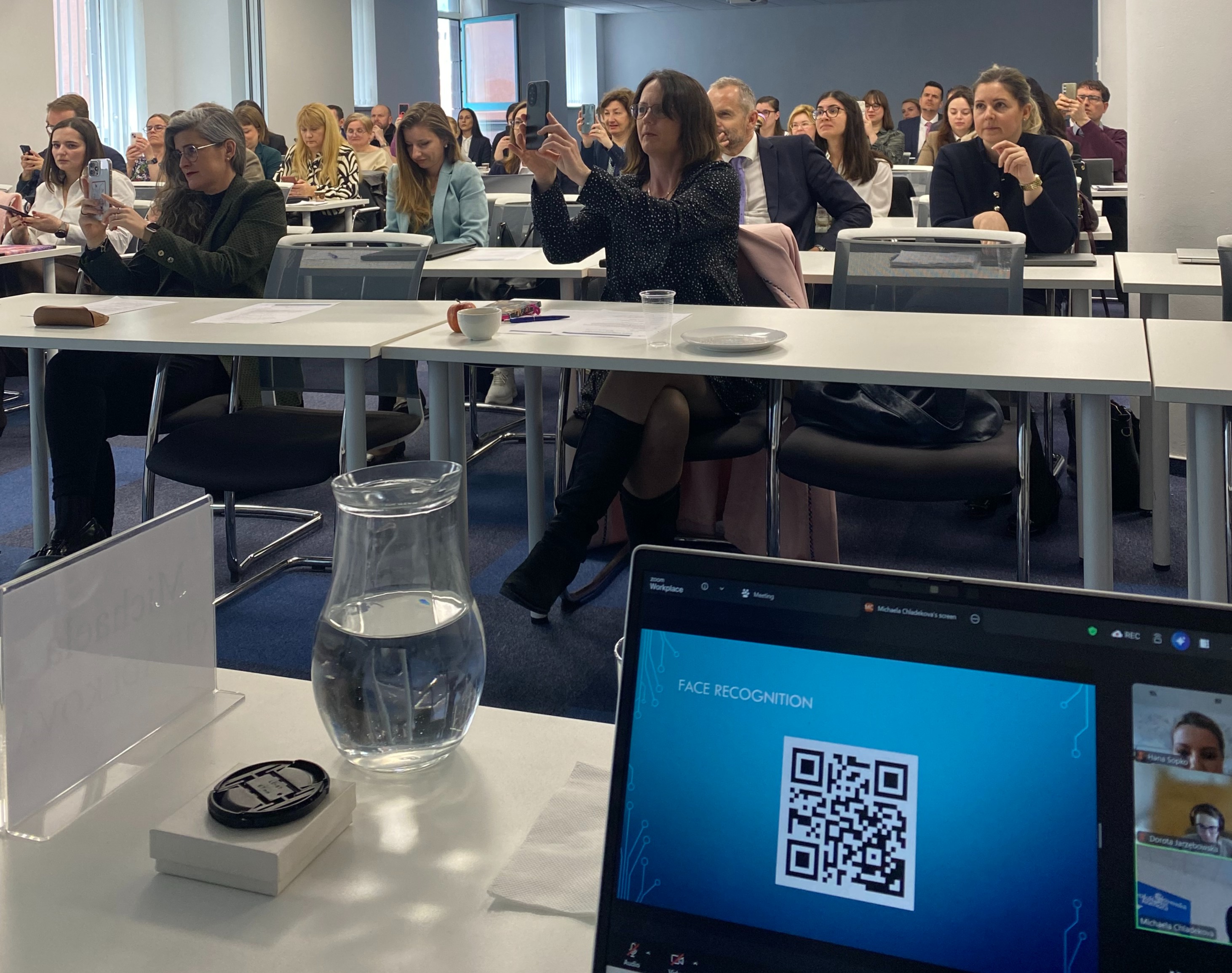
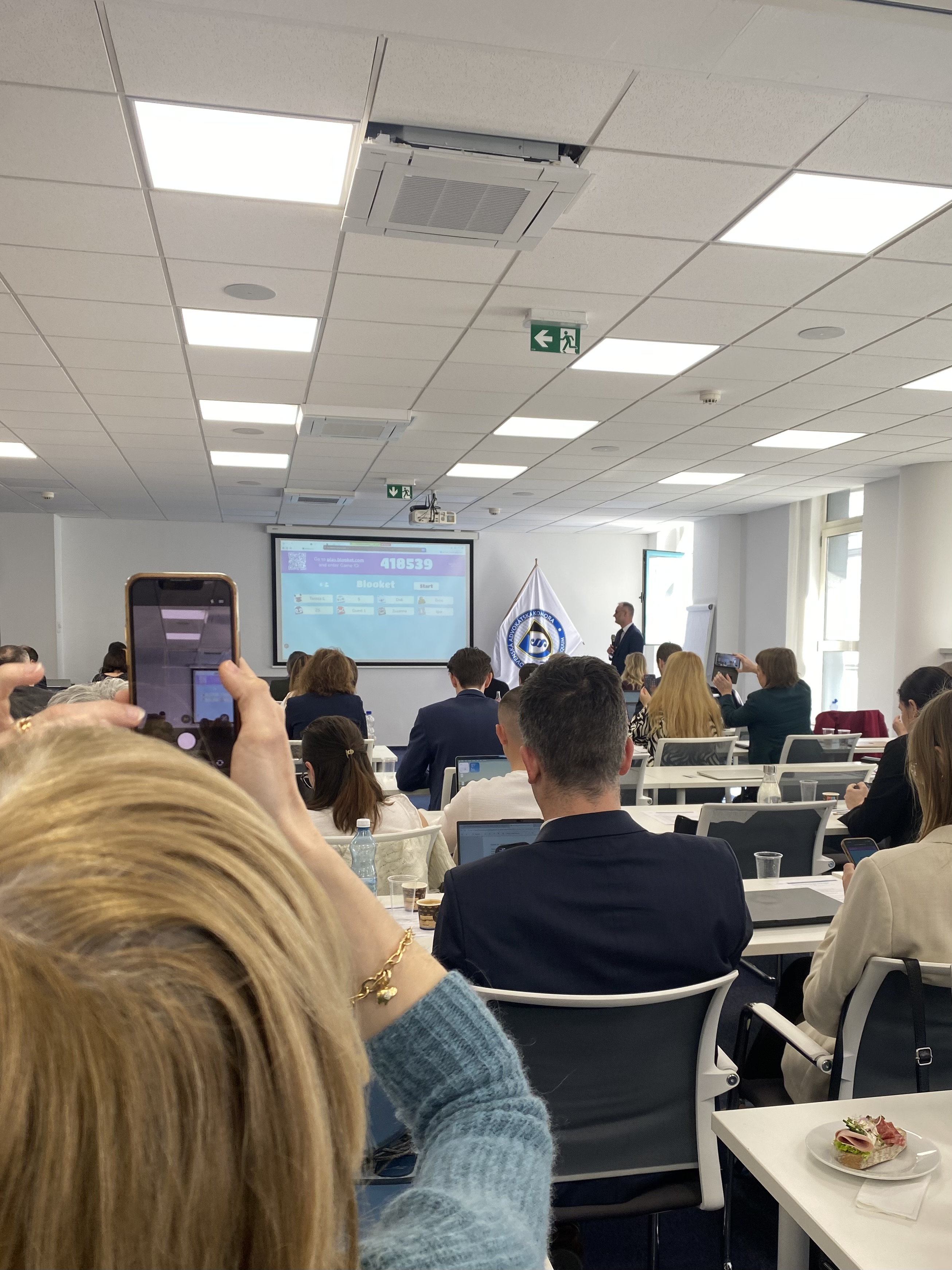
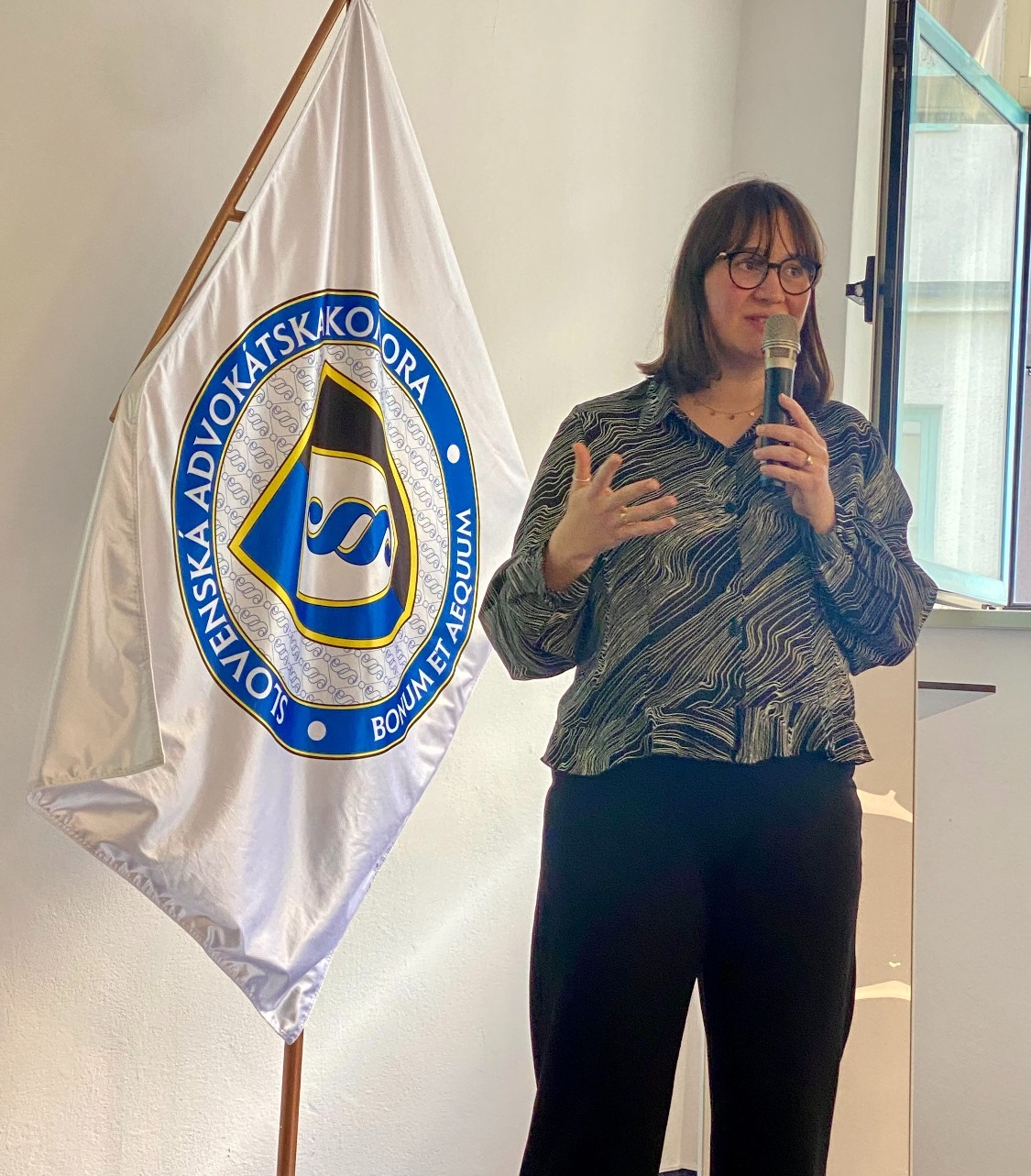
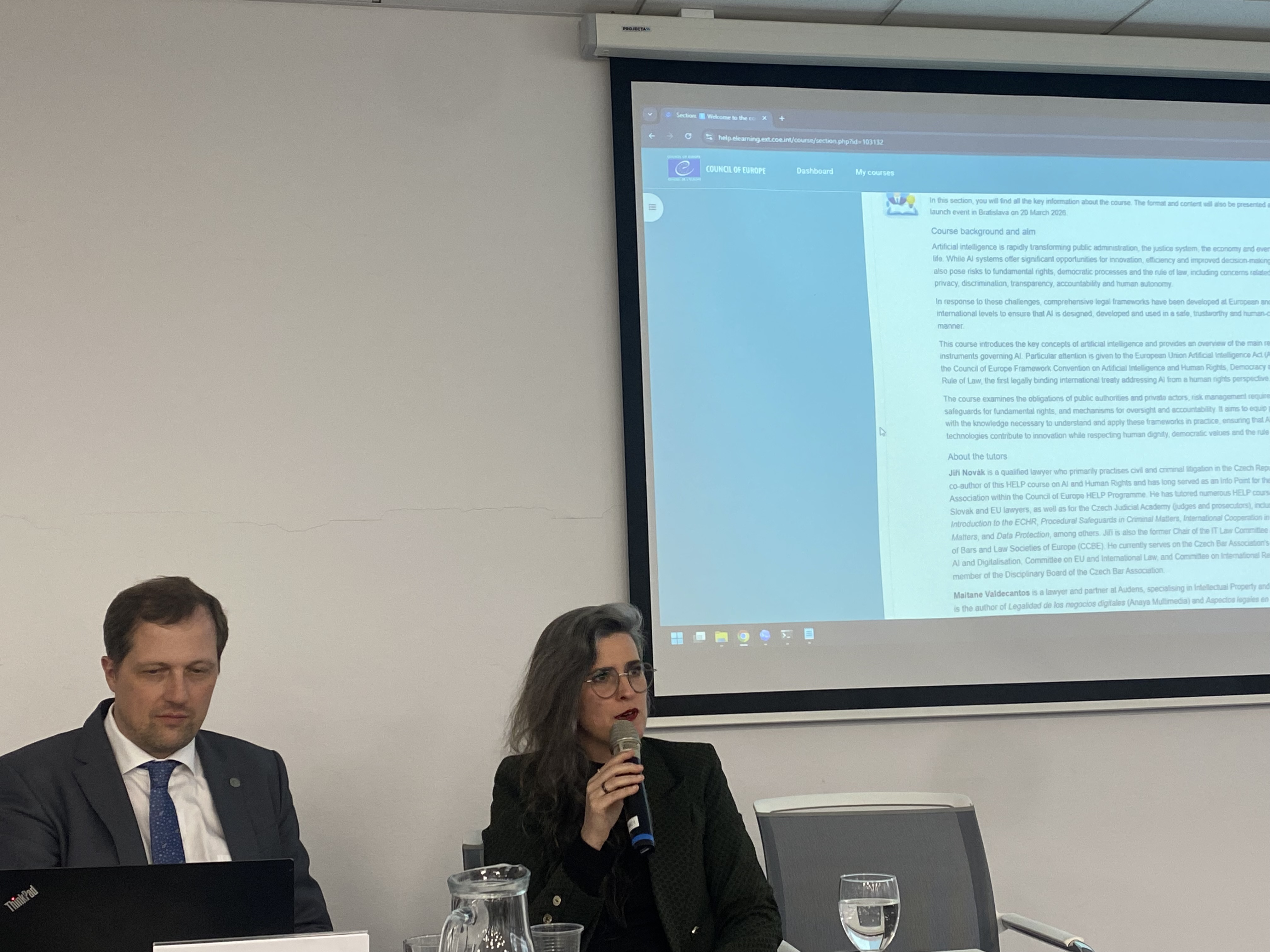
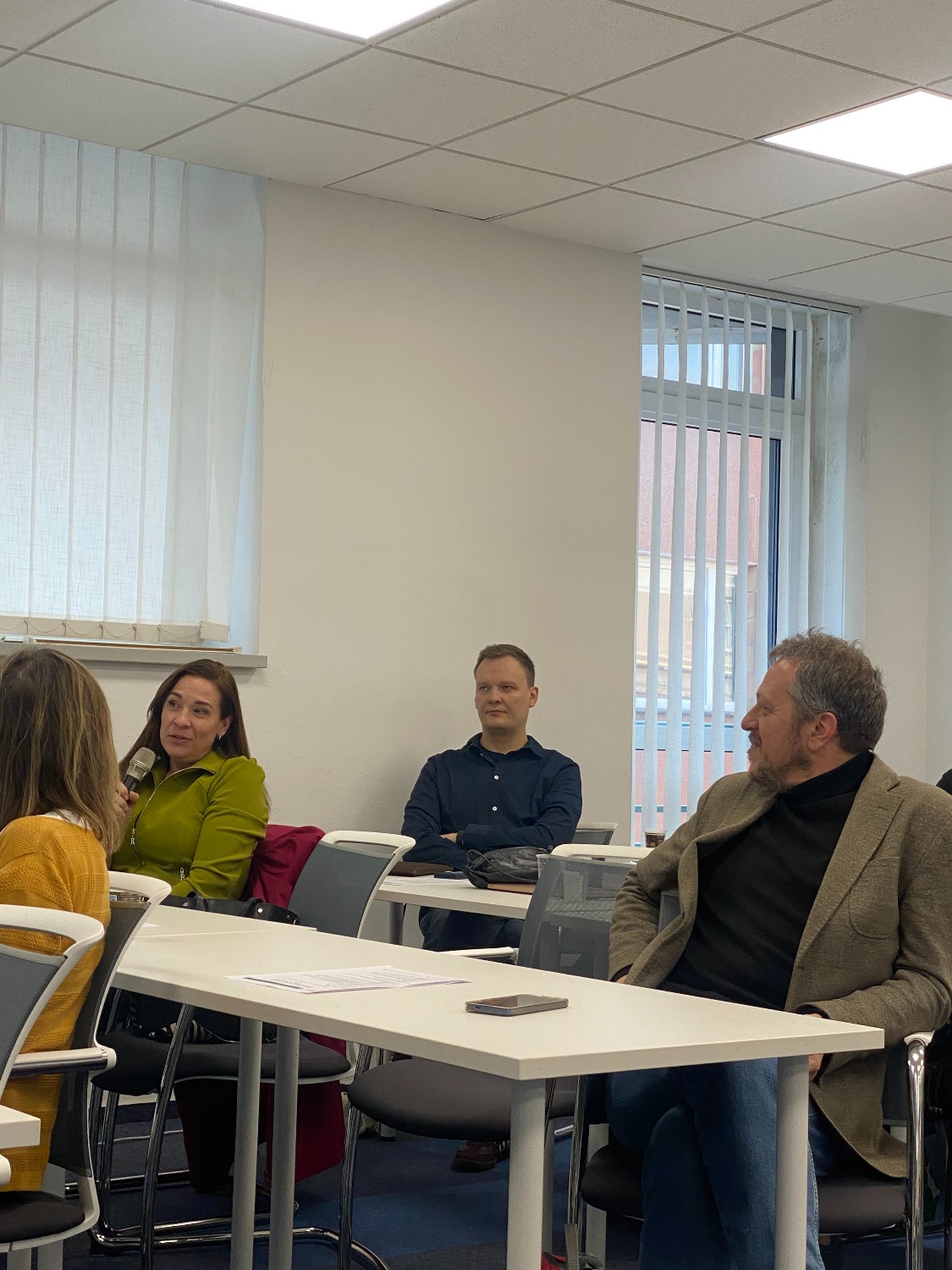
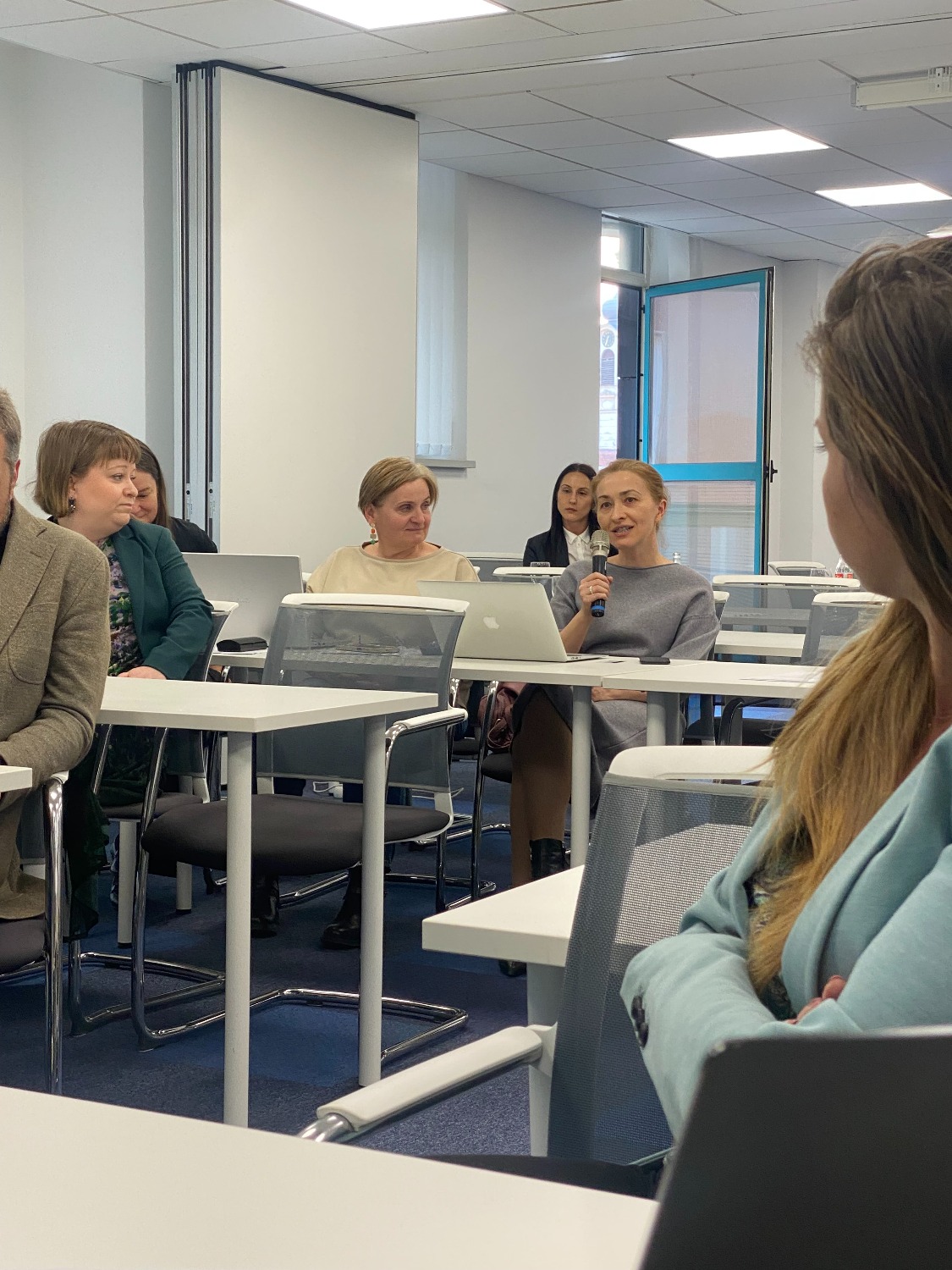
On 19 and 20 March 2026, the Council of Europe launched the HELP course on Artificial Intelligence and Human Rights for 100 judges, prosecutors, court staff and lawyers from Slovakia and countries across the EU. Funded by the European Union’s Justice Programme (2021–2027) under the EU-CoE HELP in the EU IV Project, two parallel launch events were organised in collaboration with the Judicial Academy of the Slovak Republic and the Slovak Bar Association.
Judicial professionals track (19–20 March 2026, Omšenie and online)
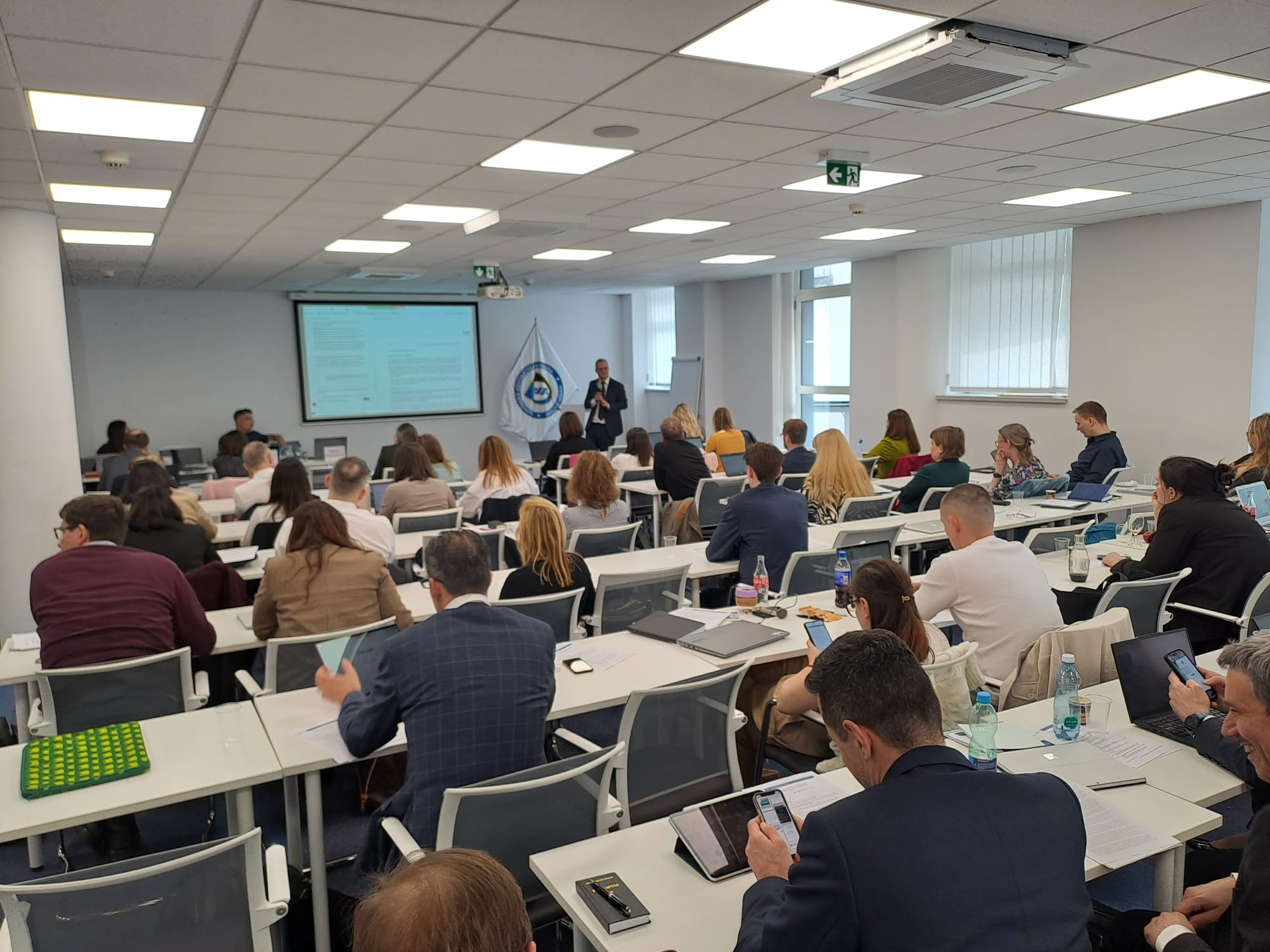
Hosted in a hybrid format by the Judicial Academy of the Slovak Republic's Detached Department in Omšenie, this event targeted judges, prosecutors and court staff from Slovakia and 13 other EU member states.
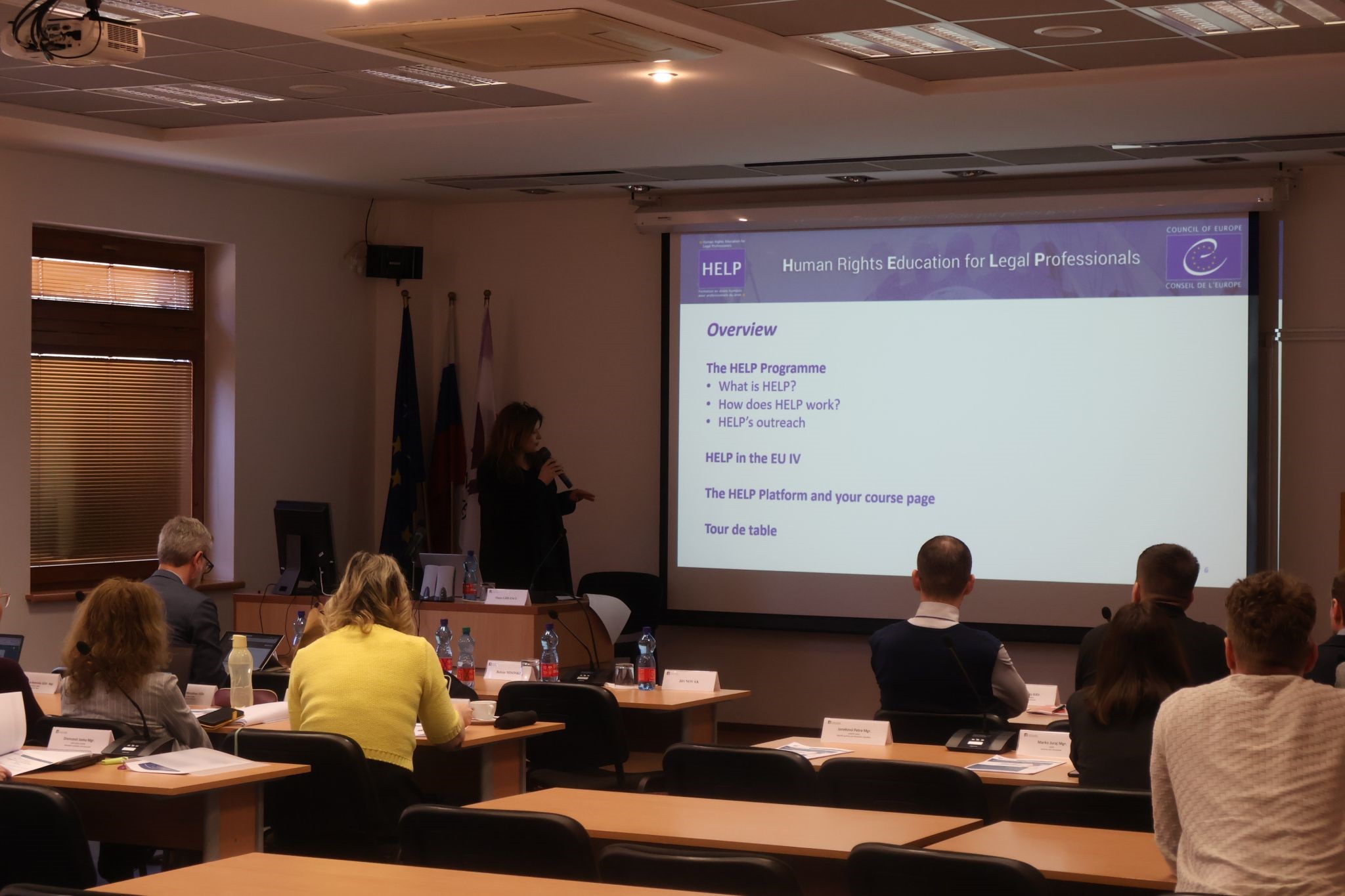
The programme opened with official greetings from the Academy’s Director, Peter Hulla, followed by Oana Gîrlescu's (EU-CoE HELP in the EU IV Project Manager) overview of the HELP Programme and a tour de table. Tereza Novotná (Masaryk University Institute of Law and Technology) explored how AI can enhance access to law and justice, while Boban Misoski (Ss. Cyril and Methodius University) dissected AI's human rights implications in criminal law. Hildur Hjörvar (EFTA Surveillance Authority, former lawyer at the European Court of Human Rights) contrasted rights-based and risk-based AI regulation approaches, and HELP tutors Miroslav Chlipala, Anca Radu and Patrycja Dolniak led a workshop on the use of AI in the legal practice. Jiří Novák (former IT Law Chair of the Council of European Law Societies and Bars (CCBE)) explained why European legal professionals need AI training and how the HELP course was crafted.
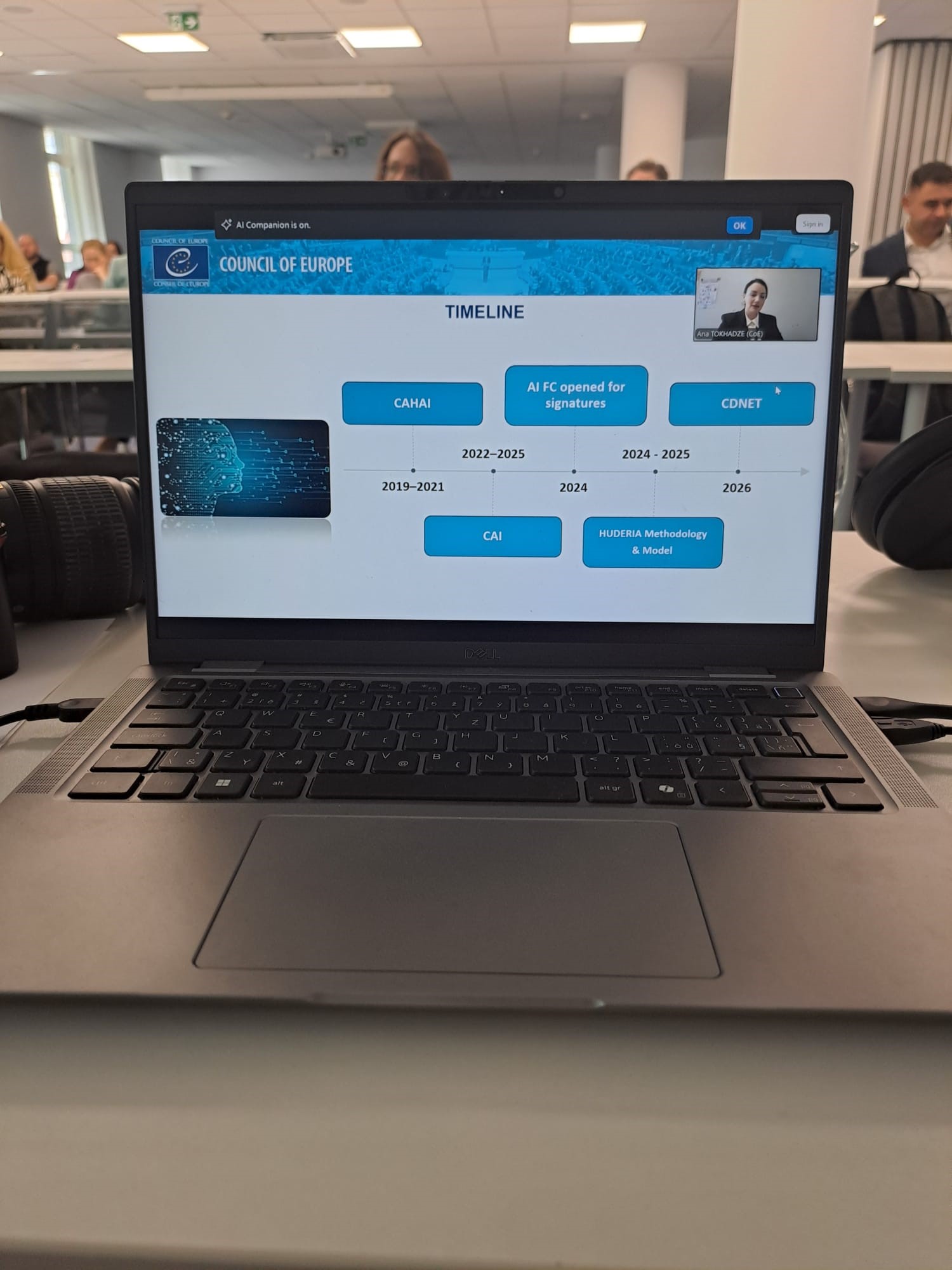
The second day brought Ana Tokhadze (Policy Advisor (Seconded) at the Digital Development Unit, Council of Europe) discussing the Council of Europe Framework Convention on AI and David Reichel (EU Fundamental Rights Agency) presenting a report on high-risk AI assessment; the event concluded with a discussion in relevant tools from the European Commission for the Efficiency of Justice (CEPEJ).
Lawyers track (20 March 2026, Bratislava)
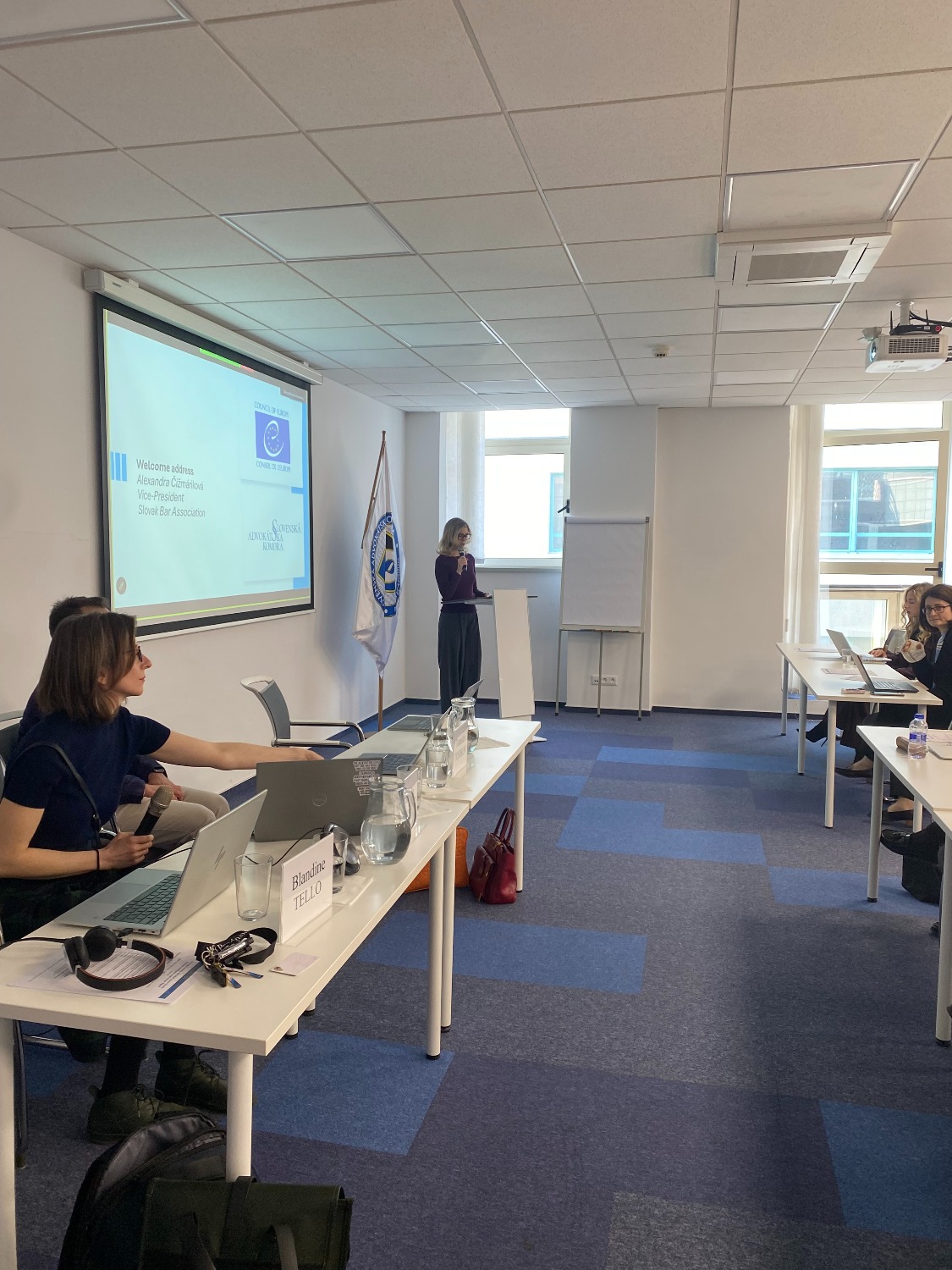
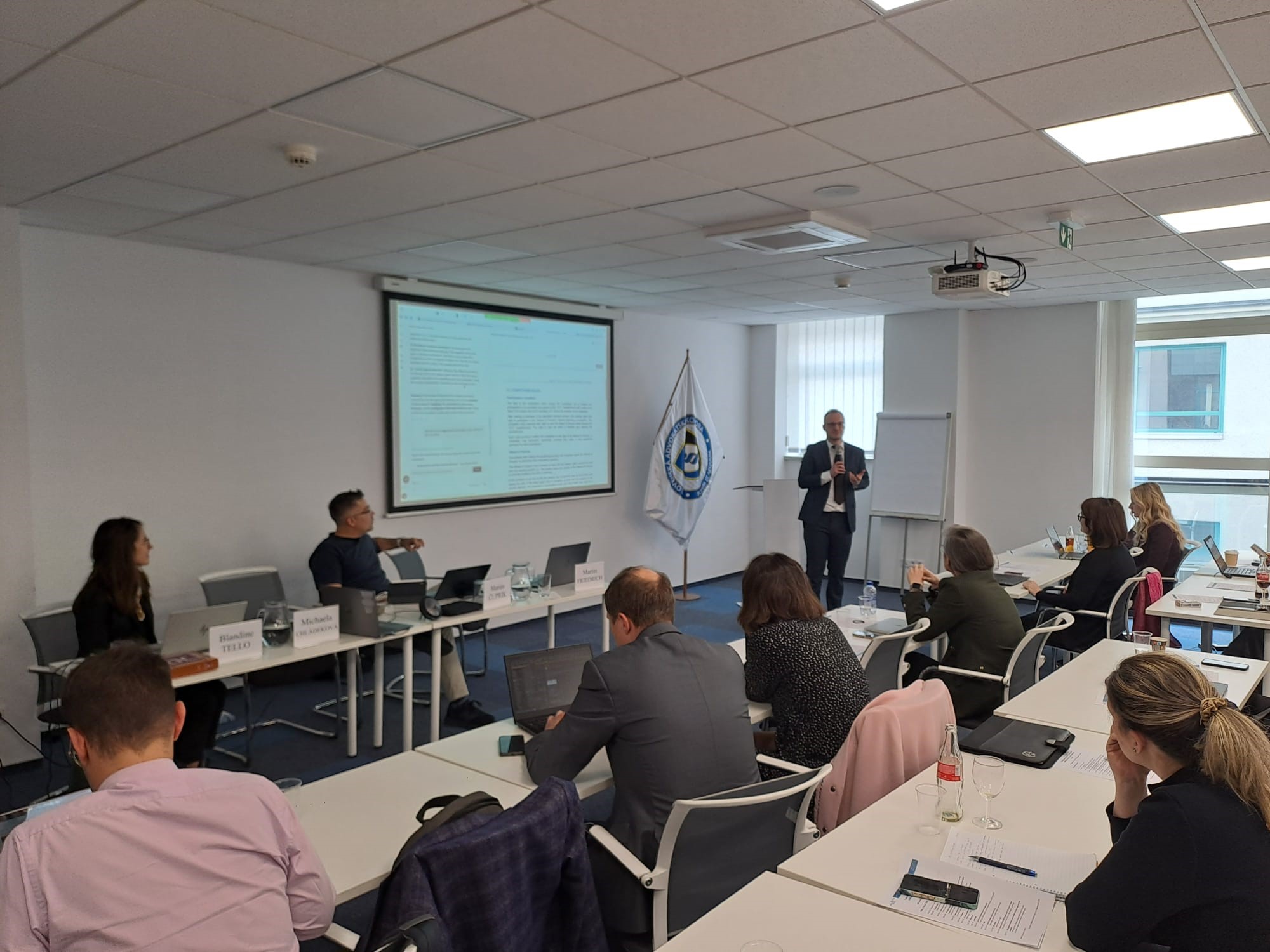
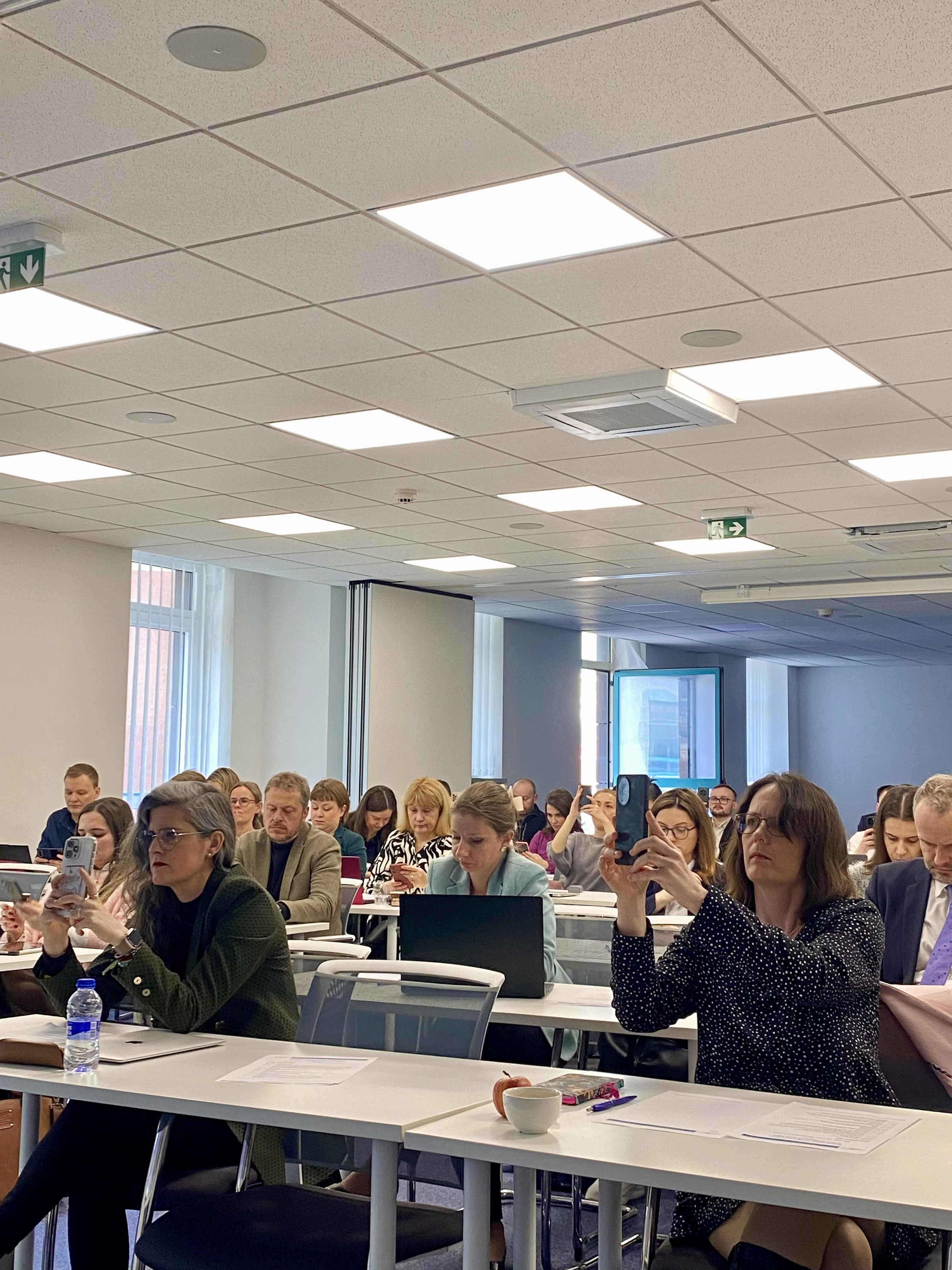
Held at the Slovak Bar Association headquarters, this event gathered lawyers from Slovakia and other EU member states, including future tutors from various countries, who will launch the course again at the national level, applying the knowledge and insights gained to their national contexts.
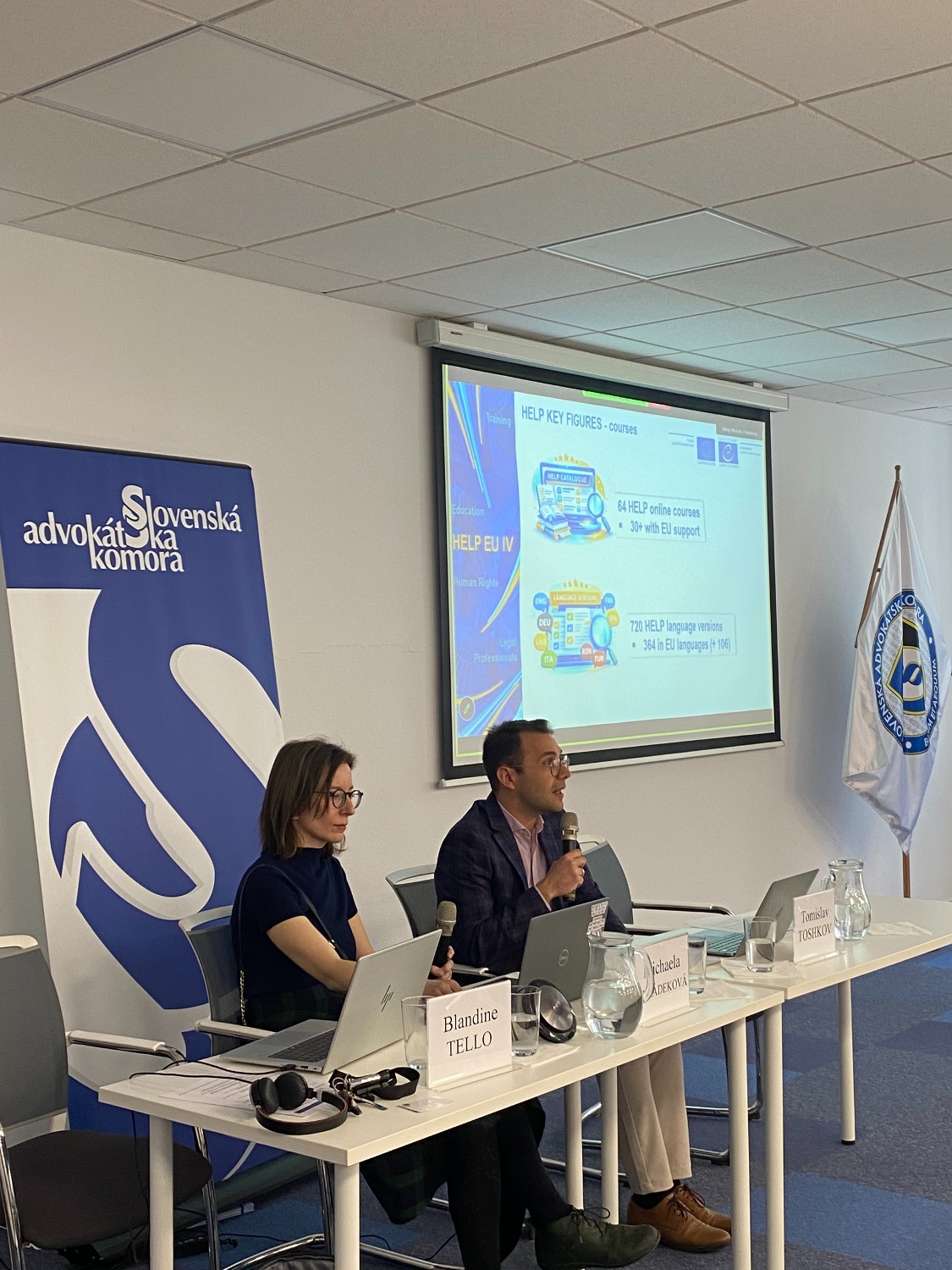
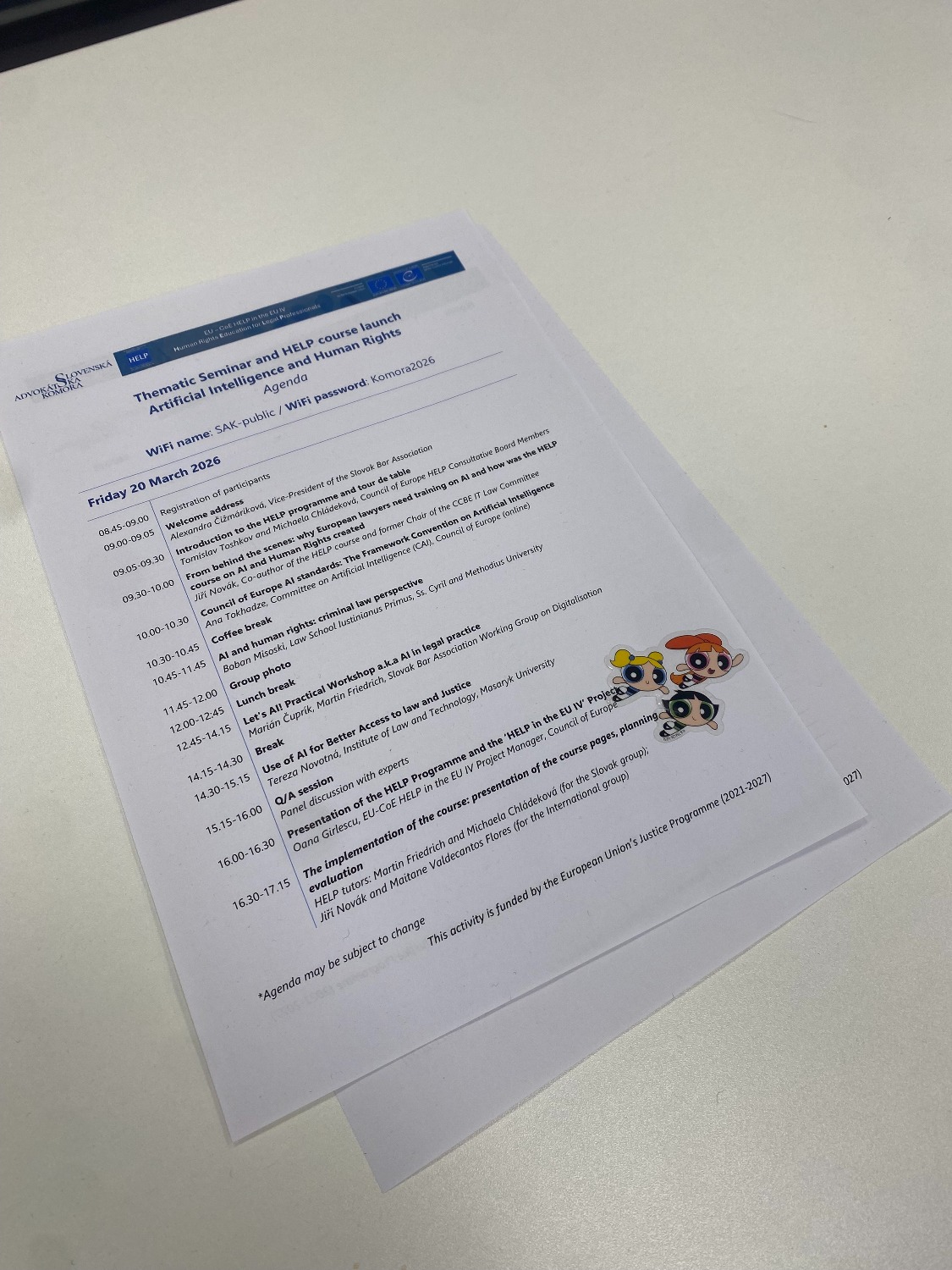
The day began with a welcome by Vice-President Alexandra Čižmáriková, followed by an introduction to the HELP Programme from Tomislav Toshkov and Michaela Chládeková, HELP Consultative Board members, highlighting the programme’s mission to equip legal professionals to uphold human rights amid rapid technological change.
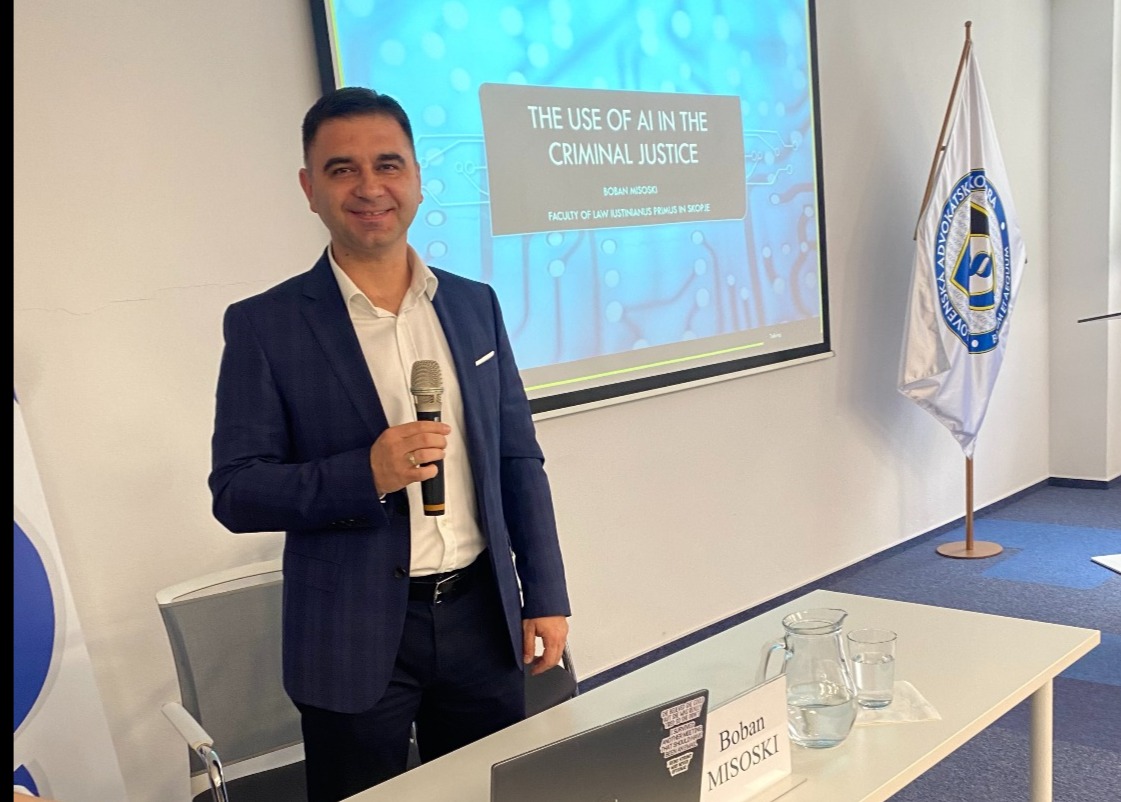
Several speakers from the judicial track also addressed the lawyers. Jiří Novák shared behind-the-scenes insights into the need of training on AI and course development, Ana Tokhadze presented on Council of Europe AI standards, and Boban Misoski revisited criminal law perspectives. Tereza Novotná once again highlighted how AI can improve access to law and justice.
Participants engaged in a hands-on practical workshop - “Let’s AI!” - led by Marián Čuprík and Martin Friedrich, members of the Slovak Bar’s Working Group on Digitalisation, involving practical tips on using AI tools in legal practice.
Attendees also met their HELP tutors: Martin Friedrich and Michaela Chládeková (for the Slovak group) and Jiří Novák and Maitane Valdecantos Flores (for the international group).
Common to both tracks
In the coming months, all participants will follow online the HELP course on Artificial Intelligence and Human Rights, under the guidance of their HELP tutors. This will provide opportunities to build digital skills, deepen their understanding of relevant legal instruments (both soft and hard law), and further reflect on the role of AI in the justice sector.
These initiatives signal a strong, shared commitment, from the Council of Europe and the European Union, alongside legal professions to ensuring technology serves rather than undermines rights, fairness, and the rule of law in Europe’s digital future.
The HELP course on Artificial Intelligence and Human Rights
The HELP course on Artificial Intelligence and Human Rights was initially developed in 2024 and updated in 2025 by the Human Rights Education for Legal Professionals (HELP) Programme of the Council of Europe, and the Digital Development Unit (DDU) / CAI Secretariat of the Council of Europe, with contributions from the Registry of the European Court of Human Rights.. The course aims to enhance the understanding of AI technologies and some of their human rights implications. Its objective is to assist professionals in navigating the relevant legal and regulatory landscape, while fostering ethical decision-making, supporting assessment and management of potential adverse impacts related to activities within the lifecycle of the AI systems.
The course provides information about the most important instruments at international and European level, and their practical implementation across Europe and beyond, focusing on the Council of Europe and the European Union frameworks. Developed using the HELP methodology, the topics are explored in a practical way by using presentations, interactive screens, knowledge tests and reflective exercises, enabling the users to apply the gained knowledge and skills.
The course is available in self-learning format, having a duration of 6 hours. It can be followed in English, and translations have been initiated. Upon completion, users can generate their electronic Statements of Accomplishment, in proof of their acquired knowledge and skills.
HELP courses are intended, in the long term, to become an integral part of the overall learning curricula of the national training institutions and/or other competent authorities of the Council of Europe member states and beyond.