The Council of Europe has historically been at the forefront of international action against organised crime by developing a range of conventions and other soft law standards aimed at facilitating international co-operation as regards investigative assistance, search, seizure and confiscation of the proceeds from all types of criminality. Work in this area has led to the adoption of the 1990 Council of Europe Convention on laundering, search, seizure and confiscation of the proceeds from crime (“the Strasbourg Convention”), as the first internationally binding treaty that focuses exclusively on money laundering.

In May 2005, the Council of Europe opened for signature the Council of Europe Convention on Laundering, Search, Seizure and Confiscation of the Proceeds from Crime and on the Financing of Terrorism (CETS No. 198), which is the first international treaty covering both the prevention and the control of money laundering and the financing of terrorism.

On 23 November 2023, the  Committee of Ministers of the Council of Europe adopted the Terms of Reference establishing the Committee of Experts on Criminal Asset Recovery (PC-RAC).

The PC-RAC is  entrusted, under the authority of the Committee of Ministers and the European Committee on Crime Problems (CDPC), to elaborate an additional protocol supplementing the Council of Europe Convention on laundering, search, seizure and confiscation of the proceeds from crime and on the financing of terrorism (CETS no. 198), as well as a draft explanatory report.

The PC-RAC will meet 3 times a year, in closed session. Access to information about specific meetings and documents of the PC-RAC is available below, or depending on their classification, can be consulted in line with Resolution Res(2001)6 on access to Council of Europe documents.

Meetings
News

Back PC-RAC agrees on the draft Protocol to strengthen asset recovery cooperation

PC-RAC agrees on the draft Protocol to strengthen asset recovery cooperation

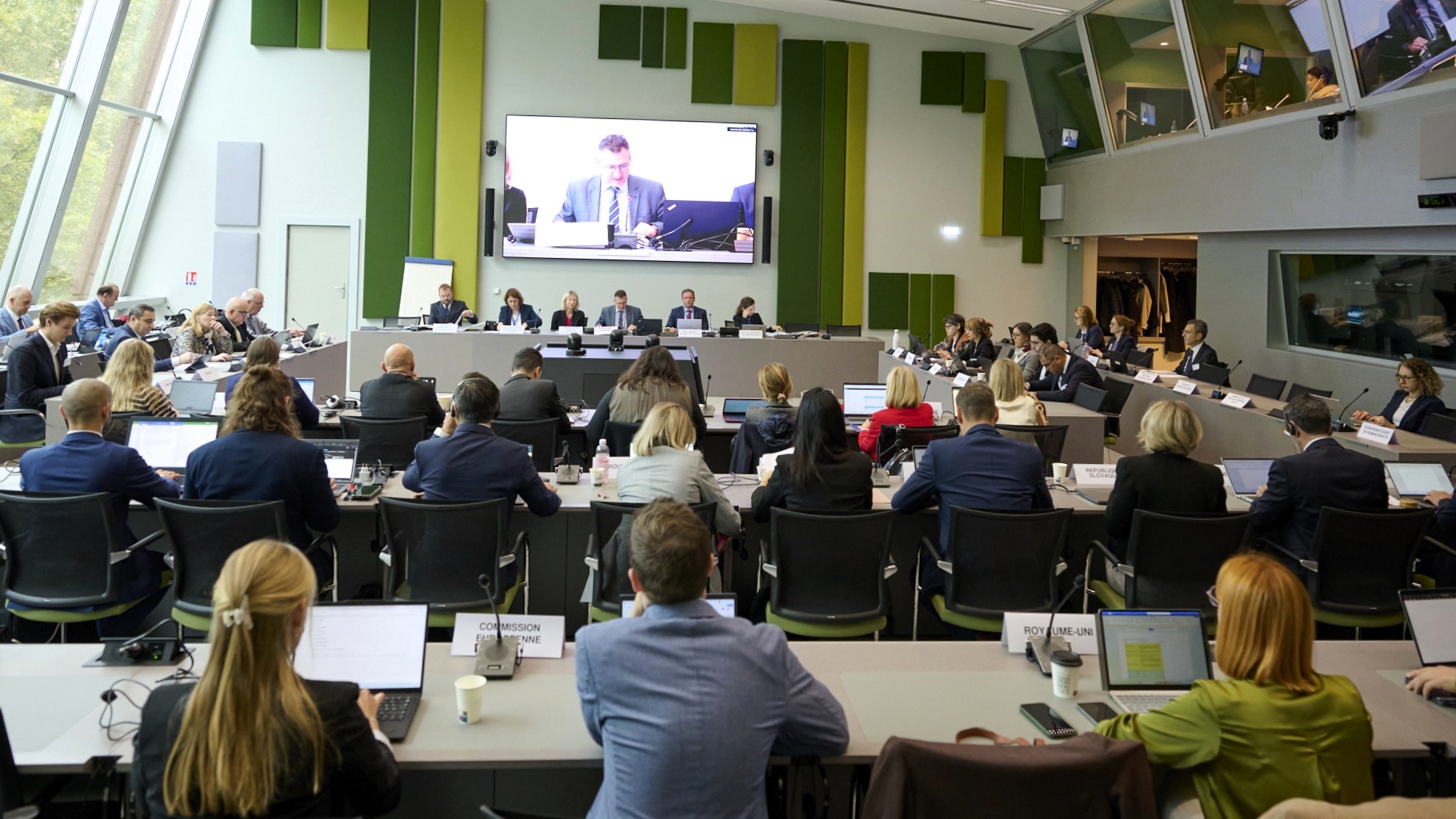
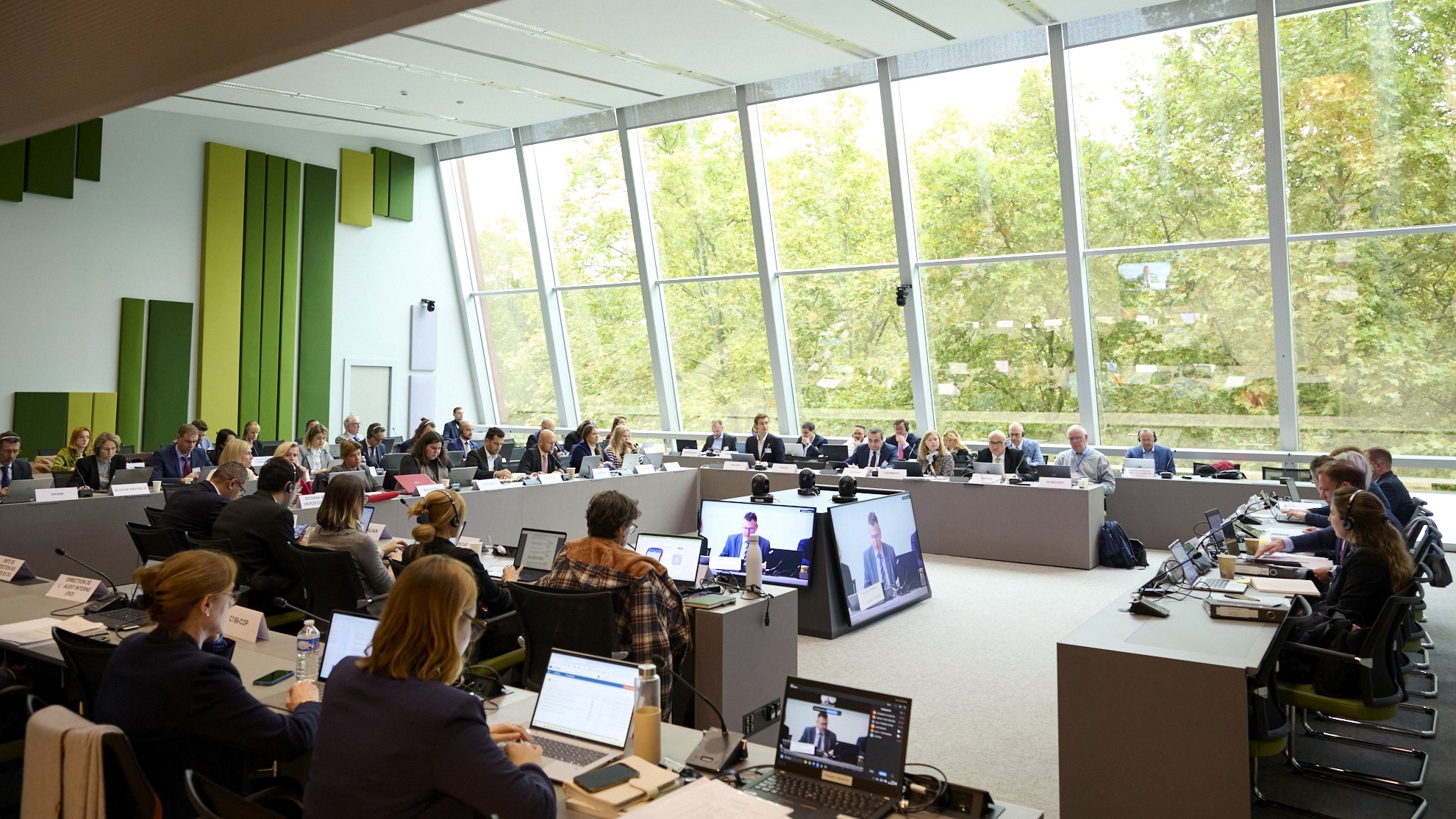
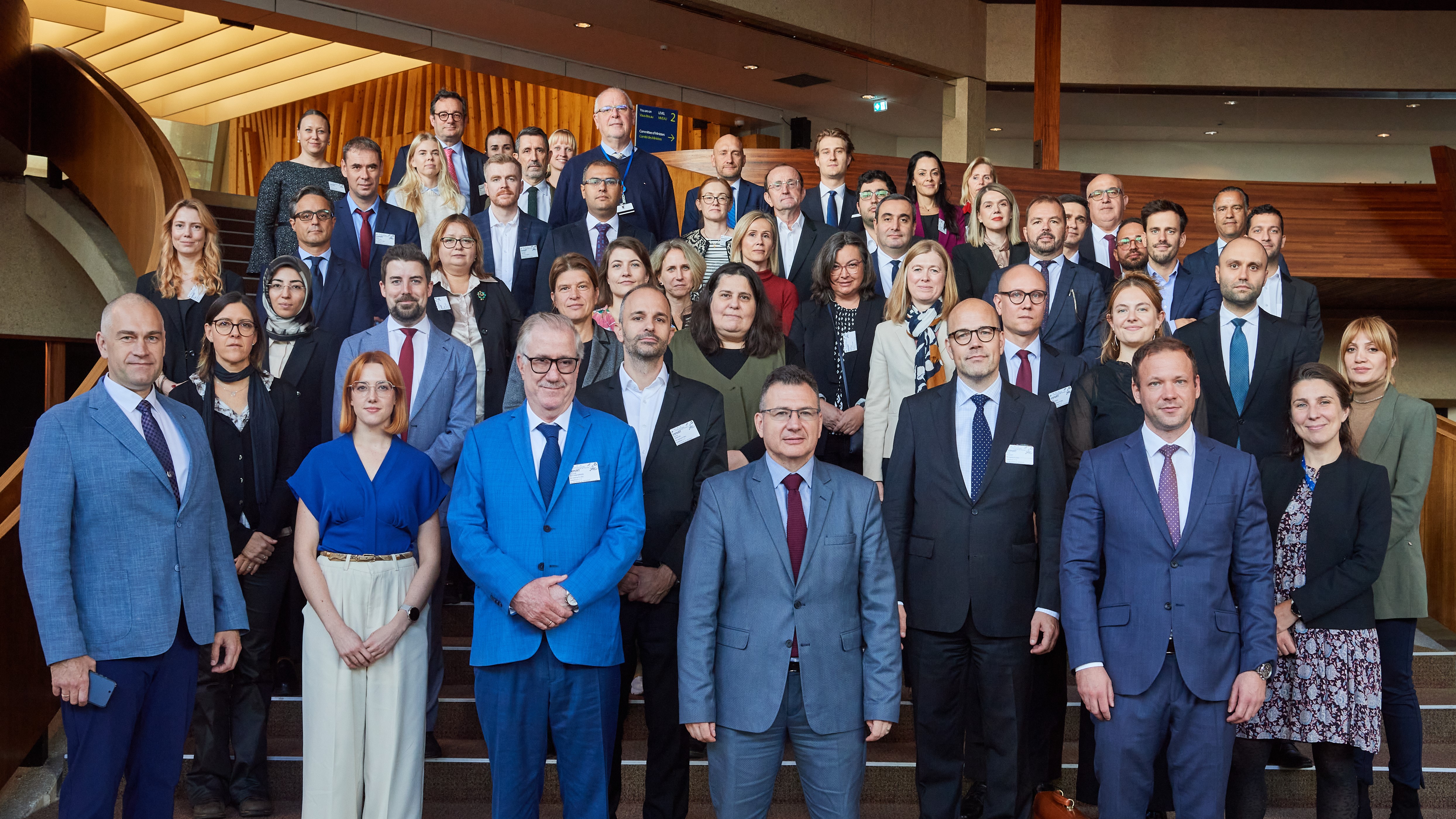
The Council of Europe’s Committee of Experts on Criminal Asset Recovery (PC-RAC) has reached an agreement on the text of the draft additional protocol to the Council of Europe Convention on laundering, search, seizure and confiscation of the proceeds from crime and on the financing of terrorism (CETS No. 198). The text reflects the outcome of extensive experts’ discussions held over six meetings since May 2024, involving Council of Europe member states, Morocco and the European Union, with the participation of relevant international organisations. The sixth meeting, held from 6 to 10 October 2025 under the presidency of Mr Cornel-Virgiliu Calinescu (Romania), marks a significant milestone in strengthening international frameworks for asset recovery. Experts highlighted the future Protocol’s role in reinforcing confiscation measures and enhancing cross-border cooperation to ensure the effective recovery of criminal assets.

Opening this five-day meeting, Ms. Hanne Juncher, Director of the Security, Integrity and Rule of Law Directorate, commended delegates for their commitment and emphasised the importance of flexibility, dialogue and consensus in finalising the new legal instrument. She reaffirmed the Council of Europe’s determination to combat financial crime by depriving criminals of illicit assets and ensuring that the Warsaw Convention (CETS no. 198) remains responsive to evolving criminal threats.

The agreed text of the draft Additional Protocol will now be transmitted to the European Committee on Crime Problems (CDPC) for further examination and possible approval, with a view to its subsequent submission to the Committee of Ministers for final adoption.

The Committee also examined in detail the accompanying Explanatory Report to the Additional Protocol, which will be further refined to reflect the outcome of the discussions. The PC-RAC will hold a final meeting from 8-10 December to finalise the Explanatory Report.

Link to the Abridged meeting report


Image Gallery

Strasbourg, FRANCE 6-10 October 2025
  • Diminuer la taille du texte
  • Augmenter la taille du texte
  • Imprimer la page