Financial crime is not a victimless crime as behind every such crime are people whose lives, businesses, and trust may be affected. This is why financial investigations are not just about following the money — they are about protecting individuals and communities. When authorities effectively investigate the crime and its proceeds in parallel, they can achieve much more – uncover hidden assets, recover stolen funds, and ensure that crime does not pay. In doing so, they strengthen accountability and better support those harmed by crime.
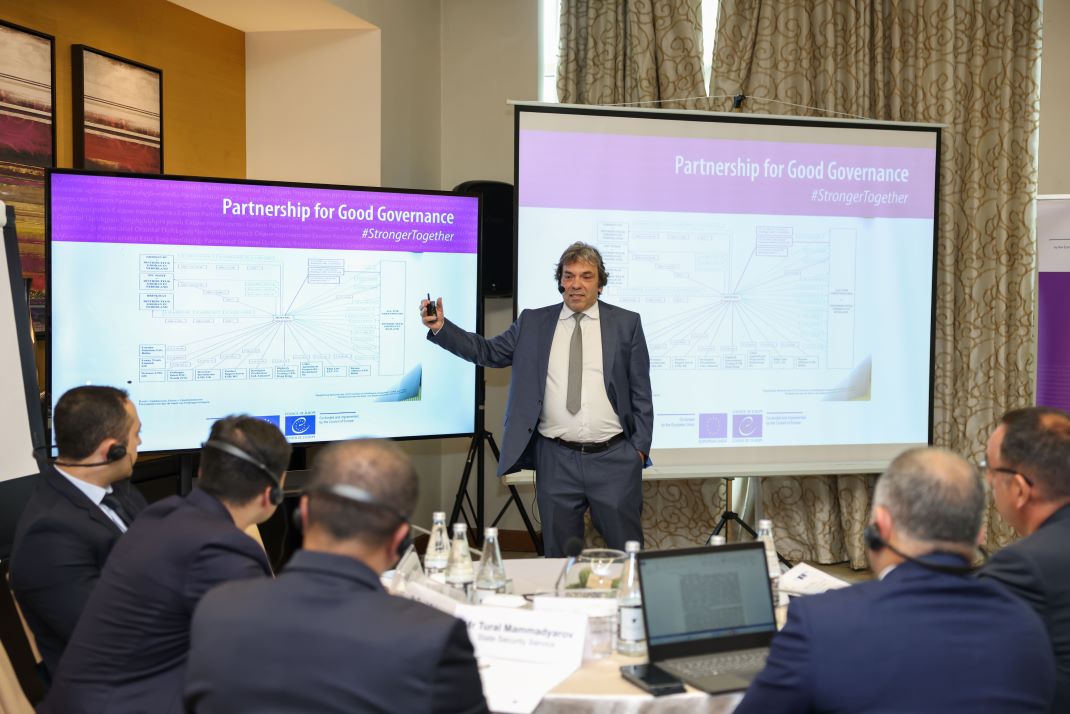
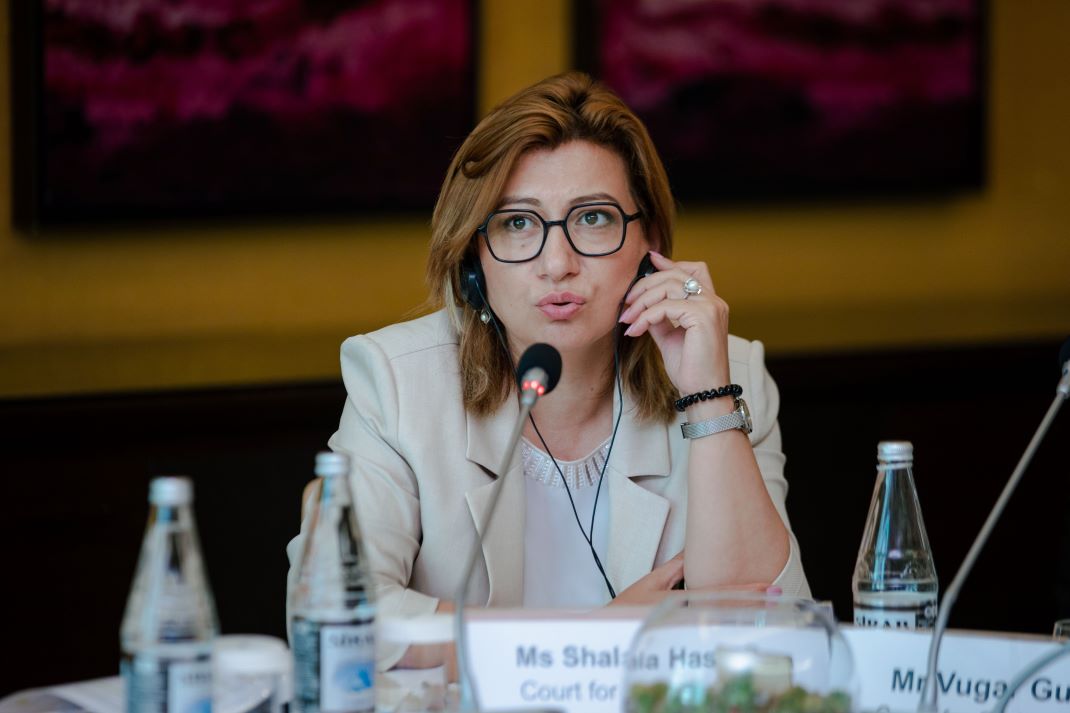
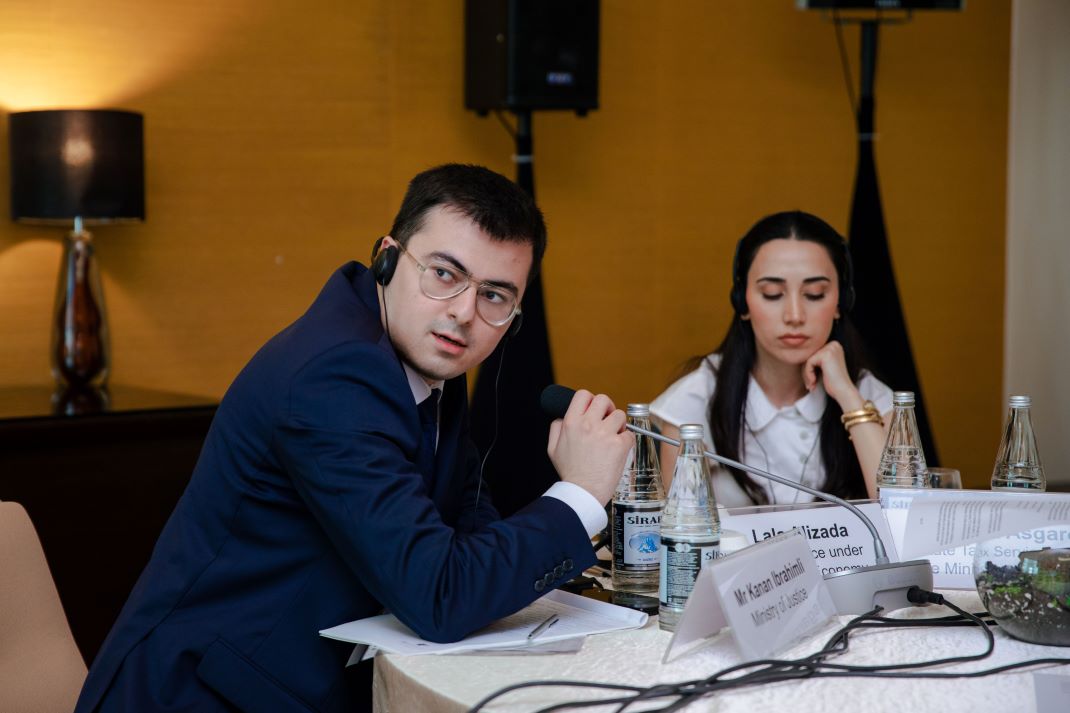
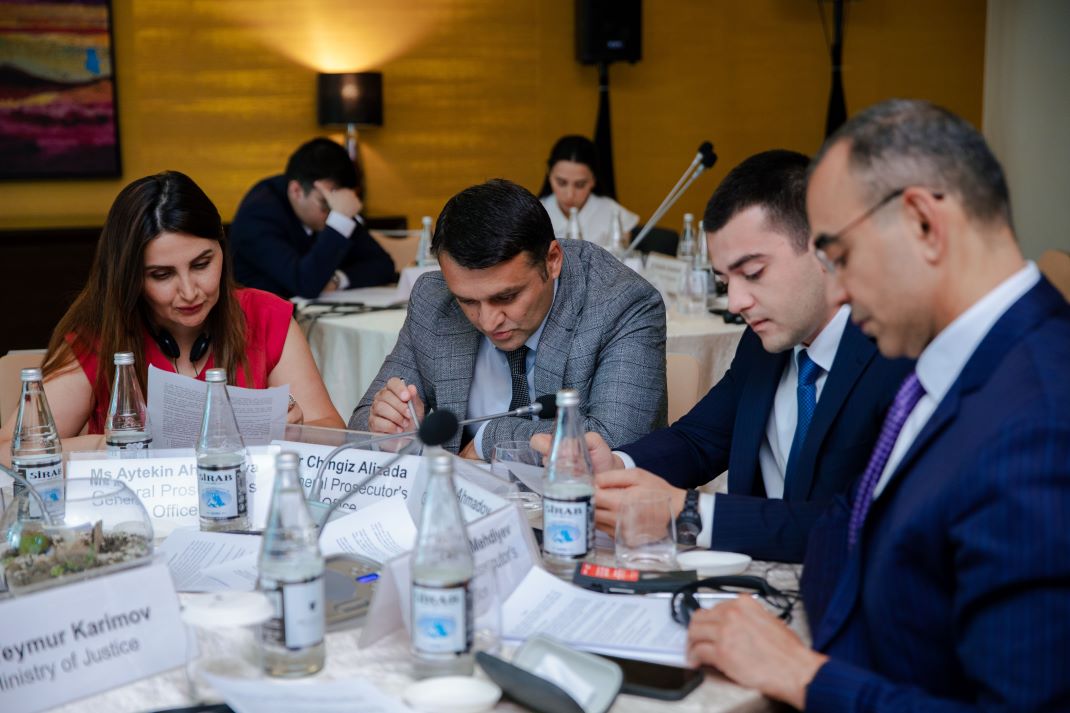
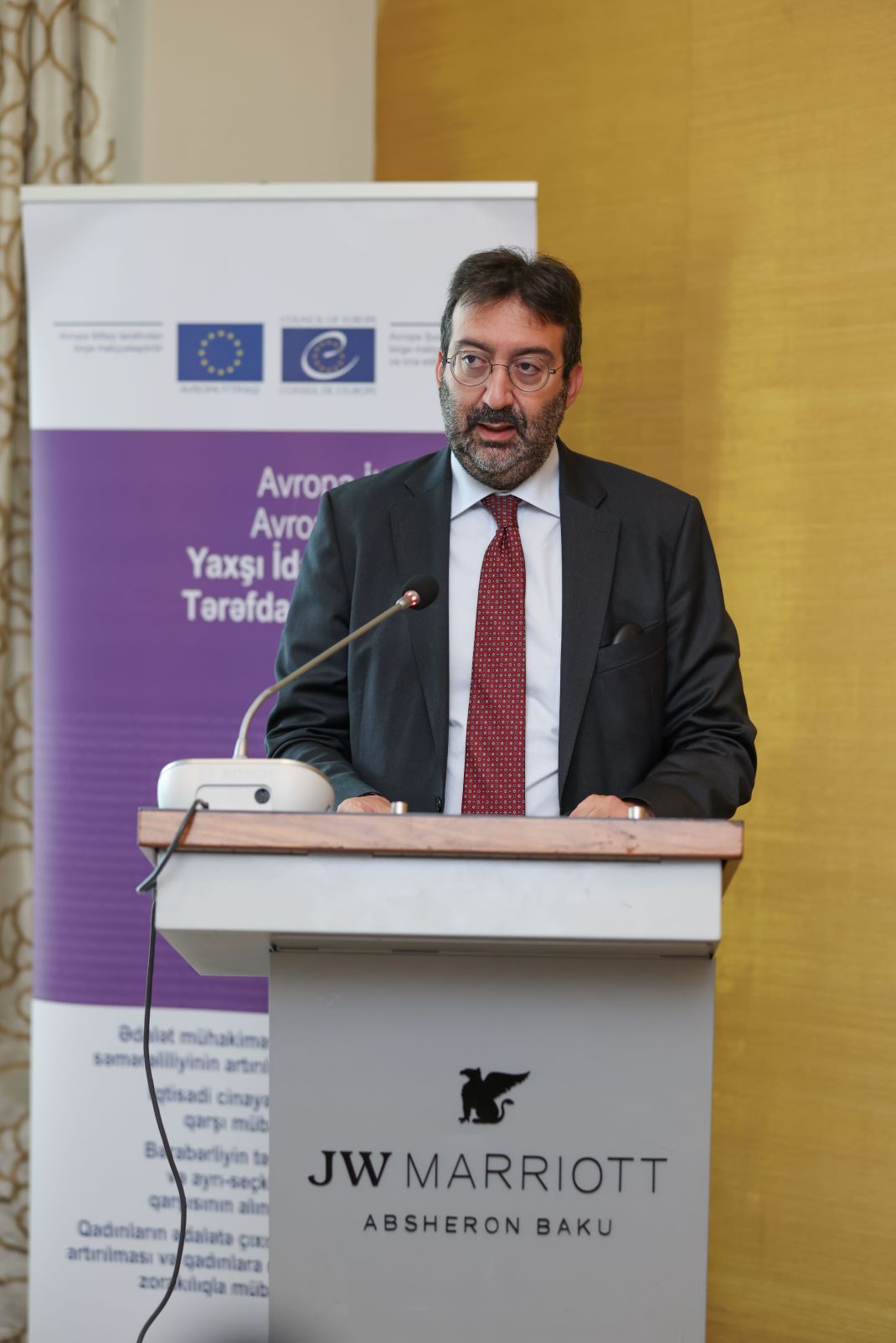
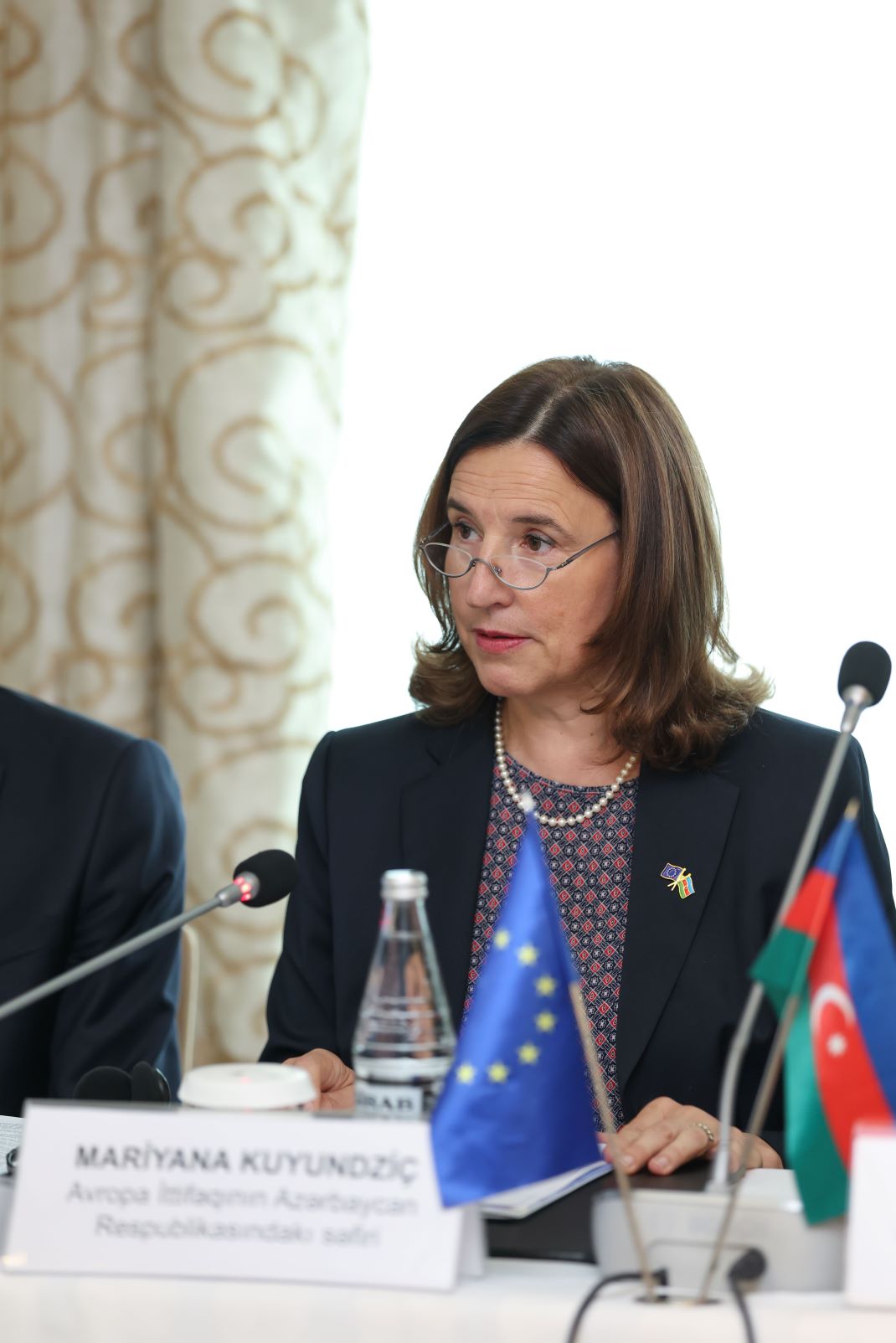
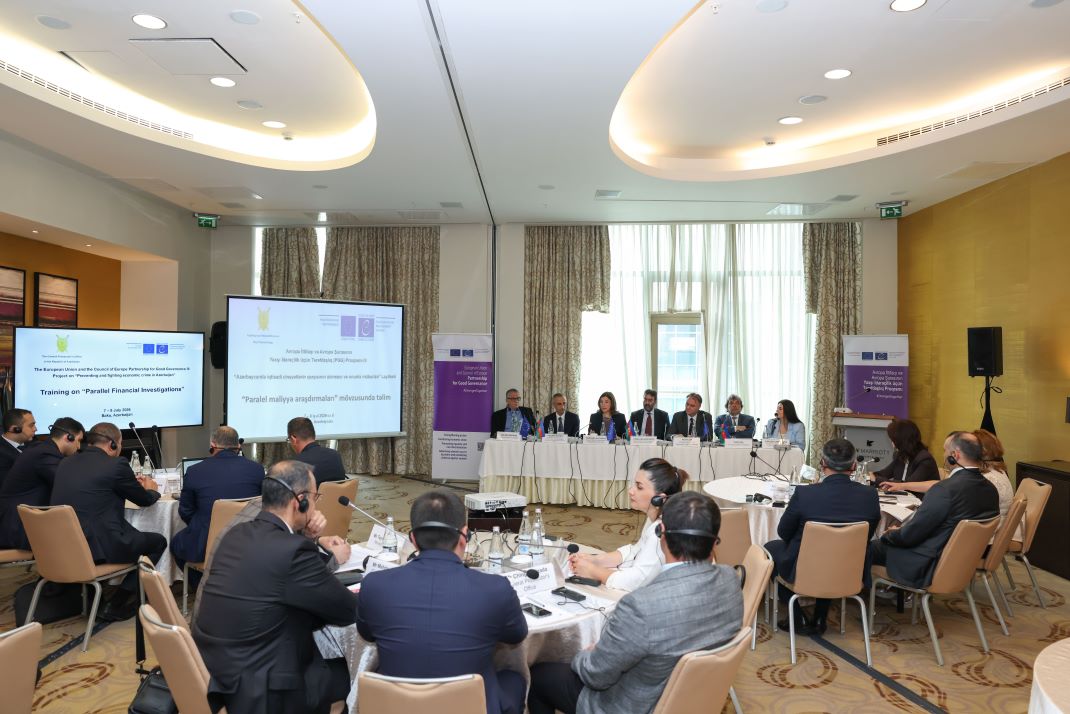
To strengthen these efforts, prosecutors, investigators, judges, and other practitioners from Azerbaijan took part in an interactive training exploring how financial investigations can support the detection, investigation, and prosecution of complex financial crimes. The relevance of the topic and of the event itself was underlined by the high-level attendance at the training opening. In particular, the Director General of Human Rights and Rule of Law of the Council of Europe, the Ambassador of the European Union to Azerbaijan, and the Director of the Department for Coordination of Special Confiscation Issues from the Prosecutor General’s Office of Azerbaijan joined the event together with the Council of Europe experts, underscoring the importance of continued cooperation and capacity-building in tackling financial crime.
Building on this objective, the training combined practical exercises and real-life case examples to help participants examine the importance of tracing financial transactions and applying effective investigative methods throughout the different stages of investigation. Another important focus was the use of financial information and the wide range of sources available to investigators. Participants learned how financial analysis can be helpful to explain complex transactions and present clearer evidence in court. The training also highlighted that successful financial investigations depend on strong cooperation and information sharing between institutions, both nationally and internationally.
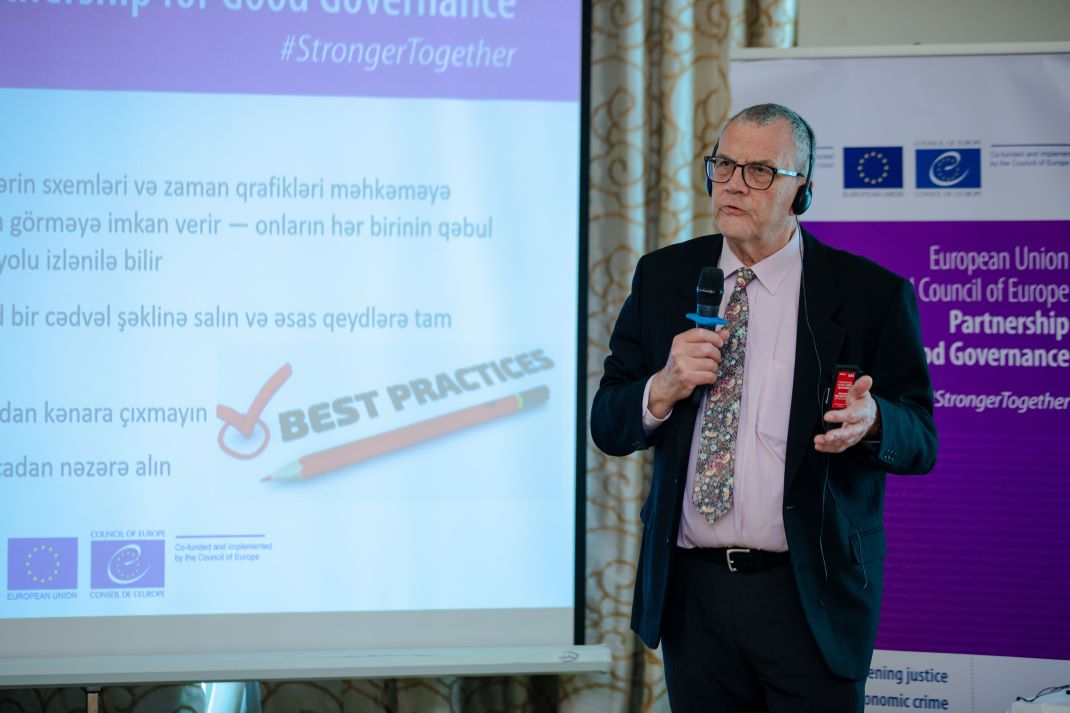
One of the experts underlined that fighting financial crime requires more than punishing offenders, it also means taking away the profits that make crime possible: “Ensuring that crime does not pay, through effective financial investigations, is one of the core objectives of the criminal justice system. It is not sufficient to focus only on prison sentences without dismantling the criminal business model that generates illicit profits. The message that crime does not pay only becomes credible when it is consistently supported by financial investigations, asset tracing, and effective confiscation”. As the expert emphasised “Only when knowledge, commitment and practical capacity come together across the entire criminal justice chain it can be ensured that crime does not pay”.
The training reinforced these messages by promoting a shared understanding of effective financial investigations and providing practical ideas for integrating these approaches into everyday work. Putting the knowledge and skills acquired into practice will enable investigators, prosecutors and judges to tackle economic crime more effectively, contributing to the safety of citizens, communities and the state as a whole.
This activity is part of the European Union and Council of Europe joint programme “Partnership for Good Governance”, co-funded by the European Union and the Council of Europe, and implemented by the Council of Europe, in the framework of the project "Preventing and fighting economic crime in Azerbaijan.”

.jpg/fe9ef506-033b-8518-7be0-979701fecafd?version=1.0)

.jpg/fa5c3845-2853-cb63-5b6e-0cc7a96a8053?version=1.0)