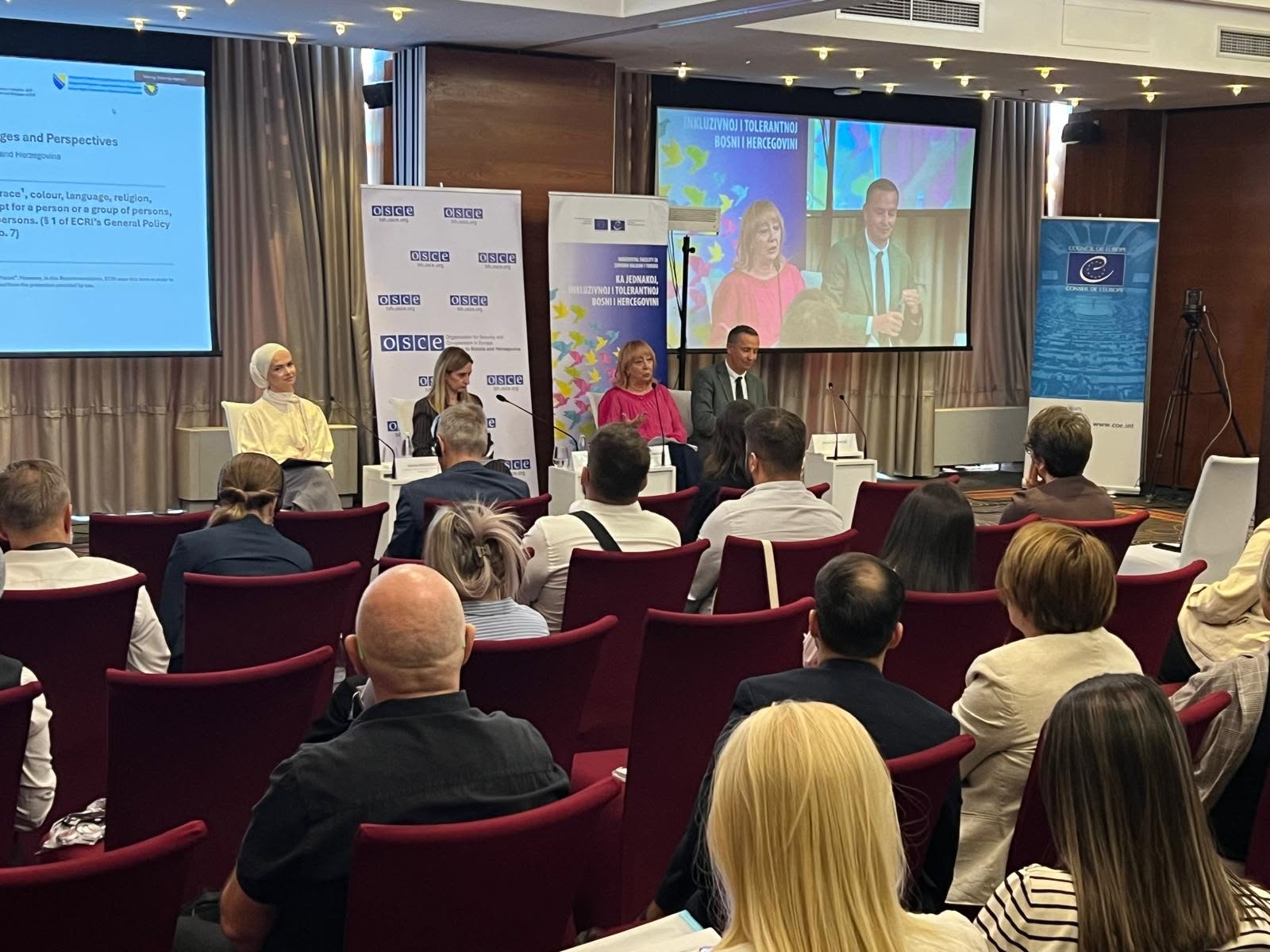
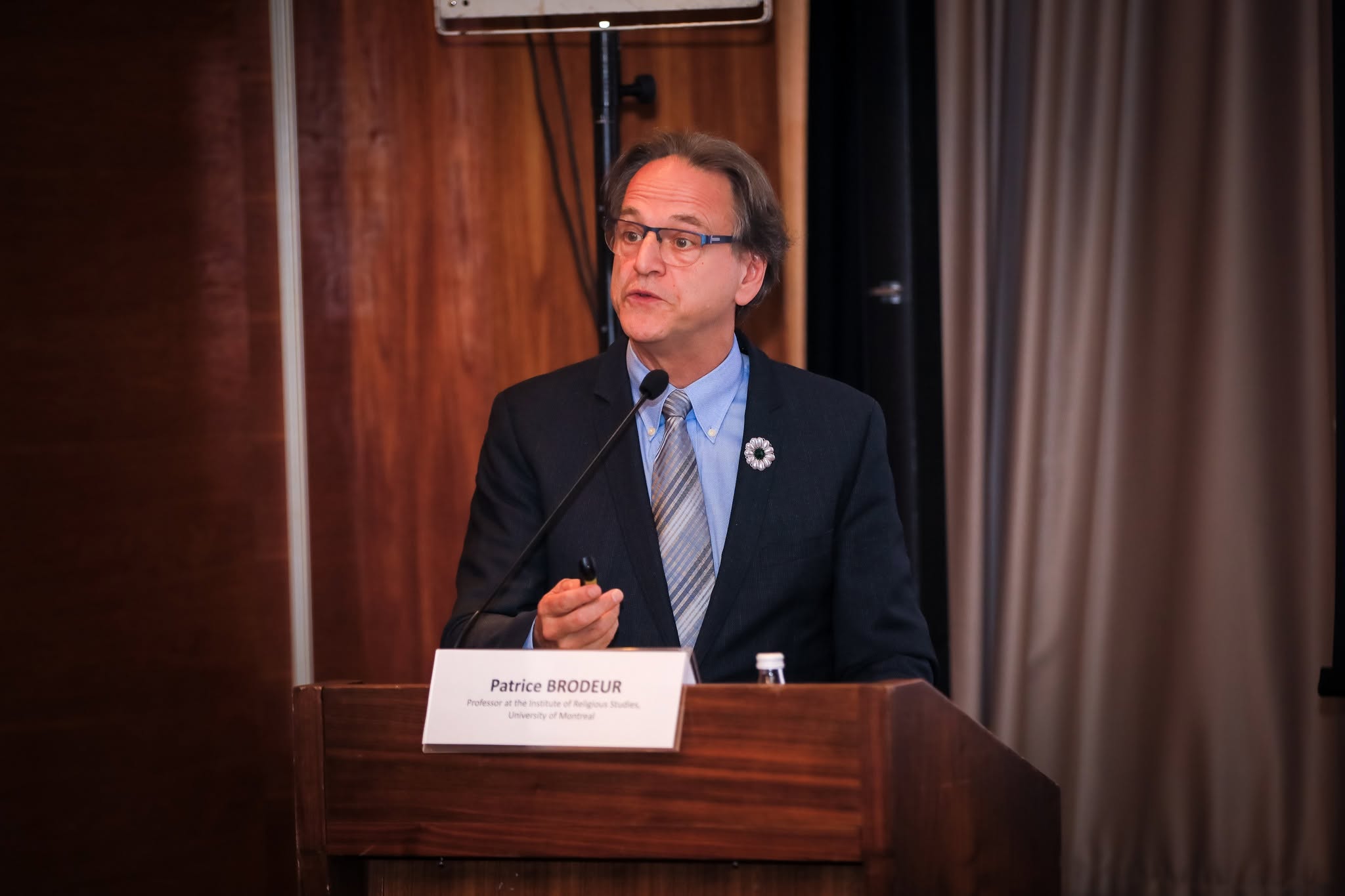
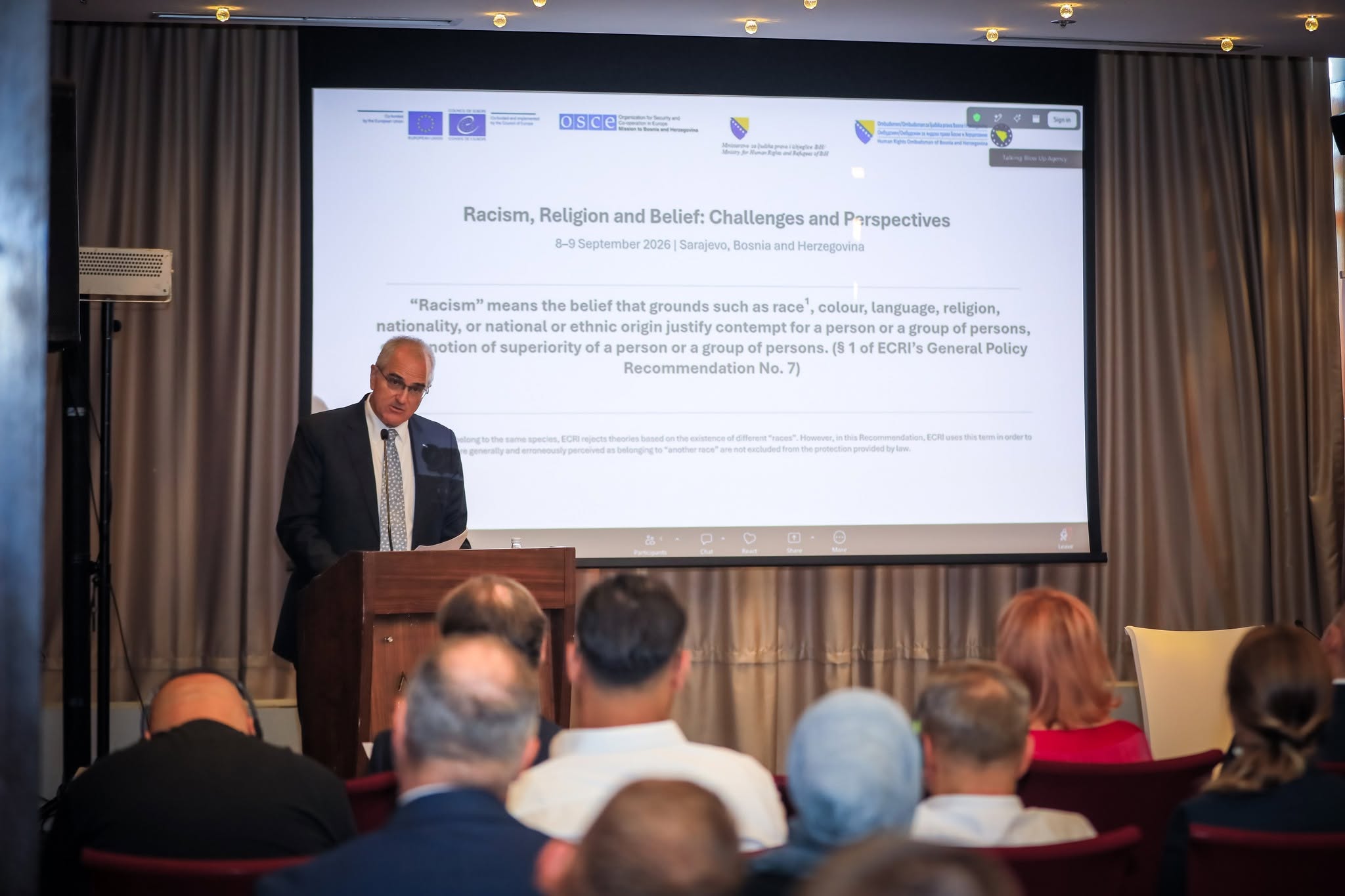
Recording and reporting hate crime, discrimination and hate speech remain an important priority for public authorities, the Ombudsoffice and civil society in Ukraine. Disaggregated data collection is a central consideration in the process of monitoring the implementation of national legislation concerning equality.
While many steps have been taken to improve the investigation of hate crimes, as well as the recording to hate crimes by the police, several areas remain important. Joint capacity building of different entities (police, prosecutors, courts, Ombudsoffice, civil society) is needed to ensure coordinated efforts of taking into account bias motivation and the grounds on which people perceive being discriminated against. More trust building and awareness raising are needed for decreasing the level of public acceptance of discrimination and making sure victims of discrimination, hate crime and hate speech receive appropriate support and guidance to access remedies.
The regional Partnership for Good Governance II project “Strengthening access to justice for victims of discrimination, hate crime and hate speech in Eastern Partnership countries” will support national entities through expertise, training and support to awareness-raising in 2019 and 2020. These activities will also support the implementation of the latest European Commission against Racism and Intolerance (ECRI) monitoring report on Ukraine, which contains recommendations on improving the data collection system.
The meeting of national stakeholders was organised on 20 June 2019 in Kyiv, with the participation of representatives of the Ministry of Justice, the National Police, the Parliament Commissioner on Human Rights (Ombudsoffice), the National Bureau of Statistics, the EU Advisory Mission to Ukraine, and NGO representatives from Chirikli Foundation, Social Action and Insight NGOs.
A similar methodology will be proposed in two other countries of the project, namely Republic of Moldova and Armenia. Through this type of activities, the PGG II project “Strengthening access to justice through non-judiciary redress mechanisms for victims of discrimination, hate crime and hate speech in Eastern Partnership countries” aims to improve the application of anti-discrimination legislation and its monitoring and to build public awareness among the general public and vulnerable communities of existing redress mechanisms to discrimination, hate speech and hate crime.
The Partnership for Good Governance II is funded by the European Union and the Council of Europe; and implemented by the Council of Europe.

 Suivez-nous sur Twitter