


What does it mean to be able to make decisions about your own life when you are experiencing mental health issues? And what happens when the support you need is not available close to home?
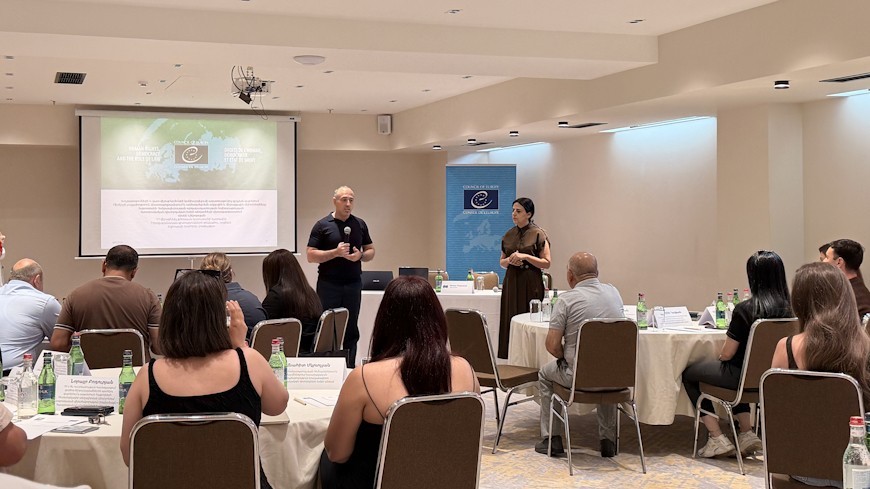
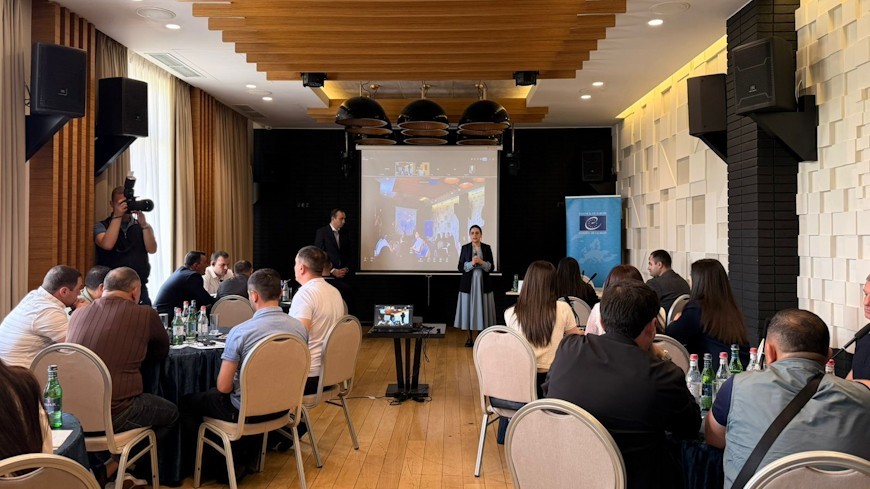
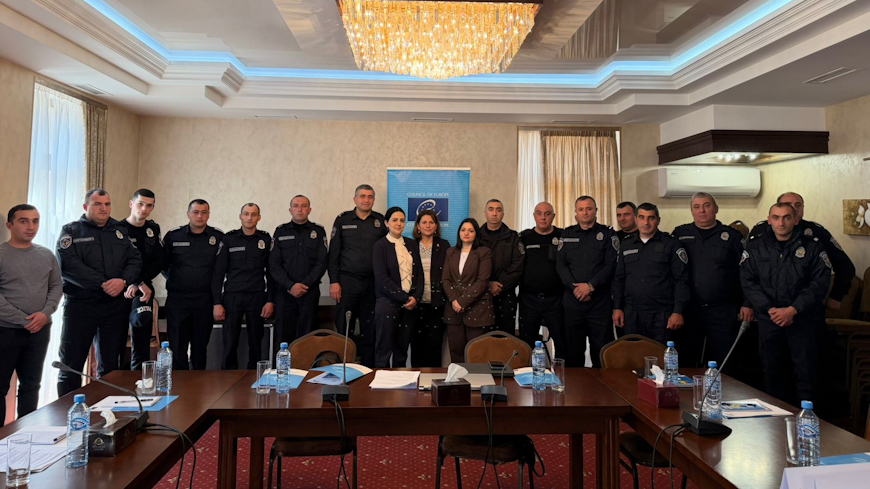
These questions were at the heart of the regional conference “All together for better mental health: human rights, dignity and inclusion in mental health care”, held in Yerevan on 8 October 2026, two days before World Mental Health Day. Organised by the Council of Europe in close co-operation with the Human Rights Defender’s Office of the Republic of Armenia, the conference brought together policymakers, human rights institutions, mental health professionals, civil society, academics and persons with lived experience from Armenia and Georgia to explore how a human rights-based approach can become part of people’s everyday experience of receiving mental healthcare services.
The discussions opened with a critical focus on legal capacity and patient autonomy. Participants looked at the new Council of Europe recommendation on respect for autonomy in mental health care, adopted in June 2026, and at Armenia’s ongoing legal capacity reform following the European Court of Human Rights judgment in Nikolyan v. Armenia. The reform aims to move away from full incapacity towards support tailored to what each person can decide for themselves.
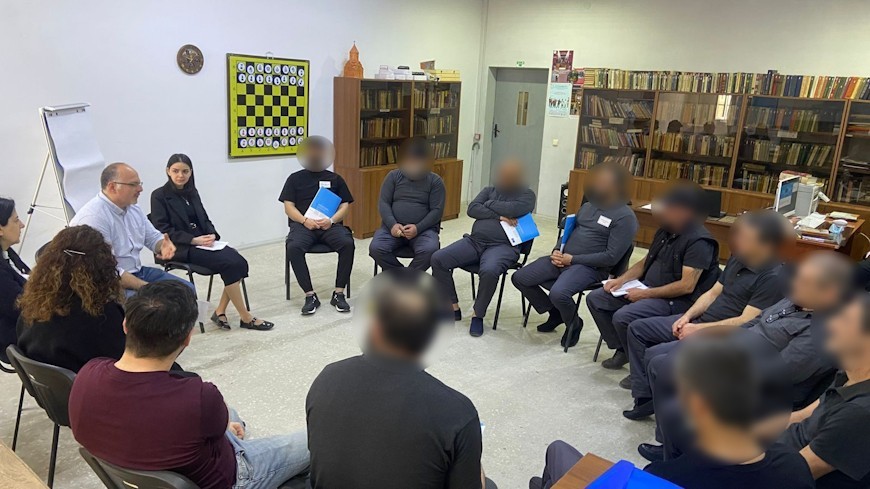
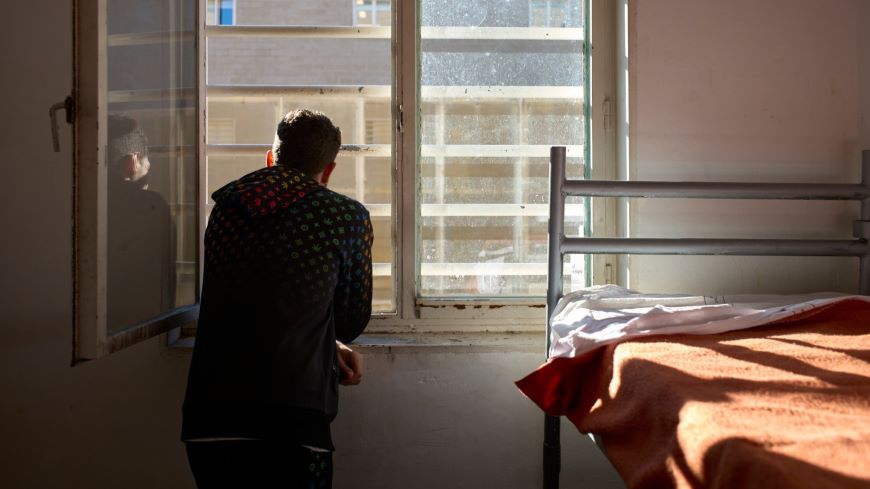
Participants also stressed the significance of ensuring access to community-based mental health services, drawing on the experience of mobile teams working in the Shirak and Ararat regions, and appropriate care in prisons and other closed settings. For people deprived of their liberty, they underlined that access to mental health care is closely linked to dignity, prevention and rehabilitation. They also highlighted the importance of reliable and valid information and mental health literacy, of addressing stigma, and of protecting professionals from stress and burnout.
Together, these conversations showed that good mental healthcare is as much about being heard, having choices, and taking part in decisions about one’s own care as it is about treatment.
The Council of Europe’s standards, including the European Convention on Human Rights, the Oviedo Convention, the case law of the European Court of Human Rights and the Committee for the Prevention of Torture and Inhuman or Degrading Treatment or Punishment standards, provide important safeguards for people receiving mental health care and services. Armenia ratified the Oviedo Convention in 2025, and its principles are now finding their way into daily practice through ethical rules for health professionals, guidance on informed consent and confidentiality, and training for doctors and lawyers. But these standards matter most when they make a difference in people’s lives.
As Maxime Longangué, Head of the Council of Europe Office in Yerevan, highlighted: “A signature on a treaty is only the beginning. What really counts is what it changes when an ordinary person walks into a clinic or a hospital”.
Samvel Kharazyan, Deputy Minister of Health, added: “Mental health is not only a matter of health policy; it is also a question of human rights, dignity, equality, social inclusion and participation. For Armenia, this approach lies at the heart of our ongoing reforms. These reforms reflect a fundamental principle: having a mental health condition should never, in itself, become a reason to disregard a person’s dignity, voice or rights. At the same time, legislation alone cannot transform the mental health care system.”
One message ran through the day: better mental healthcare starts with seeing the person, not only the condition. That means making sure that every person can seek help without stigma, access appropriate support, remain involved in decisions about their own body and mind, and have their dignity respected at every stage of care.
By bringing different voices together, including those of people with lived experience, the conference contributed to the ongoing dialogue on making mental healthcare in Armenia and the region more rights-based, inclusive and centred on the person.
The conference was organised by the Council of Europe as part of its Projects “Protection of human rights in biomedicine III” and Further strengthening the protection of the rights of persons in detention implemented under the Council of Europe Action Plan for Armenia 2023-2026.

 Start date: 1 January 2025
 Funding: EUR 600,000, Donors contributing to the


 Country monitoring

