


Further strengthening the protection of the rights of persons in detention




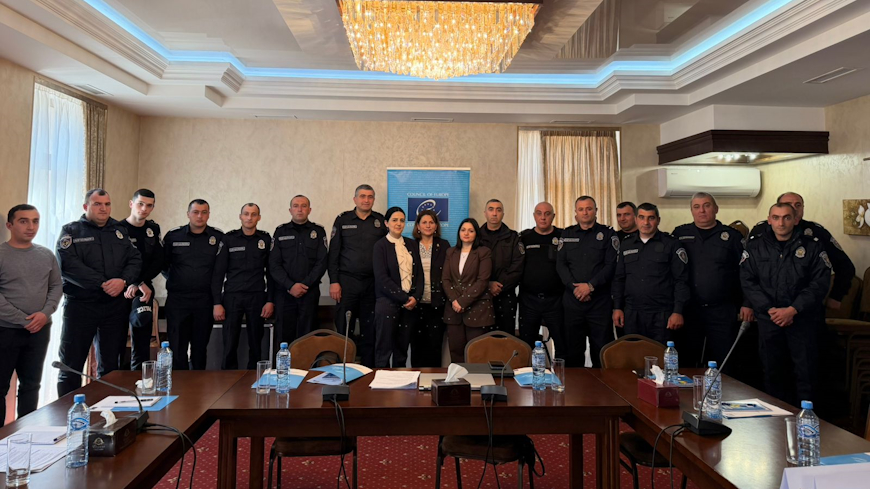

The Project aims to provide continued support to the Armenian authorities in their efforts to further enhance penitentiary, police and prison healthcare reforms, and the protection of the human rights of persons deprived of liberty. Through this initiative, the Council of Europe provides strategic guidance and practical assistance at both the policy and operational levels. This support is designed to help the authorities achieve their penitentiary and police reform objectives and foster meaningful changes in institutional practices, ensuring alignment with international human rights standards and best practices.
The Project is the continuation of the CoE support provided to the Armenian authorities since 2015. It builds upon results achieved since 2015 and in particular under the Project “Enhancing Health care and Human Rights Protection in Prisons in Armenia “ (2019-2022) and Project “Strengthening the Protection of the Rights of Persons in Detention” (2023-2024) with the aim to deepen the areas of intervention and to assist Armenian authorities to further enhance penitentiary, police and prison healthcare reforms.
 Start date: 1 January 2025
Duration: 24 months
 Funding: EUR 600,000, Donors contributing to the Council of Europe Action Plan for Armenia 2023–2026
Contact person: Ms Diana Ghazaryan, Senior Project Officer
- Ministry of Justice
- Ministry of Health
- Ministry of Internal Affairs
- Prison Medicine Center
- Penitentiary Service
- Centre for the Implementation of Legal Education and Rehabilitation Programmes
- medical and non-medical staff of Prison Medicine Center
- staff of Penitentiary Service, and other professionals
- peօple in closed institutions
- general public
The Project will follow the main Council of Europe principles throughout its intervention. All interventions will be in line with Council of Europe human rights standards and shall have due regard to the dignity, health, safety and well-being of persons deprived of liberty.
- Prison Medicine Center shall further enhance the institutional capacity in order to provide quality health care in the penitentiary system, as well as step up efforts for further consolidating the knowledge and skills of medical and non-medical staff on different topics on provision of health care.
- Co-ordinated and complementary work is required for the Penitentiary Service to strengthen the capacities of prison staff to apply rehabilitation tools and programmes, individual sentence plans for persons deprived of liberty to meet complex needs of inmates.
- Further measures will be taken to strengthen safeguards against ill-treatment in police facilities and improve the regulatory framework, ensuring compliance with data protection standards during police activities. By implementing these safeguards, the project seeks to reinforce trust in law enforcement and protect the rights of individuals deprived of liberty.
- The involvement of civil society organisations will play an important role in ensuring a holistic and inclusive approach, fostering collaboration between state institutions and non-governmental actors to create sustainable and impactful change.
- Further strengthening the institutional and staff capacities of the Prison Medicine Centre to ensure quality healthcare and multiagency cooperation within the penitentiary system
- Enhancing the operational capacity of the Penitentiary Service to create rehabilitative environment for the persons deprived of liberty, including for vulnerable groups
- Improving the capacities of the Centre for Implementation of Legal Education and Rehabilitation Programs
- Further strengthening the effective remedies and safeguards for the protection of human rights in prisons
- Improving safeguards against ill-treatment, the regulatory framework and data protection of individuals deprived of their liberty in line with European standards.


 Country monitoring
