


Improving electoral practice in the Republic of Moldova (IEPRM) 2025-2028
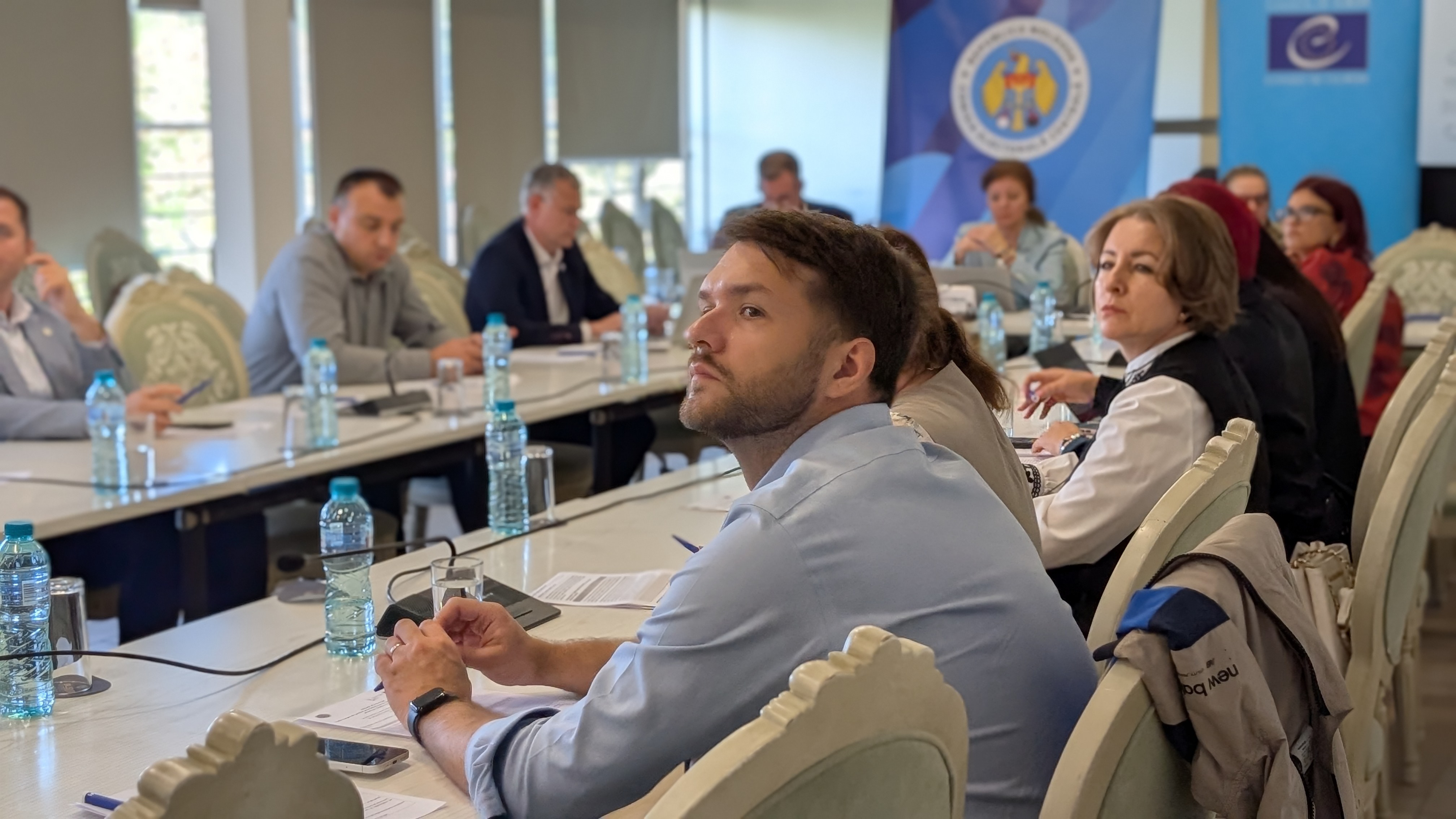
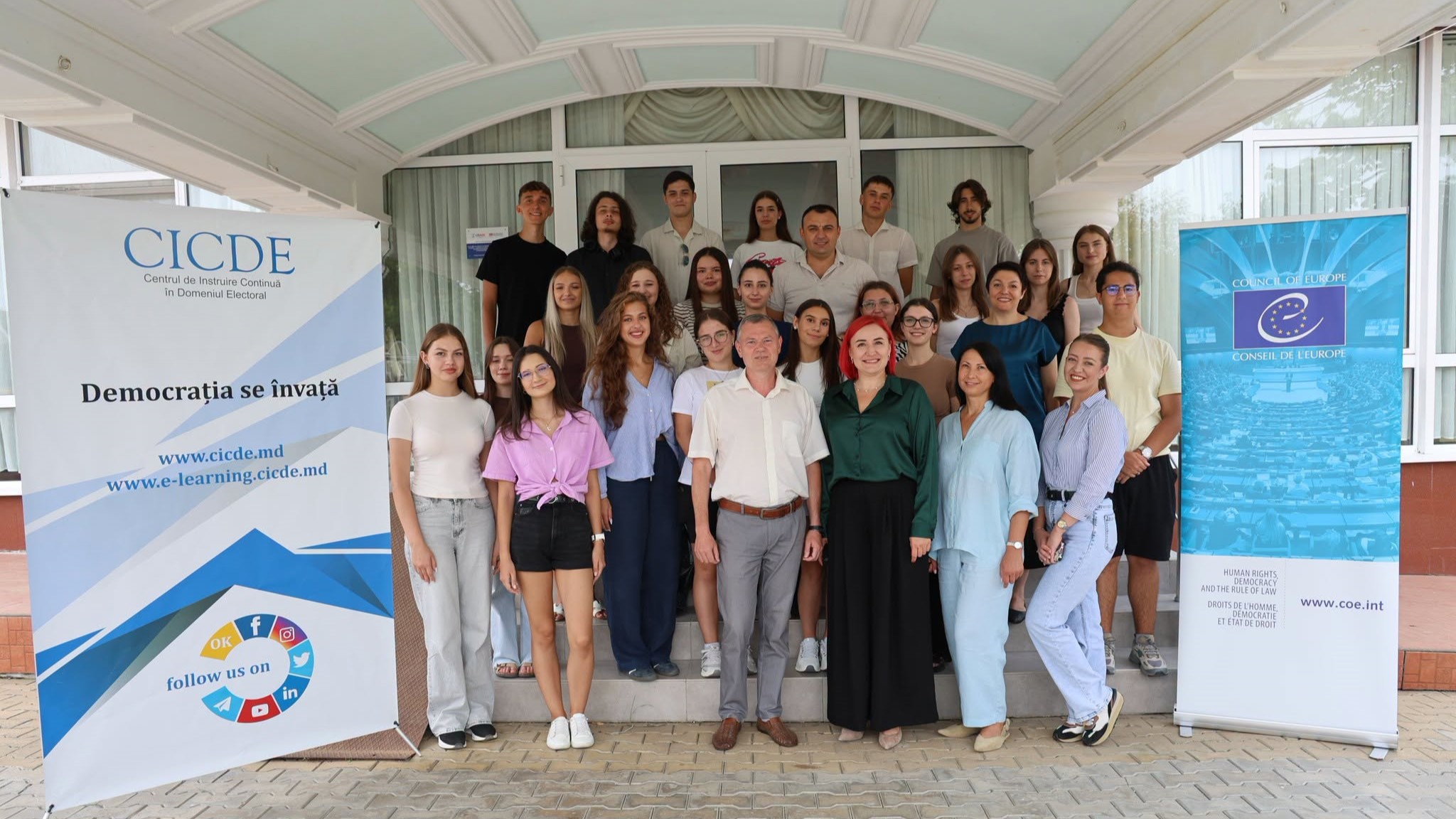
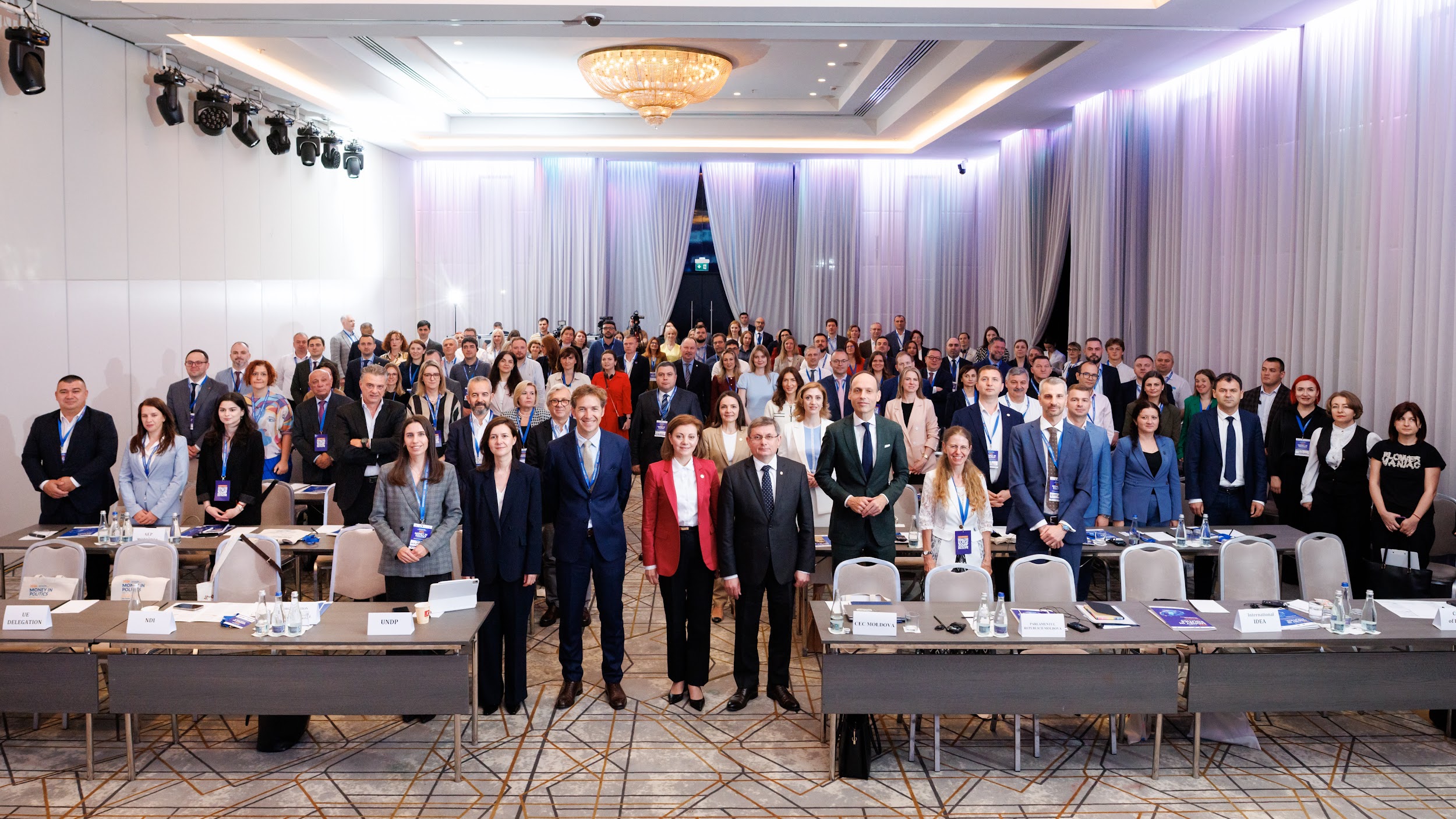
 What is the goal and objective of the project?
The project “Improving electoral practice in the Republic of Moldova (IEPRM) 2025-2028” aims to increase the public trust, credibility and legitimacy towards elections and elected representatives through enhanced transparency, inclusiveness and integrity of electoral process.
The project is implemented by the Council of Europe – PACE Division of Parliamentary and Electoral Cooperation, Directorate II - Inclusive and Sustainable Societies and Co-operation Directorate through the Council of Europe Office in Chisinau.
 Funding: EUR 2,500,000. 100% is funded through the Council of Europe Action Plan for the Republic of Moldova 2025-2028.
 Duration of the project: 1 January 2025 - 31 December 2028.
 Who benefits from the action?
National partners/beneficiaries: Central Electoral Commission of the Republic of Moldova (CEC), Centre for Continuous Electoral Training (Training Centre), Central Electoral Council of the Autonomous Territorial Unit of Gagauzia (CEC Gagauzia), National Institute for Justice (NIJ), domestic observers, women and young voters, media/journalists, judges and prosecutors examining electoral cases.
Final beneficiaries: citizens with the right to vote, future voters.
 How does the action work?
The Project focuses on the following aspects to better support the electoral stakeholders in further improving the electoral processes and practices in the Republic of Moldova:
- Support the election administration in strengthening the transparency, professionalism and integrity of electoral processes in line with Council of Europe standards and international best practices;
- Support the CEC and electoral management bodies at all levels in transposing and implementing provisions of the new Electoral code as of 08.12.2022 in all aspects and phases of the electoral process, including the application of alternative voting methods and digitalisation of electoral processes;
- Assist the electoral management bodies and Training Centre in evaluation of the Strategic Programs for 2024-2026/7 and development of the next strategic programs (based on the Council of Europe URSO methodology);
- Strengthen the capacities of Election Administration and magistrates to efficiently control, supervise and settle disputes concerning electoral complains, political parties and campaign financing; to prevent and fight against disinformation, misuse of administrative resources and vote-buying; to improve interaction and transparency with all electoral stakeholders during all phases of the electoral process, including through an increased use of information and communications technologies and tools;
- Improve the education and inclusion tools for voters, in particular young people, women and disadvantaged groups in electoral processes, etc
 What do we expect to achieve?
- Strengthened capacity of the election administration at all levels and professionals to ensure transparency, fairness and integrity of electoral processes and practices, in line with Council of Europe standards;
- Harmonisation of the domestic electoral legal framework and practices with European standards and EU agenda;
- Improved competence of the election administration at all levels and professionals in using ICT in the electoral process, e-voting and other alternative voting methods, in line with Council of Europe standards;
- Improved capacity of legal professionals and election administrations in electoral dispute resolution, in line with the case law of the European Court of Human Rights in the electoral field;
- Raised awareness of the media, political parties and other electoral stakeholders, including voters, to properly identify, prevent and fight against disinformation, hate speech, sexism, gender-based violence and other negative phenomena during elections;
- Increased level of engagement of women, first-time voters, national minorities and other vulnerable groups in electoral process, leading to more inclusive and participatory electoral processes and practices.
Reports and guides
Awareness raising materials
Combatting sexism in election (VIDEO)
Other resources


Access free online courses on electoral disputes resolution designed to equip judges, prosecutors, lawyers, law enforcement officials and other professionals.
 Settlement of electoral disputes under the legislation of the Republic of Moldova (available in Romanian language)
Settlement of electoral disputes. CtEDO module (available in Romanian language)

Council of Europe division
Liri KOPACI-DI-MICHELE - Head of Division (Strasbourg)
Franck DAESCHLER – Co-ordinator, election programmes (Strasbourg)
Sergiu TATAROV – Project Manager
Mariana FOCSA – Project Officer
Rodica LUJAN – Project Linguistic Assistant
 CONTACT US
 FOLLOW US: 
