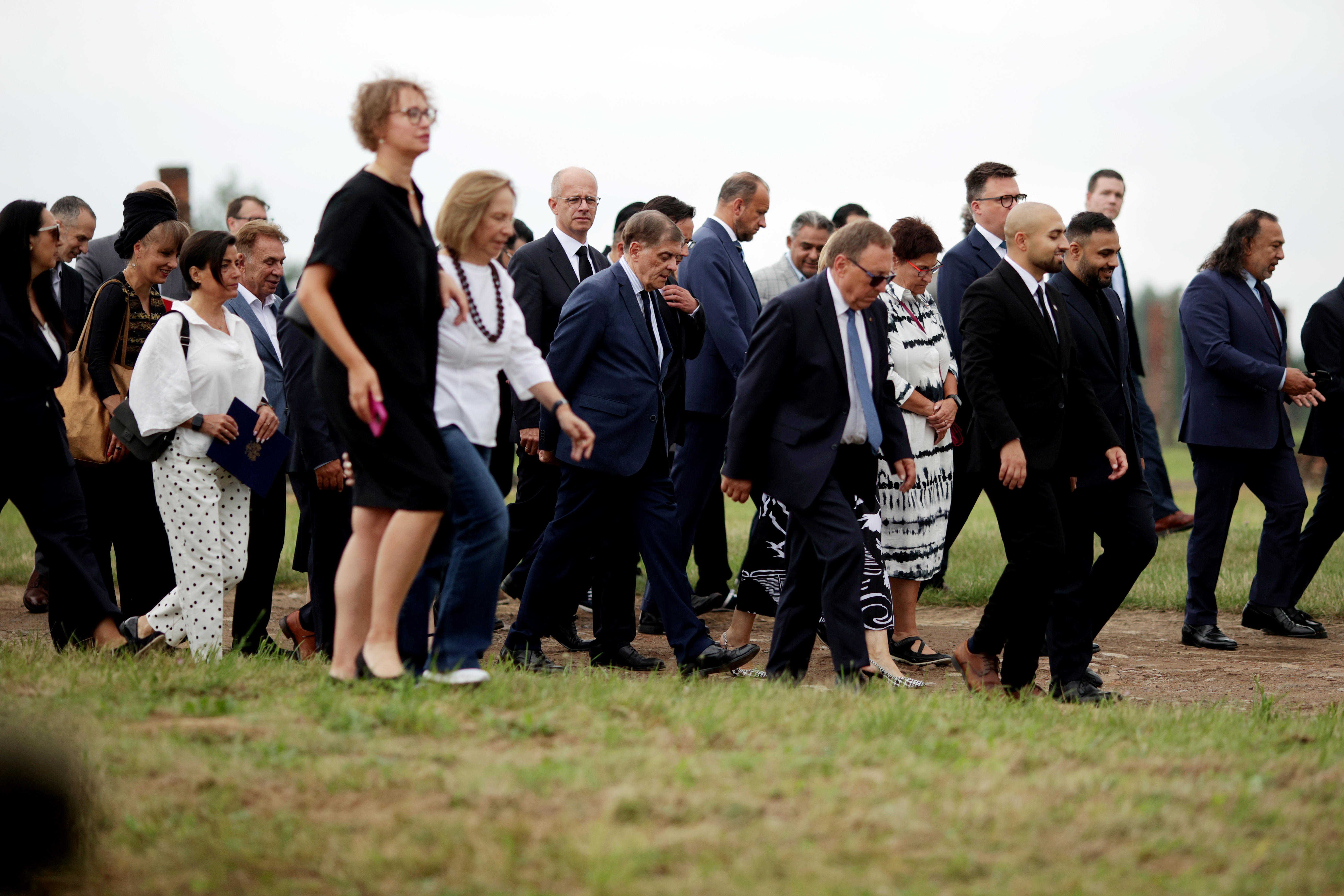
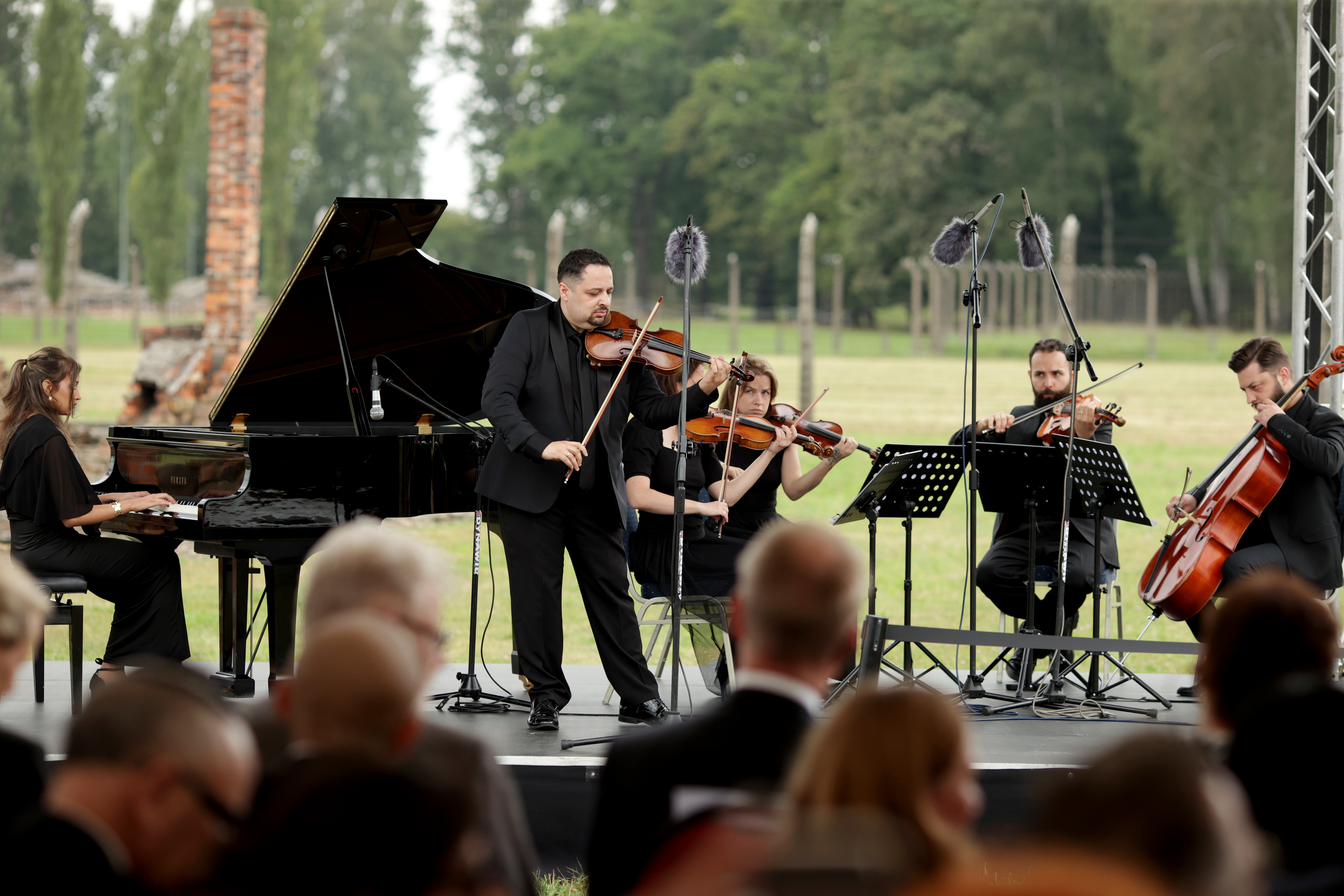
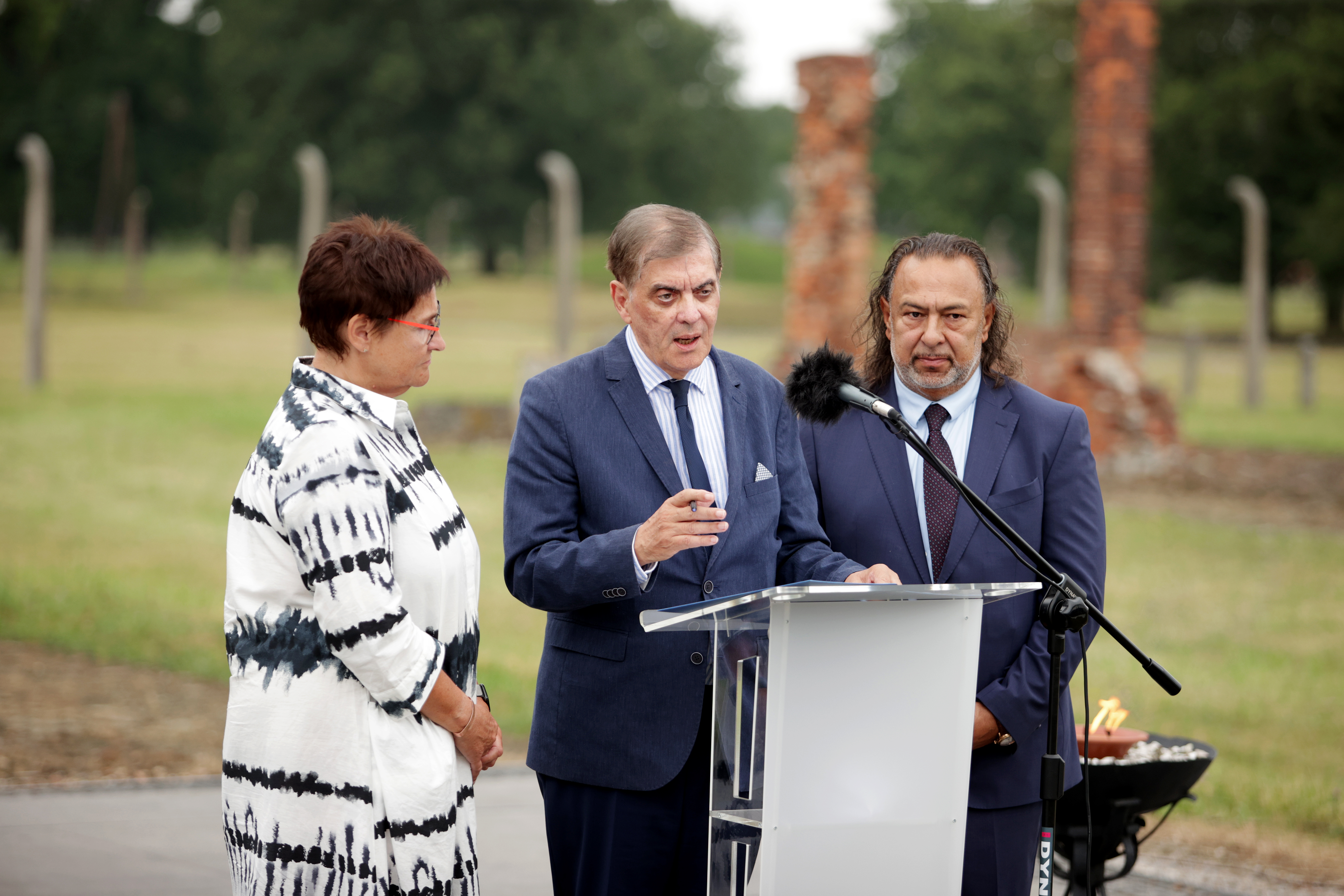
On 2 August 2026, representatives of European institutions, national governments, Roma and Sinti organisations, Holocaust survivors, youth activists, and civil society gathered at the Auschwitz-Birkenau Memorial and Museum to commemorate the European Roma Holocaust Memorial Day. The ceremony marked the 82nd anniversary of the liquidation of the so-called "Gypsy Family Camp," when approximately 4,300 Roma and Sinti men, women, children, and elderly people were murdered by the Nazis during the night of 2-3 August 1944. The event honored not only those victims, but the estimated 500,000 Roma and Sinti who were persecuted and killed during the Holocaust.
Memory Must Change the Present
A central message of the ceremony was delivered by Petra Bayr, President of the Parliamentary Assembly of the Council of Europe (PACE), who participated with an official delegation. In her address, Bayr emphasized that remembrance has meaning only when it influences present-day actions. While honoring the victims of the Roma and Sinti genocide, she stressed that these crimes must be remembered with the same dignity and recognition accorded to all victims of Nazi persecution. She also pointed to continuing discrimination faced by Roma and Sinti communities across Europe in areas such as housing, education, employment, and access to justice. Her message was summarised in a powerful statement: "Memory only matters if it changes how we act tomorrow."
A Call for Vigilance Against Hatred
Representing the Council of Europe Committee of Ministers, Isabelle Berro-Amadeï, Minister of Foreign Affairs and Cooperation of Monaco, addressed the gathering at Auschwitz-Birkenau. She argued that the duty of remembrance extends beyond honoring the victims and requires active resistance to hatred, racism, antisemitism, antigypsyism, discrimination, and the normalization of exclusion.
Berro-Amadeï described remembrance as one of the essential foundations of peace and democratic life in Europe. She reaffirmed the Council of Europe's commitment to Holocaust education, the preservation of memorial sites, combating Holocaust denial, and strengthening recognition of the genocide committed against Roma and Sinti communities during the Second World War.
Her remarks reflected a broader concern expressed throughout the ceremony: that democratic societies must actively defend historical truth and human dignity in an era marked by increasing polarisation and intolerance.
Roma Voices at the Centre of Commemoration
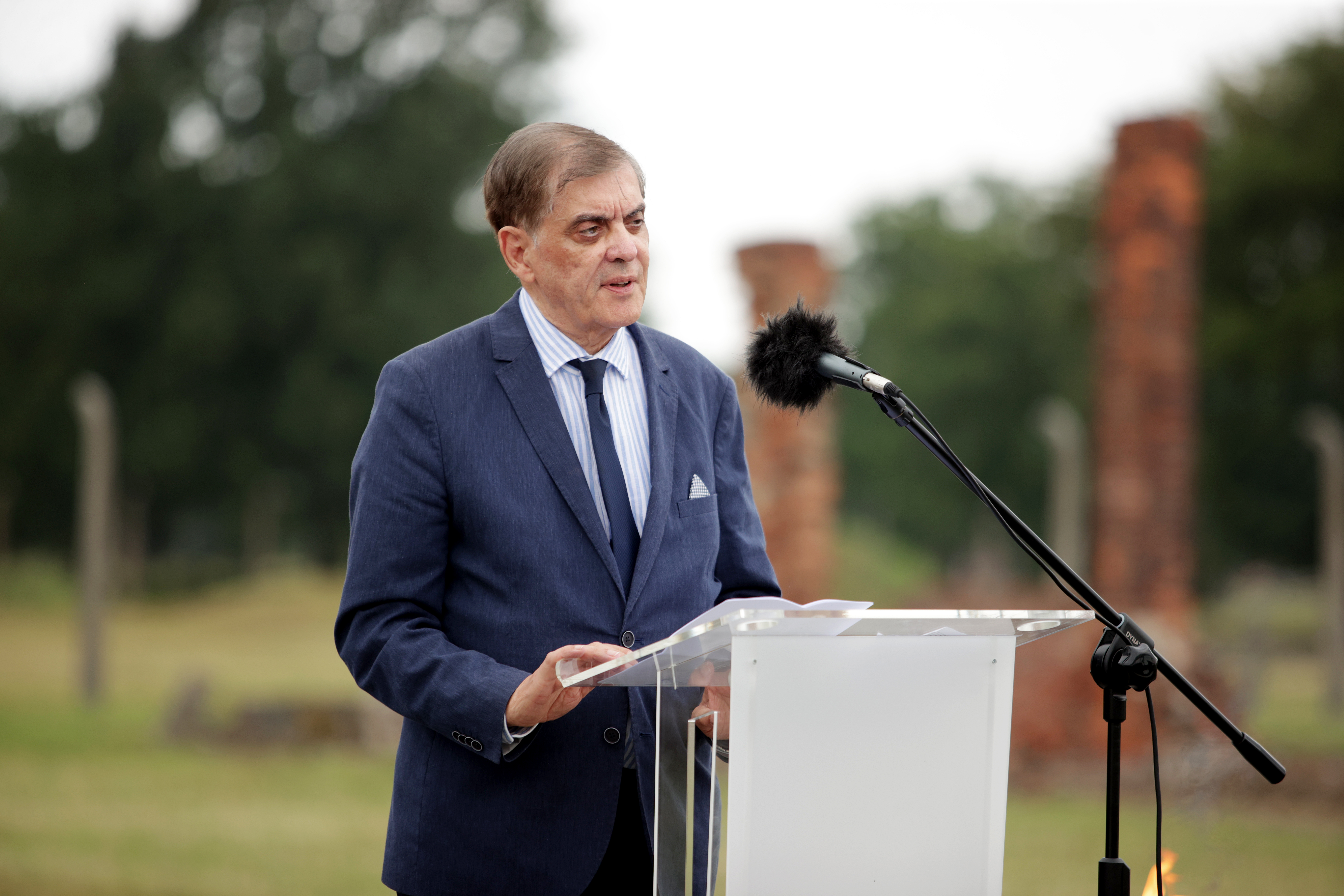
Among the most significant speeches was that of Romani Rose, Chairman of the Central Council of German Sinti and Roma. Speaking at the site of the former Roma camp in Auschwitz-Birkenau, Rose expressed concern that many lessons of history remain insufficiently learned. He warned of the resurgence of antigypsyism and intolerance in Europe and noted that violations of fundamental rights continue to occur in various parts of the world.
Rose stressed that remembrance cannot be detached from contemporary realities. His intervention linked the historical genocide directly to present-day struggles against racism, exclusion, and discrimination, reinforcing the message that the defence of minority rights remains a central democratic responsibility.
Passing Memory to Future Generations
A particularly important dimension of the 2026 commemoration was the involvement of young people. Alongside the official ceremony, meetings were organised between Holocaust survivors, Roma and Sinti youth, and institutional representatives. These exchanges focused on ensuring that the memory of the genocide is transmitted to future generations as the number of living survivors continues to decline.
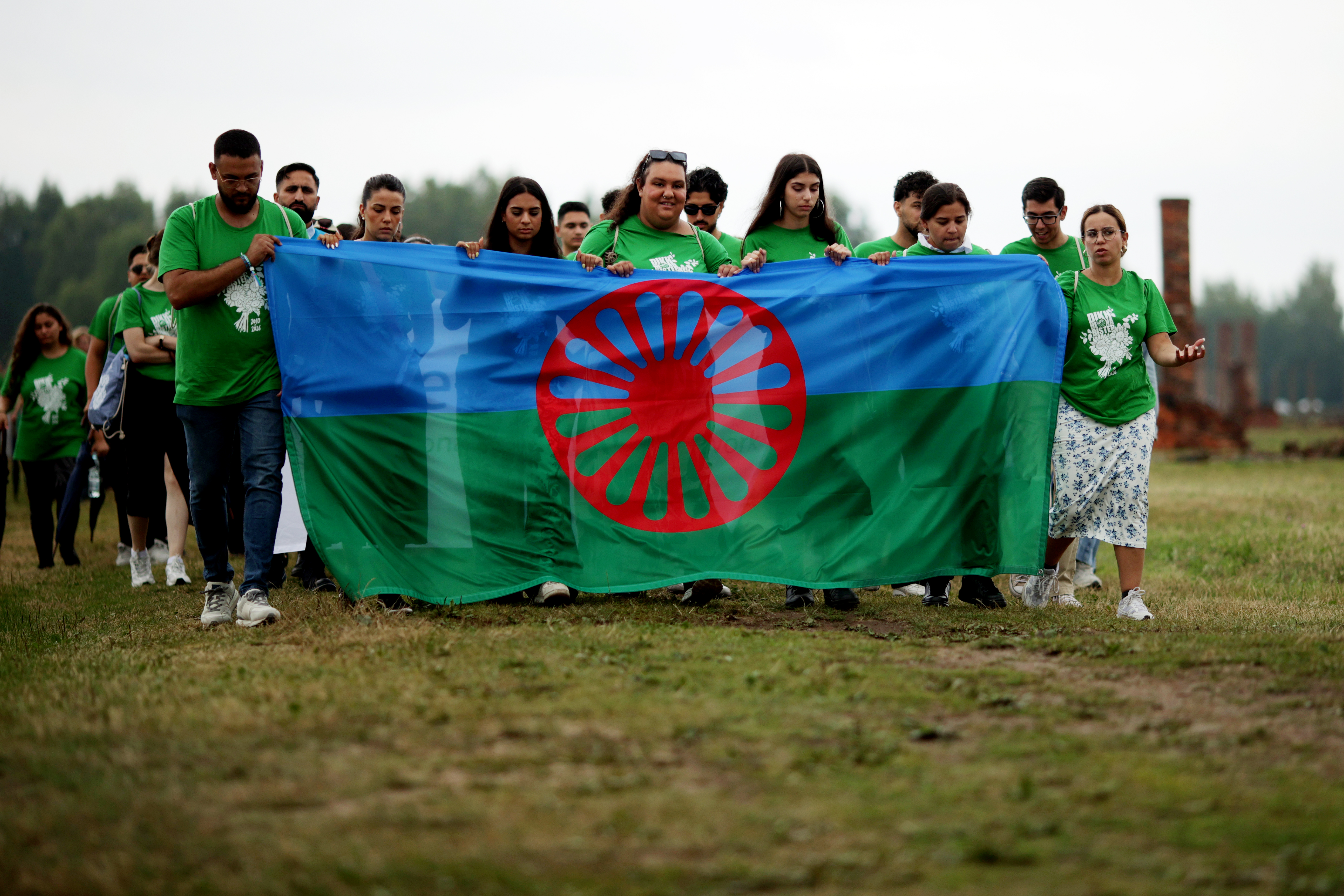
The importance of youth engagement was further reflected through Dikh He Na Bister ("Look and Don't Forget"), the largest international youth-led remembrance initiative dedicated to the Roma Holocaust. Organised by ternYpe International Roma Youth Network and its partners and supported by the Council of Europe, Dikh He Na Bister annually brings together hundreds of young Roma and non-Roma participants from across Europe around the 2 August commemoration at Auschwitz-Birkenau. Through educational workshops, encounters with survivors, memorial activities, artistic expression, and advocacy against racism, the initiative has become a cornerstone of contemporary Roma Holocaust remembrance. European institutions have increasingly highlighted it as an example of how remembrance can be transformed into active citizenship, democratic participation, and the fight against antigypsyism.
Remembering the Past, Defending the Future
The commemorations at Auschwitz-Birkenau reaffirmed that remembrance is not only about preserving the memory of the victims, but also about strengthening democratic resilience and safeguarding human rights in the present. As the number of Holocaust survivors continues to decline, educational and remembrance initiatives play an increasingly important role in ensuring that the history of the Roma Holocaust remains part of Europe's collective memory. These efforts are closely aligned with the Council of Europe Strategy for Roma and Traveller Inclusion (2026-2030), which emphasises combating antigypsyism and discrimination, promoting remembrance and recognition of the Roma Holocaust, strengthening democratic participation, supporting youth engagement, and fostering more inclusive societies.