The programme is a follow-up to and builds on the results of the EU/CoE Joint Programme on Human right and healthcare in prisons and other closed institutions that finished in February 2016. The Project assists the Georgian authorities in consolidating the results achieved in previous years in the areas of provision of healthcare services in prisons and in police detention facilities as well as in addressing remaining challenges in the protection of human rights of people deprived of their liberty in prisons, police and other closed institutions. Wide range of activities are envisaged in the Project such as provision of expertise, technical assistance in developing the regulatory and policy framework and design of management and monitoring tools, assessment visits and country-specific studies, development of training programmes, materials and publications and organisation of various learning and awareness raising events (training sessions, conferences, workshops, etc.) as well as peer-to-peer exchanges.

The duration of the Project is 18 months and it is expected to be completed by 31 August 2017. The overall project budget is EUR 745,000 funded by the European Union, co-funded by the Council of Europe, under the auspices of the EU/CoE Programmatic Co-operation Framework in the Eastern Partnership countries.

programme news

Back Support to the Judicial Reform in Georgia - Project Launch

Support to the Judicial Reform in Georgia - Project Launch

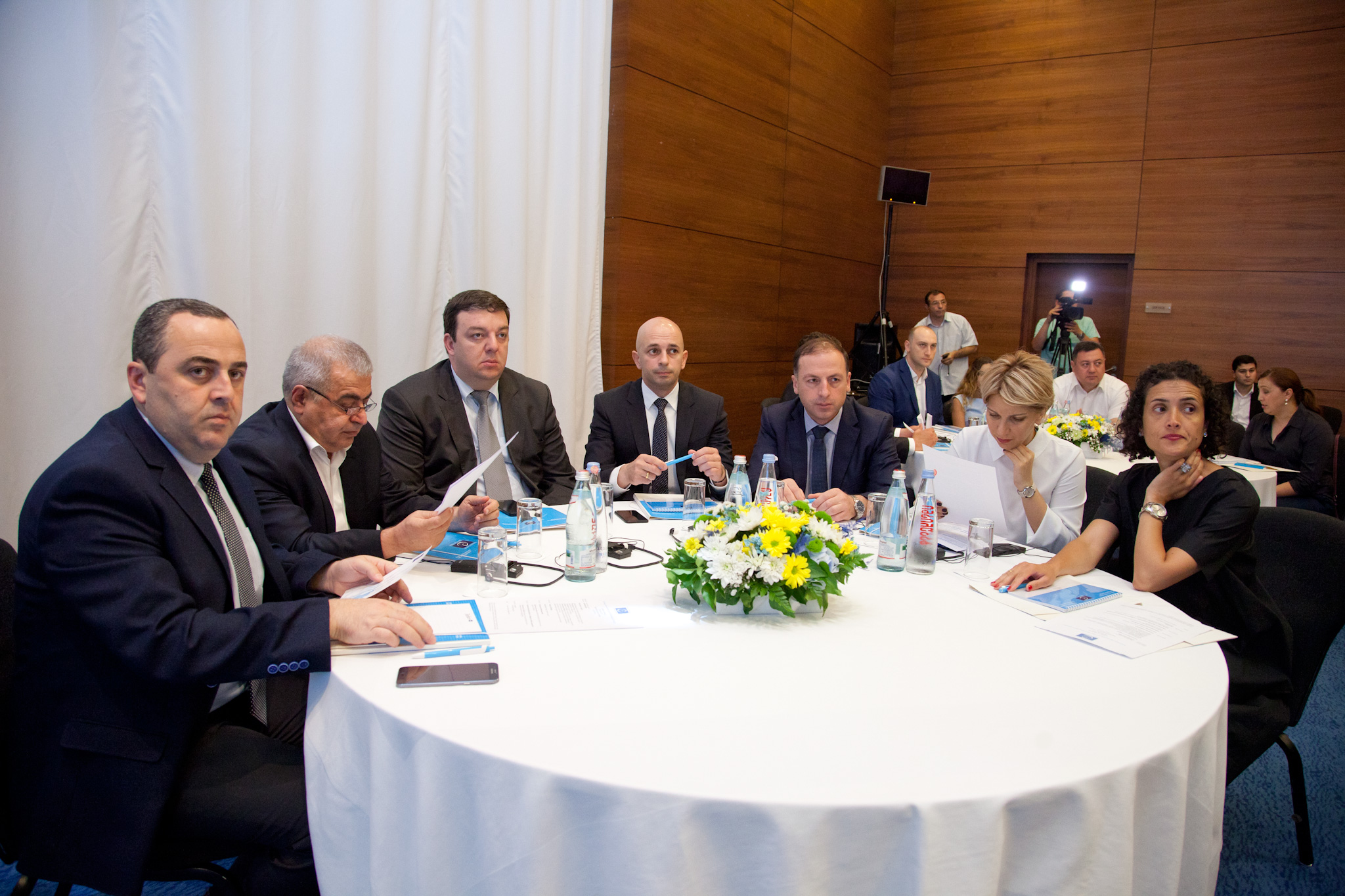
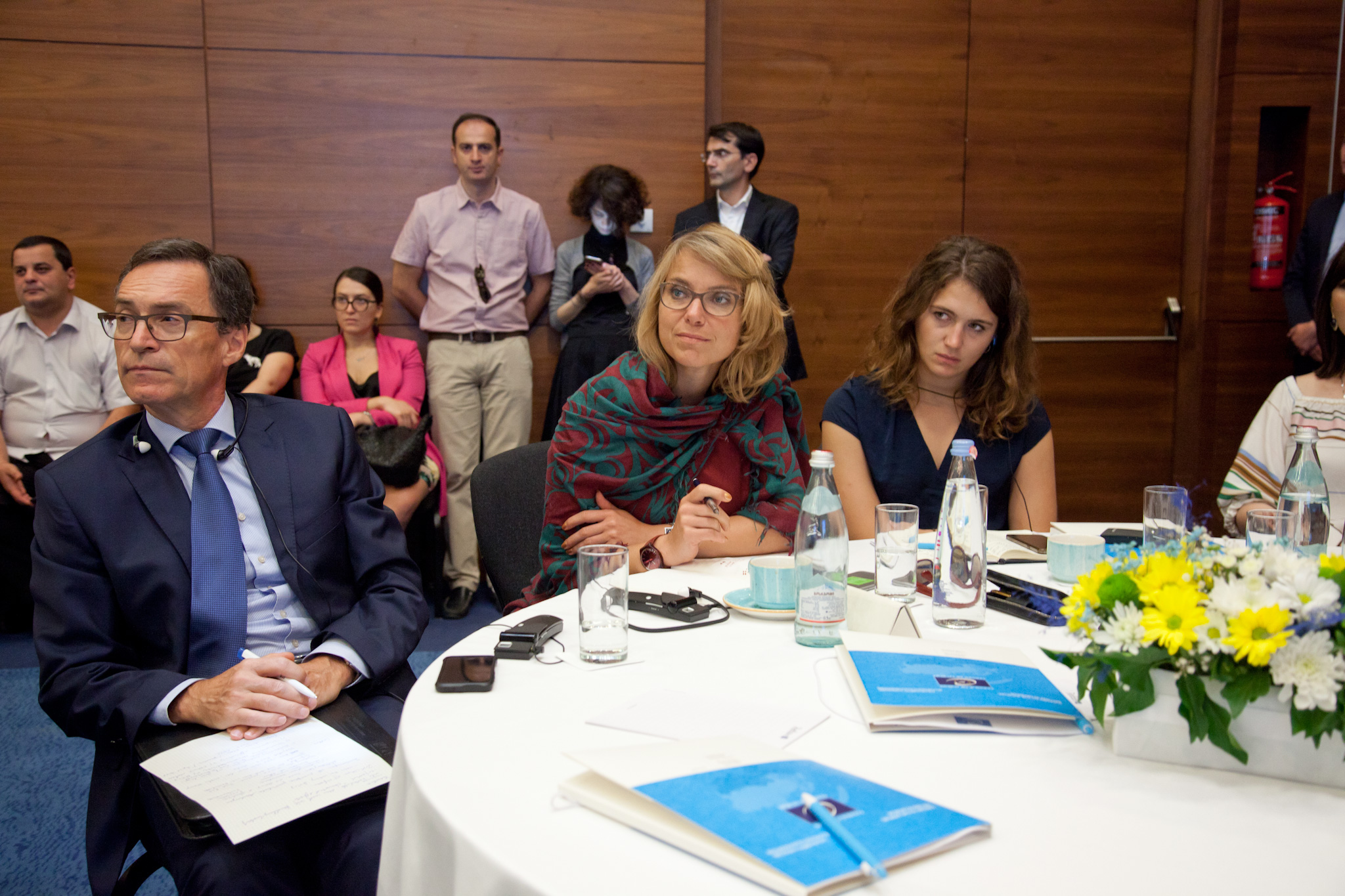
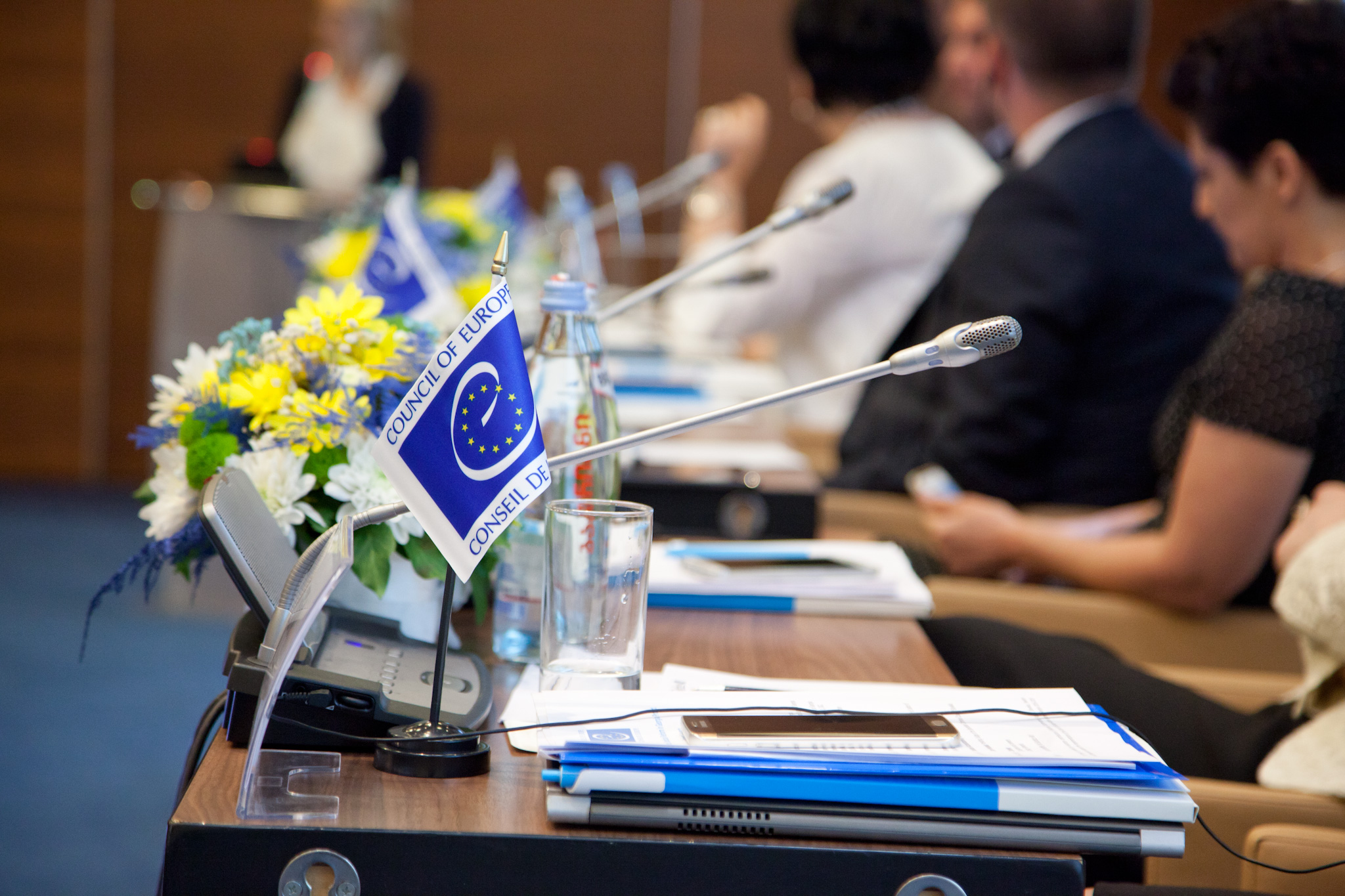
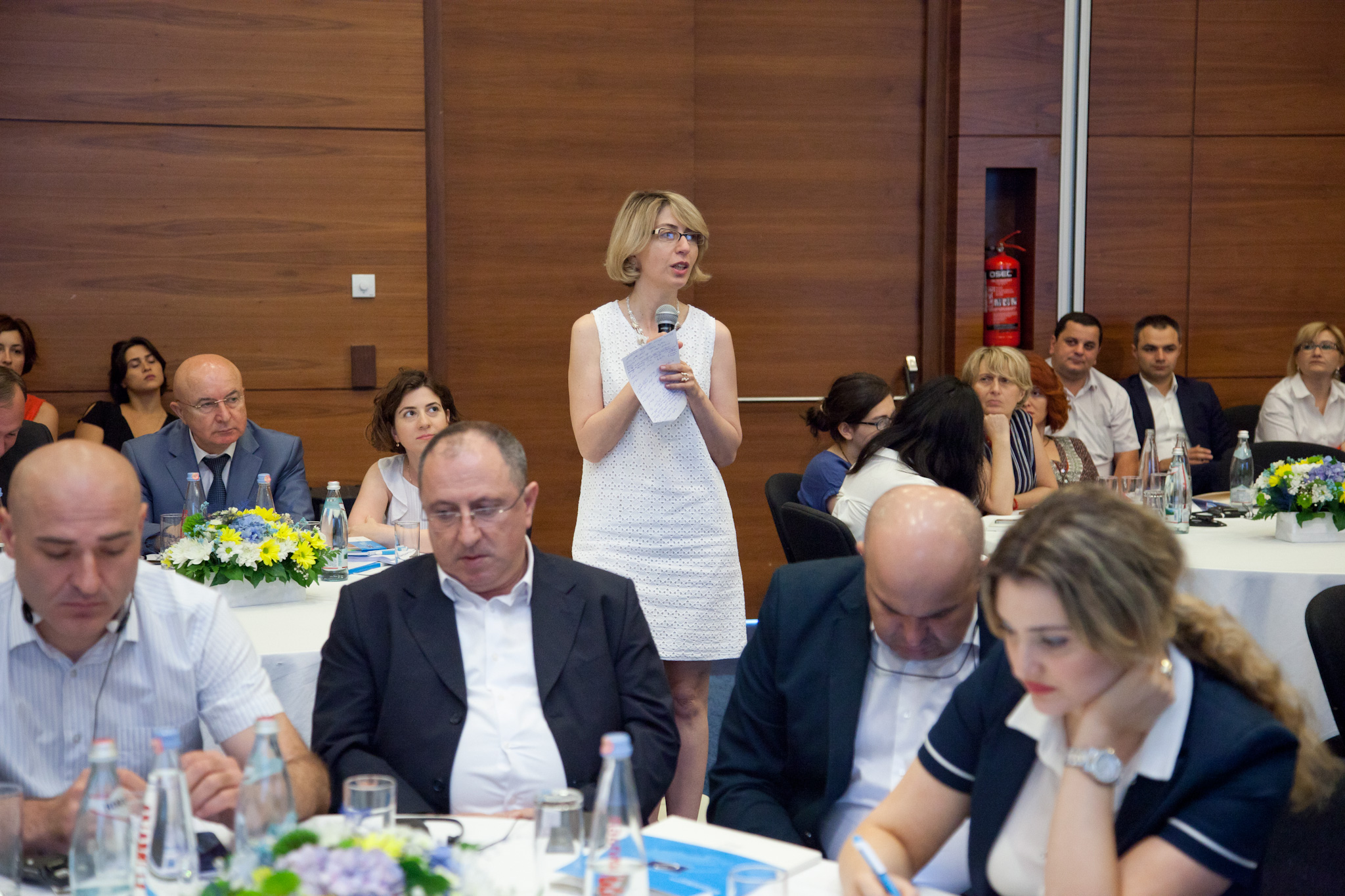
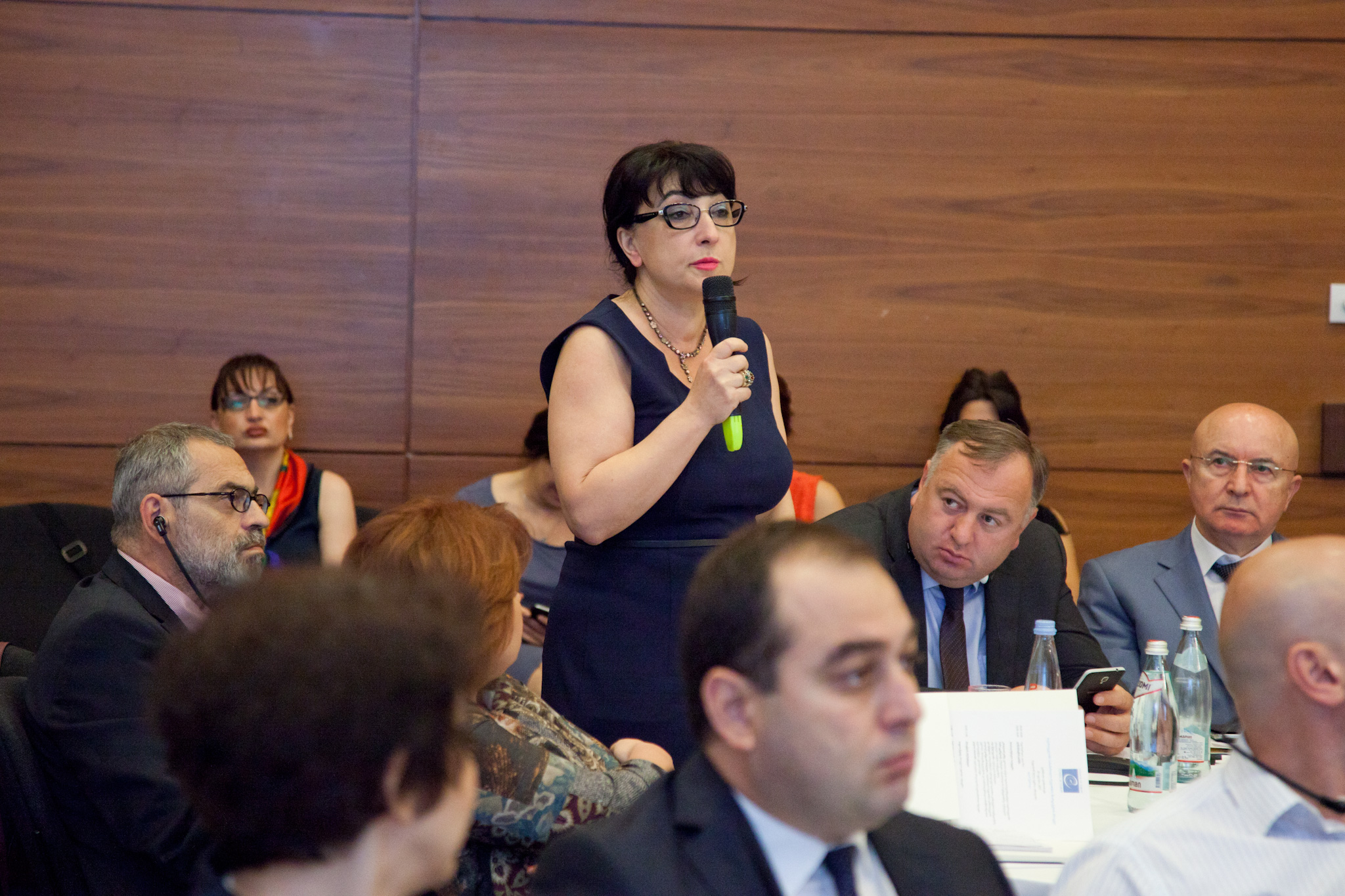
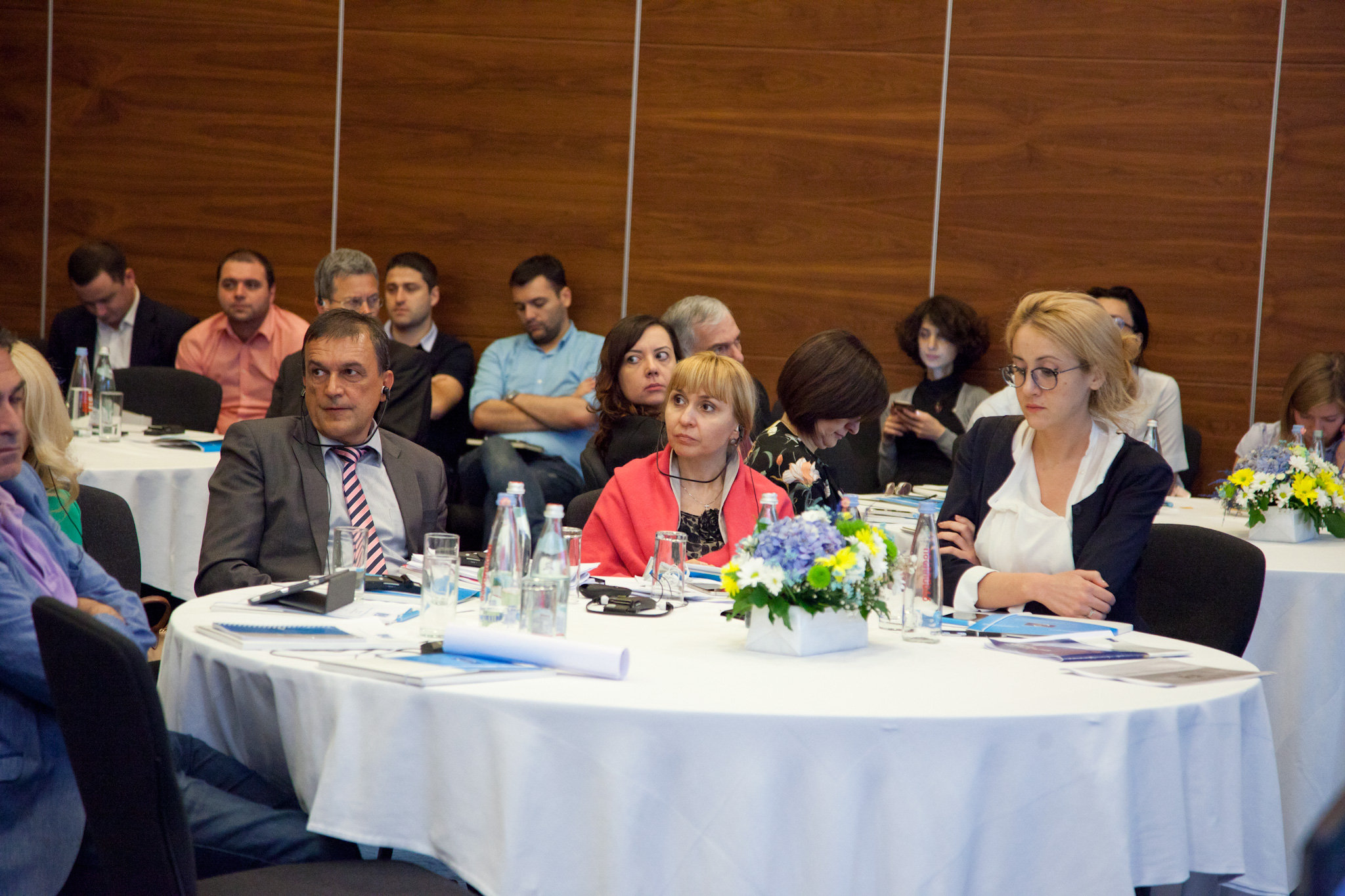
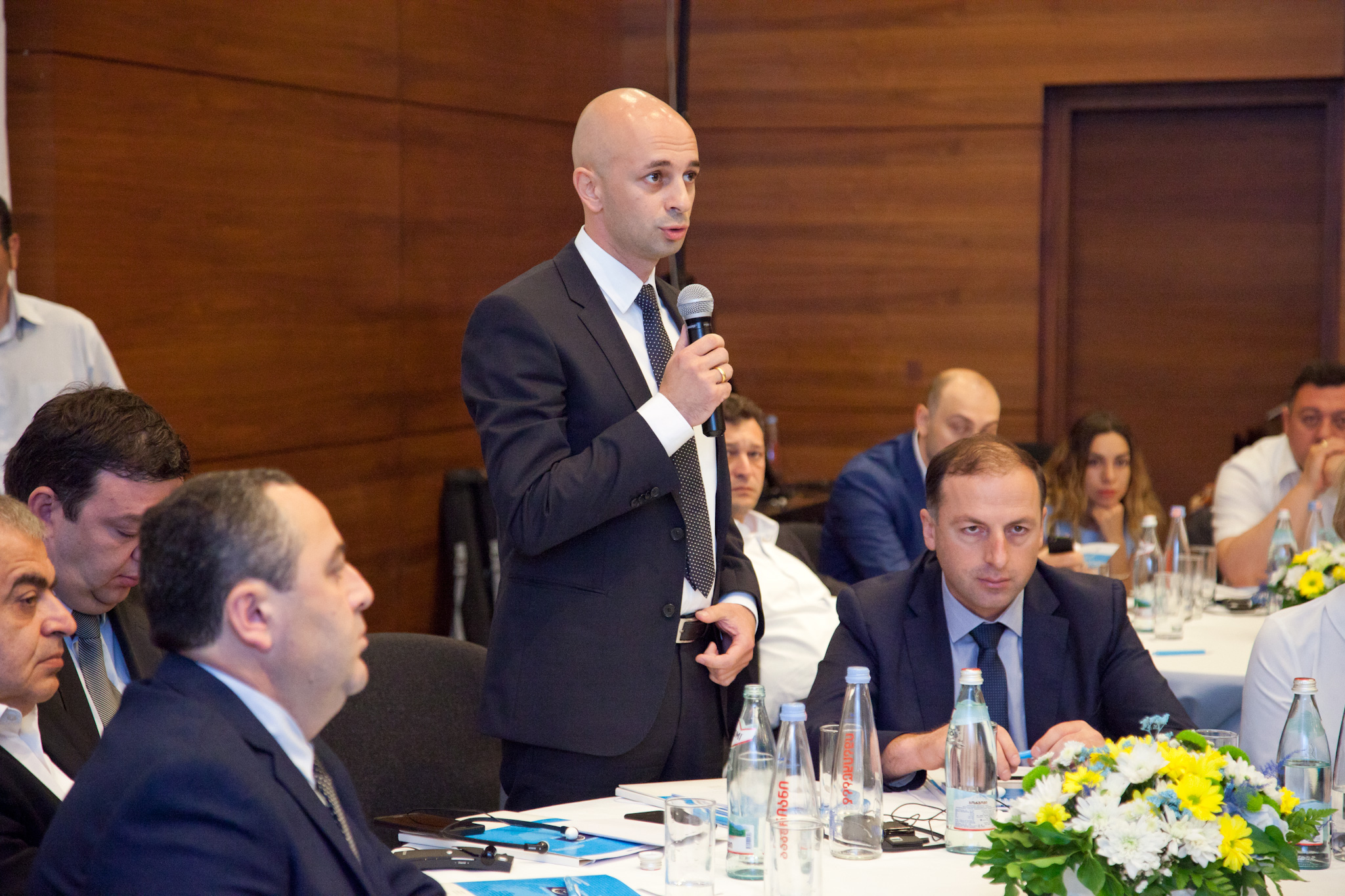
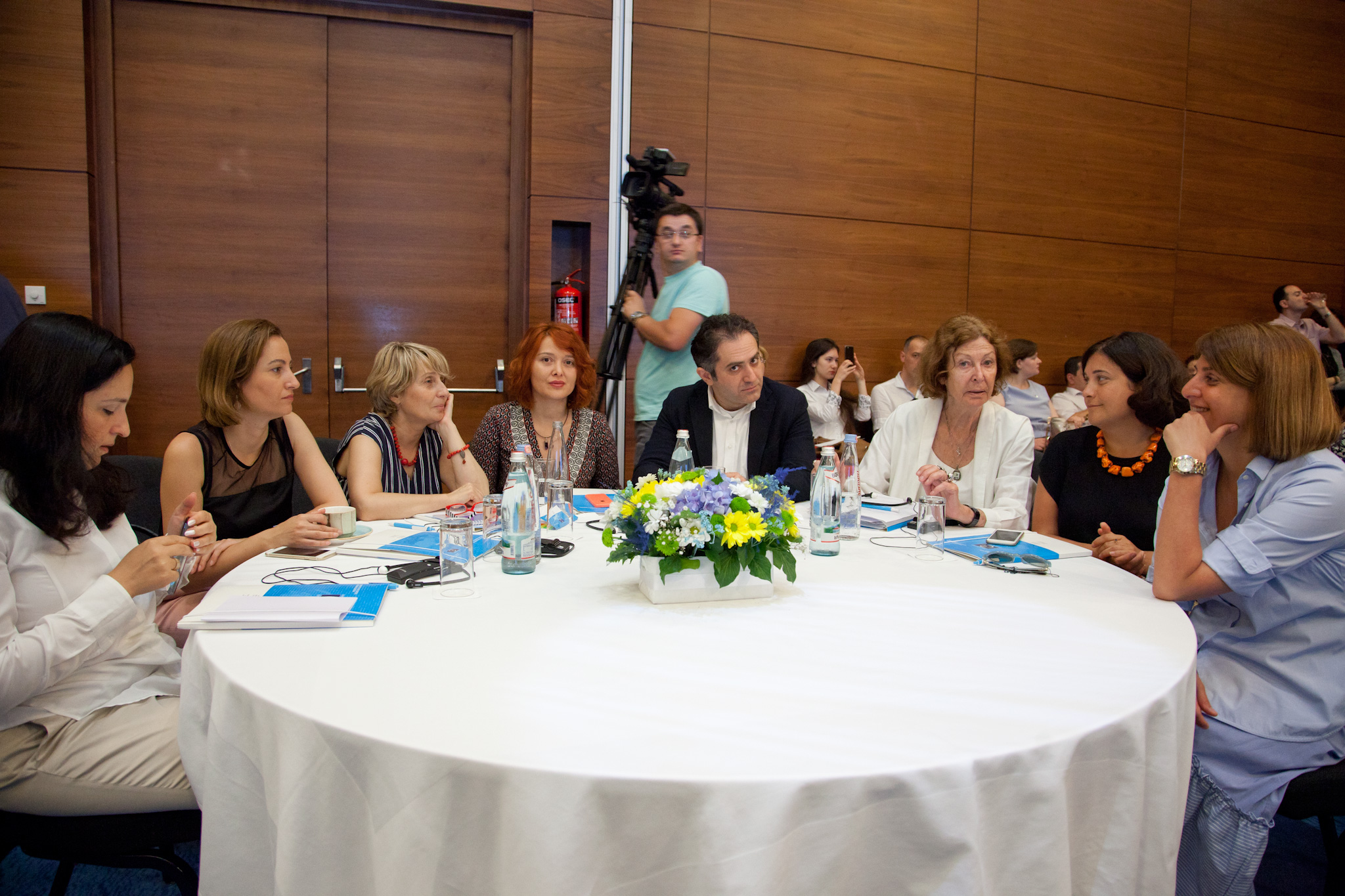
On 20 July 2017 a new Council of Europe project, “Support to the Judicial Reform in Georgia”, was launched in Tbilisi, Georgia. The launch event was attended by around 80 representatives of the judiciary, parliament, executive, civil society, and international organisations.

Important figures of the Justice system in Georgia spoke at the event, welcoming the launch of the project, notably, Ms Nino Gvenetadze, Chairperson of the Supreme Court, Ms Thea Tsulukiani, Minister of Justice, Ms Eka Beselia, Chair of the Legal Affairs Committee of the Parliament of Georgia, and Mr Davit Asatiani, International Secretary of the Georgian Bar Association.   The Head of the Council of Europe Office in Georgia, Mr Cristian Urse, opened the event.

The Project aims at assisting reforms pursuing independence, transparency, impartiality, and efficiency of the justice system, in line with the priorities of the Council of Europe Action Plan for Georgia 2016-2019. All speakers considered the launch of the project to be very timely in view of the entry into force of the 3rd wave of judicial reforms, as well as the recent approval of the Judicial Reform Strategy and its Action Plan by the High Council of Justice.

The project is funded by voluntary contributions of Bulgaria, Liechtenstein, Lithuania, Norway, Slovakia and Sweden to support the implementation of the Council of Europe Action plan for Georgia 2016-2019.

For further reflection of the event on Project partners websites, please see:

Parliament web page:

http://www.parliament.ge/en/saparlamento-saqmianoba/komitetebi/iuridiul-sakitxta-komiteti-146/axali-ambebi-iuridiuli/eka-beselia-evropis-sabchos-ofisis-axali-proeqtis-sasamartlo-reformis-mxardachera-saqartveloshi-dawyebas-daeswro.page

Supreme Court web page:

http://www.supremecourt.ge/news/id/1431

GBA web page:
http://gba.ge/ka/news/2633/


  • Diminuer la taille du texte
  • Augmenter la taille du texte
  • Imprimer la page

Photo Stories - Human rights in Prisons and Other Closed Institutions

The joint EU/CoE programme launched in July 2013 aimed to strengthen human rights and improve the provision of healthcare (including mental health care) in prisons, police detention and other closed facilities.

We collected those fascinating photos that represent the project support of national authorities on aligning the regulatory framework and practices with European Standards.

50 main group of activities were carried out under and more than 3,200 people benefitted from some type of learning opportunity, including staff of penitentiary administration and training institution, Ministry of Internal Affairs, psychiatric establishments, public defender's office and national preventive mechanism, judges, prosecutors as well as members of the civil society and the 60 local trainers trained. The Project supported the national authorities in aligning the regulatory framework and practices with the European standards.

The second phase of the project was launched in March 2016.

Loading...