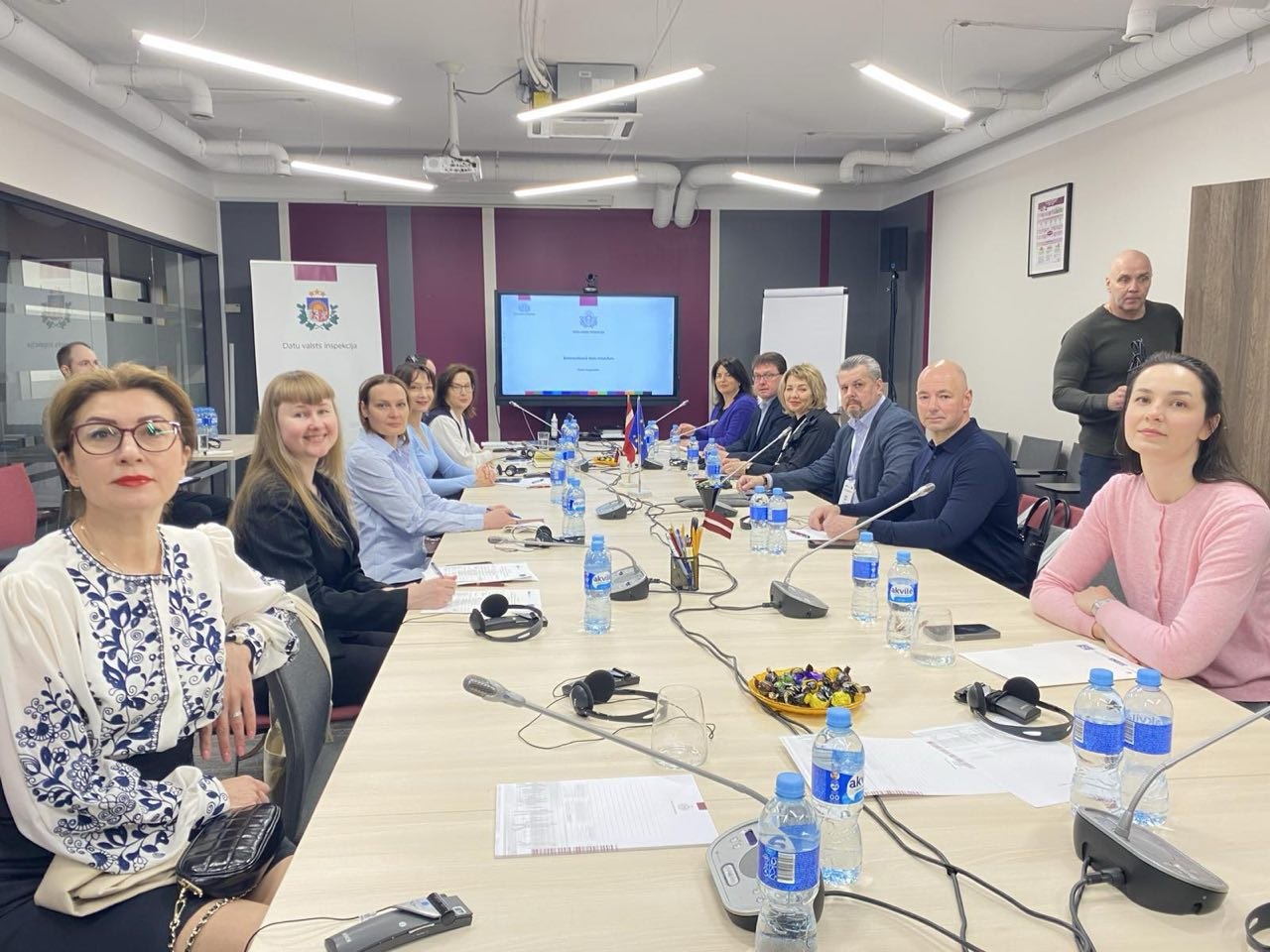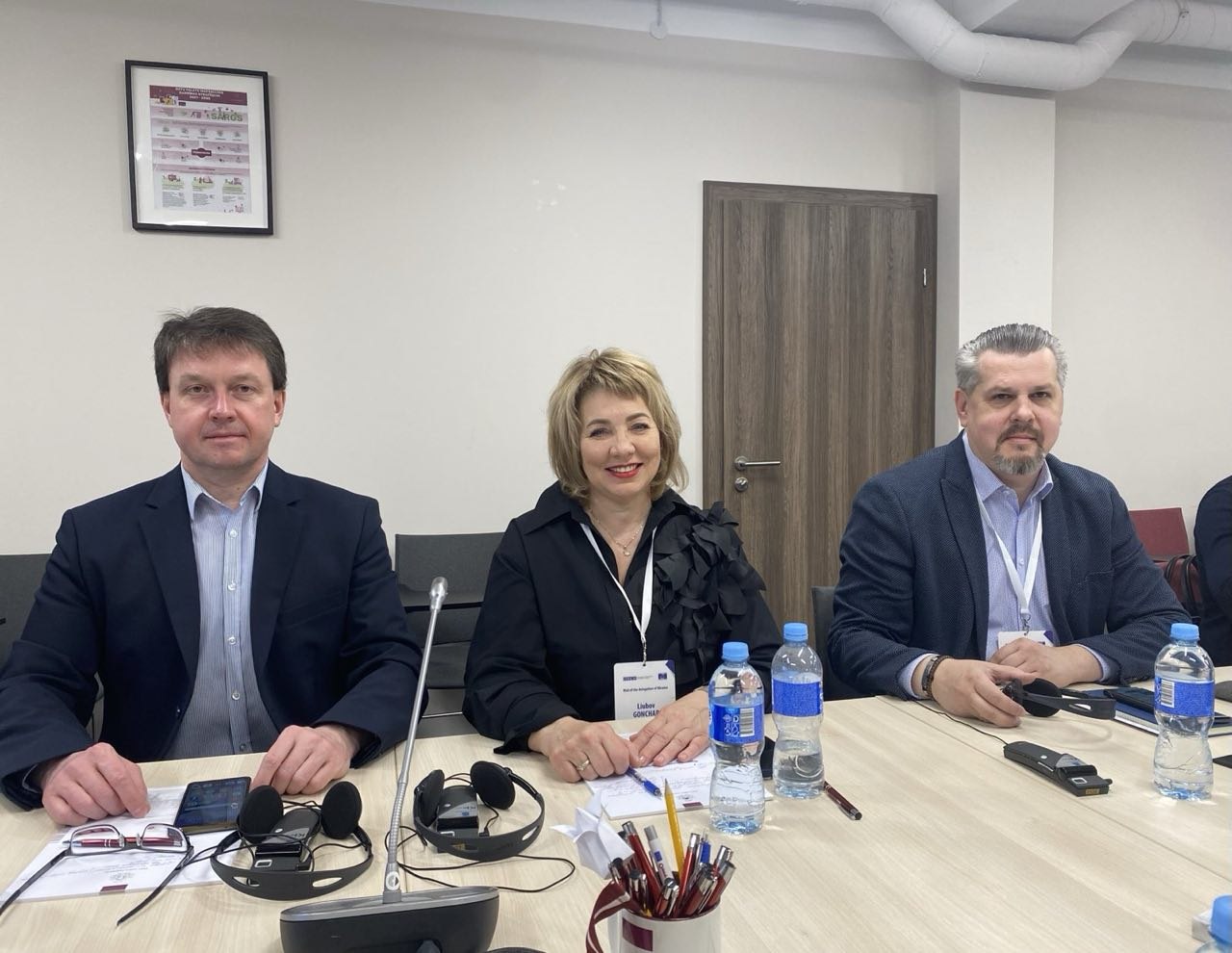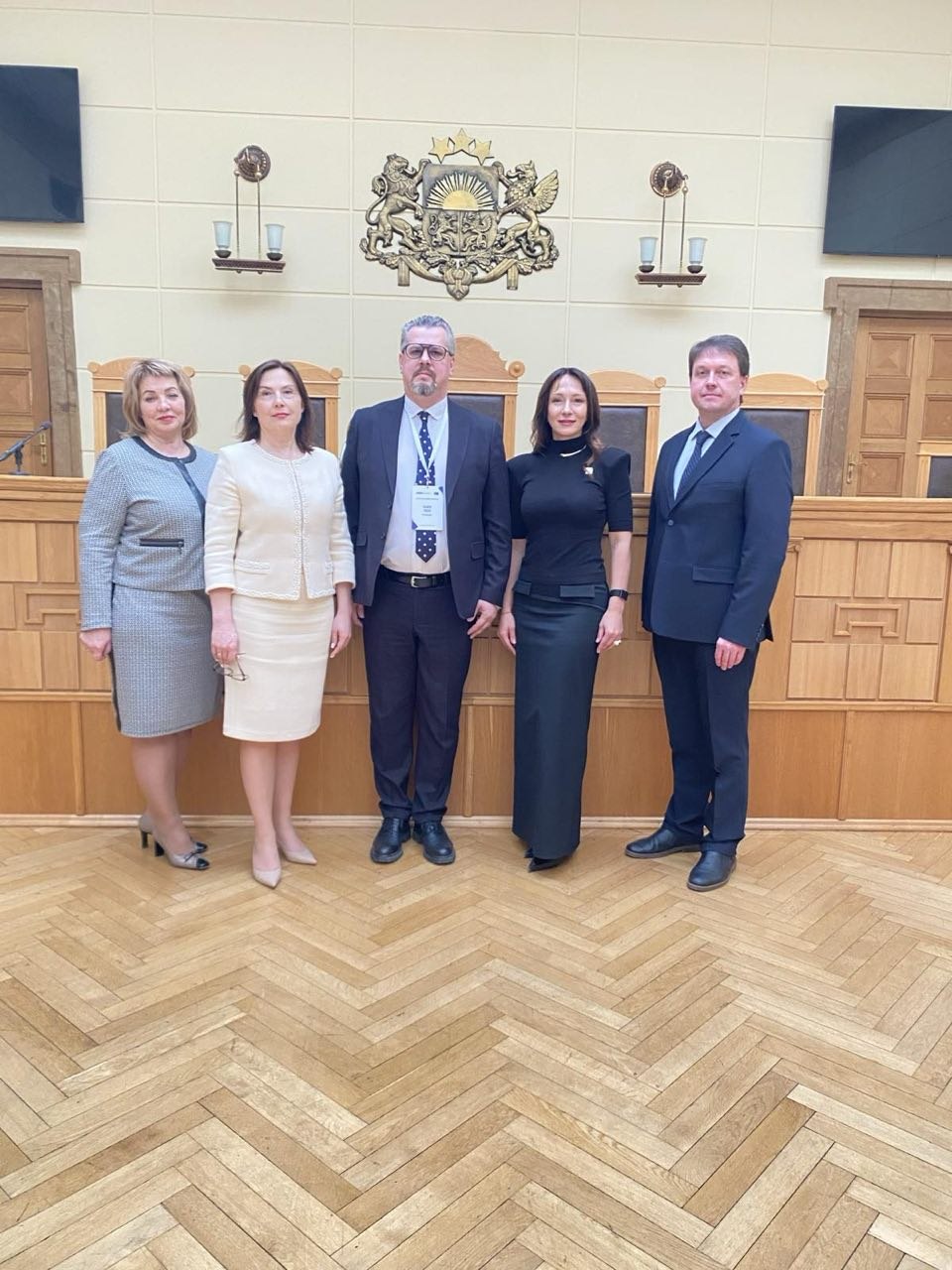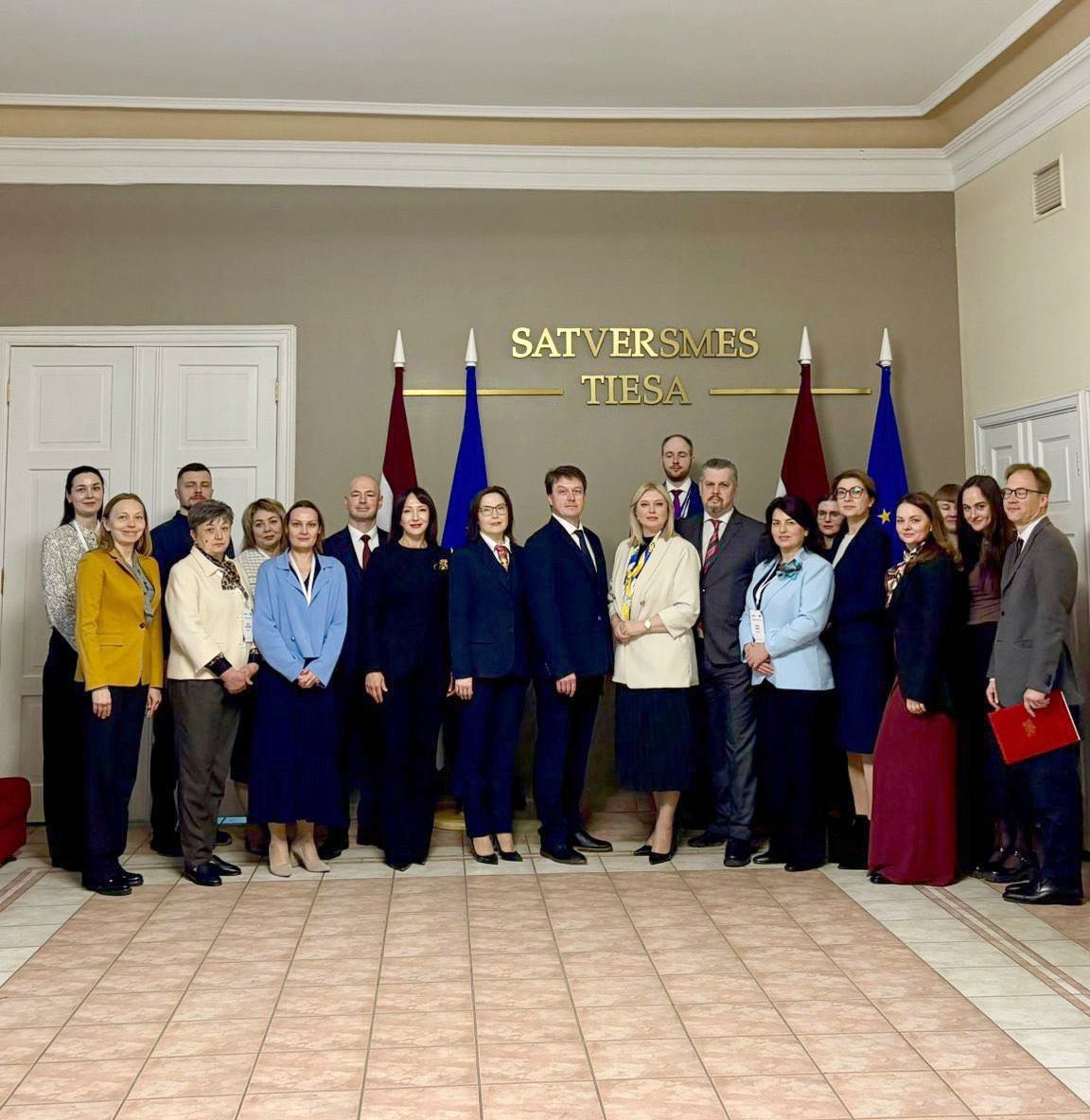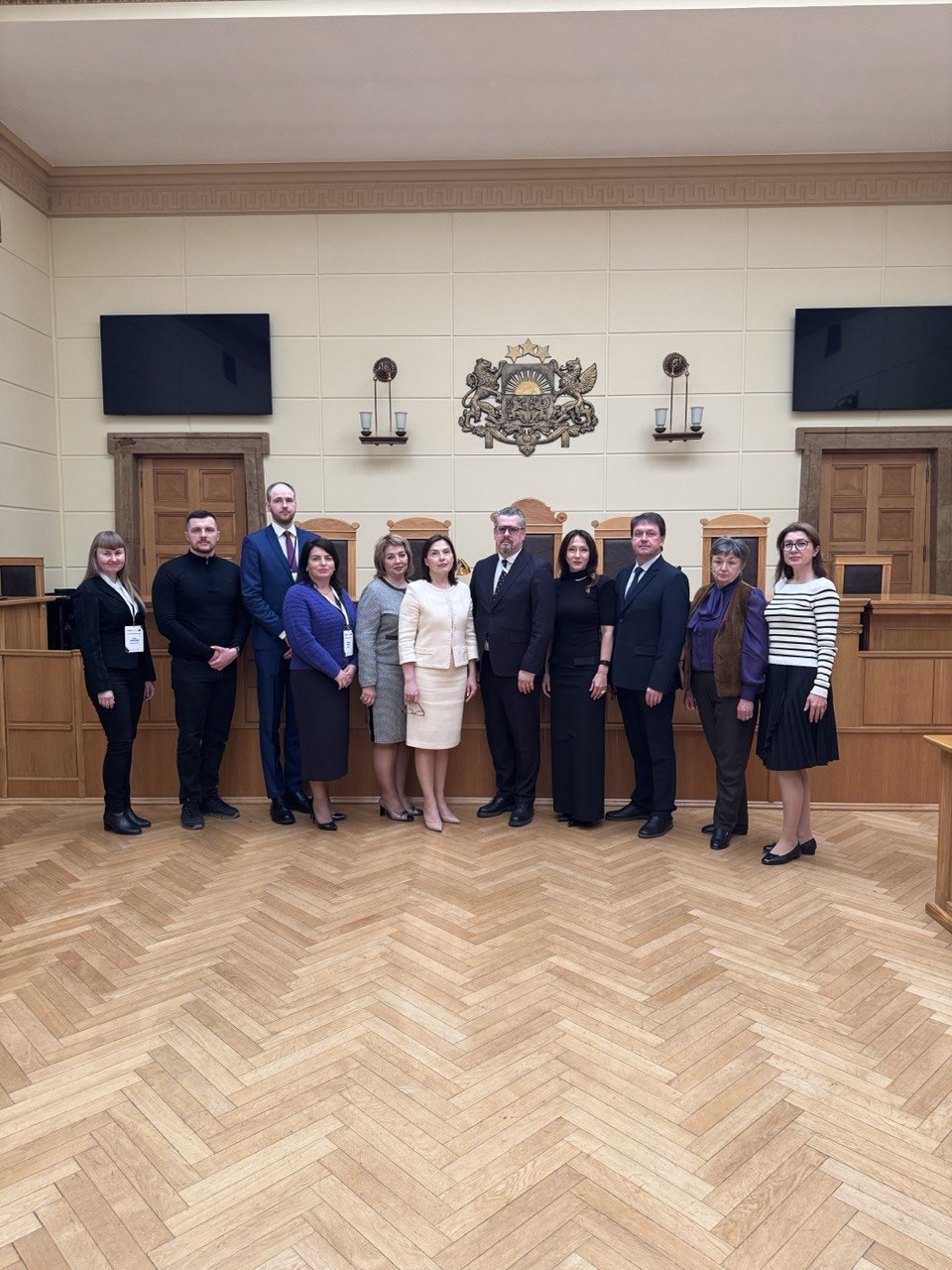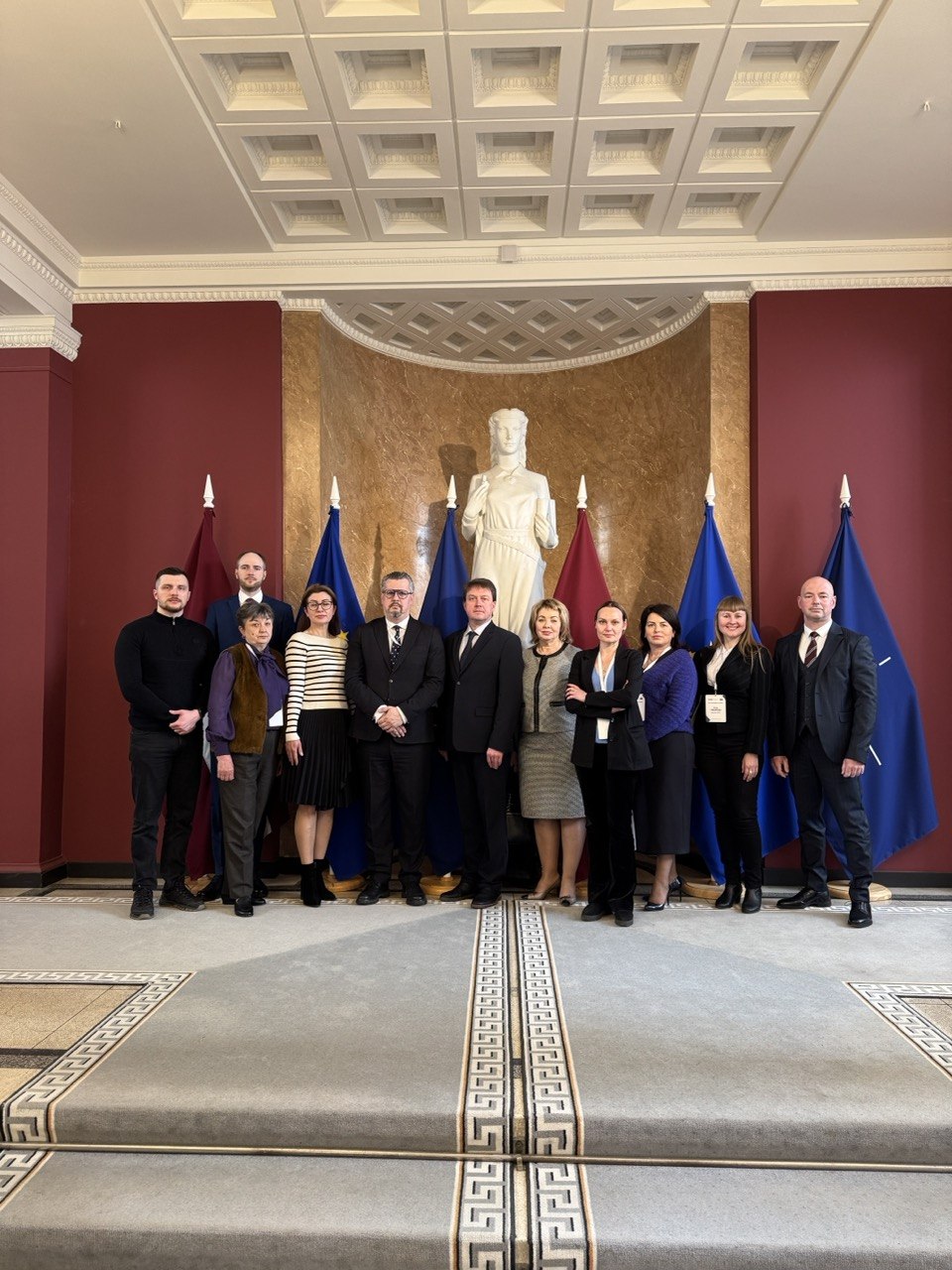

The delegation included judge-trainers from the National School of Judges of Ukraine, who developed a training course for judges on personal data protection, judges of the Supreme Court and other courts of Ukraine, as well as representatives of the National School of Judges of Ukraine.
During the visit, meetings were held with judges of the Constitutional Court of Latvia, the Supreme Court of Latvia, representatives of the Ministry of Justice of Latvia, and staff of the National Data Protection Inspectorate. During the meetings, judicial practice regarding personal data protection in Latvia was presented, along with the practice of the National Data Protection Inspectorate in the context of applying the updated Convention for the Protection of Individuals with regard to Automatic Processing of Personal Data and the General Data Protection Regulation (GDPR).
Among the topics discussed:
- Legal grounds for data processing, data subjects’ rights, and key principles of lawful data processing.
- Requirements for data controllers, conducting data protection impact assessments (DPIA), and the role of the Data Protection Officer (DPO).
- Rules for transferring data to third countries, the powers of supervisory authorities, as well as the application of administrative fines and sanctions for violations.
- Ensuring a balance between the protection of personal data and freedom of expression and access to information.
It should be noted that the course for judges on personal data protection, developed by judge-trainers from the National School of Judges of Ukraine, is based on current case law of the European Court of Human Rights and the Court of Justice of the European Union regarding personal data protection and the implementation of relevant EU legislation.
The visit was jointly supported by the Council of Europe project "Support to Ukraine in the Implementation of Council of Europe Standards on the Judiciary" and the OSCE Ukraine Support Program within the framework of the project "Guaranteeing Respect for Human Rights in the Administration of Justice, Phase II".