


“Safeguarding Freedom of Expression and Freedom of the Media in Ukraine – Phase II” (SFEM-UA – Phase II)
About the Project
The Council of Europe Project “Safeguarding Freedom of Expression and Freedom of the Media in Ukraine – Phase II” (SFEM-UA – Phase II) is a continuation of a four-year initiative under the Council of Europe Action Plan for Ukraine titled “Resilience, Recovery, and Reconstruction” for 2023-2026 (Action Plan). The Project aims to address the pressing needs of key stakeholders in the field of freedom of expression and media in Ukraine amidst ongoing Russia’s war of aggression against Ukraine and in the post-war period. In particular, it supports the enhancement of the Council of Europe, European standards and media legislation towards Ukraine’s EU accession process and its integration into the European Union’s information space.
The primary focus of Phase II is to continue strengthening laws and regulations that safeguard freedom of expression and to ensure their effective implementation. It also focuses on promoting media independence and pluralism by implementing measures to ensure the safety and security of journalists, encouraging a diverse and independent media landscape and improving the media environment by increasing media literacy and resilience to disinformation.
Through these targeted activities, the SFEM-UA – Phase II aims to foster a resilient, independent, and pluralistic media environment essential for the democratic development of Ukraine and its integration into the European Union’s information space.
The SFEM-UA – Phase II includes two main components:
Component 1: Further alignment and effective implementation of Ukraine’s framework on media, freedom of expression and freedom of access to information with the Council of Europe and European standards.
This component aims to enable relevant authorities to address and enhance the alignment of Ukraine’s media, freedom of expression, and freedom of access to information legislation and regulations with the Council of Europe standards and the European Union legal framework.
The intervention under this component includes technical, legal and policy advice, tools and methodology development as well as institutional support and capacity-building inputs.
The Project will support through the strengthened capacity of relevant institutions, an effective implementation of the legal framework governing the safety and protection of journalists, media regulatory authority and access to information in line with Council of Europe and European standards. The assistance for the National TV and Radio Broadcasting Council of Ukraine will be focused on building regulatory capacities and adopting necessary policies, particularly those applicable in wartime, in line with Council of Europe standards and EU regulatory trends. The Project will provide guidance on developing strategic documents and tools, aligning institutional and regulatory frameworks with new media legislation
The awareness of the safety of journalists, especially in times of war, will continue to be raised, and dialogue between prosecutors, judges, investigators, police and media representatives will be facilitated, including on the documentation of war crimes, the release of journalists illegally imprisoned in Russia, and other crimes committed against journalists. This component will also contribute to the implementation of the Council of Europe “Journalists Matter” Campaign in co-operation with the Ministry of Culture and Strategic Communications of Ukraine.
Component 2. Strengthening the capacities of Ukrainian media, media actors to ensure their independence, professionalism, and sustainability during the Russian war of aggression against Ukraine and a post-war period.
Under this component, capacity-building support will be provided to media professionals, with a particular emphasis on developing new skills and competencies in media management, including monetisation strategies, as well as content production. Local and hyperlocal media will receive technical and expert assistance to help them operate effectively during wartime.
Additionally, targeted support will be offered to Ukrainian journalists and media civil society organisations (CSOs) to counter Russian propaganda and advance media literacy initiatives. Expert and technical assistance will also continue for the internal management and regulatory structures of the Joint Stock Company “Public Broadcasting Company of Ukraine” (JSC "UA:PBC") to safeguard its independence, enhance operational efficiency, and ensure long-term sustainability.
Project partners:
- the Parliamentary Committee on Humanitarian and Information Policy
- the Parliamentary Committee on Freedom of Speech
- the Joint Stock Company “Public Broadcasting Company of Ukraine” (JSC “UA:PBC”)
- the National Council of Television and Radio Broadcasting of Ukraine (media regulator)
- the Ministry of Culture and Strategic Communications of Ukraine
- media associations, CSOs and professional unions
- journalists and media
- national professional training institutions of legal professionals (for judges, prosecutors, advocates, law-enforcement)
Council of Europe Legal Opinions and Policy Advice Documents

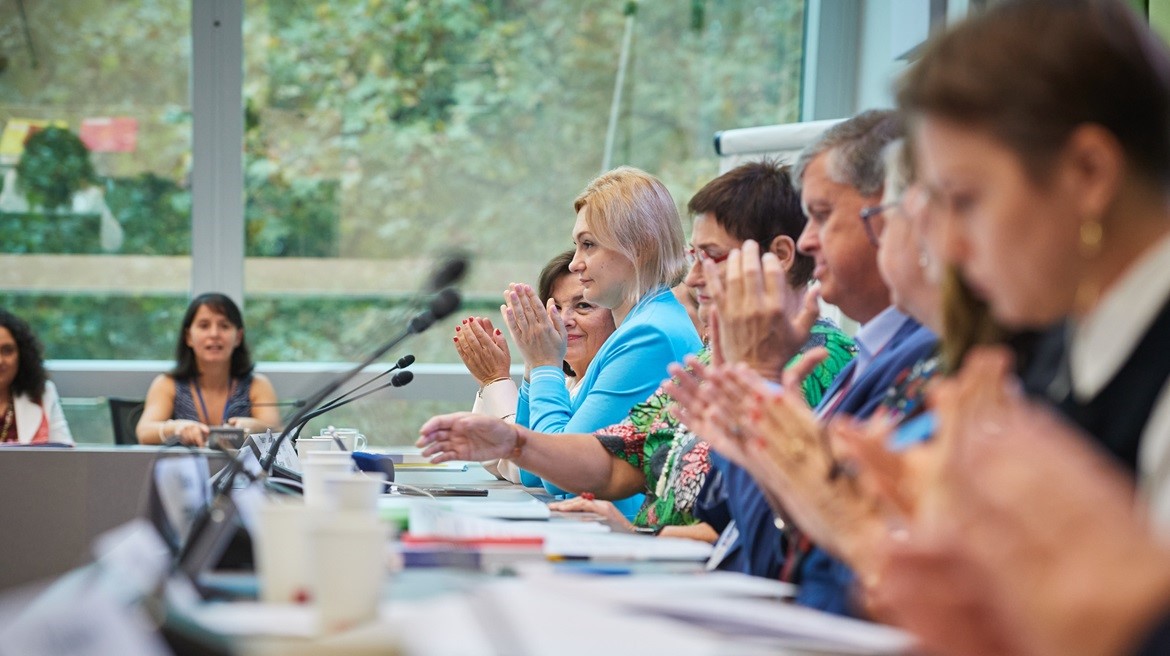
PACE hearing honours Ukrainian journalist Viktoria Roshchyna and highlights risks faced by journalists in war
The Committee on Culture, Science, Education and Media of the Parliamentary Assembly of the Council of Europe (PACE) held a hearing in Strasbourg on 1 October, during the PACE’s autumn plenary session, to commemorate Ukrainian journalist Viktoria Roshchyna and highlight the challenges faced by...

Ukraine registers draft law on combating SLAPP lawsuits, developed with Council of Europe support
The Verkhovna Rada of Ukraine has registered a draft law aimed at strengthening the protection of journalists, media and civil society representatives against Strategic Lawsuits Against Public Participation (SLAPP). The registration of draft law No. 16117 was announced by Yaroslav Yurchyshyn,...
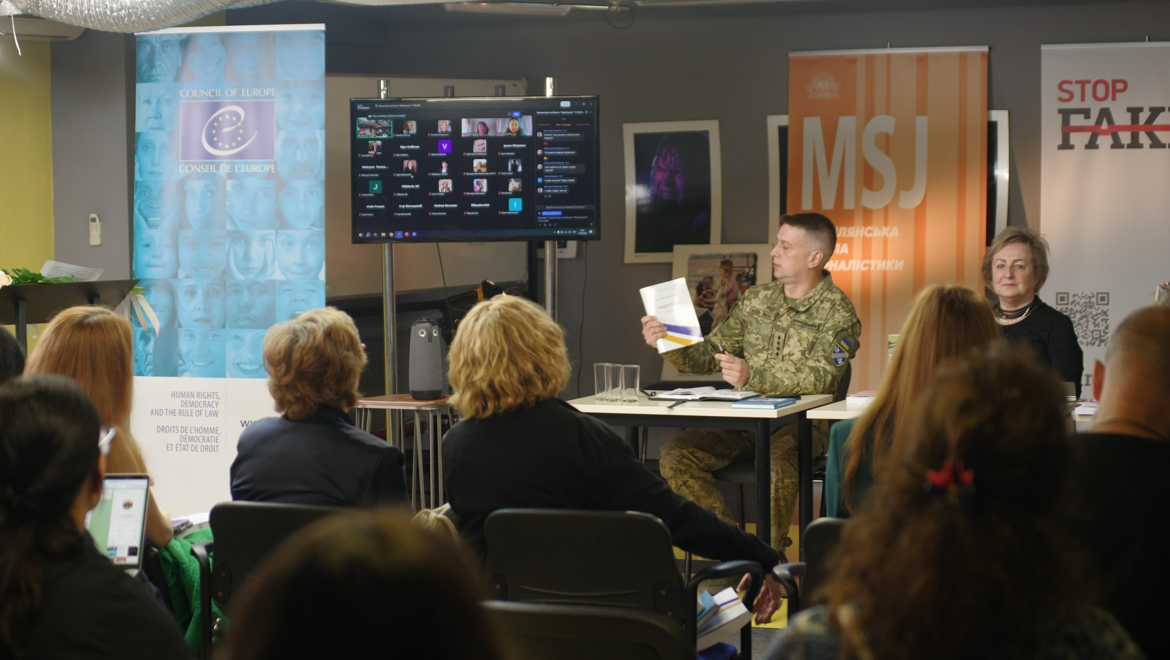
New Media Law Manual gives Ukrainian journalists practical tools to protect their rights
A new, revised and supplemented edition of the Media Law manual was presented at the Mohyla School of Journalism in Kyiv on September 11, 2026, providing journalism students and media professionals with an up-to-date practical guide to the legal framework governing journalism in Ukraine. The...

Council of Europe will provide power banks to representatives of local and hyperlocal media
Local and hyperlocal media remain among the most vulnerable media actors in Ukraine’s media landscape amid Russia’s ongoing war of aggression against Ukraine. At the same time, they are very often the primary source of news from frontline areas, territories temporarily occupied by Russia and...
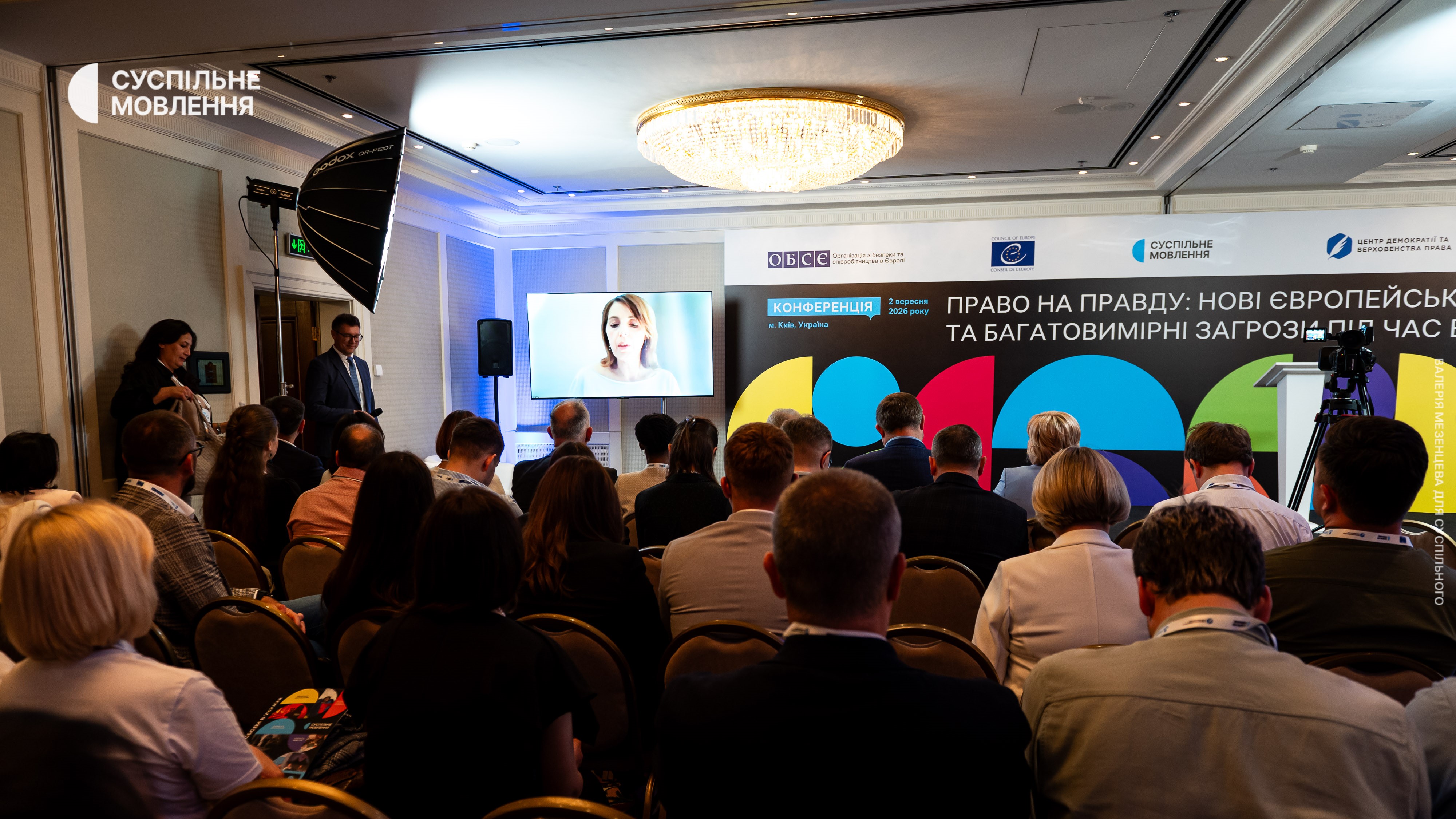
Council of Europe supports independent and public service media in Ukraine
The advocacy conference “The Right to Truth: New European Regulations and Multidimensional Threats During Wartime” in Kyiv, on 2 September, began in a shelter during the sixth air-raid alert of the day. Despite the security challenges, participants discussed how Ukraine can continue to strengthen...

Strengthening media literacy and digital resilience among older persons
Media literacy is increasingly important in today’s fast-changing information landscape, where people are confronted with an ever-growing amount of information, misleading content and new forms of disinformation. For older persons in particular, the rapid development of digital technologies and...
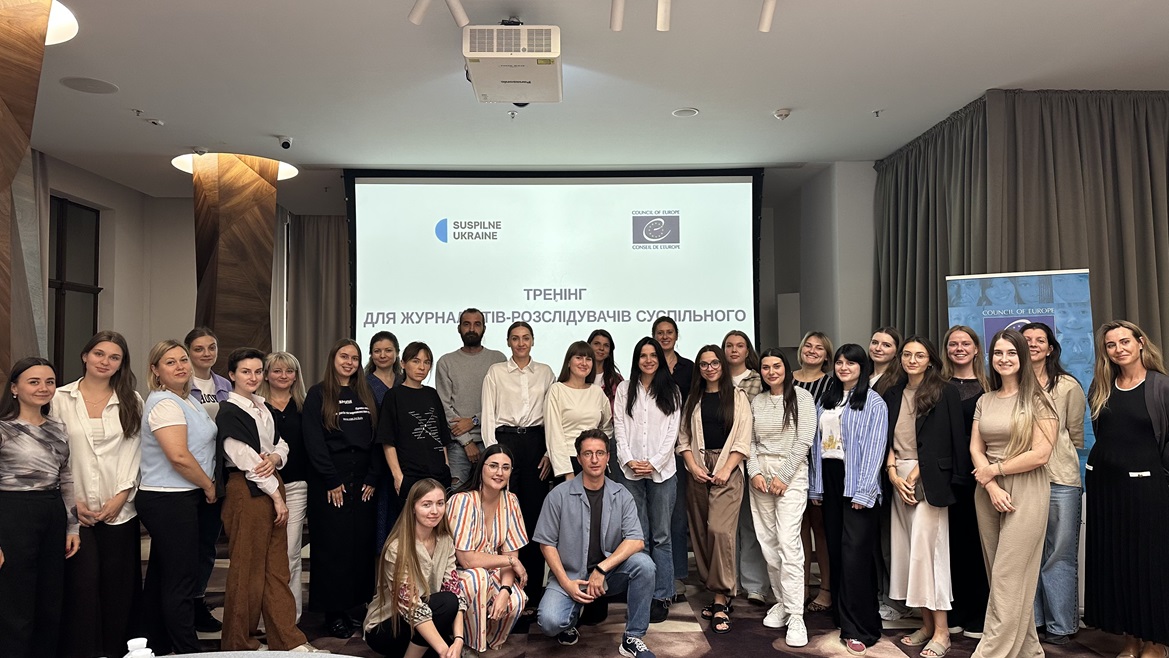
Council of Europe training strengthened Suspilne journalists’ investigative reporting skills
Investigative journalism does more than expose corruption and abuses of power. In the context of Russia’s war against Ukraine, it also plays a crucial role in documenting war crimes and helping to identify those responsible. This is an essential public service performed by investigative...
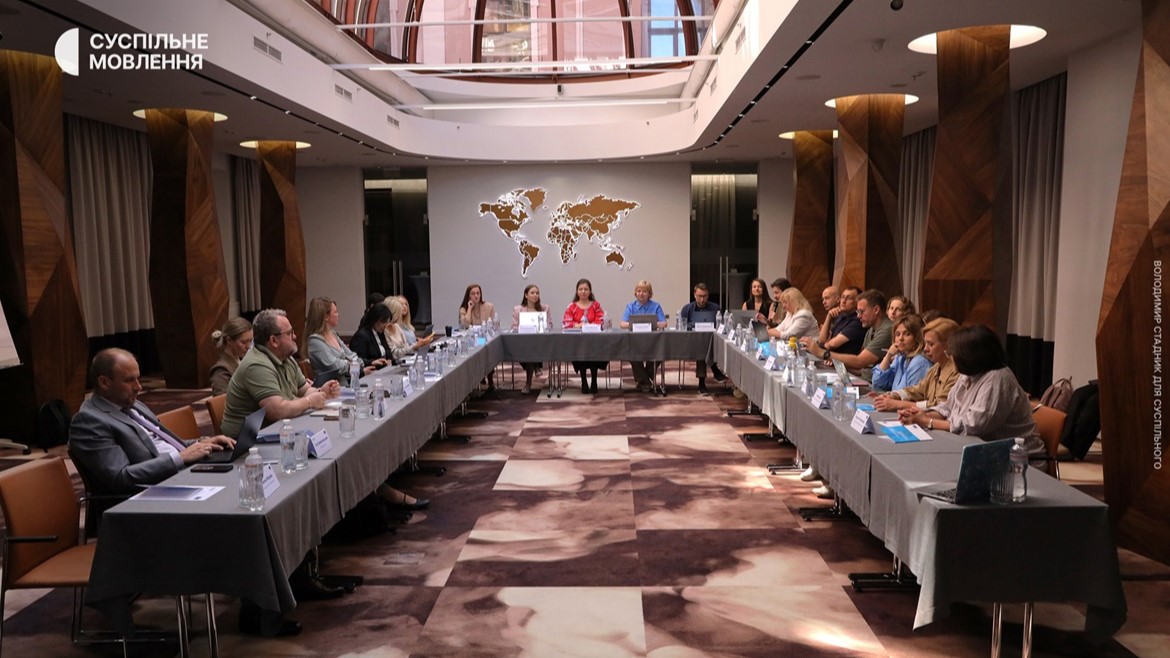
European standards for independence and accountability: Council of Europe supports Suspilne’s strategic planning
Since its establishment in 2017, Suspilne, Ukraine’s public service broadcaster, has undergone a complex process of institutional development and has consistently demonstrated resilience and professionalism while operating during the pandemic, Russia’s war against Ukraine, and numerous...
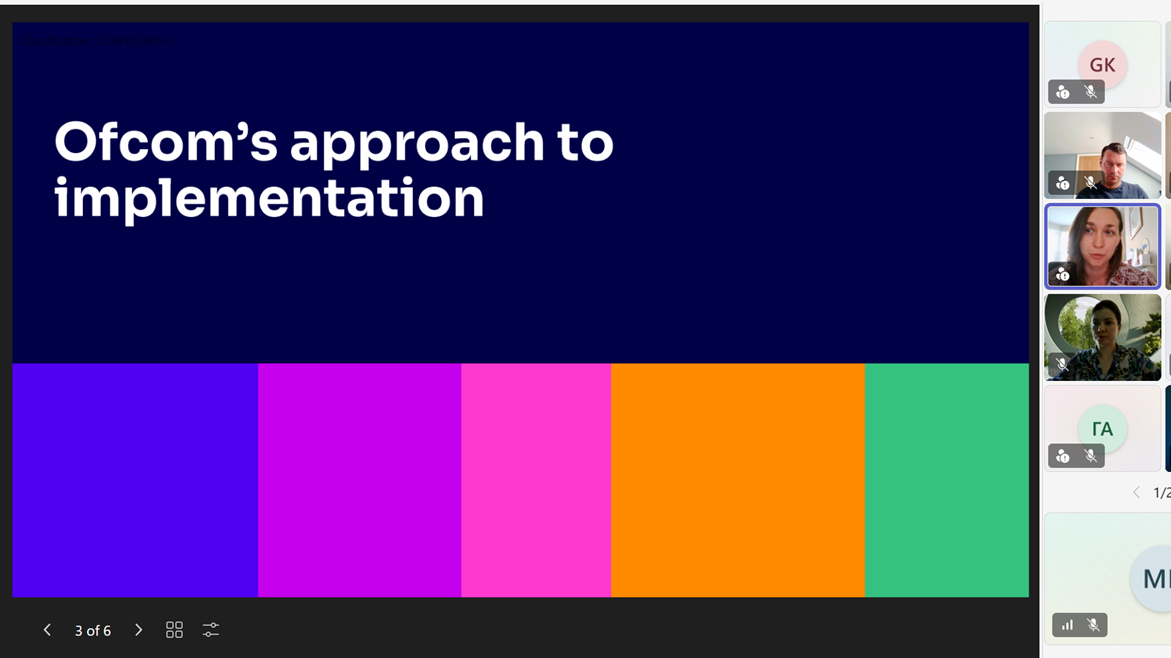
National Council of Ukraine on Television and Radio Broadcasting strengthens capacity to address challenges in the digital media environment
To support the institutional capacity of the National Council of Ukraine on Television and Radio Broadcasting in addressing challenges in the rapidly evolving digital media environment, experts from the UK’s Office of Communications (Ofcom) delivered the first of two online training sessions for...
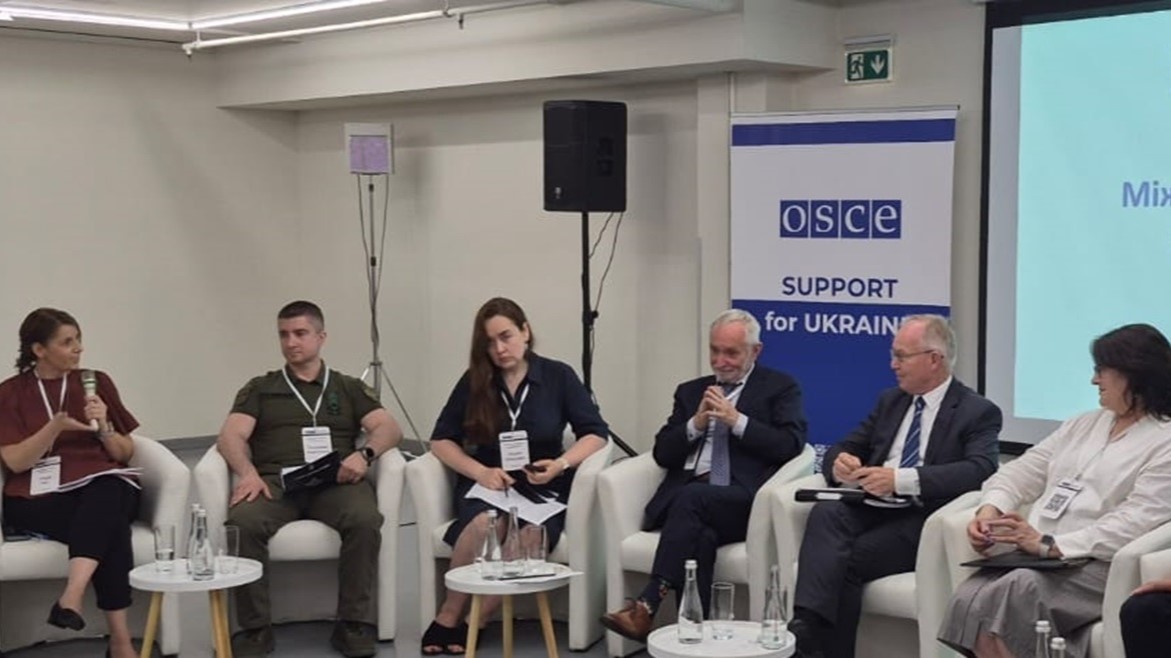
The Council of Europe presented approaches to developing media literacy and information resilience in Ukraine
At the invitation of OSCE partners, Hilde Haug, Deputy Head of the Council of Europe Office in Ukraine, took part in the conference “Integrity-Driven Media: How to Preserve Democracy in a Digital World”, dedicated to media literacy and information resilience. In her speech, Hilde Haug stressed...
Olena Demchenko
Senior Project Officer
Khrystyna Zaplatsinska
Project Assistant
Kseniia Malyshenko
Project Assistant

