Since its establishment in 2017, Suspilne, Ukraine’s public service broadcaster, has undergone a complex process of institutional development and has consistently demonstrated resilience and professionalism while operating during the pandemic, Russia’s war against Ukraine, and numerous information threats and challenges. Today, Suspilne is a modern multi-platform media organisation that provides citizens with reliable and impartial information, reports on Russia’s war against Ukraine, promotes cultural and informational diversity, delivers news from across Ukraine, and helps counter disinformation, propaganda and information manipulation.
At a time when Ukraine continues to defend its independence while aligning its national legislation with the European Union acquis, the role of an independent public service broadcaster is more important than ever. This is why supporting Suspilne has remained one of the Council of Europe’s long-standing priorities in the area of freedom of expression and media freedom in Ukraine.
Over the past two and a half years, with the support of the Council of Europe’s media project, Suspilne has finalised and adopted a number of strategic documents, including:
- the Regulation on the Selection of the Chairperson and Members of the Management Board of JSC “National Public Broadcasting Company of Ukraine” (October 2024);
- the Educational Broadcasting Concept (January 2025);
- the Sports Broadcasting Concept (April 2025);
- the Concept of an Inclusive Approach to Content Production and Team Management (August 2025);
- the Main Areas of Activity of the joint stock company “Public Broadcasting Company of Ukraine” for 2026–2030 (January 2026).
Independent public service media are an essential pillar of democracy, the rule of law and the protection of human rights, as reflected in a number of recommendations of the Committee of Ministers of the Council of Europe. Recommendation No. R(96)10 established the fundamental principles of the independence of public service broadcasting. Recommendation CM/Rec(2007)3 defined the remit of public service media in the information society, while Recommendation CM/Rec(2012)1 underlines that effective governance is one of the key guarantees of editorial independence, transparency, accountability and public trust.
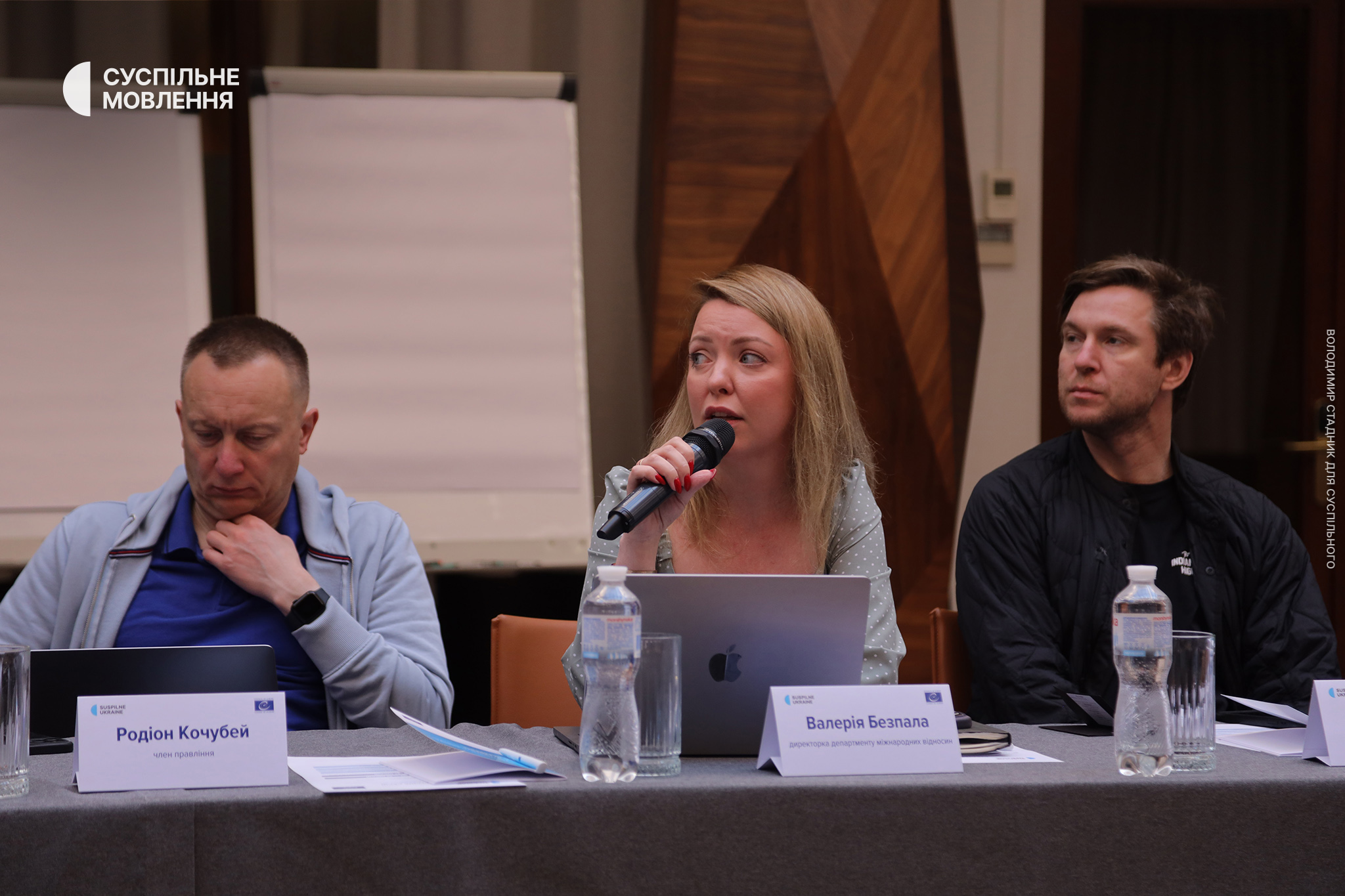
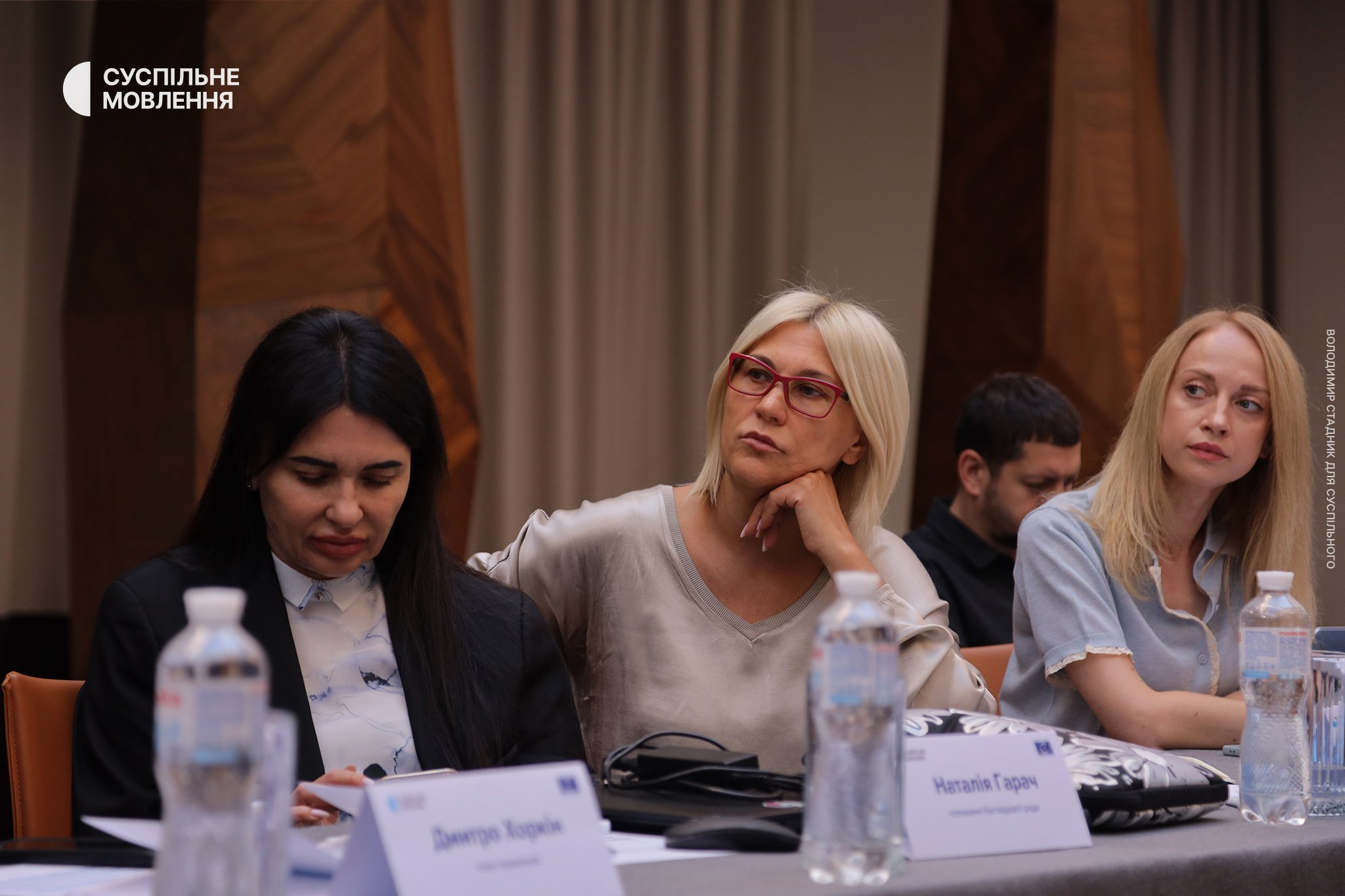
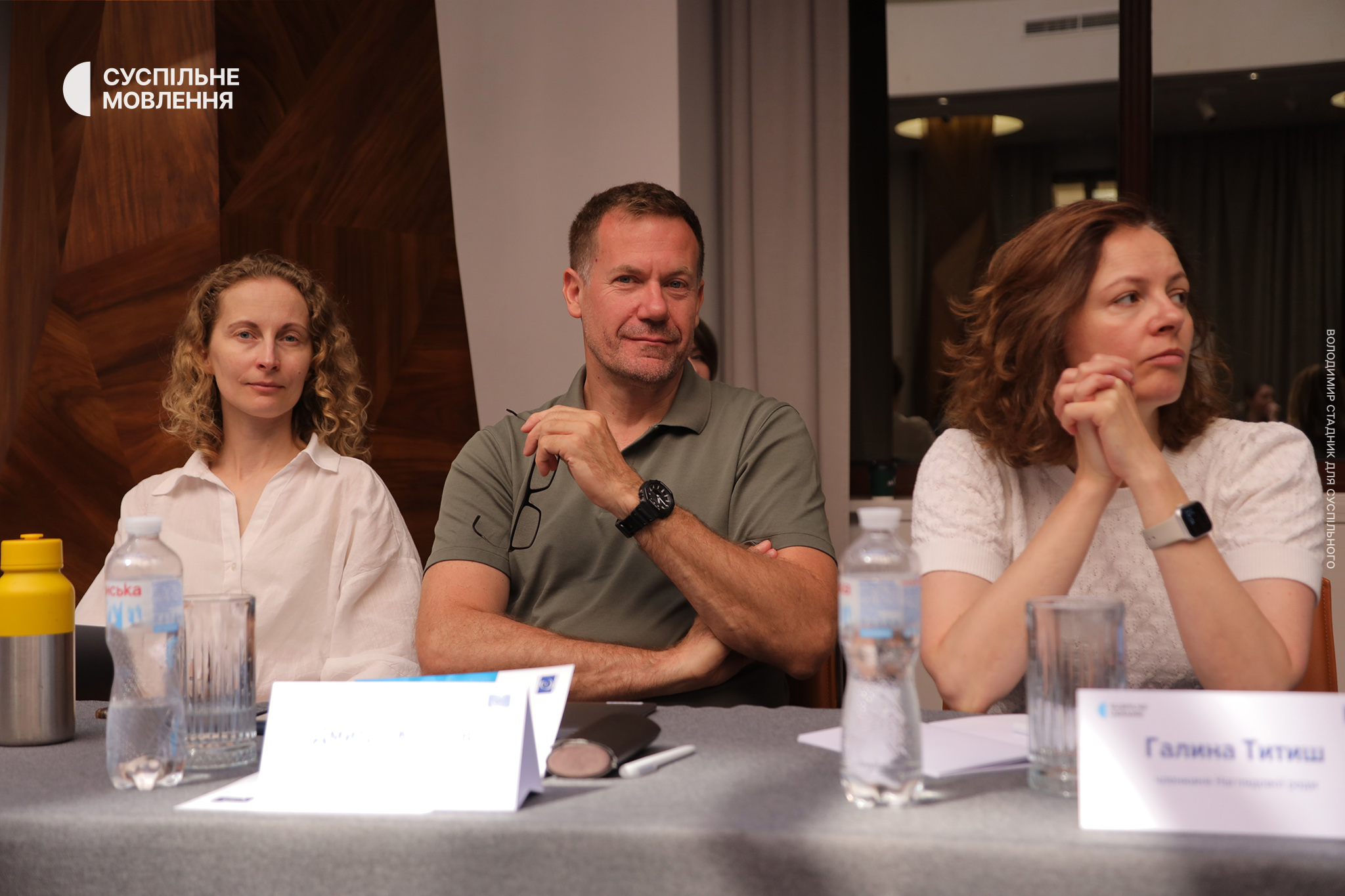
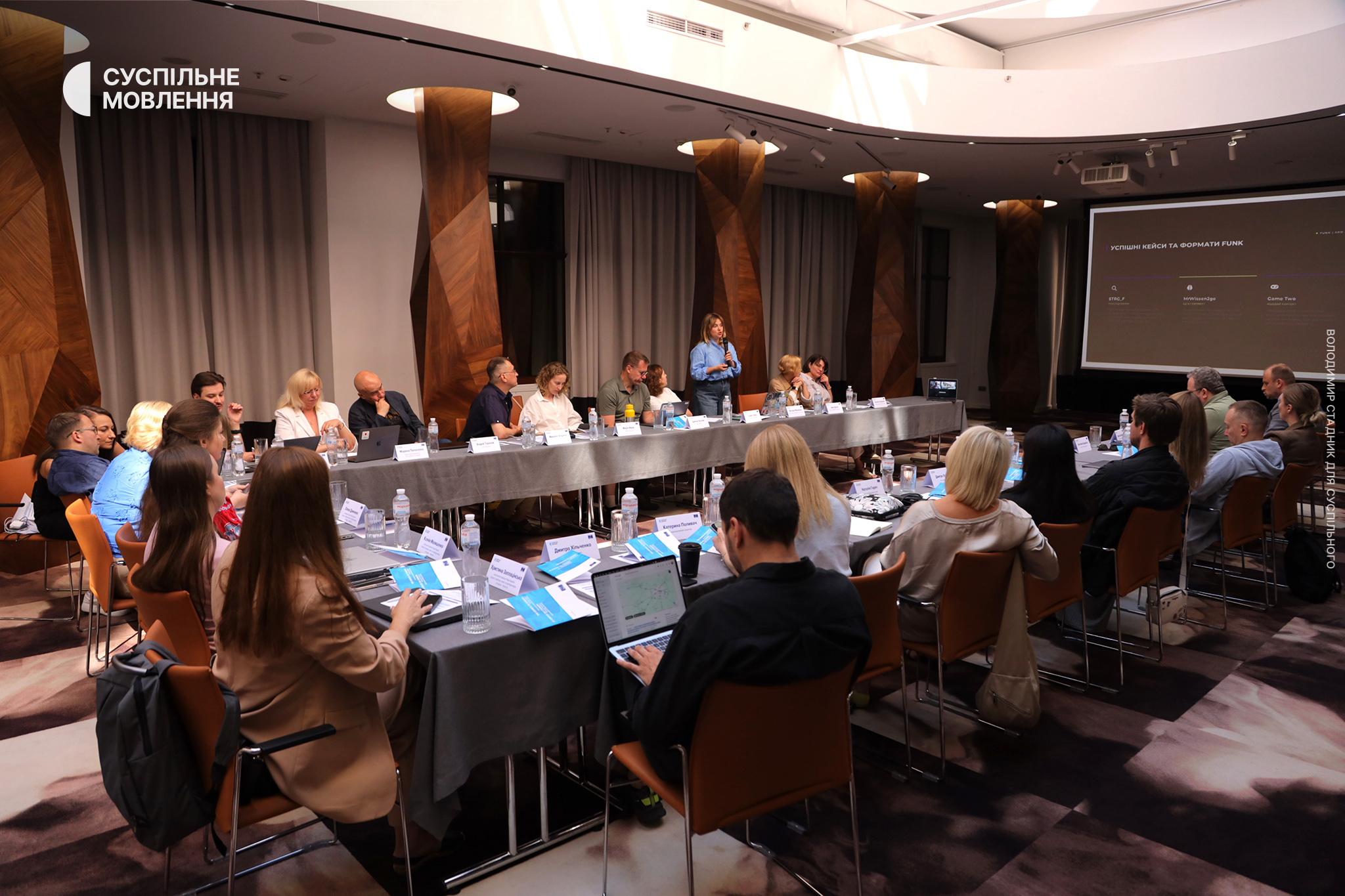
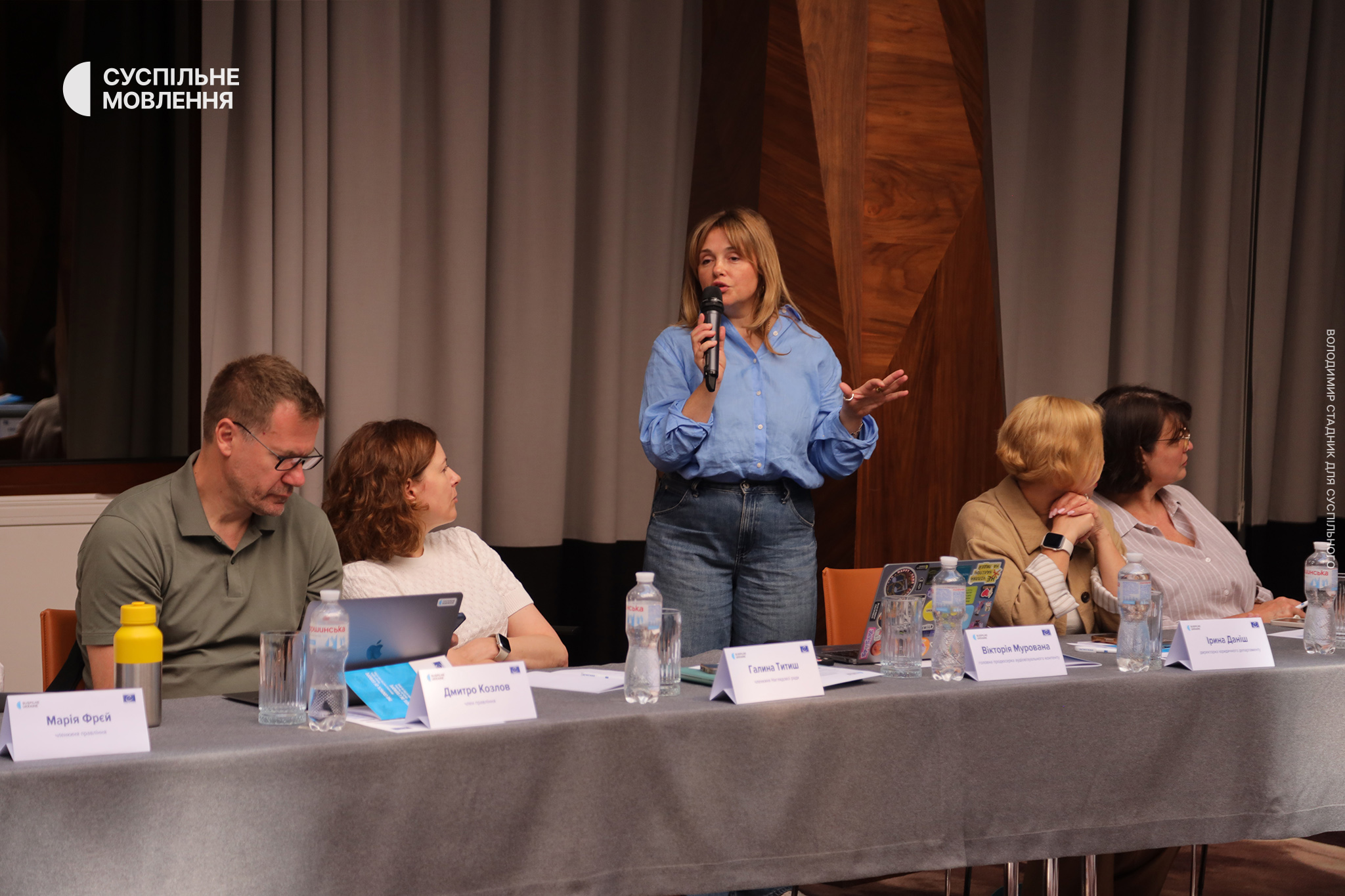
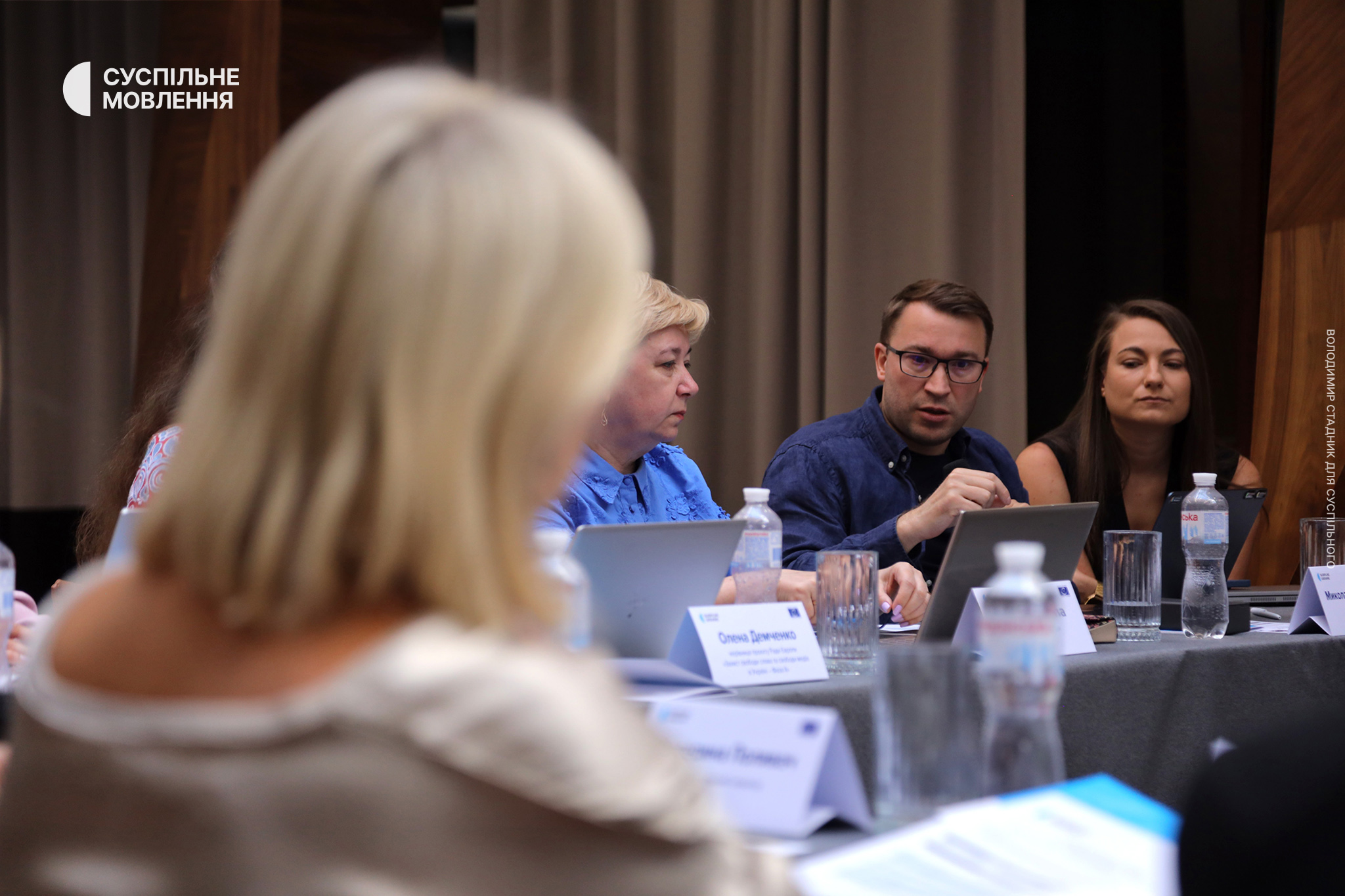
During this year’s strategic session, members of Suspilne’s Supervisory Board and Management Board discussed the development of a Youth Broadcasting Concept, the Corporate Governance Code, and mechanisms to strengthen cooperation between the Supervisory Board and the Management Board.
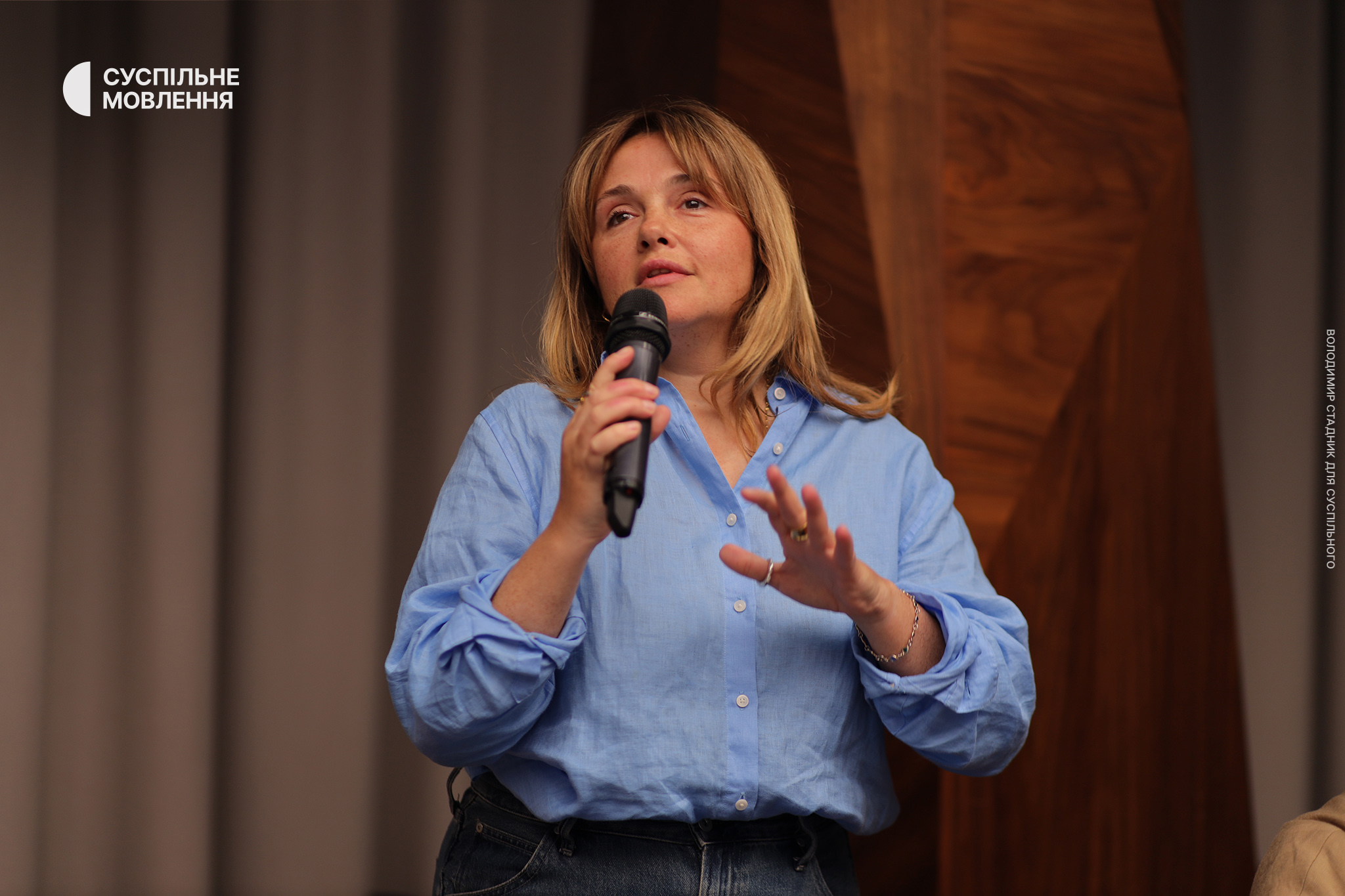
Opening the session, Svitlana Ostapa, Chair of Suspilne’s Supervisory Board, said:
“An important mission of Suspilne is to serve the interests of all audience groups. Back in 2017–2018, when we were developing the concept for children’s and youth broadcasting, it became clear that this audience was too broad for a single document to address all its needs. We therefore developed a separate concept for children and teenagers, which is available on Suspilne’s website. Now it is time to define dedicated approaches to working with young audiences.”
Developing high-quality and relevant content for young audiences is an investment in Ukraine’s future. Suspilne therefore continues to improve both the substance and formats of its content to better engage younger generations. Once the draft Youth Broadcasting Concept has been prepared, Council of Europe experts will support its finalisation.
Mykola Chernotytskyi, Chair of Suspilne’s Management Board, stressed that engaging with young audiences requires a long-term vision and greater resources.
"Today, Suspilne has a responsibility to serve every Ukrainian. We are seeing positive growth across many audience segments, and young people are a particularly important focus for us. We need a comprehensive vision for how we move forward in engaging with this audience. Clearly, the resources we currently allocate to this area are insufficient, but this is an investment in the future – not only in our audience, but also in Suspilne's future stakeholders. Sooner or later, they will be the ones making decisions and asking: why do we need a public service broadcaster, and what value does it provide? That is why we must serve this audience systematically by providing services that meet their needs," said Mykola Chernotytskyi.
In line with Council of Europe standards, effective corporate governance is one of the key preconditions for ensuring the independence, transparency and sustainable development of public service media. Against this background, members of Suspilne’s Supervisory Board and Management Board discussed proposals to update the Corporate Governance Code and improve cooperation between the two governing bodies. With the Council of Europe’s support, the implementation of these documents will strengthen integrity, accountability and the institutional independence of Suspilne.
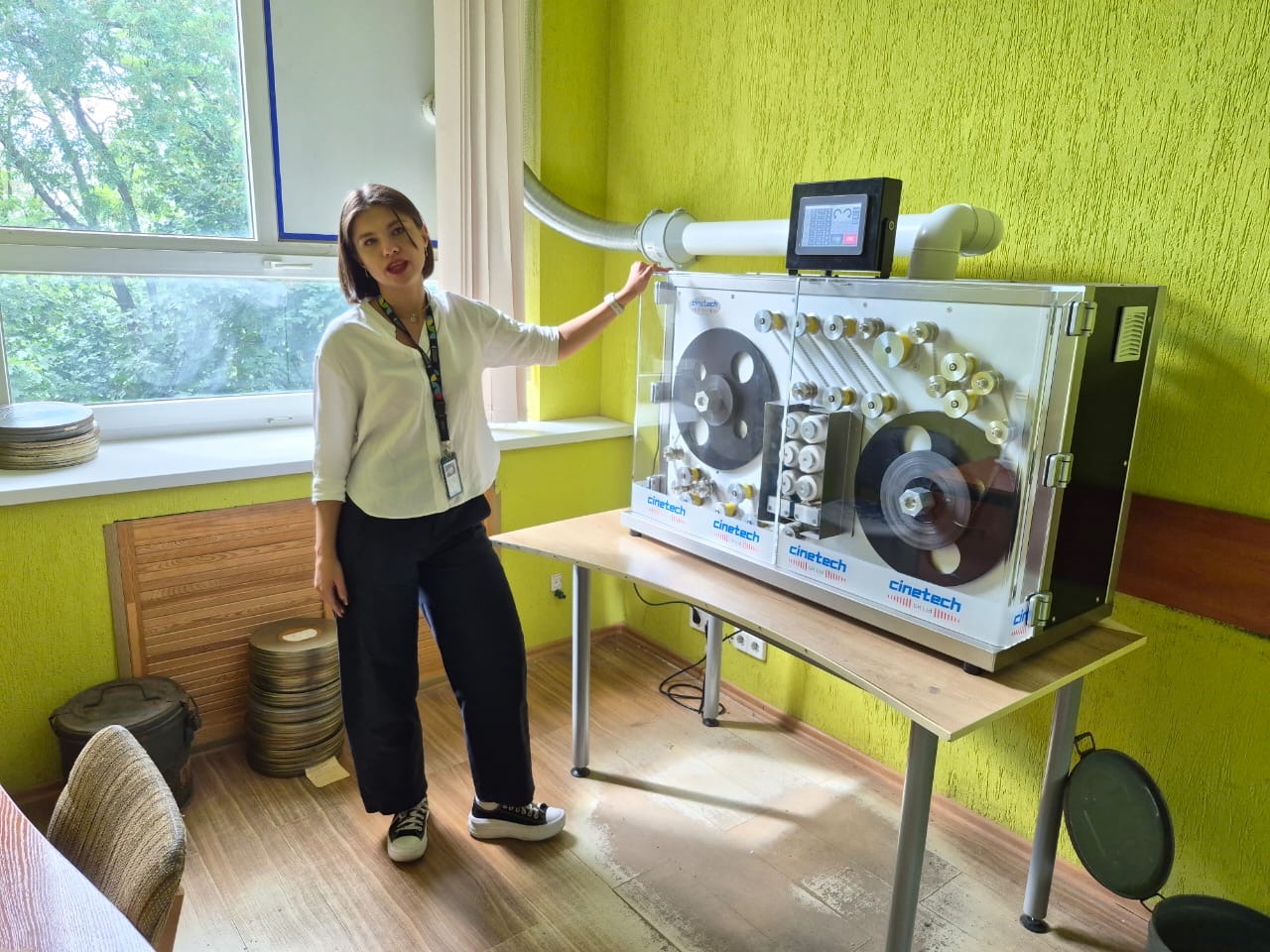
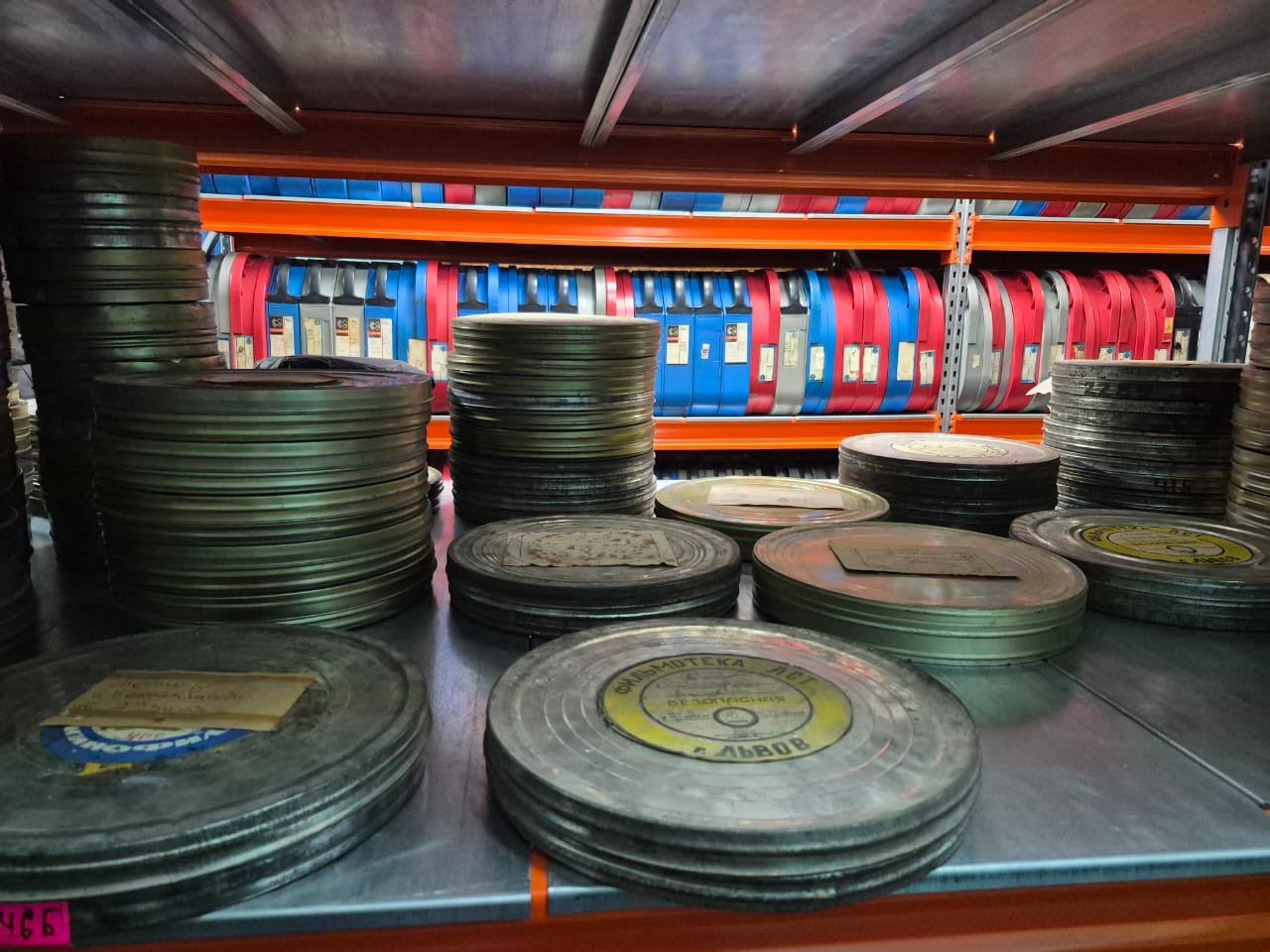
As part of the strategic session, participants also visited Suspilne’s Lviv regional branch, where they learned about the broadcaster’s media archive and the digitisation of audiovisual content. The visit showcased the entire preservation process, from preparing film reels to their digital processing using specialised equipment. This work helps preserve Suspilne’s unique audiovisual heritage and ensures its accessibility for future generations.
Participants also visited the War Archive, Suspilne’s initiative to preserve documentary evidence of Russia’s aggression against Ukraine. Suspilne’s teams systematically document the consequences of the war across the country, creating an archive of video materials of historical, legal and research value. The Council of Europe project has supported the further development of the War Archive by providing modern equipment for processing and securely preserving these materials.
The Council of Europe Project “Safeguarding Freedom of Expression and Freedom of Media in Ukraine – Phase II” (SFEM-UA - Phase II) is implemented by the Council of Europe Division for Co-operation on Freedom of Expression in the framework of the Council of Europe Action Plan for Ukraine “Resilience, Recovery and Reconstruction” 2023-2026.