


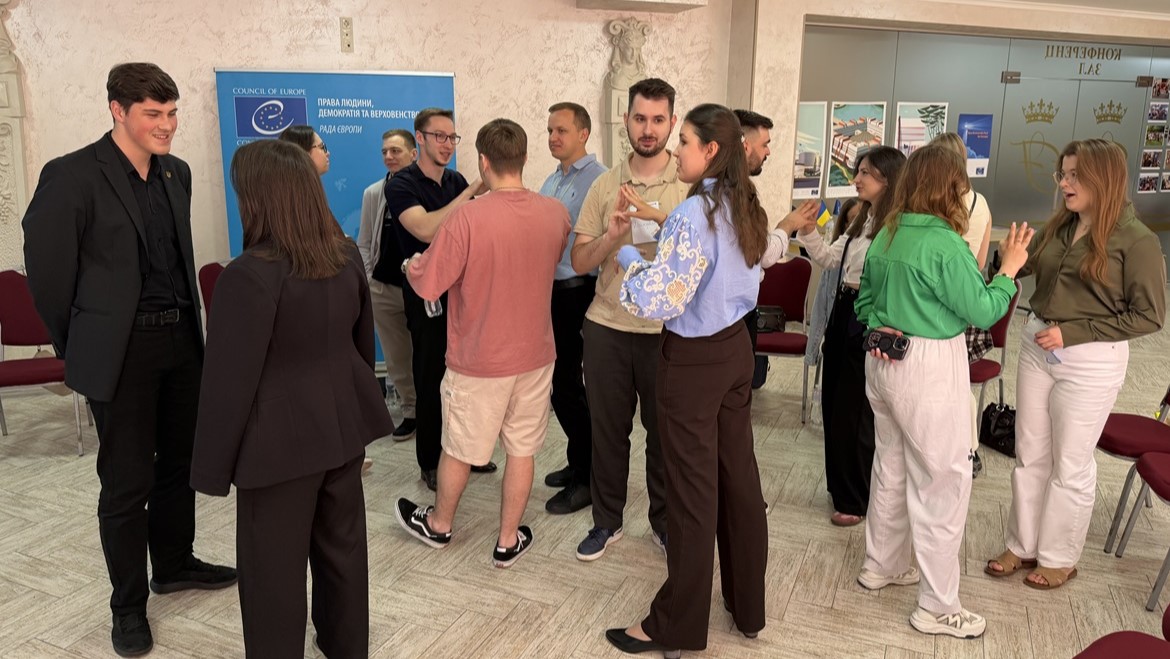
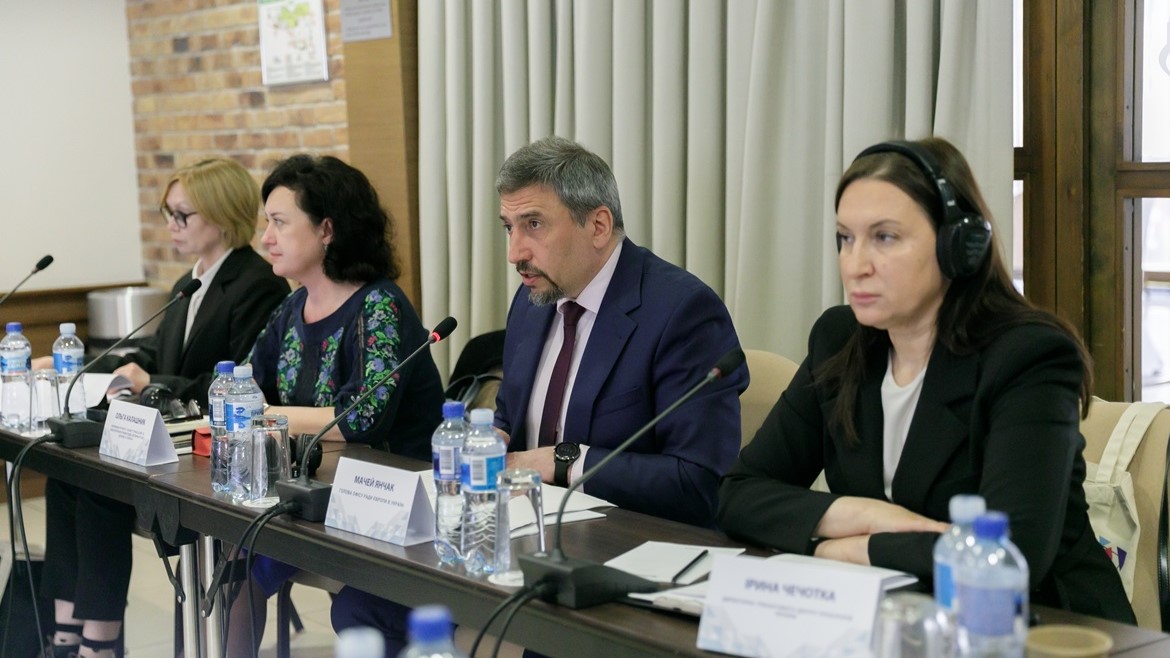
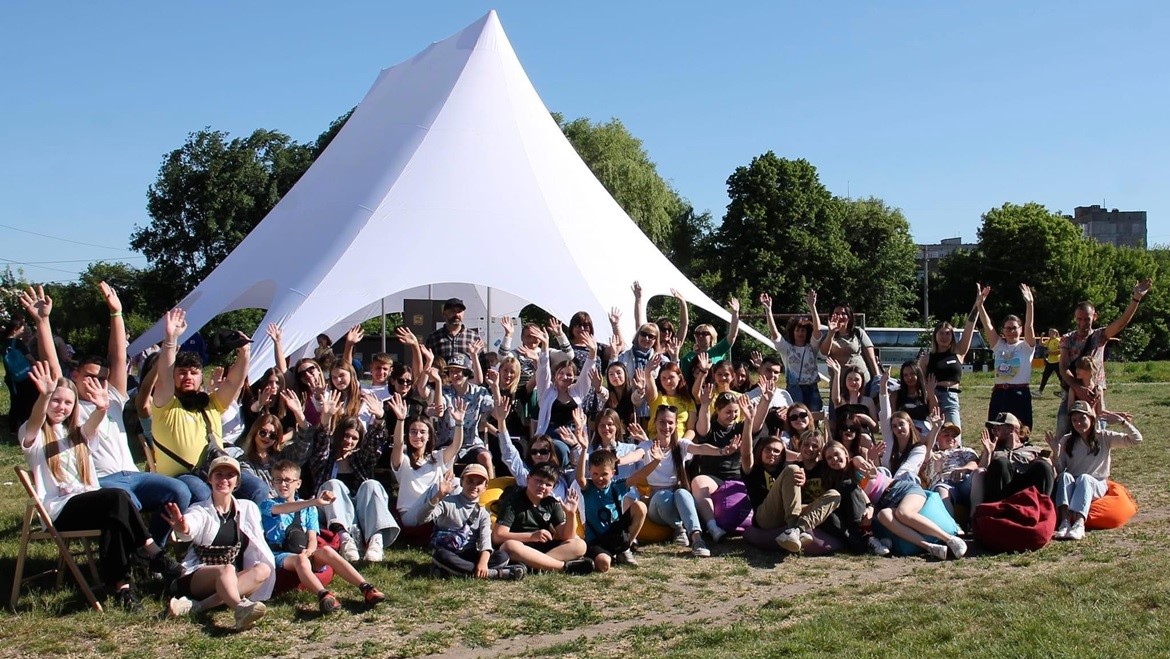
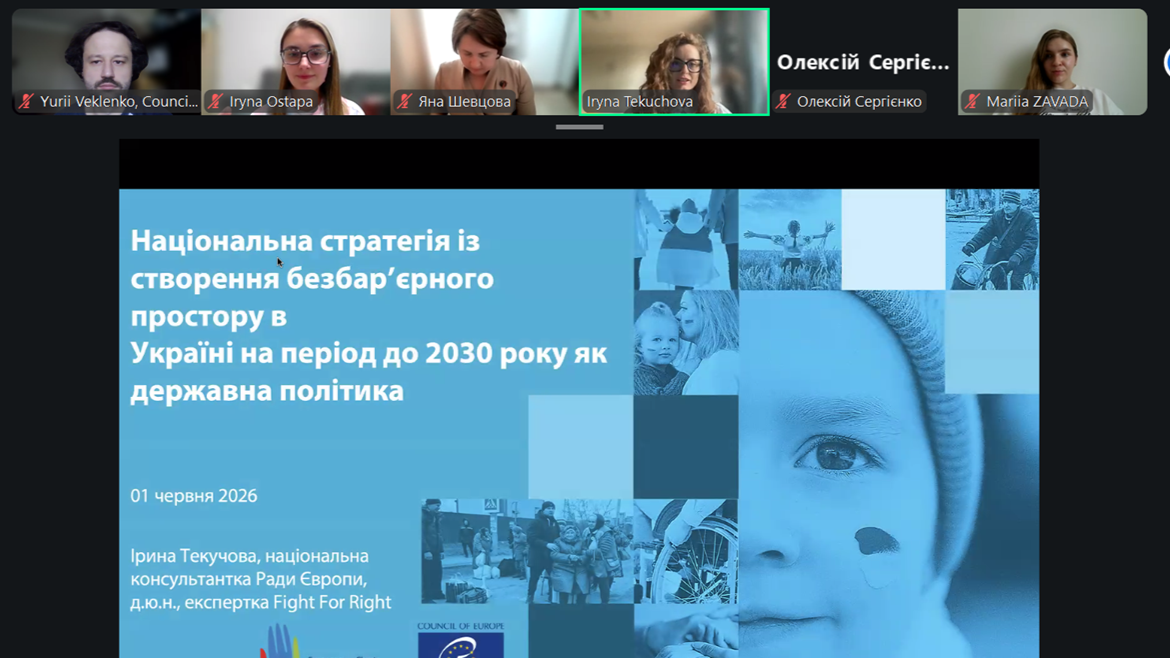


18–20 October 2019, Kyiv hosted the second Party Innovation Hub – Women, training for representatives of different political parties and active participants in social and political life from different regions of Ukraine. This year's Hub brought together 60 women from 17 regions and 15 political parties. Over the course of three days, the participants refined their skills and knowledge of political communication with the help of digital technologies for the sake of running successful election campaigns in the future. A total of 14 speakers, including MPs, experts in the field of elections, political party theory, electoral digital technologies, taught and trained our participants to strengthen their leadership potential and to ensure a further increase of women's political participation and representation at national and local levels.
“In particular, according to the Council of Europe standards, the balanced participation of women and men in political and public life is defined as a minimum level of representation of each gender at 40%. It is also one of the goals of the Council of Europe Gender Equality Strategy 2018–2023, to achieve which the member States of the Council of Europe have to take the necessary legislative and practical measures,” said Olena Lytvynenko, Deputy Head of the Council of Europe Office in Ukraine.
Also, according to Maryna Bardina, member of the Ukrainian Parliament and co-chair of the Interfaction Parliamentary Union “Equal Opportunities”, legislative initiatives that will ensure equal opportunities for women in political career and balanced participation of women and men in political processes both at national and local levels are being prepared and discussed. “As we speak, we believe that gender quota will definitely become a part of the Electoral Code,” said Ms. Bardina. In addition to the legislative component, Inna Sovsun, member of the Ukrainian Parliament, is convinced that it is extremely important to educate women, to break stereotypes and to work on changing values in the society, so that women are not discriminated.
Ulyana Suprun, acting Minister of Health (2016–2019), shared her own experience of the importance of a value approach to her work. “Don't be a firefighter, be an architect. Being able to overcome the crisis is important, but the real leaders create the conditions for construction,” said Ms. Suprun. Ivanna Klympush-Tsyntsadze, member of the Ukrainian Parliament, Vice Prime Minister for European and Euro-Atlantic Integration of Ukraine (2016–2019), also inspired the participants by her motivational speech. “Gender equality is what we, in Ukraine, must strive for. Independently and with the assistance of the state. By supporting one another and not giving up until the goal is reached,” emphasized Ms. Klympush-Tsyntsadze.
Yevhen Radchenko, Deputy Chair of the Central Election Commission (2018–2019), and Olha Aivazovska, Chair of the Board, Coordinator of Elections and Political Programs of “Civic Network “OPORA”, told the Hub participants about the main stages of the electoral process, the specifics of pre-election campaign, and the importance of adherence to the European electoral standards.
A separate part of the Hub was dedicated to the group work during which the participants put the gained knowledge into practice, in particular on the following topics:
- digital strategy for politicians and lessons learned from the best brands;
- successful pre-election campaigns through digital solutions;
- political parties’ digital ambitions and technologies;
- political communications and technologies using smartphones;
- the use of new and social media during pre-election campaign.
We hope the participants will be able to use all the secrets and tips discovered as candidates for the upcoming elections.
Learn more about the project activities on the official Facebook page – https://www.facebook.com/CoEElectoralAssistanceUA/

*The event was organised by the Council of Europe project “Supporting the transparency, inclusiveness and integrity of electoral practice in Ukraine”, which is implemented within the framework of the Council of Europe Action Plan for Ukraine 2018–2021, in cooperation with International IDEA, Agency for Legislative Initiatives and Ukrainian School of Political Studies.





 Tel.+38 044 425 60 01
  kyiv
kyiv coe.int
 Contact form