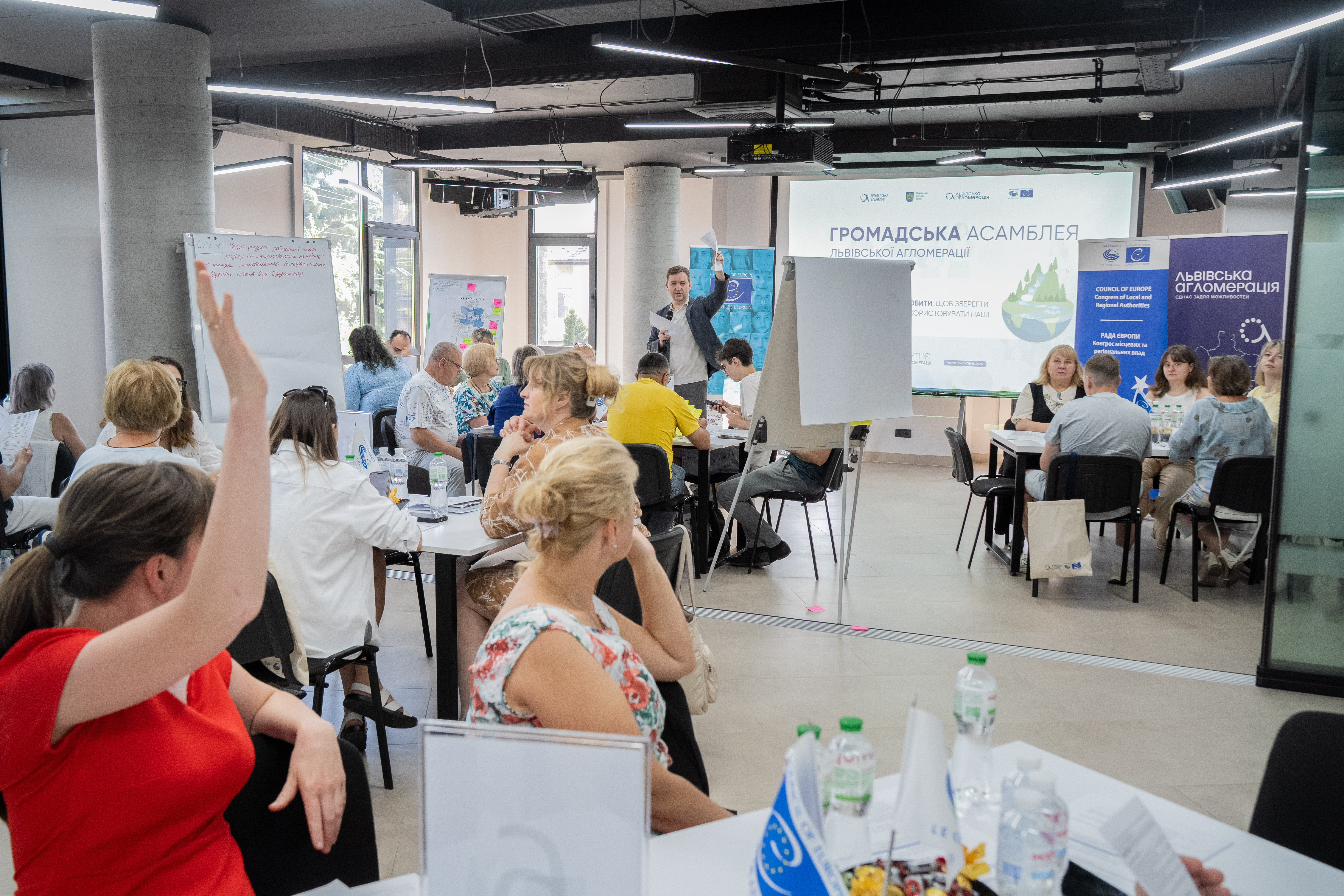
On 27–28 June 2026, the second session of the Lviv Agglomeration Citizens’ Assembly on the theme “How can we preserve and use our water resources sustainably?” took place in Lviv.
Organised with comprehensive support from the Council of Europe project “Strengthening multilevel governance and local democracy to support Ukraine’s recovery”, this is the first citizens’ assembly in Ukraine to be held at the agglomeration level, bringing together residents from 13 communities rather than a single municipality or city district.
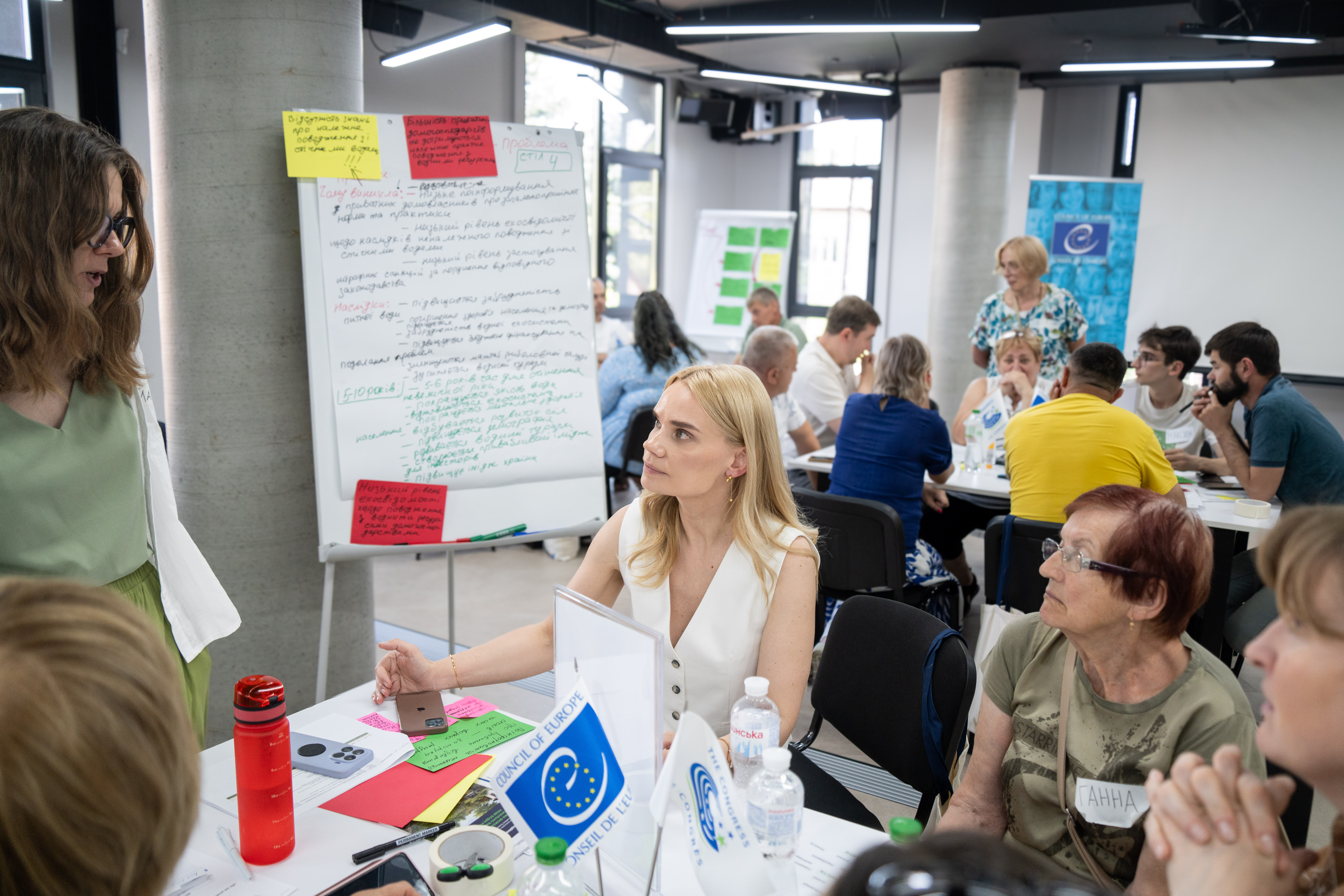
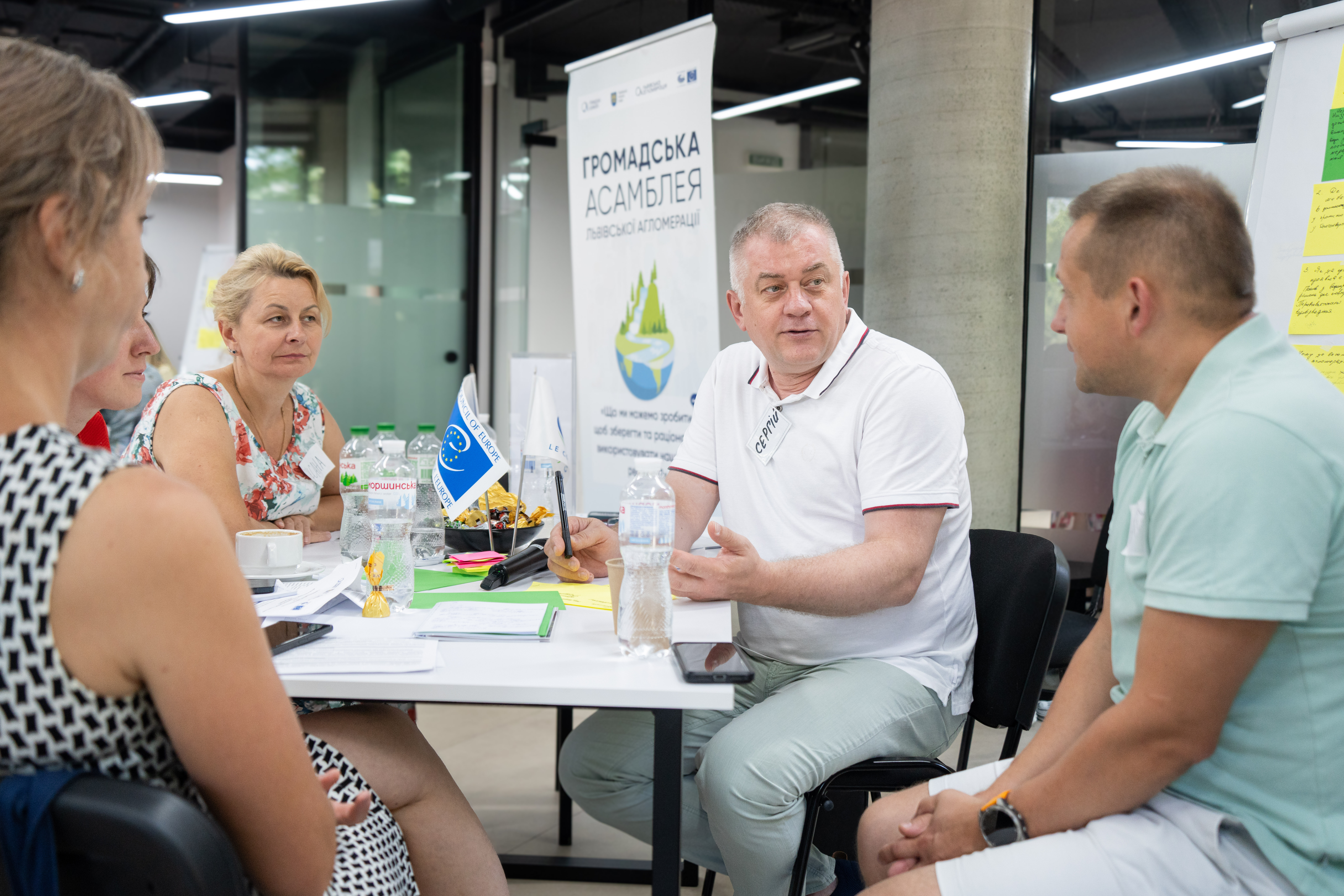
While during the first session, held on 13–14 June 2026, participants explored the key aspects of the topic through presentations and discussions with experts, the second session marked a transition from learning phase to identifying challenges and developing initial proposals for solutions.
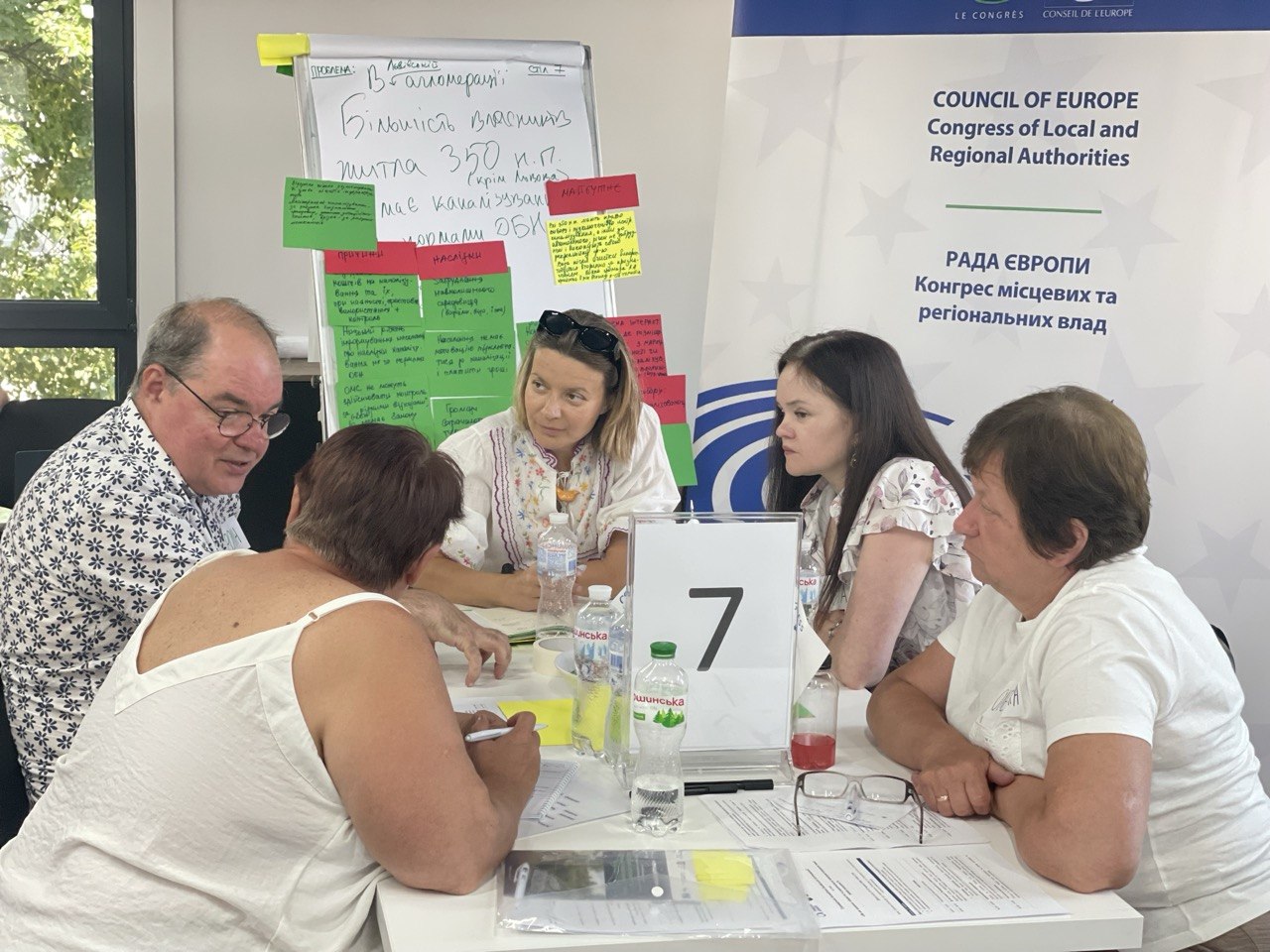
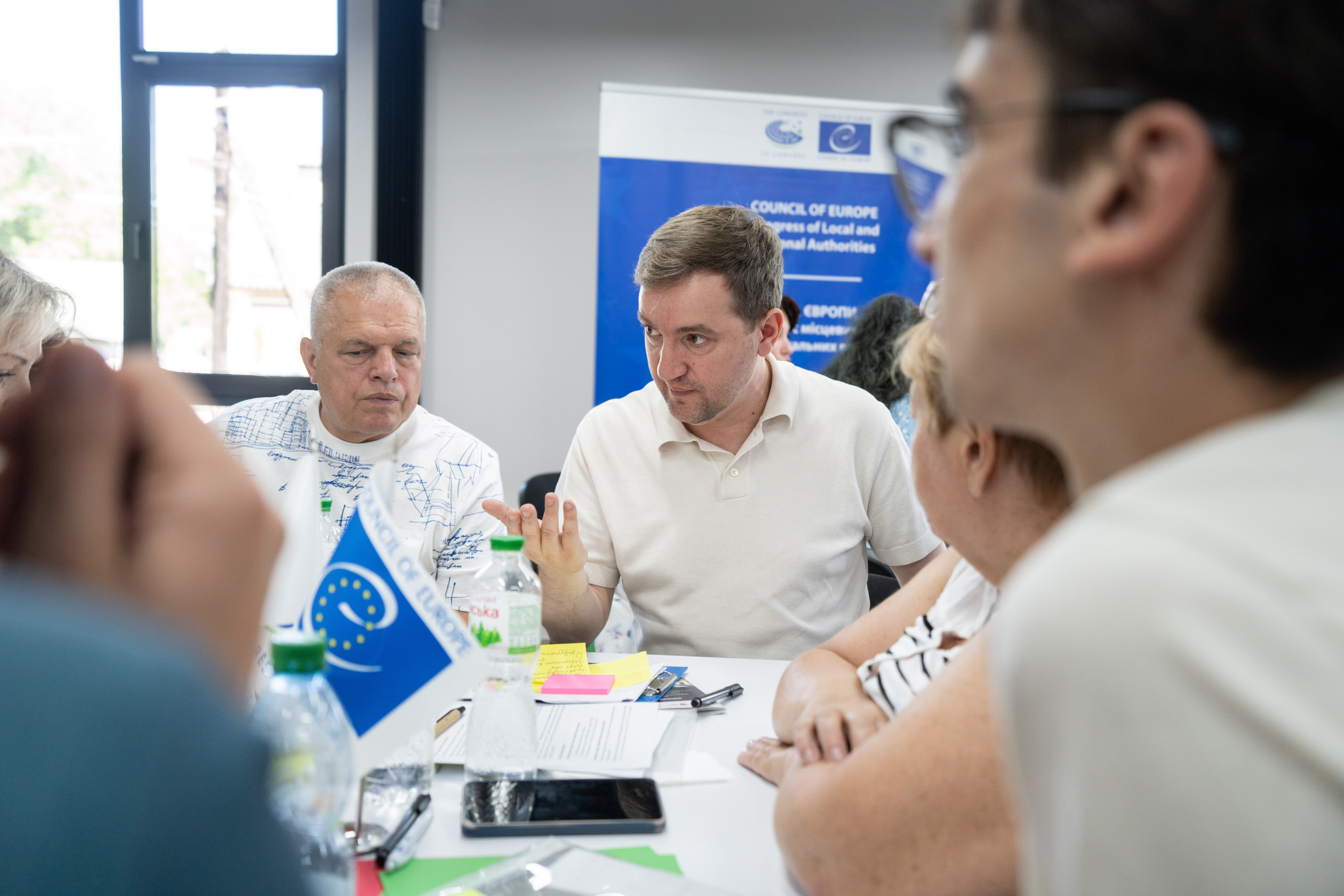
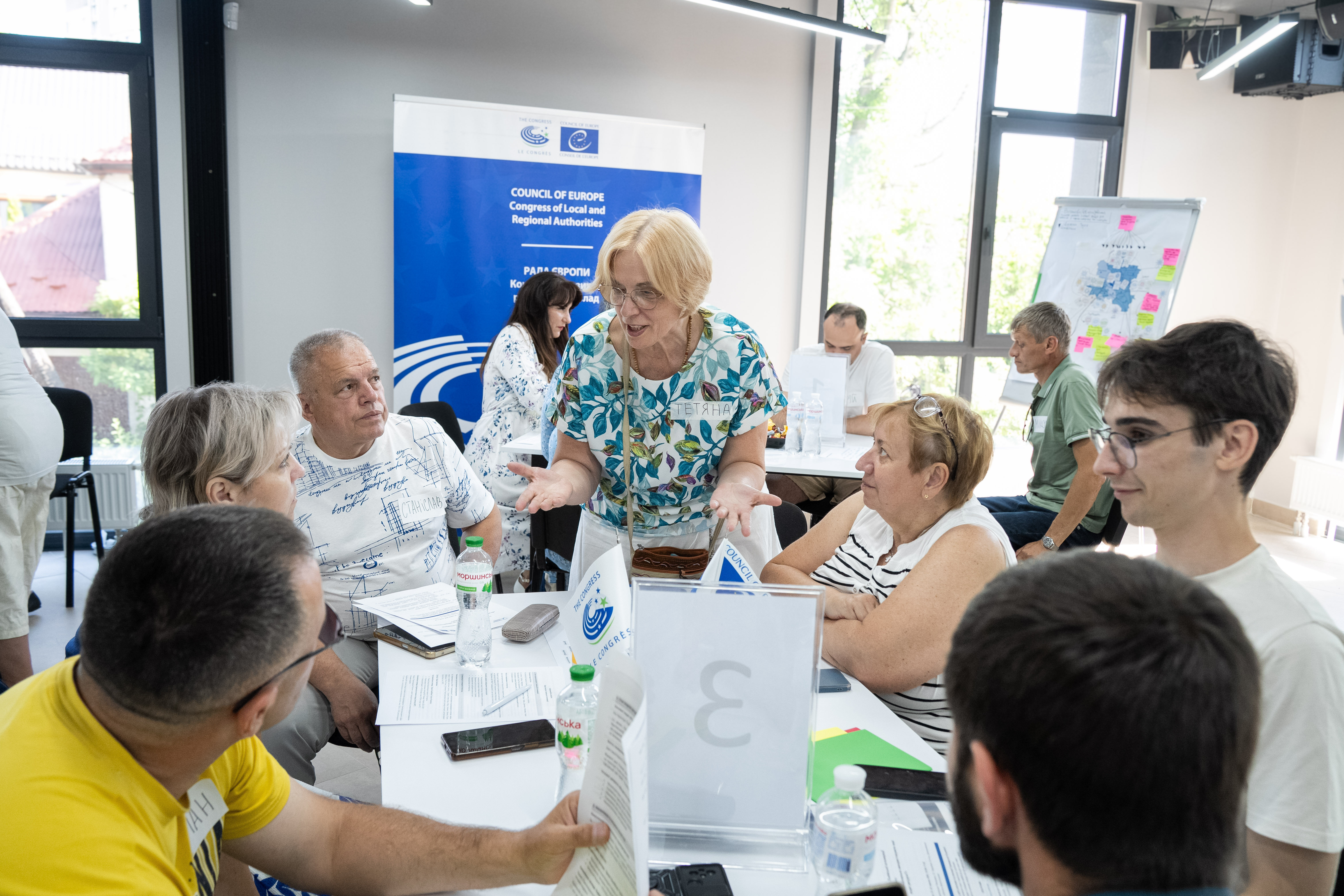
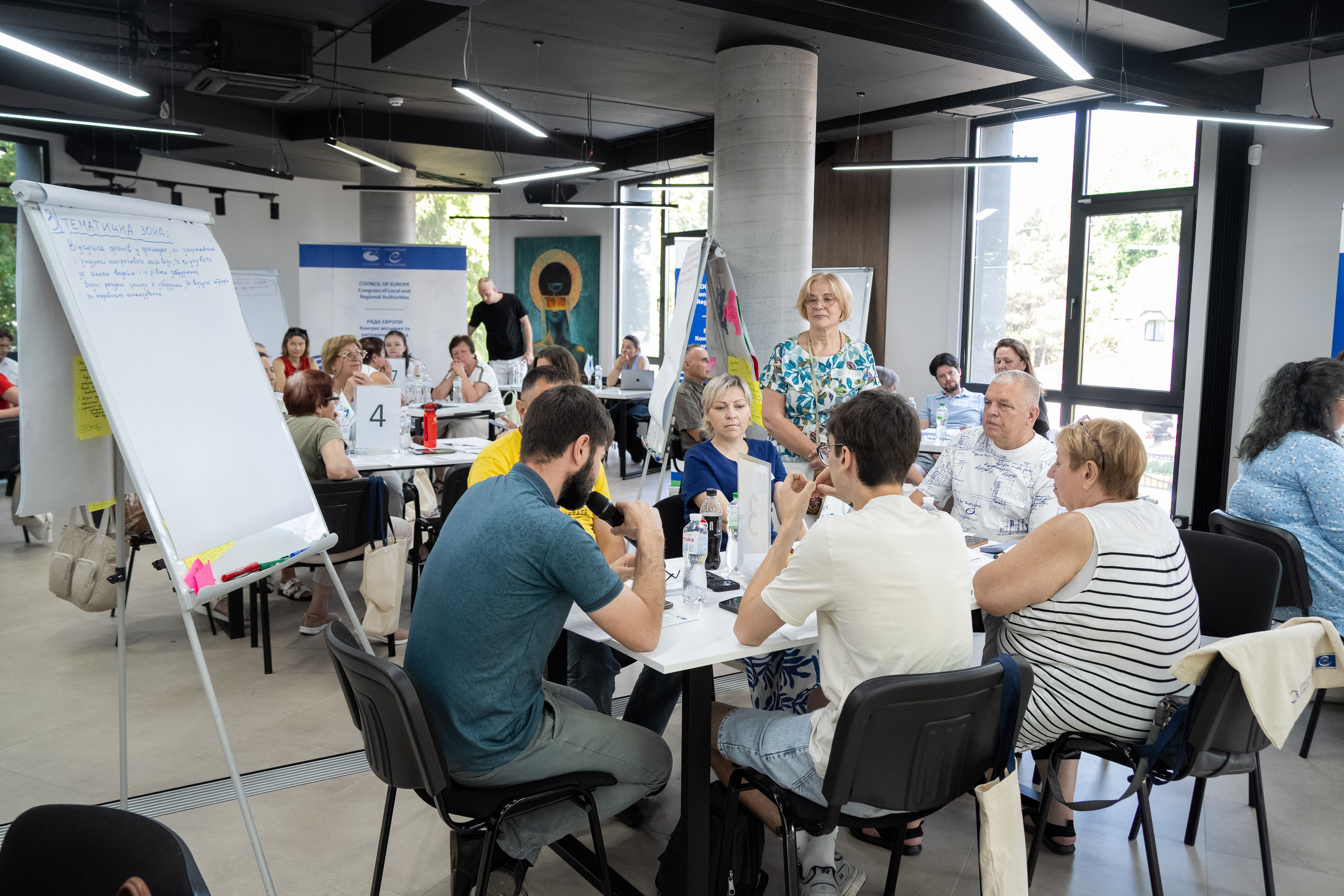
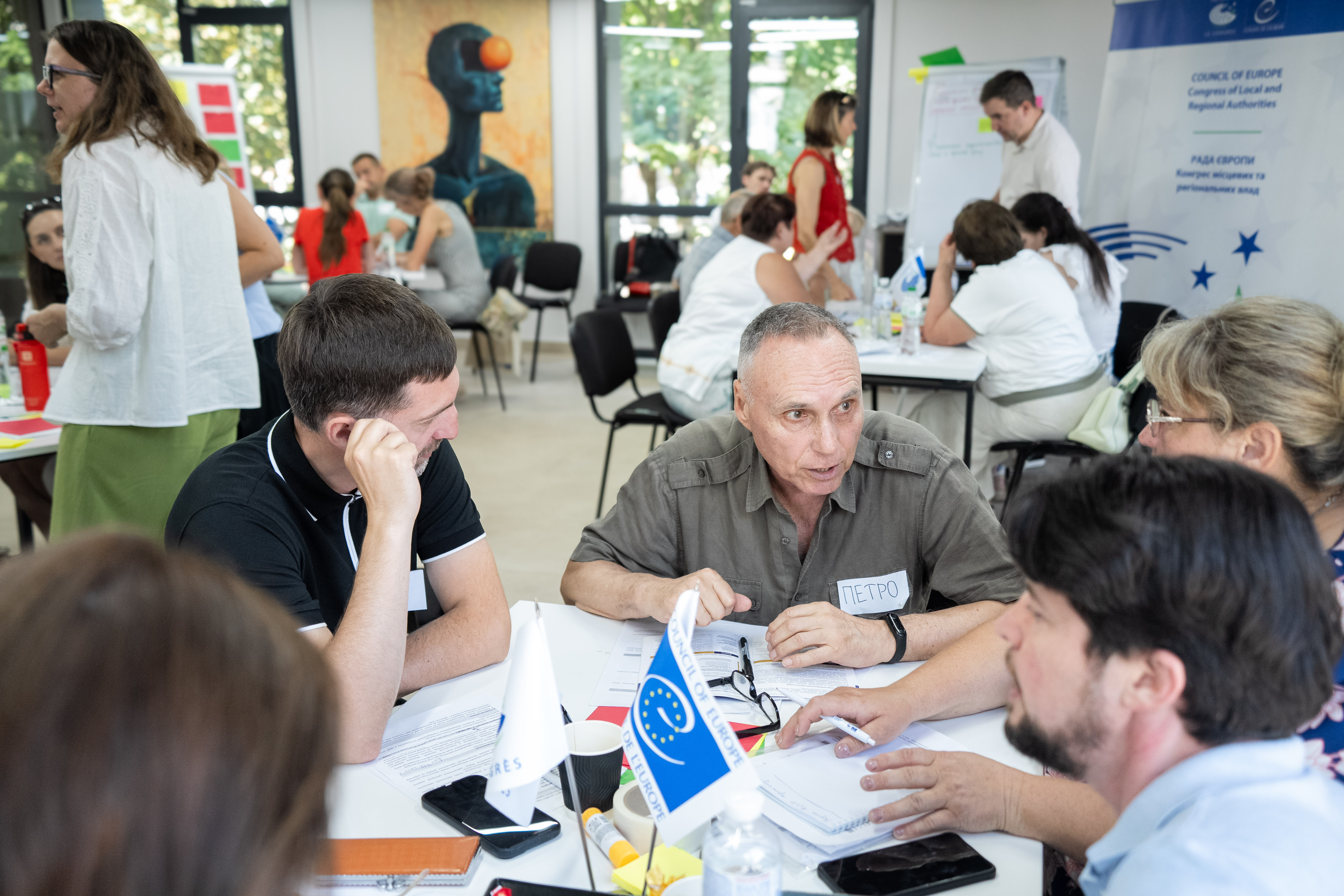
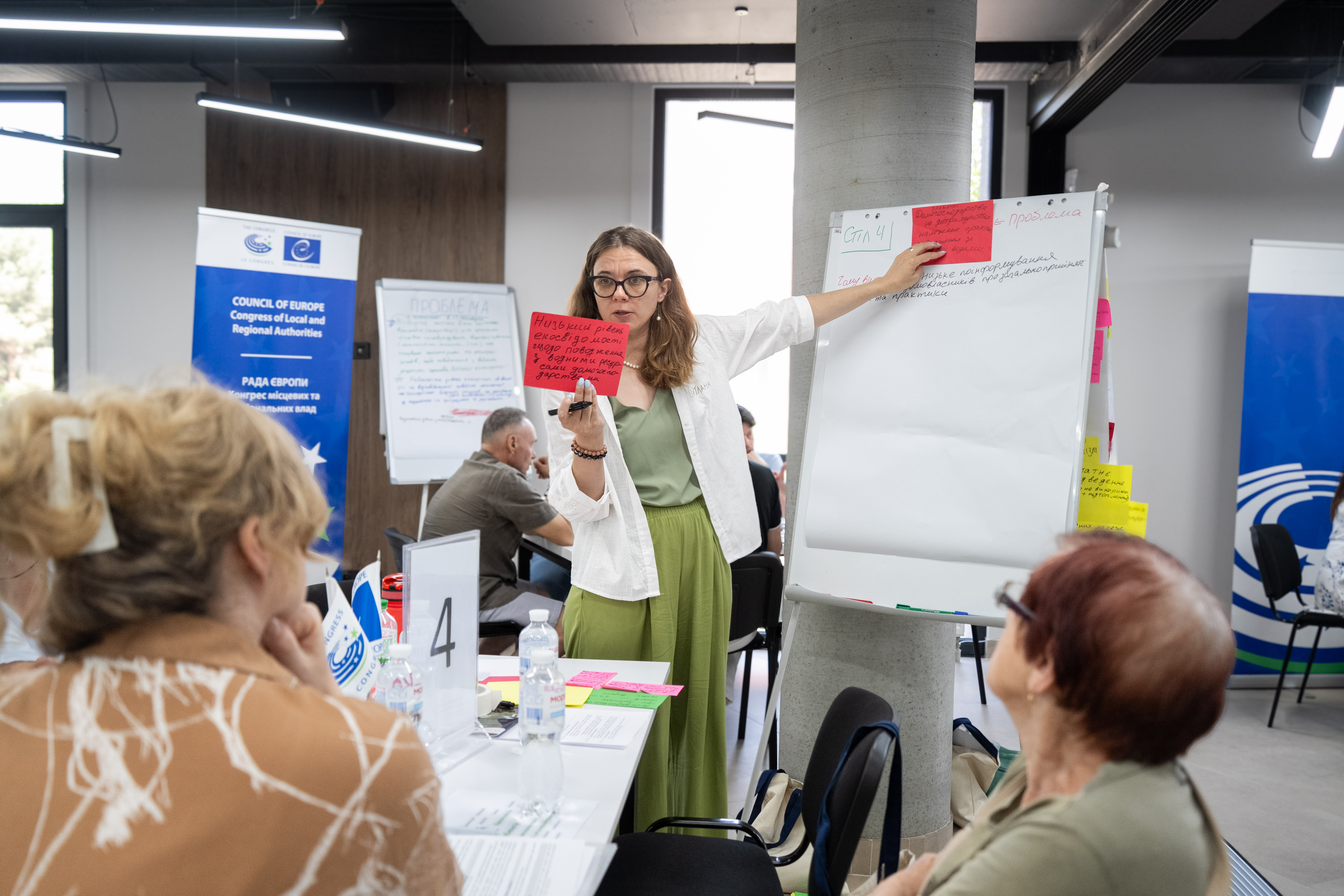
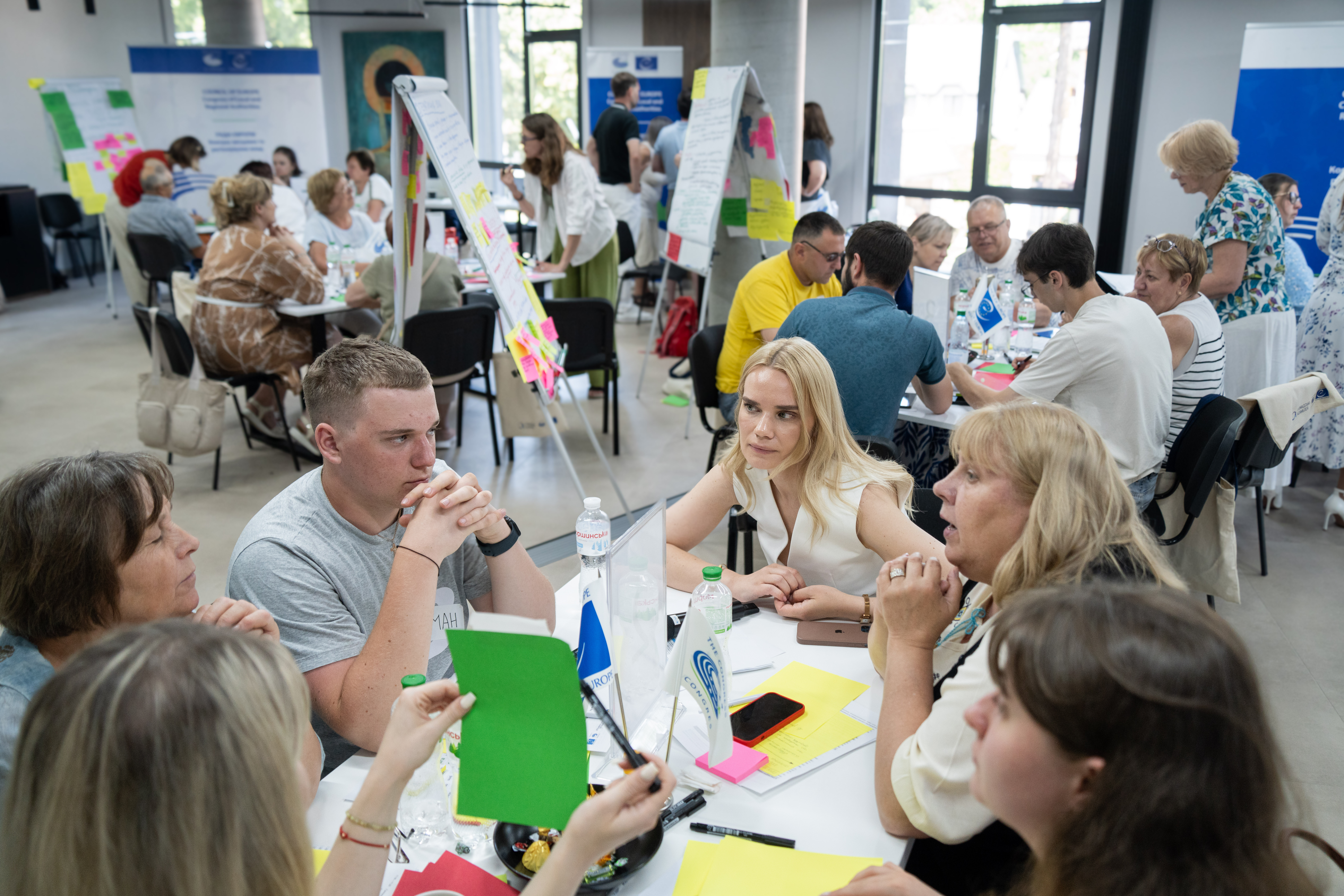
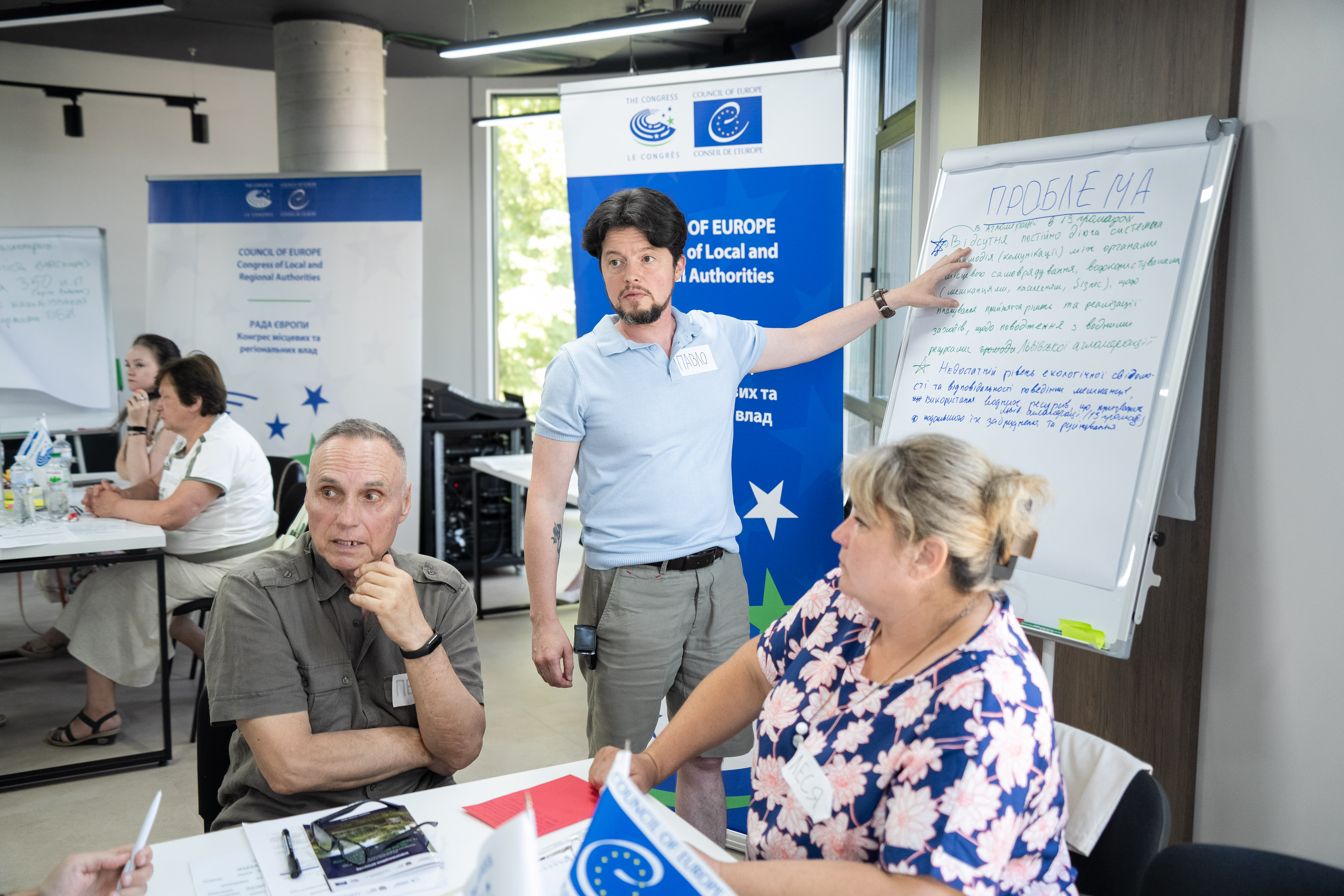
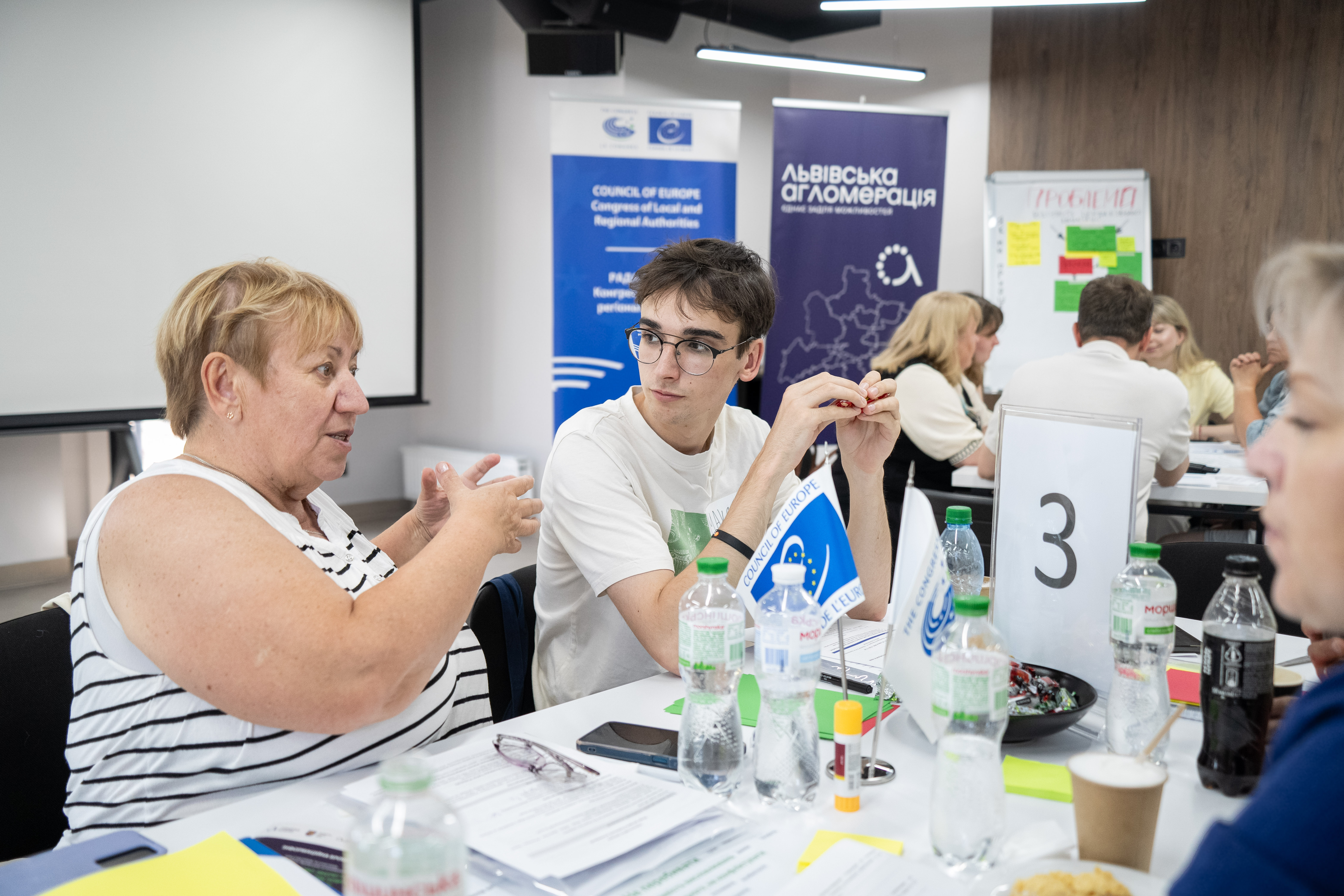
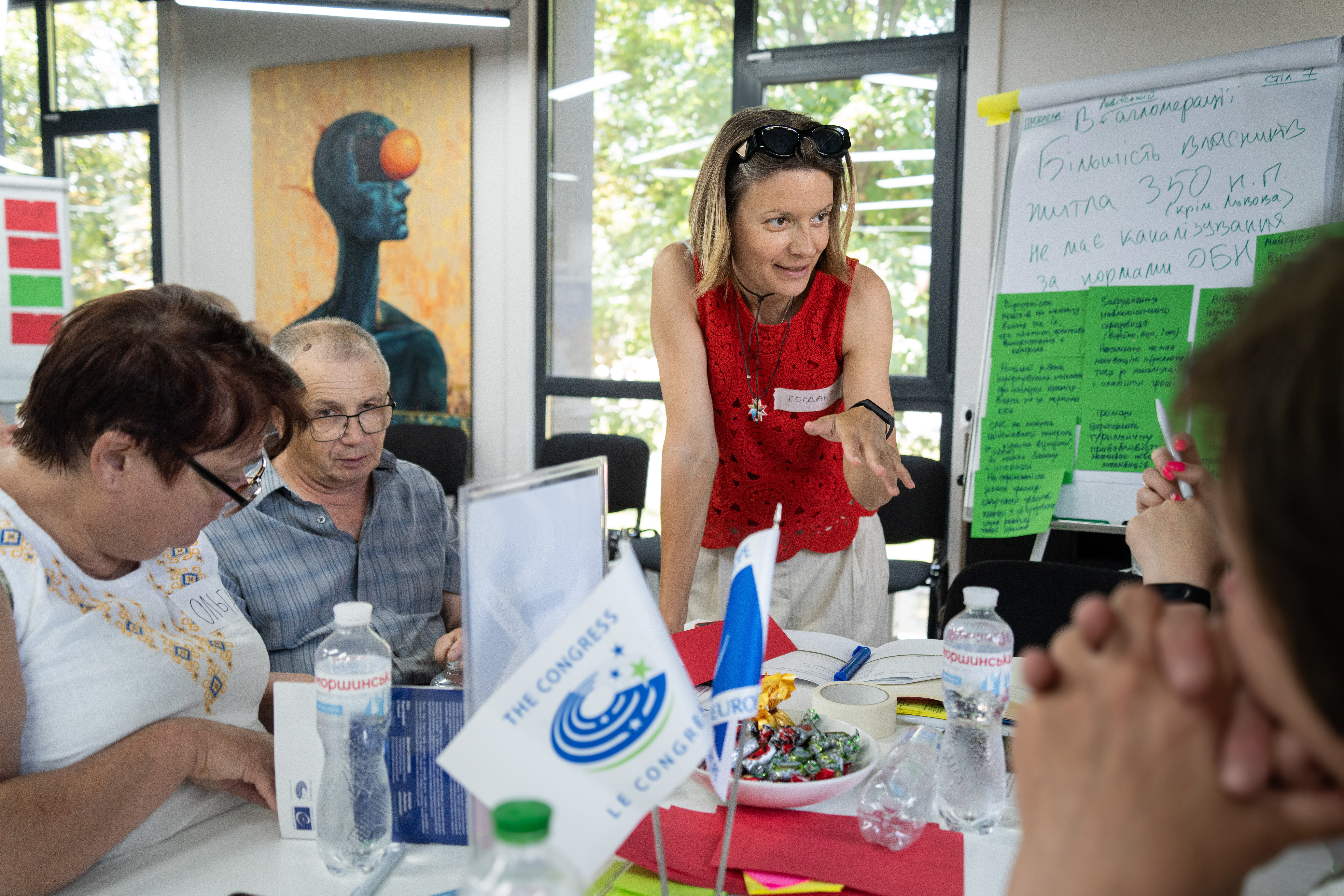
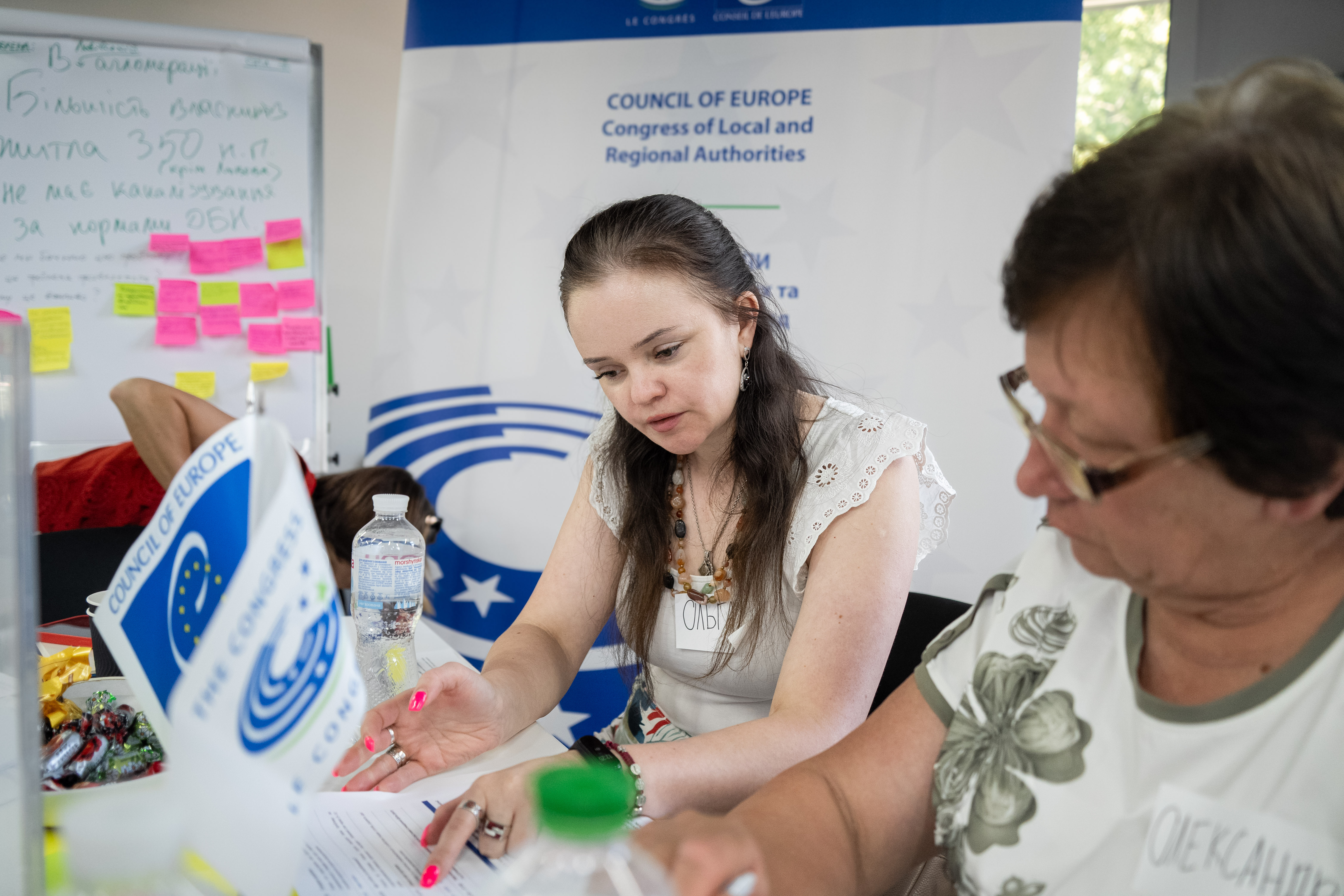
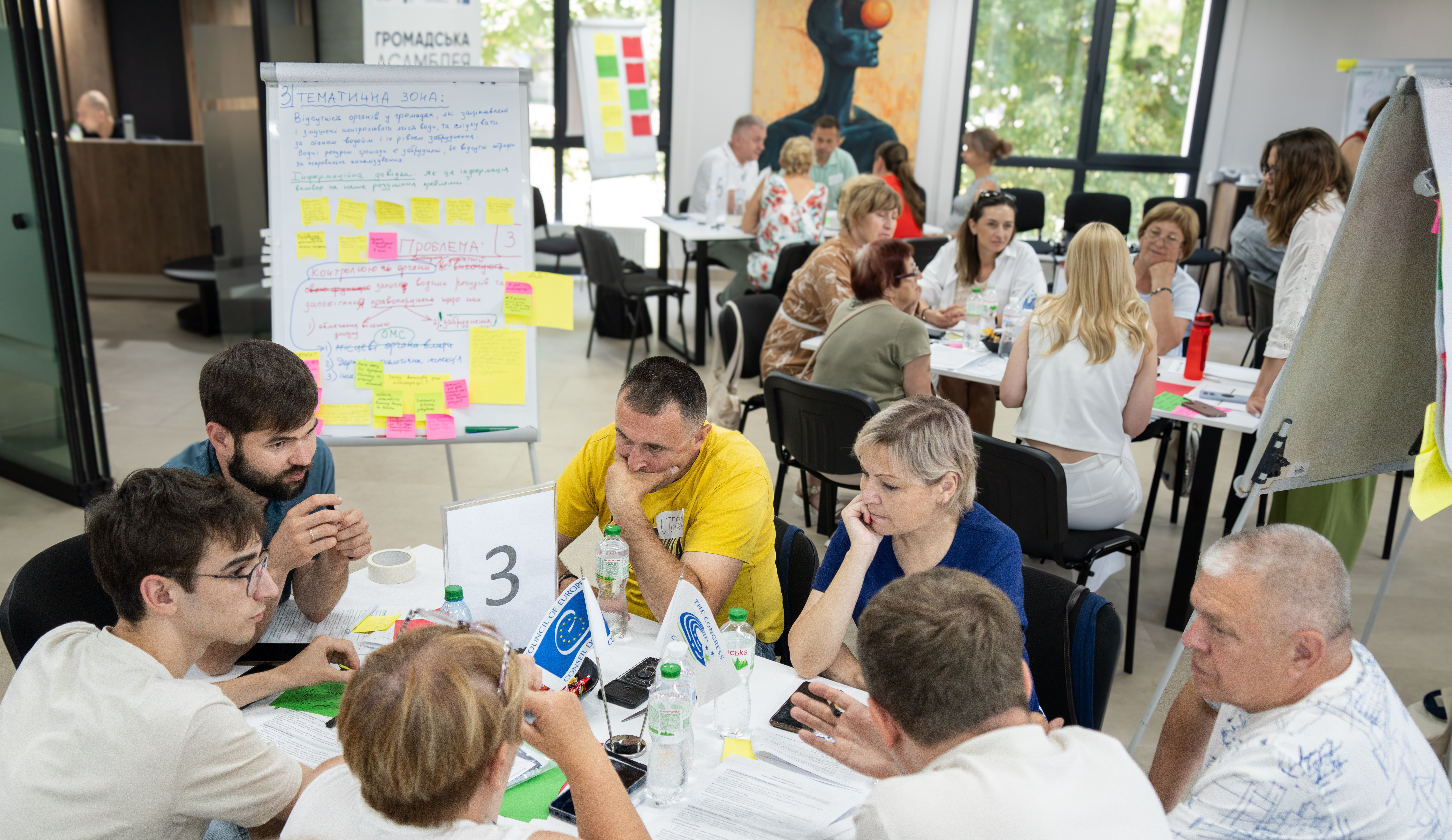
The session began with an in-depth analysis of the issues affecting water resource management across the Lviv agglomeration. Participants worked together to identify not only the challenges themselves but also their root causes, seeking to understand which solutions could deliver sustainable, long-term impact. Particular attention was given to issues shared by all 13 communities within the agglomeration.
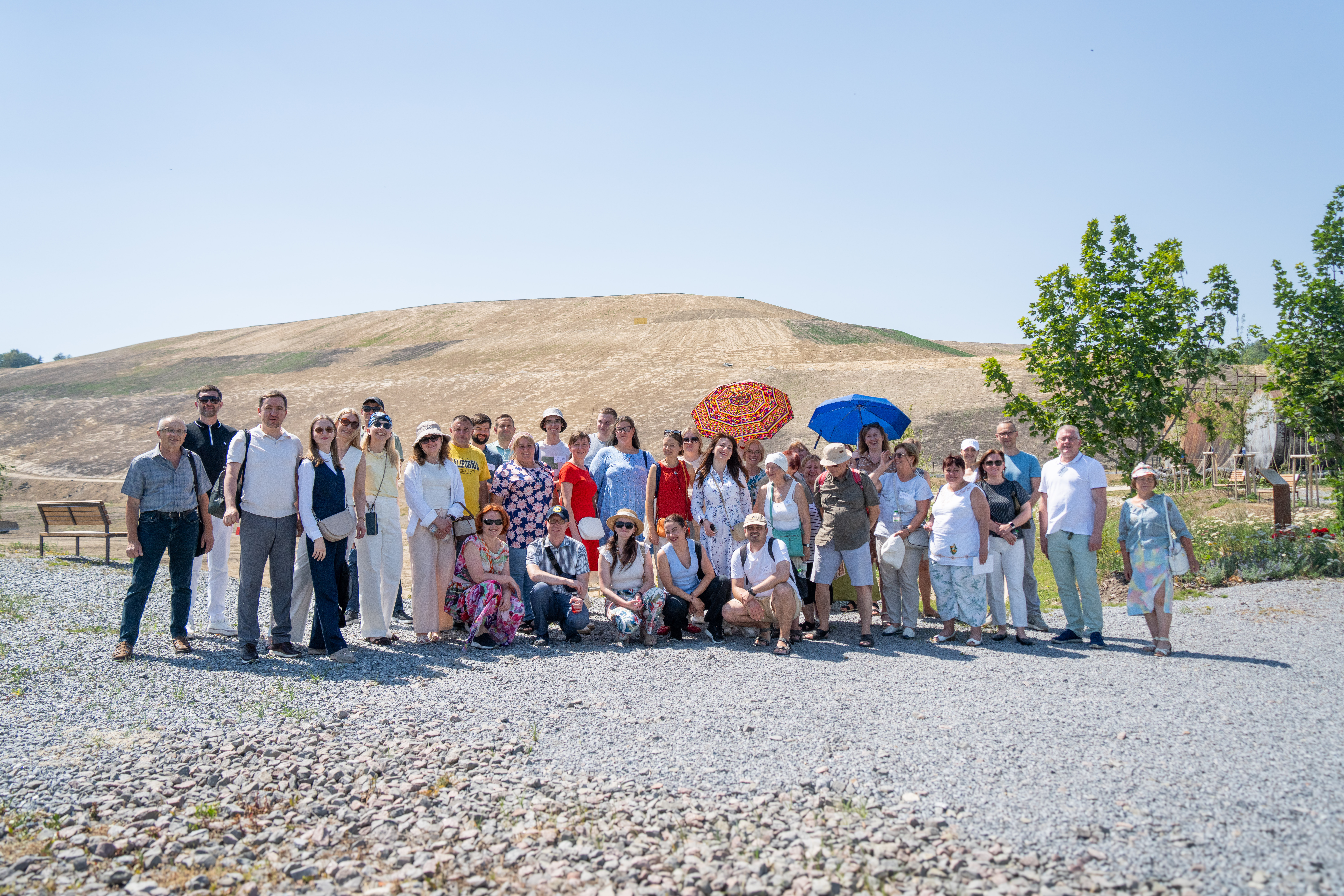
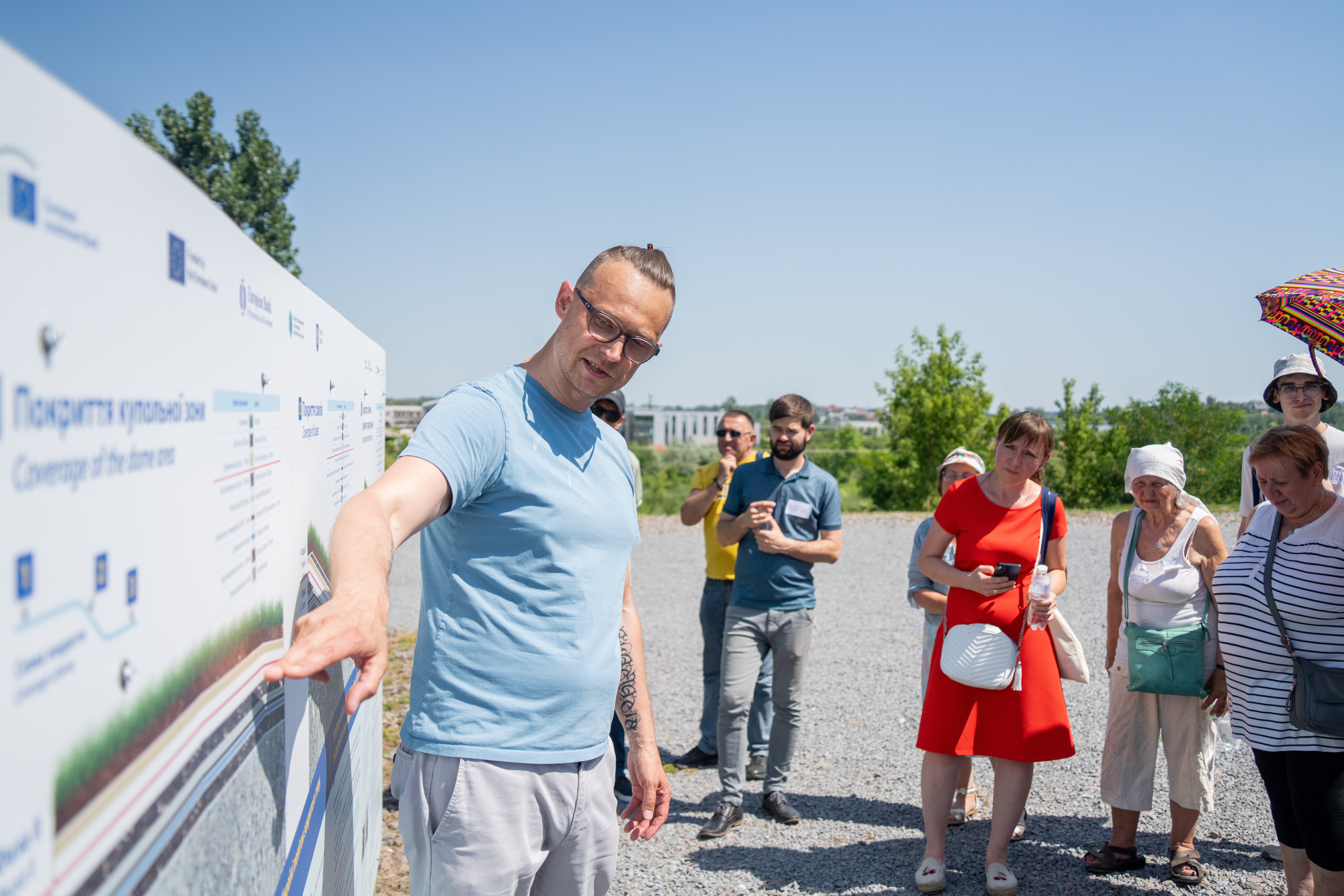
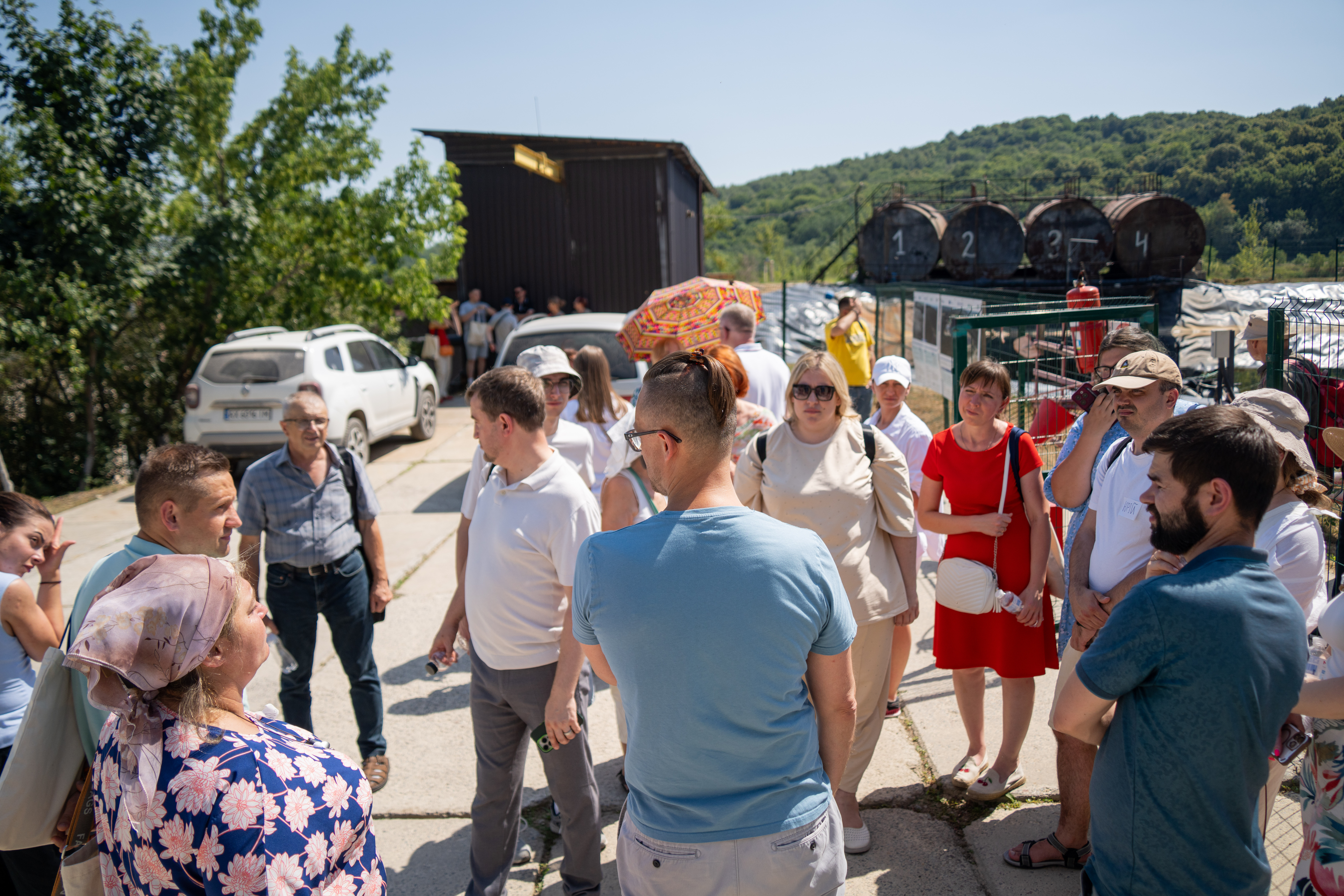
A key element of the programme was a study visit to the Hrybovychi landfill site, one of the largest municipal waste disposal sites in Ukraine, which was requested by participants during the first session. The area, once associated with environmental risks, is currently undergoing reclamation and transformation into a safe public space. Future plans include the creation of Ukraine’s first golf course for the rehabilitation of veterans supported by the Unbroken rehabilitation centre, as well as public recreational areas.
During the visit, assembly members learned about waste sorting and recycling processes, leachate treatment technologies and the reuse of treated water. The visit provided participants with a practical example of modern landfill reclamation and demonstrated how environmental challenges can be addressed through long-term and integrated solutions.
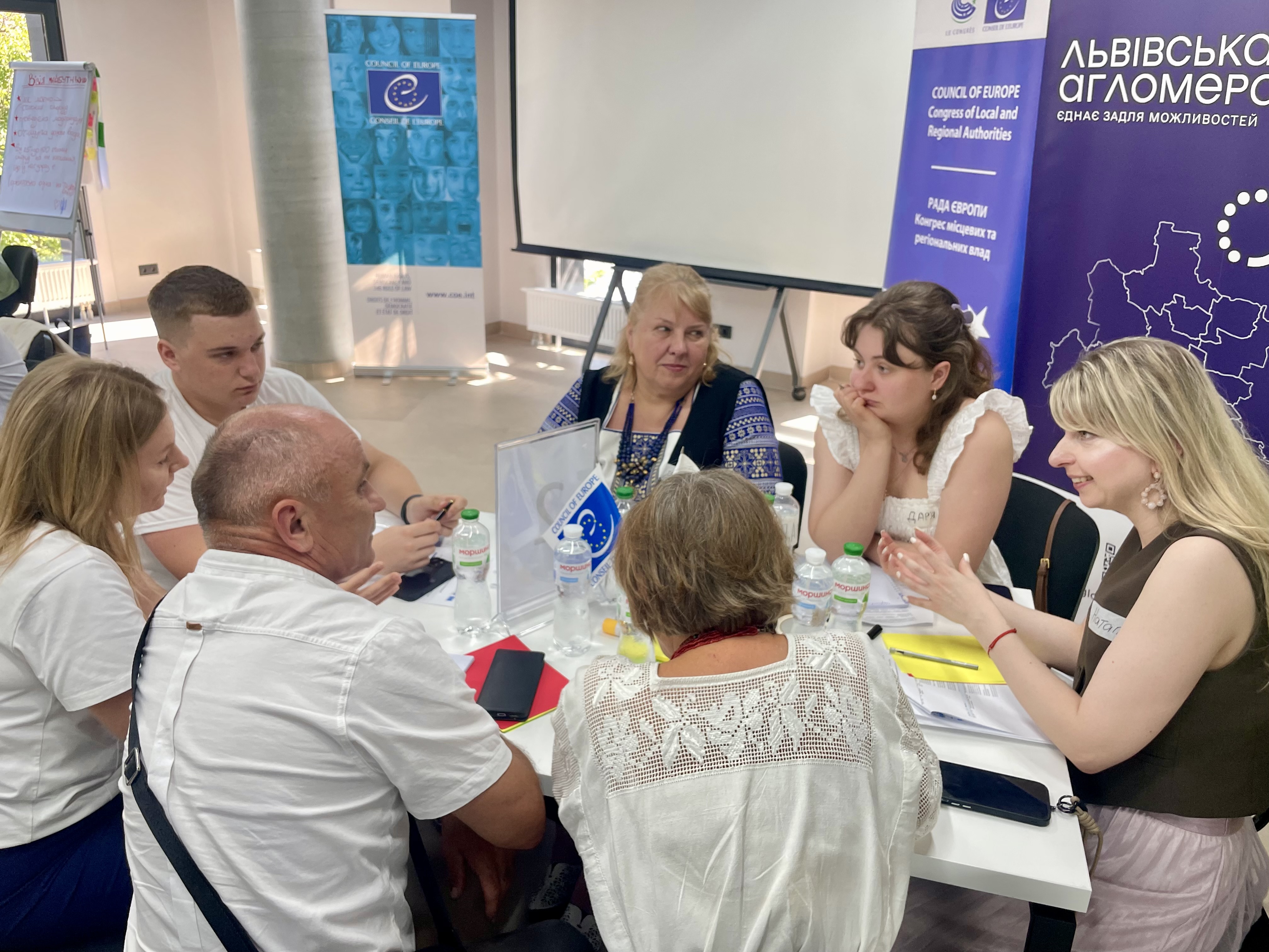
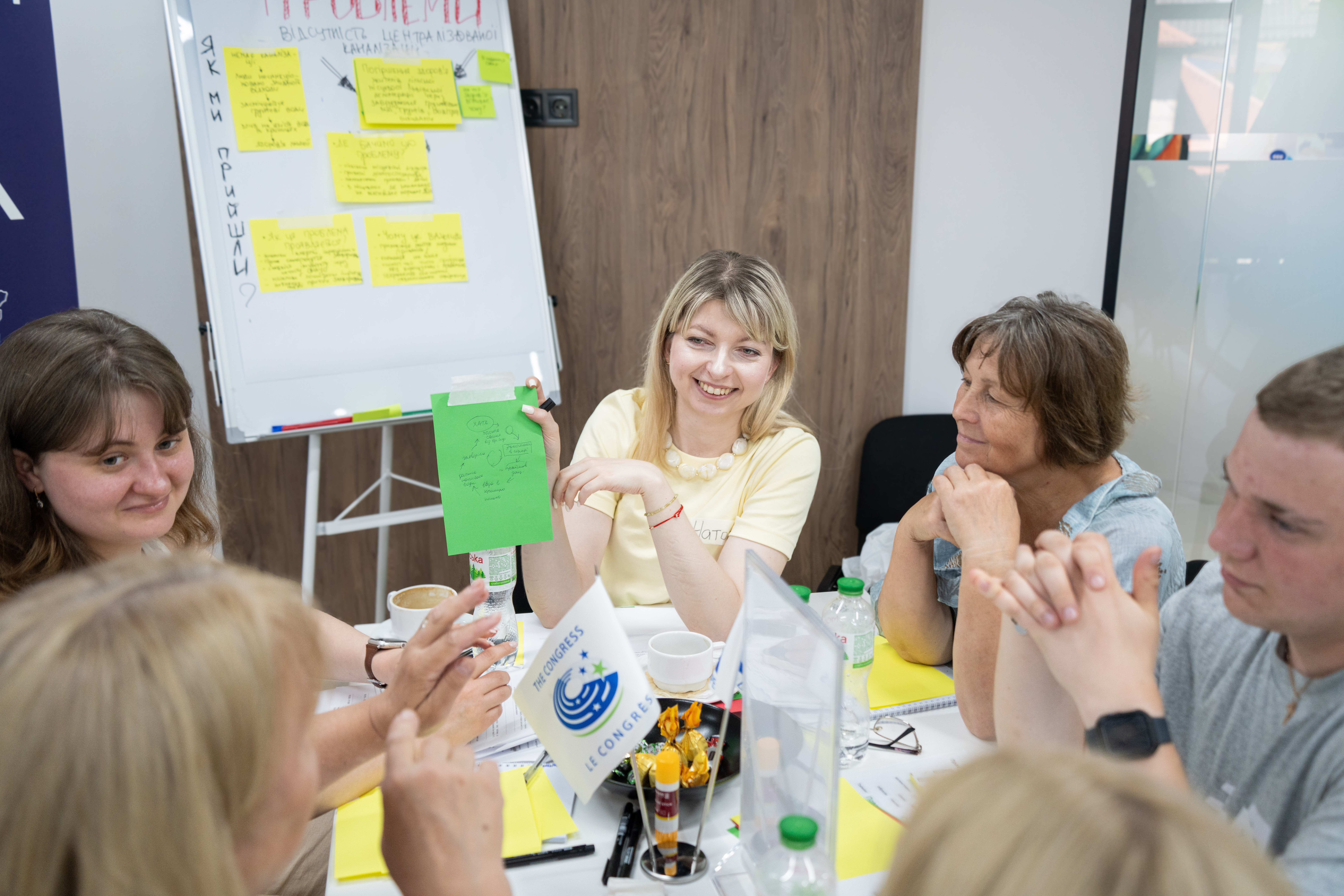
Building on this knowledge, participants returned to their working groups to develop possible responses to challenges related to waste management, wastewater infrastructure and other issues affecting water resources in the agglomeration. They also agreed on a set of criteria for high-quality recommendations. According to participants, effective solutions should address root causes rather than symptoms, deliver long-term results, be measurable and inclusive, and actively involve local communities.
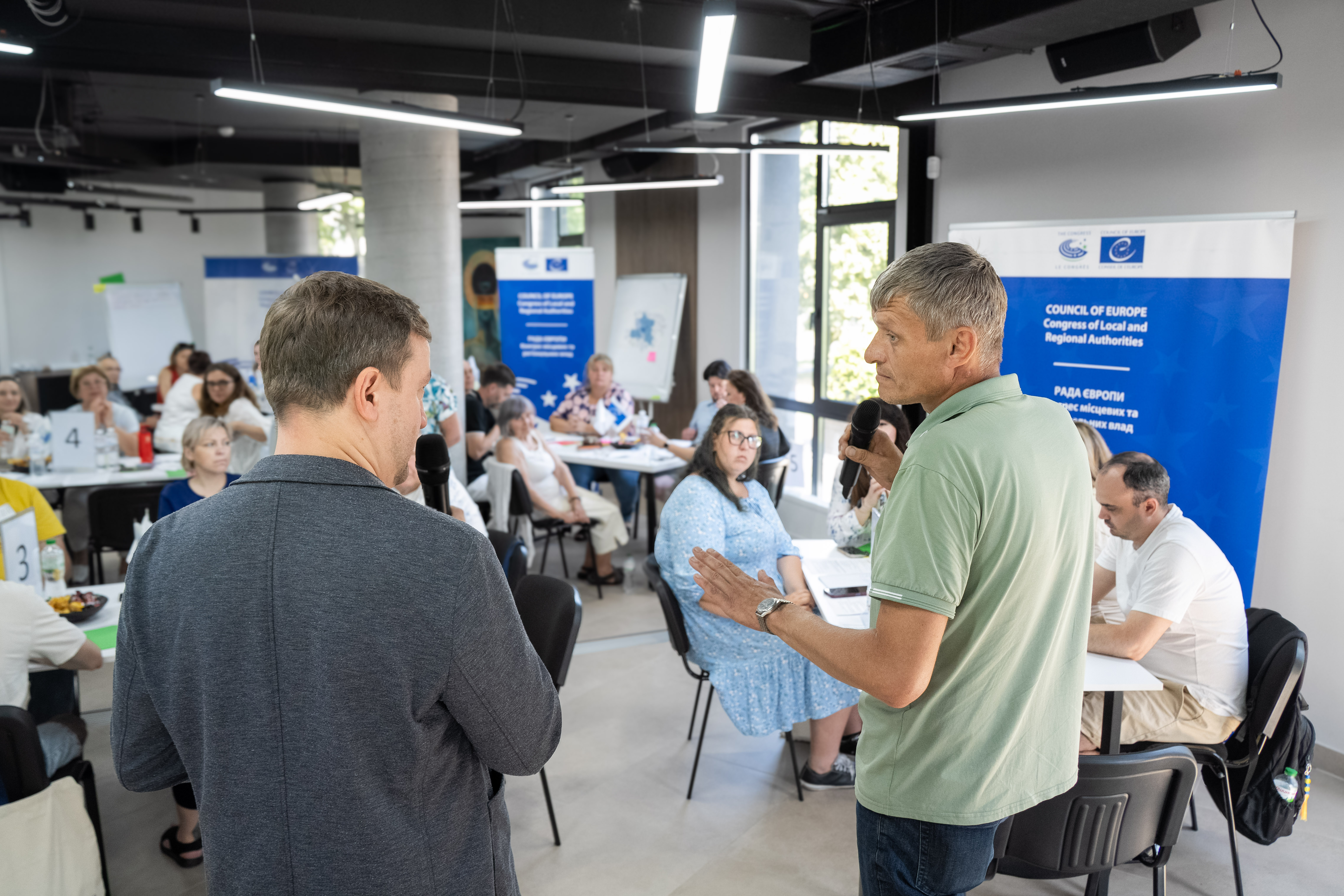
A dedicated part of the programme consisted of consultations with seven experts in a “rapid dialogue” format. Among the invited experts were Oleh Serniak, Mayor of Pustomyty, and Nataliia Voitsekhovska, First Deputy Mayor of Chortkiv. Participants had the opportunity to receive answers to their questions on the implementation of water infrastructure projects, the modernisation of sewerage networks, the installation of septic systems, the operation of wastewater treatment facilities, and other topics requiring specialised expertise and clarification.
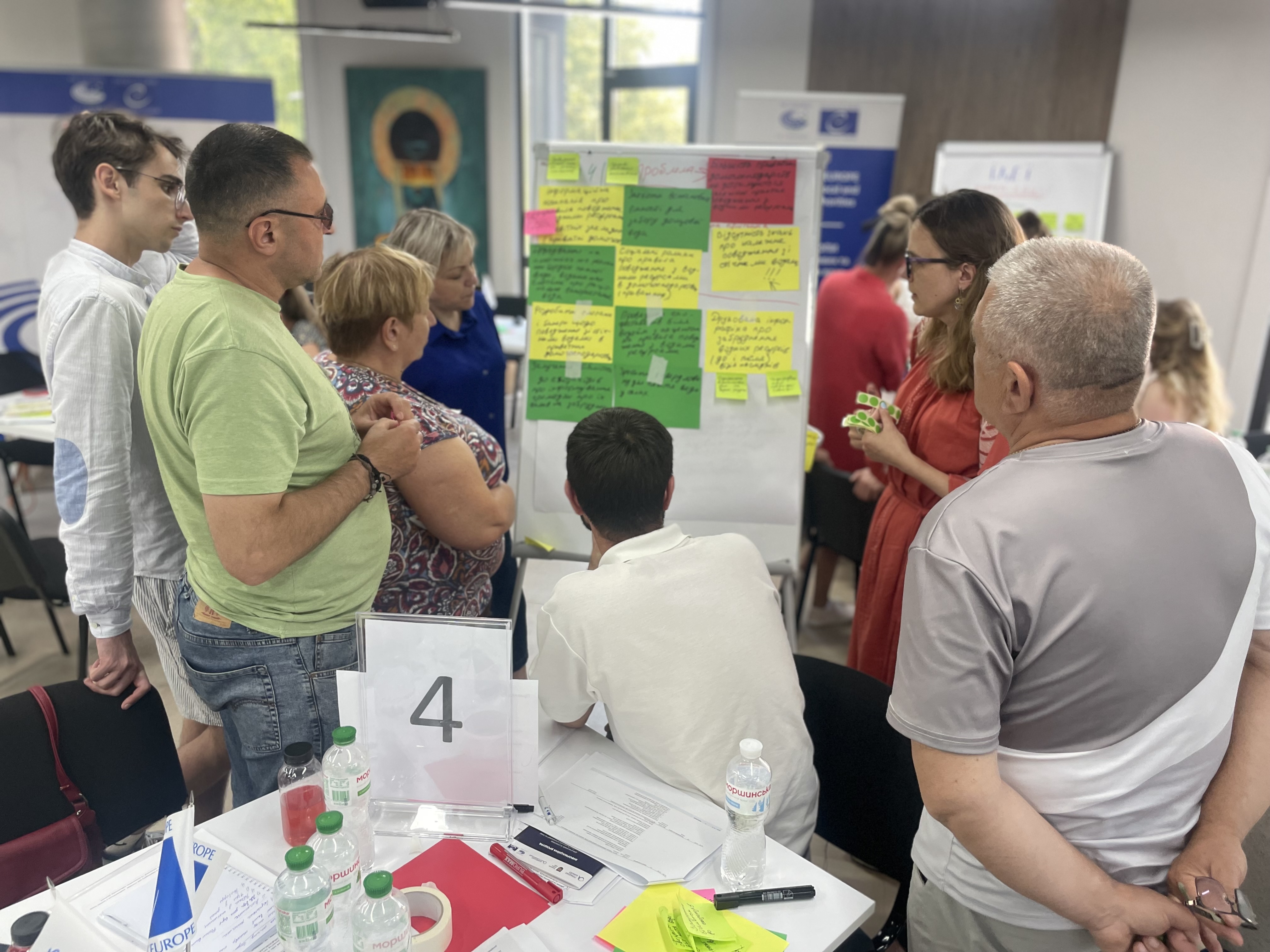
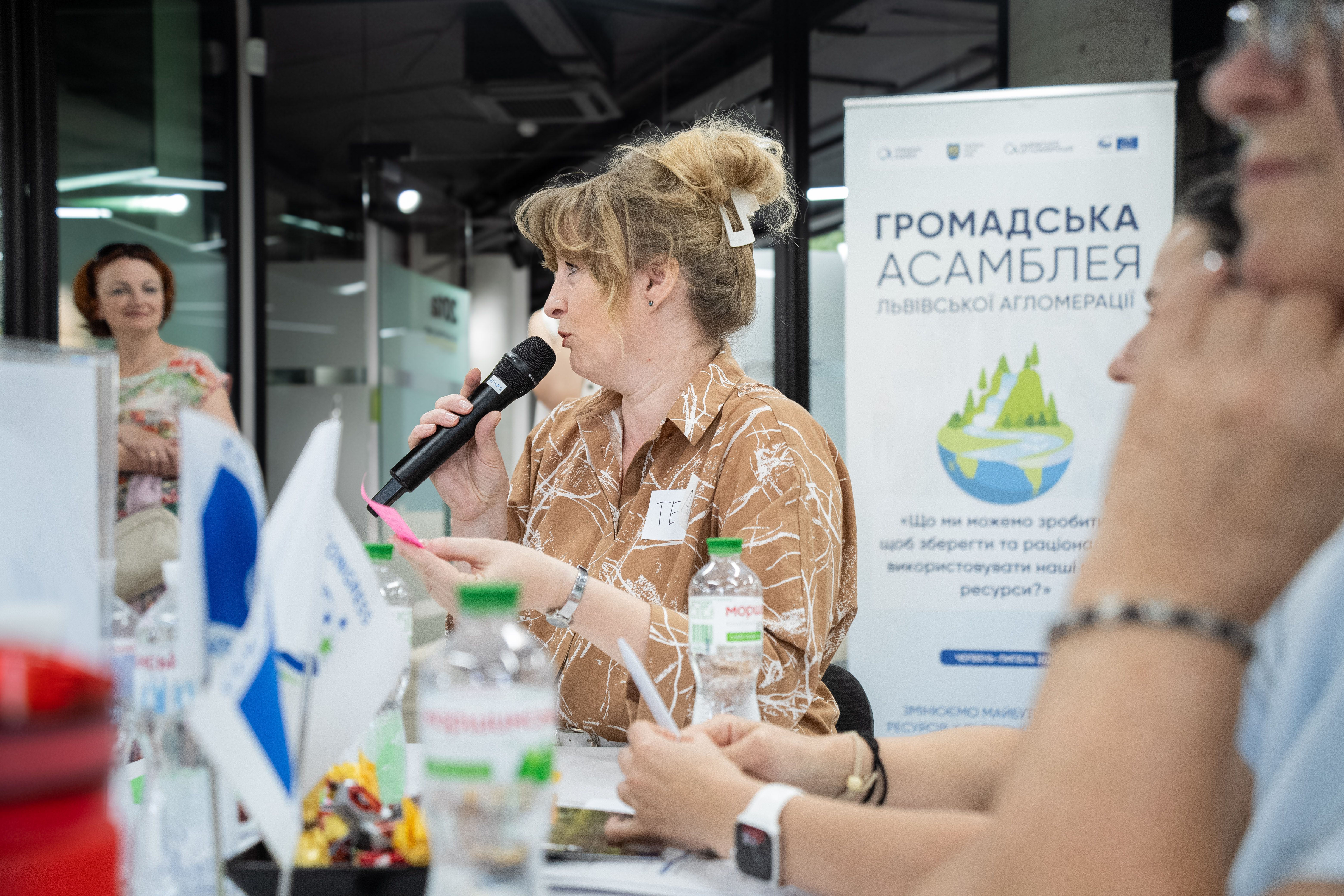
At the end of the second session, participants presented their preliminary proposals and identified the most promising ideas for further development. In total, more than 30 proposals were generated. Assembly members were invited to review the ideas, vote for those they considered most promising, provide comments and suggest areas for improvement ahead of the final session.
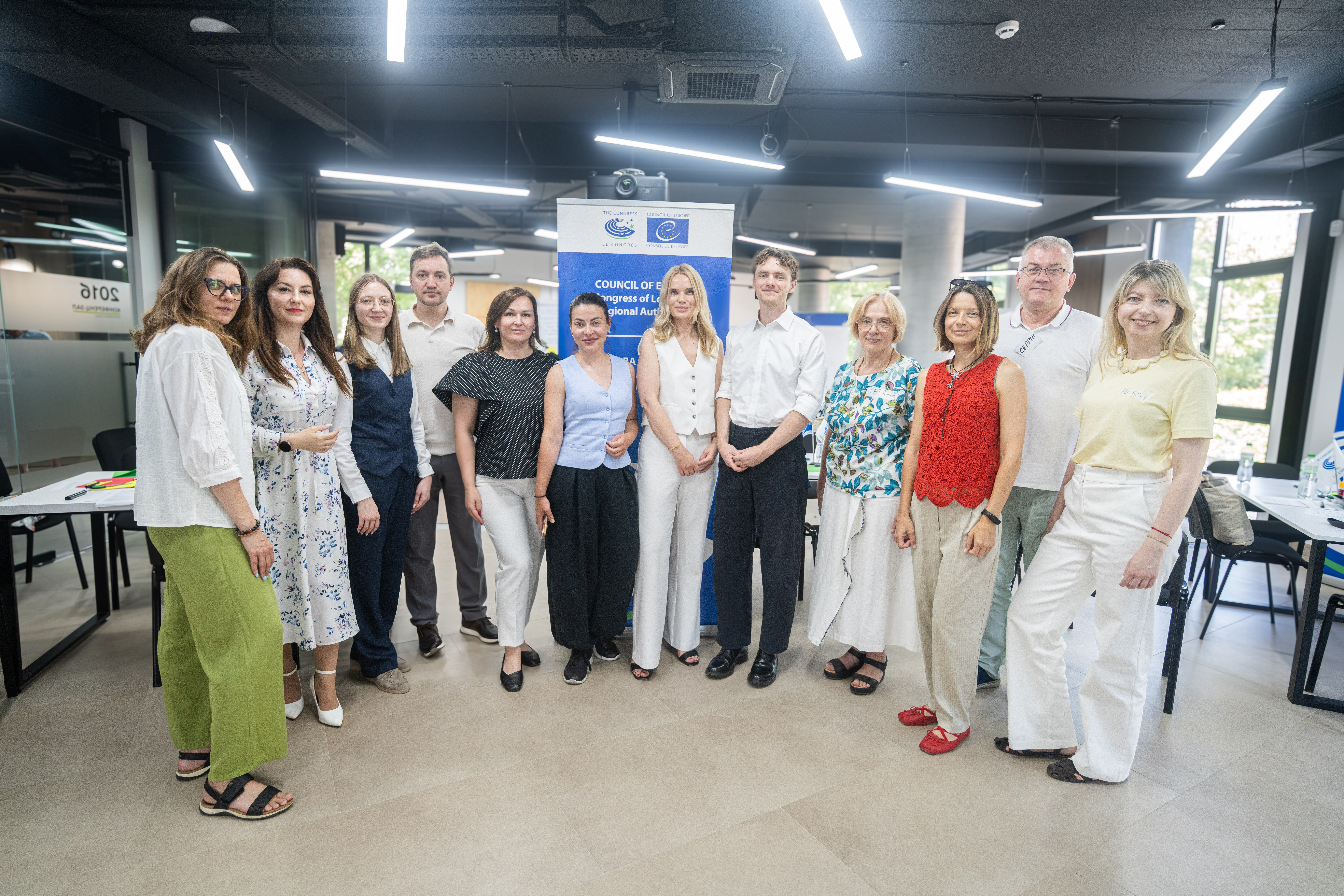
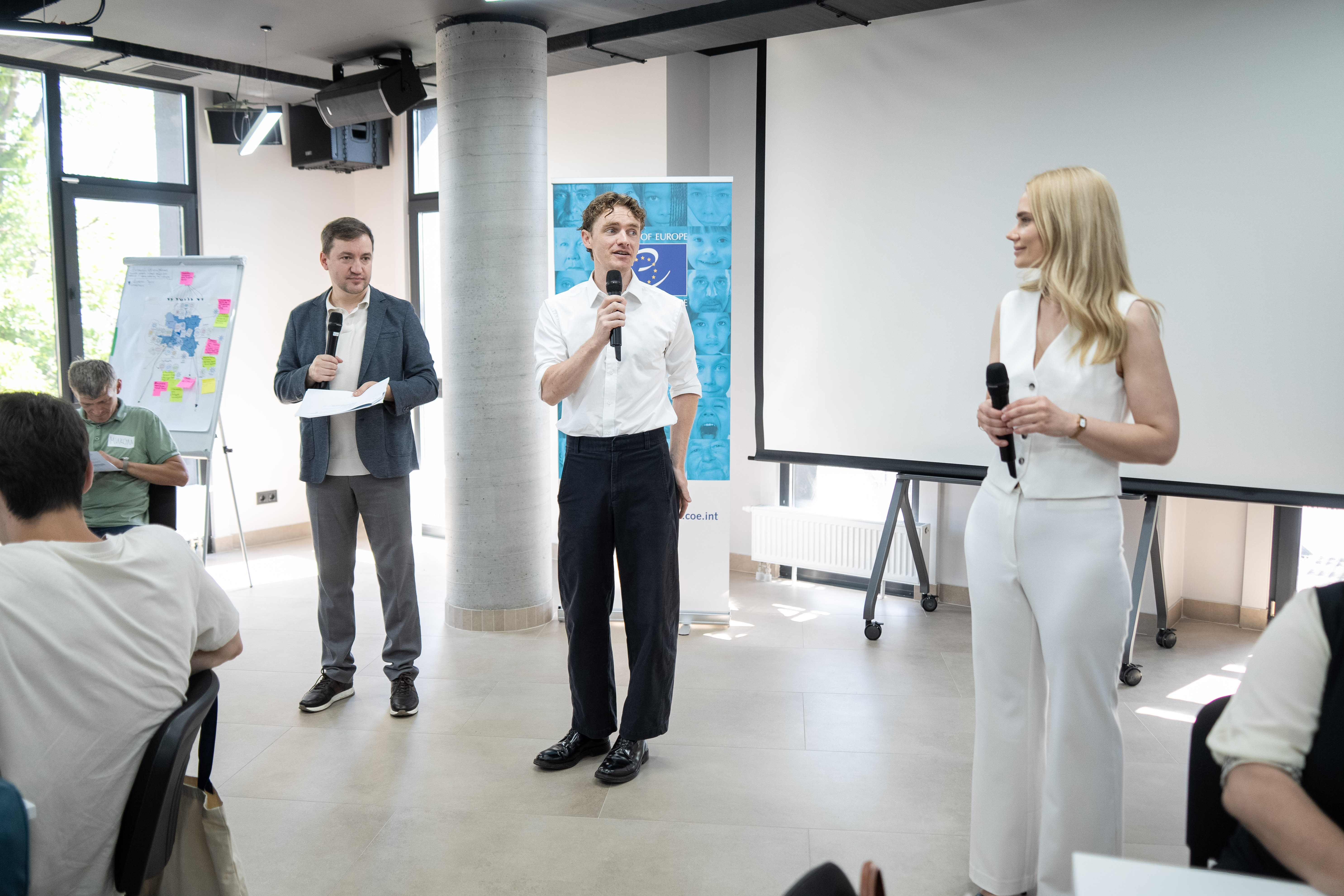
The second session was attended by Kyle Redman, an international consultant to the Council of Europe project and representative of the Federation for Innovation in Democracy – Europe (FIDE), who has provided expert support throughout the design and implementation of the citizens’ assembly process.
The third and final session of the Lviv Agglomeration Citizens’ Assembly will take place on 11–12 July 2026. During this session, participants will finalise and adopt recommendations for local authorities on the sustainable management of water resources across the agglomeration.
The Council of Europe project has also provided comprehensive methodological and expert support for citizens’ assemblies previously held in the Rivne community and Kyiv’s Obolon district.
The preparation and implementation of the citizens’ assembly take place within the Council of Europe Action Plan for Ukraine “Resilience, Recovery and Reconstruction” for 2023-2026 and the project “Strengthening multilevel governance and local democracy to support Ukraine’s recovery”, implemented by the Council of Europe Centre of Expertise for Multilevel Governance at the Congress of Local and Regional Authorities.







.jpg/df4ff367-6baa-cc44-065d-0f24f5142fdb?version=1.0)

.jpg/ee6ad5fd-845c-16ca-782b-3bee3549163b?version=1.0)
.jpg/28af6aae-c307-4d1e-0892-a918e2d505ea?version=1.0)