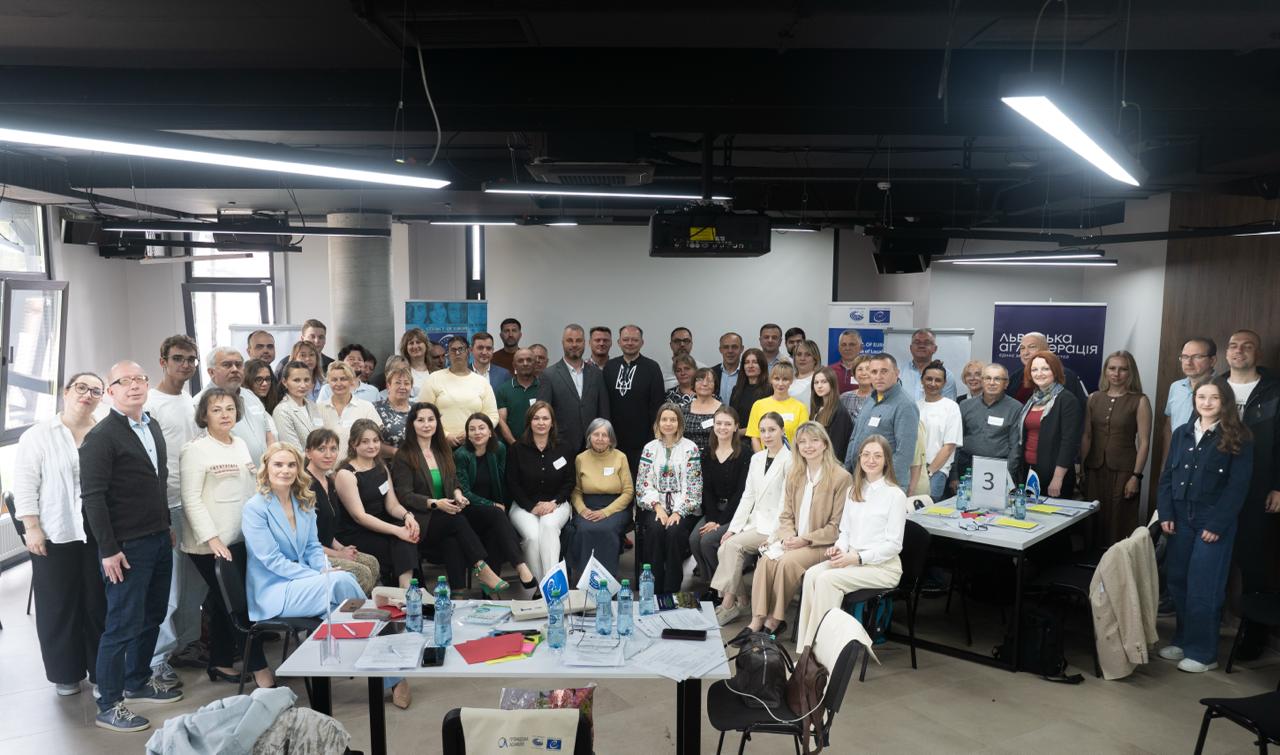
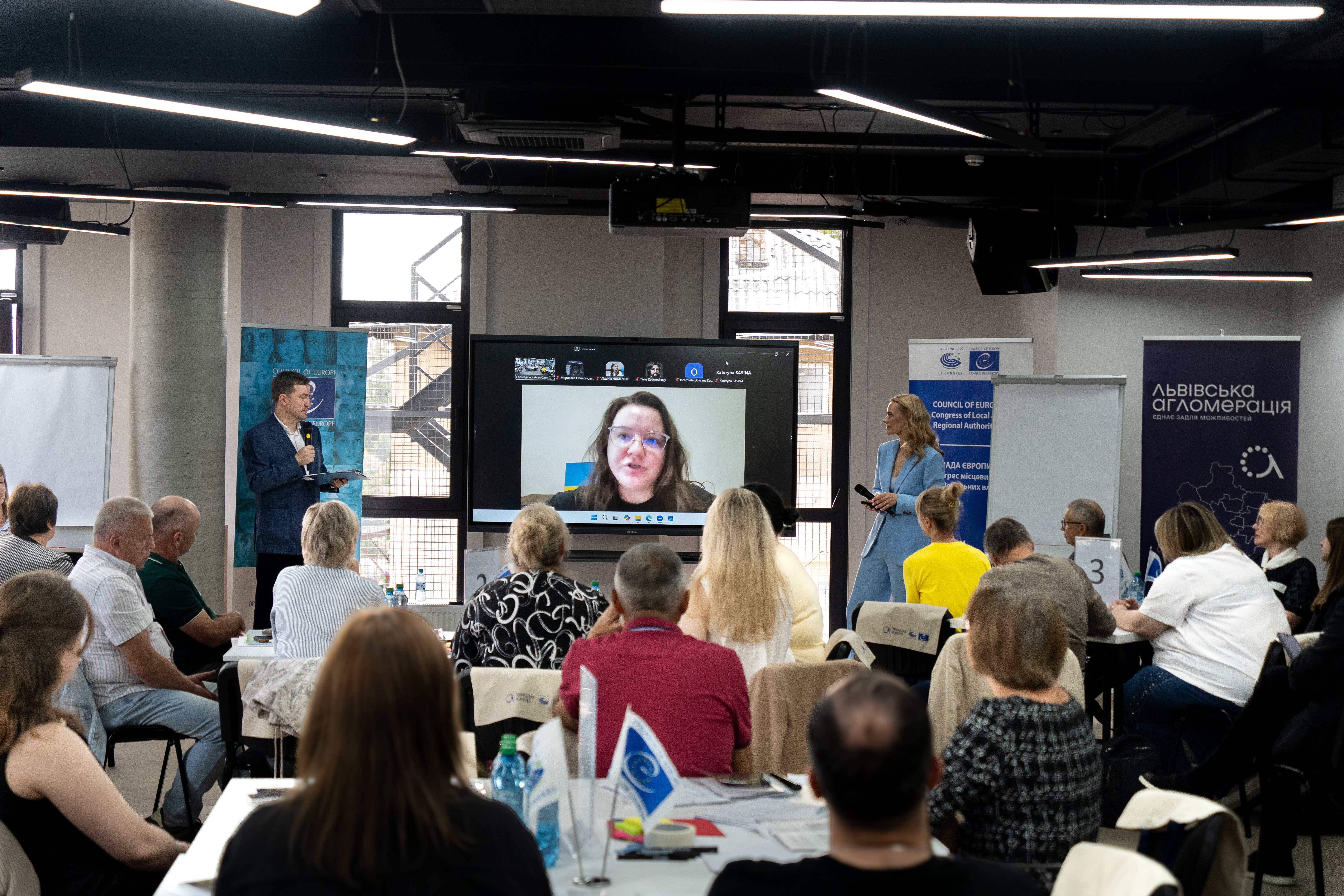
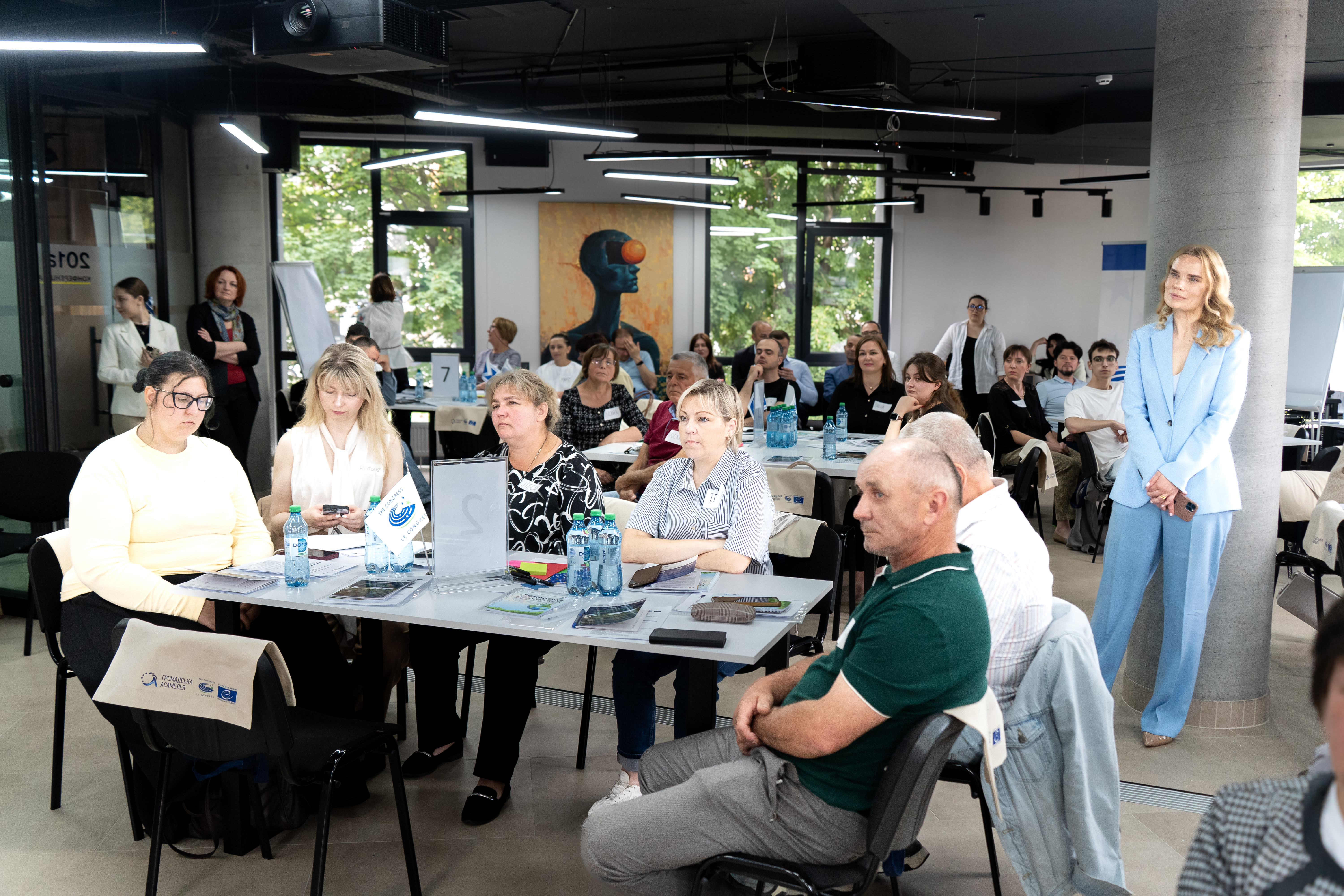
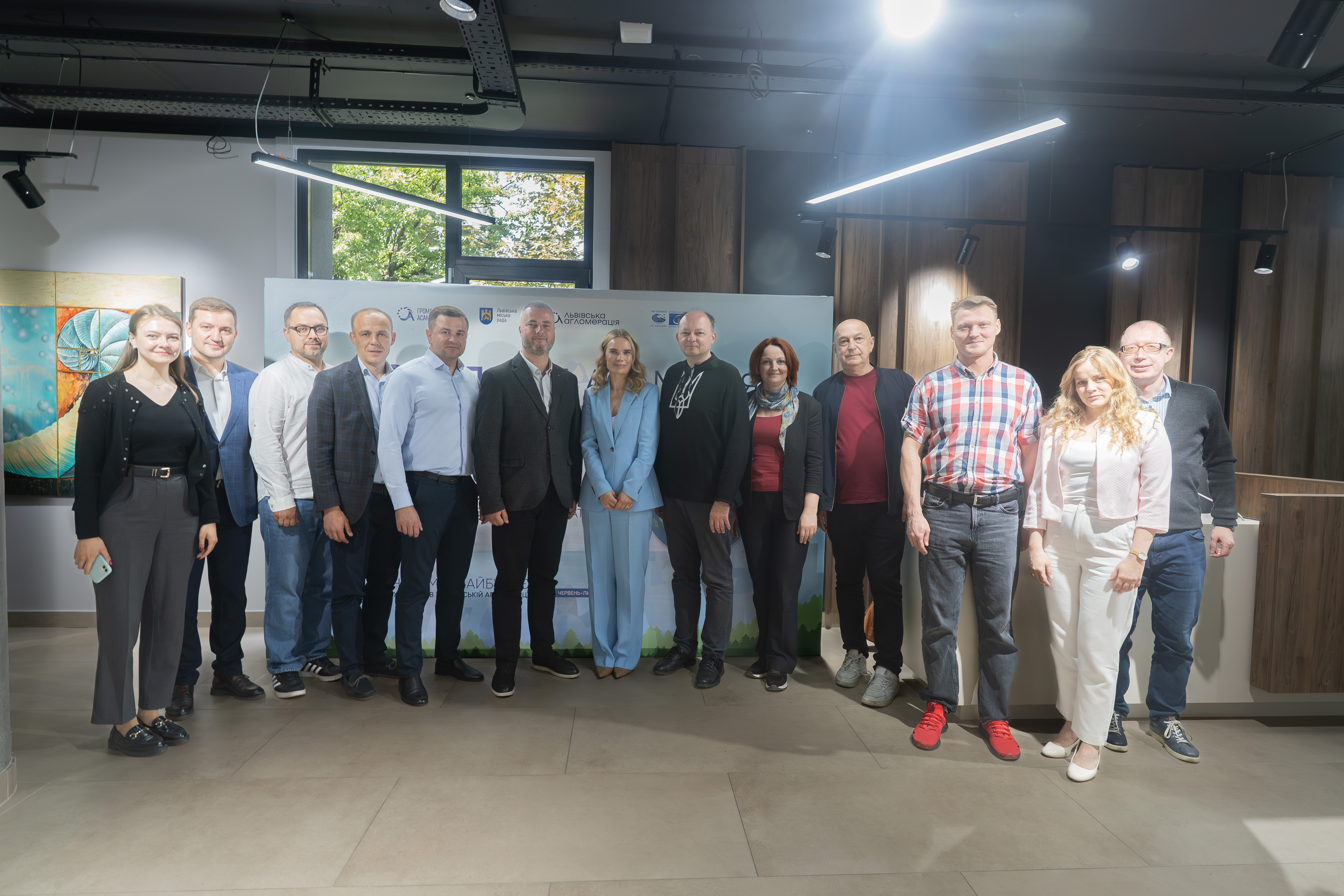
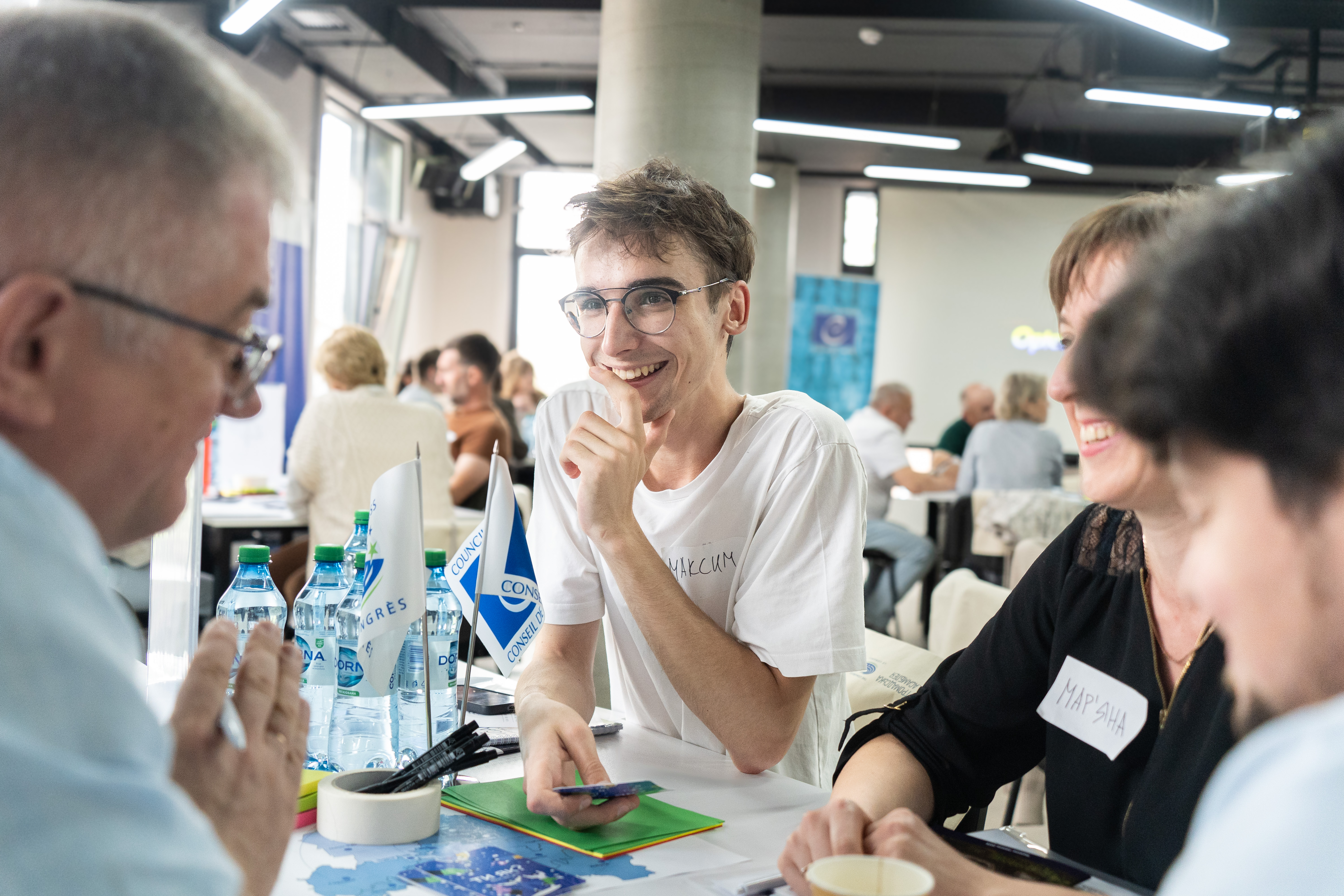
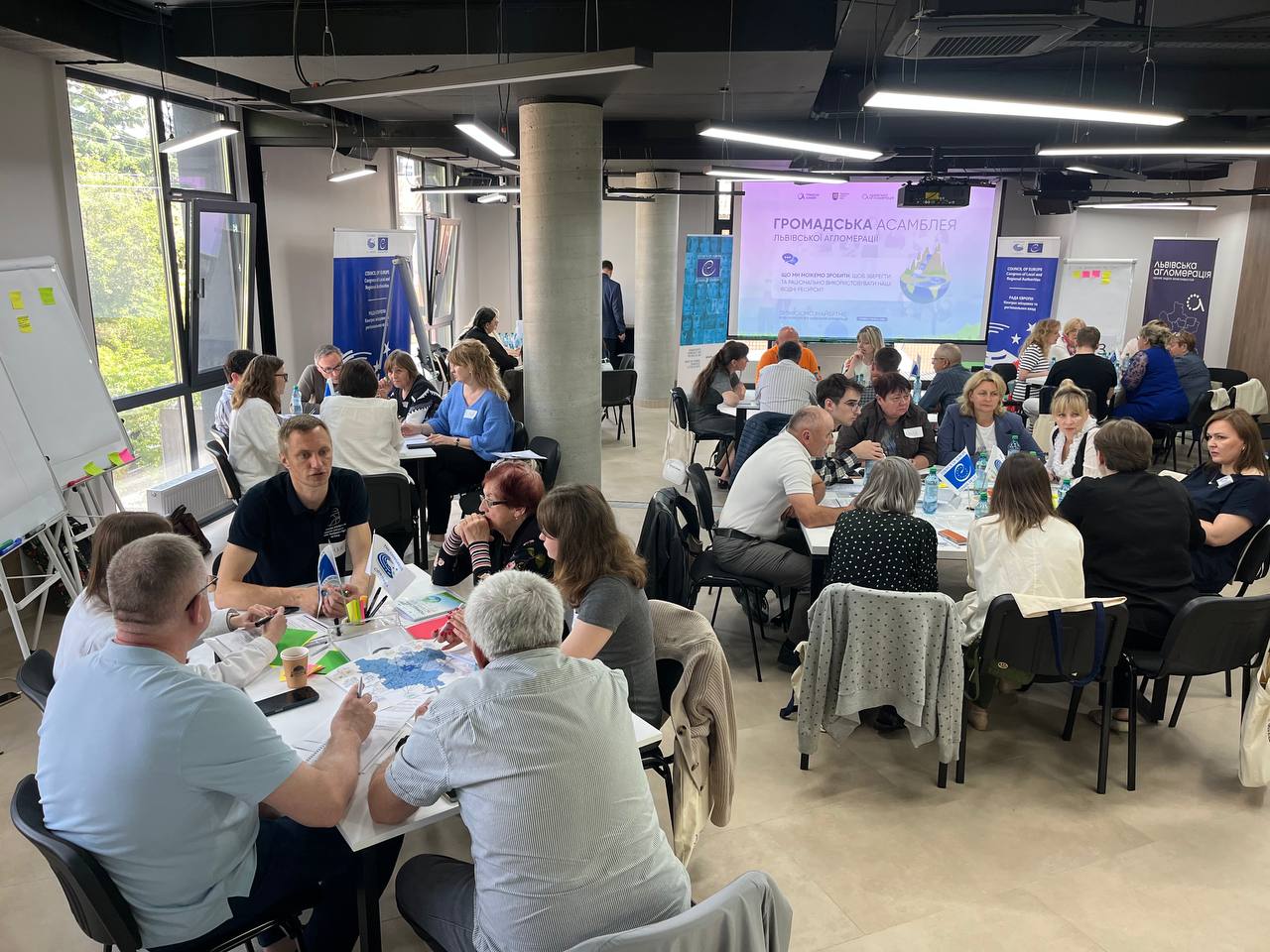
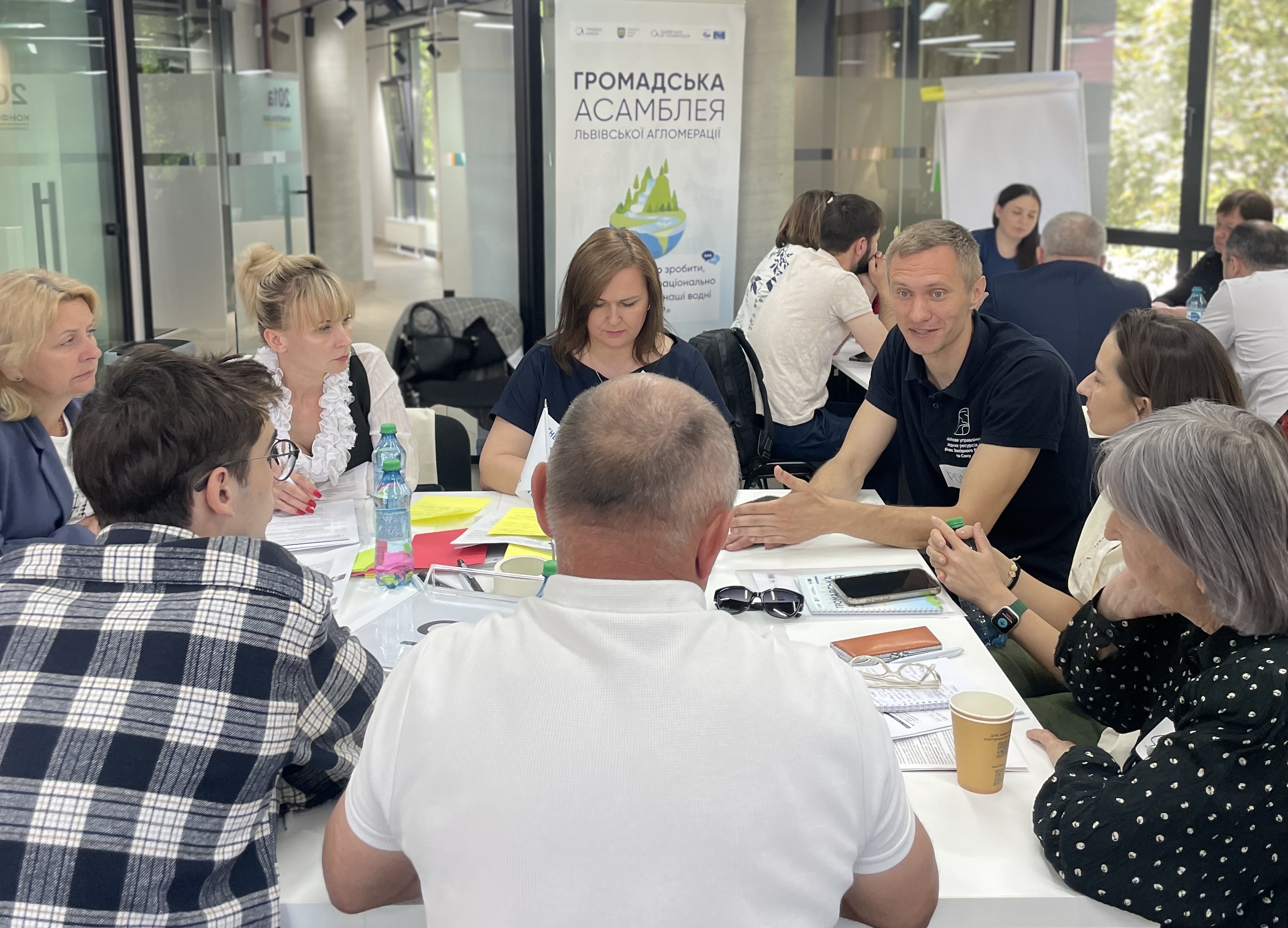
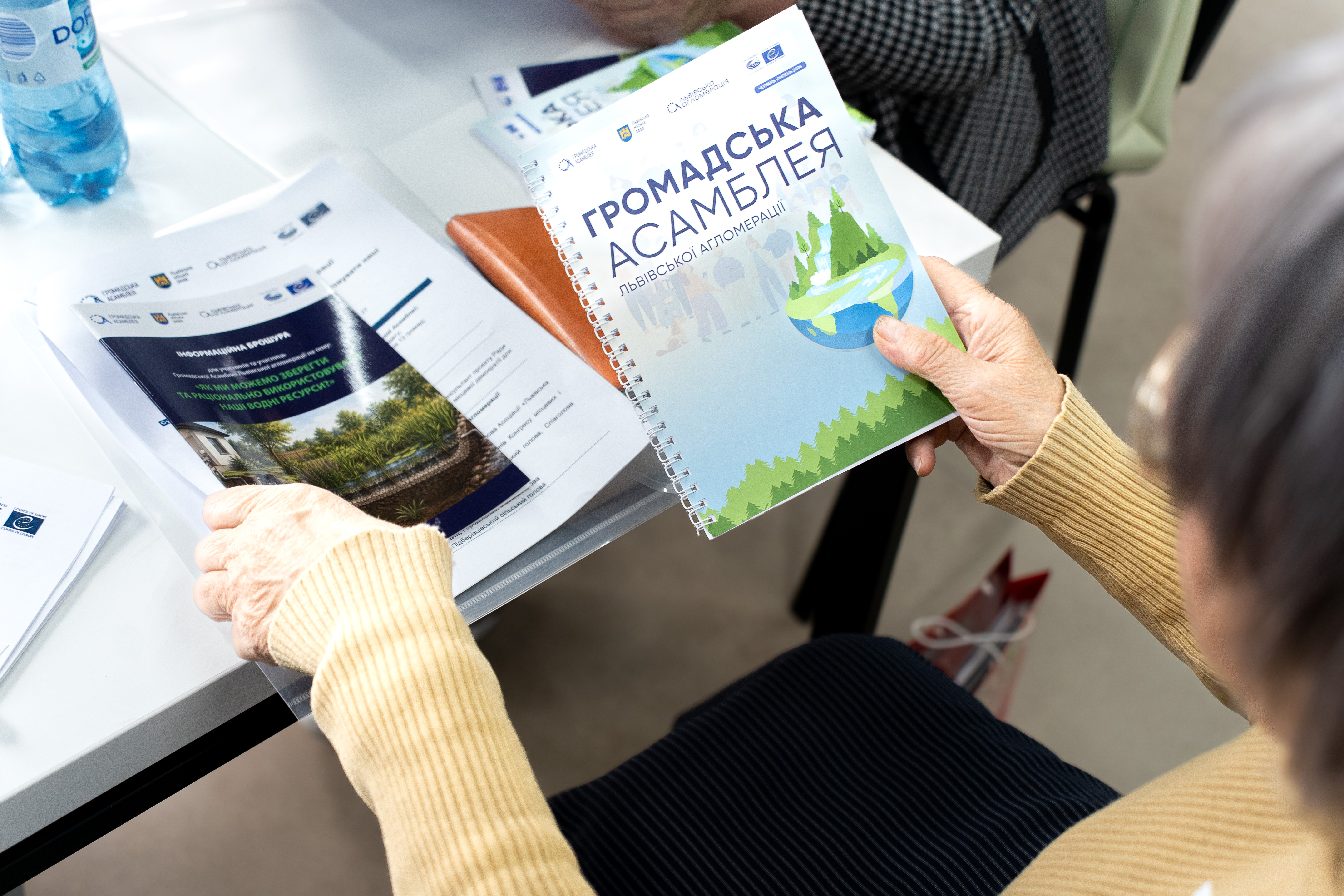
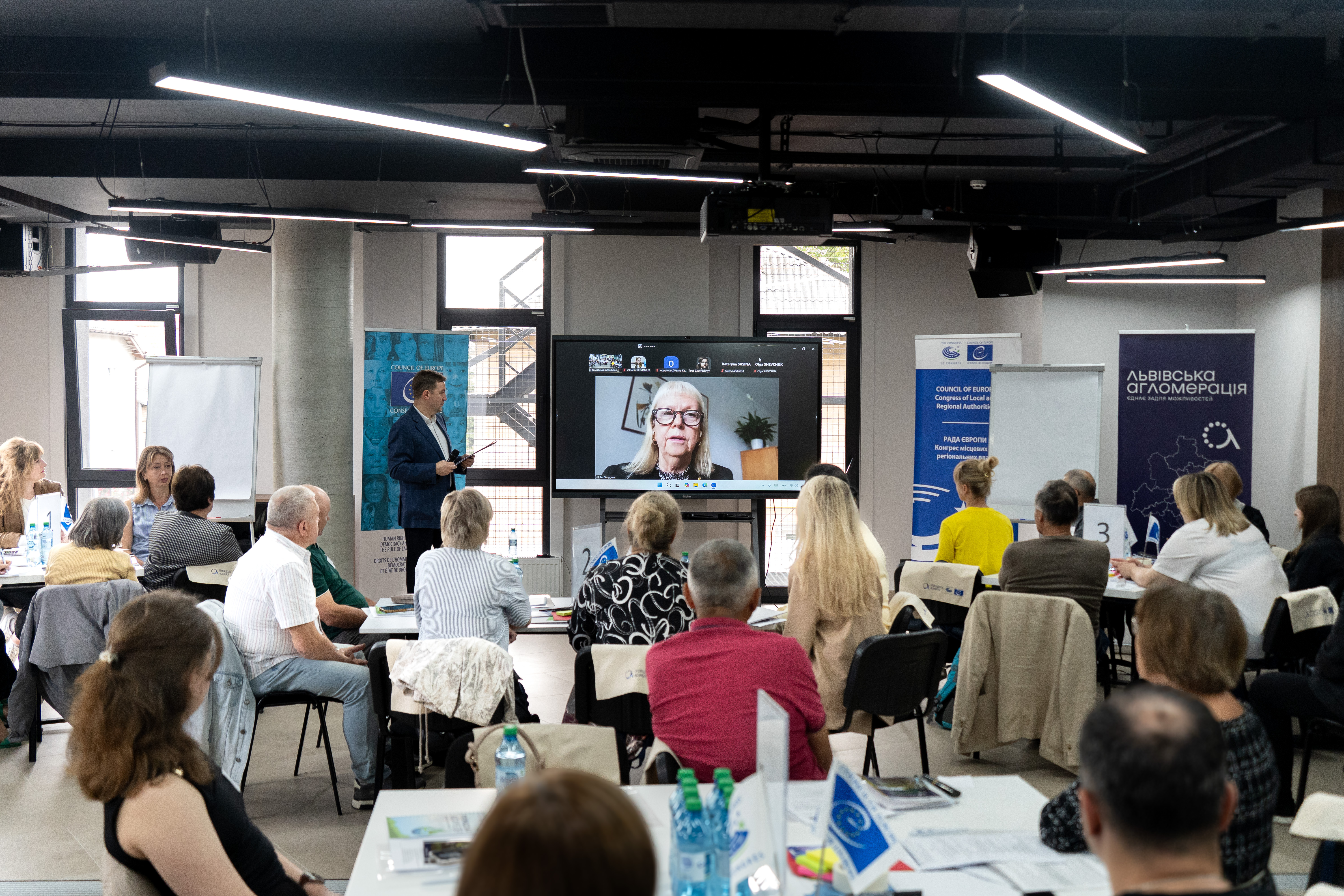
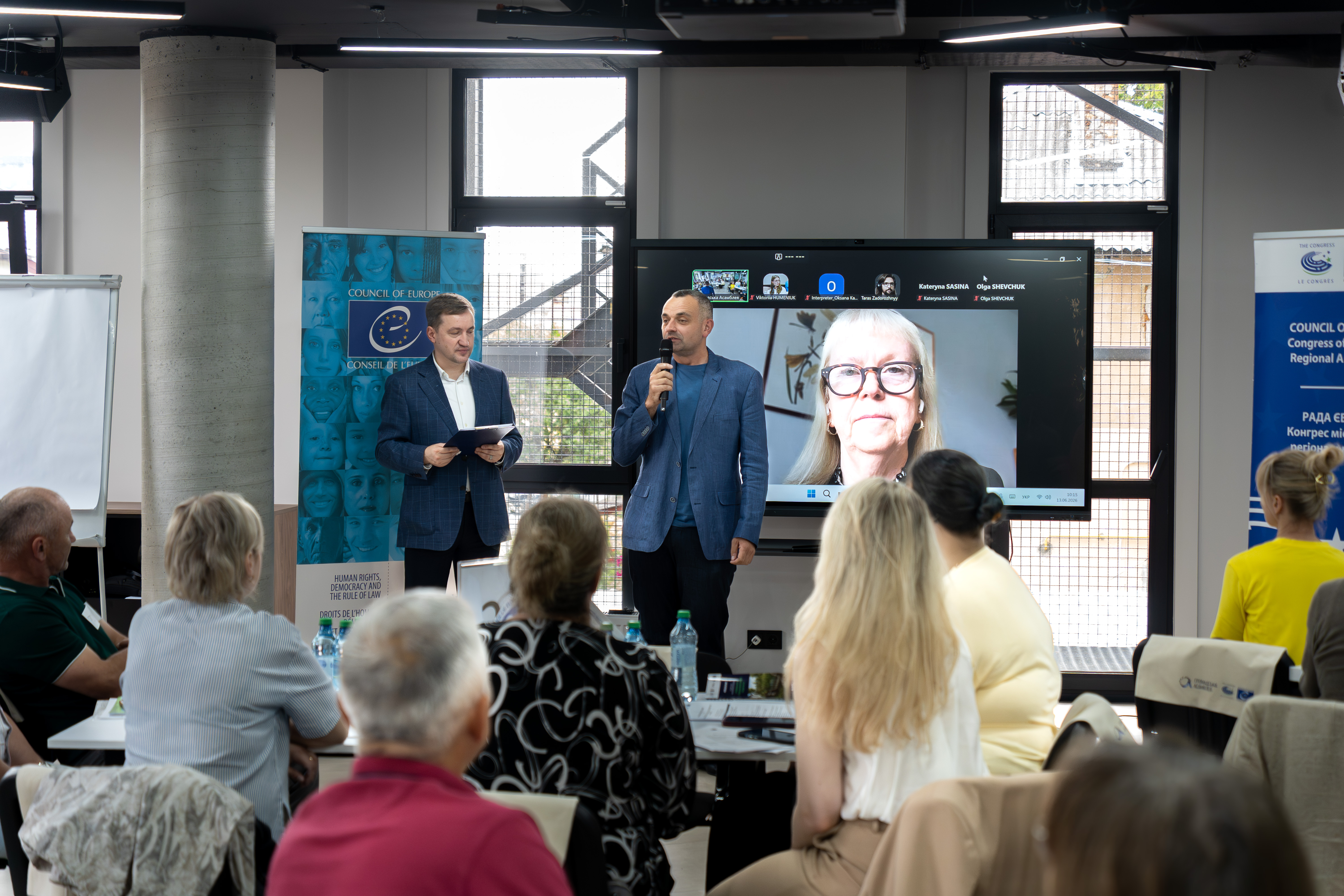
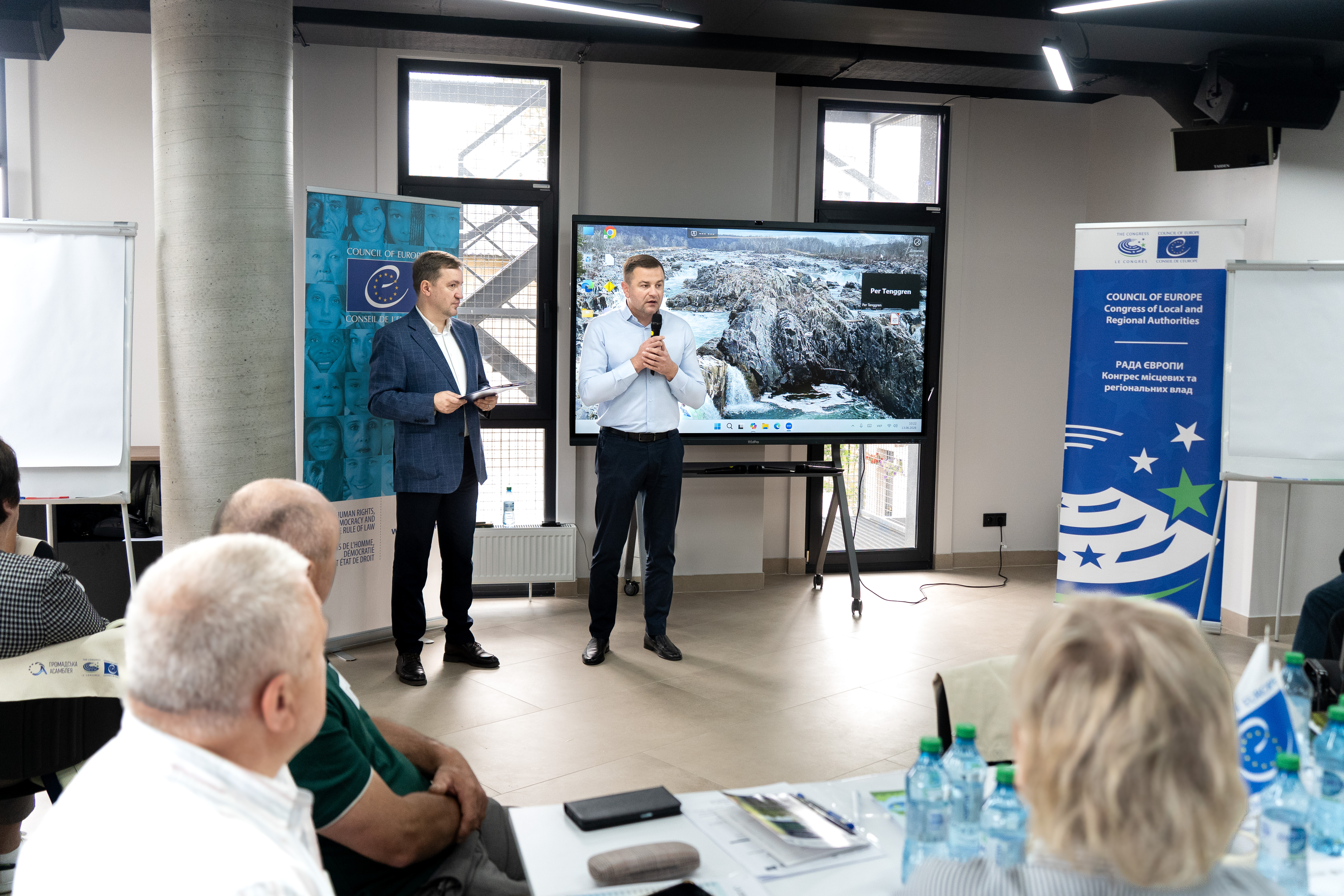
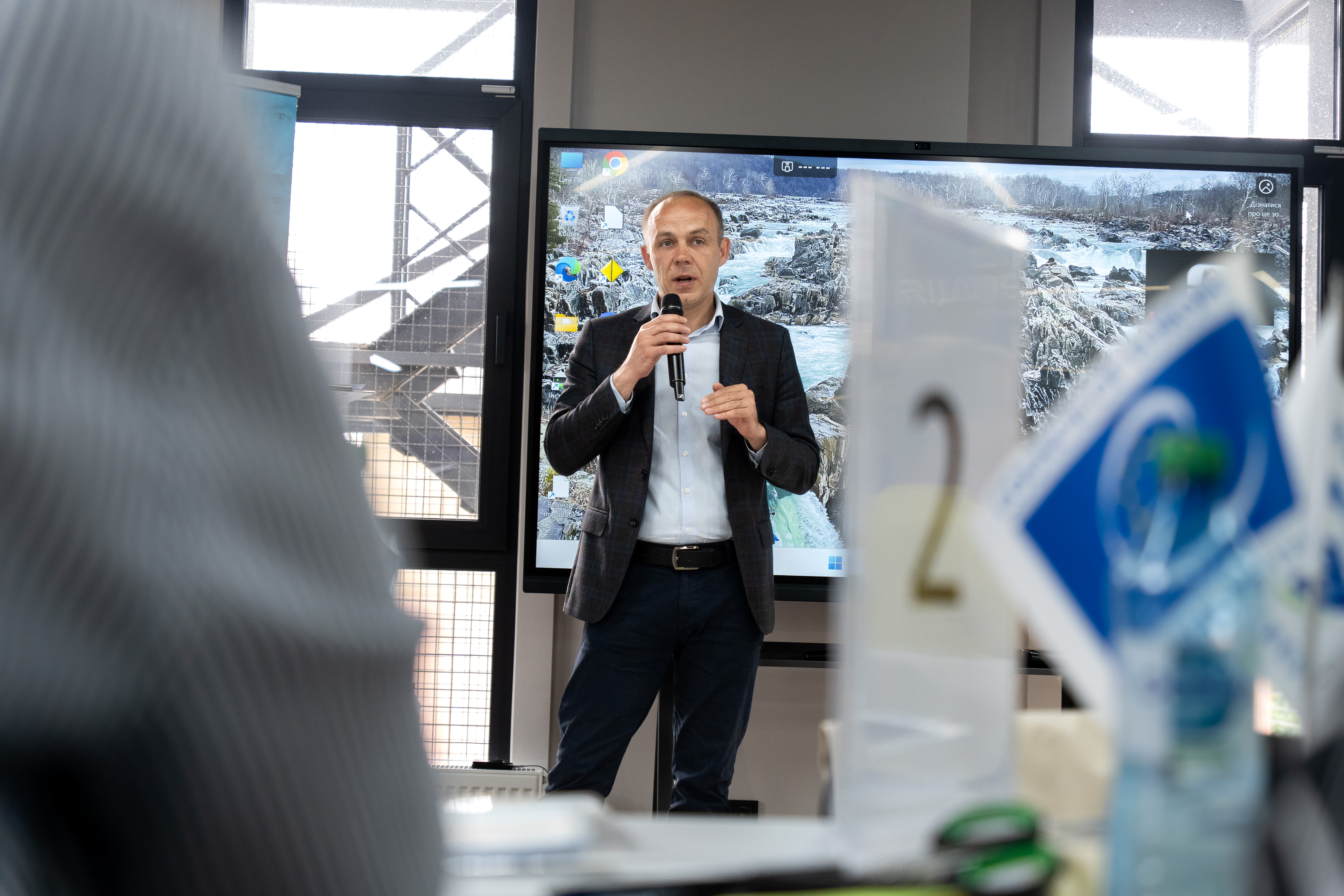
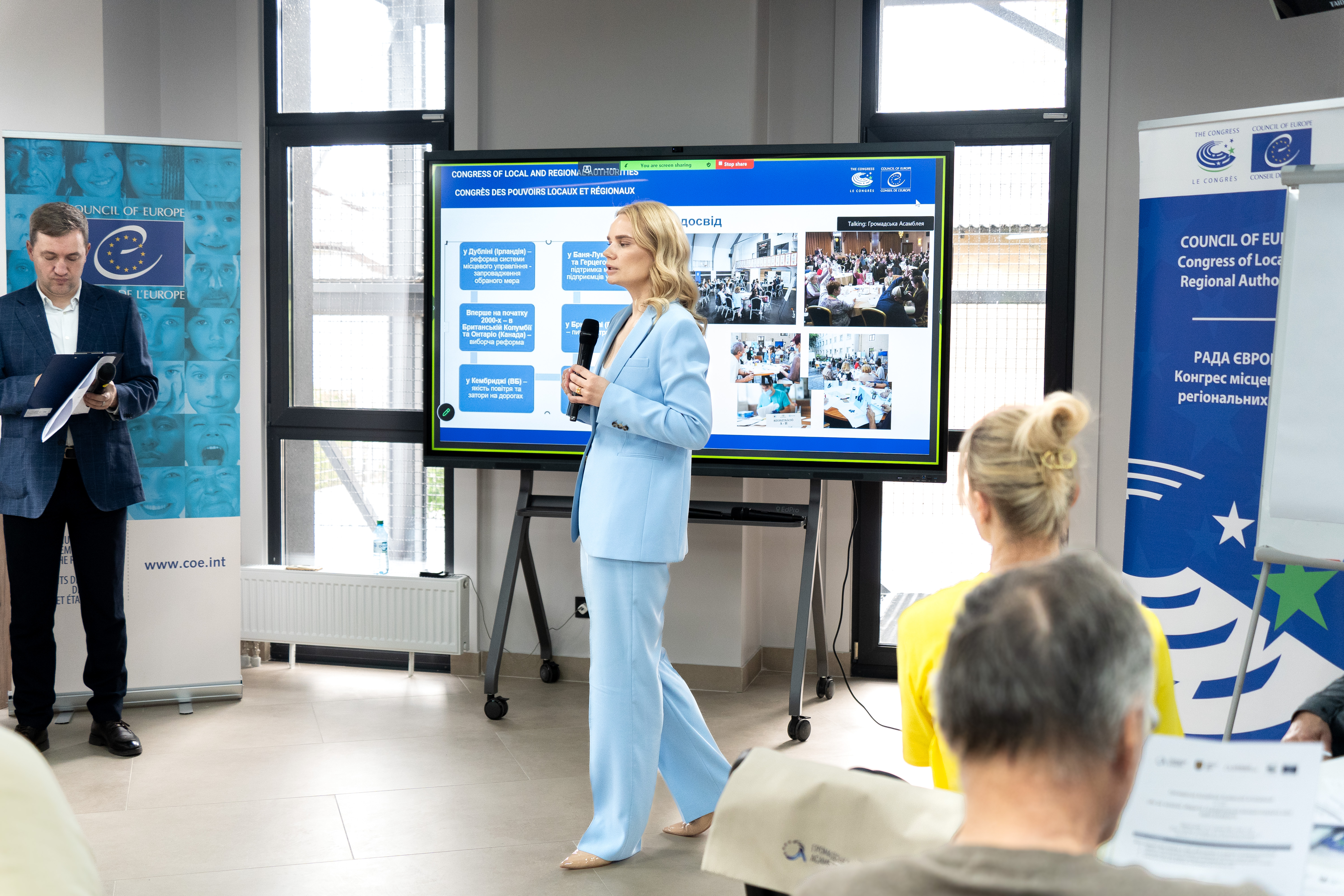
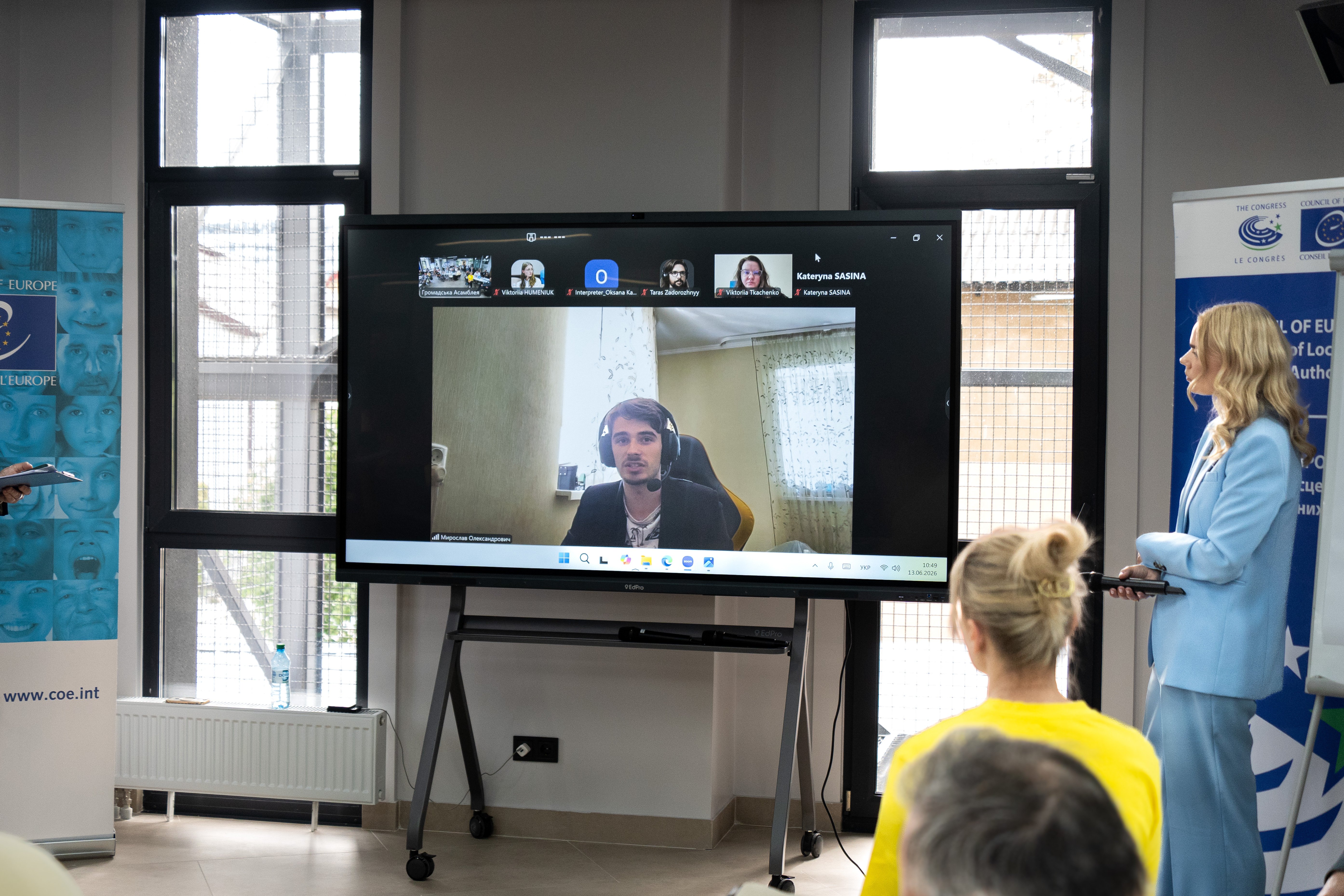
On 13–14 June 2026, the first session of the citizens’ assembly of the Lviv Agglomeration took place in Lviv, organised with comprehensive support from the Council of Europe project “Strengthening multilevel governance and local democracy to support Ukraine's recovery”.
This citizens’ assembly is the first in Ukraine to be held not at the level of a single community or city district, but at the level of an agglomeration bringing together 13 communities. It marks a new stage in the development of deliberative democracy in Ukraine, as it creates, for the first time, a space for joint dialogue between residents of different communities on challenges that go beyond administrative boundaries and require inter-municipal co-operation. The citizens’ assembly makes it possible to develop shared solutions for the development of the entire agglomeration area.
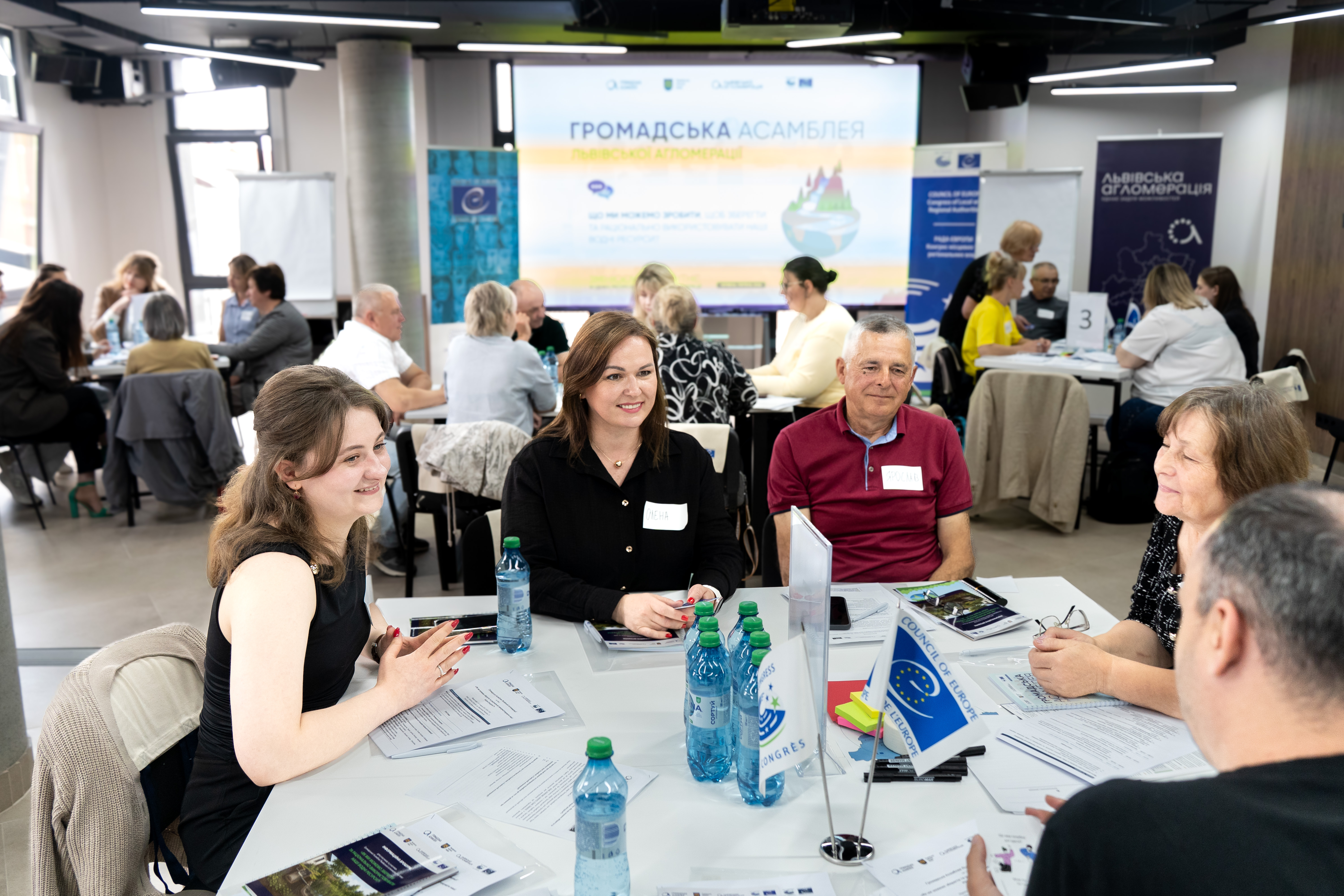
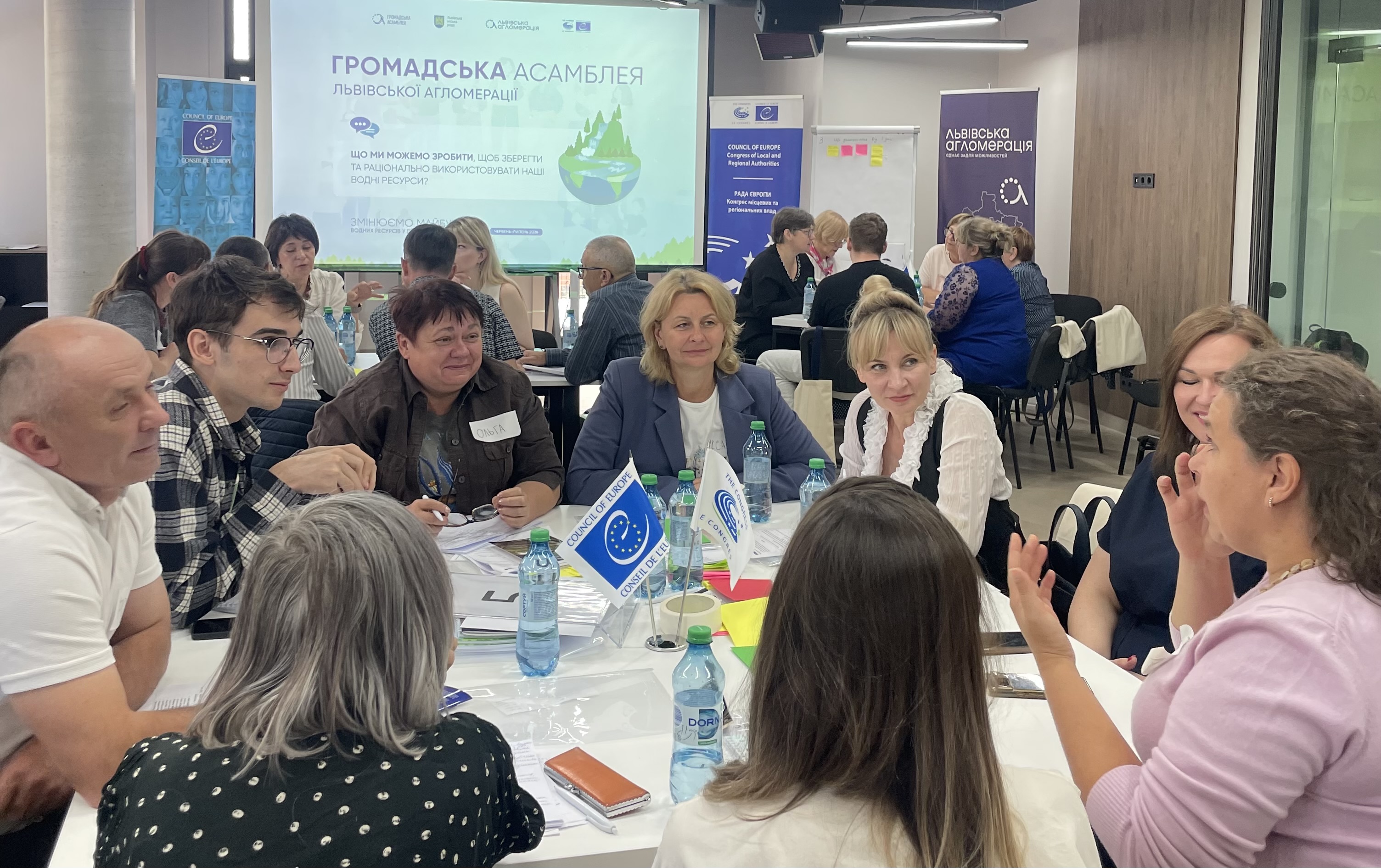
Fifty participants were selected by lot from among 535 registered candidates to take part in the citizens’ assembly. To ensure representation of the entire agglomeration, half of the assembly members are residents of the Lviv community, while the other half represent the 12 partner communities. In line with the citizens’ assembly methodology, the composition of participants reflects the demographic diversity of the Lviv Agglomeration in terms of age, gender, level of education and place of residence.
Independent experts and professional facilitators support the participants in exploring the topic “How can we preserve and use our water resources sustainably?”, discussing it and developing recommendations for local authorities.
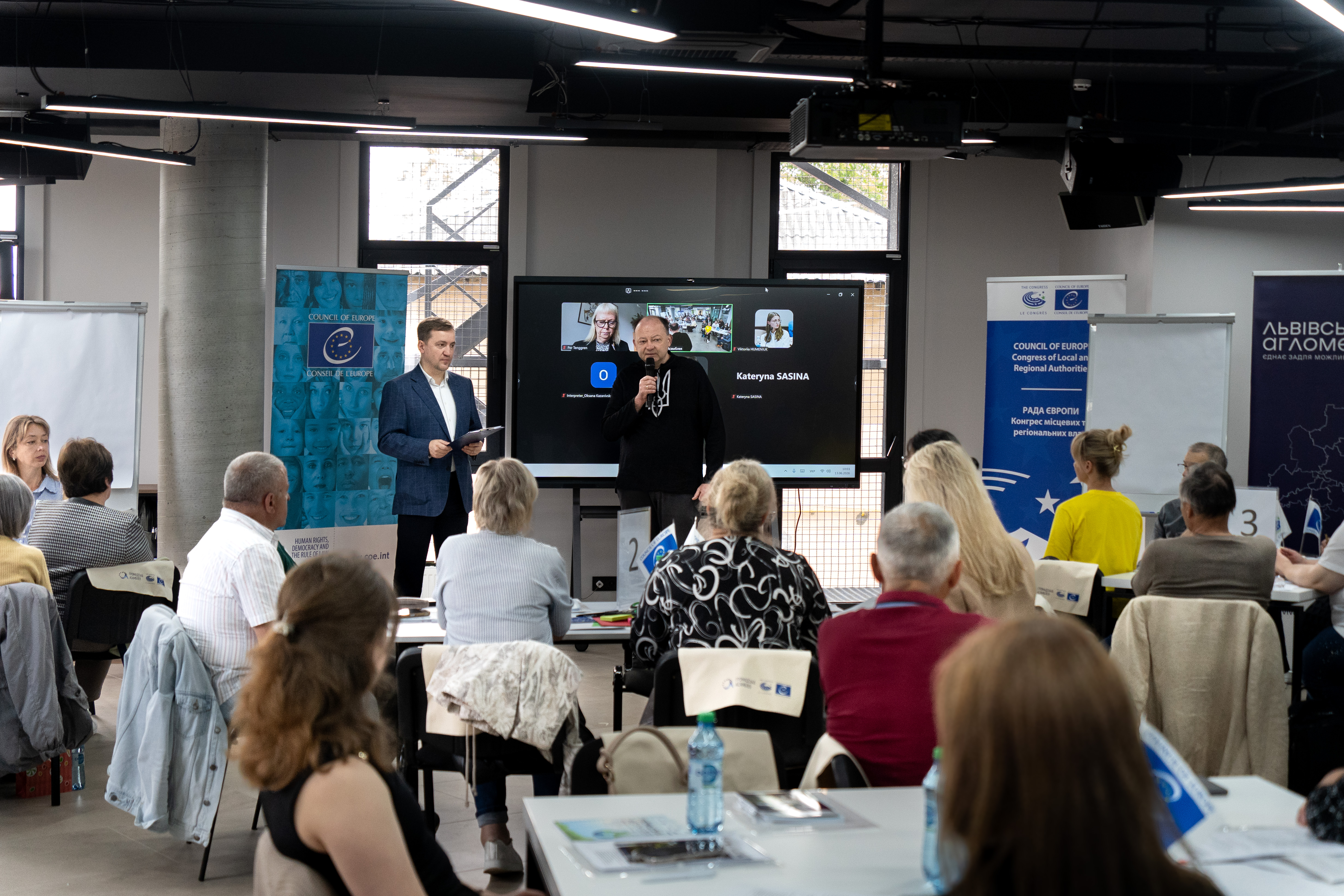
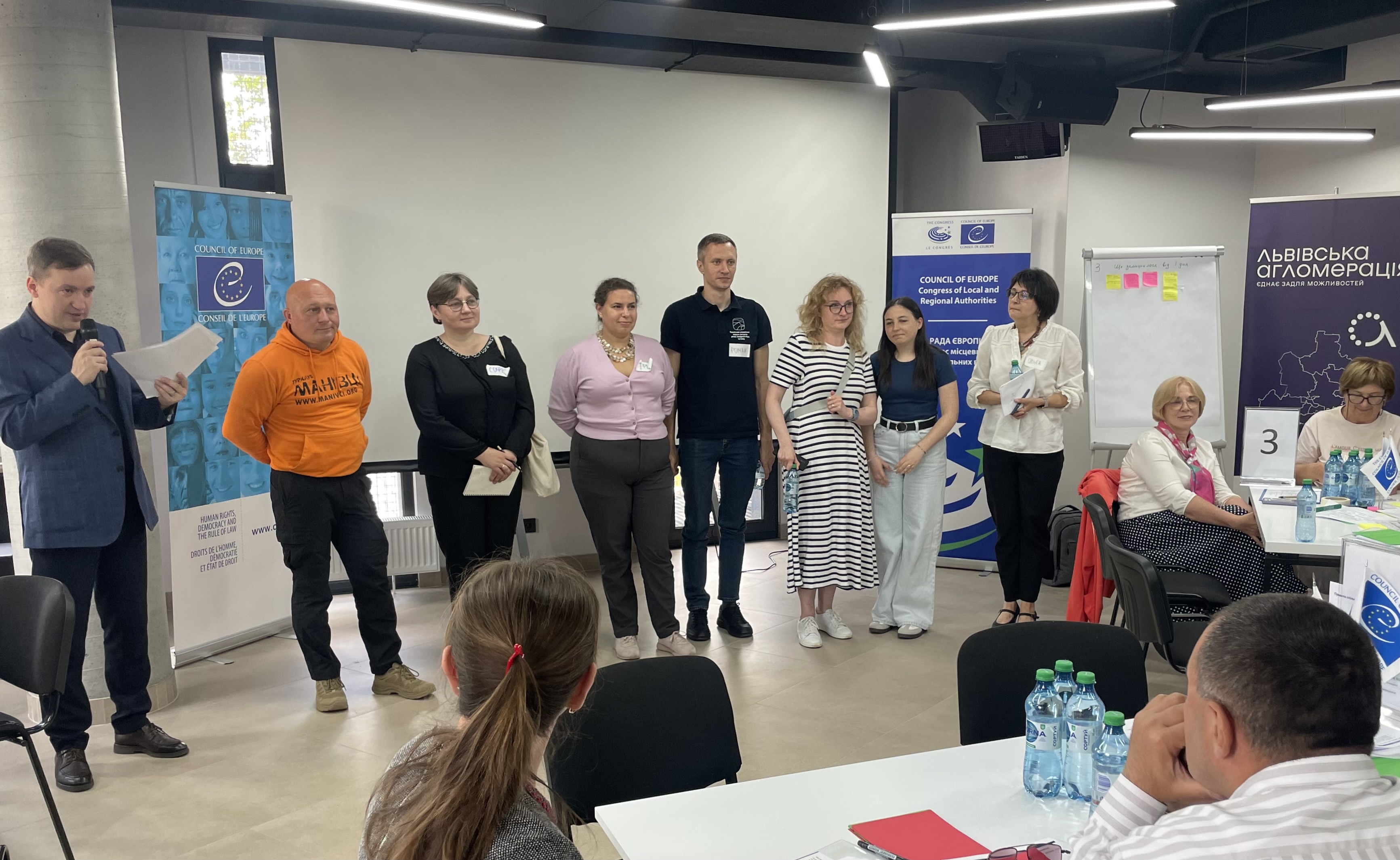
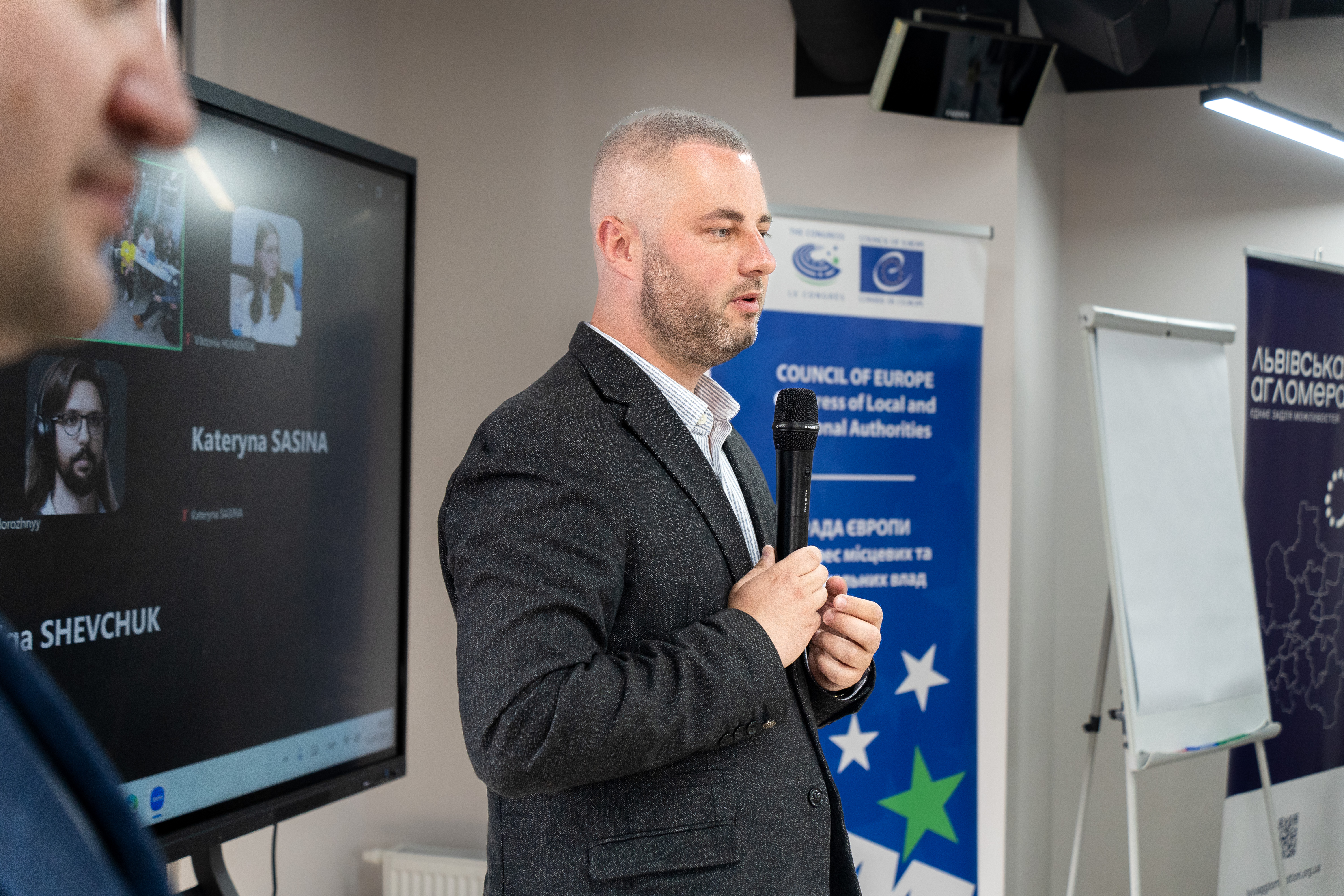
The official opening of the citizens’ assembly took place with the participation of representatives of the Lviv City Council, the Association “Lviv Agglomeration”, heads of communities that are members of the agglomeration, and members of the Council of Europe project team. The participants were addressed, among others, by Lubomyr Zubach, Deputy Mayor of Lviv; Cecilia Dalman-Eek, President of the Chamber of Regions of the Congress of Local and Regional Authorities of the Council of Europe; Oleh Volskyi, Head of the Zhovkva community; Vasyl Koval, Head of the Pidberiztsi community; Petro Sokolovskyi, Head of the Novyi Yarychiv community; and Yosyf Fabryha, Head of the Velykyi Liubin community.
A participant of the citizens’ assembly in the Rivne community and a participant of the citizens’ assembly in the Obolon district of Kyiv, both held earlier this year with the support of the Council of Europe project, also shared their experience. They spoke about their own participation in the assemblies and encouraged the participants to engage actively in the process, as it provides a real opportunity to influence decisions that matter to the community.
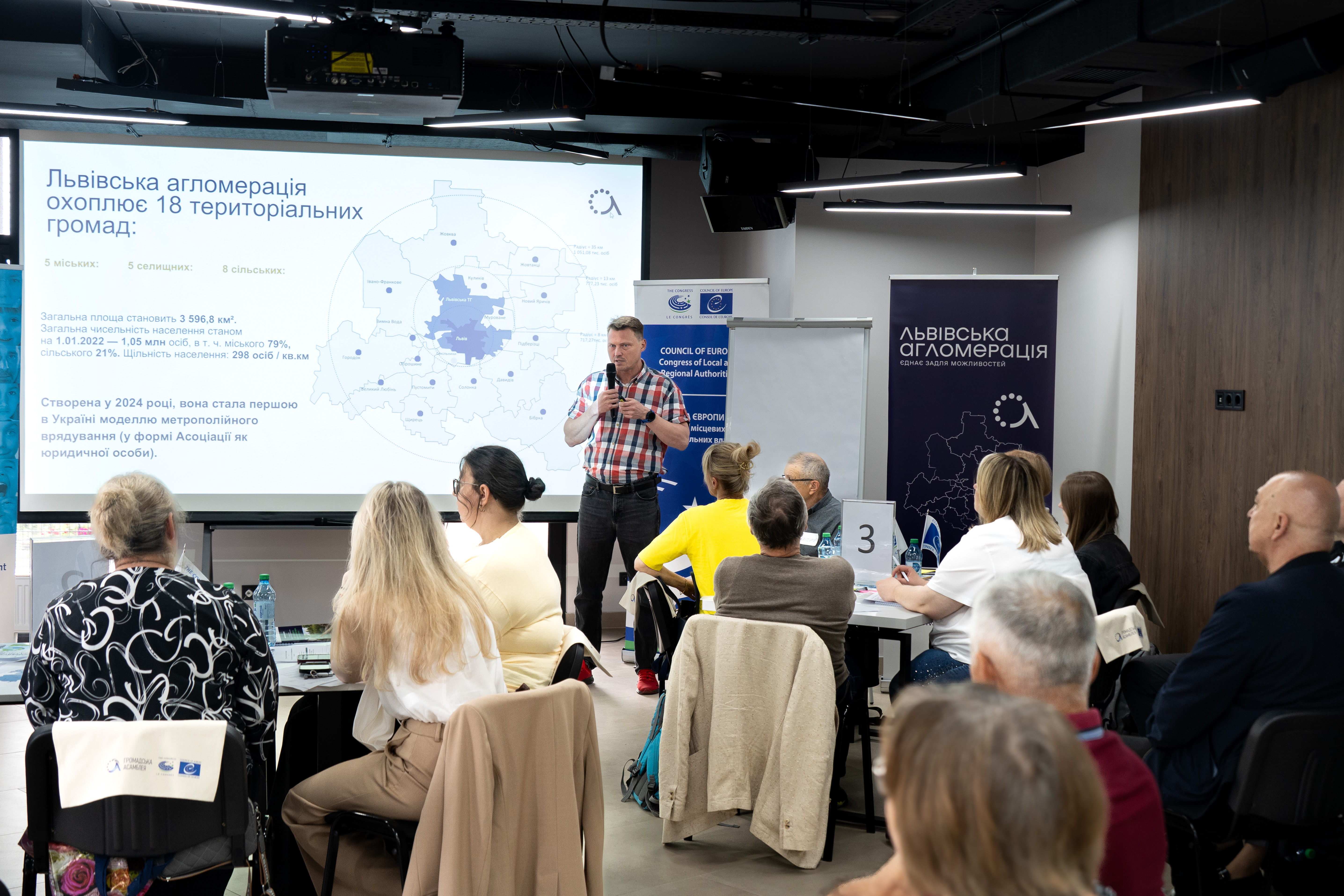
During the first day, the participants learned about the specific features of the process, their mandate and the rules of interaction. Roman Kizyma, Executive Director of the Association “Lviv Agglomeration”, presented the Association in more detail and explained why water resources are a shared issue for all communities. Representatives of the 13 communities then shared their experience, challenges and views on the situation with water resources in their communities.
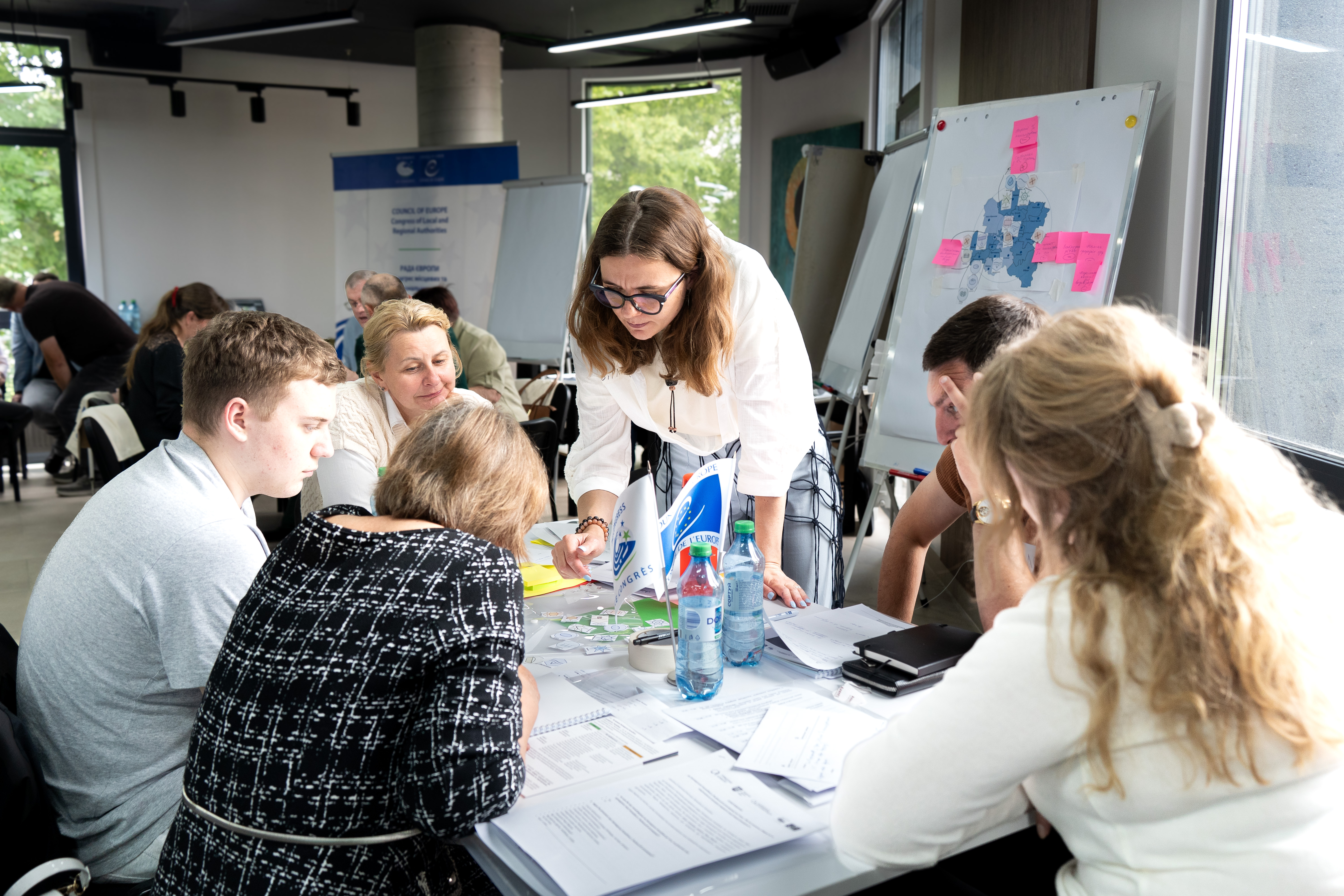
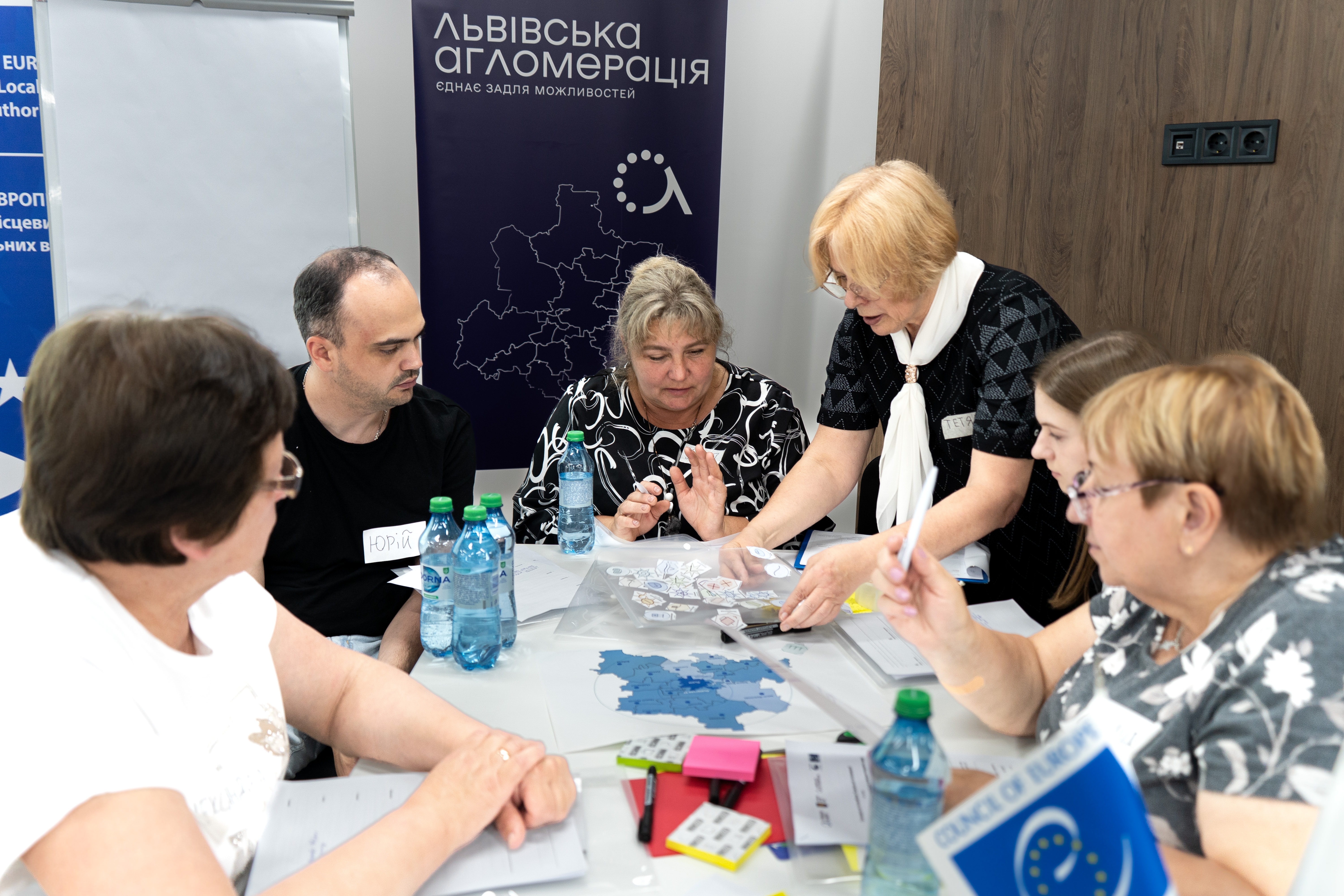
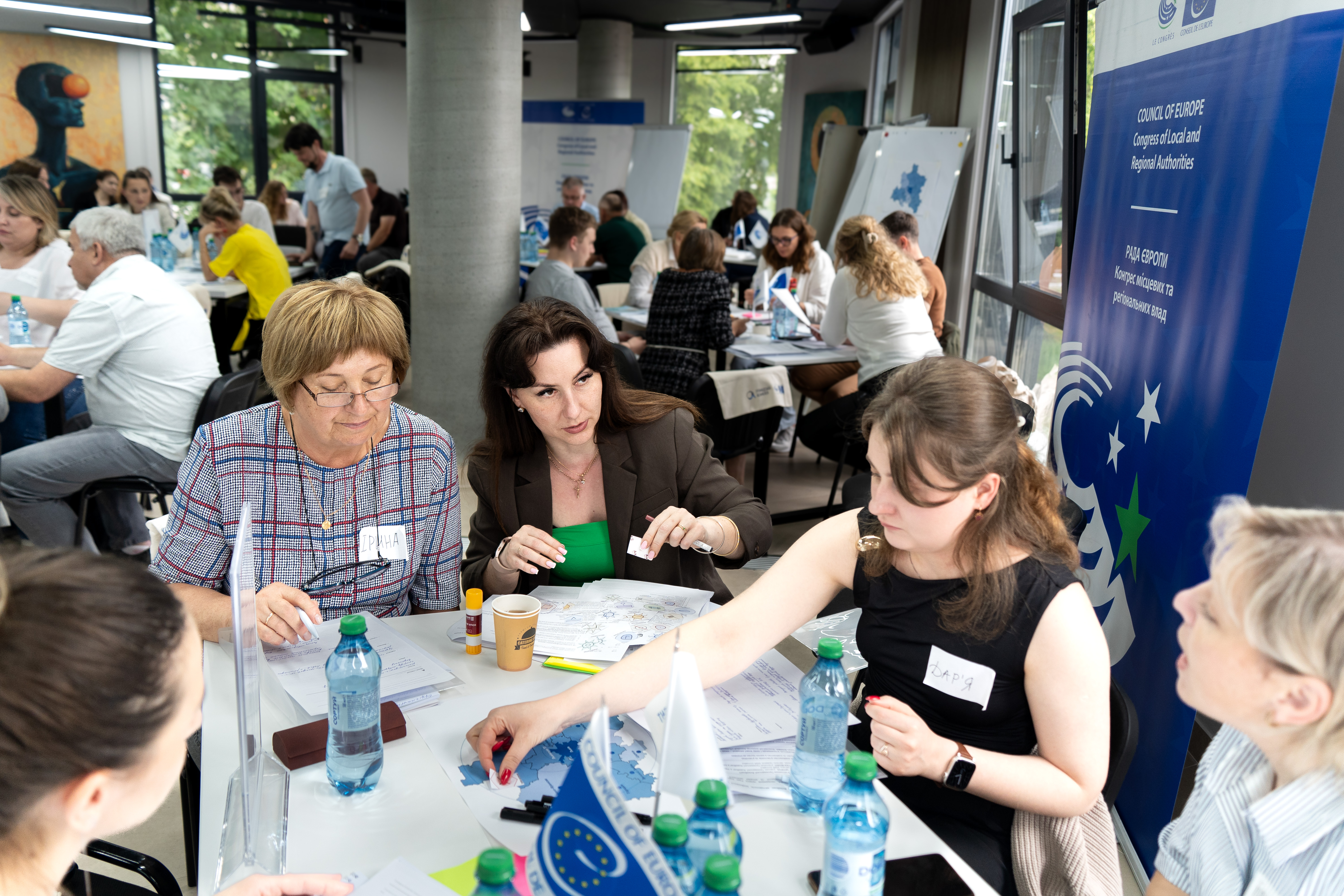
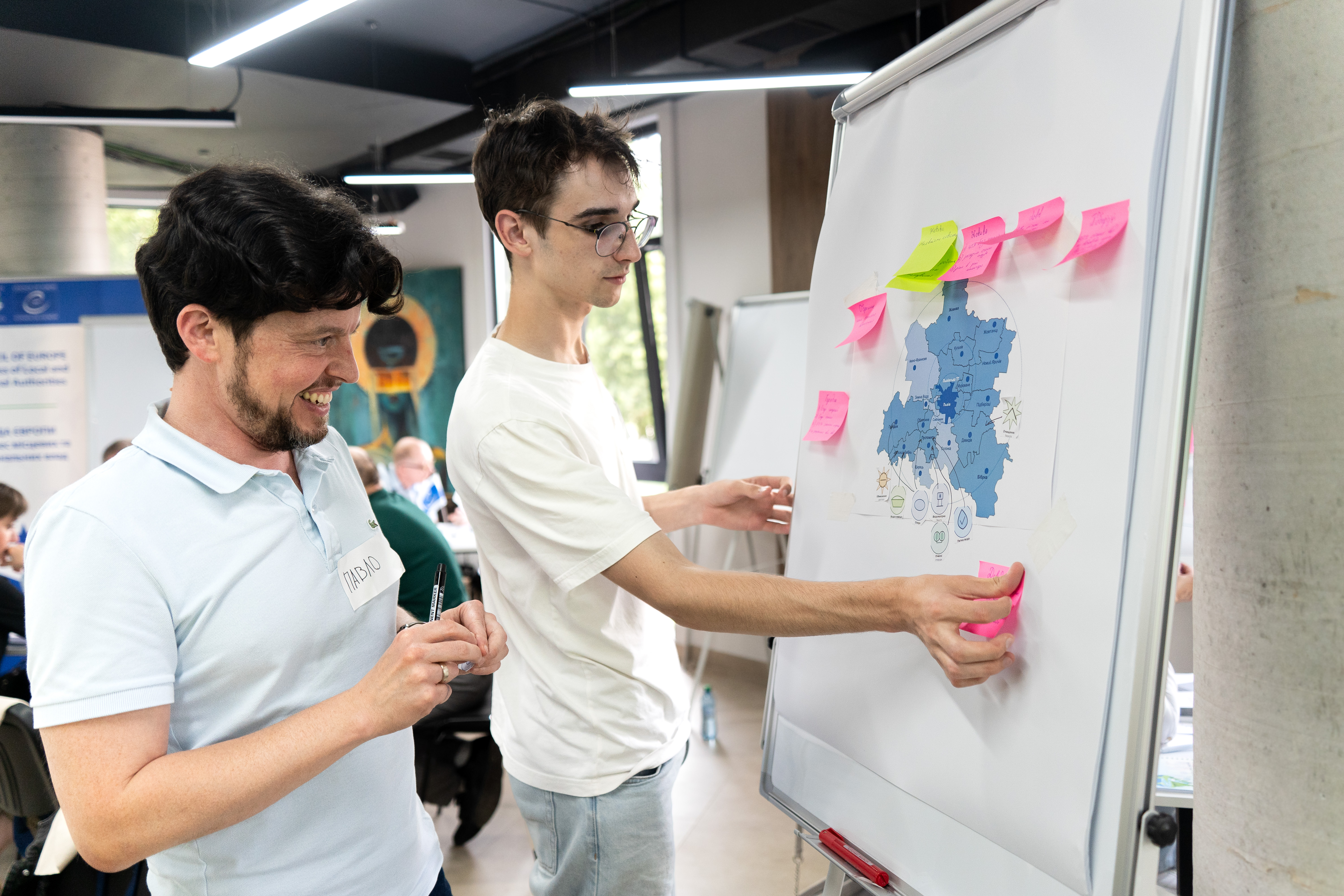
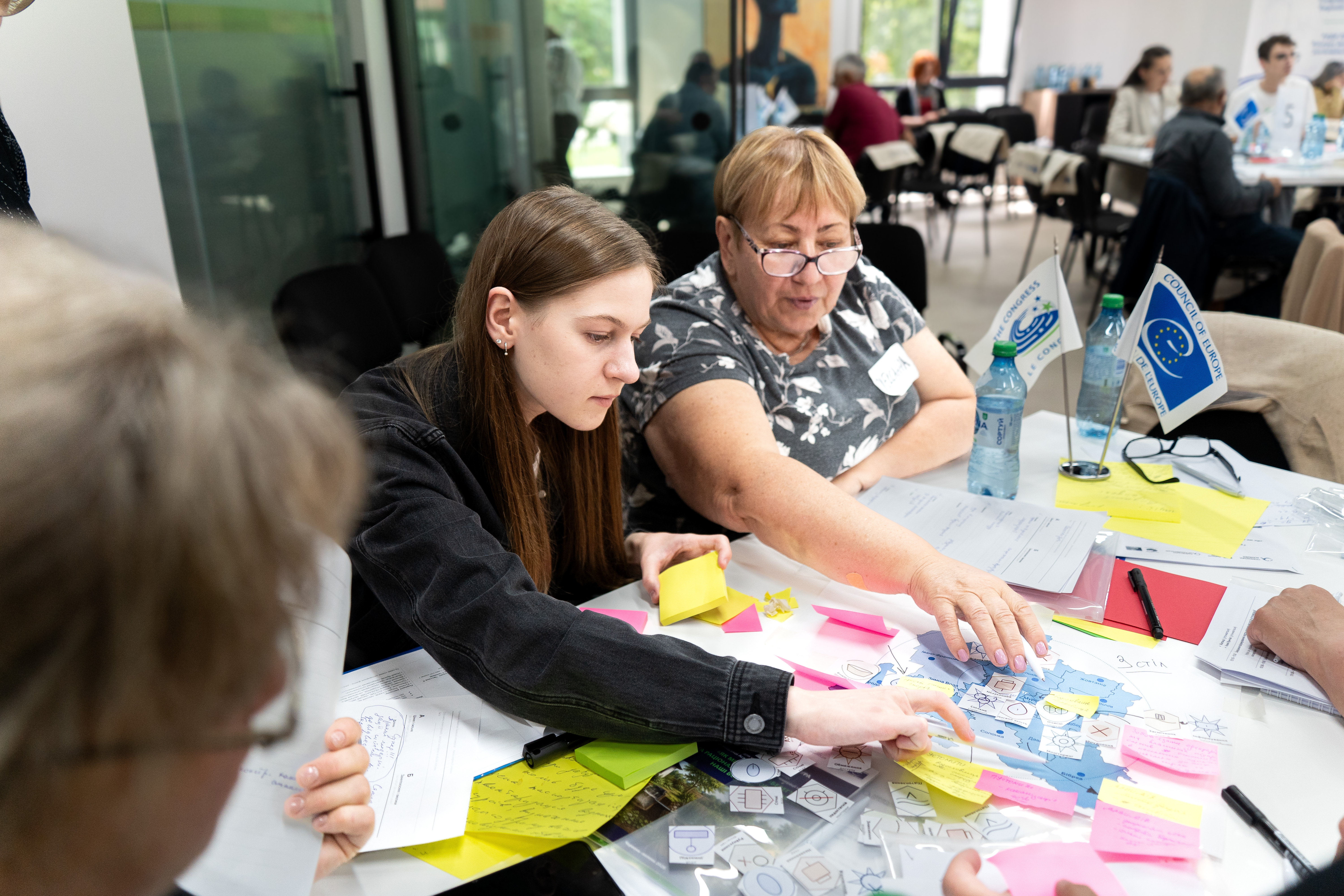
Based on the information received, the participants worked with a map of the agglomeration’s water resources, marking important water bodies, recreation areas, successful practices, risks and problem areas. This work helped them develop a shared understanding of challenges that recur across different communities and identify the potential for joint action.
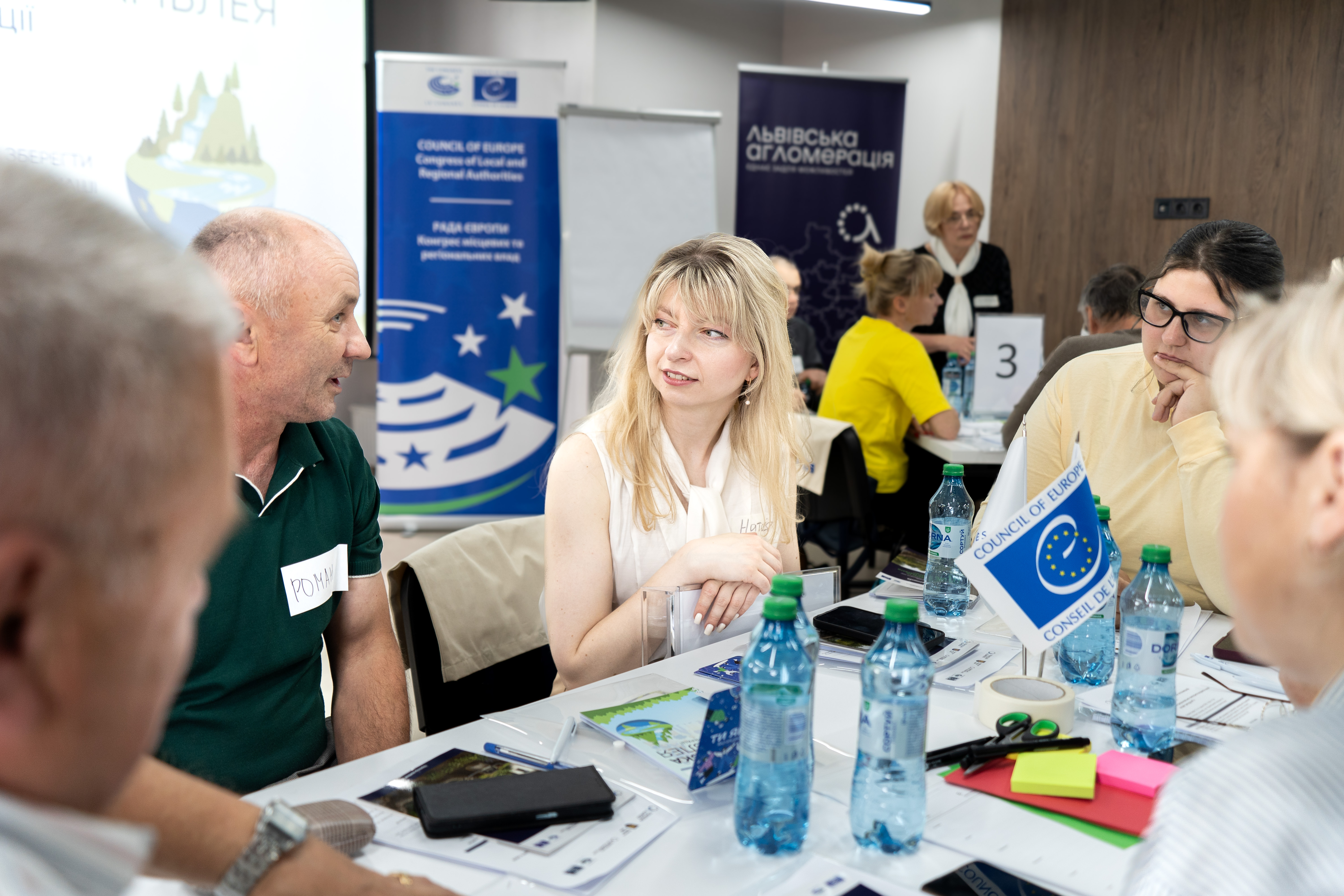
The second day of the first session was dedicated to a deeper exploration of the topic through dialogue with seven experts. In the format of thematic expert stations, or “speed dialogues”, the participants discussed in small groups the ecological condition of lakes, rivers and water bodies, civic oversight and resident engagement in water resource management, floods and flooding, wastewater and sewerage, access to quality drinking water, recreation and access to water bodies, as well as the specific features of water resource management in the agglomeration.
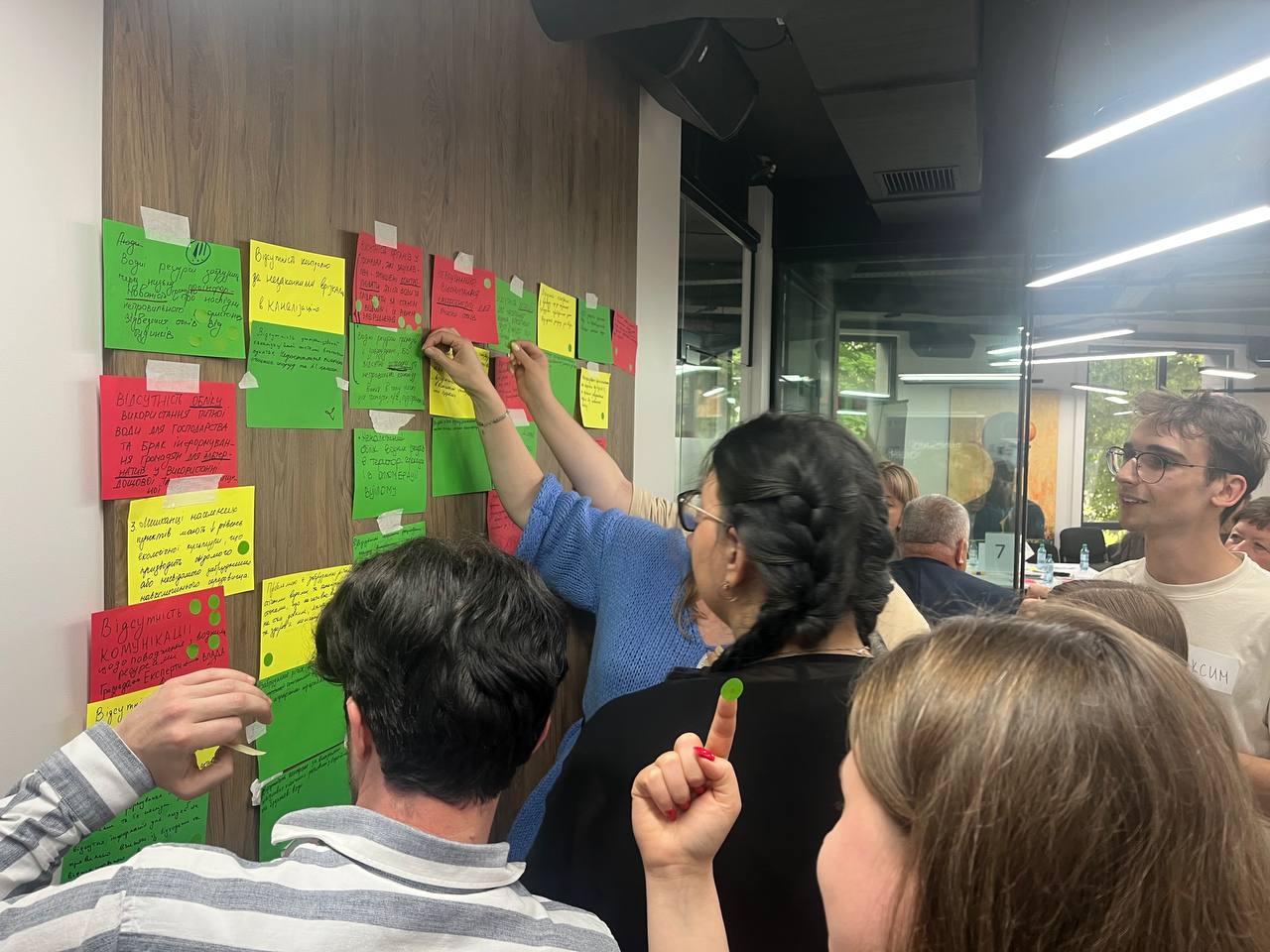
These discussions helped the participants gain a deeper understanding of the challenges related to water resource management, identify key problems requiring joint solutions at community level, and begin prioritising topics for further work. Following a series of intensive discussions, they summarised the most important problem areas and, through voting, identified those they consider most urgent for the Lviv Agglomeration. These priority areas will form the basis for the further work of the assembly and for the development of recommendations.
The information gathered during the first session of the citizens’ assembly will help the participants prepare meaningful and practical recommendations for local self-government authorities. For their part, the authorities have committed to considering the recommendations developed by the assembly.
The planning, preparation and implementation of the citizens’ assembly are in line with the Council of Europe Committee of Ministers’ Recommendation to member States on deliberative democracy and international standards on participatory democracy. The organisation of the assembly of the Lviv Agglomeration has been a unique process, as the agglomeration covers not one administrative-territorial unit, but 13 communities with different experiences, needs and levels of infrastructure development. Conducting the process at agglomeration level requires close interaction between communities, additional co-ordination and agreement on decisions, as well as readiness to jointly seek responses to challenges that go beyond individual communities and require an inter-municipal approach.
The next sessions of the citizens’ assembly of the Lviv Agglomeration will take place on 27–28 June and 11–12 July 2026.
Citizens’ assemblies in the Rivne community and the Obolon district of Kyiv, conducted with the support of the Council of Europe project in March–April and April–May this year, have already completed their work. In Rivne, participants developed 20 recommendations on how to make the community a place where young people want to stay and build their future. In the Obolon district of Kyiv, assembly members prepared 24 recommendations on supporting veterans and their families. Comprehensive reports on these two assemblies are currently being prepared and will be publicly presented at a later stage.
The preparation and implementation of the citizens’ assembly take place within the Council of Europe Action Plan for Ukraine “Resilience, Recovery and Reconstruction” for 2023-2026 and the project “Strengthening multilevel governance and local democracy to support Ukraine’s recovery”, implemented by the Council of Europe Centre of Expertise for Multilevel Governance at the Congress of Local and Regional Authorities.