All Different - All EqualCombating racism and discrimination with young people
Forms of racism and racial discrimination
The fact that “race” is a myth does not mean that racism and racialisation of people and communities does not exist. Manifestations of racism are present in all societies and peoples.
Particular forms of racism are either more present or particularly relevant in contemporary European societies. Human rights activists and international organisations have made significant efforts over the past decade to ensure these forms are properly defined in order to determine better policies and actions at local, national and international levels to ensure equality.
Antigypsyism (or anti-Roma racism)
Antigypsyism is a specific form of racism against Roma and Sinti people, and all those perceived to belong to this minority group, which is also the largest ethnic minority in Europe. This is one of the most rampant forms of racism in Europe today. The word ‘gypsy’ is mostly used in a derogatory way by people who are not themselves ‘gypsies’, whereas people who are usually labelled as such identify themselves differently: as Roma, Sinti, Kale, Travellers and so on. A few, in certain countries, self-identify as Gypsies.
The word ‘antigypsyism’ is used to define a form of customary racism that encompasses specific biases, prejudices and stereotypes that motivate everyday discriminatory behaviours, as well as structures that exclude primarily the members of Roma community. The Holocaust of Roma and Sinti during the Second World War by Nazi Germany and its allies is the most horrible manifestation of this particular form of racism. The presence of denial of this genocide in today’s societies is a continuation of this gross human rights violation.
To further explore the issue of antigypsyism, we invite you to look at:
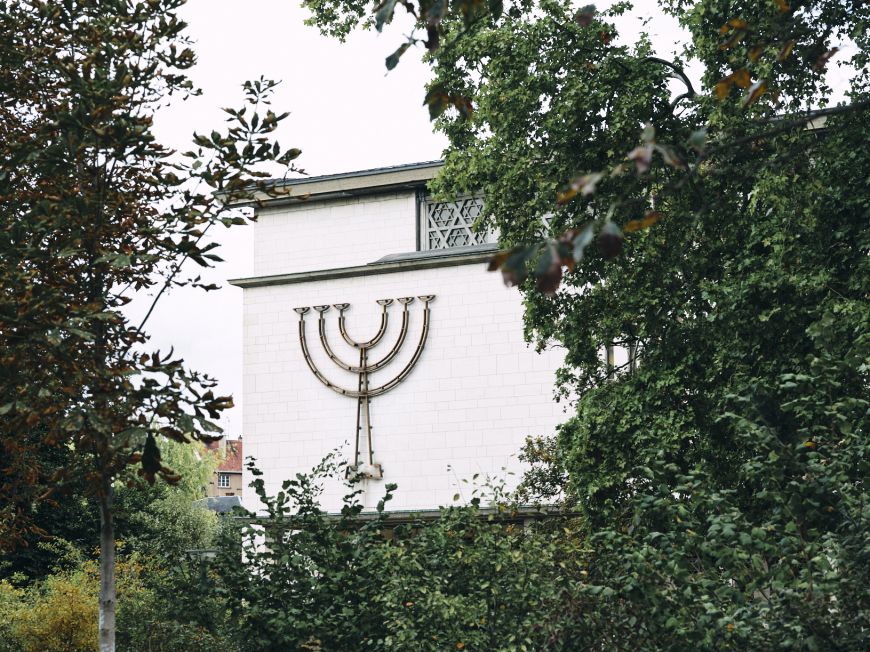
The combination of power, prejudice, xenophobia and intolerance against Jewish people is known as antisemitism. The International Holocaust Remembrance Alliance defines antisemitism as “a certain perception of Jews, which may be expressed as hatred toward Jews. Rhetorical and physical manifestations of antisemitism are directed toward Jewish or non-Jewish individuals and/or their property, toward Jewish community institutions and religious facilities.” The most horrific manifestation of antisemitism came with Hitler's rise to power and the Nazi ideology of racial purity. Six million Jewish people died in concentration camps during the Holocaust or Shoah. Antisemitism remains widespread in Europe, even if in some cases it is harder for the public to identify or to admit. In recent years, Jewish cemeteries have been desecrated, Jews are regular targets of hate speech and they are sometimes physically attacked. Research regularly indicates ongoing high levels of antisemitism among mainstream European societies, accompanied by sporadic rises.
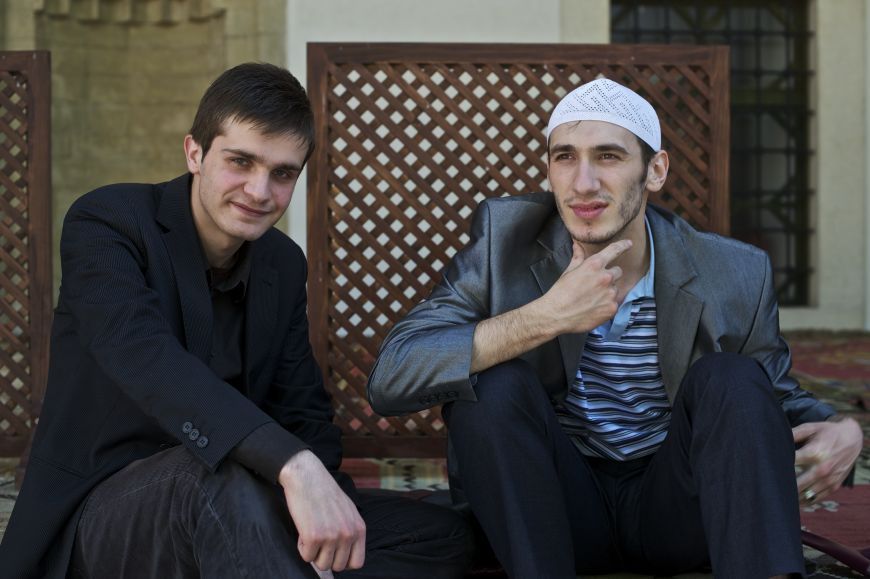
Islamophobia, also referred to as discrimination against Muslims, is a particularly widespread form of racism and discrimination in many European societies. It impacts strongly on Muslims but its negative consequences affect society as a whole. The European Network Against Racism defines Islamophobia as:
"a specific form of racism that refers to acts of violence and discrimination, as well as racist speech, fuelled by historical abuses and negative stereotyping and leading to exclusion and dehumanisation of Muslims, and all those perceived as such. Islamophobia can also be the result of structural discrimination. Islamophobia is a form of racism in the sense that it is the result of the social construction of a group as a race and to which specificities and stereotypes are attributed, in this case real or perceived religious belonging being used as a proxy for race. Consequently, even those who choose not to practice Islam but who are perceived as Muslim - because of their ethnicity, migration background or the wearing of other religious symbols - are subjected to discrimination."1
Islamophobia is different from criticism (or even fear) of Islam. Islam, as a religion, as an ideology, is subject to criticism as is any other religion or ideology.
Intersectional issues: Ageism, Disablism, Sexism, Homo and Transphobia…
The “intolerance” that the Education Pack seeks to address and was at the heart of the All Different – All Equal campaign includes other forms of discrimination such as those based on on age (ageism), sex (sexism), disability (disablism), sexual orientation and gender identity (Homo and Transphobia). They are not specifically addressed in this manual but the key concepts and the rationale of the activities are fully valid. The activities can also be easily adapted in the issues, especially during the debriefing phase. Combating racism in Europe today brings additional reflection to some of these issues and adds intersectionality as a necessary approach to consider because no identity or personal reality can be reduced to a single issue. Additional information and resources are also available in Compass, the manual on human rights education with young people.