On 3-6 June, for the third year in a row, The Council of Europe welcomed in Strasbourg 50 young participants for the workshop “Death is Not Justice – Advocacy for the Abolition of the Death Penalty”, the previous editions of which were held in June 2023 and June 2024.
One of the main objectives of this project is to provide a platform for young volunteers, students and active members of civil society to meet like-minded people and build a network of young Ambassadors against the death penalty to promote the abolition of the death penalty, as well as cooperate and amplify each other’s voices. During the recent Workshop, the participants of 2023 and 2024 editions, who have already undertaken various initiatives to promote the cause, shared their progress. One of the most prominent outcomes of the 2024 edition of the Workshop was the Declaration by the Young Ambassadors against the Death Penalty, which was prepared by a group of participants, endorsed by the whole group, and published on the occasion of the European and World Day against the Death Penalty. The Declaration reflects their unified stance and commitment to ending the capital punishment and promoting justice rooted in human dignity. It calls for action and serves as a testament to the vital role youth play in shaping a future free from the death penalty.
Since the previous editions of the Workshop, the young Ambassadors have developed and implemented a number of individual projects and initiatives.
Many of the young Ambassadors are students, and conferences have been organized at their respective universities. In the United Kingdom, a conference at St Andrews University inspired about a hundred students to defend human rights and the abolition of the death penalty. In France, three conferences took place, one at the University of Evry and the two - at Sciences Po Strasbourg. The first one brought together experts to inform law students about the issue of the death penalty, analysed through the angle of domestic and international law. The second one raised awareness among nearly two hundred students, notably through the testimony of a former death row inmate and lawyer at the International Criminal Court (ICC), Mr. Firmin Yangambi-Libote. The third conference had a special focus on the current situation in Belarus, as it was held on the eve of the presidential elections. In Italy, a conference on the abolition of the death penalty was also organized at the University of Milan, and it addressed the global status of the LGBTQ+ community. A segment of the event specifically highlighted countries where homosexuality is criminalized and could result in the death penalty.

Conference at Sciences Po Strasbourg. © Guillaume Vorona
For the network of young Ambassadors against the death penalty, these conferences play an essential role in mobilizing the youth: by raising awareness among young people, they help create an informed and potentially engaged generation on the issue of the universal abolition of the death penalty.
Other initiatives have been implemented using various media and platforms. For example, several exhibitions have been organized, such as an art exhibition on the impact of conflicts on human rights, where some artworks denounced the inhumanity of the death penalty.

Poster of the exhibition “the pain of others’”. © Ally Zlatar
The academic world has also been involved, with the publication of legal articles as well as the writing of dissertations on this subject, notably focusing on the argument of the irreversibility of the death penalty, the risks of judicial errors, as well as the racial biases of the American judicial system.
In the United States, Amelia Inglis submitted a PhD thesis that thoroughly examines the experiences of co-victims, particularly focusing on family members of murder victims. Her research delves into the complexities of their grieving and healing processes, highlighting the significant challenges they face while navigating the lengthy capital appeals process, which can span several years. Through her work, she aims to shed light on the emotional and psychological toll this drawn-out legal journey imposes on these individuals, ultimately contributing to a deeper understanding of their unique struggles and needs.
Finally, awareness-raising actions have been carried out with various elected officials, authorities, and institutions, highlighting the crucial role of civil society and citizens in the fight for universal abolition. Some of the young ambassadors were involved in the preparation of a UPR report on foreign detainees sentenced to death, e.g. in cases related to drug offenses. Participants from countries, where pro-death penalty rhetoric is on the rise, organized public discussions with their political authorities, and advocated against these narratives, reaffirming their full commitment to the values of the Council of Europe and its Additional Protocols No. 6 and No. 13. It is noteworthy that, despite the network’s wide geographical diversity, youth ambassadors engaged in discussions around similar issues, particularly raising concerns about the resurgence of pro-death penalty narratives.These activities demonstrate the commitment of the young Ambassadors against the death penalty. They contribute to raising awareness among a broad audience by leveraging the knowledge gained during the workshop, and to strengthen, at their level, the fight for the abolition of the death penalty. The individual and local level is important for this multi-country-based network. Participants have continued to be engaged in death-penalty related projects in civil society organisations and some of them have joined local associations and branches of NGOs, helping to strengthen the ranks of organized civil society working on death penalty-related issues, and contributing to larger projects within the scope of these organizations. The network also benefits from a wide range of profiles and backgrounds. A youth ambassador with a journalism background, working for a media outlet in her home country in Turkey, was able to analyze the evolution of pro-death penalty rhetoric and highlight cases of death sentences and executions, particularly those targeting women, in Iran and Afghanistan.
This network has also provided an opportunity for some participants to share previously conducted initiatives, such as the book Last Words of the Executed, published in 2019 by Alessandro Piana, as well as to promote upcoming initiatives: for example a youth ambassador at the University of Bristol joined the Post Mortem Project, which, after extensive work on death row cases, launched the project to travel to Texas to investigate the case of a British death row inmate who was executed when he was 17 years old.
During the third edition of the “Death is Not Justice” workshop, the young Ambassadors, joined by new participants, were able to work on future initiatives, in view for example of the next European and World Day Against the Death Penalty on October 10, 2025 and projects in preparation for the next World Congress, which will be held in Paris in 2026. .
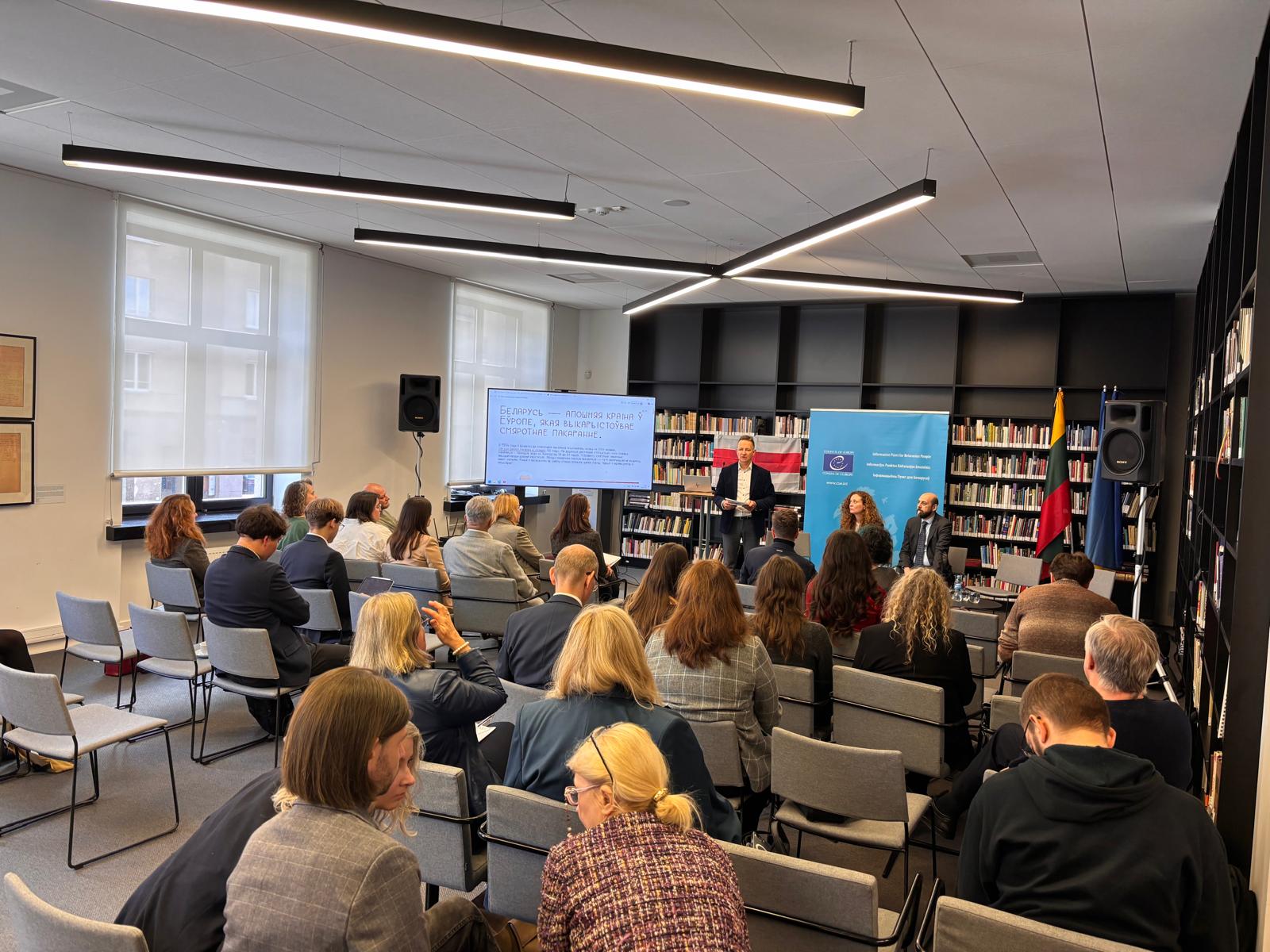
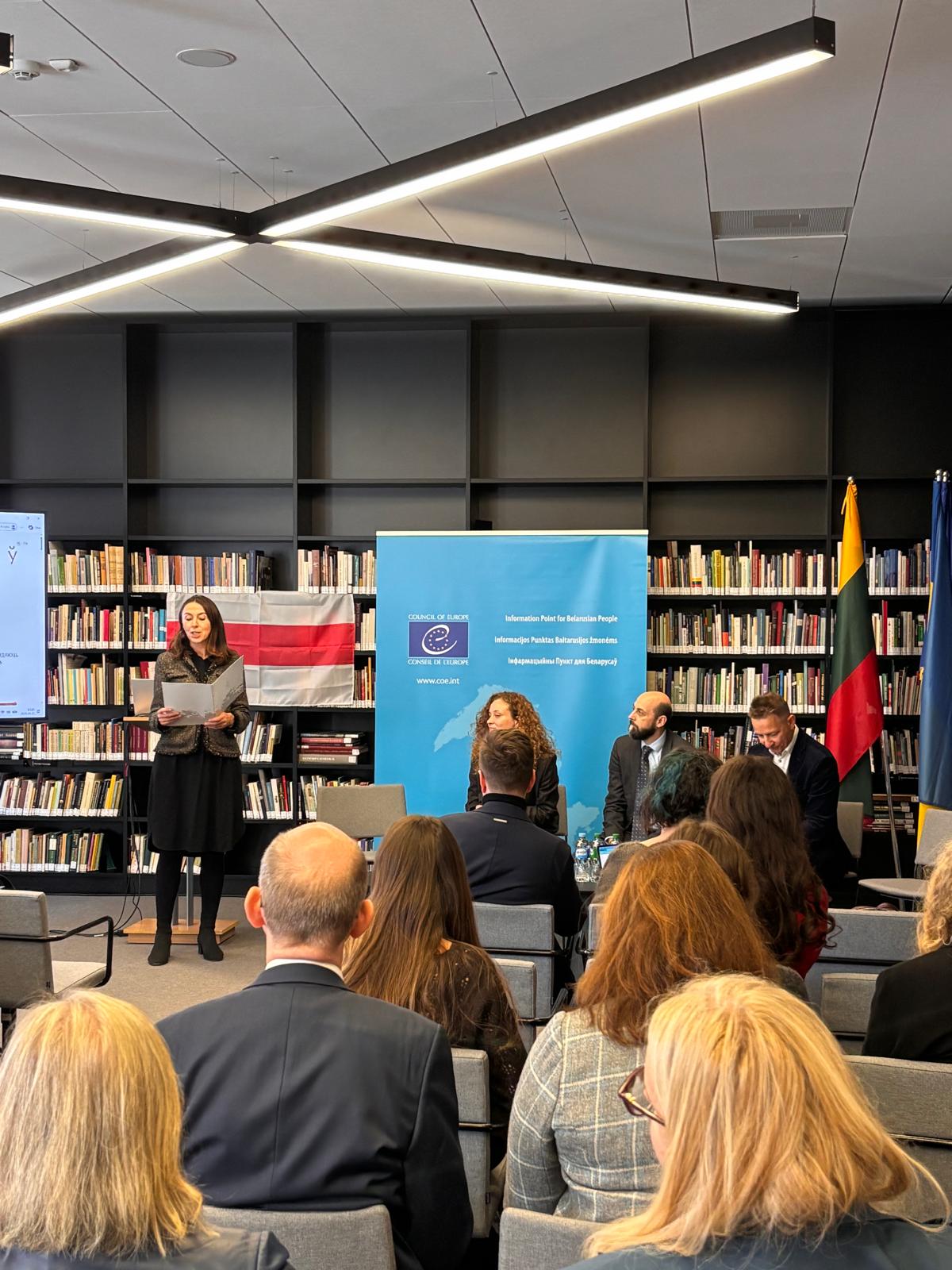
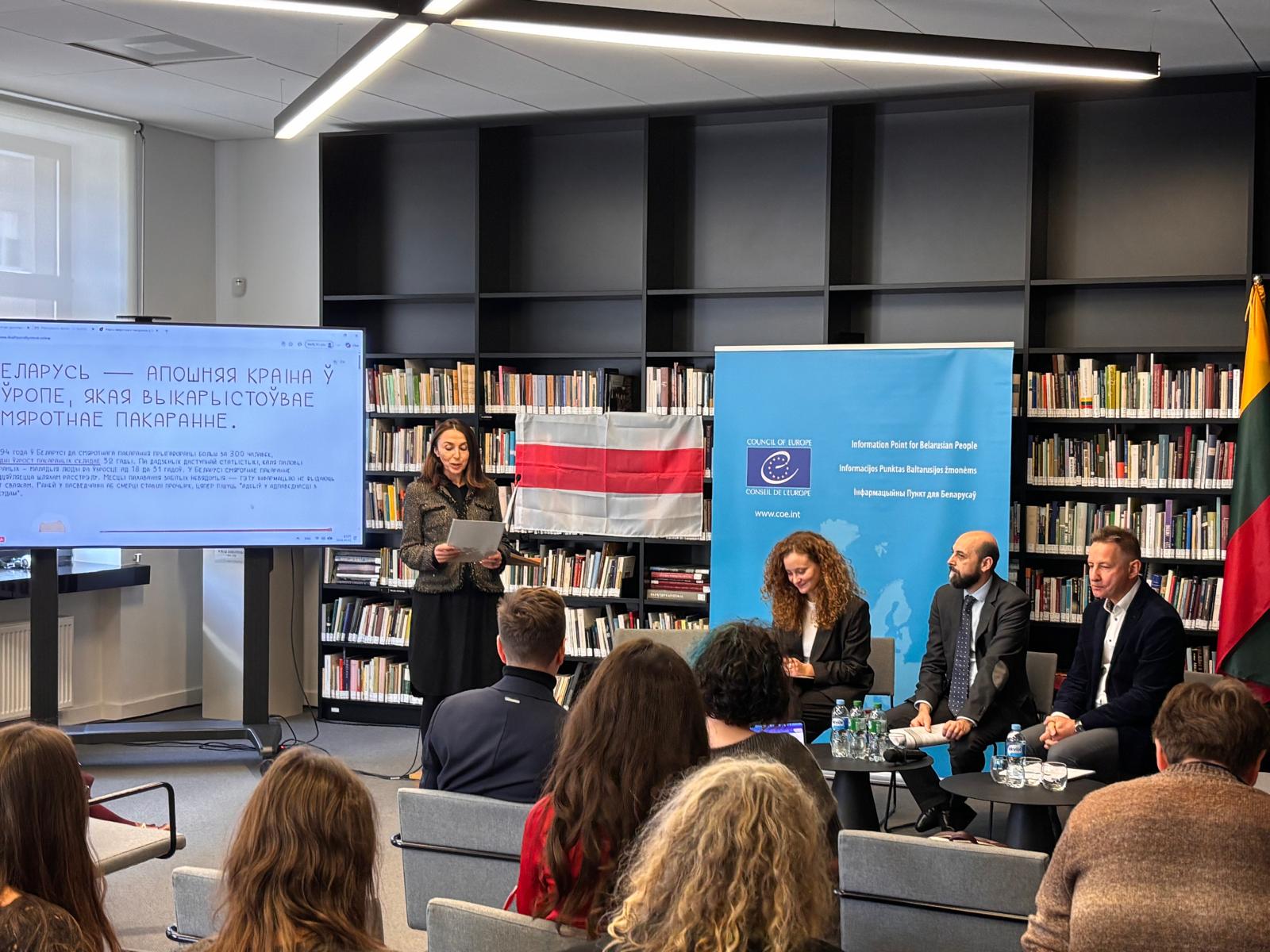
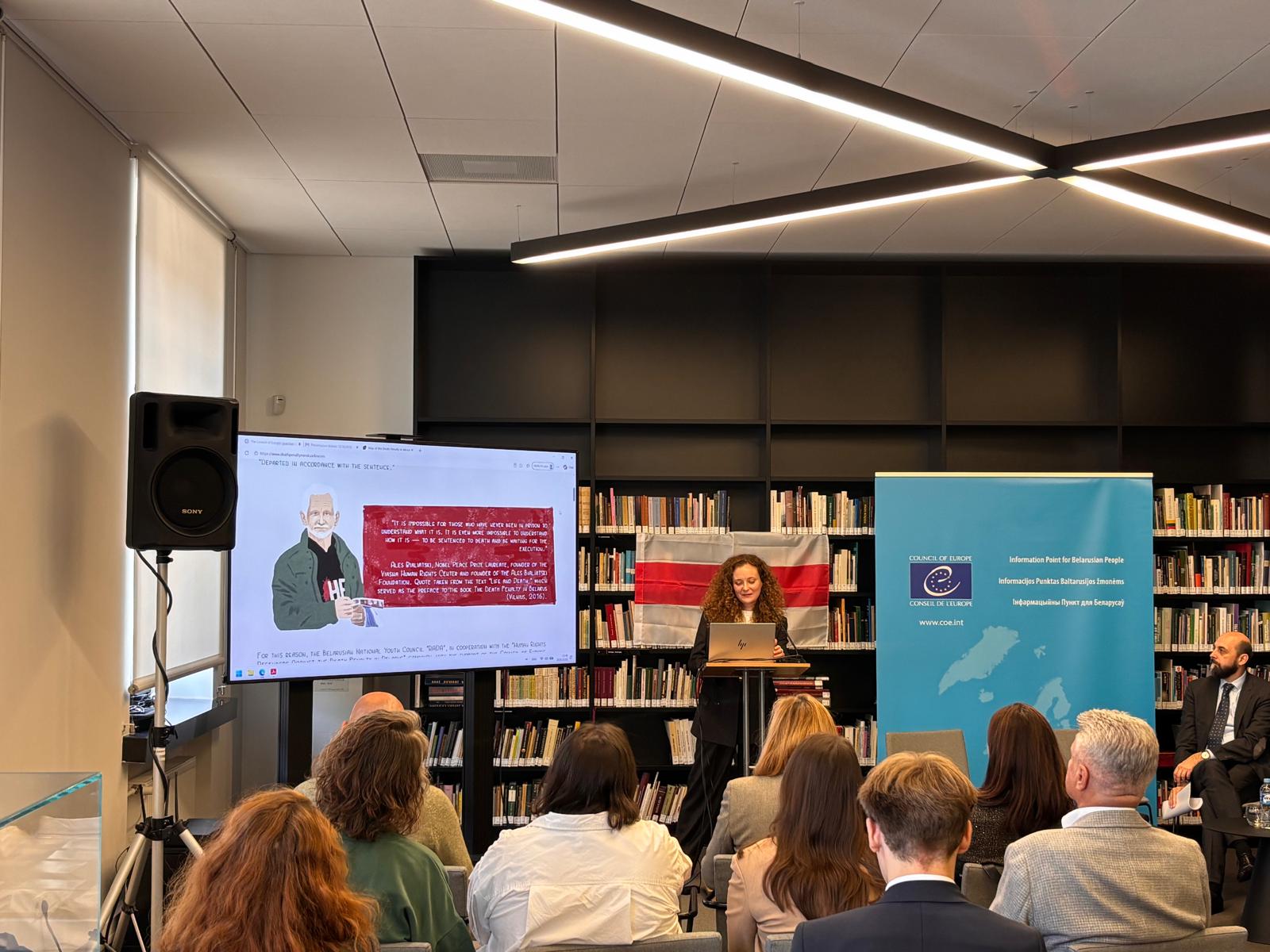
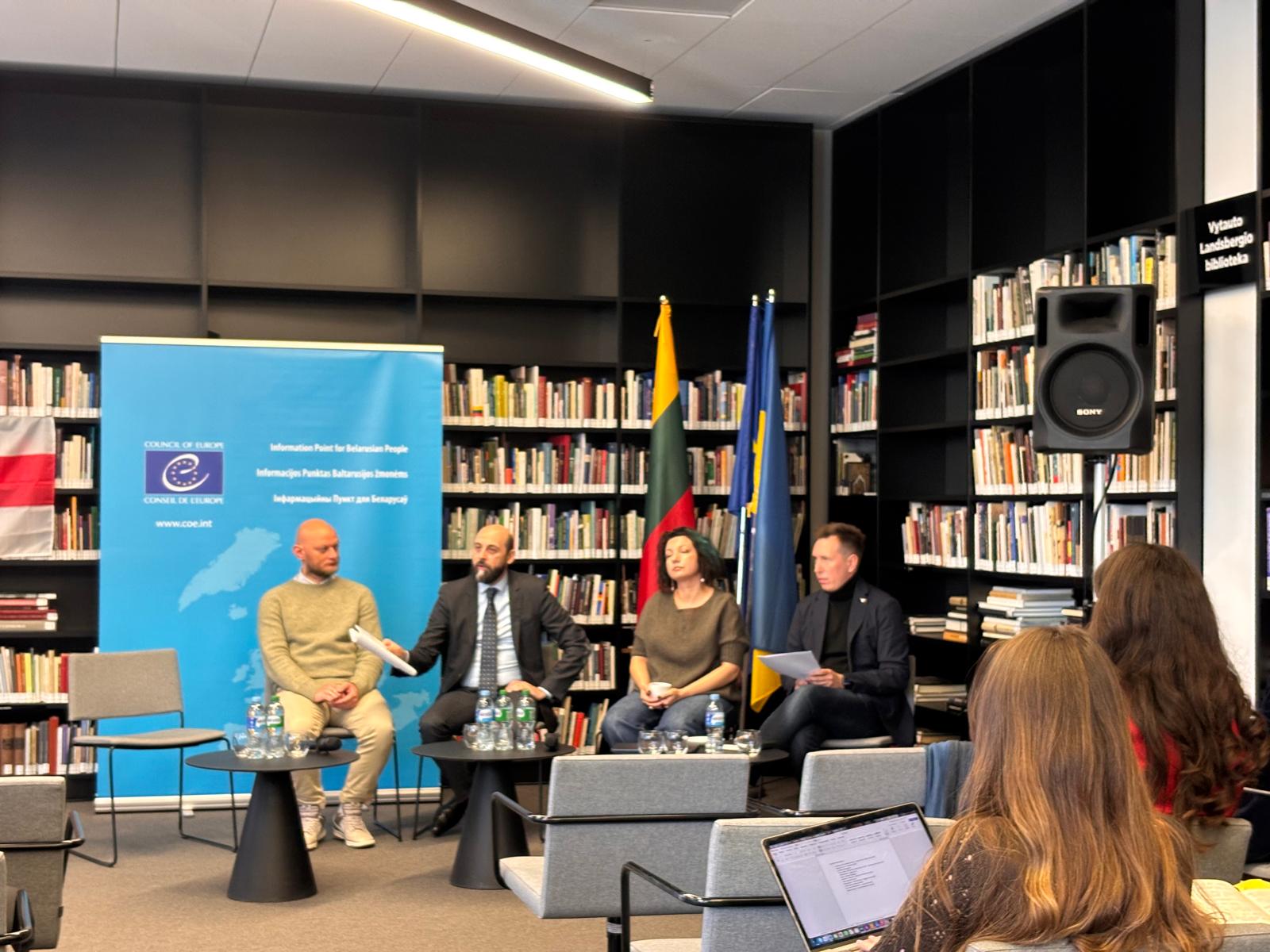
The series of the “Death is Not Justice” workshops are a part of Council of Europe activities to support young people’s efforts to fight against pro-death penalty narratives in Europe and contribute to global abolition. Such activities also include similar workshops, organised for youth from Belarus and from Africa in the framework of the North-South Centre. For example, in 2024 the workshop “Advancing the Abolition of the Death Penalty Among the Belarusian population” was organized in Vilnius for young people from Belarus. As a result, the participants put several of their ideas into practice, which included a movie screening and a discussion on the death penalty, picketing to raise awareness about the capital punishment among the Belarusian diaspora, as well as creation of the podcast to promote abolition of the death penalty among Belarusians. This important work with Belarusian youth is planned to be continued with the implementation of other projects identified during this workshop.


 Coordinator for the Abolition of the death penalty