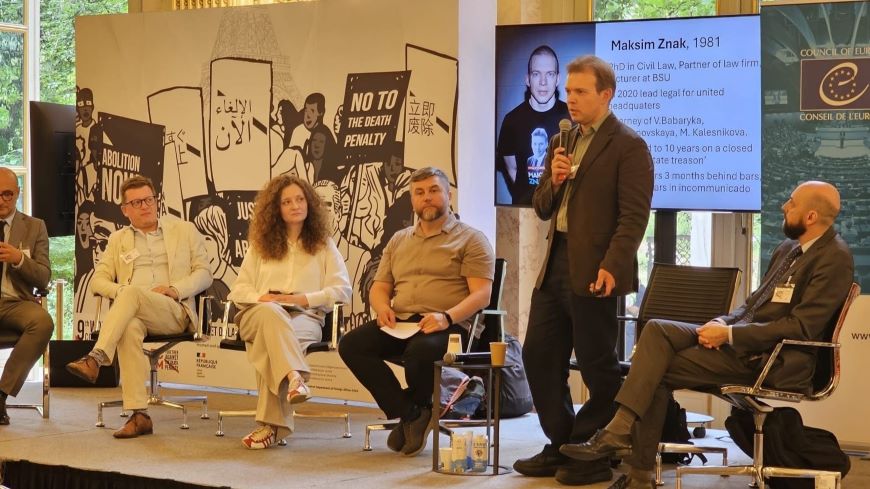
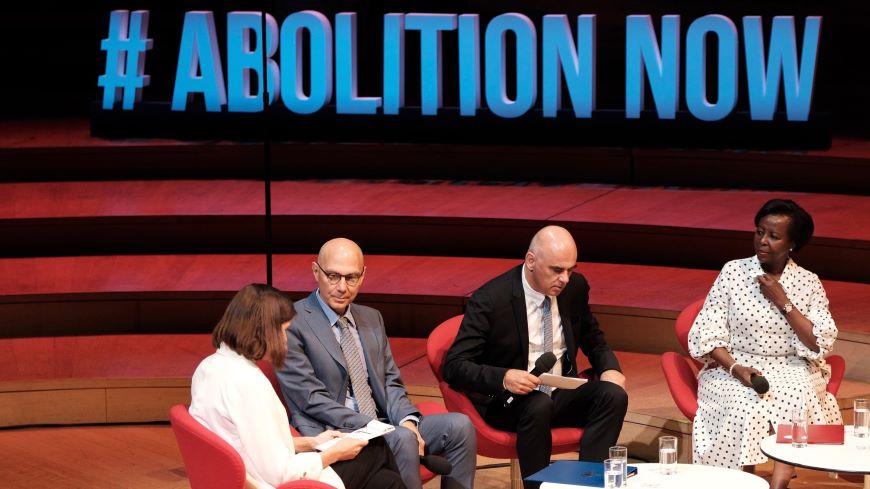
Among the projects launched following the Reykjavik Summit to fight against the resurgence of pro–death penalty narratives and to contribute more to global abolition, the Council of Europe has initiated work to develop a study on the history teaching of the abolition of the death penalty.
This study aims to examine how capital punishment is presented in history curricula and textbooks of the member states of the Observatory on History Teaching in Europe (OHTE). Particular attention is paid to the movements supporting its abolition, as well as to the Council of Europe’s efforts to achieve a death penalty–free zone among its 46 member states.
After the OHTE Governing board’s decision to launch this initiative, data collection began at the start of 2025, followed by analysis and drafting phases. The Leibniz Institute for Educational Media | Georg Eckert Institute is the main research partner, while the REPECAP network and the Coordinator for the Abolition of the Death Penalty at the Council of Europe have provided specialized expertise on the topic.
The methodology for this study revolves around three thematic concepts:
- Learning about legal decision-making processes related to the death penalty
- Arguments used for or against the abolition of the death penalty
- Teaching and learning about the moral issues related to the abolition of the death penalty
The draft study was reviewed and approved by the OHTE scientific advisory council at the end of 2025. The main findings of the report were presented by the Coordinator for the Abolition of the Death Penalty and the OHTE Secretariat during the OHTE Governing board meeting on 12 February 2026.
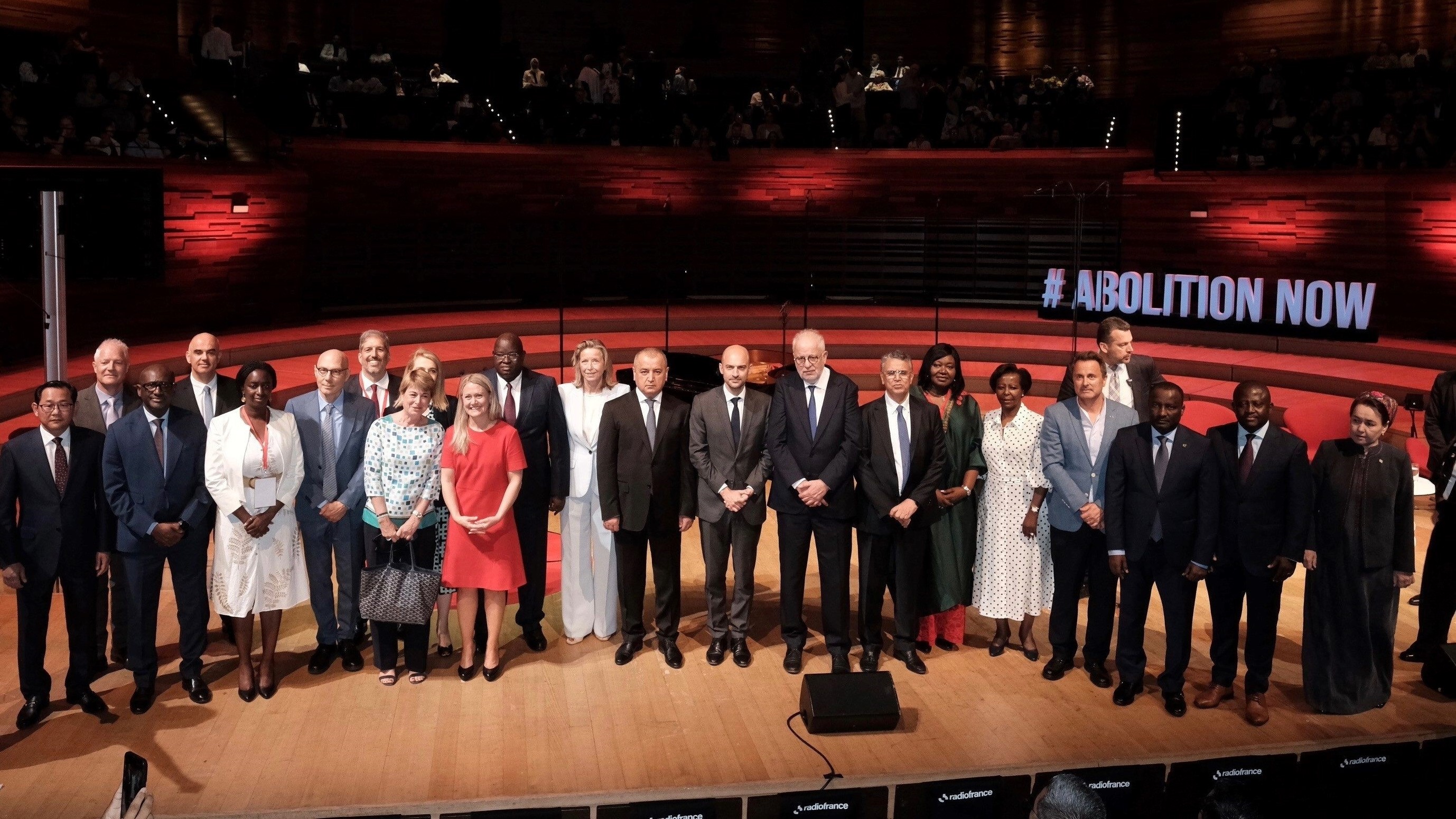
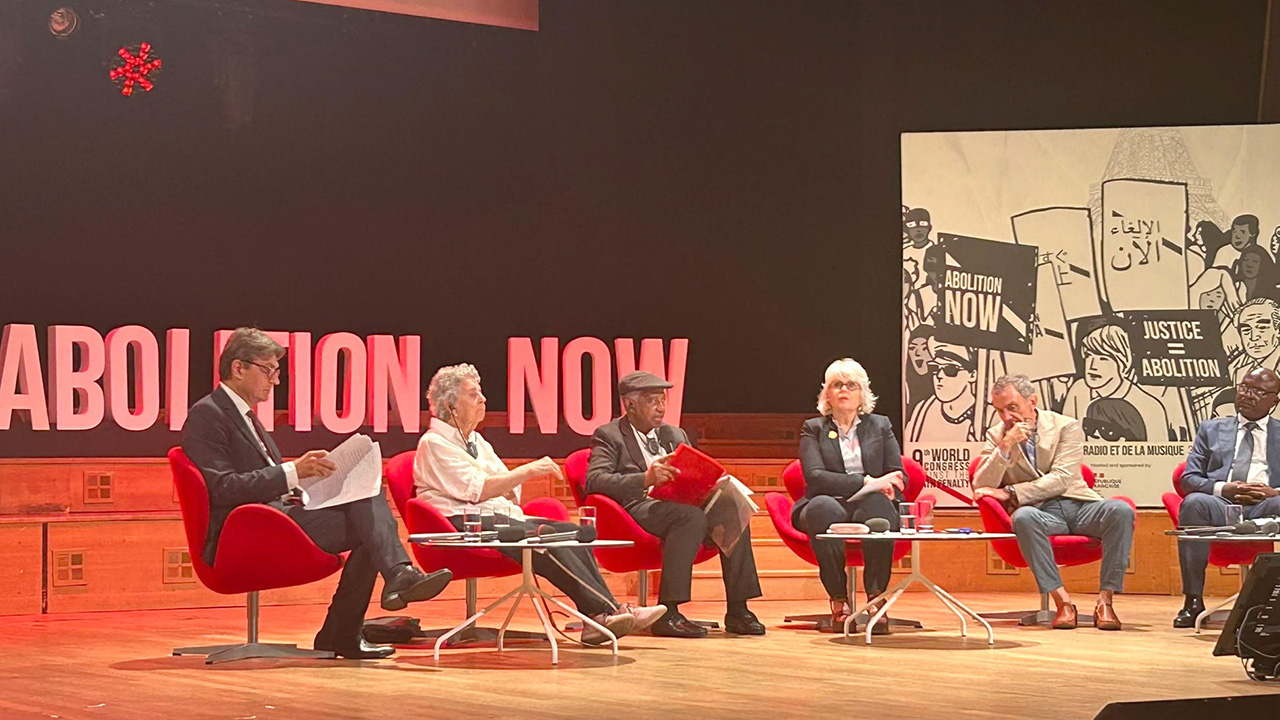
This study is expected to be finalized and published in view of the upcoming World Congress Against the Death Penalty, to be held in Paris from 30 June to 2 July 2026.


 Coordinator for the Abolition of the death penalty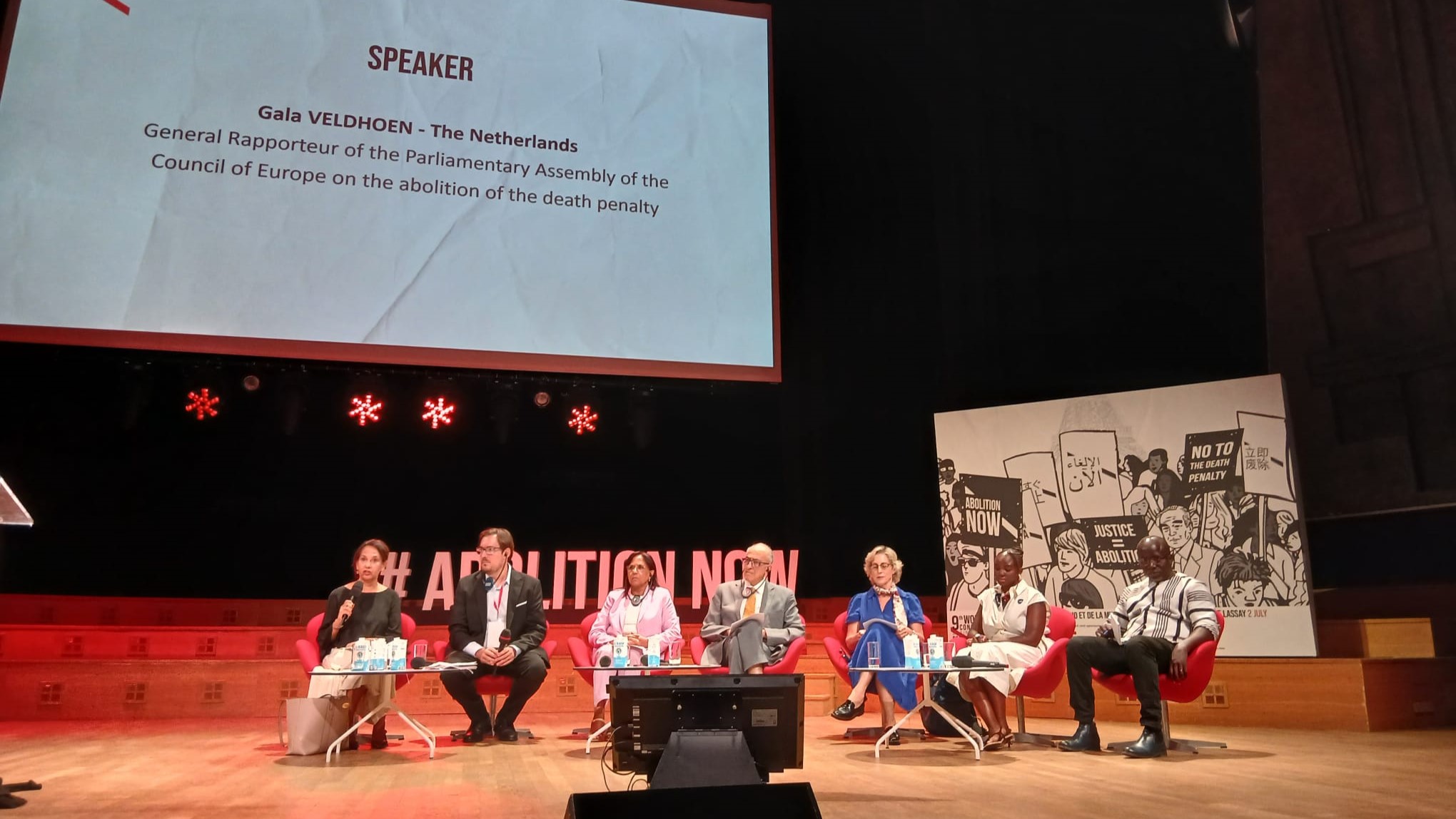
.jpg/e90aef76-c912-b734-2653-ae899e64536a?version=1.0)