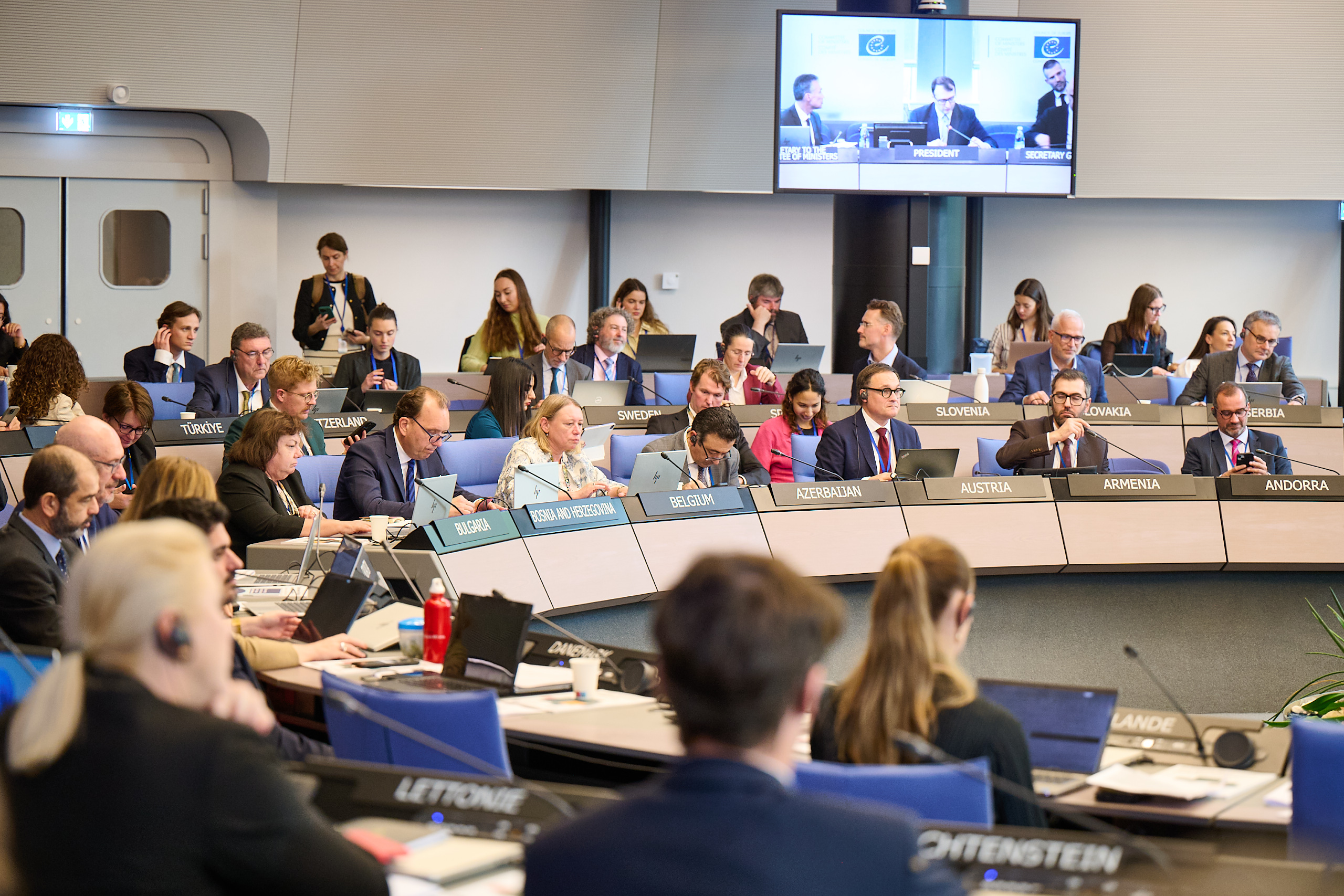
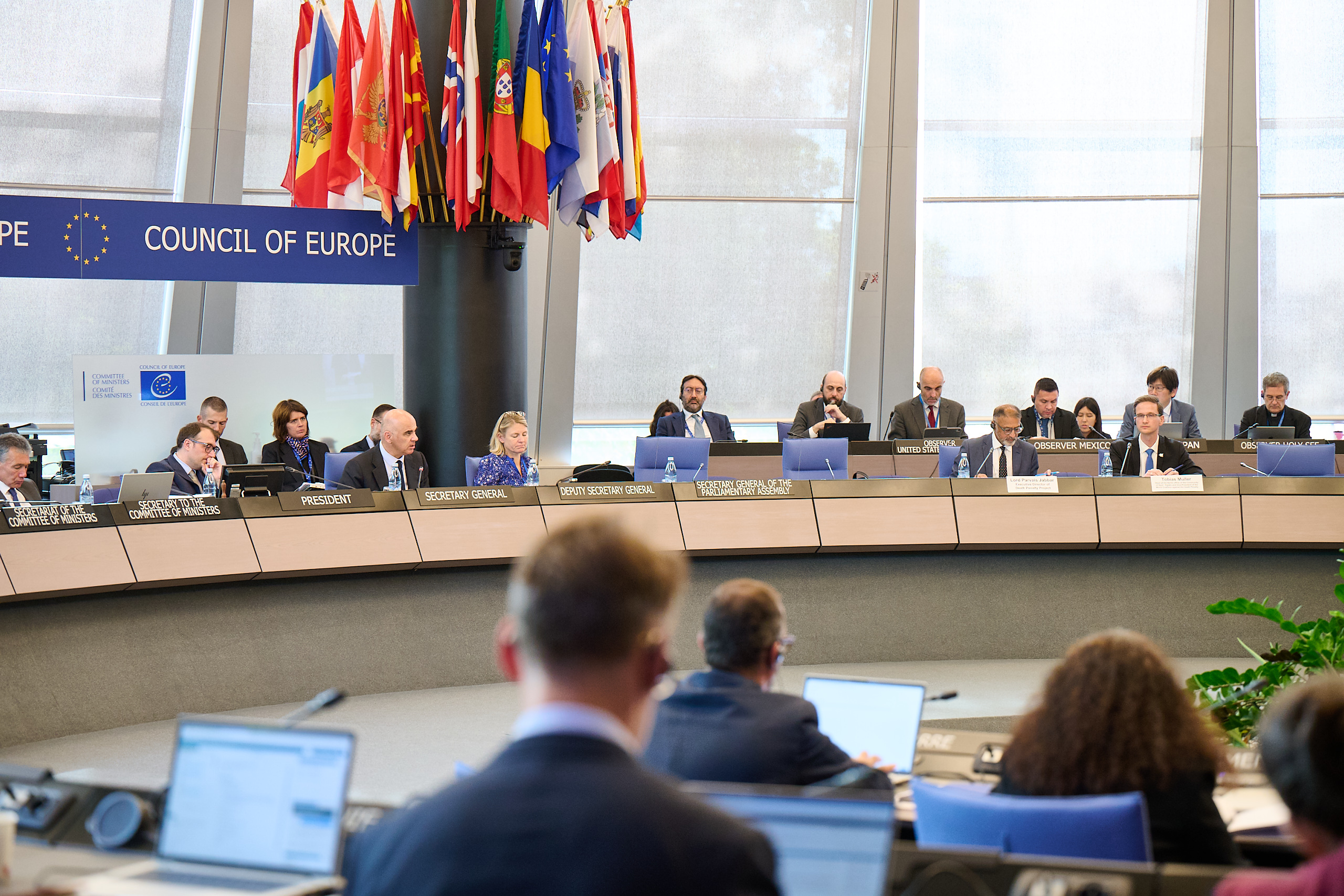
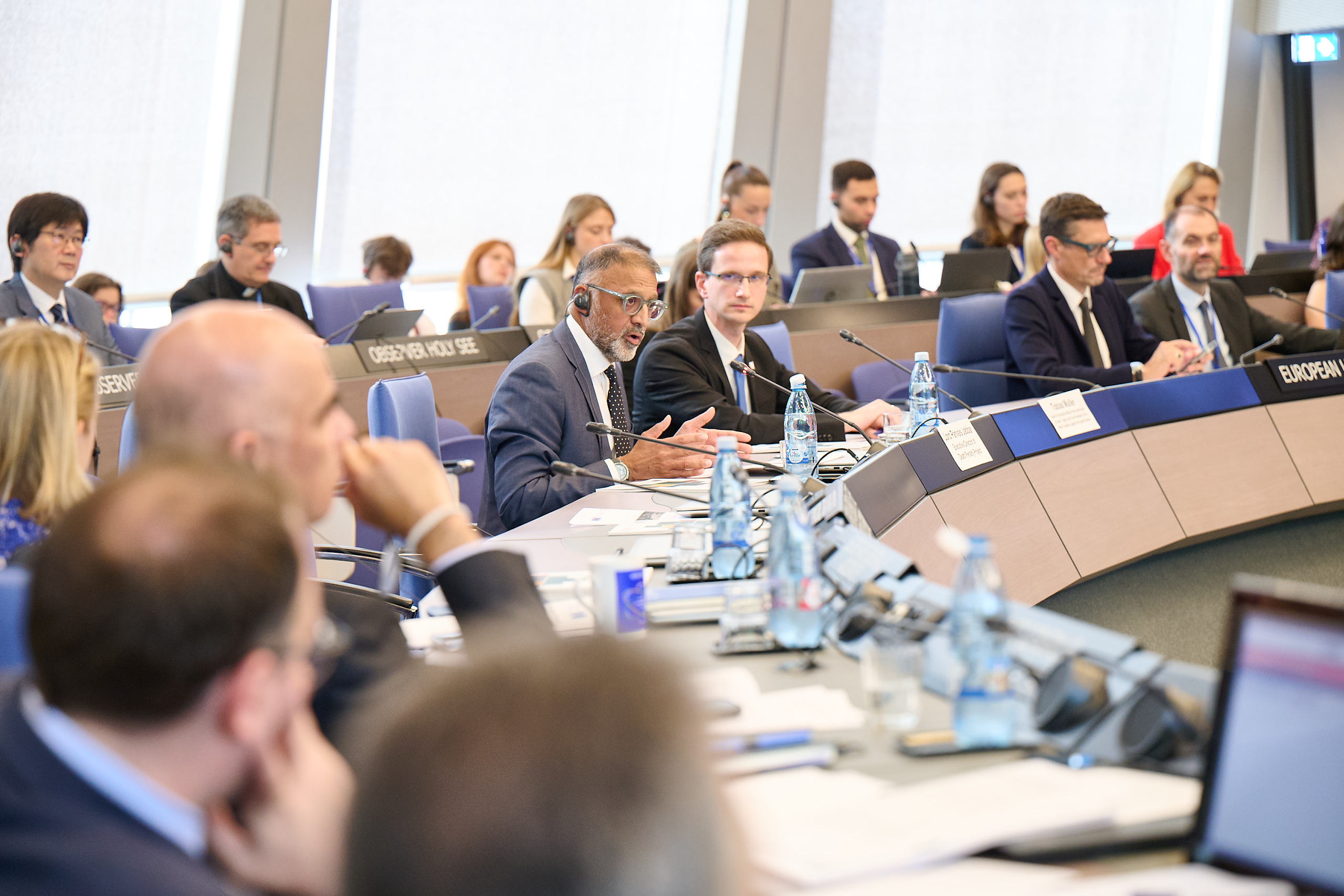
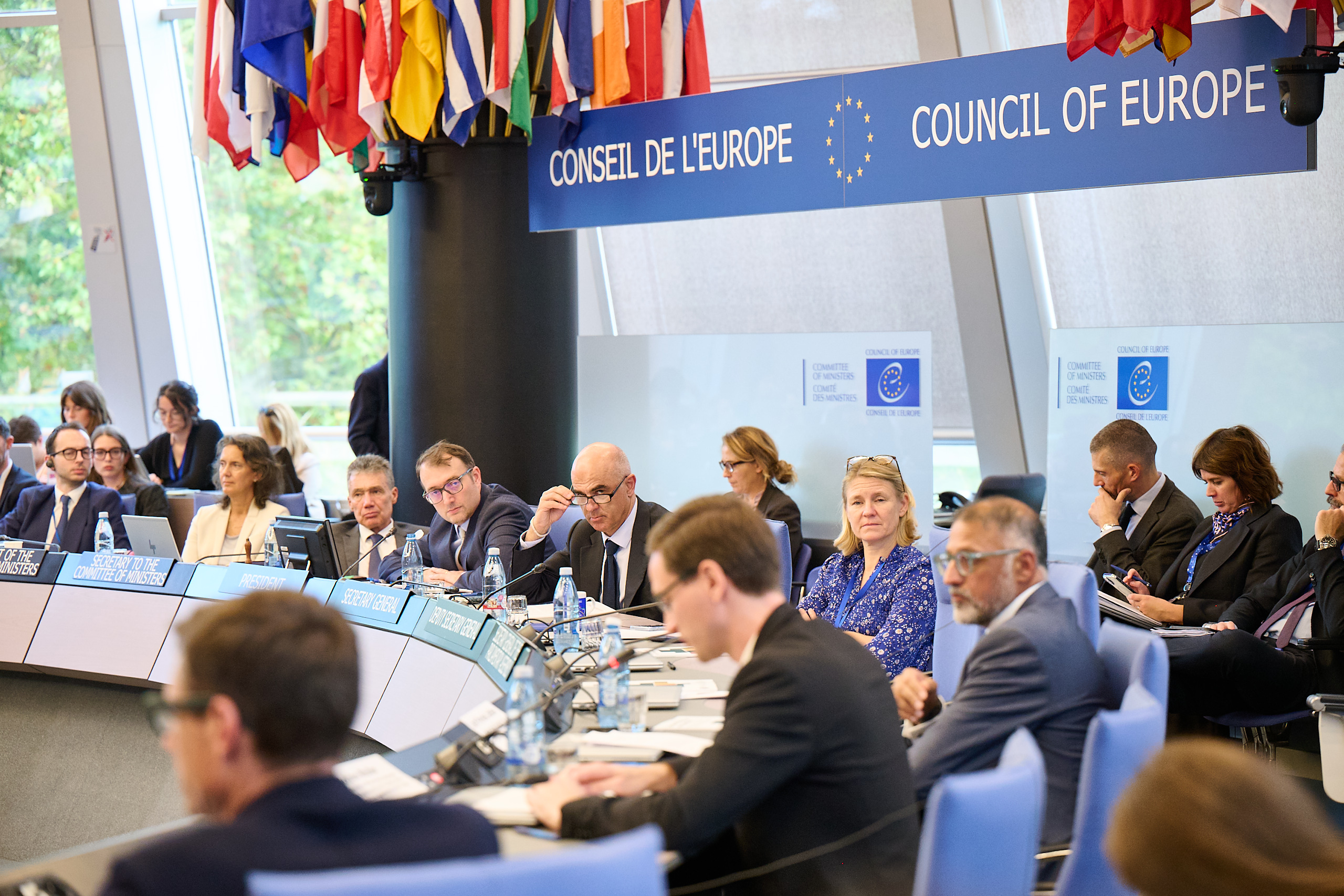
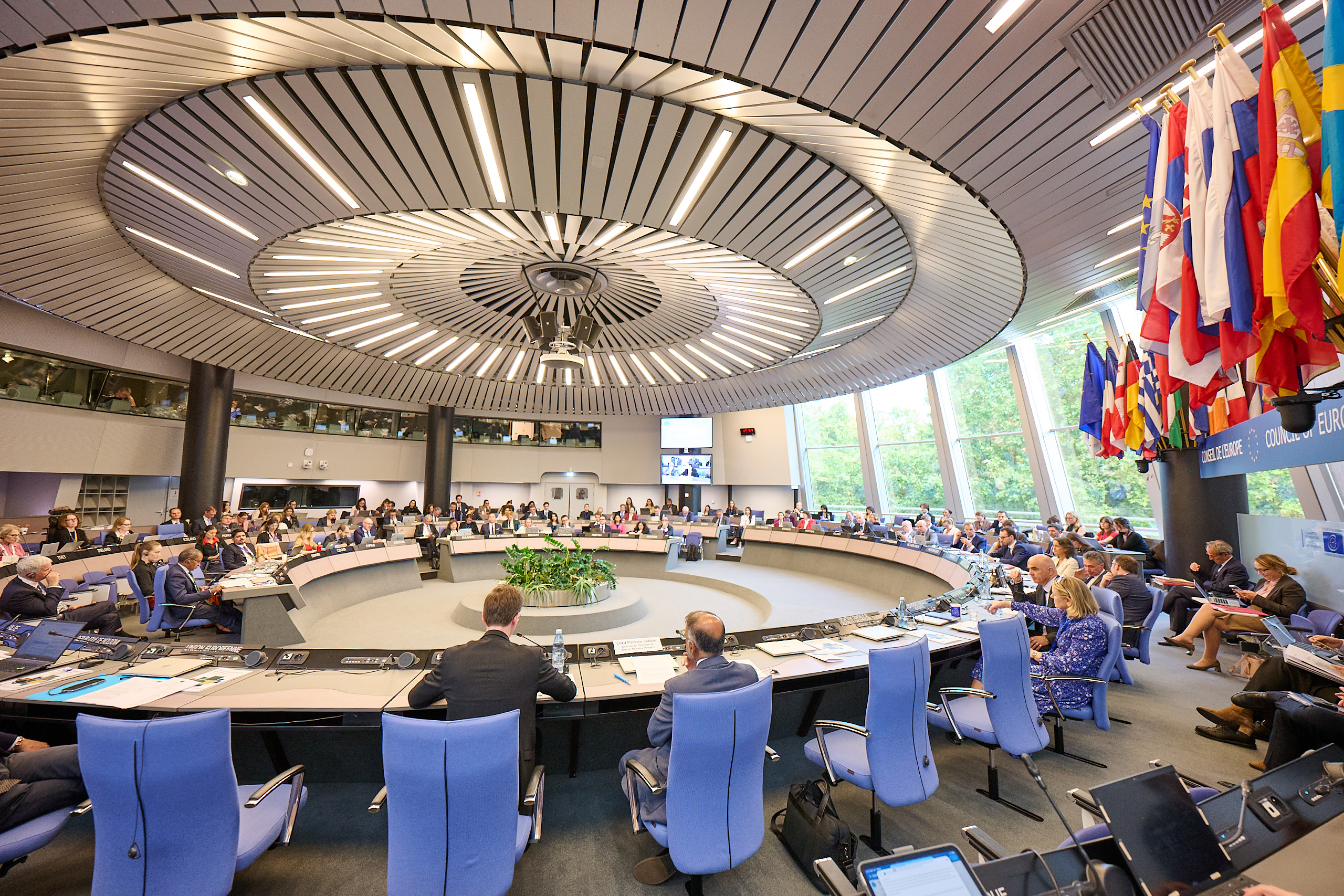
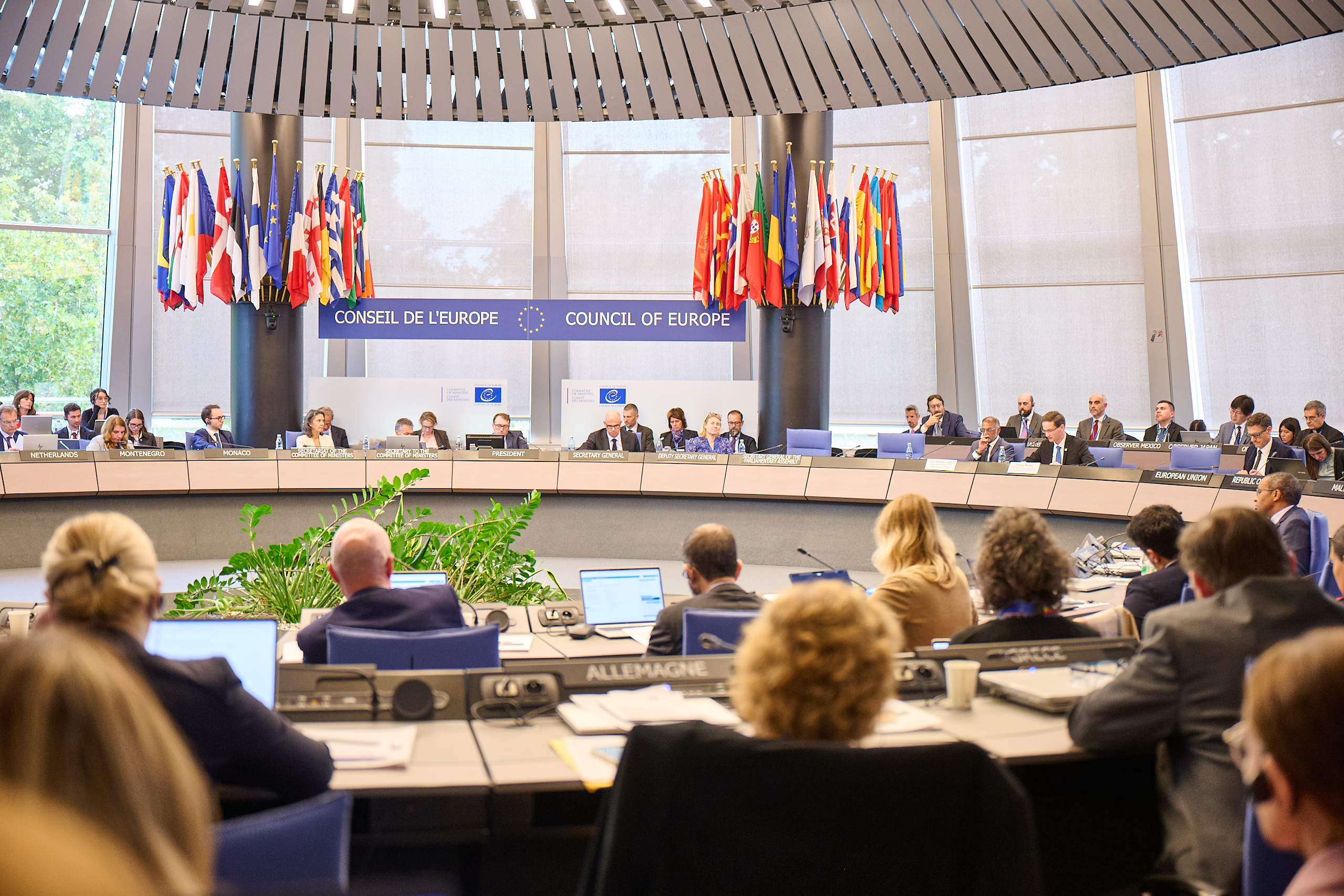
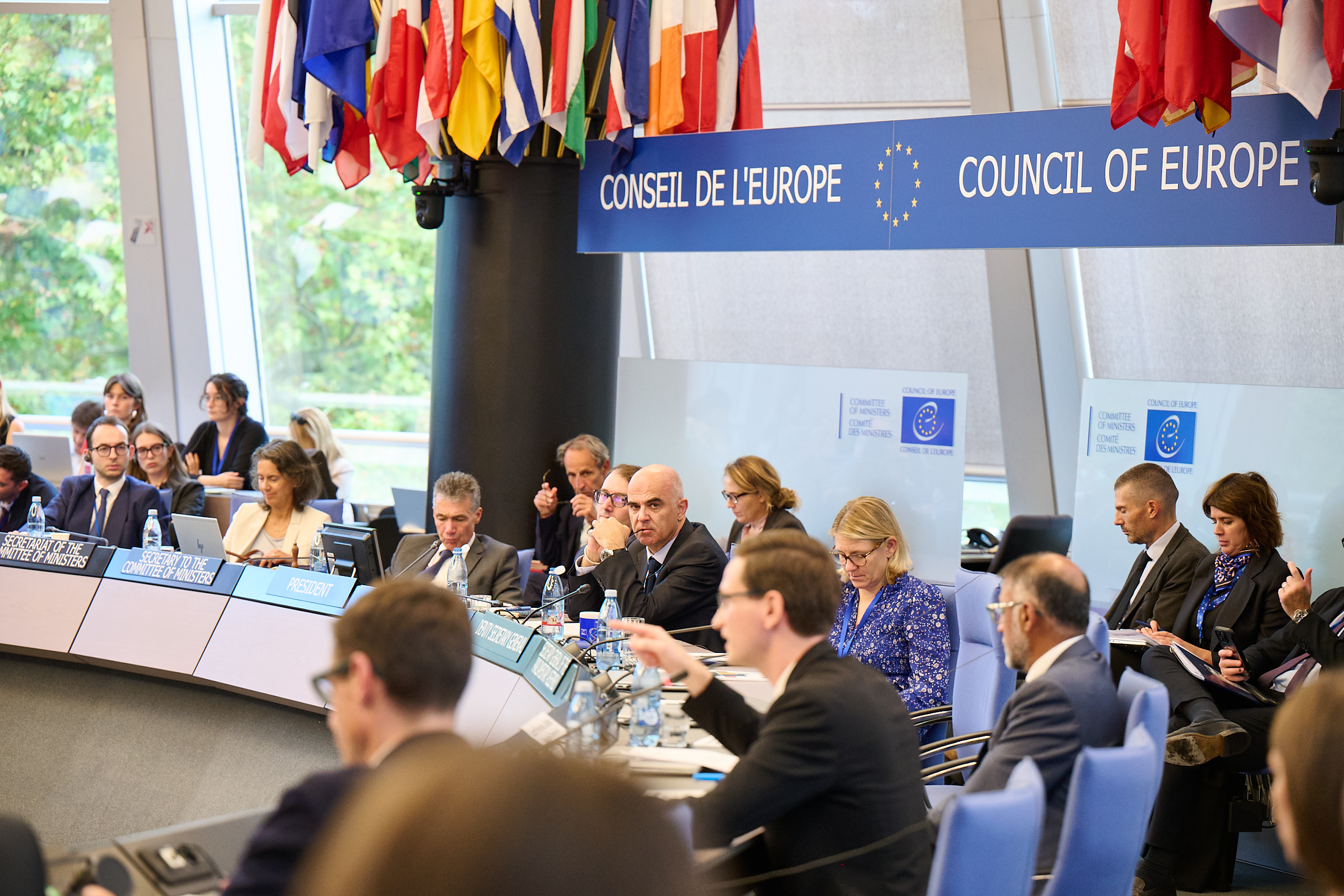
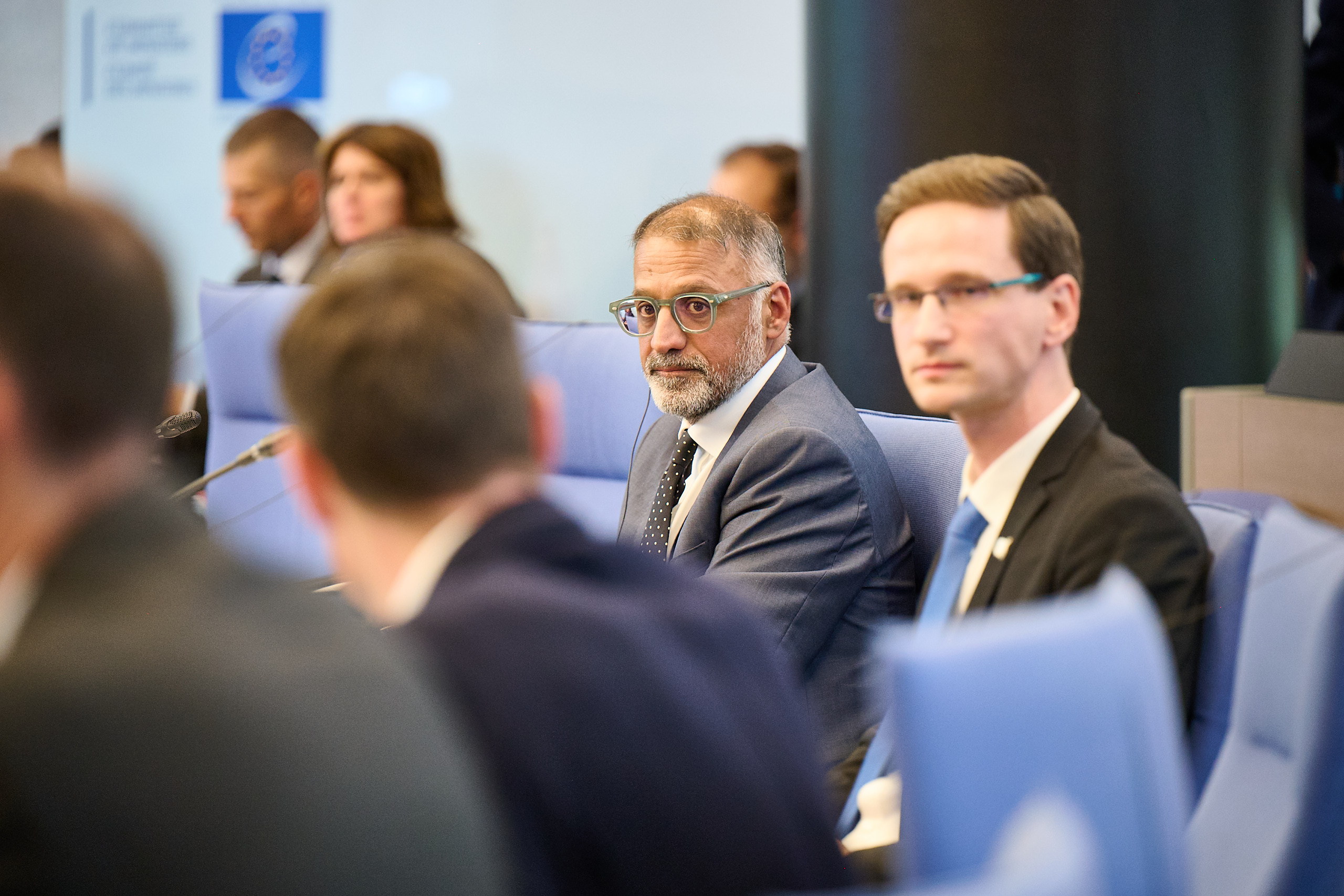
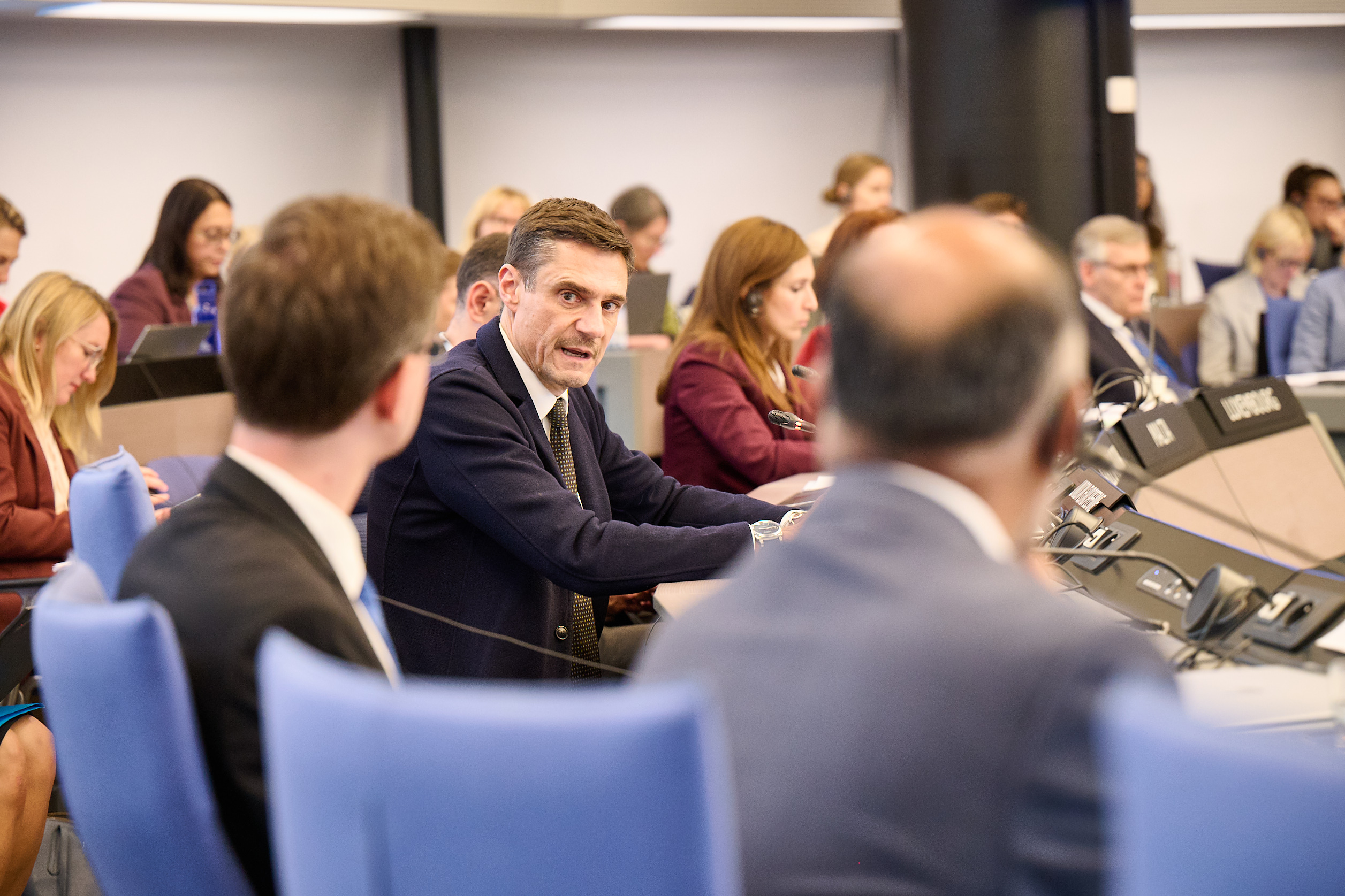
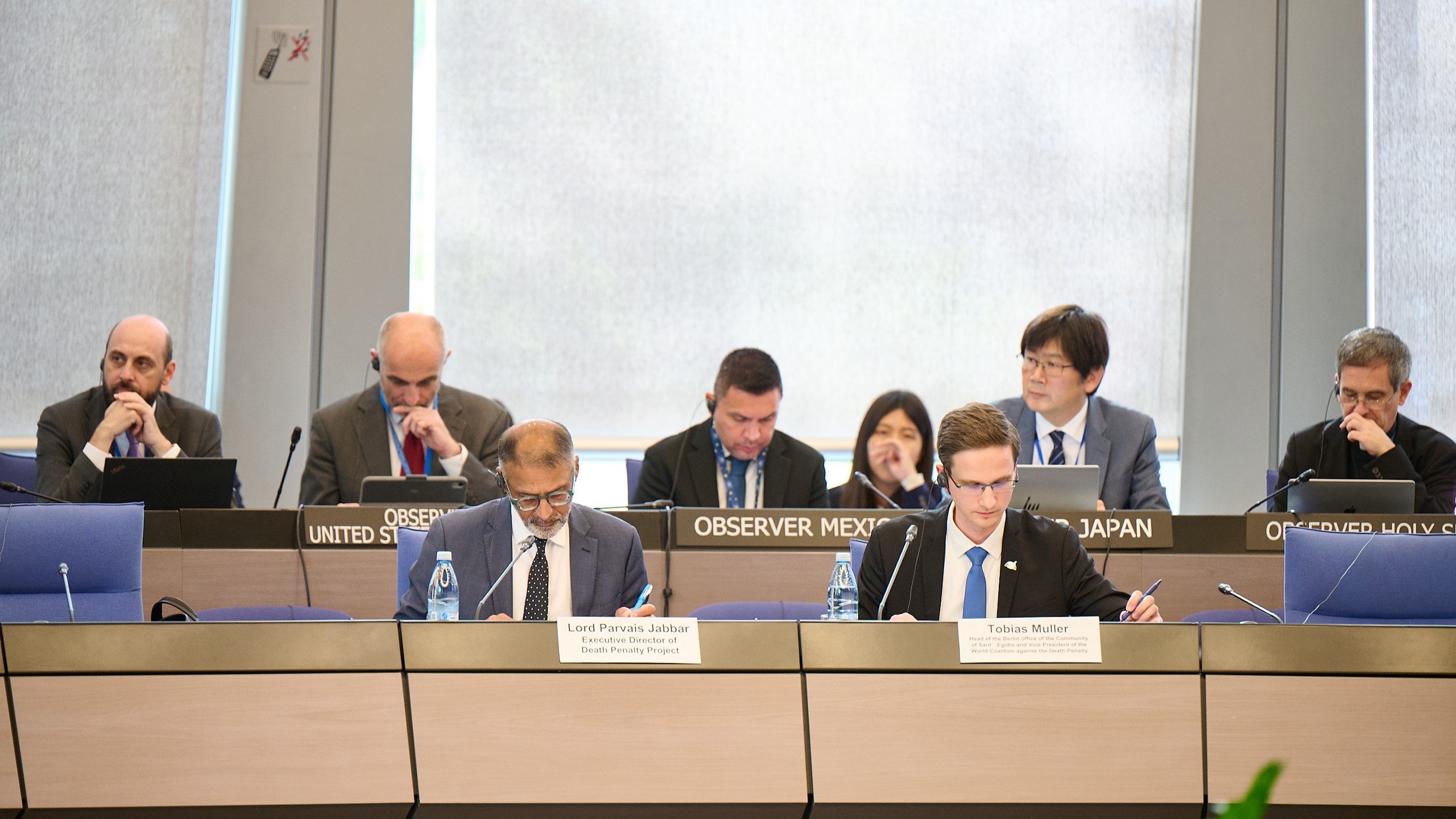
A thematic discussion on the abolition of the death penalty took place on 7 October 2026 during the 1571st meeting of the Council of Europe Ministers’ Deputies of the Council of Europe, chaired by the Principality of Monaco.
The Deputies had the opportunity to exchange views with external speakers on the abolition of capital punishment, in particular the outcomes of the 9th World Congress Against the Death Penalty, which was held in Paris from 30 June to 2 July 2026 and marked the event’s 25th anniversary. The Council of Europe has had a special relationship with the World Congress against the death penalty as it co-organised its first edition in 2001 in Strasbourg. The World Congress has since then become an essential event for the international abolitionist community.
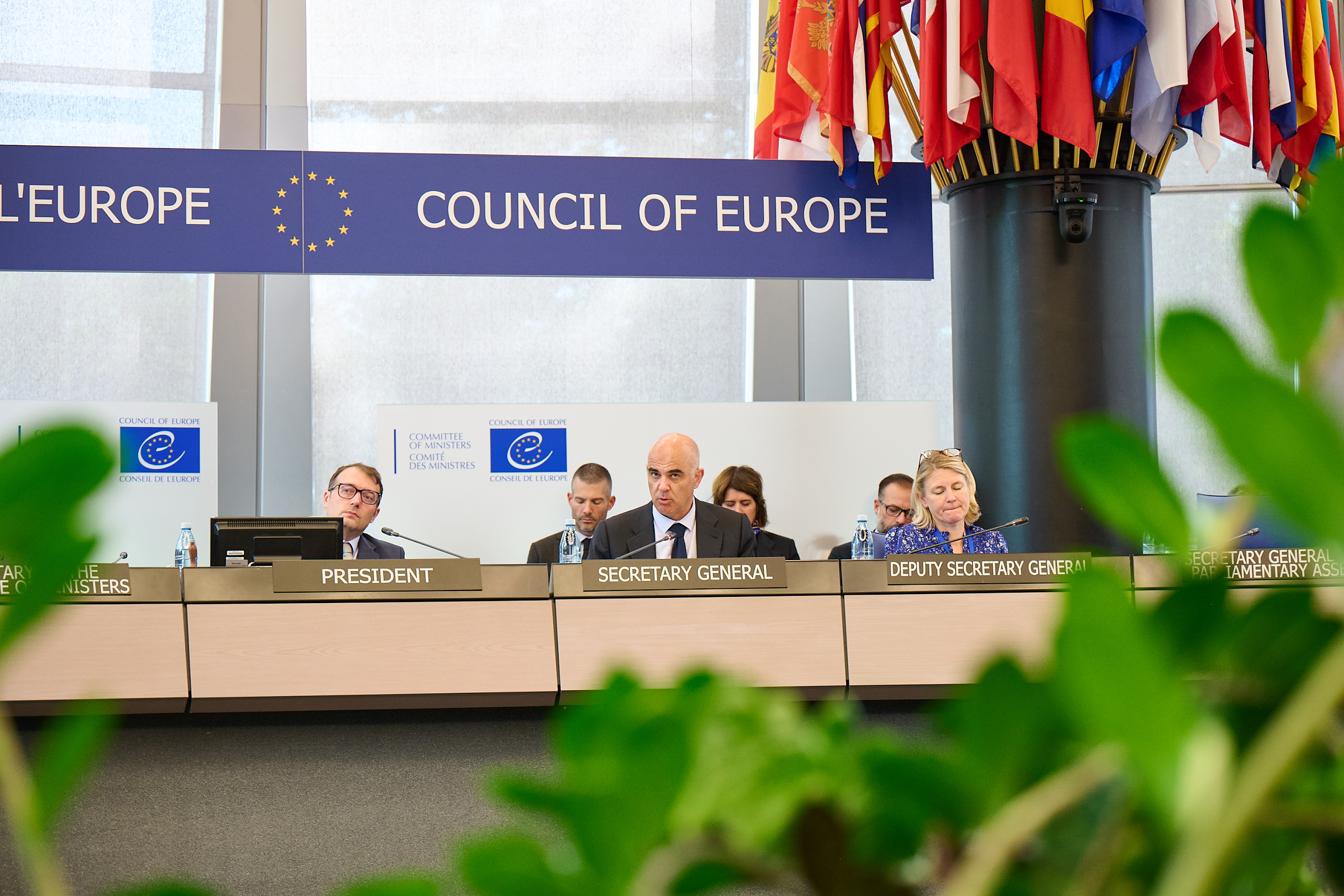
The Secretary General of the Council of Europe, Mr Alain Berset, spoke first, recalling in particular the Organisation’s principled opposition to the death penalty in all circumstances. The speech of the Secretary General is accessible here.
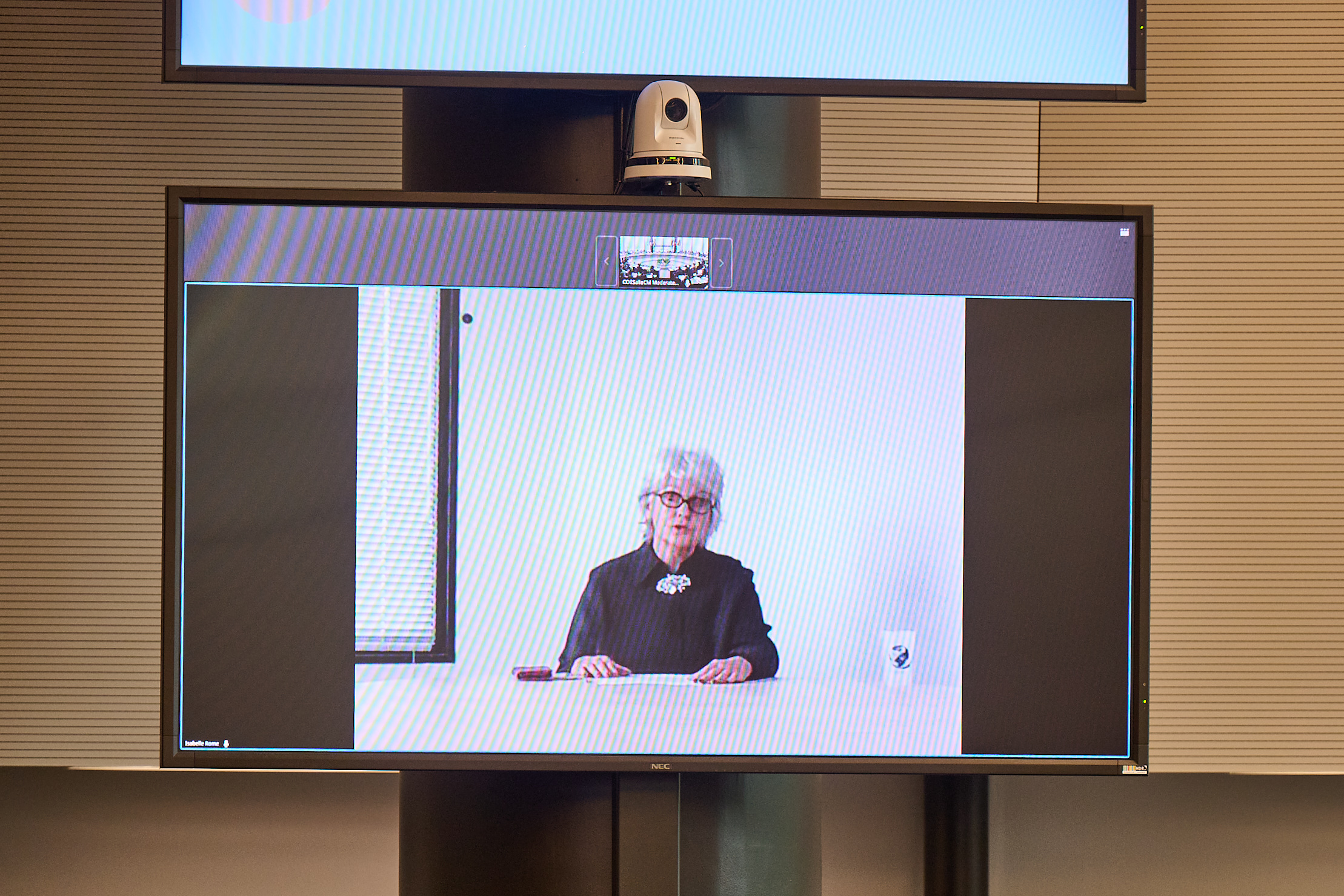
Ms Isabelle Rome, Ambassador for Human Rights at the French Ministry for Europe and Foreign Affairs, presented the outcomes of the World Congress from the perspective of the host state. Held against a backdrop of striking contrasts—with undeniable progress towards universal abolition set against alarming setbacks, including a global increase in executions—the Congress succeeded in turning concern into renewed mobilisation.
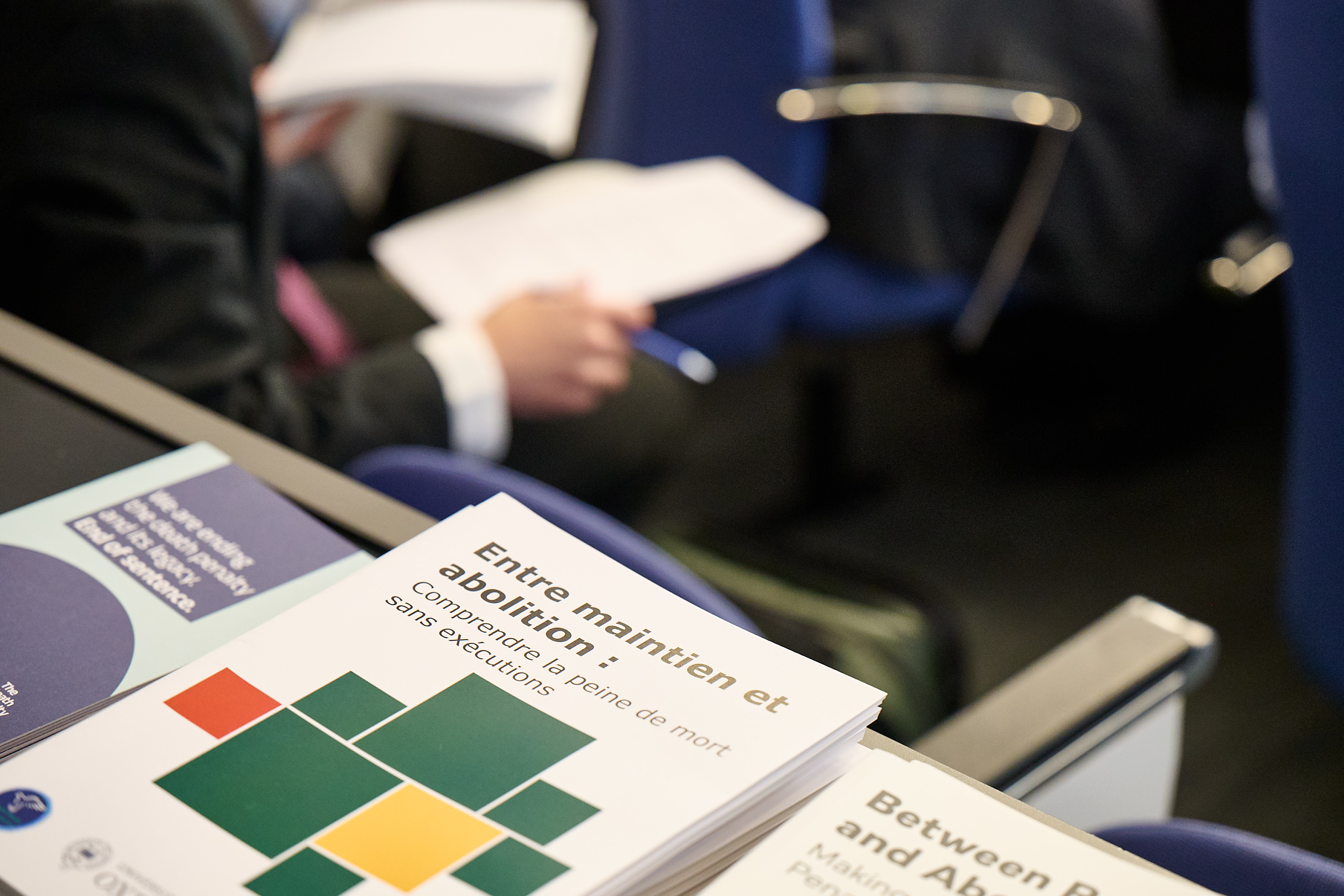
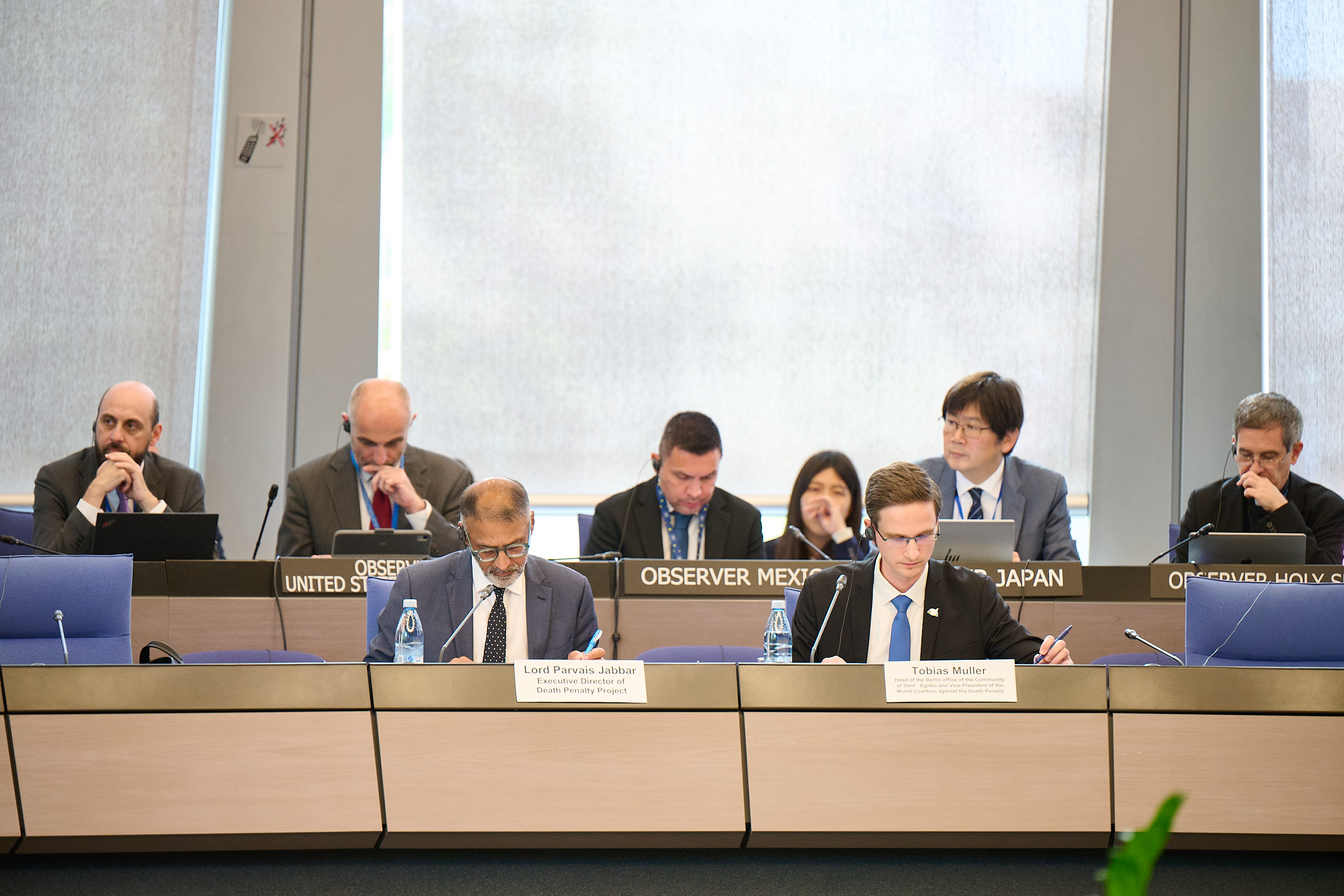
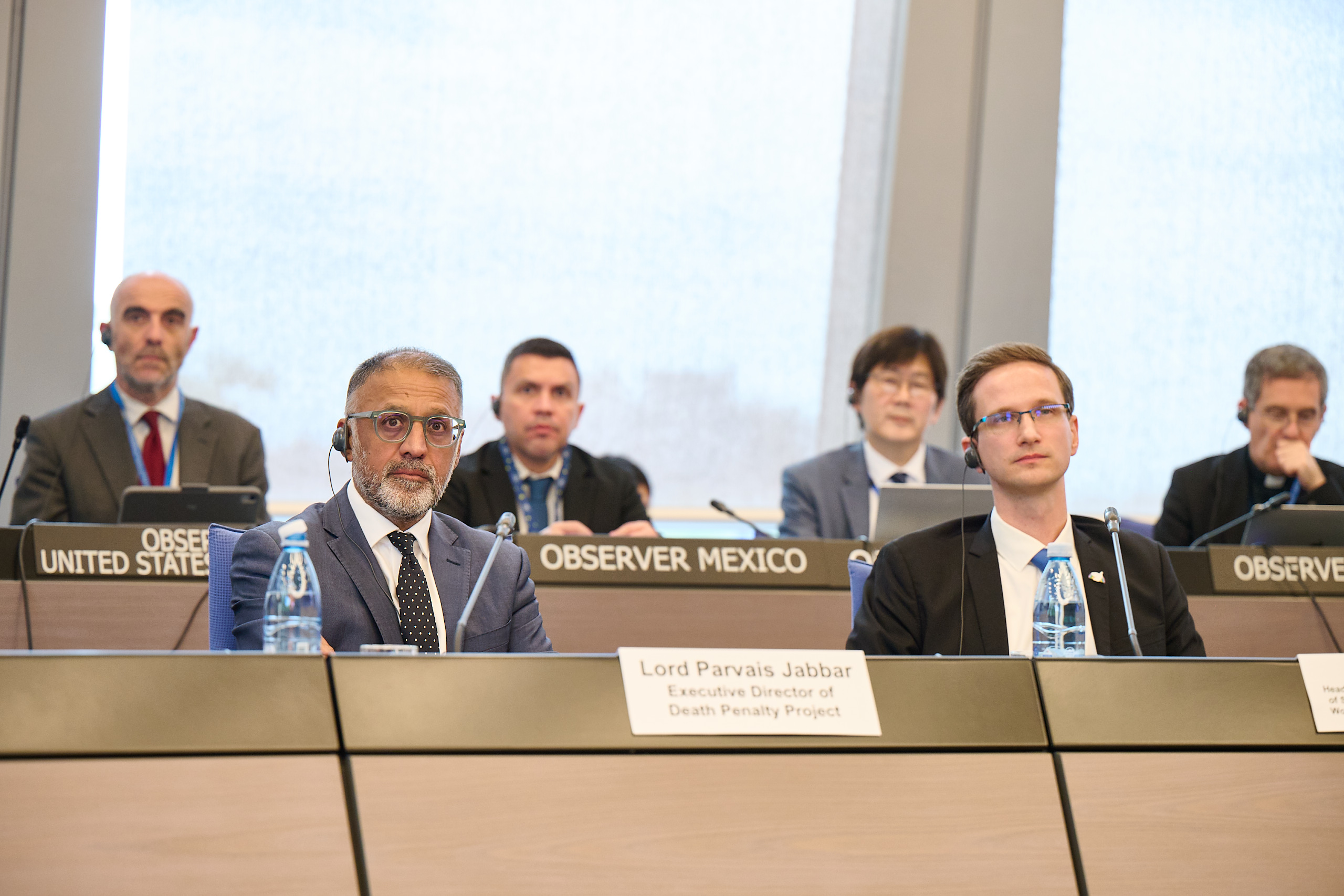
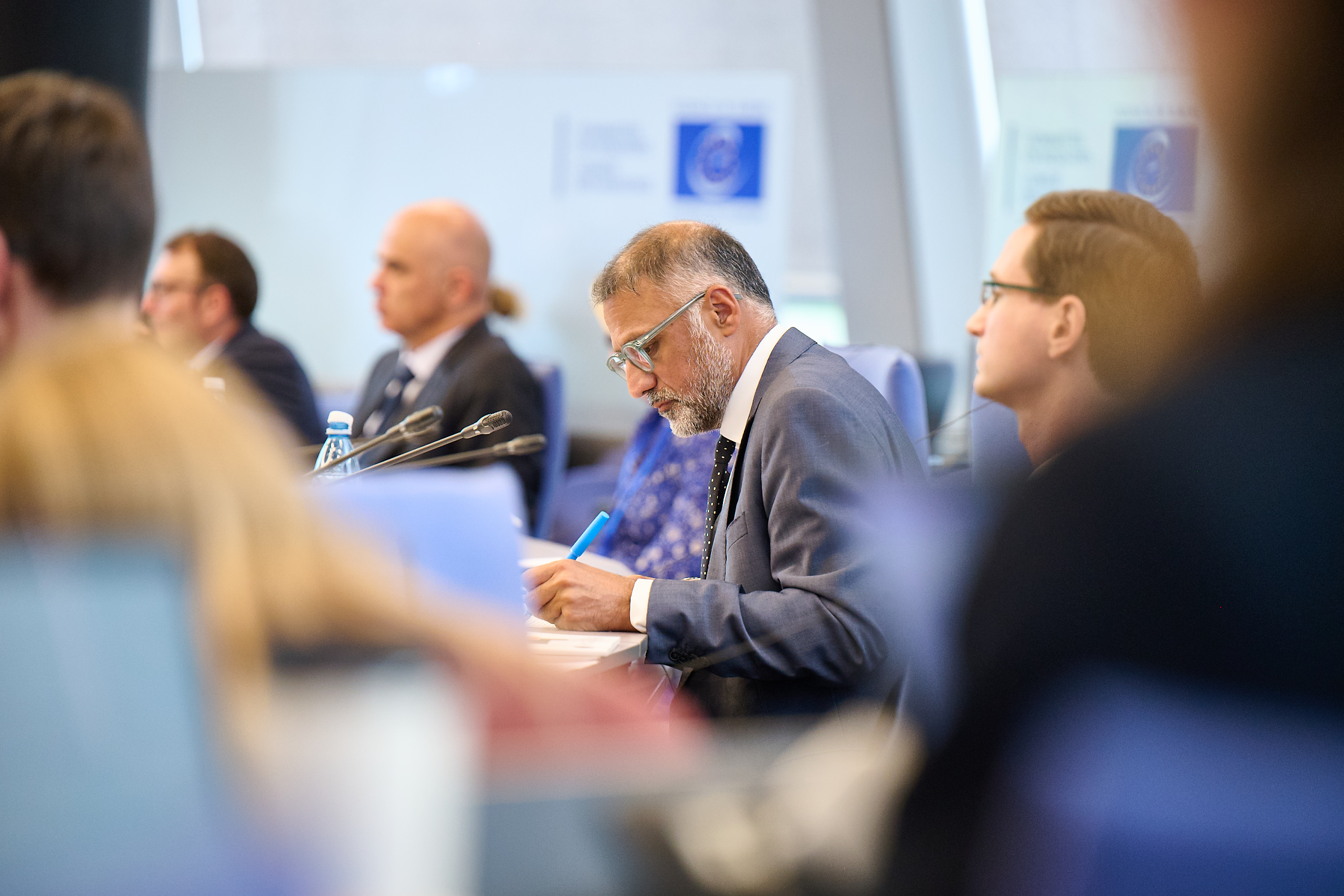
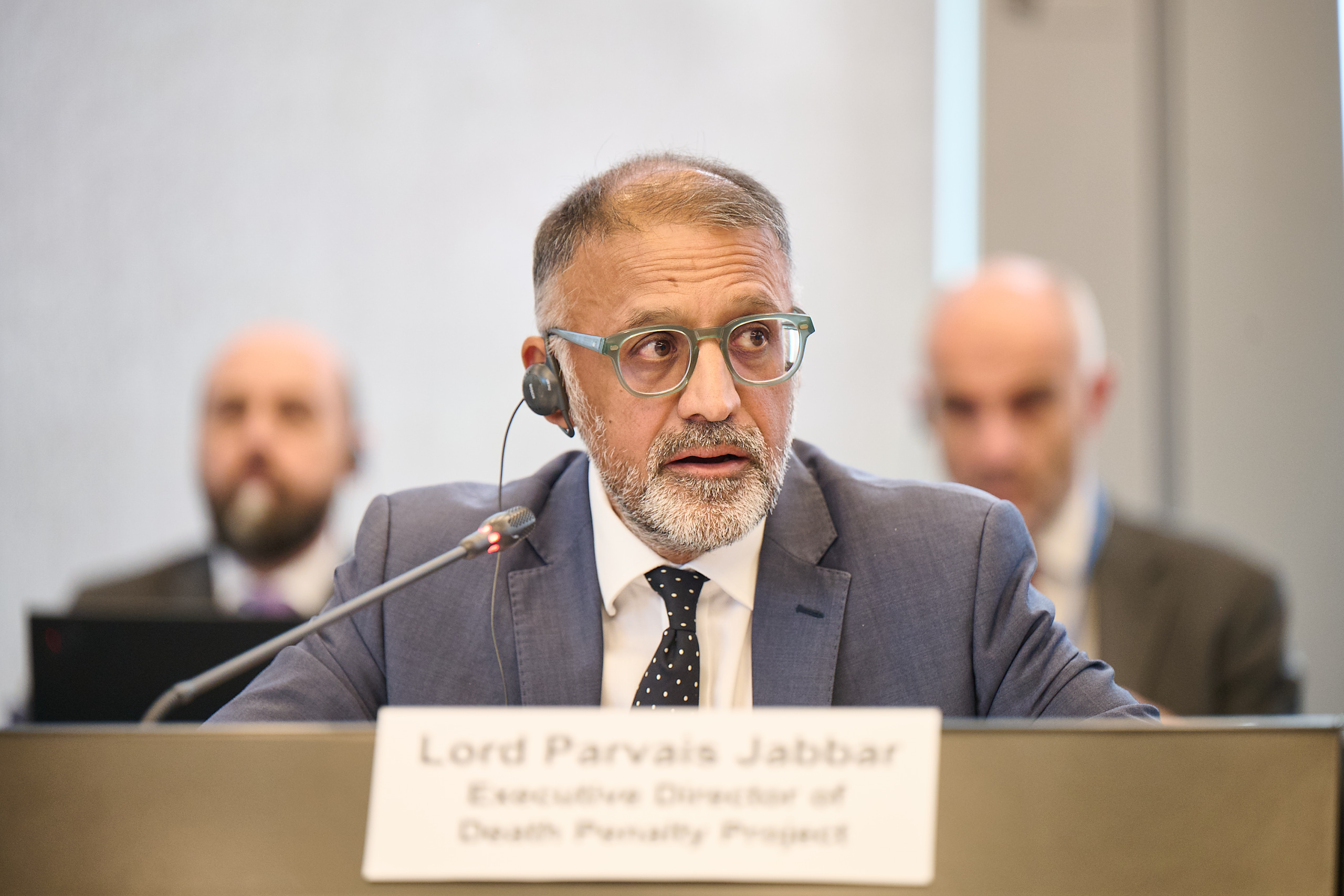
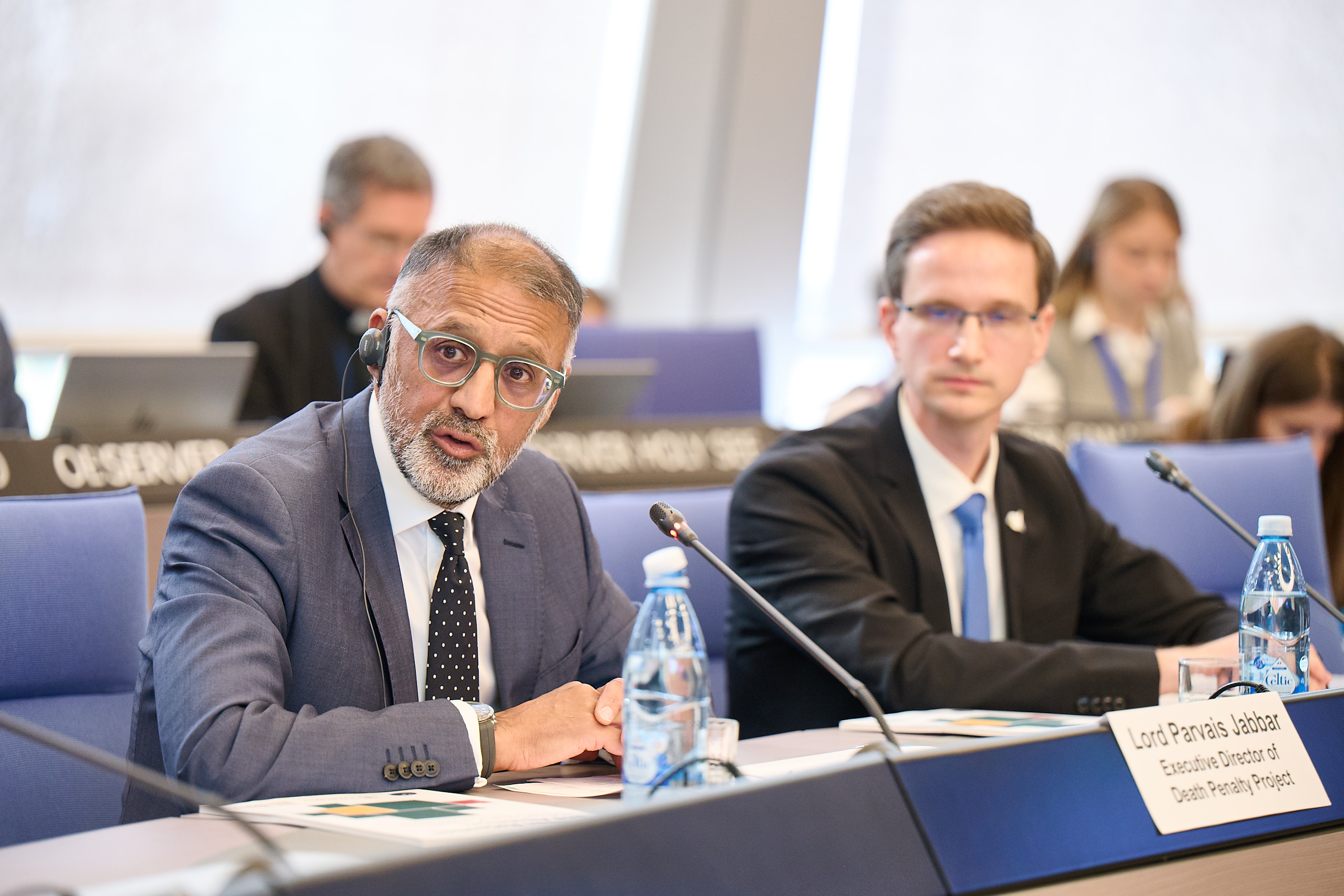
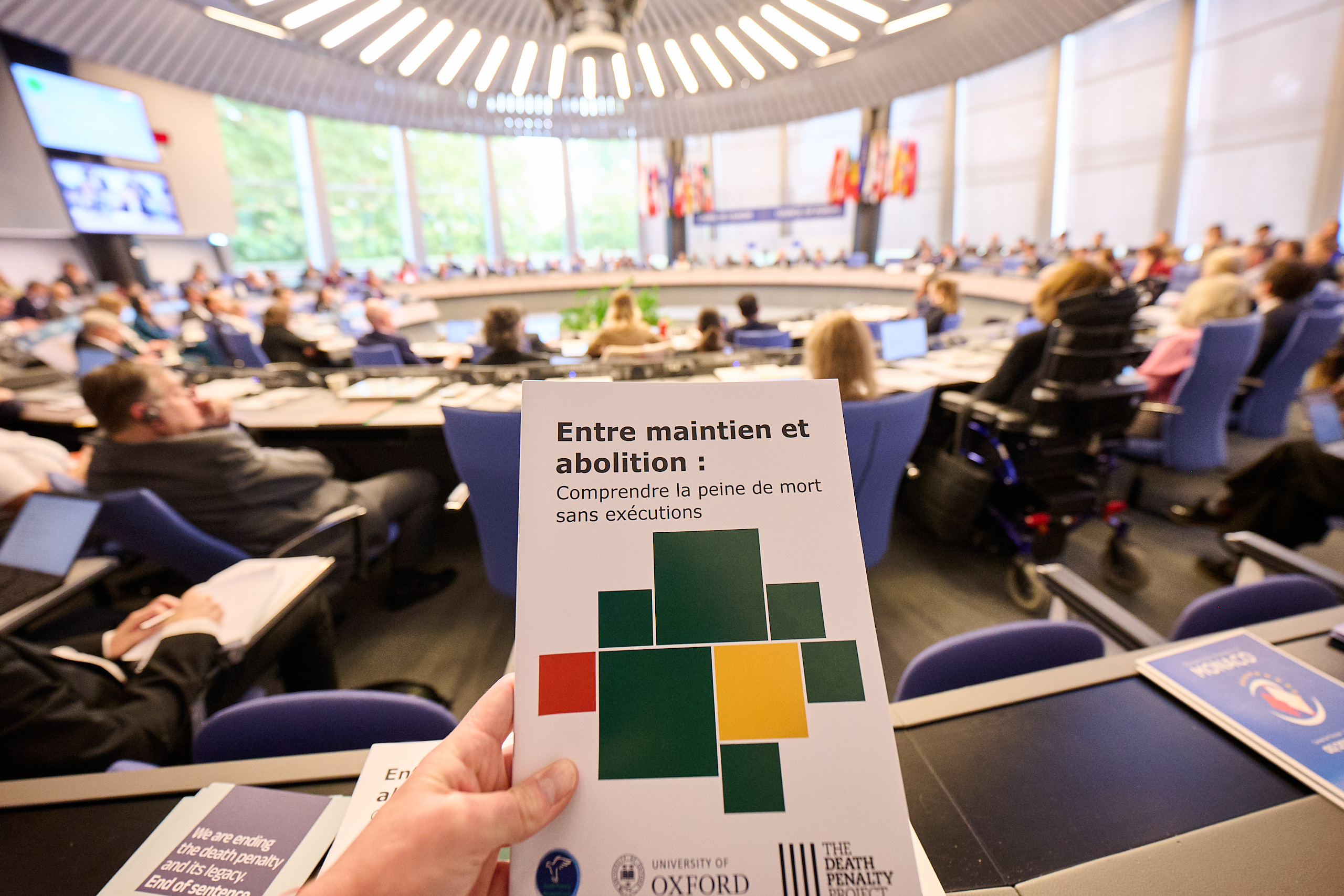
Lord Parvais Jabbar, Co-Executive Director of the non-governmental organisation Death Penalty Project, then presented to the delegations a report dedicated to moratoria and abolitionist de facto countries entitled "Between retention and abolition: making sense of a death penalty without executions" which was prepared with the support of the Council of Europe and and launched in 2025 on the margins of a session of the United Nations Human Rights Council.
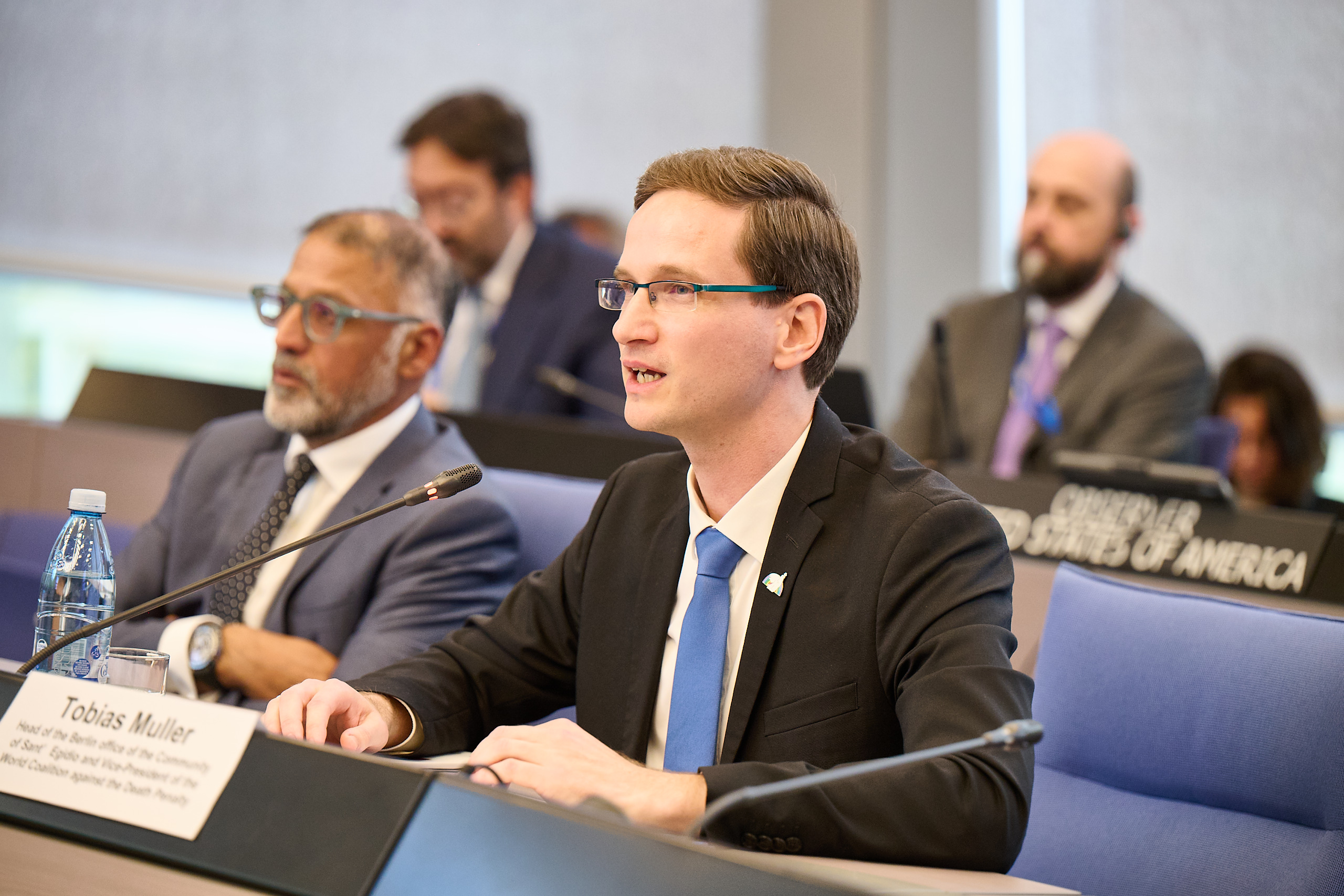
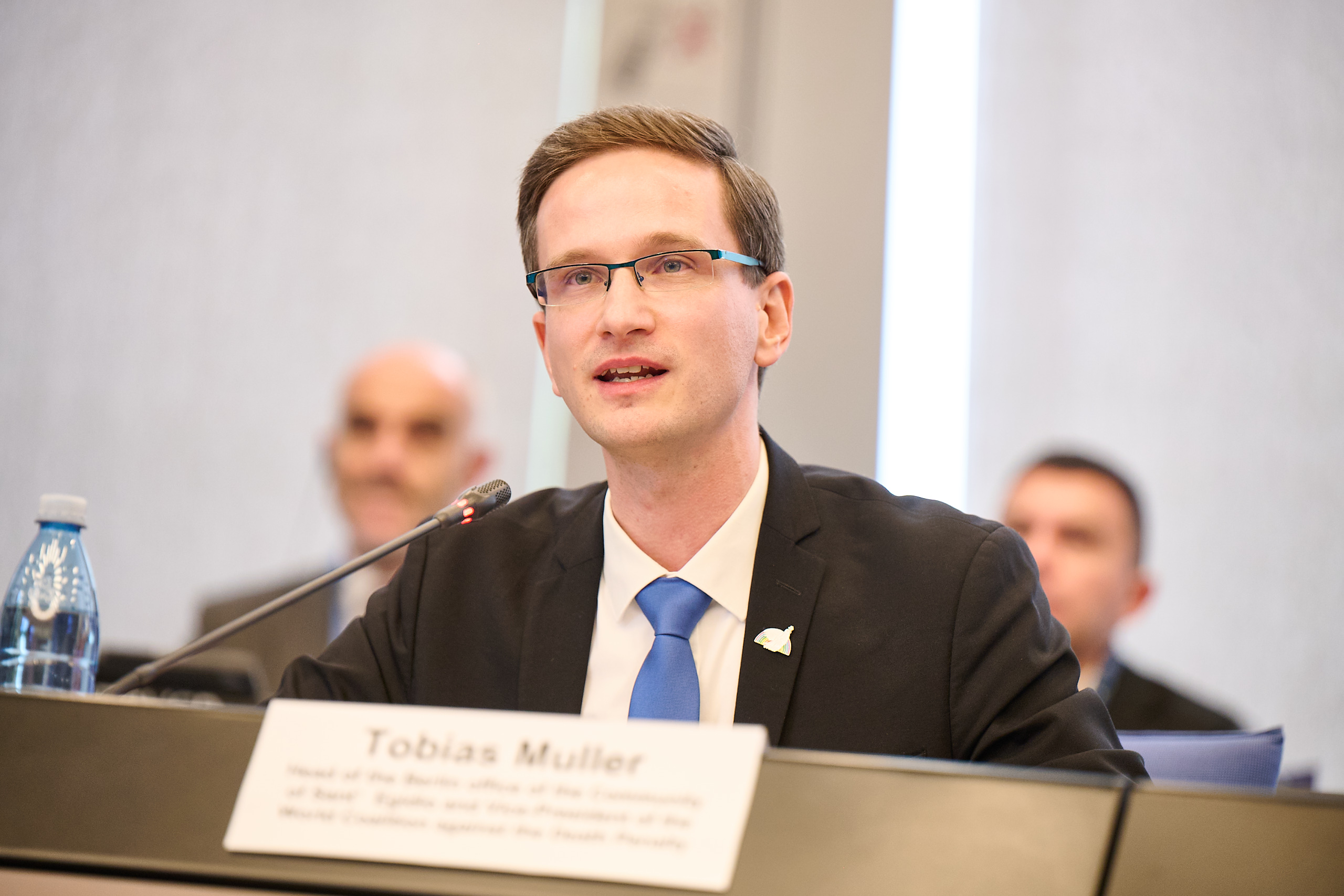
Mr Tobias Muller, Head of the Berlin office of the Community of Sant’Egidio and Vice-President of the World Coalition Against the Death Penalty, outlined the projects being pursued by these organisations. He emphasised in particular that abolition is achieved through the complementary efforts of civil society actors, international organisations, governments, parliaments, cities, legal professionals, human rights defenders, religious communities and citizens.
The exchange of views touched inter alia upon the theme of the European and World Day against the Death penalty which is focusing this year on the stories of persons affected by the death penalty and their families, highlighting the importance of taking into account the structural, social and individual conditions that may contribute to a person being sentenced to death and which are documented as disproportionately affecting vulnerable populations. This theme also underscores the severe psychological and physical suffering caused by prolonged death row incarceration, which has long been considered contrary to the prohibition of inhuman or degrading treatment or punishment by the case law of the European Court of Human Rights.
Following this exchange with the guest speakers, the Deputies adopted a new set of decisions on the abolition of capital punishment.


 Coordinator for the Abolition of the death penalty