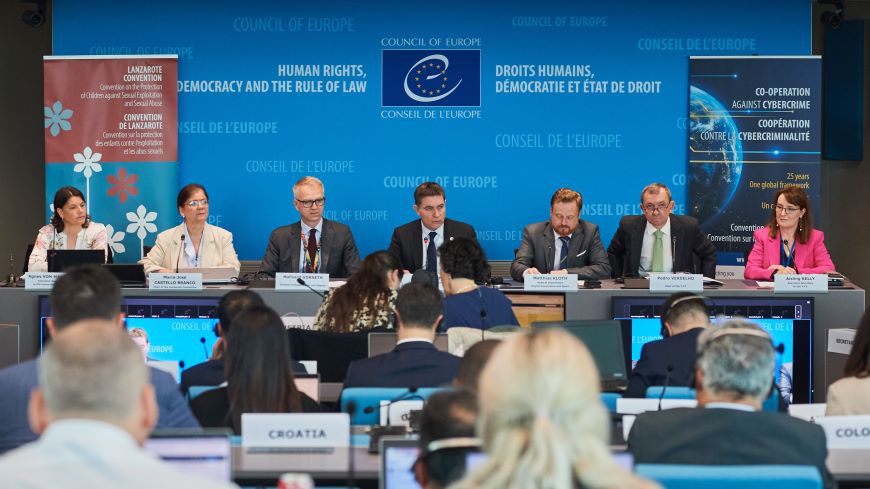
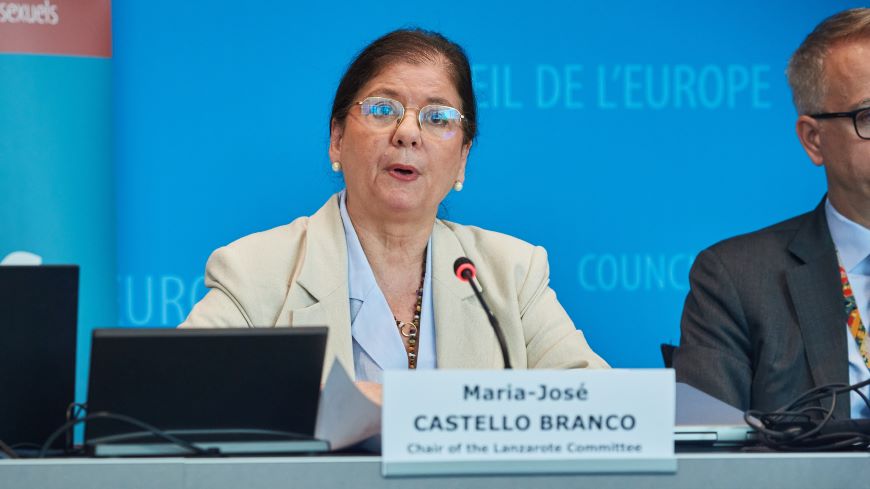
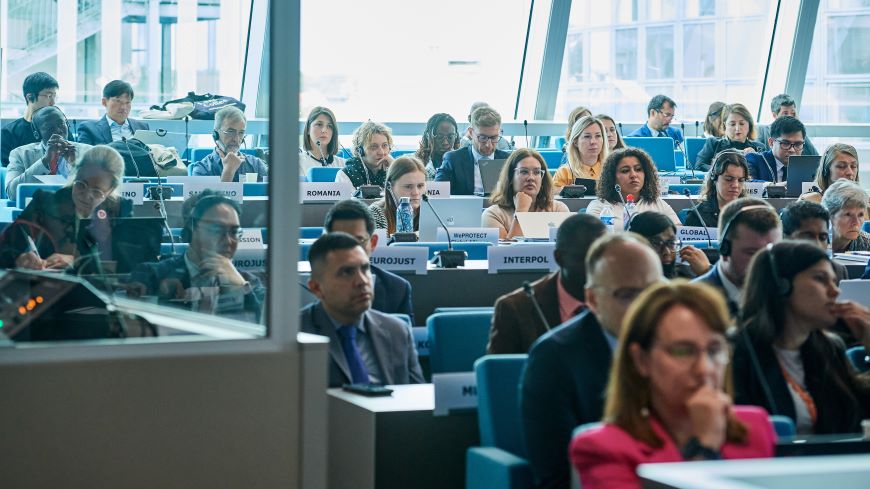
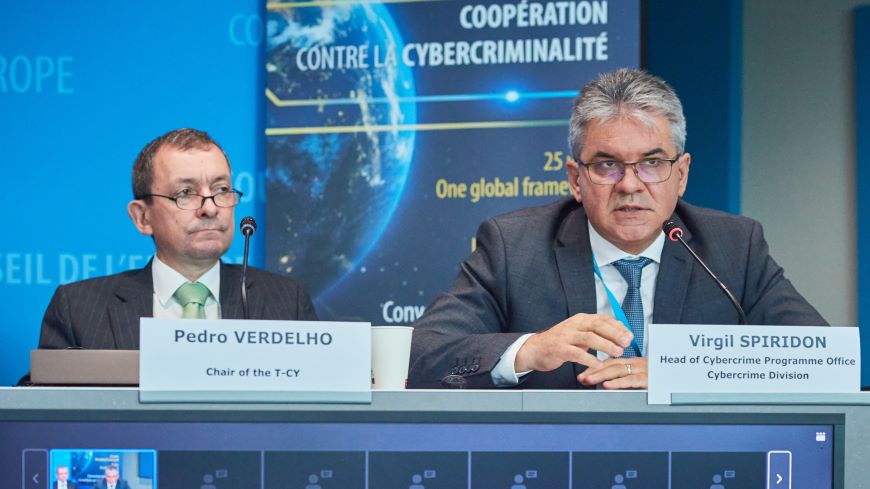
The Council of Europe’s Cybercrime Convention committee and the Committee of the parties to the Convention on the protection of children against sexual exploitation and sexual abuse have issued a joint statement following a session held on 2 June 2026 in Strasbourg addressing the growing threats posed by AI-generated and altered child-sexual-exploitation and sexual-abuse material.
The joint statement underlines that the criminalisation provisions of the Convention on cybercrime and the Convention on the protection of children against sexual exploitation and sexual abuse (Lanzarote Convention) are technology-neutral and apply irrespective of the technologies used to create, alter or distribute such material, including through the use of artificial intelligence.
Addressing the growing threats of AI-generated child abuse material
During the joint session, committee members discussed the rapidly evolving use of artificial intelligence technologies to create, alter and disseminate such material, including fully AI-generated images and altered images depicting real children. Participants highlighted concerns that these technologies facilitate offending on a greater scale, complicate investigations and evidentiary assessments, and intensify harm to victims through grooming, extortion, “normalisation” of sexual abuse and the continued circulation and manipulation of abusive material.
It is important to ensure that existing legal frameworks remain effective in addressing offences involving AI-generated or altered material, the participants stressed. The committees encouraged state parties to both conventions to review reservations that may limit the criminalisation or prosecution of AI-generated or altered child sexual-exploitation or sexual-abuse material in light of the rapid development of artificial intelligence technologies.
Supporting effective investigations, victim protection and international cooperation
The joint statement reiterates that the procedural powers and international cooperation measures available under the Convention on Cybercrime and its second additional protocol, together with the preventive, protective and child-friendly justice measures of the Lanzarote Convention, can be used to counter offences involving AI-generated or altered child-sexual-exploitation or sexual-abuse material.
The committees encouraged states parties to the conventions to strengthen efforts to prevent, detect, investigate and prosecute offences involving such material, including through enhanced international cooperation, the rapid removal of such material, specialised training for relevant professionals, and closer engagement with service providers and technology companies.
Continued cooperation among criminal-justice authorities, child-protection actors, international organisations, civil society and private-sector stakeholders is vital for addressing emerging technological developments related to online sexual offences against children.
Workshops on child sexual violence
The joint session identified possible follow-up activities, including a workshop during the Octopus conference in October 2026 focusing on the impact of AI-generated child sexual exploitation and sexual abuse material on victims, as well as the inclusion of computer-generated child sexual exploitation or sexual abuse material as a thematic workstream during the joint Council of Europe and WeProtect Global Alliance conference in June 2027.