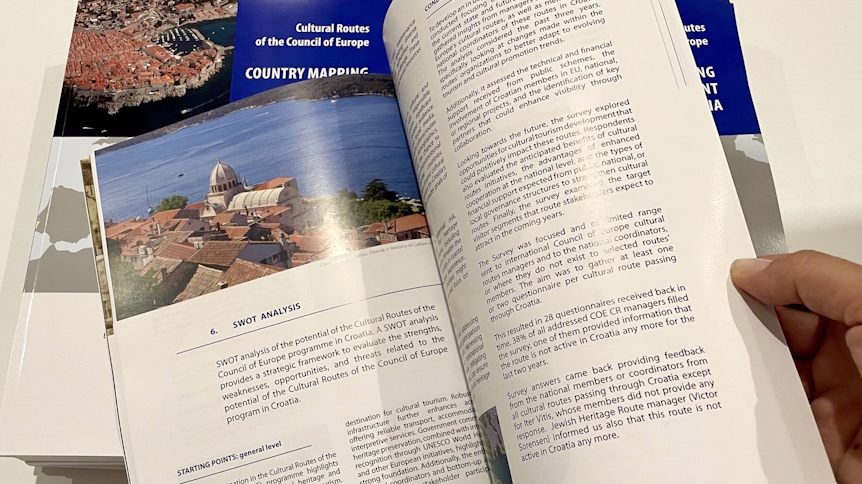
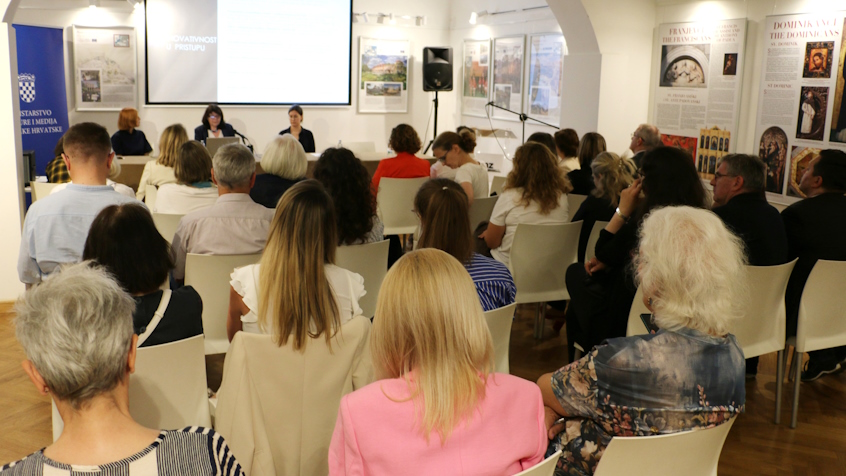
On 8 June 2026, the Country Mapping Document for Croatia was presented at the Archaeological Museum in Zagreb. The event provided an opportunity to learn more about the first comprehensive overview of cultural routes in Croatia, as well as the opportunities for their further growth and for strengthening connections within the European cultural space. The document was presented by experts whose work and experience have made a significant contribution to the development of the Cultural Routes program in Croatia and to enhancing the program's international visibility and cooperation across Europe.
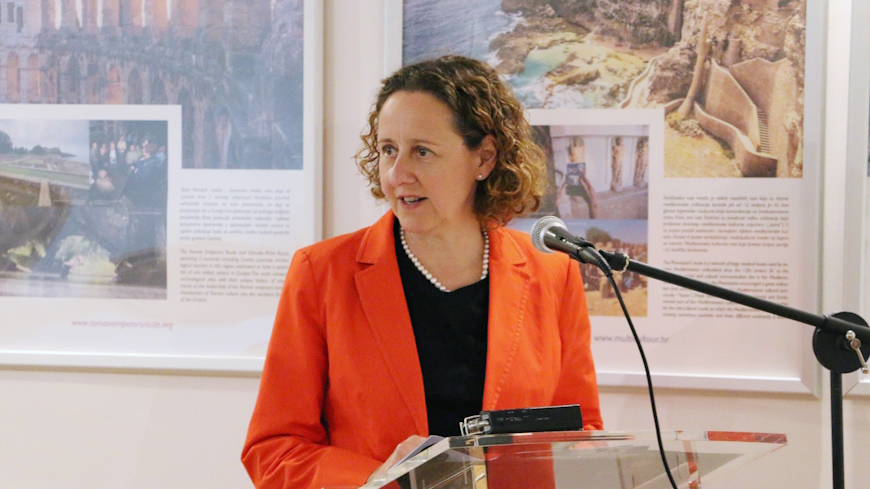
In her opening remarks, the Croatian Minister of Culture and Media Nina Obuljen Koržinek emphasized that the Cultural Routes program is one of the most innovative programs for promoting cultural tourism and sustainable development. She noted that Croatia is among only eight countries that have completed this valuable national document, developed at the Ministry’s initiative, which will also support preparations for the upcoming 40th anniversary of the Cultural Routes of the Council of Europe.
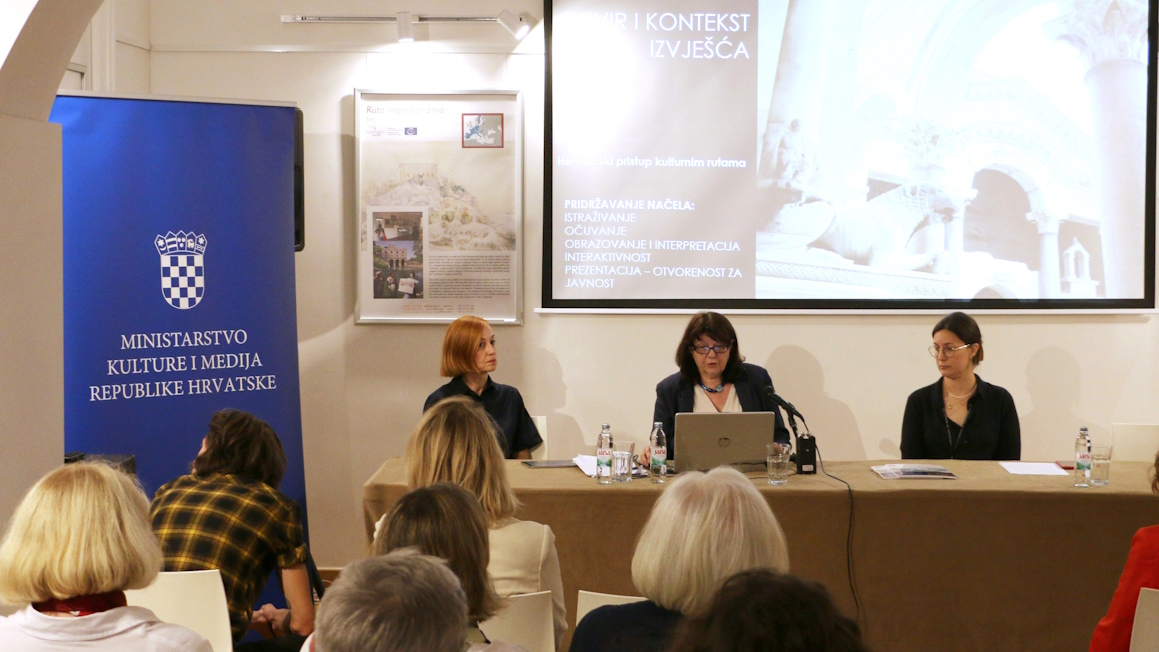
Tatjana Horvatić, Croatia’s representative in the Cultural Routes of the Council of Europe program and Head of the Movable, Ethnographic and Intangible Cultural Heritage Office at the Ministry of Culture and Media, presented the core principles of the Cultural Routes program, highlighting the benefits they bring for the local community, sustainable development and the preservation of cultural heritage. She also provided an overview of the program’s implementation in Croatia and the Ministry’s supporting role.
The author of the document, independent expert on cultural routes and European macro-regional strategies Vlasta Klarić, then presented the methodology behind the document, which included extensive interdisciplinary fieldwork and research. She concluded with an analysis of the current state of the programme in Croatia and recommendations for its future development.
Marta Rakvin, curator at the Archaeological Museum in Zagreb, concluded the event by presenting practical experiences from the development of the Iron Age Danube Route, the only Cultural Route launched in Croatia. Among the key focus areas within the Route’s many activities, she highlighted cultural and educational exchange programs aimed at young people and local communities.
The event brought together representatives of Cultural Routes in Croatia and experts in cultural heritage research, cultural management and cultural tourism.