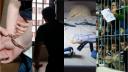
In the prison system, Corradino Correctional Facility (CCF) and the Centre of Residential Restorative Services (CORRs) have seen a shift towards better psychological support and reintegration planning. Most prisoners reported correct treatment by staff and a generally calm environment. However, the CPT did receive a few allegations of staff slapping prisoners, and the occasional rough pushing and kicking of prisoners.
The conditions and physical state of the prison remain poor. Many sections of the facility are dilapidated, poorly ventilated, and overcrowded. The increased use of effective alternatives to detention is key to reducing prisoner populations. The CPT considers that a review is necessary to examine possibilities to increase the use of alternatives to detention in order to reduce the number of remand and short-sentenced prisoners. On a positive note, sentence and care plans were now drawn up for each prisoner on a systematic basis. Psycho-social interventions appeared regular and thorough.
Less positive is that, despite an open-door policy during the day, many prisoners remain confined to their blocks with minimal access to outdoor space and few purposeful activities, contributing to a sense of idleness and frustration.
Particular concern centred on Division 6, which serves both as an intake and disciplinary unit. The Committee considers that the long stays, poor conditions and extremely limited regime in Division 6 may well amount to inhuman and degrading treatment. The CPT recommends the clear separation of disciplinary and induction functions and calls for improved living conditions, including ventilation, cleanliness, and noise control. Constant video-surveillance in cell should only be undertaken on a risk-assessment basis, and the toilet area should be pixelated.
The disciplinary system also remains problematic. Resort to discipline was frequent with a range of sanctions imposed, including up to 28 days in cellular confinement. In some cases, this sanction meant that a prisoner was held alone in a cell and only let out for one hour a day to shower, exercise, make calls and receive visits. Further, there were still long delays between the alleged incident and the immediate security measure (often cellular confinement) and then, only many months later, the official sanction. The Maltese authorities should fundamentally revise and reform the prison disciplinary system.
Conditions at the juvenile unit were generally acceptable but there lacked a structured daily regime, tailored support where required, and timely disciplinary processes.
Healthcare in CCF has seen a marked improvement. The prison now benefits from well-equipped facilities, better staffing, and prompt medical access. However, some shortcomings remain in safeguarding medical confidentiality, managing injury reports, and streamlining appointment access.
In police custody, the situation is comparatively more positive than that found in the previous visits. The CPT received no allegations of ill-treatment, and core legal safeguards—such as access to a lawyer, doctor, and notification of custody —are mostly in place. Nonetheless, gaps in custody record-keeping, especially during the critical period between arrest and formal detention, pose a risk to detainee rights and undermine transparency. Movements between police stations and custody centres were not fully documented, creating the risk of unmonitored detention periods. The CPT stresses the need for a comprehensive, continuous custody log from the moment of apprehension right up to release or transfer to detention.
In the immigration detention system, conditions at Safi and Hal Far Initial Reception Centre have improved slightly since the Committee’s previous 2020 visit, at the height of the Covid-19 pandemic. With fewer arrivals in 2023, open centres were less crowded, and far fewer foreign nationals were being held in the closed facilities. These facilities had been subject to some refurbishments. Staffing increases were noted, along with a change in the operational management.
However, the overall regime remains deeply punitive. Safi and Hal Far centres still operate in a carceral manner with minimal daily regime or structure, limited access to outdoor areas and poor conditions. Large dormitories crammed with bunkbeds, outdated infrastructure, the use of former warehouses, and unsanitary conditions continue to undermine detainees’ dignity.
The authorities need to expand the activities available such as language classes, vocational training, and sports, and ensure free daily access to outdoor spaces. Further, the warehouse-style units should be reconfigured into smaller, more humane living arrangements.
Allegations of staff violence, particularly after an attempted escape in May 2023, were received by the CPT. Some detained foreign nationals reported being punched, kicked, racially insulted, and tightly handcuffed while restrained. The CPT called for a reinforced zero-tolerance stance on abuse.
Minors, especially those awaiting age assessments, are detained in environments unsuited to their needs, with no meaningful programmes or structured routines. The Committee underlines that the Safi centre is particularly inappropriate to housing them.
In sum, concerted action is still required to ensure humane treatment and standards for foreign nationals held in immigration detention.