Health and human rights -
the Council of Europe's role in protecting people and
enabling healthcare
Access to healthcare is a fundamental human right, yet challenges such as medical dis-crimination, fake medicines, and healthcare inequalities persist across Europe. The Council of Europe plays a crucial role in promoting equitable, high-quality healthcare through legal frameworks, treaties, and policy initiatives.
Saving lives
Just imagine a world where you could die of infection if you cut yourself gardening, where the chemicals you breathed in at work shortened your life, or where your child - or you - were as likely to die as to live during labour.
That world is not so far away. Antibiotics only became available less than a century ago; in 1985, twice the number of mothers died in childbirth as now, and even today people are diagnosed every day with diseases that are the legacy of a toxic workplace.
Accessing trustworthy medicine and health care services for all
It's easy to forget that good health is not just a question of being born with a set of good genes and a strong constitution. It means building medical services that are tested and trustworthy and equitably accessible to all; promoting healthy environments in the community and in the workplace; ensuring that new technology is safe and widely available, and safeguarding people's privacy and their ability to make informed decisions.
Safeguarding health - a human right
The protection of health is a human right. Many people use the European Convention on Human Rights to challenge situations when their health is under threat or where they face unethical or unfair situations. The European Court of Human Rights has judged in favour of Roma women sterilised without their knowledge and against their will; people whose confidential medical records were shared without permission; people who faced discrimination because of their HIV status, and patients who were given blood transfusions despite it being known they were against the practice for religious reasons. These and other rulings of the Court uncover the failings of the state to protect citizens, such as soldiers exposed to toxic chemicals, deep sea divers who were not adequately warned of danger, and people working with dangerous asbestos. The threat to life posed by climate change led the Court to rule, in April 2024, in favour of a group of seniors who claimed that the Swiss government's inaction in the face of global warming was putting them in harm of illness and death during increasingly hot summers.
The Right to Health in the European Social Charter
Remove, as far as possible, the causes of ill-health;
Provide advisory and educational services to promote health and encourage personal responsibility for healthy living;
Prevent, as far as possible, epidemic, endemic and other diseases, as well as accidents.
Other articles of the Charter also ensure access to medical and social assistance for anyone without adequate resources, and it promotes safe and healthy working conditions. Special attention is given to maternal and child health, and to the development of social welfare services that support both physical and mental well-being.
The Council of Europe has always had a role in strengthening the protection of health for Europe's citizens. Born from the tragedy of the second world war and consequent humanitarian disasters, it recognised the need for countries to pull together to overcome collective challenges. Disasters such as the 1953 flooding in the Netherlands, with two thousand casualties, led to the first Europe-wide call for blood and medicinal products, but laid bare fundamental problems when different national labelling standards rendered donations unusable.
Fighting against fake medicine and crime
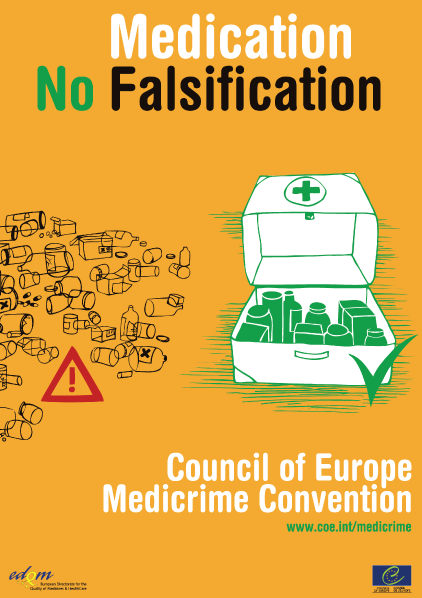
Today, with developments in technology, shifts in society and a new understanding of individual rights to quality healthcare, the protection of health as a human right and its monitoring are needed more than ever. Take the issue of fake medicine. In a world where drugs can be ordered with the tap of a screen, it's all too easy for criminals to recreate packaging and pills that look like the real thing. What's worse is how those fake drugs can find their way into legitimate supply chains with the result that patients in need of medicine either take toxic products or take products with no effect on their condition at all. Faced with falsified drugs that cross borders, the Council of Europe member states launched the Medicrime Convention: the first international legally binding treaty to tackle the problem of falsified medicine and medical products by criminalising counterfeiting, protecting victims’ rights and bringing countries closer together to investigate cases. With the same logic, the Council of Europe Convention against Trafficking in Human Organs aims to combat the international trade in human organs, often perpetrated by organised crime against the most vulnerable in society.
Protecting people’s health and well-being
Evolutions in technology and medical science are bringing hope to many for future treatments and care but continue to raise many ethical questions in their wake
In 1997, the Council of Europe turned the spotlight on protecting patients' rights in matters concerning their health by launching the Convention on Human Rights and Biomedicine - the world's first and only legally binding treaty to protect the dignity and identity of all human beings and guarantee everyone, without discrimination, respect for their personal integrity in the biomedical field. A year later a ban on human cloning was introduced; with protocols covering organ and tissue transplantation, biomedical research, and gene testing following later.
The abundance of challenges posed by biomedical developments being addressed by the Council of Europe range from a ban on human cloning, the use of embryos and access to medically assisted procreation, to the ethics of genetic testing, end of life care and artificial intelligence. From the cradle to the grave, the protection of people’s health and well-being requires constant attention and safeguarding.
European Directorate for the Quality of Medicines & HealthCare (EDQM) – a benchmark for quality
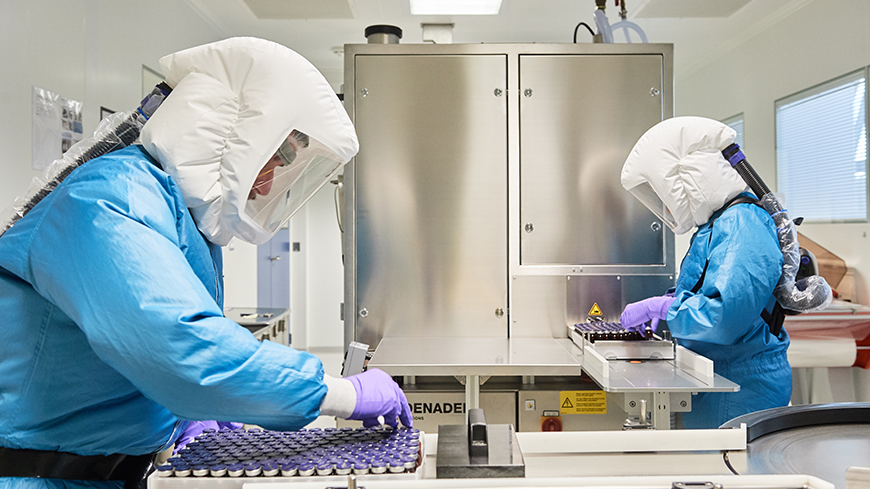
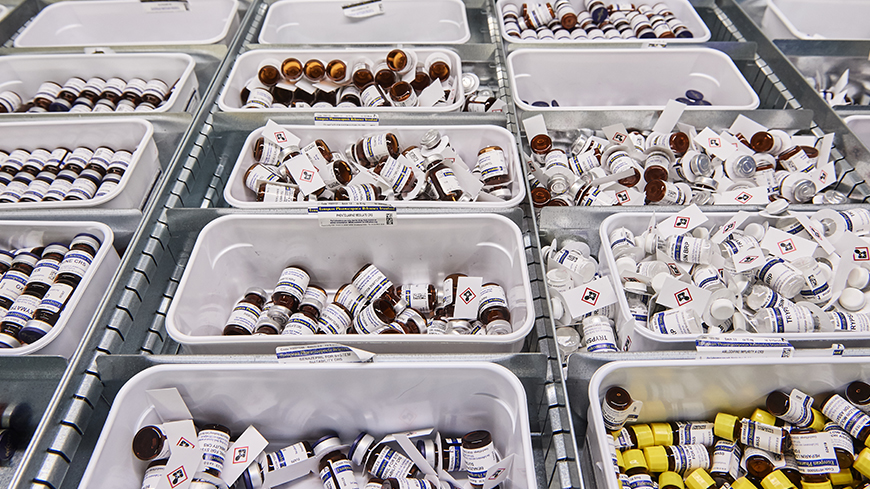
There is however, one part of the Council of Europe that has literally created a 'Europe of Medicines' – the European Directorate for the Quality of Medicines & HealthCare (EDQM). Born from that 1954 decision to create a European Health Committee, the EDQM is now one of the leading bodies in the field, bringing together countries to ensure the highest quality healthcare for all, working with groups such as manufacturers of medicines, cosmetics and food contact materials; hospitals; pharmacists, doctors, nurses, and many more. Since 1964 it has compiled the European Pharmacopoeia, the reference text for all drug manufacturers that ensures that any medicines and medical products used for humans or animals are safe and standardised. The scope of its work continues to grow as it focuses on issues such as blood transfusion, consumer protection and the fight against fake medicines.
Promoting health equity and equitable access to medecine
Advances in healthcare must be accessible to all without discrimination. This means that everyone should have a fair opportunity to attain their full health potential and no one should be disadvantaged from achieving this. This includes promoting ways to improve their health literacy as demonstrated in the Council of Europe Guide to health literacy.
Yet, there remain gaps in healthcare provision, one of the most revealing moments of which came during the COVID-19 pandemic when societies started questioning who got access to much needed treatment. It led to the 2023 Recommendation on Equitable Access to Medicinal Products and Medical Equipment in a Situation of Shortage, a policy designed to ensure that medical resources are distributed fairly, especially during times of crisis. Beyond the pandemic, examples of discrimination and inequalities in healthcare are still the reality for many people in Europe. This is where the European Social Charter can make a real difference as it works with governments to monitor and improve standards and practices, ensuring that healthcare services are accessible to all, particularly marginalised groups such as migrants, children, and the elderly. The Council of Europe's Gender Equality Commission is working to ensure that healthcare policies consider the specific needs of women and marginalised groups and a guide to children's participation in health decisions has been developed, recognising that young patients have the right to make informed choices about their medical care. Council of Europe projects with the Roma and Travellers and the LGBTI community put a strong emphasis on access to health.
Human rights – and the right to health protection – is for everyone, even those on the margins of society. That is why the Council of Europe's anti-torture committee (CPT) surveys the health and access to healthcare for prisoners and people deprived of their liberty in psychiatric hospitals, leading to major improvements, for example stopping the use of restraints and cages. Work by the Council of Europe Pompidou Group, looks at drug and addiction policy from a human rights perspective, promoting harm reduction strategies and the use of drug consumption rooms.
As we move forward, the focus on protecting health as a human right, reducing inequalities, and enhancing access to quality care remains a priority for the Council of Europe. By harmonising standards to the highest quality, making sure they take root everywhere and reach the most needy, we can create a future where health protection is not a privilege, but a guaranteed right for all.


 Saving lives