Despite Ukraine ranking 55th out of 180 countries in the Reporters Without Borders World Press Freedom Index this year, improving its position by several places, risks to media freedom in the context of Russia’s ongoing war of aggression against Ukraine remain. Among the key challenges is the use of legal mechanisms to exert pressure on journalists.
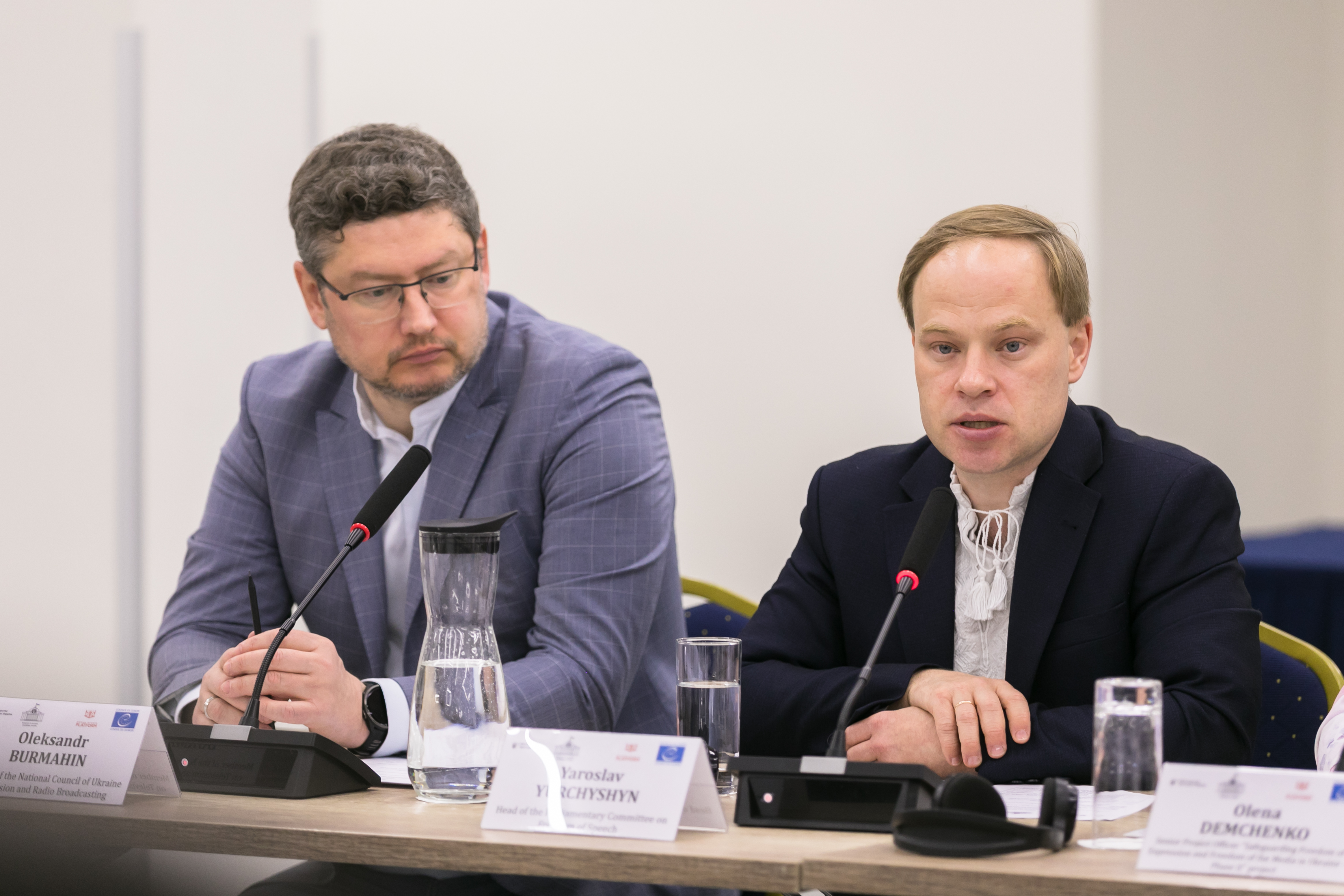
In response to this, Ukraine has developed a legislative package on countering SLAPP (Strategic Lawsuits Against Public Participation), taking into account Council of Europe Recommendation CM/Rec(2024)2 and EU Directive 2024/1069. It was prepared by a working group led by Yaroslav Yurchyshyn, Head of the Parliamentary Committee on Freedom of Speech, with expert and financial support from the Council of Europe project Safeguarding Freedom of Expression and Freedom of the Media in Ukraine – Phase II.
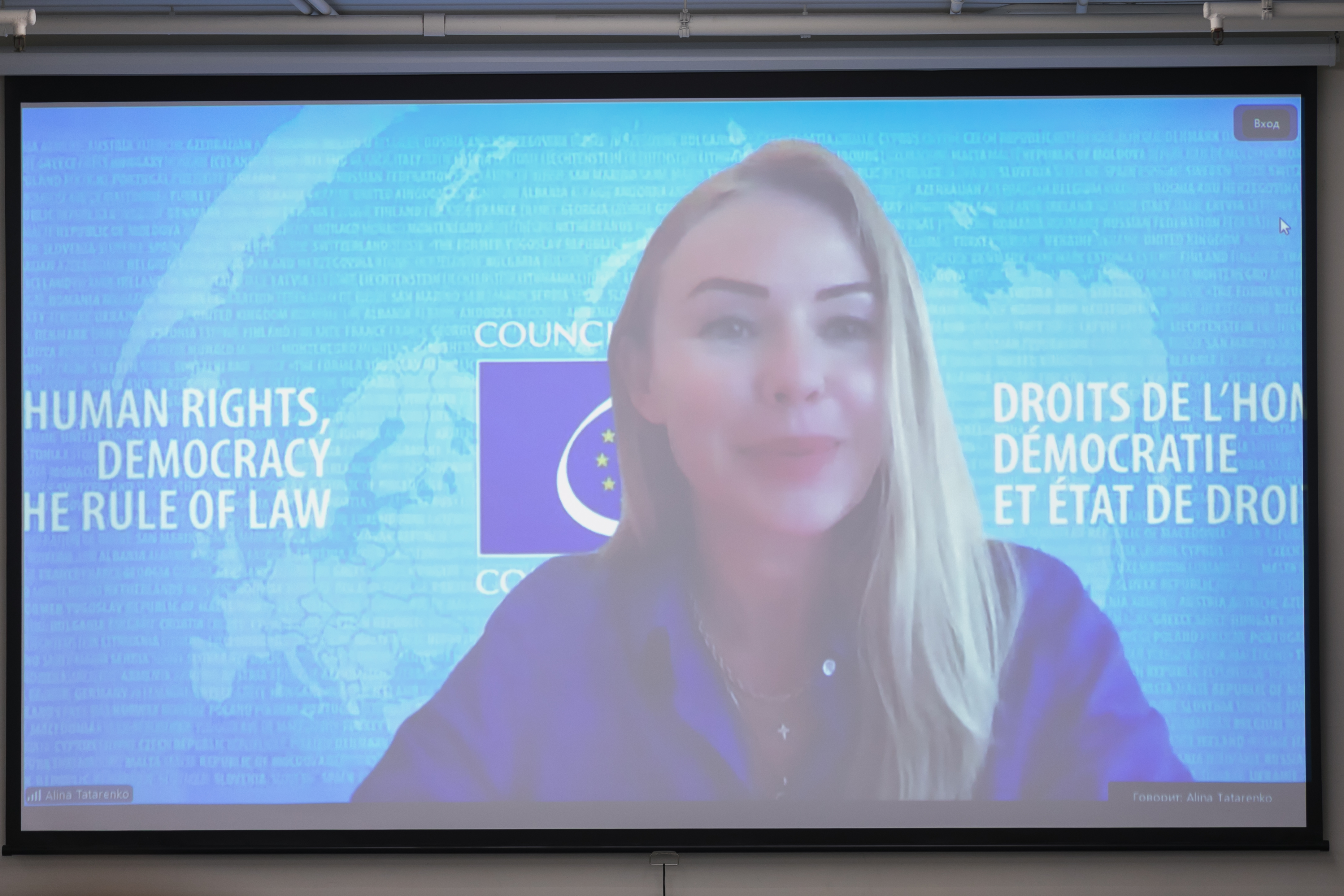
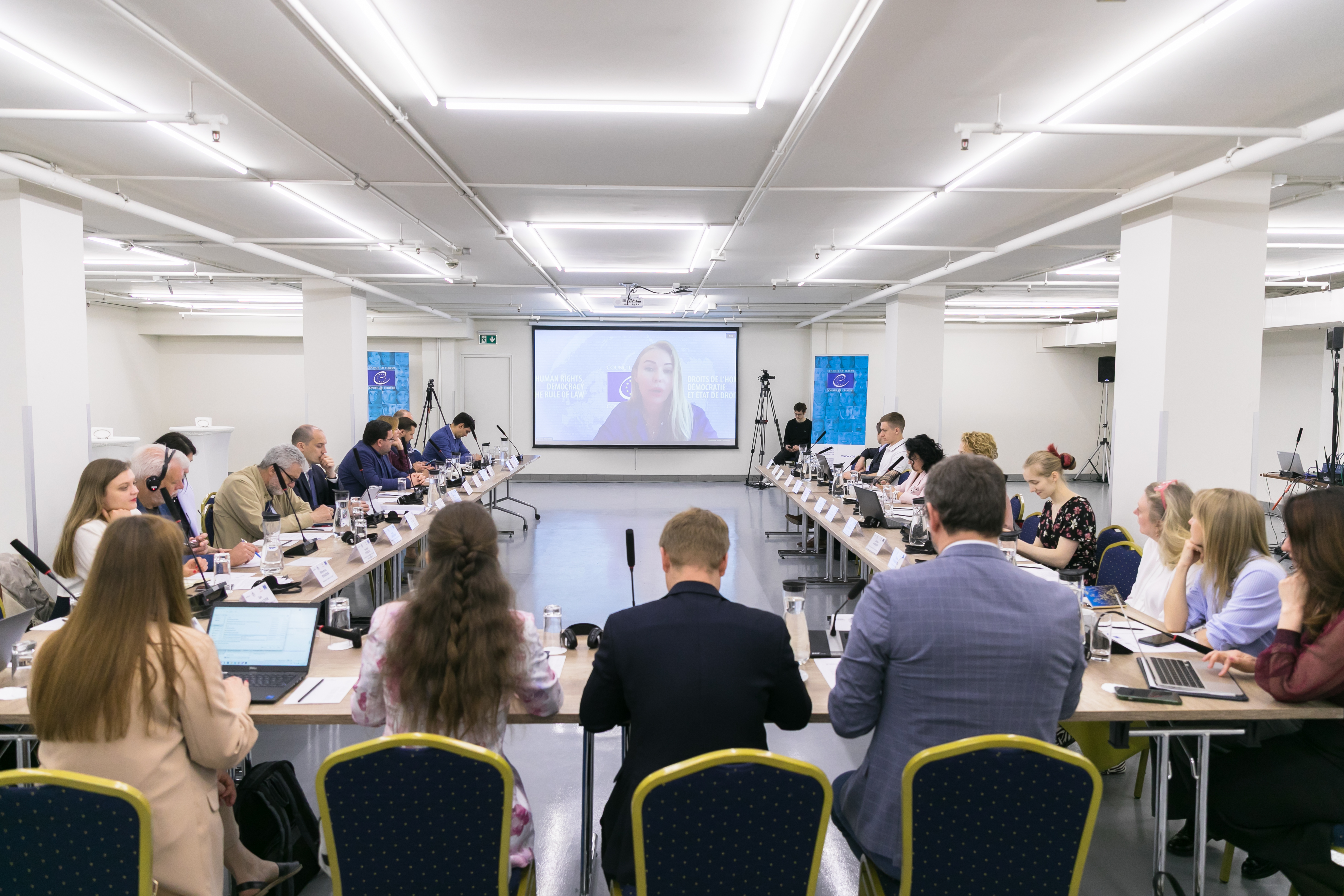
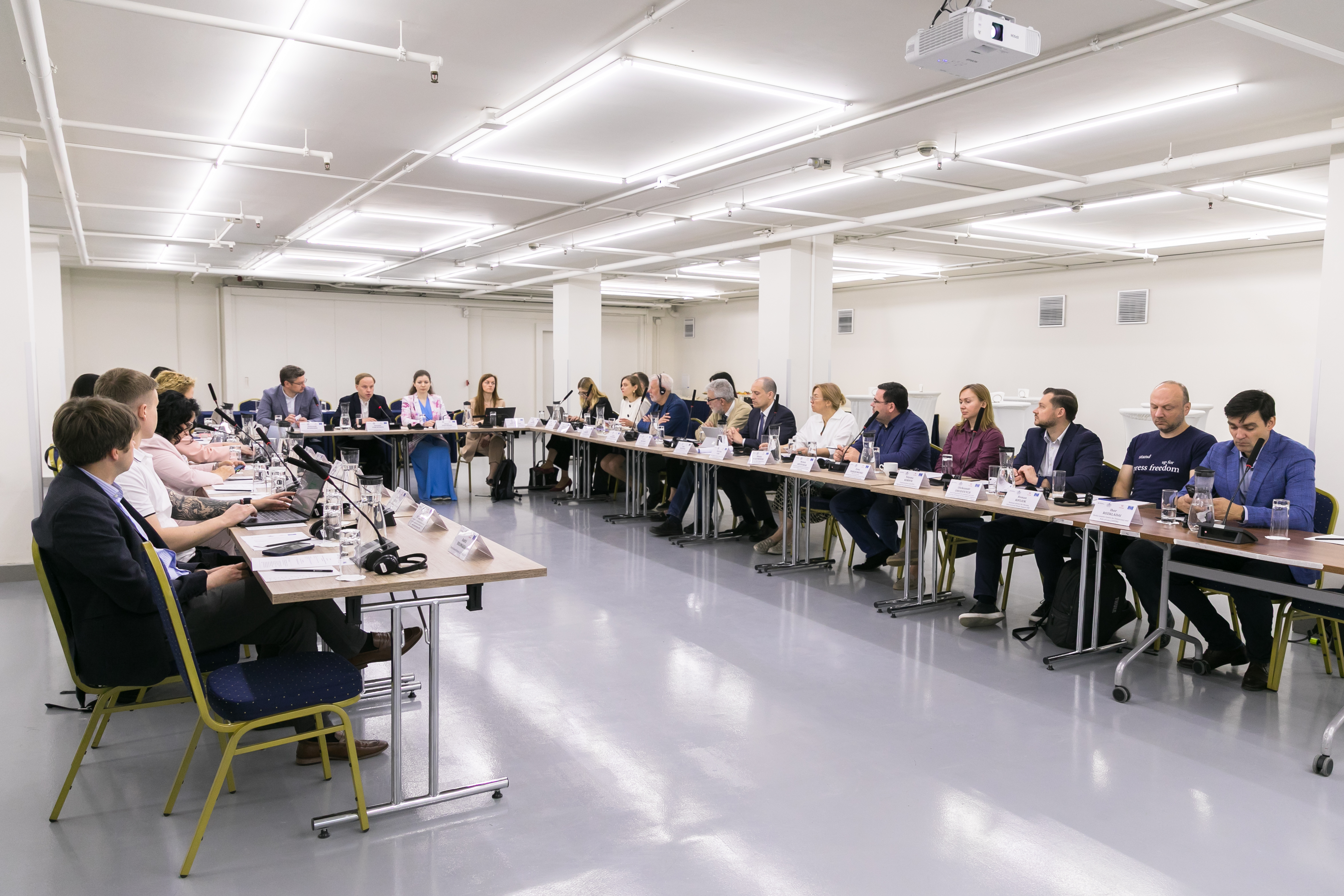
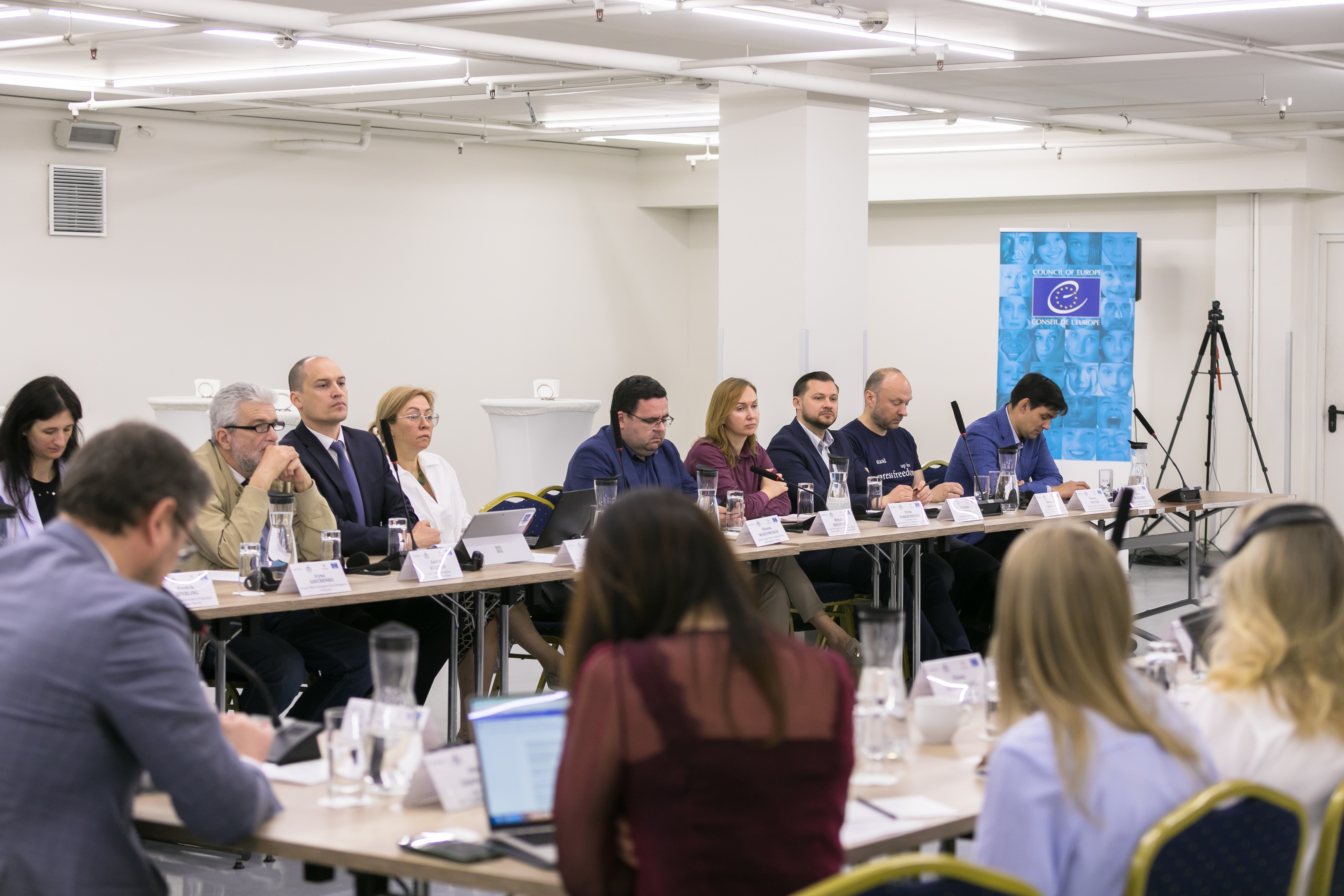
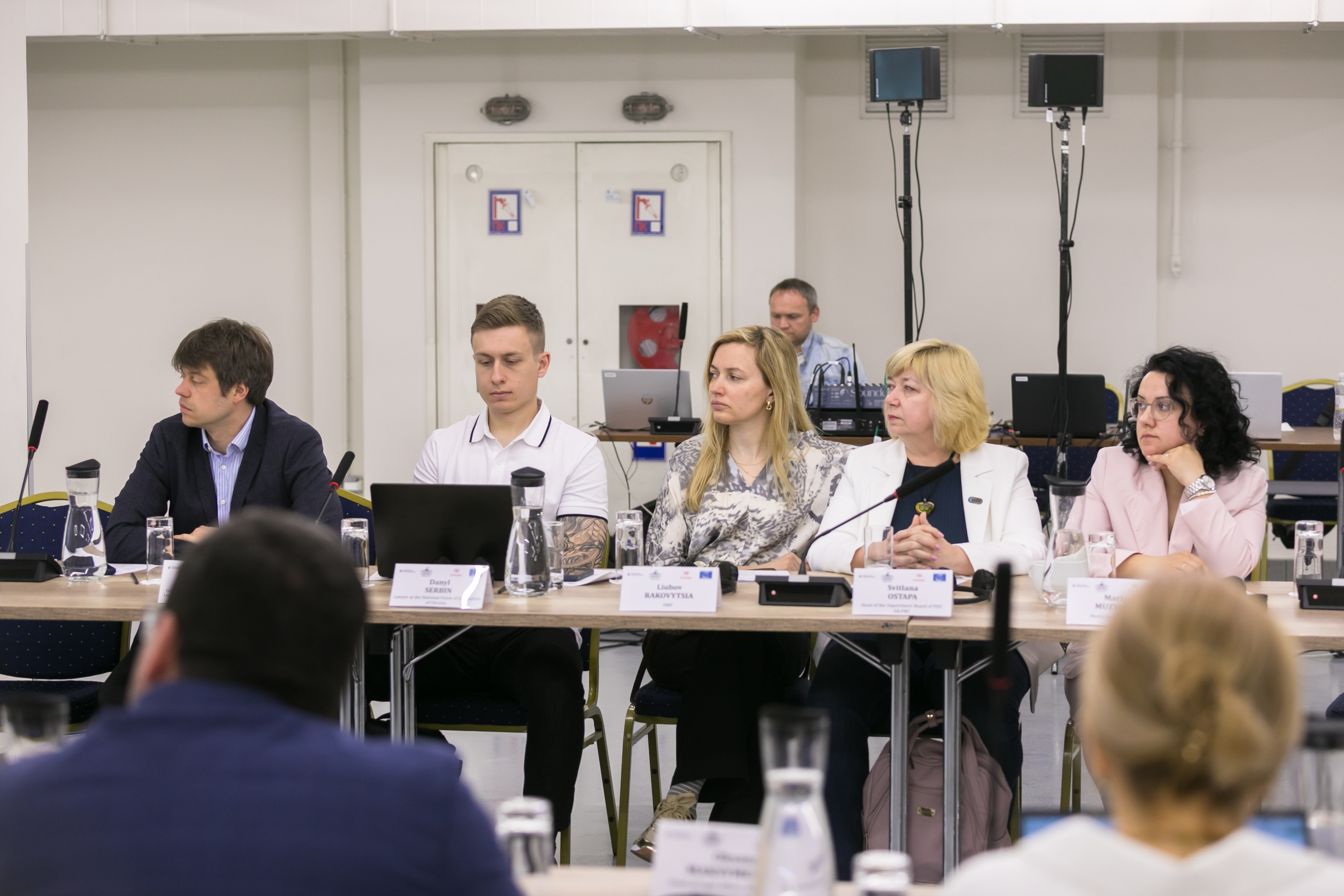
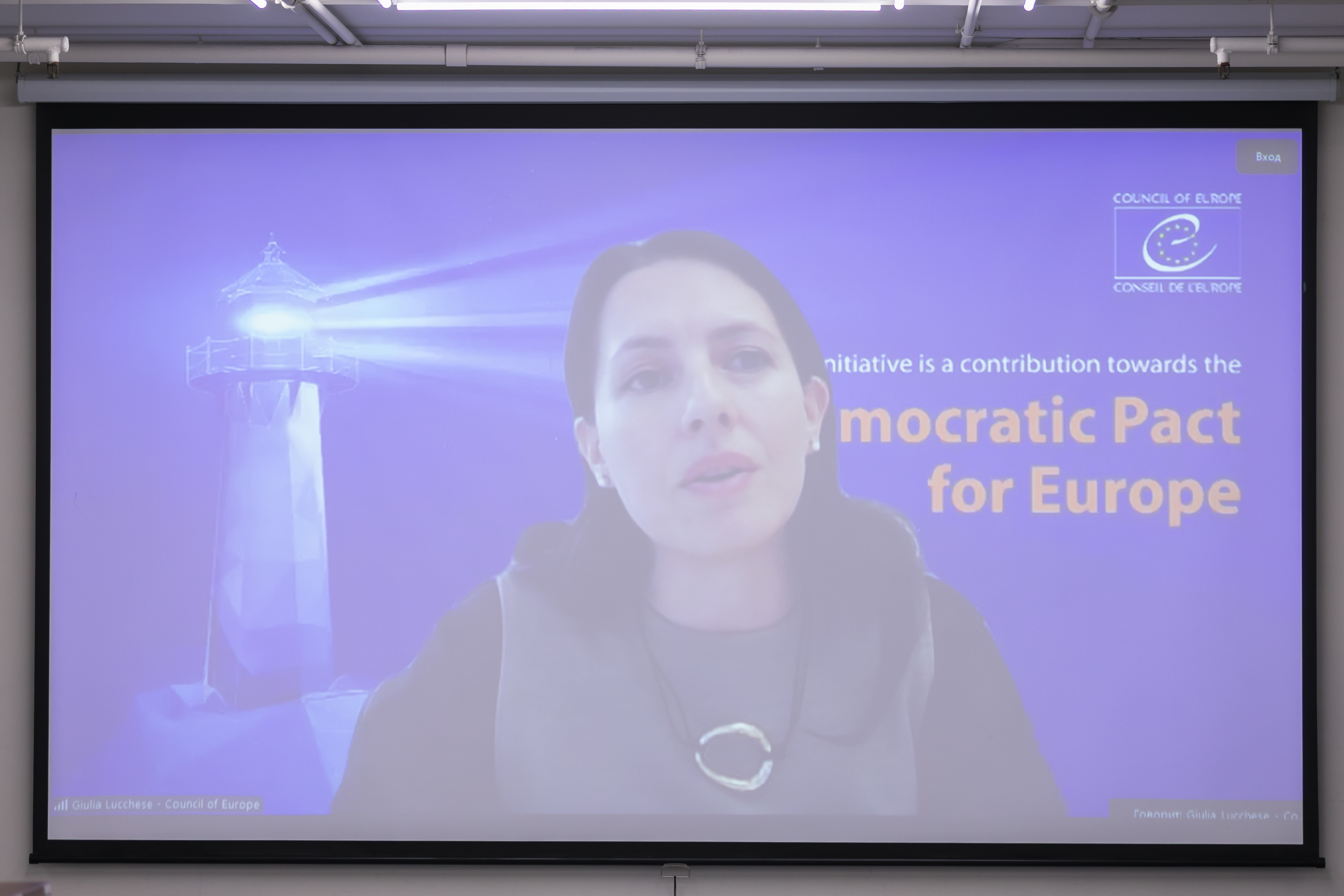
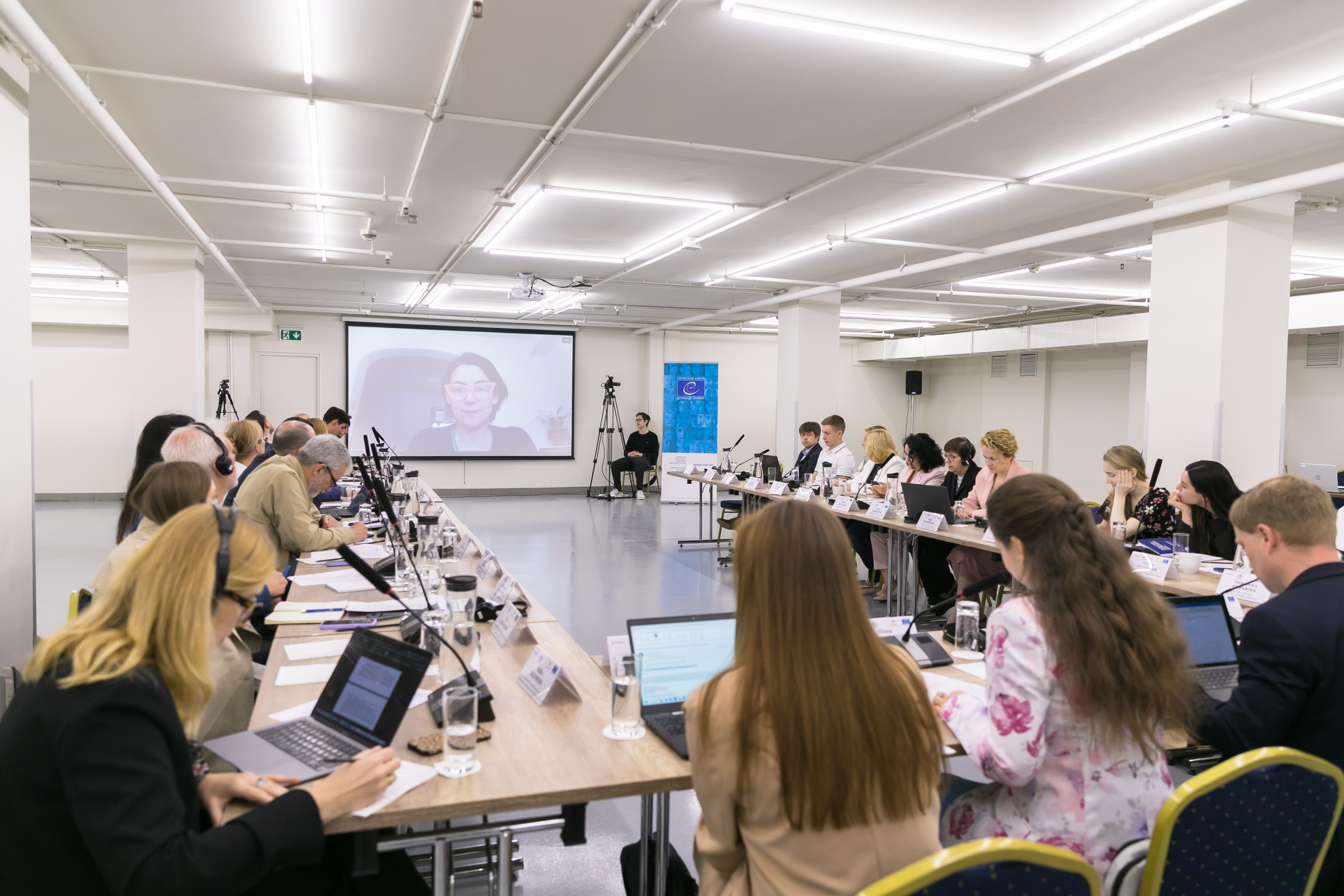
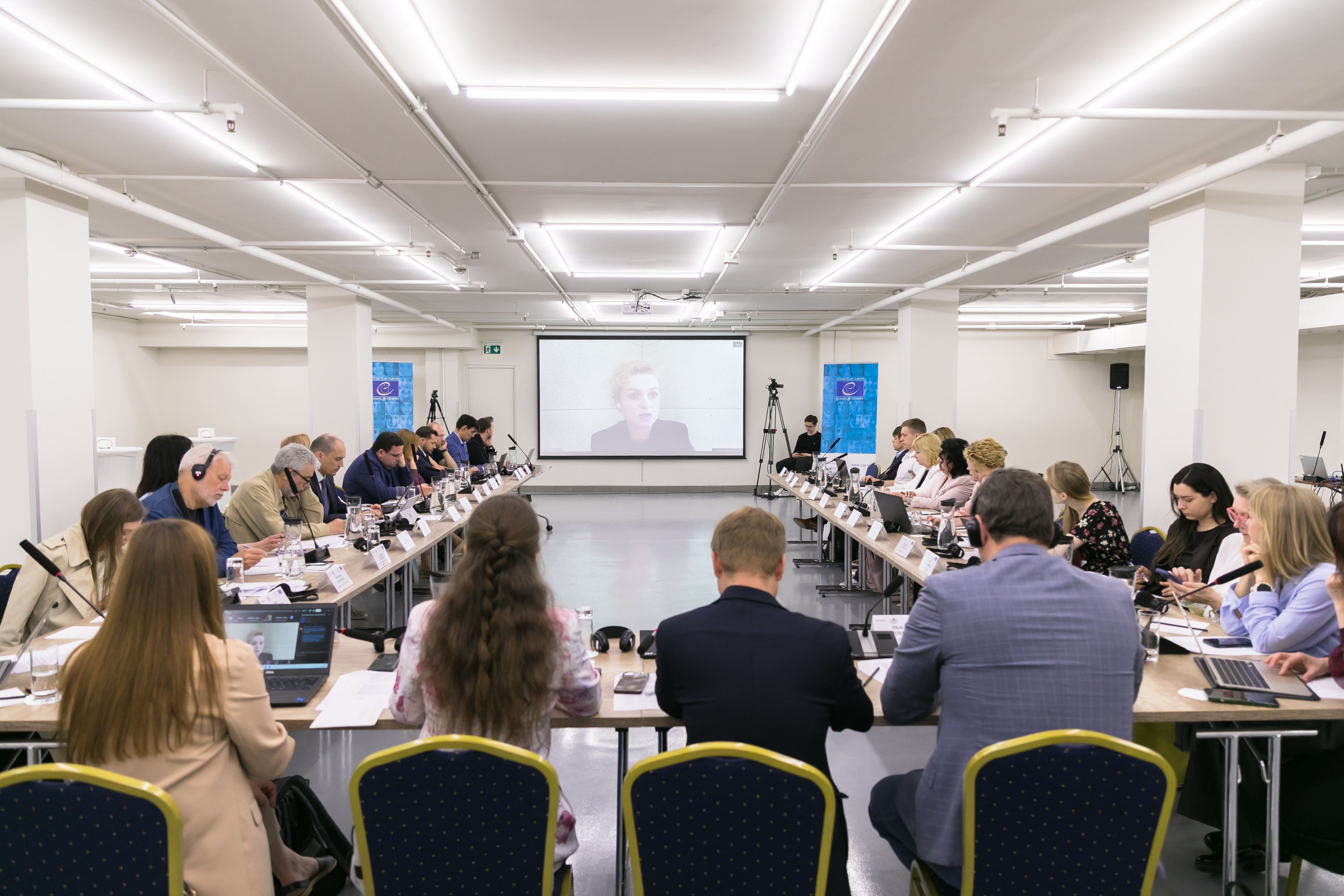
“This reform is not only about aligning Ukrainian legislation with European standards - it is about democratic resilience. Protecting journalists strengthens democracy, fosters public debate, and supports Ukraine’s European integration path. The Council of Europe will continue to support Ukraine in finalising and implementing an effective system to counter SLAPP. Our colleagues in Kyiv remain open to further co-operation with partners in this field,” said Alina Tatarenko, Head of the Division for Co-operation on Freedom of Expression, Democratic Institutions and Freedoms Department (DGII) opening the roundtable discussion on the legislative package. She stressed that countering SLAPP is essential to ensure that journalists, media, and civil society can participate in public debate without fear of intimidation or abuse of legal procedures.
According to Yaroslav Yurchyshyn, the aim of the legislative initiative is to create not a formal, but an effective mechanism for protecting journalists, human rights defenders, and civic activists. He noted that methods of pressure on journalists have changed significantly over time. If in the 1990s the main threats included physical pressure, direct attacks and the use of force to obstruct professional activity, today increasingly “sophisticated” tools of influence are being used. In particular, these include lawsuits that may be aimed at exhausting editorial resources, complicating journalistic work, or blocking socially important investigations.
Particular attention was paid to the vulnerability of regional media and independent journalists, who often lack sufficient resources for effective legal defence. As an example cited was the case of journalist from Zakarpattia, Olena Mudra, who has faced legal and information pressure, including lawsuits and smear campaigns, following her reporting on environmental abuses by local authorities.
A similar situation was highlighted in the case of Myroslava Prymak, a journalist from Chetverta Vlada, who reported interference in both newsroom operations and her own professional activity following investigative publications, also accompanied by attempts of legal and informational pressure.
The Council of Europe has been supporting Ukraine in implementing anti-SLAPP mechanisms for several years. In 2024, the Council of Europe project organised consultations involving journalists, judges, law enforcement representatives, and civil society actors. These resulted in recommendations for implementing anti-SLAPP mechanisms in line with Council of Europe and European Union standards.
In 2025, the Council of Europe supported the work of a special working group under the parliamentary Committee on Freedom of Speech in co-operation with the Ministry of Culture of Ukraine, and organised several international training events for Ukrainian judges and media lawyers. The resulting recommendations and practical experience formed the basis for the draft legislative package.
In February 2026, the Council of Europe issued a legal opinion on the proposed legislative amendments. During the public consultation period, additional comments were submitted by the judiciary, academic community, and civil society organisations. These were presented at the event and will be reviewed by the working group. Finalisation of all proposals is planned by the end of May.
In parallel, the Council of Europe project continues to support initiatives aimed at combating impunity for crimes against journalists and strengthening co-operation between media and law enforcement, in particular as part of the Council of Europe “Journalists Matter” Campaign for the Safety of Journalists.
The Council of Europe Project “Safeguarding Freedom of Expression and Freedom of Media in Ukraine – Phase II” (SFEM-UA - Phase II) is implemented by the Council of Europe Division for Co-operation on Freedom of Expression in the framework of the Council of Europe Action Plan for Ukraine “Resilience, Recovery and Reconstruction” 2023-2026.