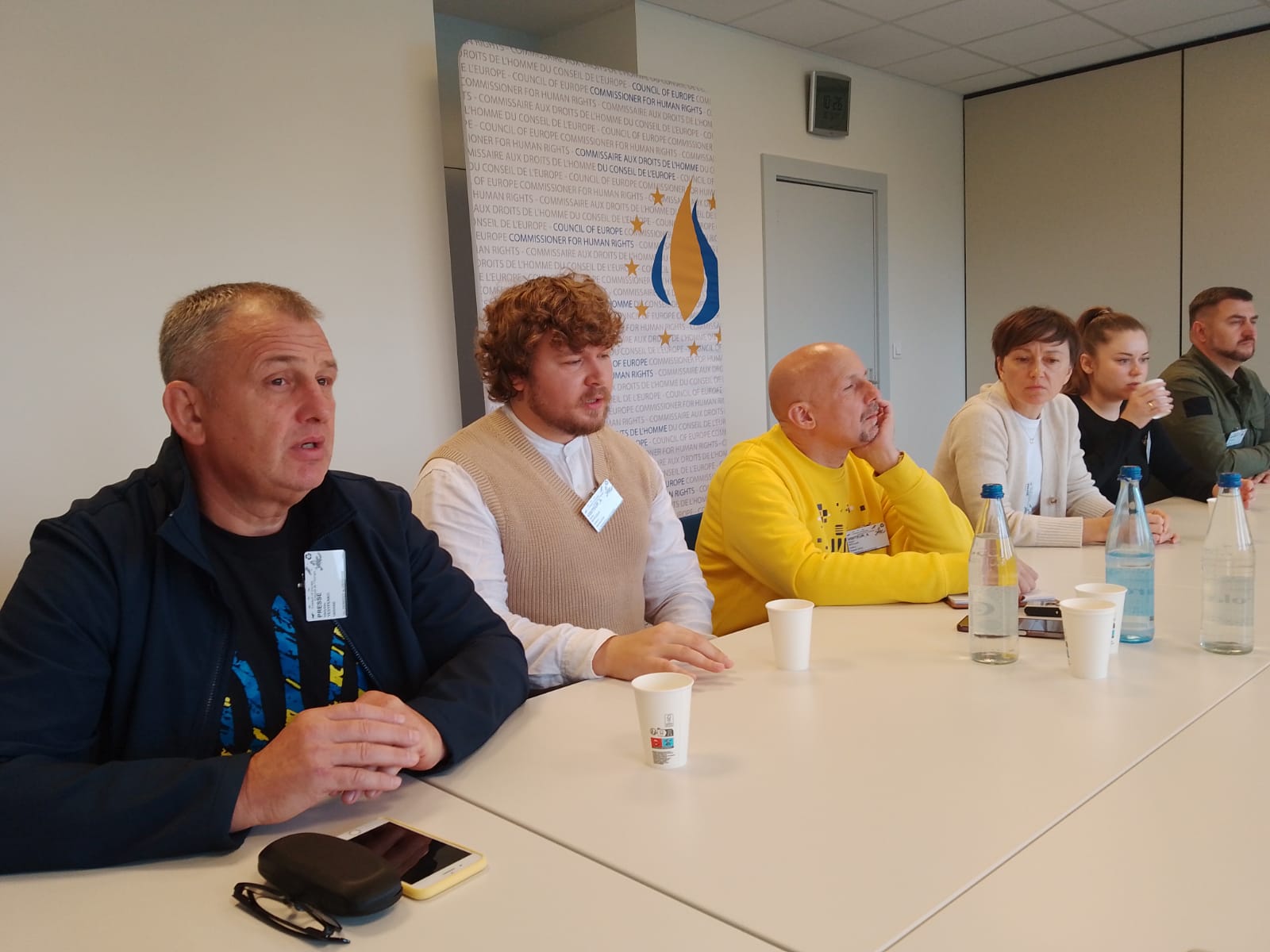
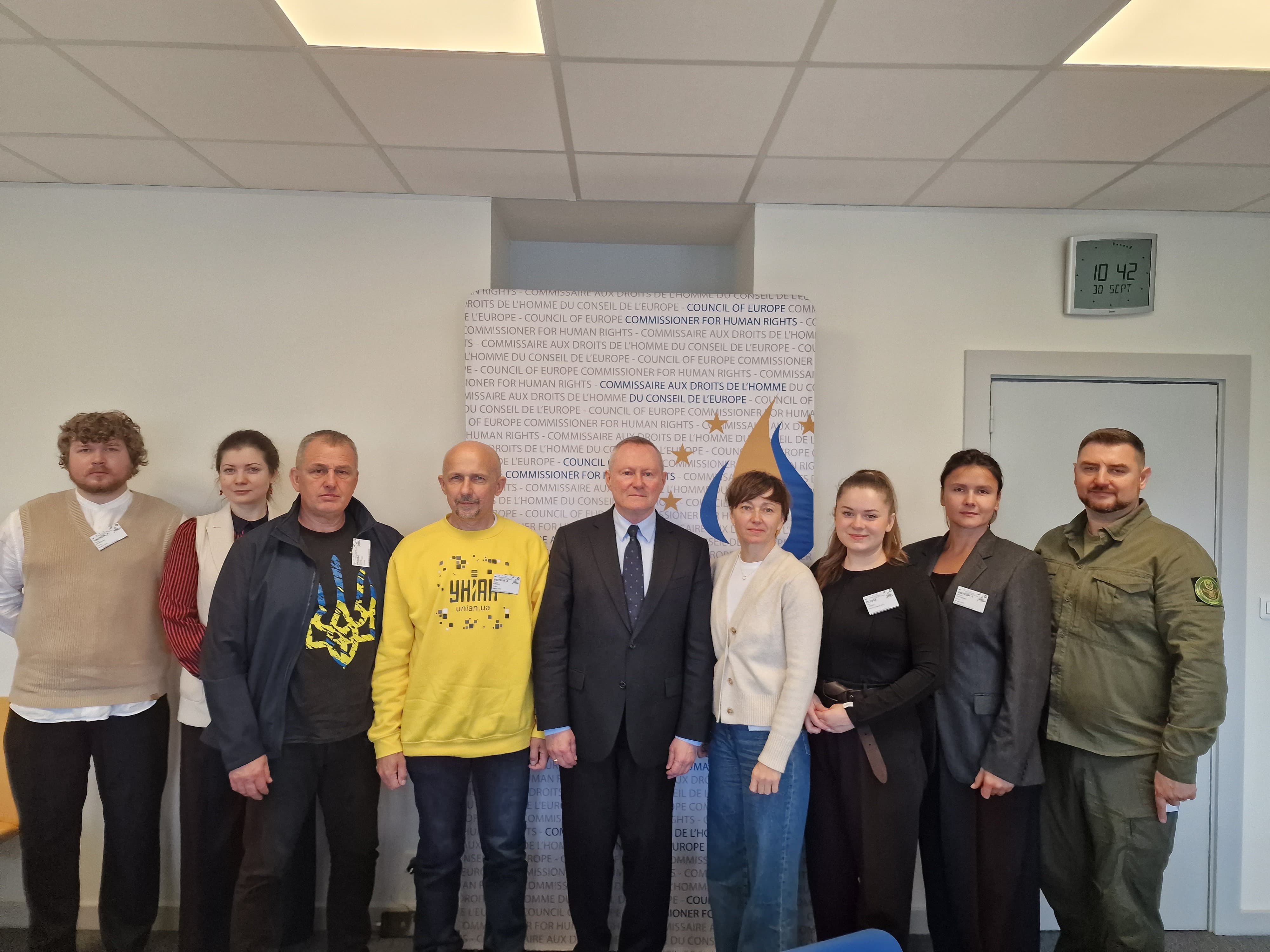
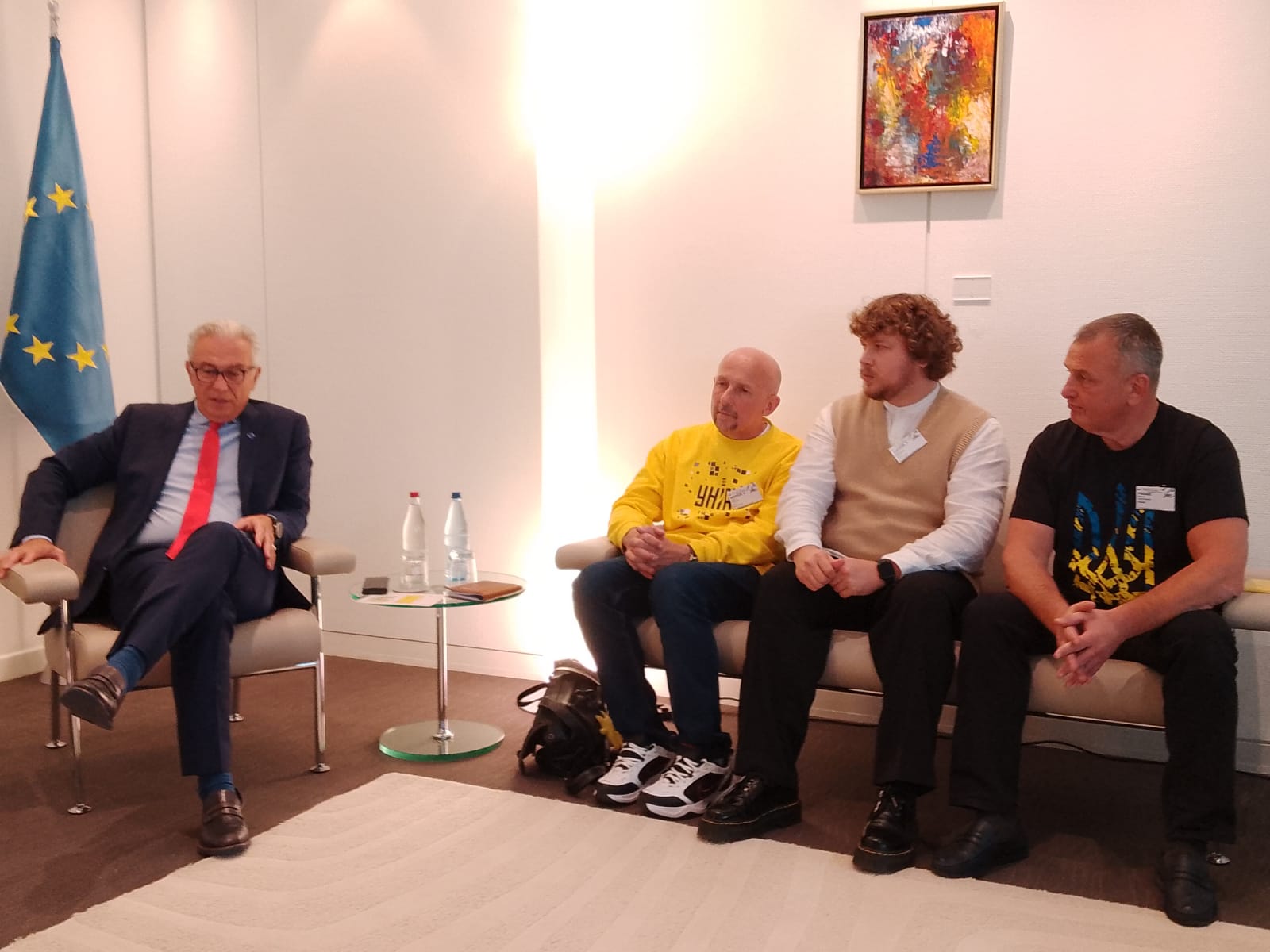
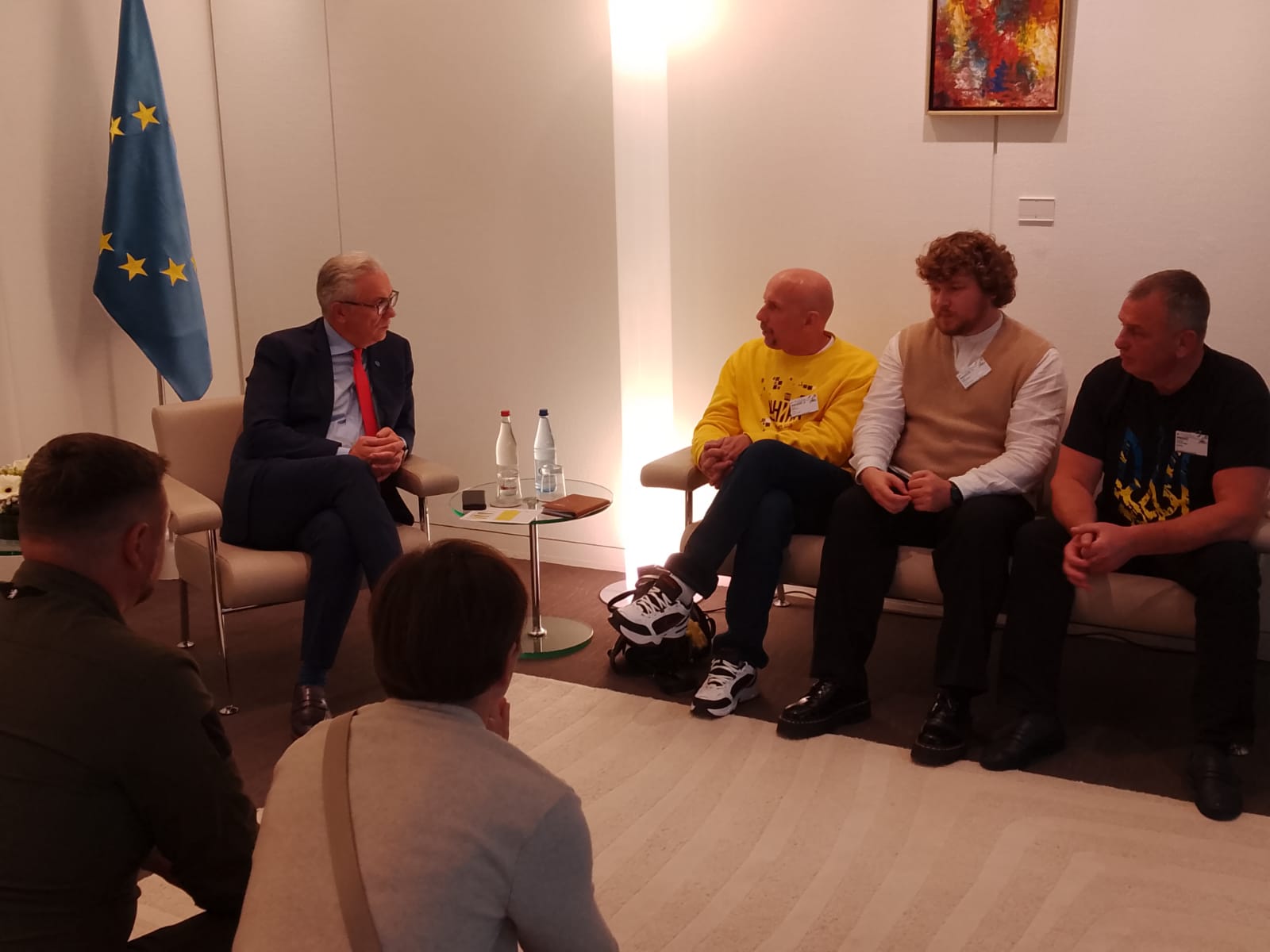
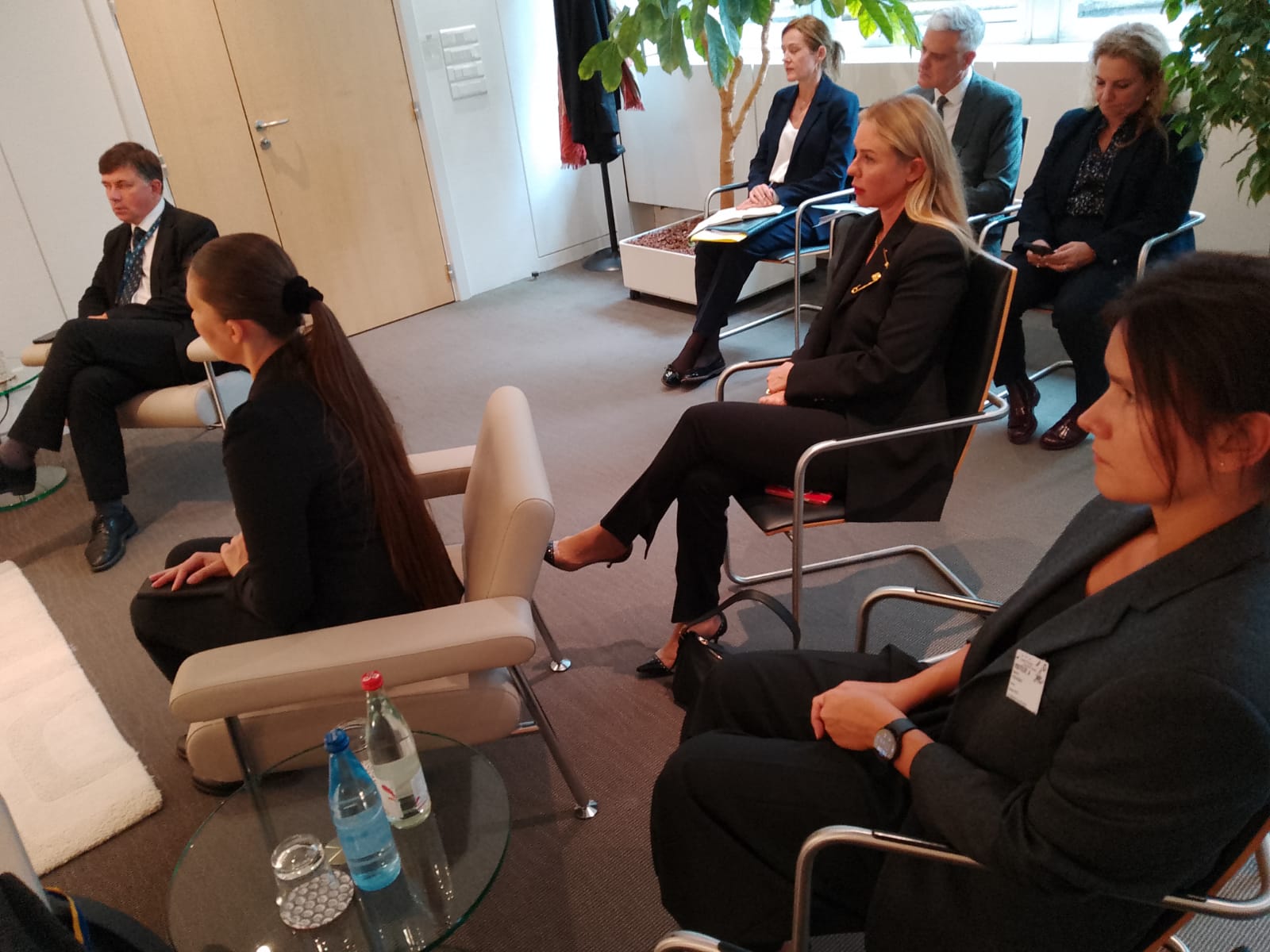
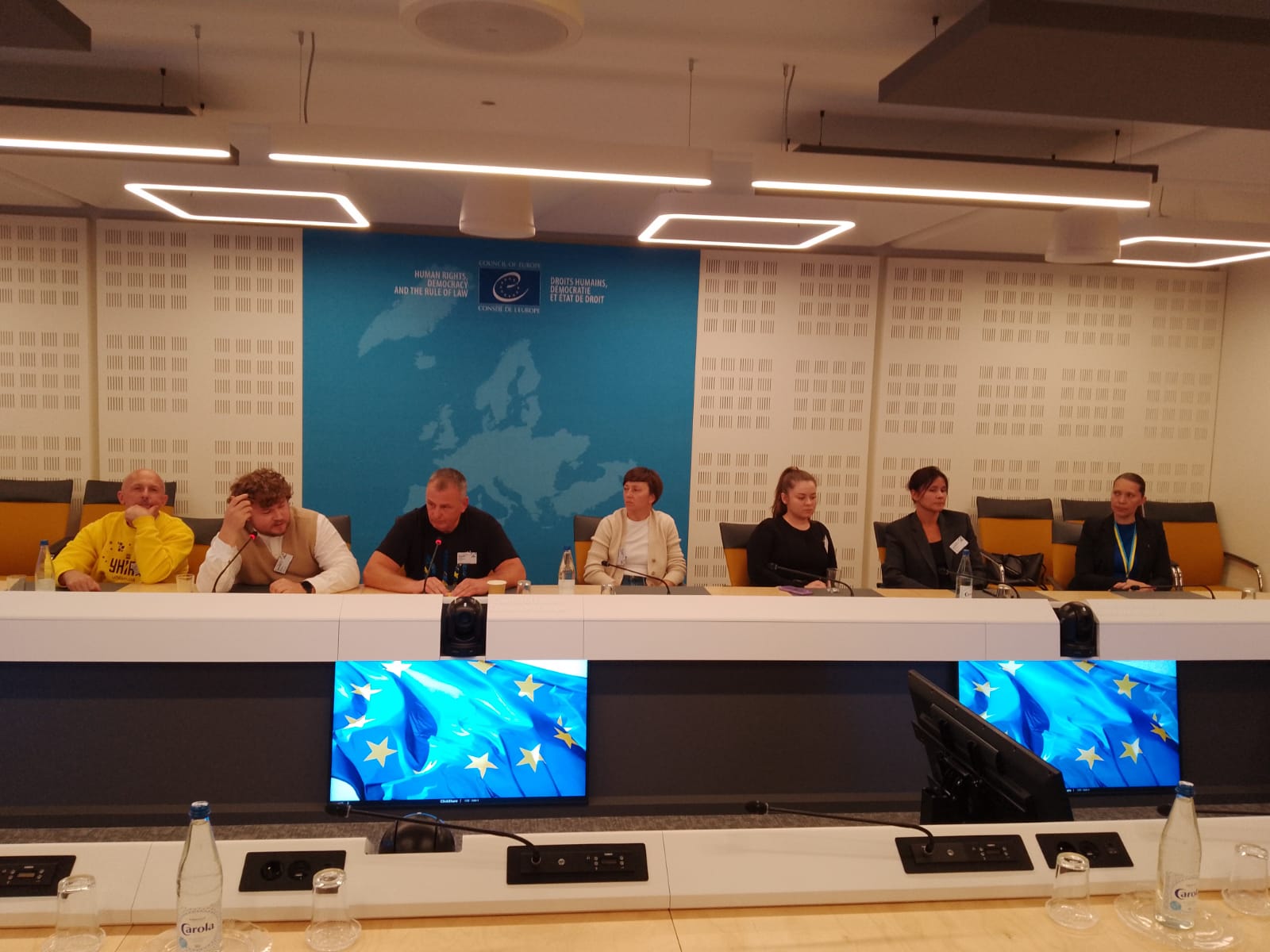
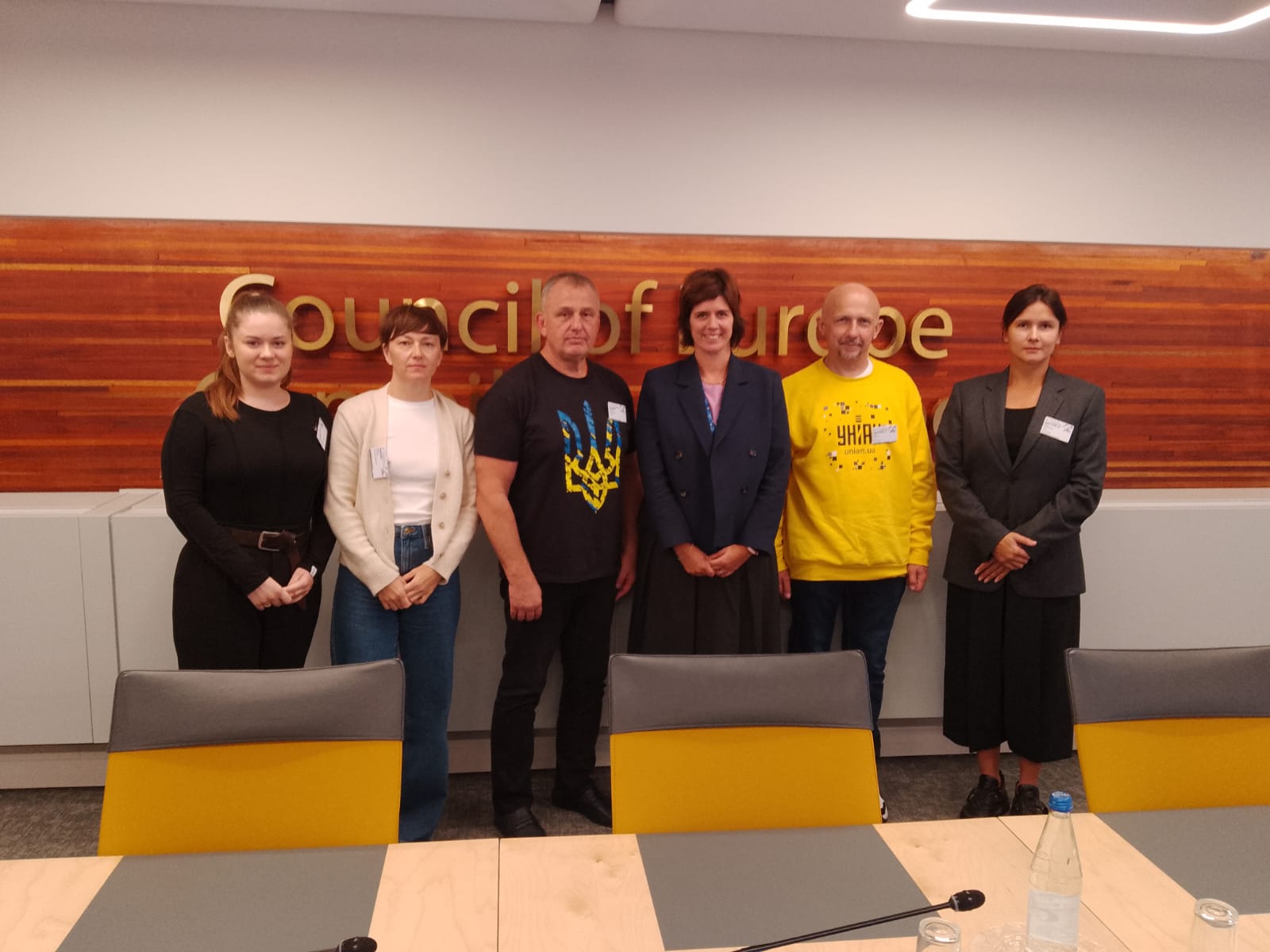
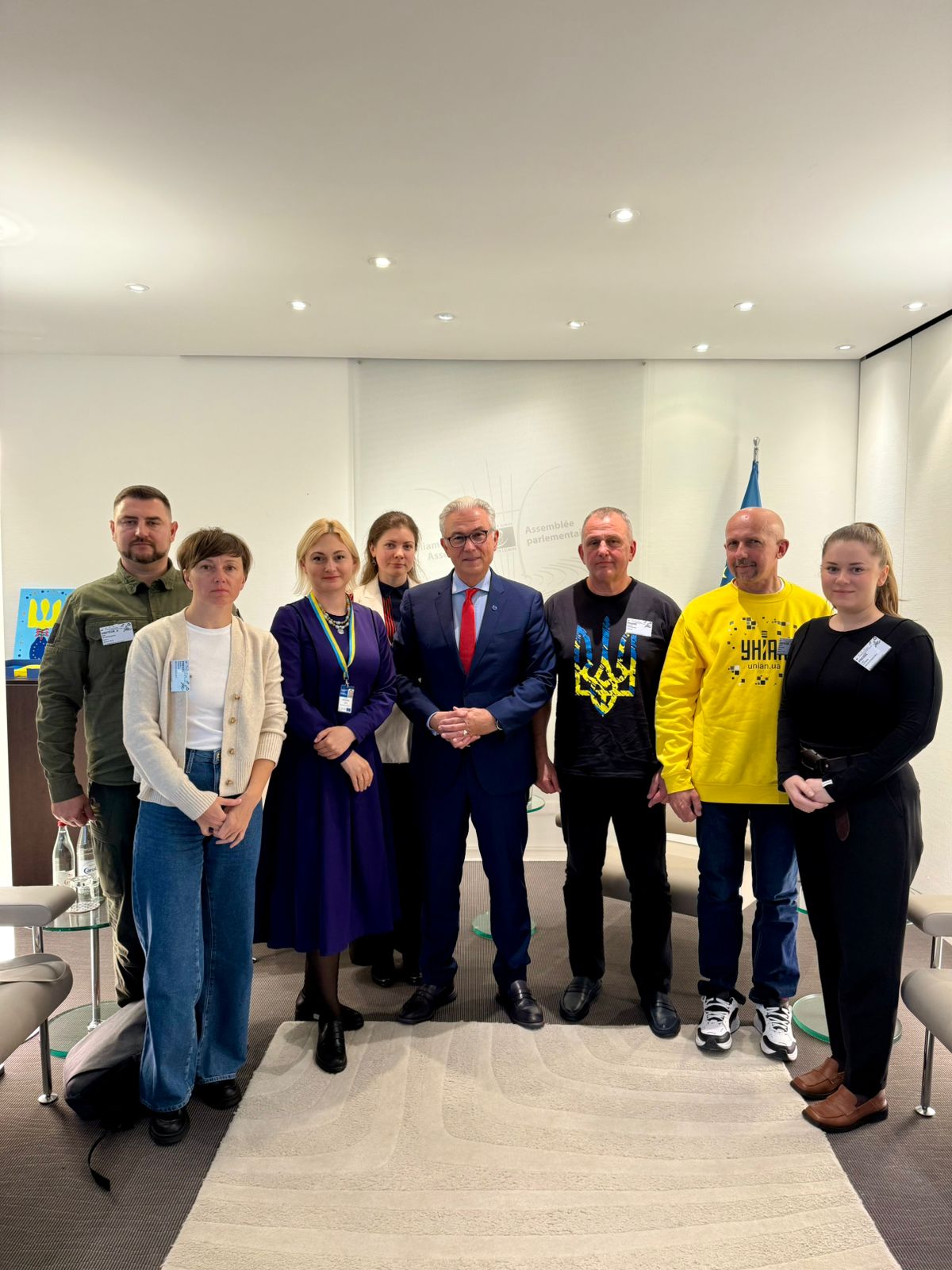
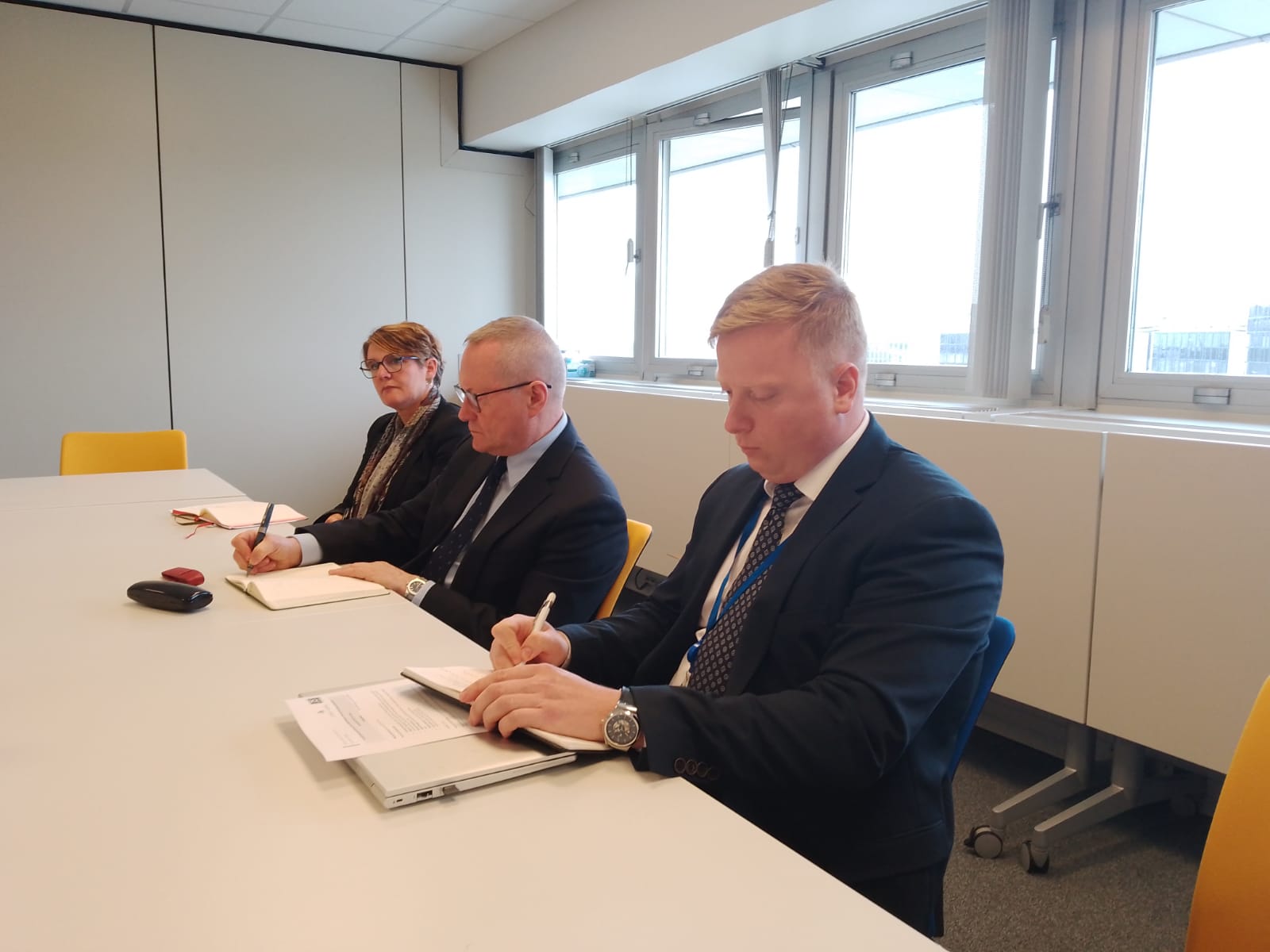
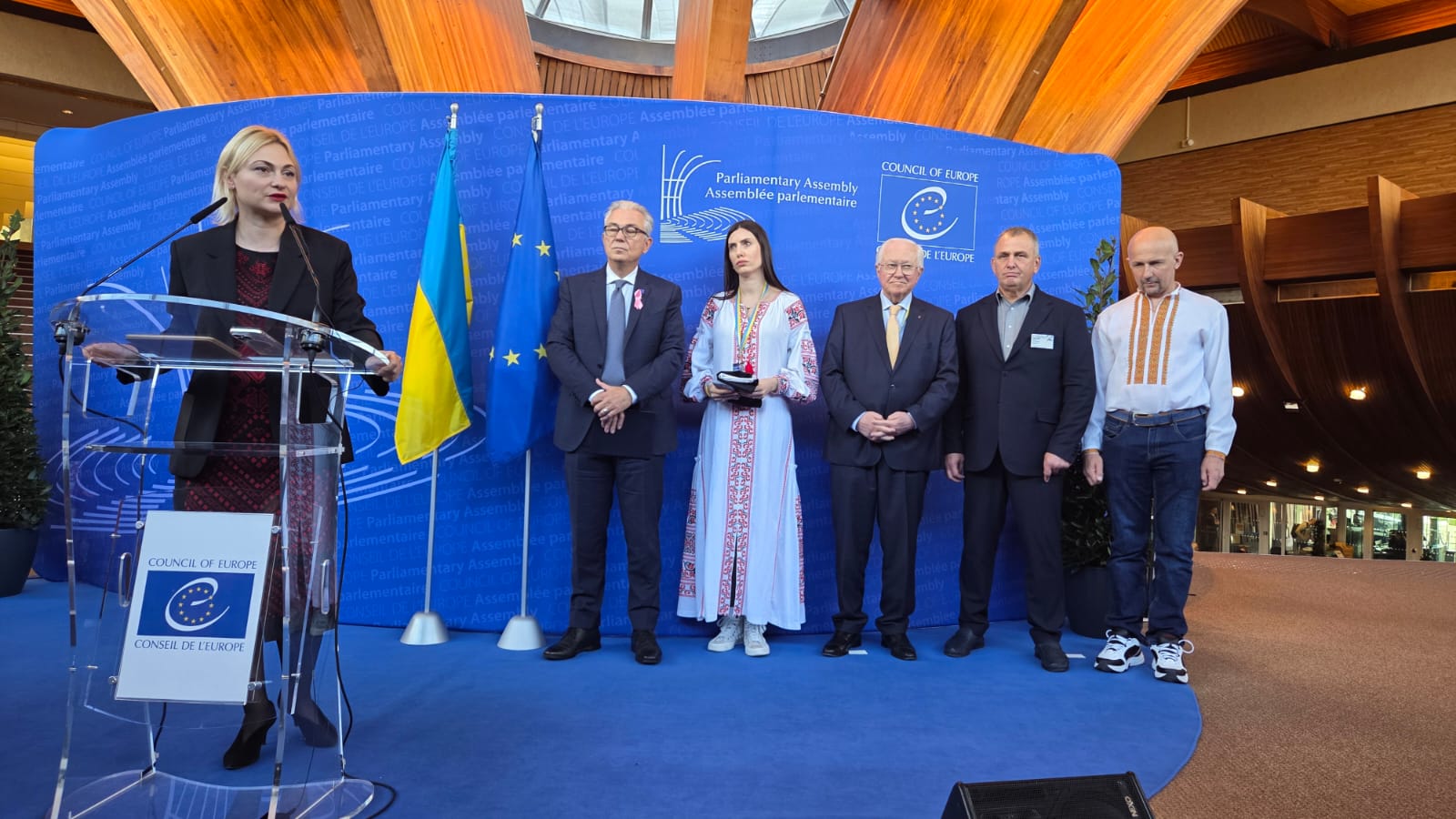
Ukrainian journalists Dmytro Khyliuk and Vladyslav Yesypenko, recently released after prolonged Russian captivity, testified during high-level meetings with the leadership of the Council of Europe and the Parliamentary Assembly of the Council of Europe (PACE) about gross violations of international law and the inhumane treatment of Ukrainian prisoners in Russian detention facilities. They described how Russia systematically ignores the Geneva Convention, unlawfully registering civilians as prisoners of war, while the International Committee of the Red Cross fails to fulfil its mandate of monitoring detention conditions. Torture, hunger, cold, humiliation, denial of medical assistance, and constant abuse – these are the methods Russia routinely employs against Ukrainian captives. Mr Yesypenko and Mr Khyliuk called on the Council of Europe to intensify pressure on the International Committee of the Red Cross to carry out its humanitarian mandate and to support efforts to secure the release of all Ukrainian prisoners, including children.
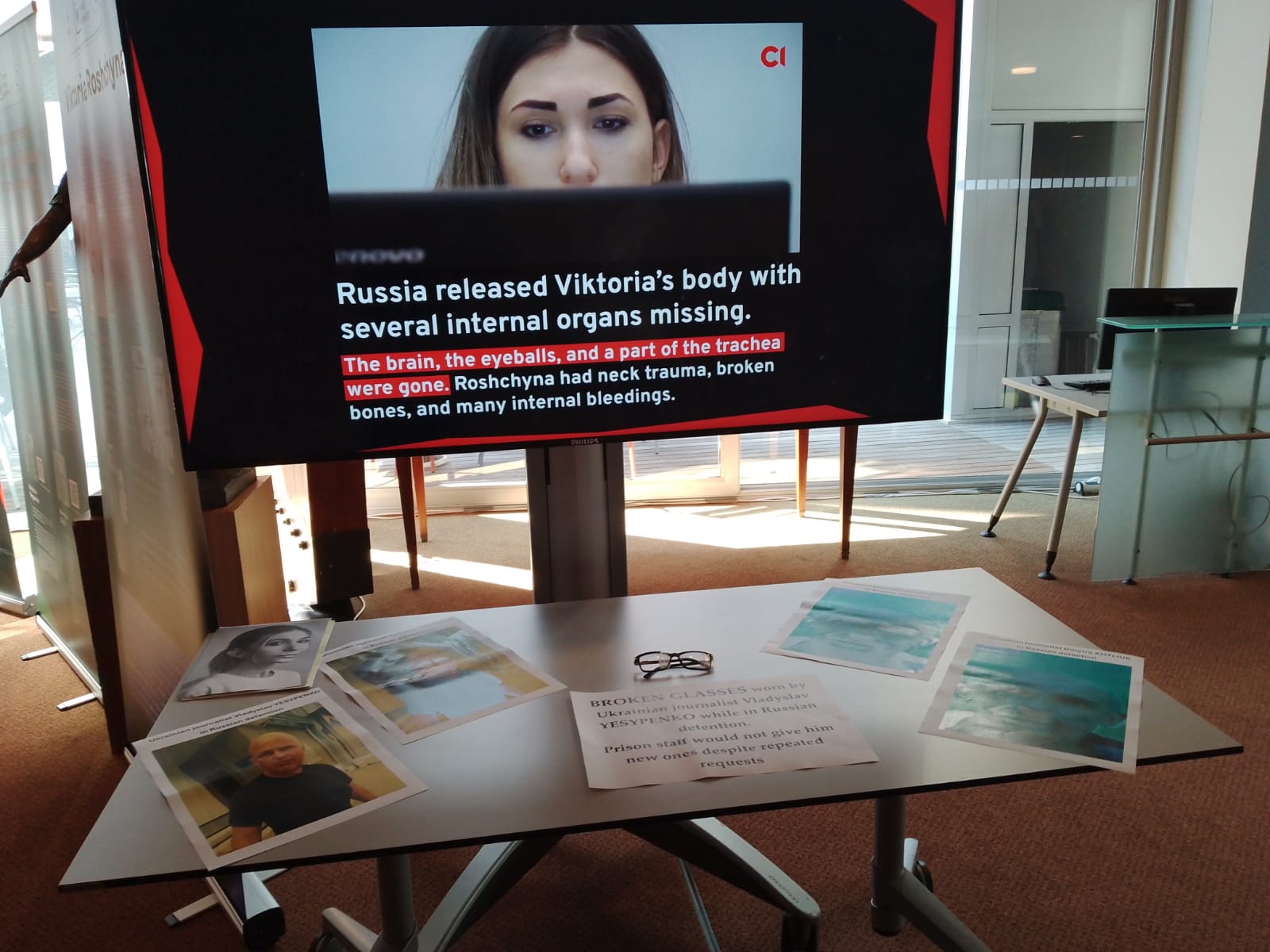
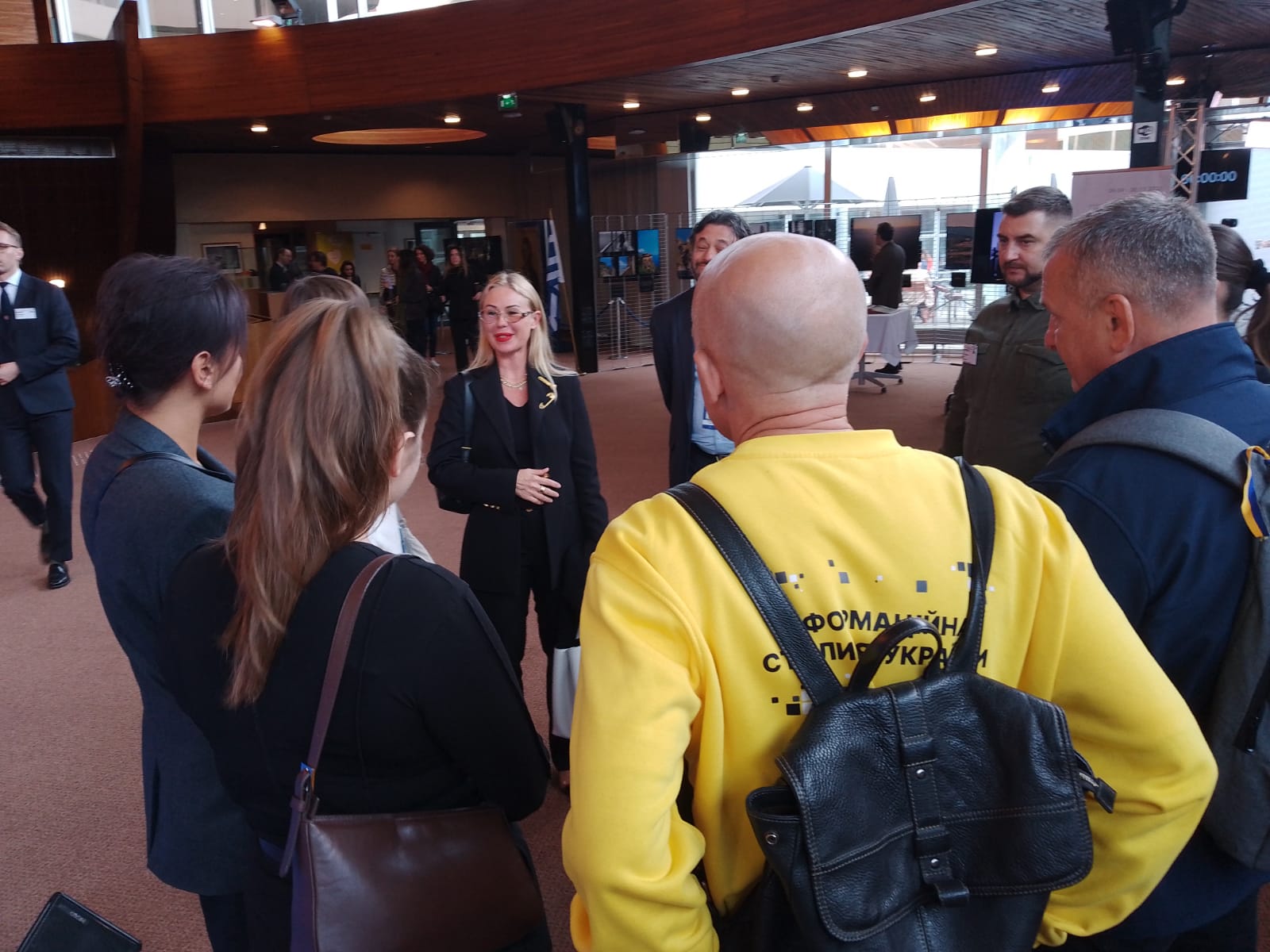
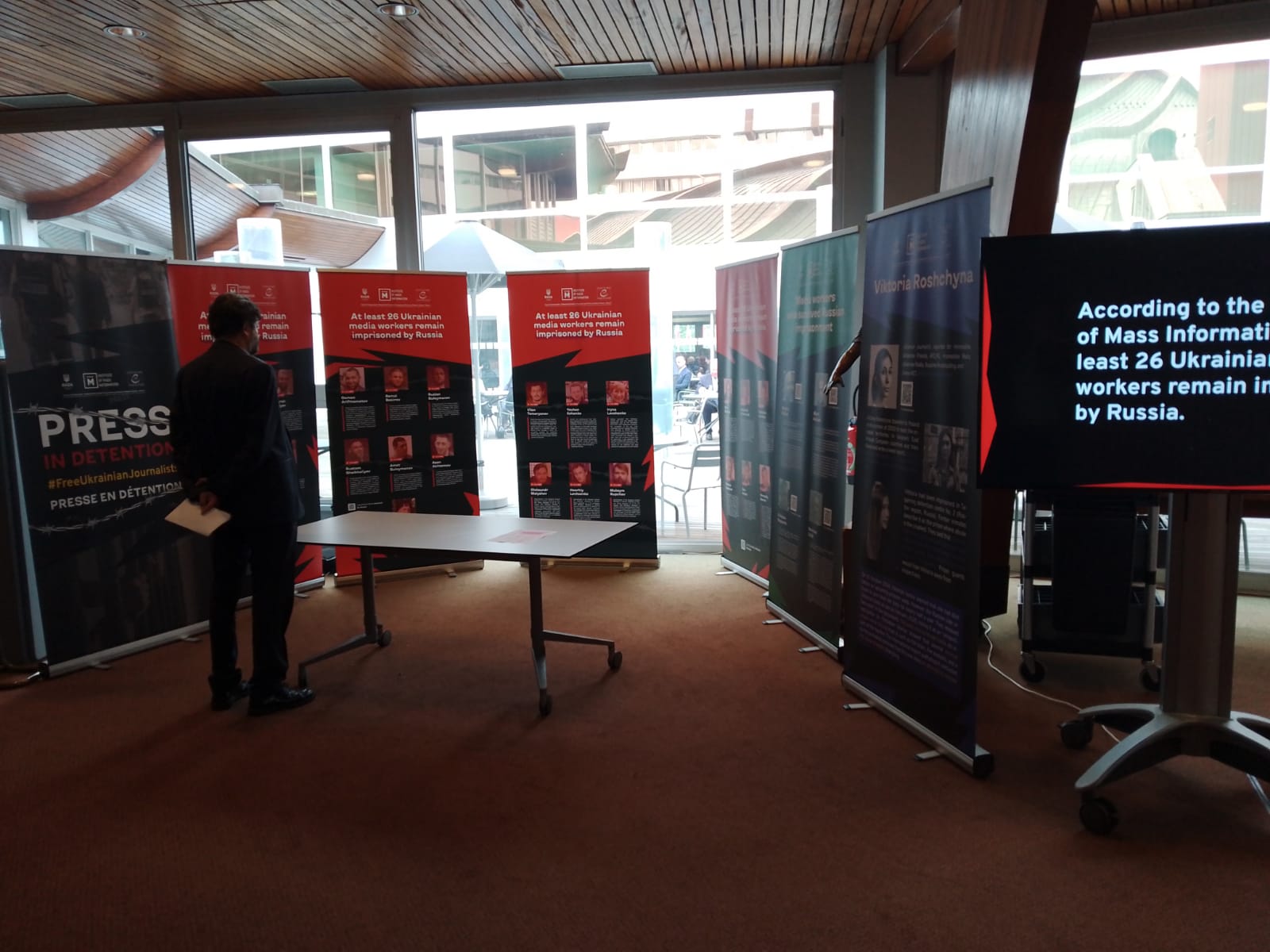
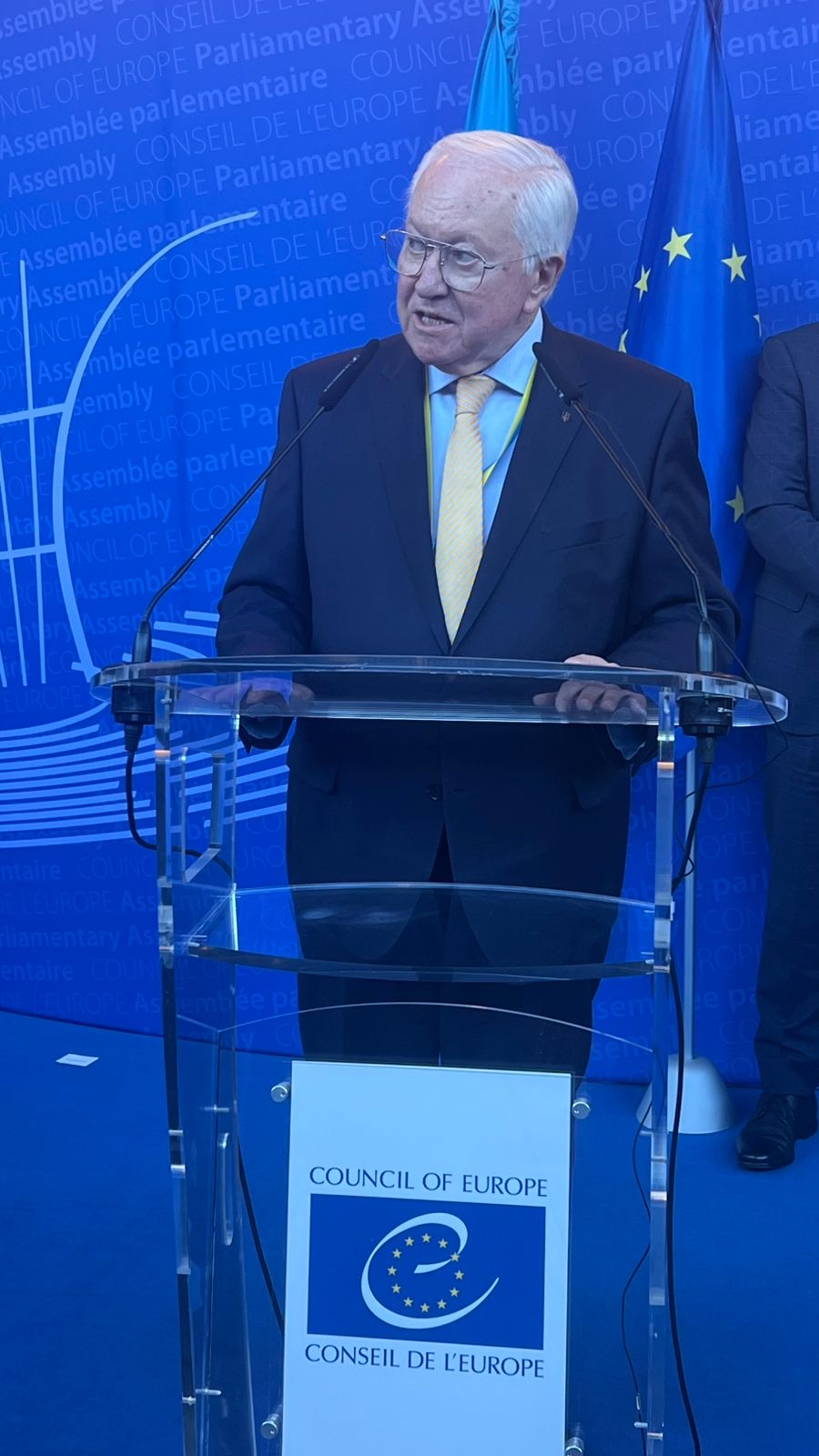
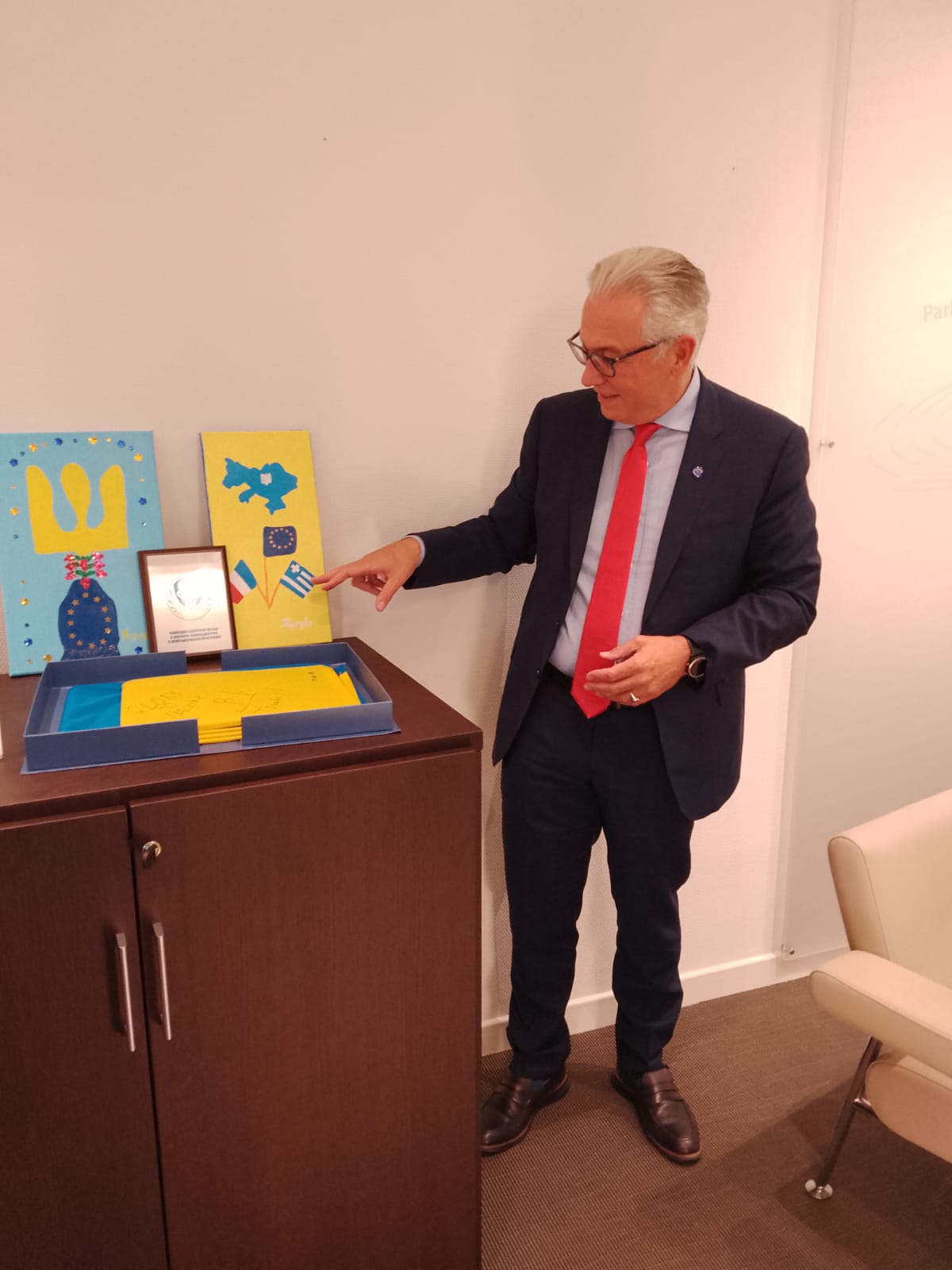
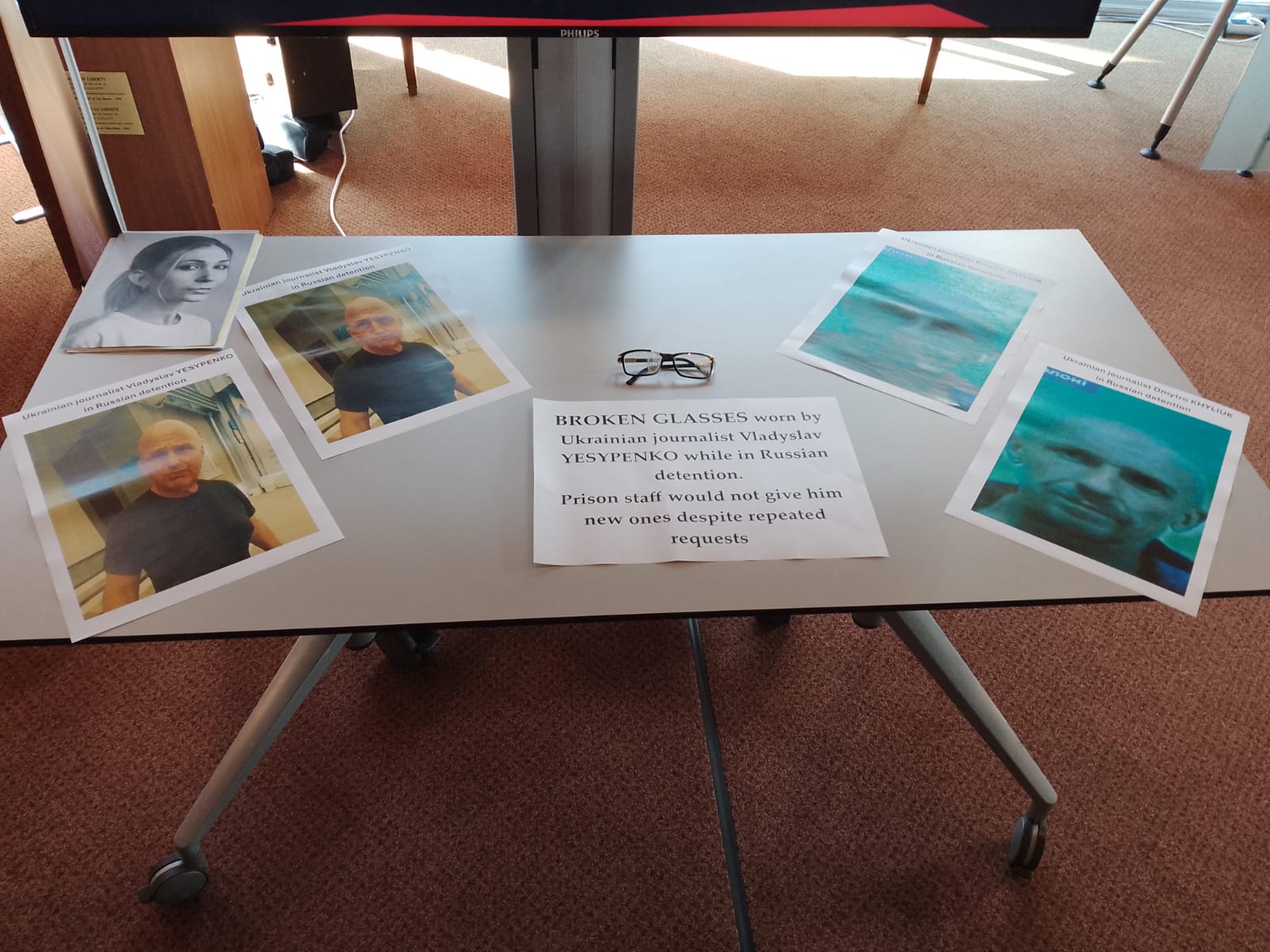
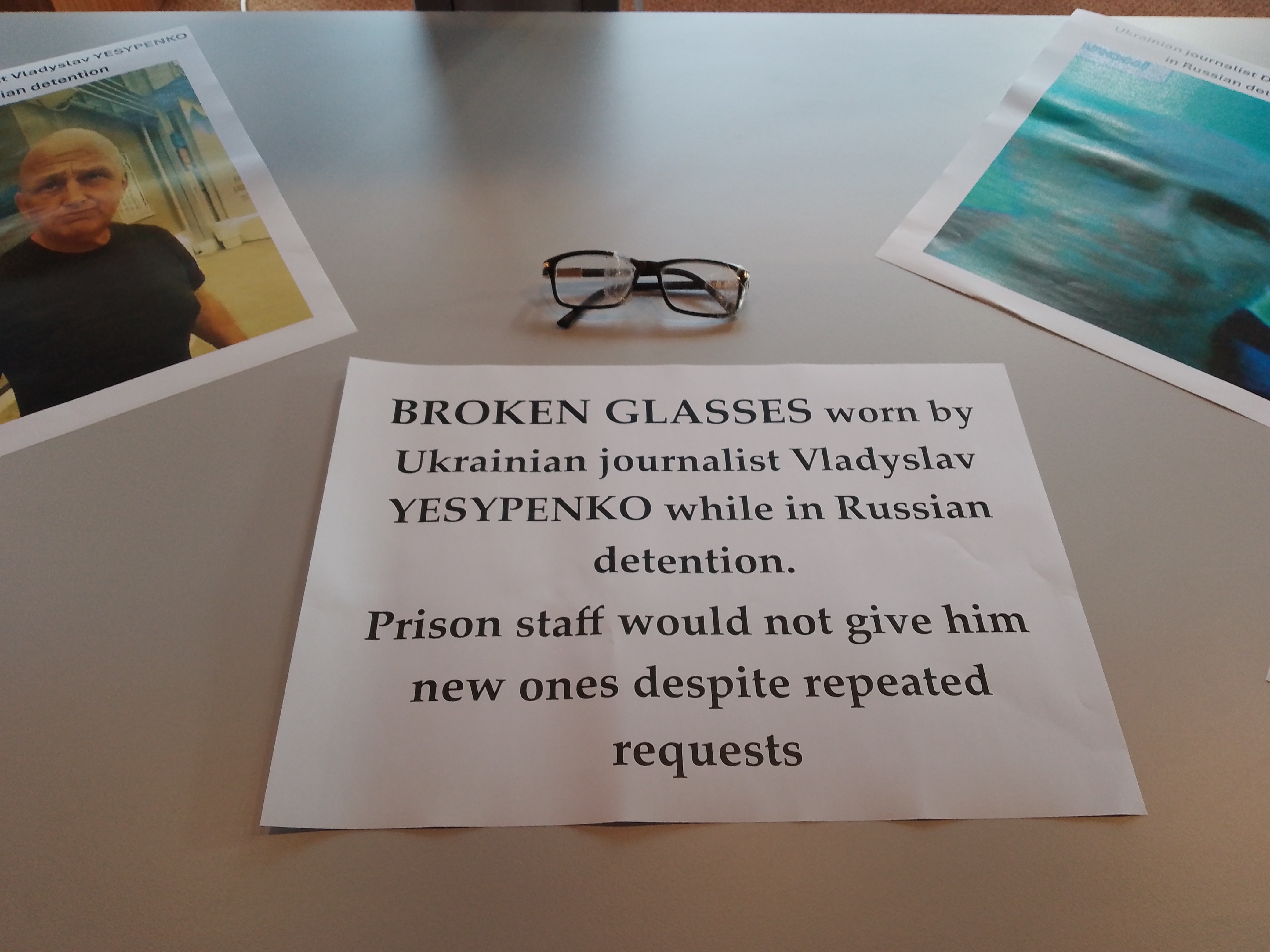
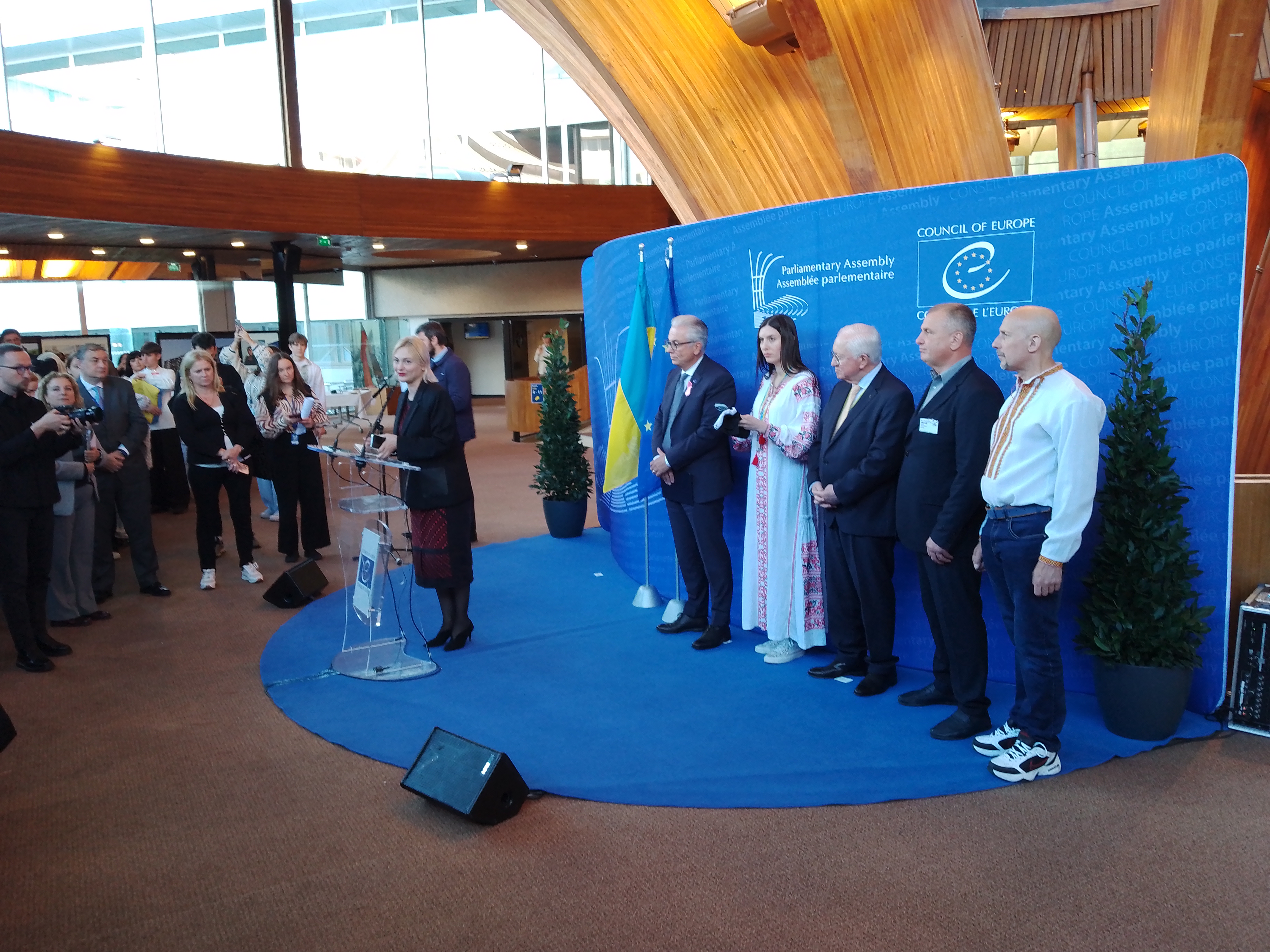
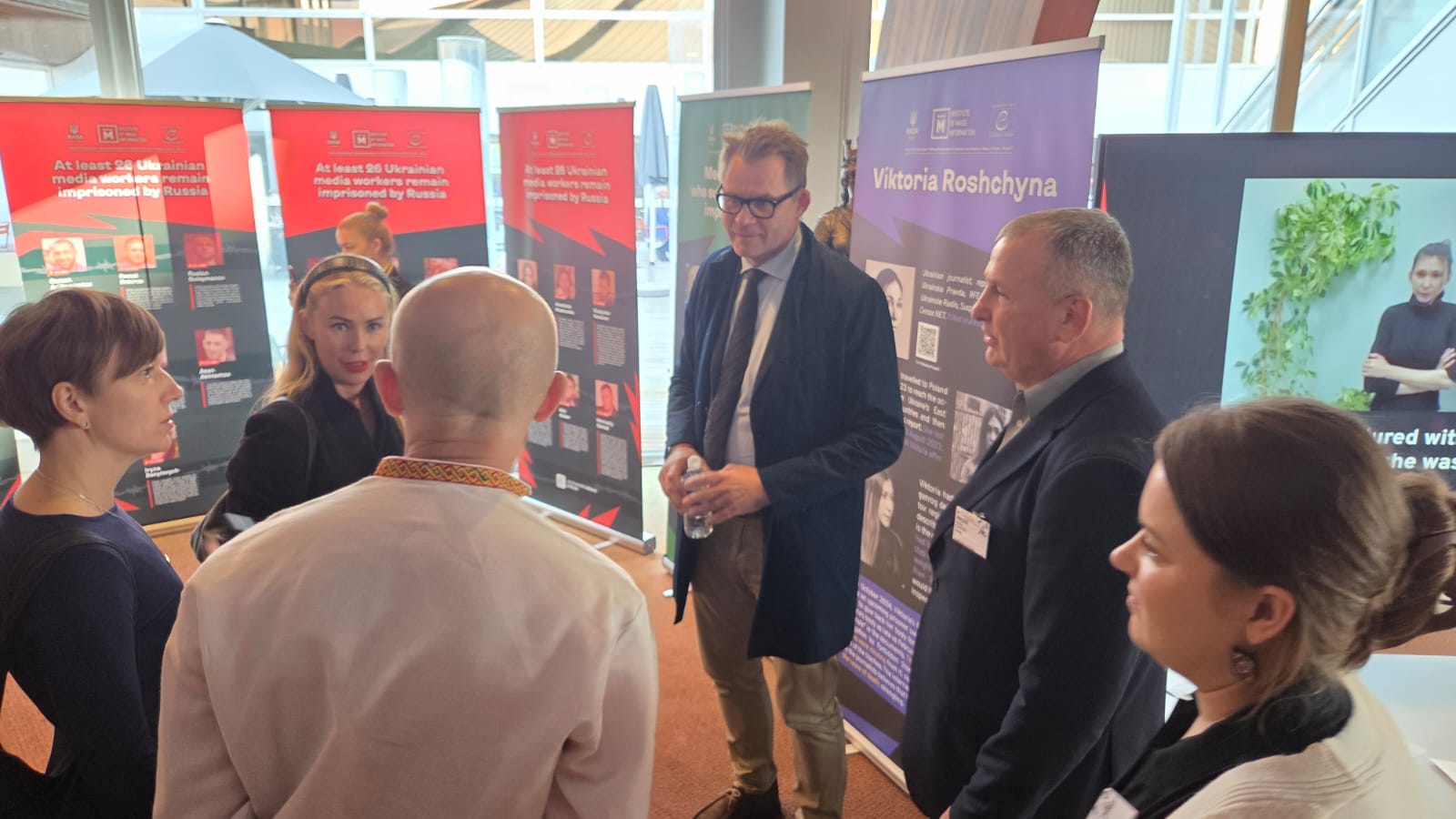
Their testimony accompanied the opening of the exhibition “PRESS IN DETENTION – #FreeUkrainianJournalists”, held in Strasbourg during the PACE autumn session on 1 October. On display were Vladyslav Yesypenko’s broken glasses, which he was forced to wear throughout his entire imprisonment – when he asked his Russian guards for a replacement, they only mocked him. Dmytro Khyliuk recounted that hunger drove prisoners to eat toothpaste, and that soap began to seem like ice cream. Speaking at the exhibition opening, Borys Tarasyuk, Permanent Representative of Ukraine to the Council of Europe, and Theodoros Rousopoulos, the 35th President of PACE, expressed gratitude to all imprisoned journalists for their courage and reaffirmed the Council of Europe’s support for Ukraine.
The exhibition, organised in co-operation with the Institute of Mass Information (IMI) and the Committee on Humanitarian and Information Policy of the Parliament of Ukraine, presented the names, photographs, and stories of 26 Ukrainian journalists currently held in Russian captivity, based on IMI’s verified data. A dedicated stand honoured Viktoriia Roshchyna, a Ukrainian journalist tortured to death in Russian custody.
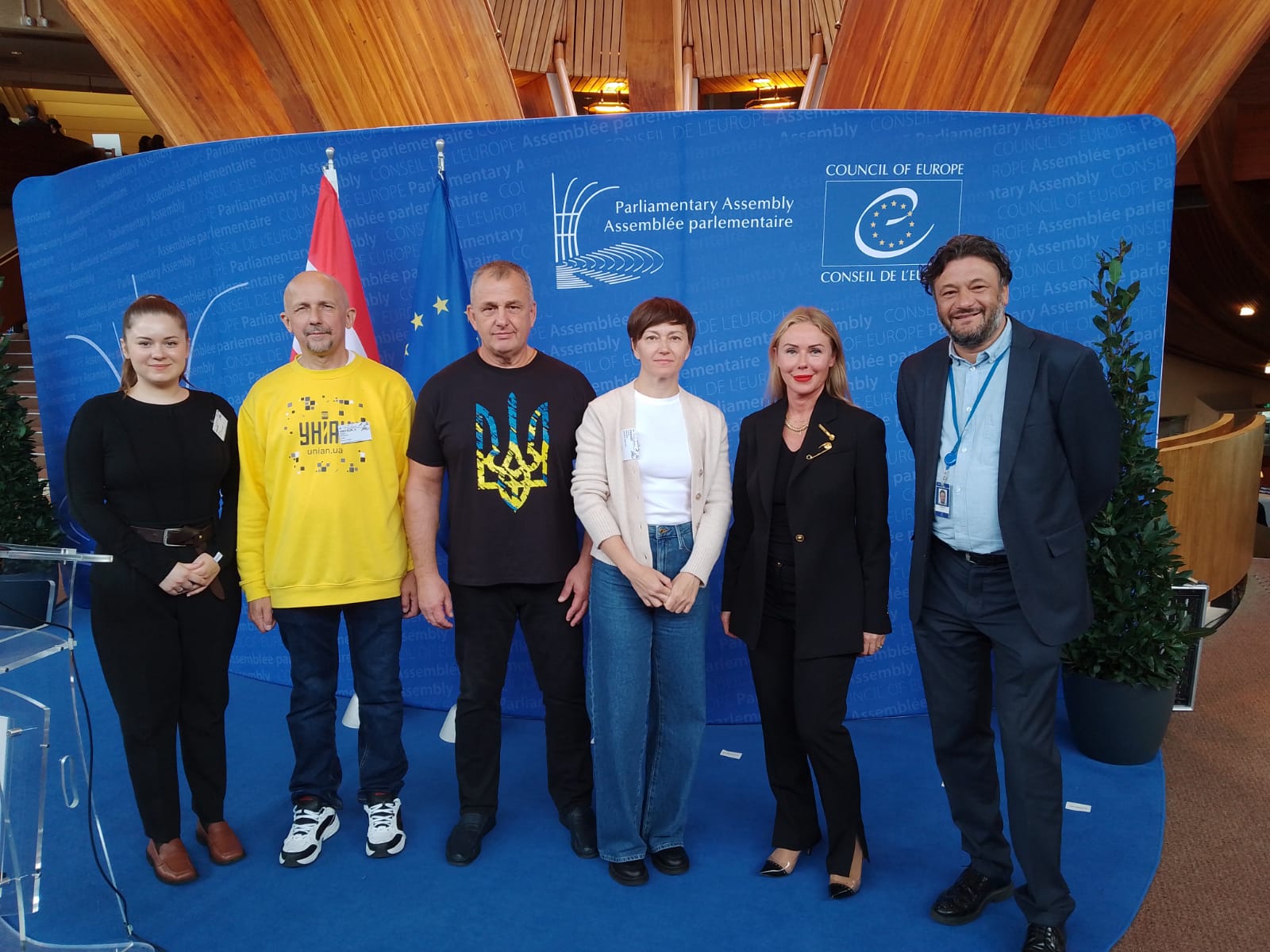
The Ukrainian delegation, which participated in working meetings and the exhibition, combined professional expertise, civil society engagement, and personal testimony. Alongside the journalists, it included Kateryna Diachuk and Lesia Lutsiuk from IMI, as well as Kateryna Yesypenko, analyst at the Crimean Human Rights Group and wife of Vladyslav Yesypenko. Their presence ensured strong advocacy on the issue of Ukrainian captives and accountability for Russia’s crimes among parliamentarians and international stakeholders.
Just an hour before the exhibition opening, PACE adopted the resolution “Journalists matter: the need to step up efforts to liberate Ukrainian journalists held in captivity by the Russian Federation.” The resolution underlines the effectiveness of international pressure in securing the recent release of Dmytro Khyliuk, Vladyslav Yesypenko, and Mark Kaliush. It calls for targeted sanctions against Russian officials responsible for unlawful detentions, support for a special tribunal on the crime of aggression and strengthened co-operation with the International Criminal Court. It also recalls Russia’s systematic attacks on Ukrainian newsrooms and inaugurates an annual ceremony in memory of Viktoriia Roshchyna under the title “Victory for Viktoria.”
Two days earlier, on 29 September 2025, Ukrainian journalist and human rights defender Maksym Butkevych was awarded the 13th Václav Havel Human Rights Prize for his outstanding civil society action in defence of human rights.
The visit of the Ukrainian delegation was organised with the support of the Council of Europe Project “Safeguarding Freedom of Expression and Freedom of Media in Ukraine – Phase II”, which provides expert assistance to Ukraine on legislative and regulatory measures in the field of freedom of expression and the safety of journalists and other media actors. This includes work on anti-SLAPP legislation and the national implementation of the Council of Europe “Journalists Matter” campaign.
The Council of Europe Project “Safeguarding Freedom of Expression and Freedom of Media in Ukraine – II Phase” (SFEM-UA) is implemented by the Council of Europe Division for Co-operation on Freedom of Expression in the framework of the Council of Europe Action Plan for Ukraine “Resilience, Recovery and Reconstruction” 2023-2026.