Local authorities all over Ukraine have shown commendable resilience to the hardships faced since 2014, and even more so in the past three years. The resilience of Ukrainian communities is at the centre of the Congress co-operation activities, in particular the project on “Strengthening multi-level governance, democracy, and human rights at local level in Ukraine”. As such, we are continuously working closely with local authorities all over the country to protect the interests of local authorities in Ukraine, enhance multi-level governance and support the country on its EU integration path. Key achievements and feedback of local partners are presented below.
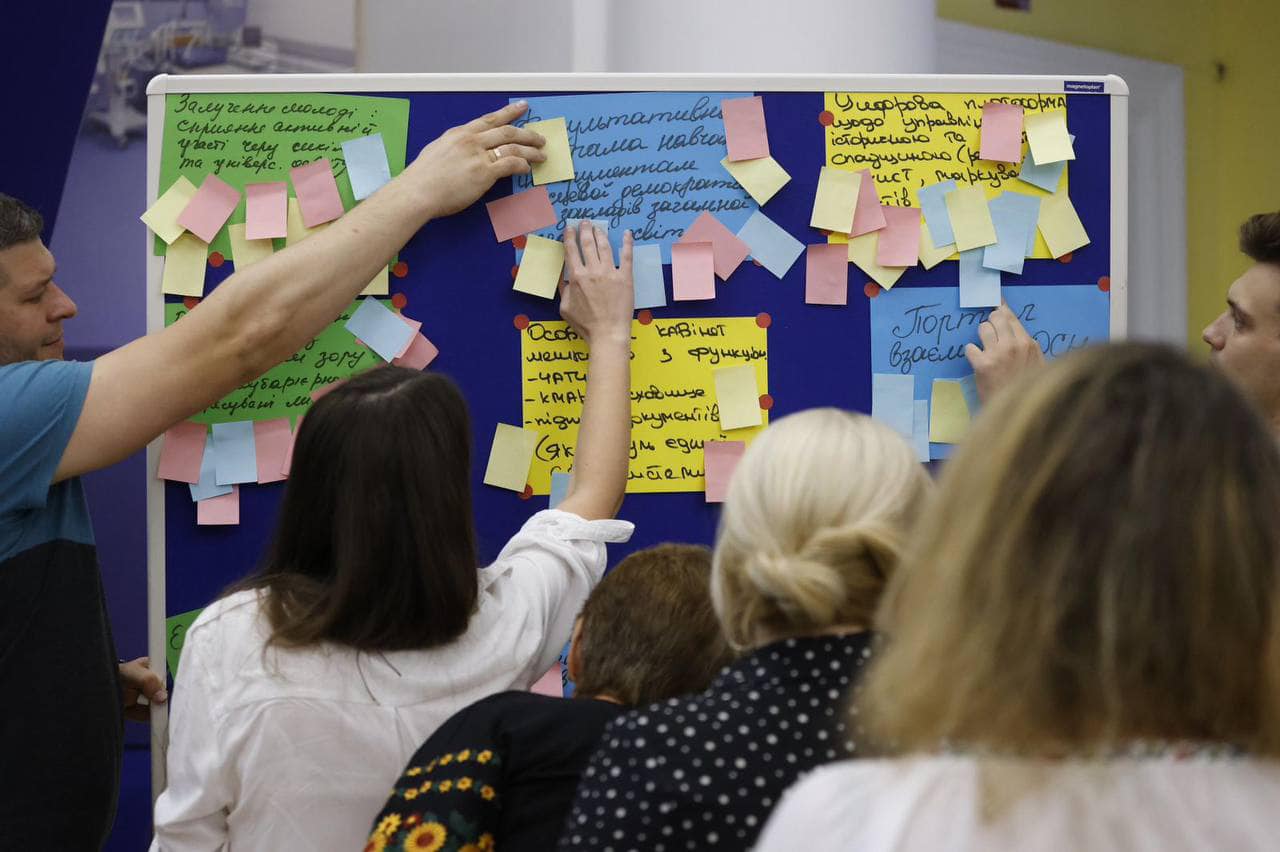
10 municipalities successfully implemented local initiatives, with the direct expert and financial support of the Congress, to foster democratic innovations and open government, as well as to strengthen the promotion and protection of human rights at the local level. The 10 selected local authorities of different sizes and regions, developed e-governance tools, fostered the participation of underrepresented groups such as youth, women, and internally displaced persons (IDPs), protected the rights of veterans, and reinforced social cohesion. To enhance these efforts and to tailor future support, the project conducted an assessment on the promotion and protection of human rights at the local and regional levels in Ukraine.
How Ukrainian partners assess impact and results of the project “Strengthening multi-level governance, democracy, and human rights at local level in Ukraine”?
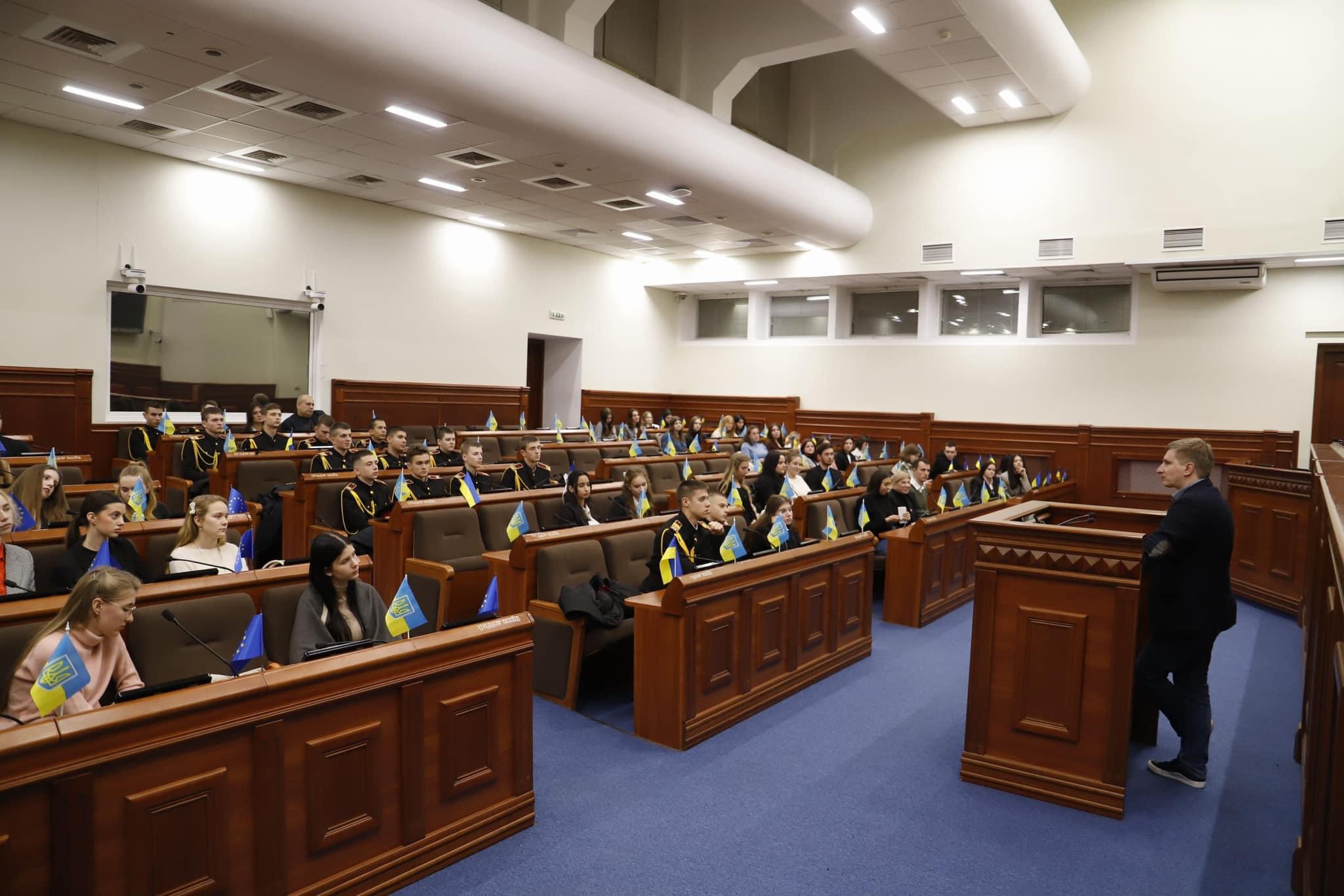
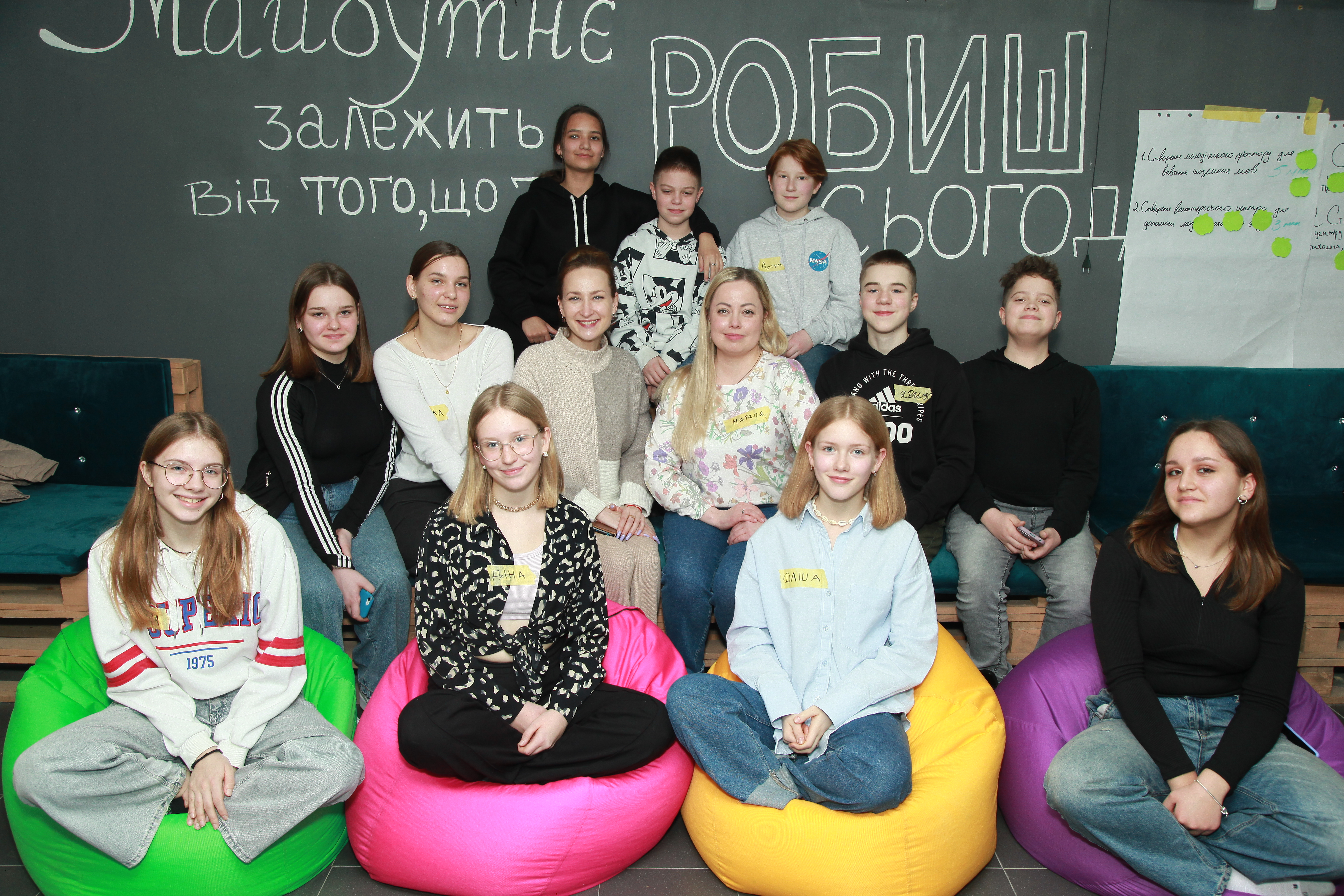
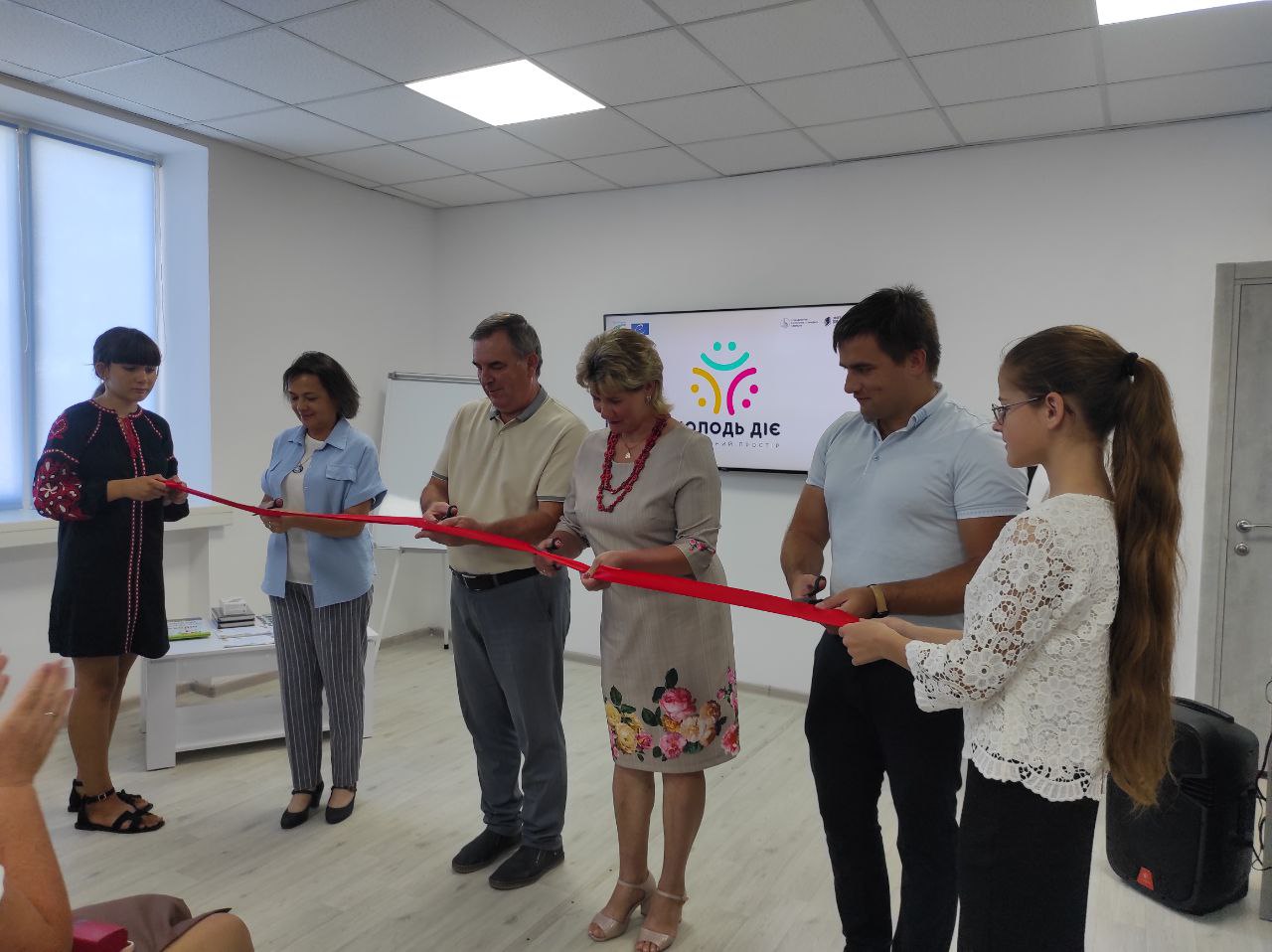
Establishment of a local democracy engagement hub in Kyiv
“The hub brings together young people from all over Ukraine, creating opportunities for exchange and collaboration. The young people participating in this initiative are already actively shaping the country’s future through volunteer work and civic initiatives. Their efforts highlight the crucial role of youth participation in social and political life. We have ambitious plans to foster collaboration between the capital’s youth and IDPs. Several partnership initiatives have already been launched to strengthen these ties and leave a lasting impact on youth policy in Ukraine. We also plan an annual youth forum to generate new ideas and innovations that will positively influence social and political life, contributing to the development of initiatives and strengthening cross-sectoral co-operation,” – Volodymyr Bondarenko, Deputy Mayor, Secretary of Kyiv City Council.
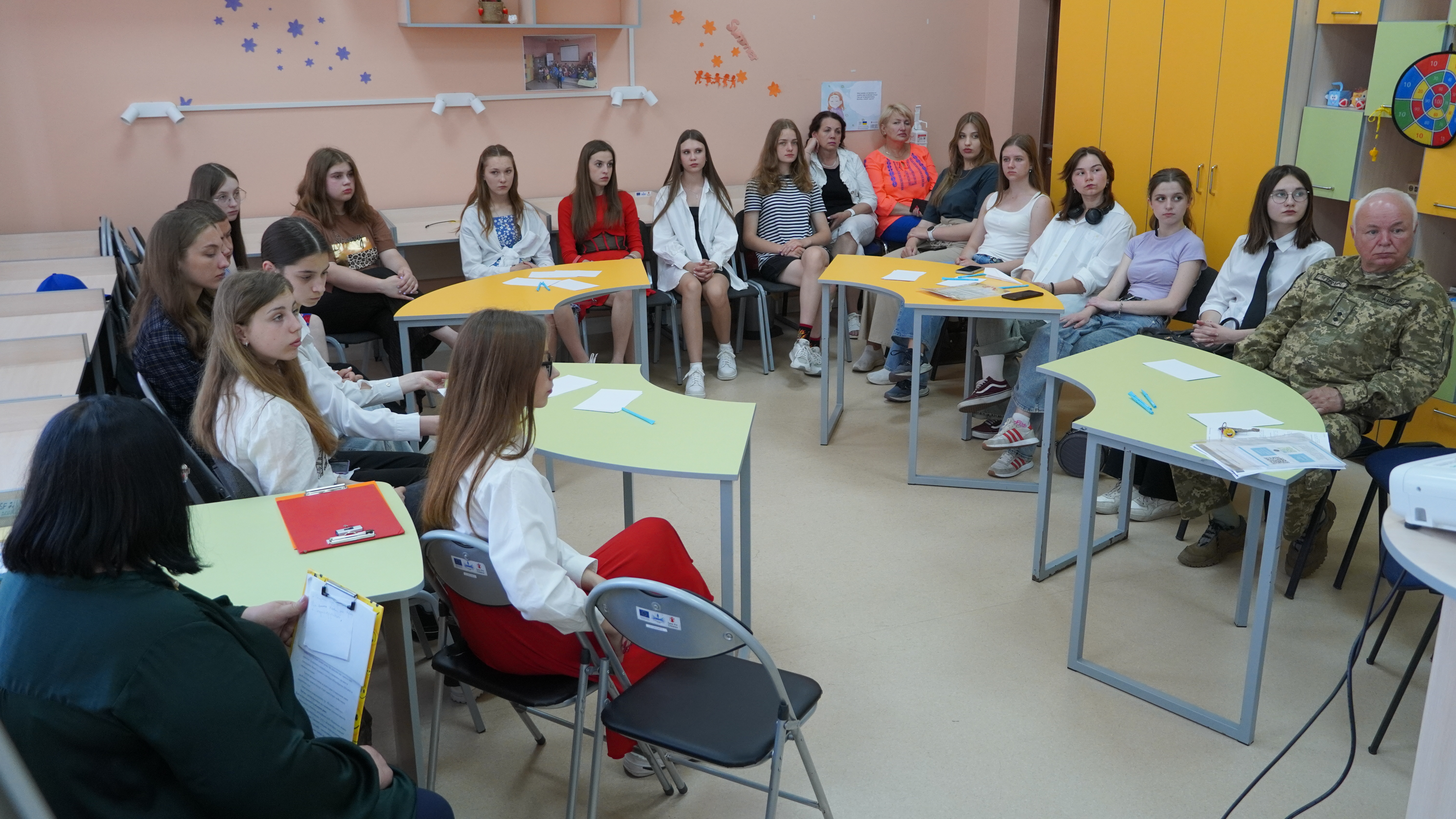
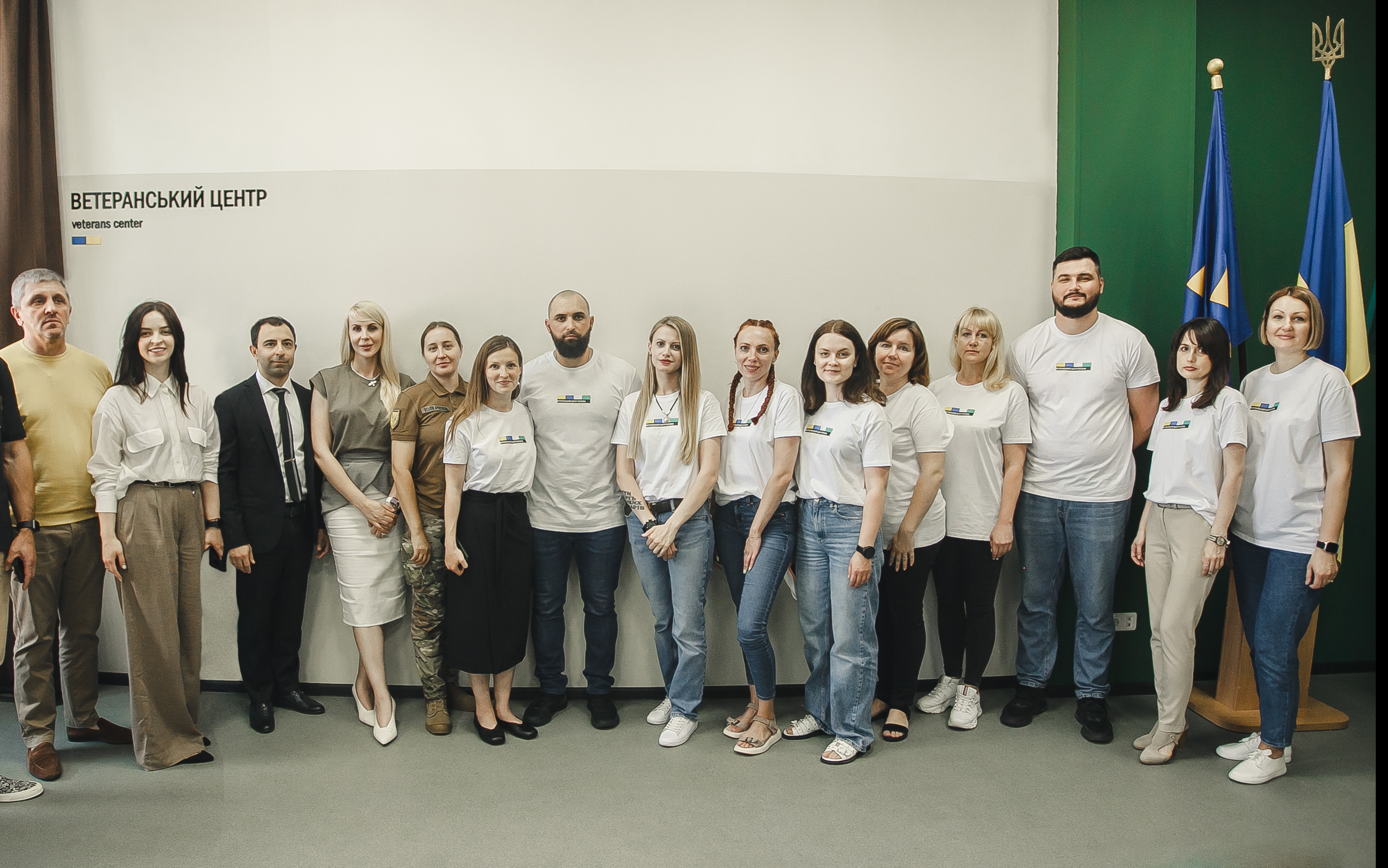
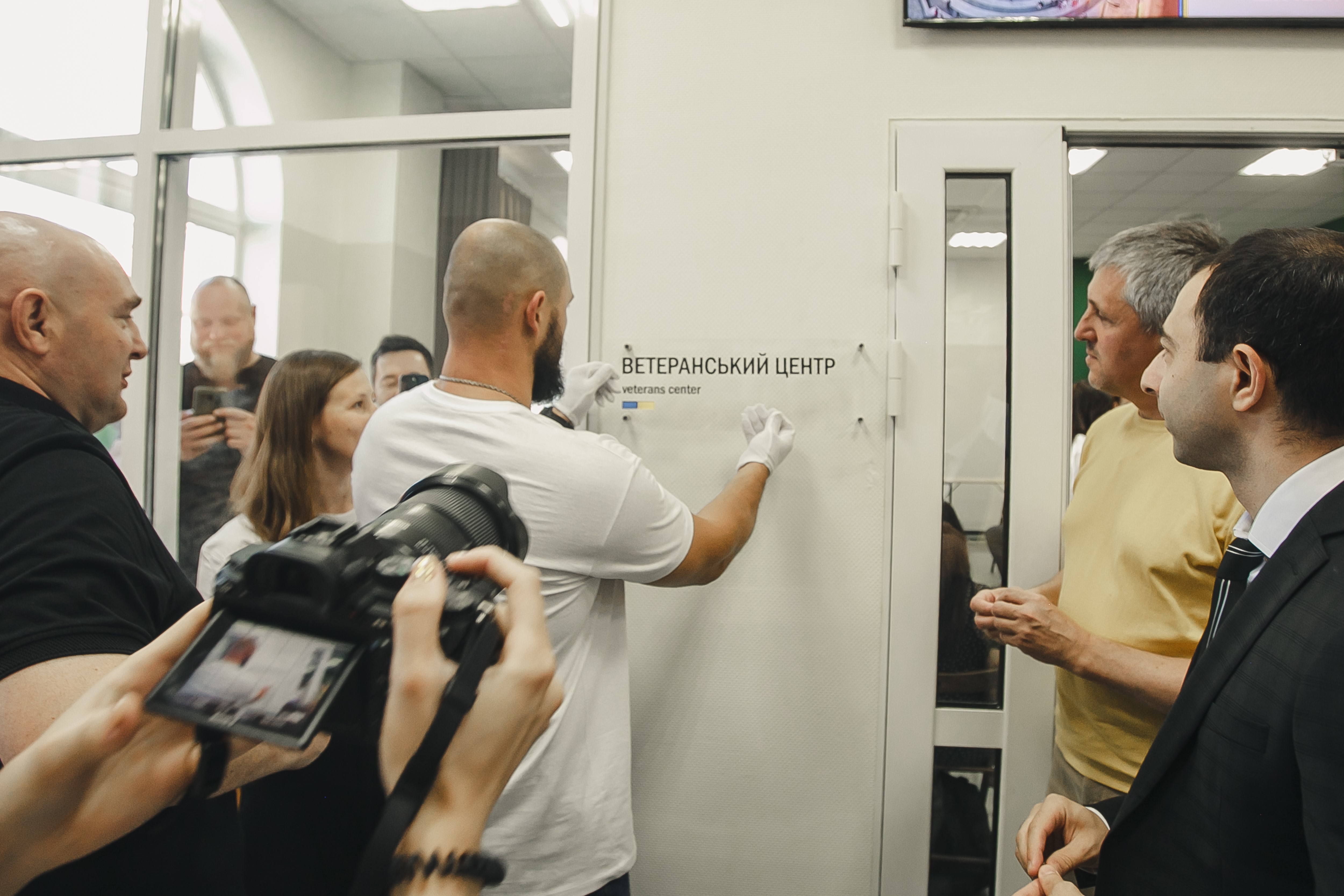
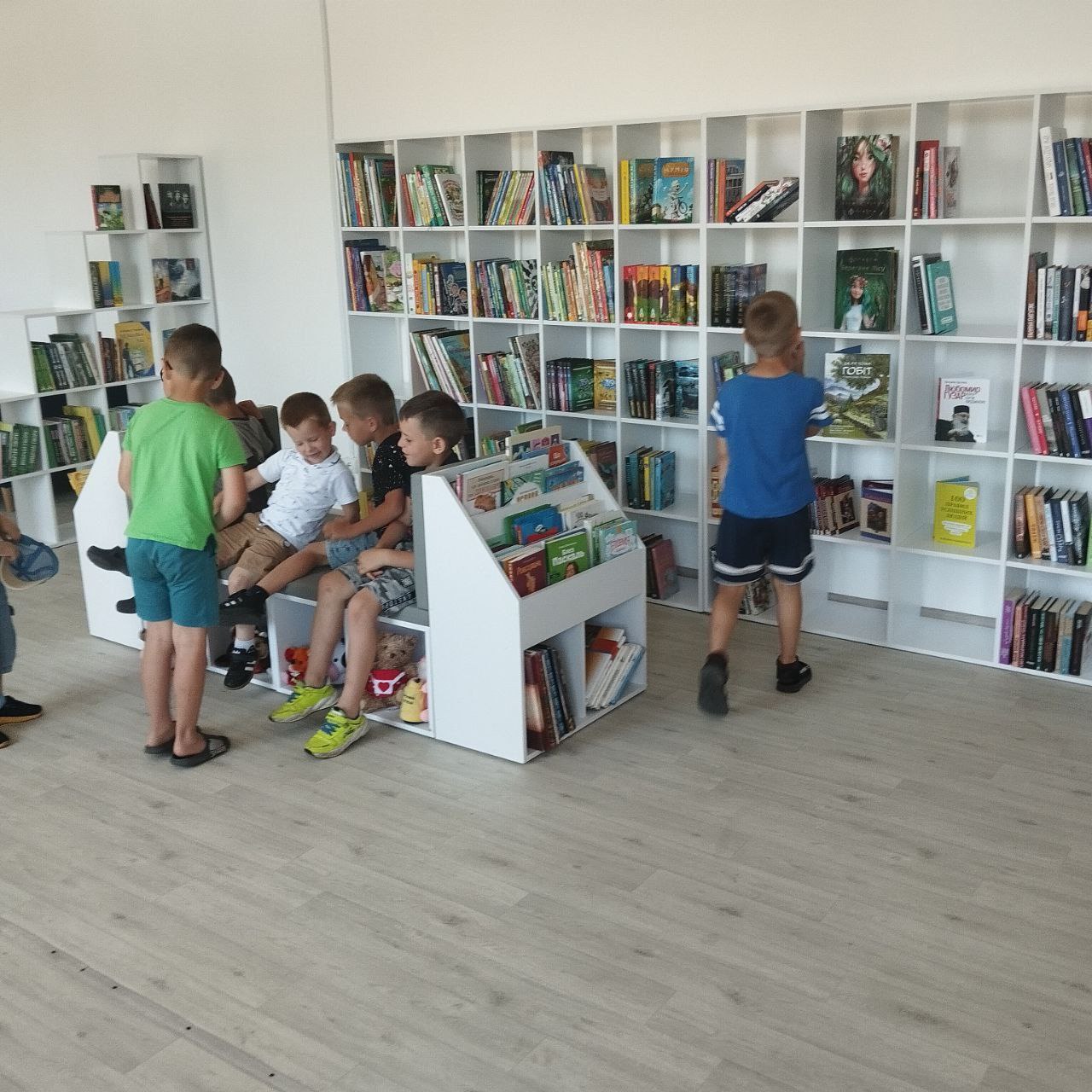
Community Centre for veterans and their families in Poltava
“Our centre currently employs nine specialists, all of whom are connected to the veteran community – either as former or active-duty military personnel, veterans or women whose relatives serve in the Armed Forces. Our core focus areas are psychological support, rehabilitation, counselling, training, vocational education and social integration. Our platform follows a peer-to-peer approach with personalised support, meaning that our specialists receive requests and guide people through resolving their issues,” – Valerii Parkhomenko, First Deputy Mayor.
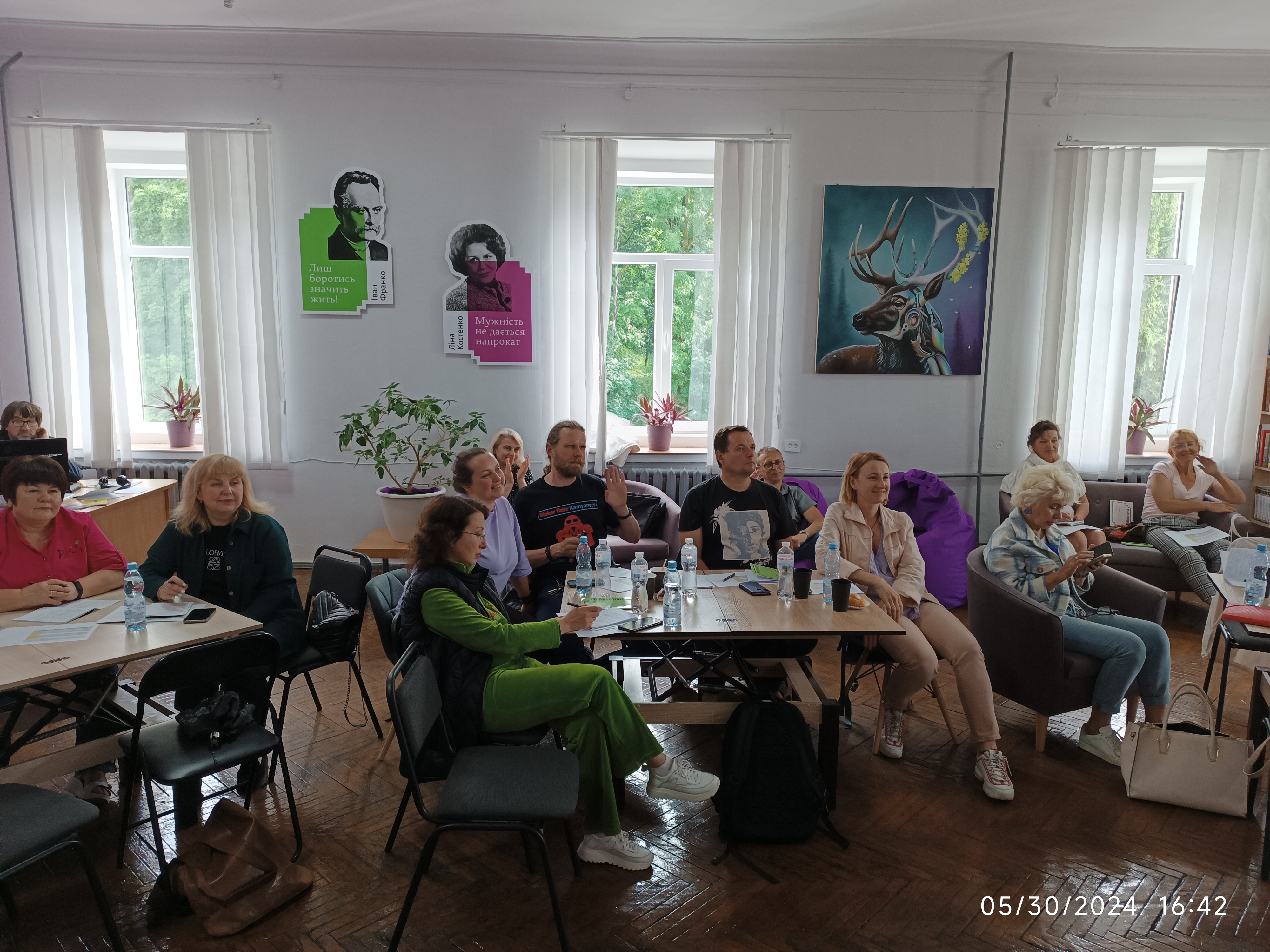
Towards a corruption-free community in Fastiv, Kyiv region
“Our initiative focused on preventing corruption and enhancing transparency through community engagement, education and feedback mechanisms. With the involvement of experts and representatives of the civil society, law enforcement and the National Agency on Corruption Prevention, Fastiv developed its Anti-Corruption Code. We are definitely not going to stop at what we’ve already achieved. We will continue working towards accelerating European integration to make our community more aligned with European values. Moving forward, we plan to share our experience with other communities. I believe that together, united, we can overcome challenges and ensure that Ukraine’s Euro-Atlantic integration progresses at the right pace,” – Mykhailo Netiazhuk, Mayor.
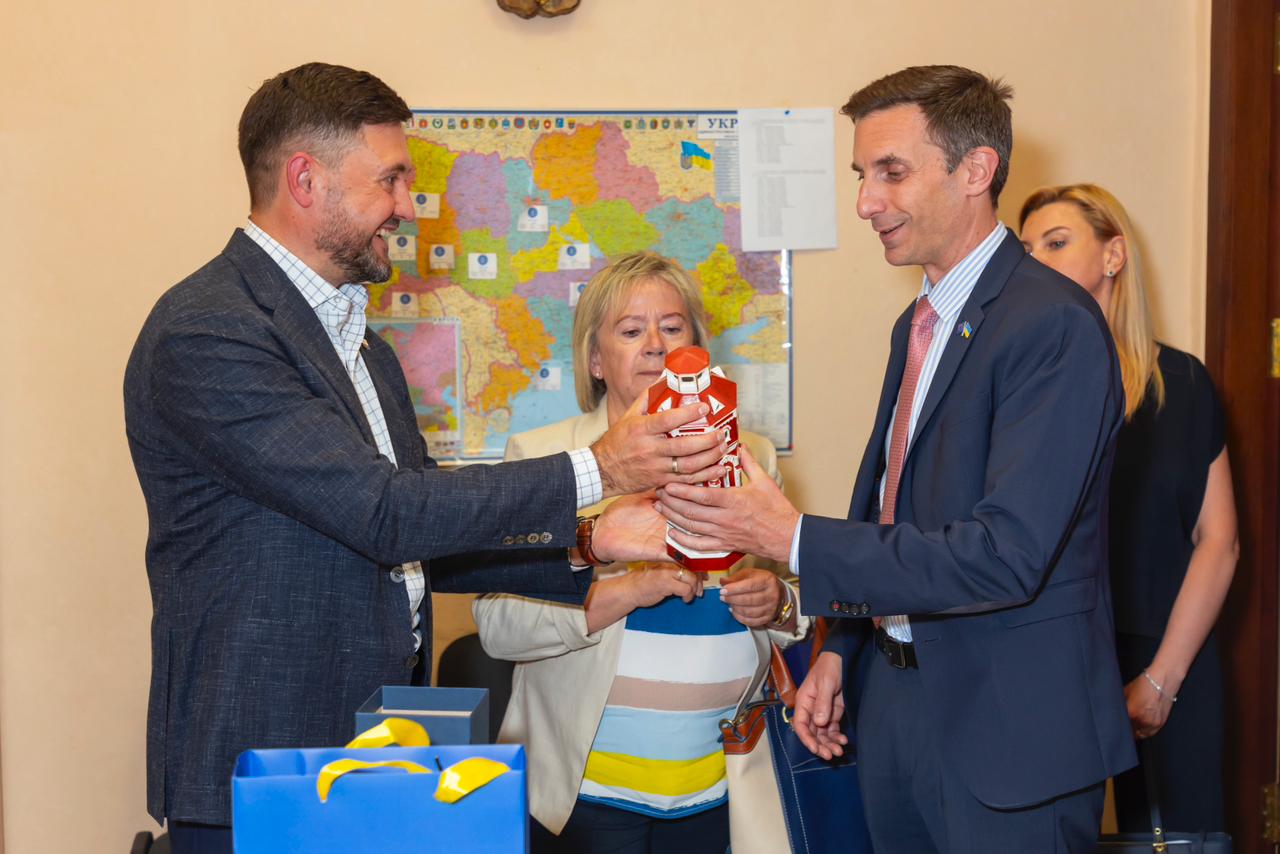
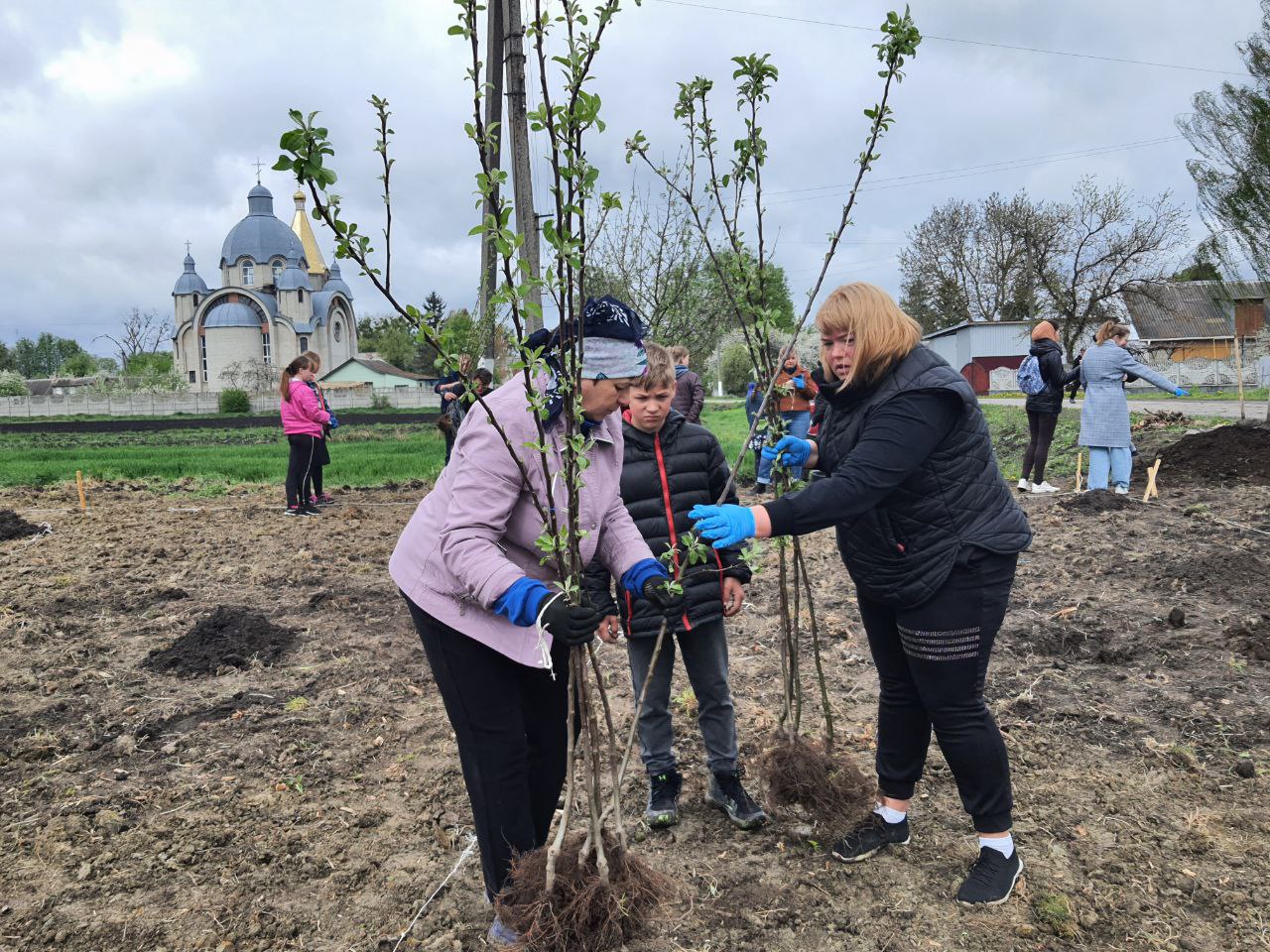
Partner municipalities implementing initiatives on human rights-based approach and
open government at the local level

In parallel, the project provided legislative support through consultations with local authorities, their national associations, and representatives of the Parliament and the Government. In this regard, the Congress continuously advocated for the alignment of national legislation, including under martial law, with the provisions of the European Charter of Local Self-Government and promoted the inclusion of local authorities in the reconstruction and recovery of Ukraine at the national, European, and global levels.
Through its co-operation activities, the Council of Europe facilitated dialogue between representatives of local authorities from Poland, the Republic of Moldova, Romania and Ukraine on the inclusion of displaced Ukrainian children and young people in education. The authorities involved explored partnerships with a view to ensuring education for children and youth who are displaced and away from their homes.
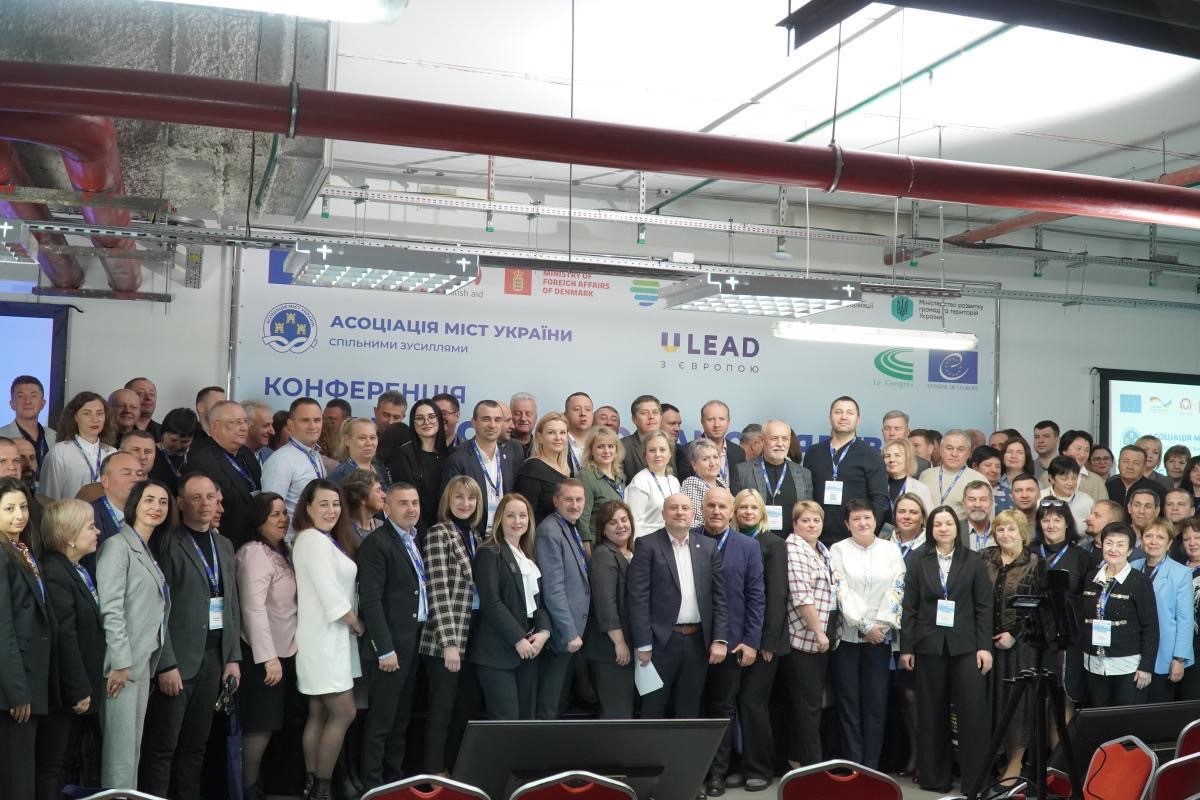
Intermunicipal co-operation and multi-level dialogue were enhanced within the Committee of the Association of Ukrainian Cities for the development of de-occupied and temporarily occupied communities. Representatives of 70 communities from 11 regions set up a platform to address pressing issues faced by the country’s de-occupied and temporarily occupied communities – such as housing, access to employment, and education.
The Register of Damage for Ukraine is promoted among local and regional authorities and their national associations with a focus on their key role in the claim submission process.
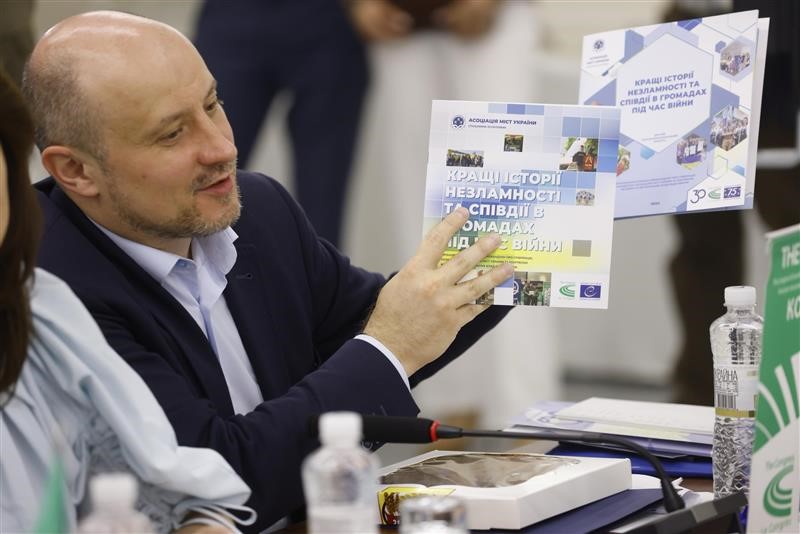
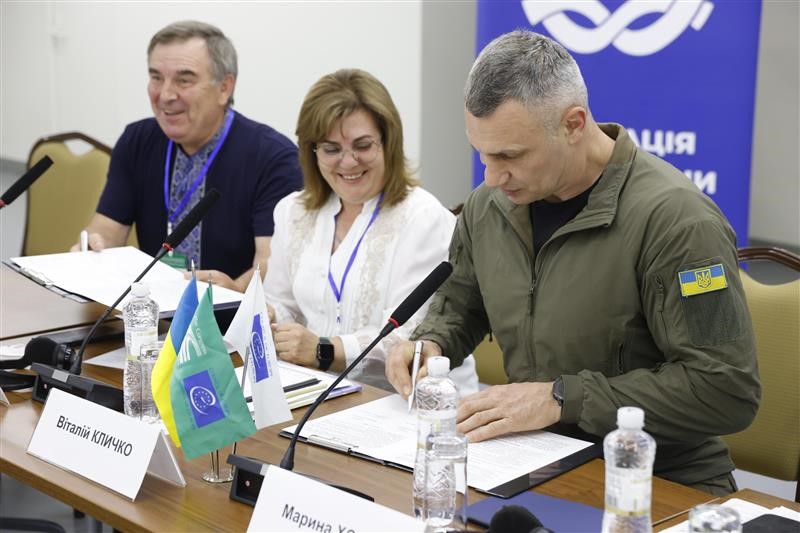
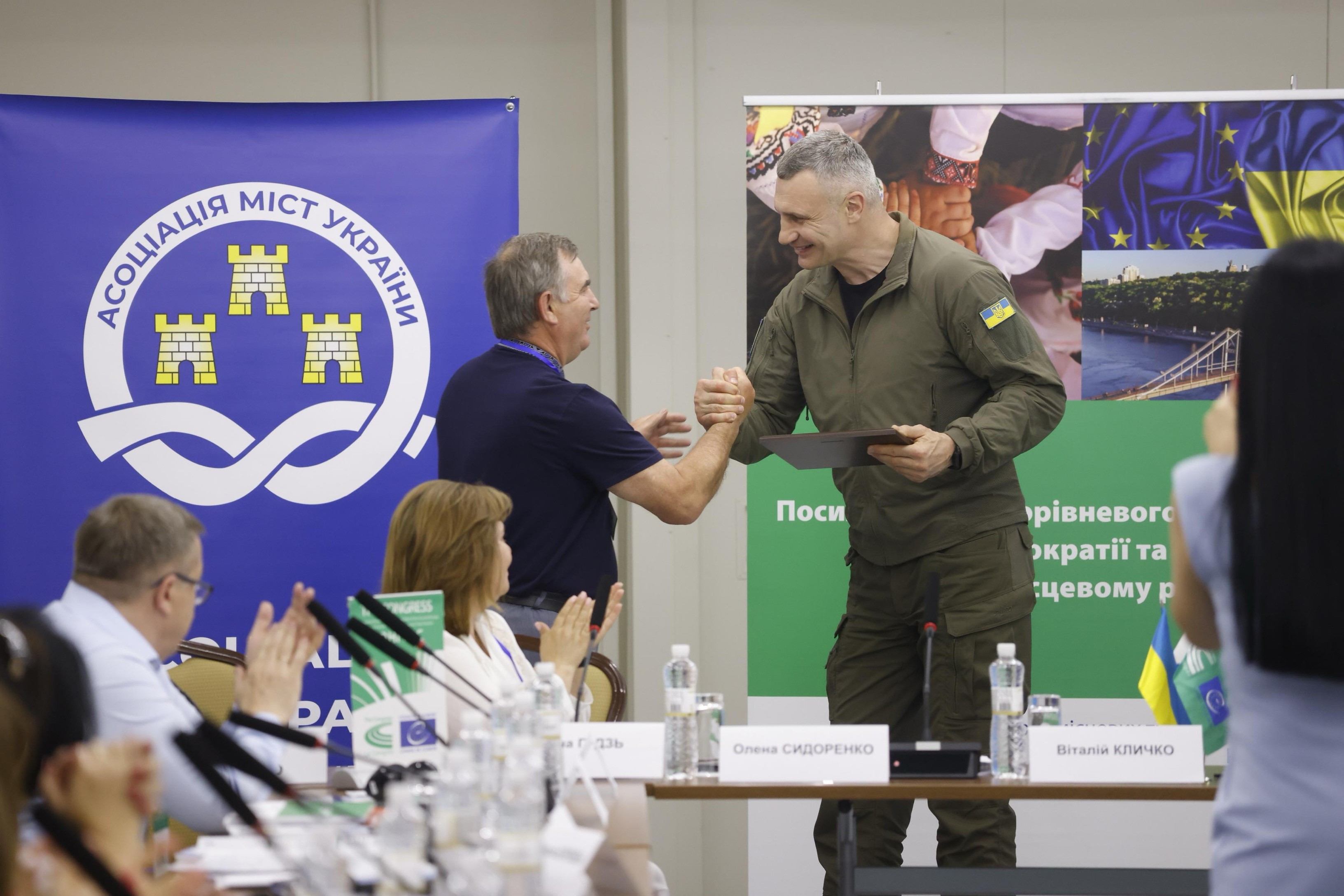
A memorandum of understanding (MoU) was signed with the Ukrainian Association of District and Regional Councils (UAROR) to increase co-operation and contribute to building resilient, inclusive and accountable local and regional authorities that better respond to citizens’ needs and expectations. This adds to the existing co-operation with the Association of Ukrainian Cities (AUC), which was further strengthened in 2023 through the signature of a MoU and the allocation of a grant to the association and reflects the Congress’ good track record in working with all national associations of local and regional authorities in Ukraine for the advancement of multi-level governance.
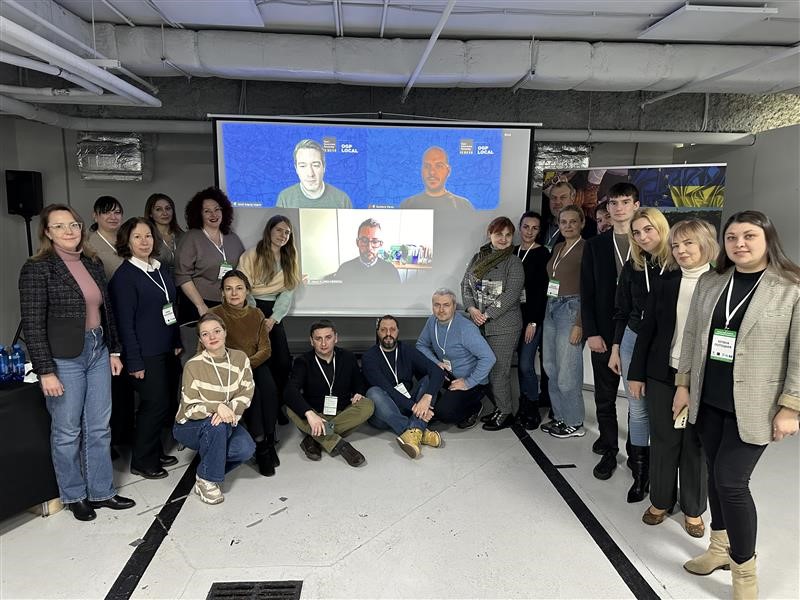
The project also deepened the co-operation and collaboration with the Secretariat of the Open Government Partnership (OGP) and piloted a novel training of trainers on open local government with staff of the AUC. This is a token of the great strides made in this area through capacity development and peer exchanges and evinces the importance that the project pays to ensure the sustainability of the results over time. In addition, the project facilitated multi-level dialogue through different platforms – both peer exchanges and high-level events – to disseminate key learnings and experiences to strengthen a culture of governance that promotes the principles of transparency, integrity, accountability and residents’ participation, and human rights at the local level.
The project “Strengthening multi-level governance, democracy and human rights at local level in Ukraine” aims to [a] strengthen the dialogue, partnership, and consultation between different levels of government; [b] enhance collaborative governance and citizen participation in line with the principles of local democracy and open government; and [c] promote and guarantee the right to equality and non-discrimination at the local level. It is implemented within the Council of Europe Action Plan for Ukraine “Resilience, Recovery and Reconstruction” for 2023–2026.