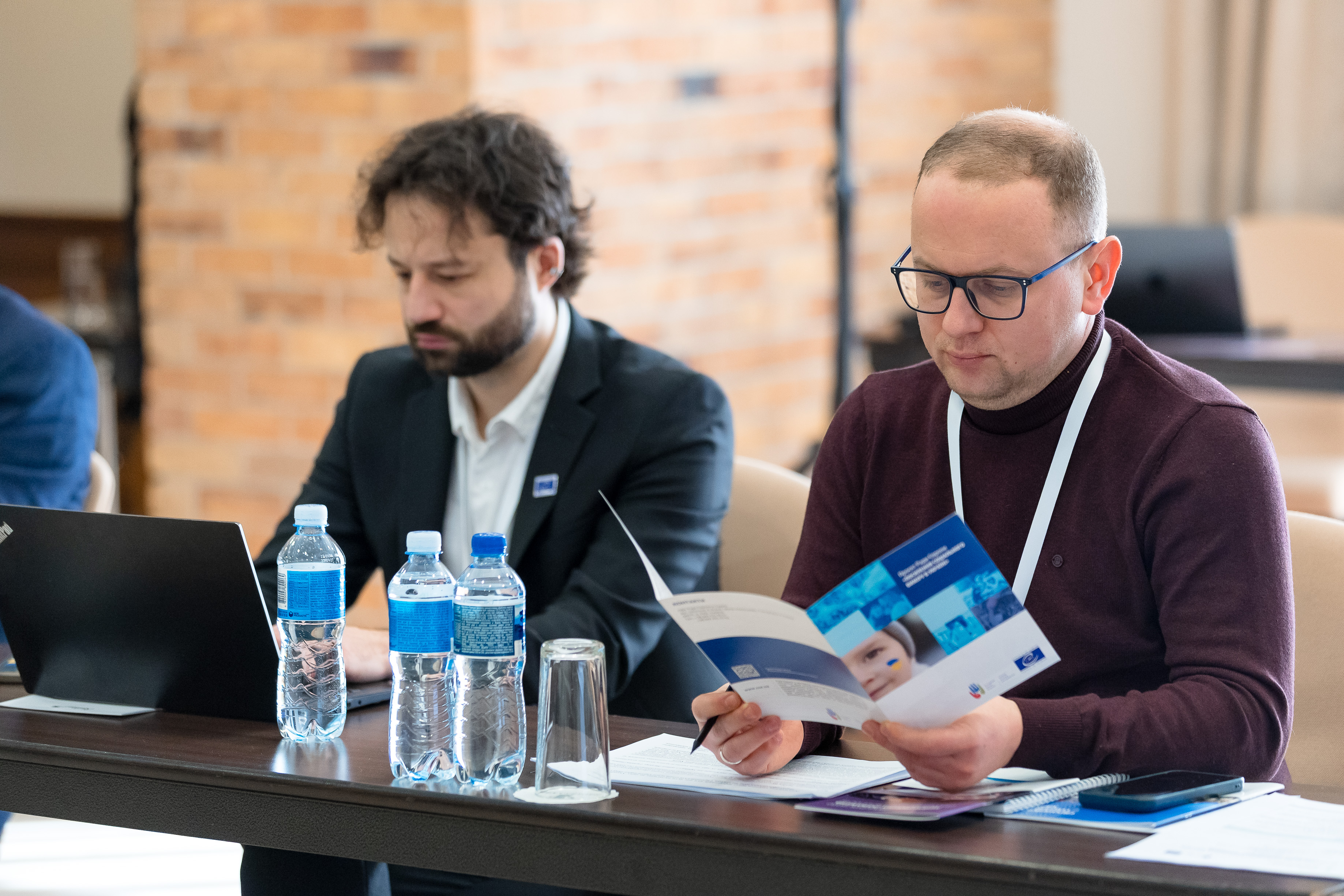
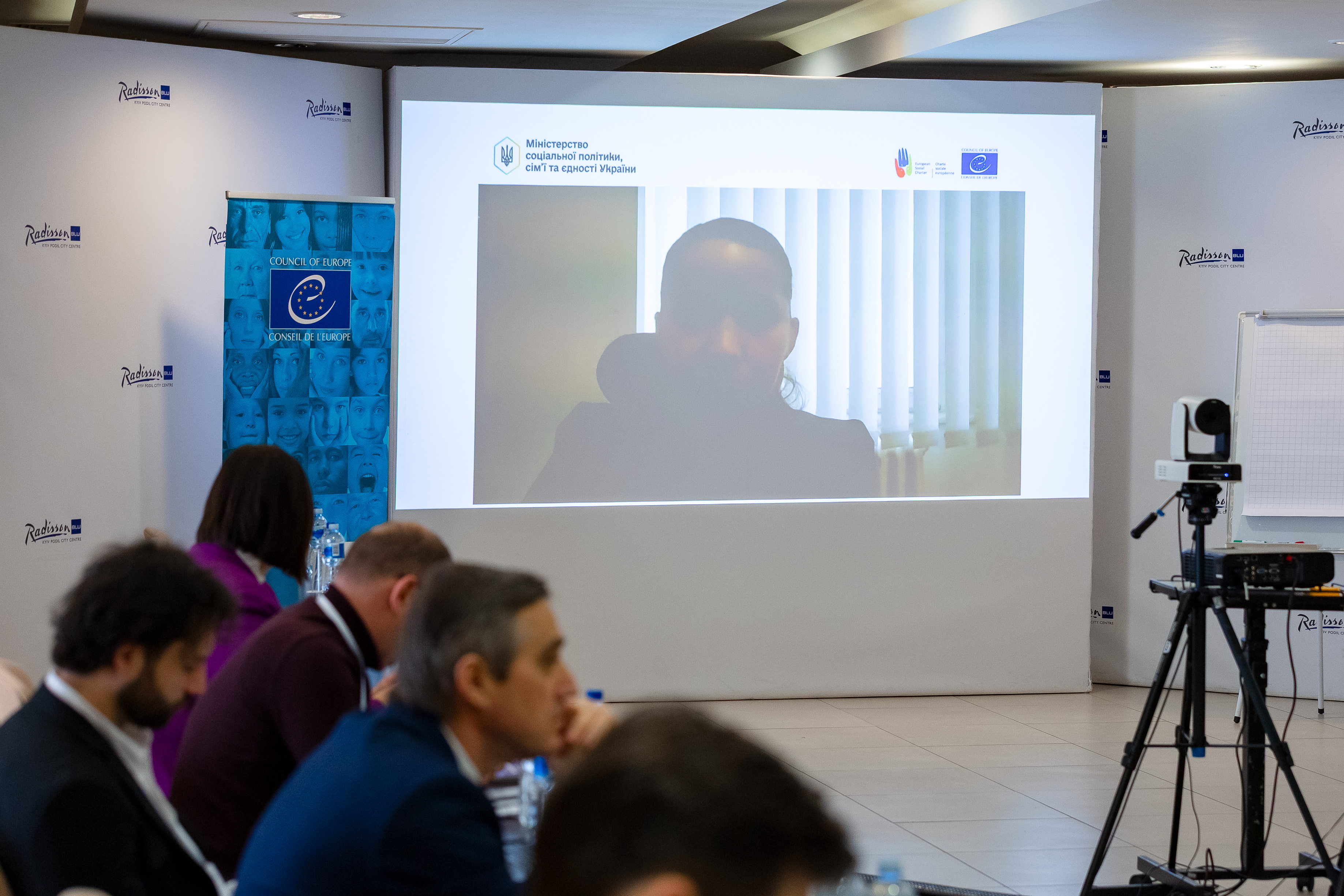
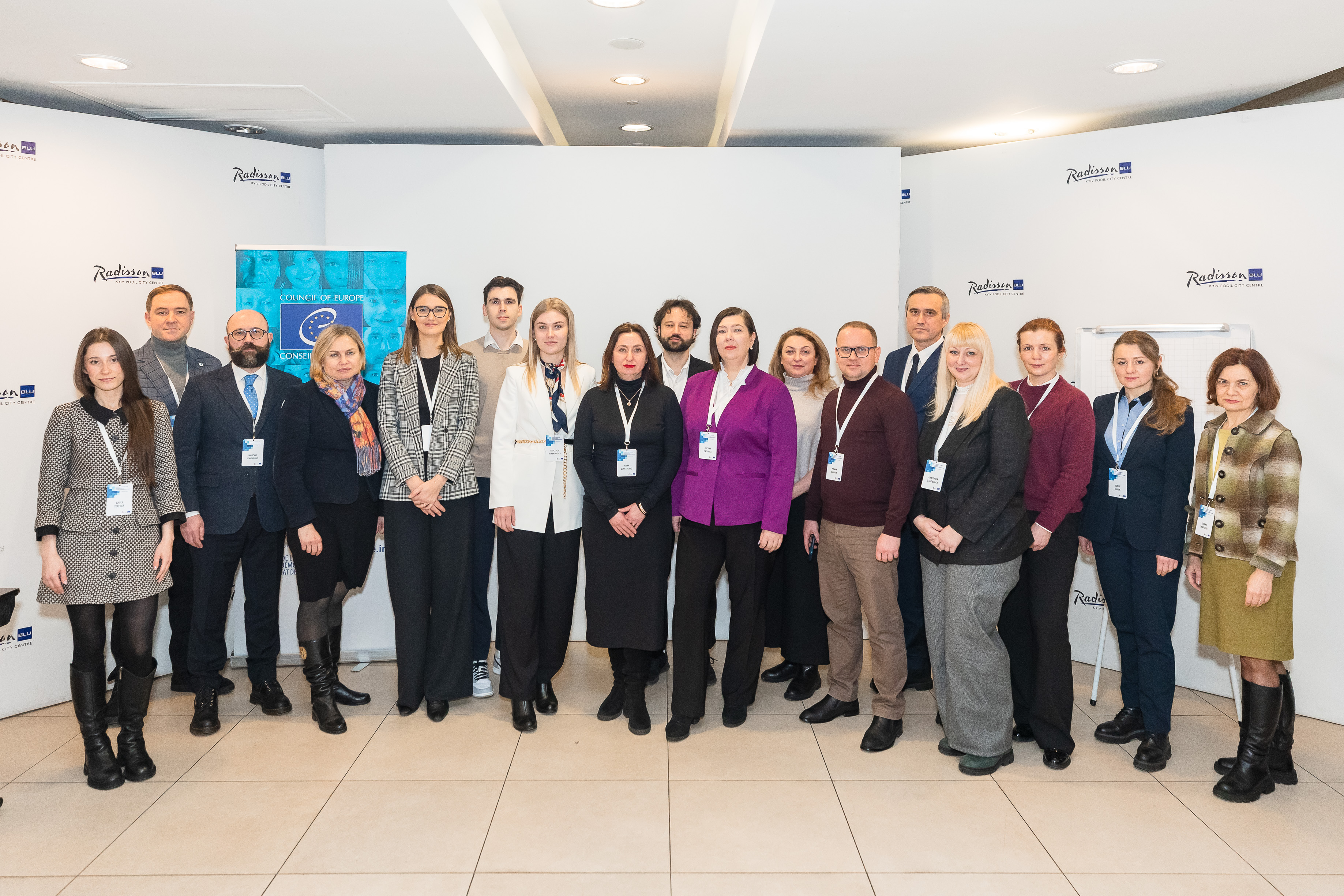
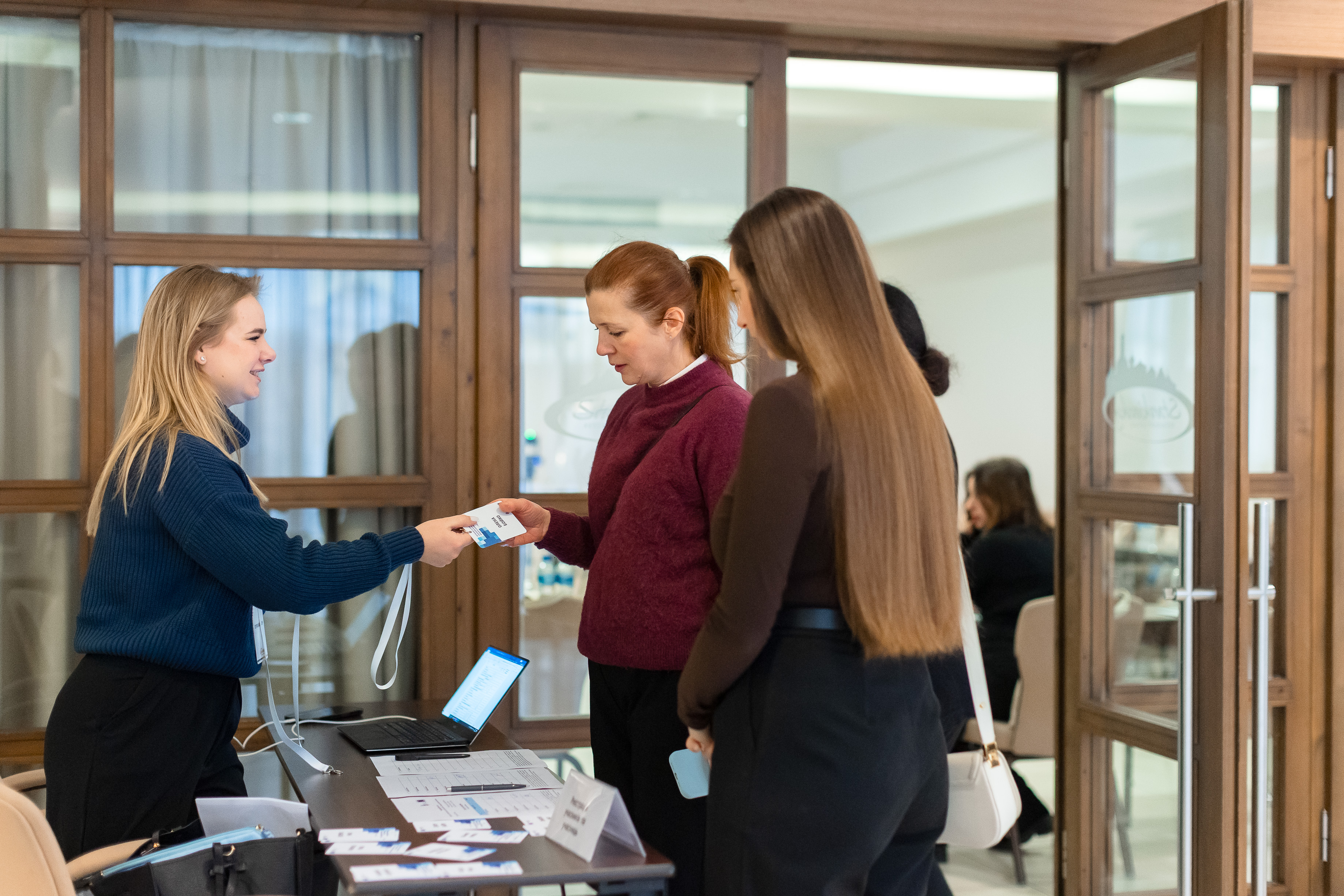
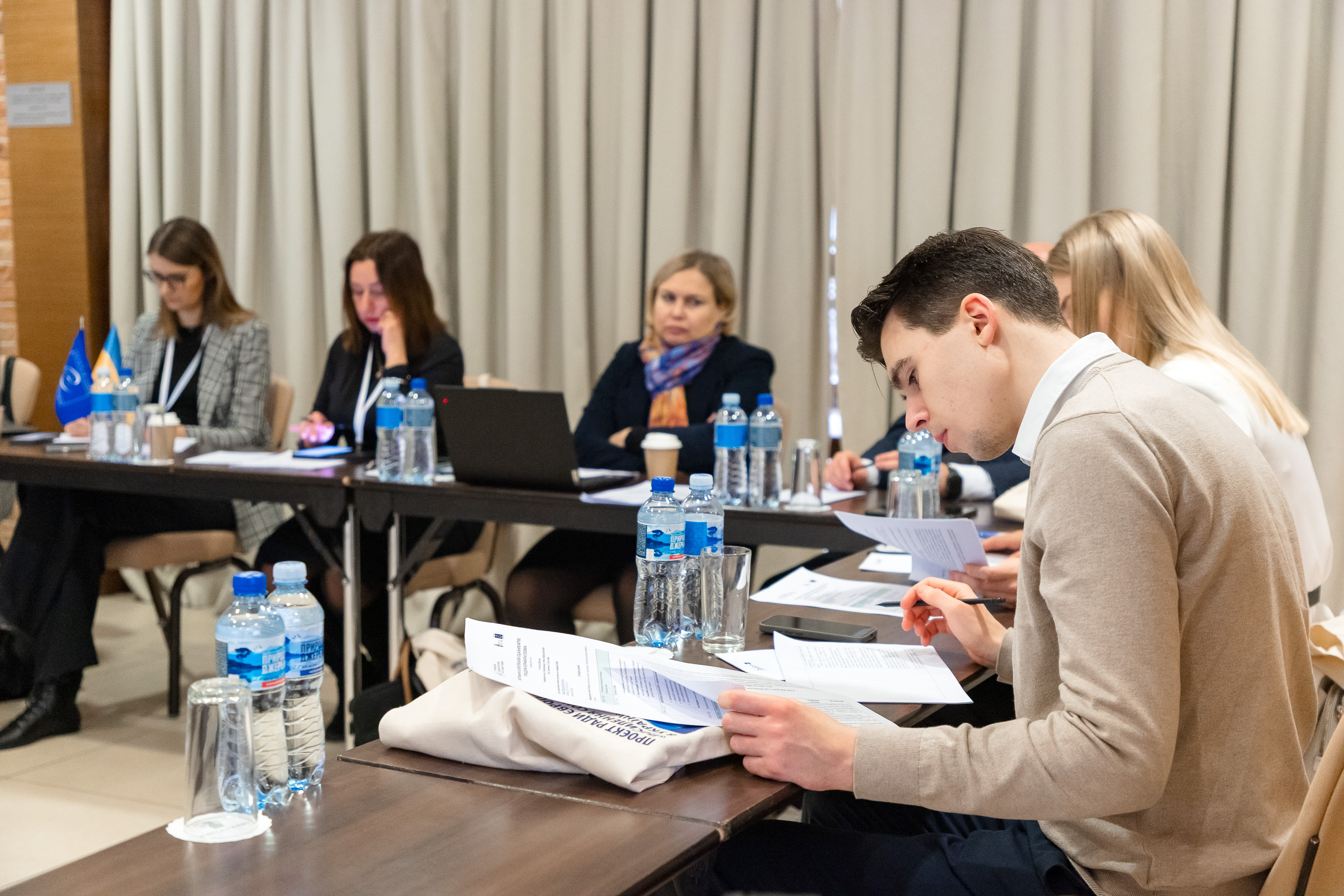
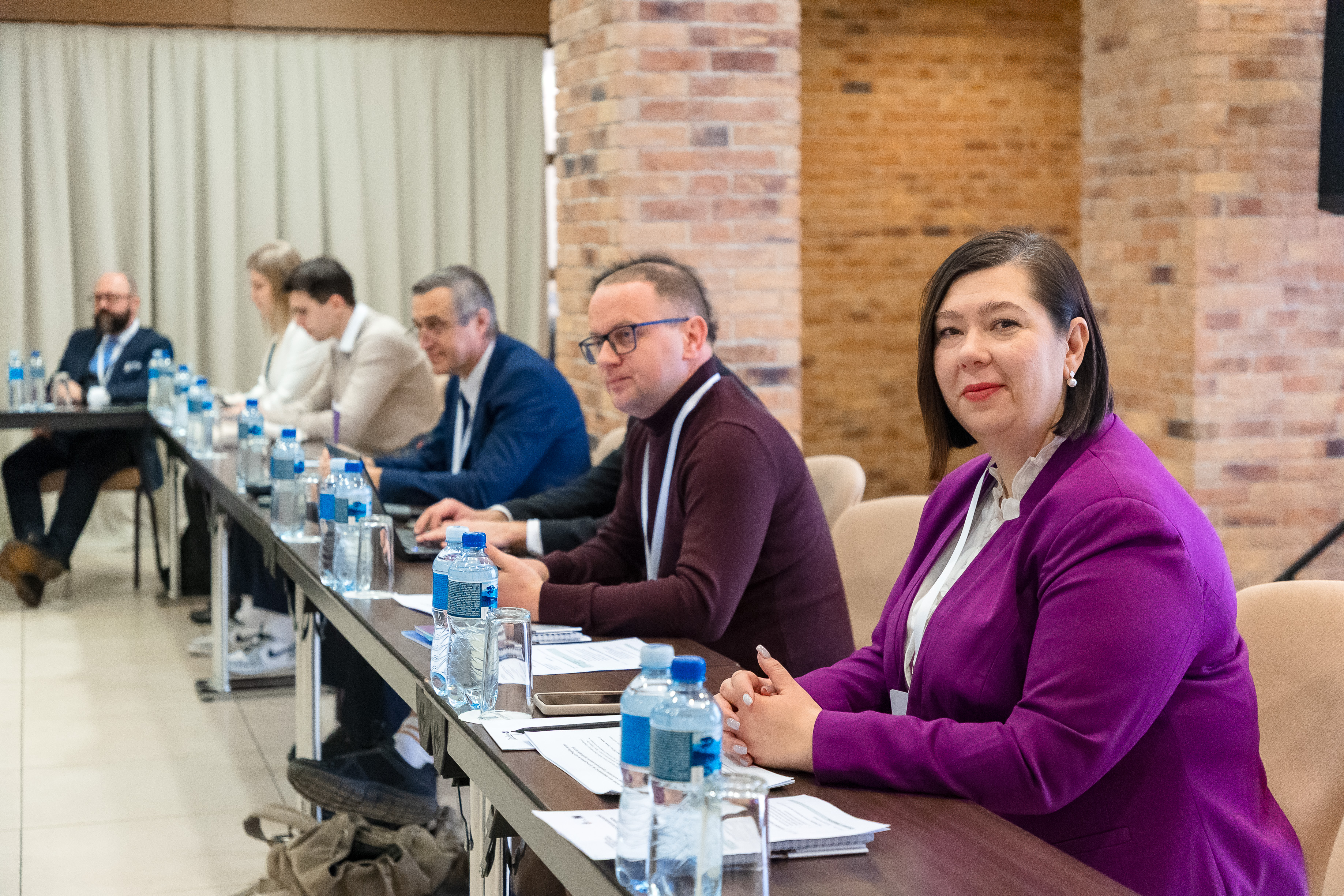
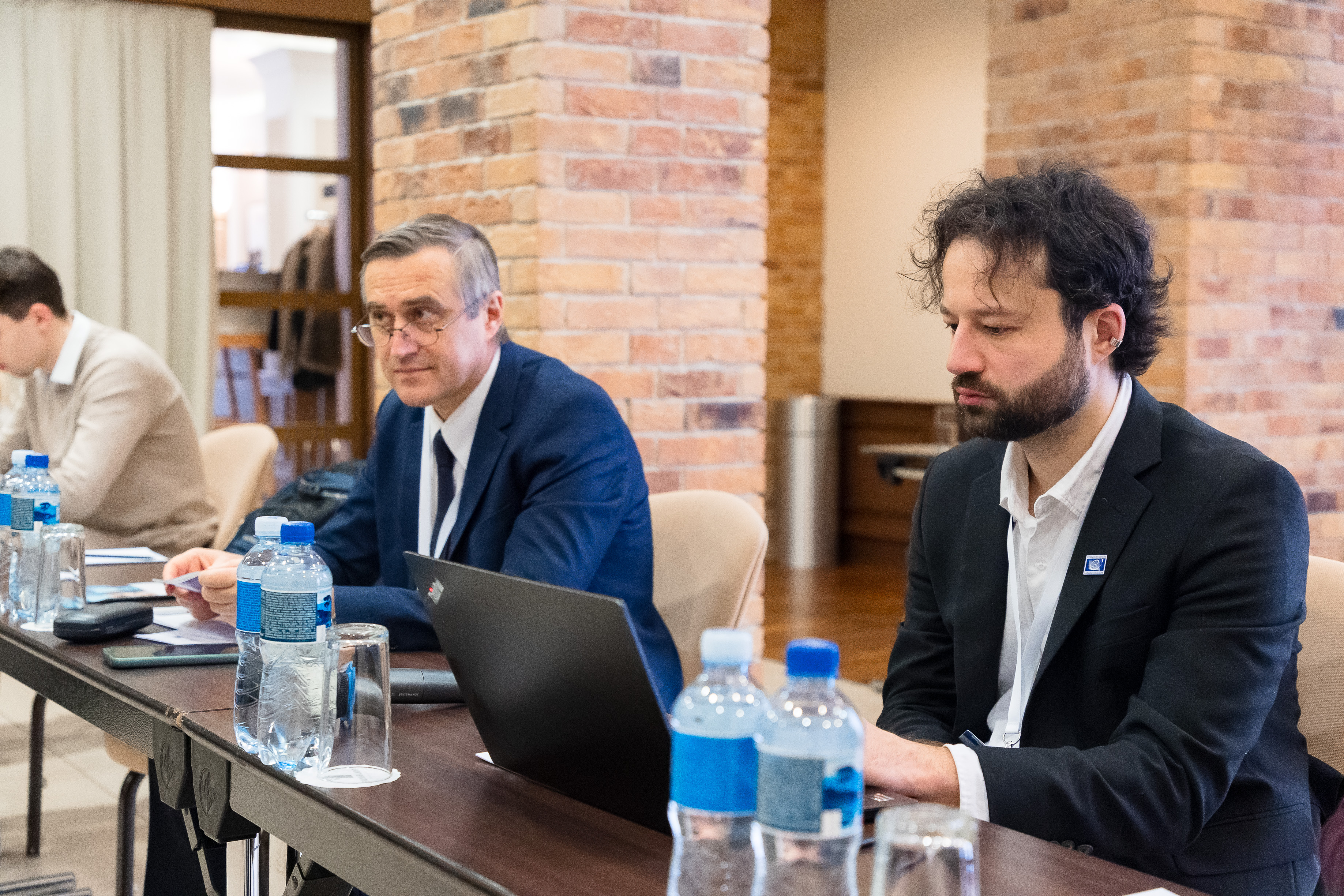
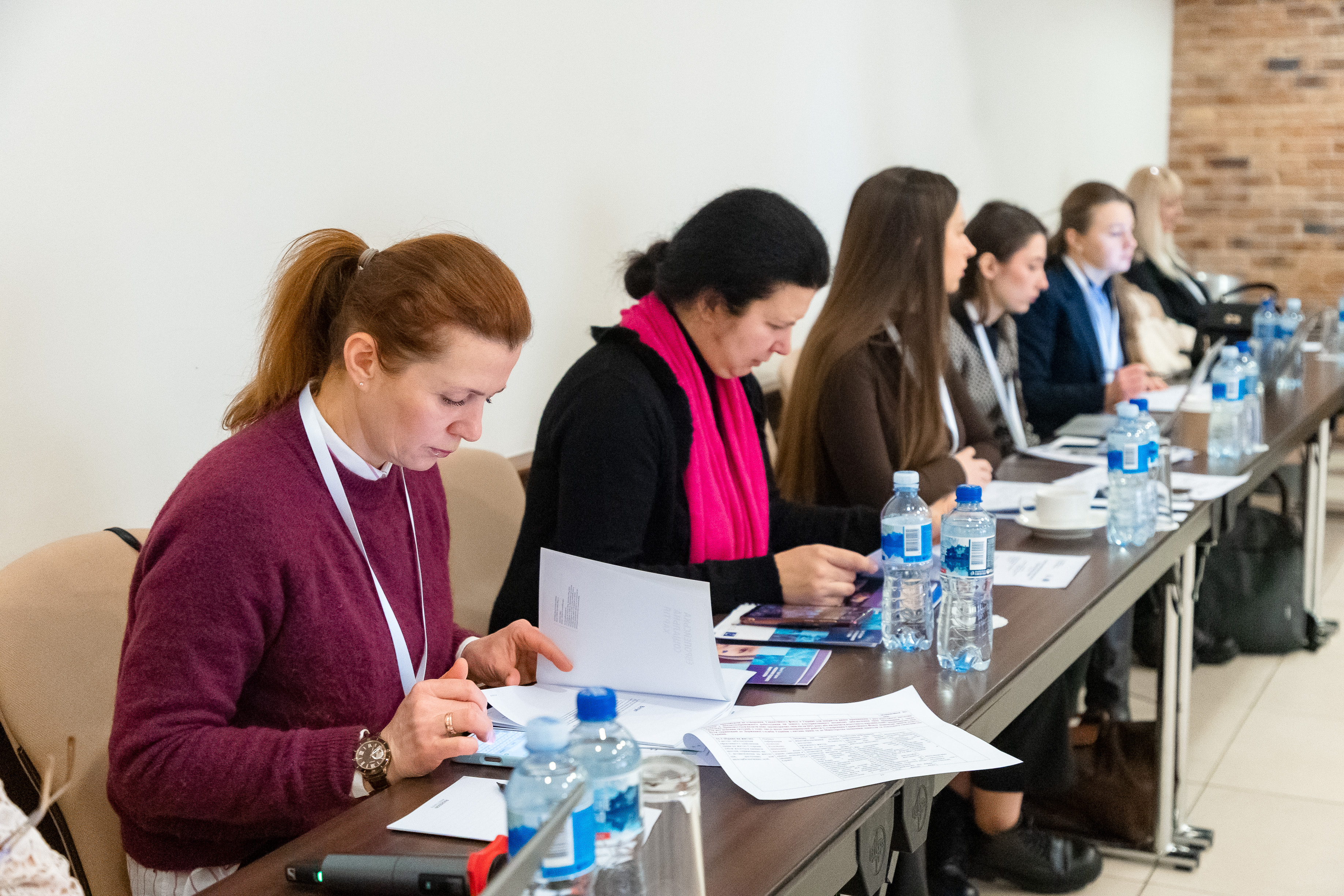
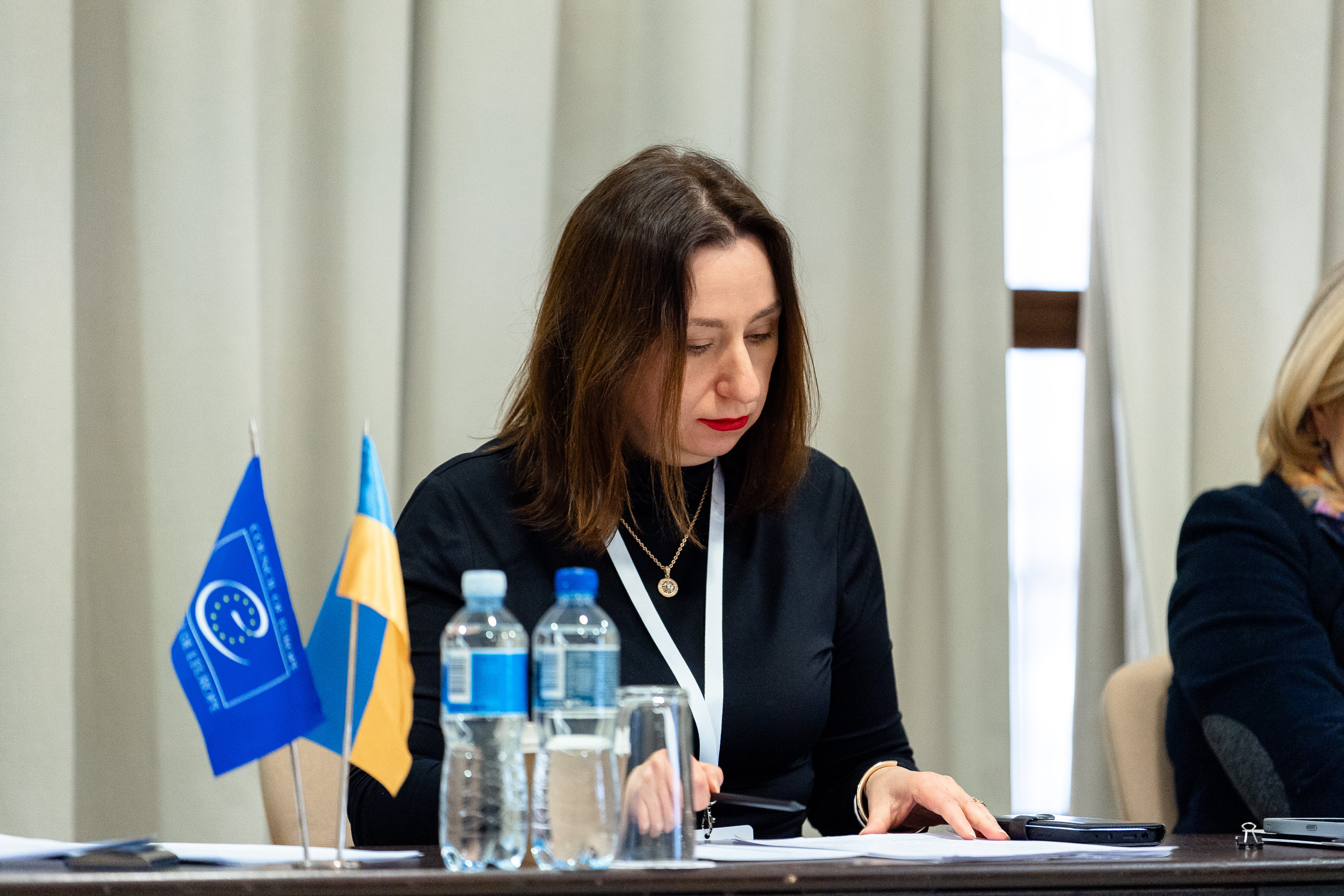
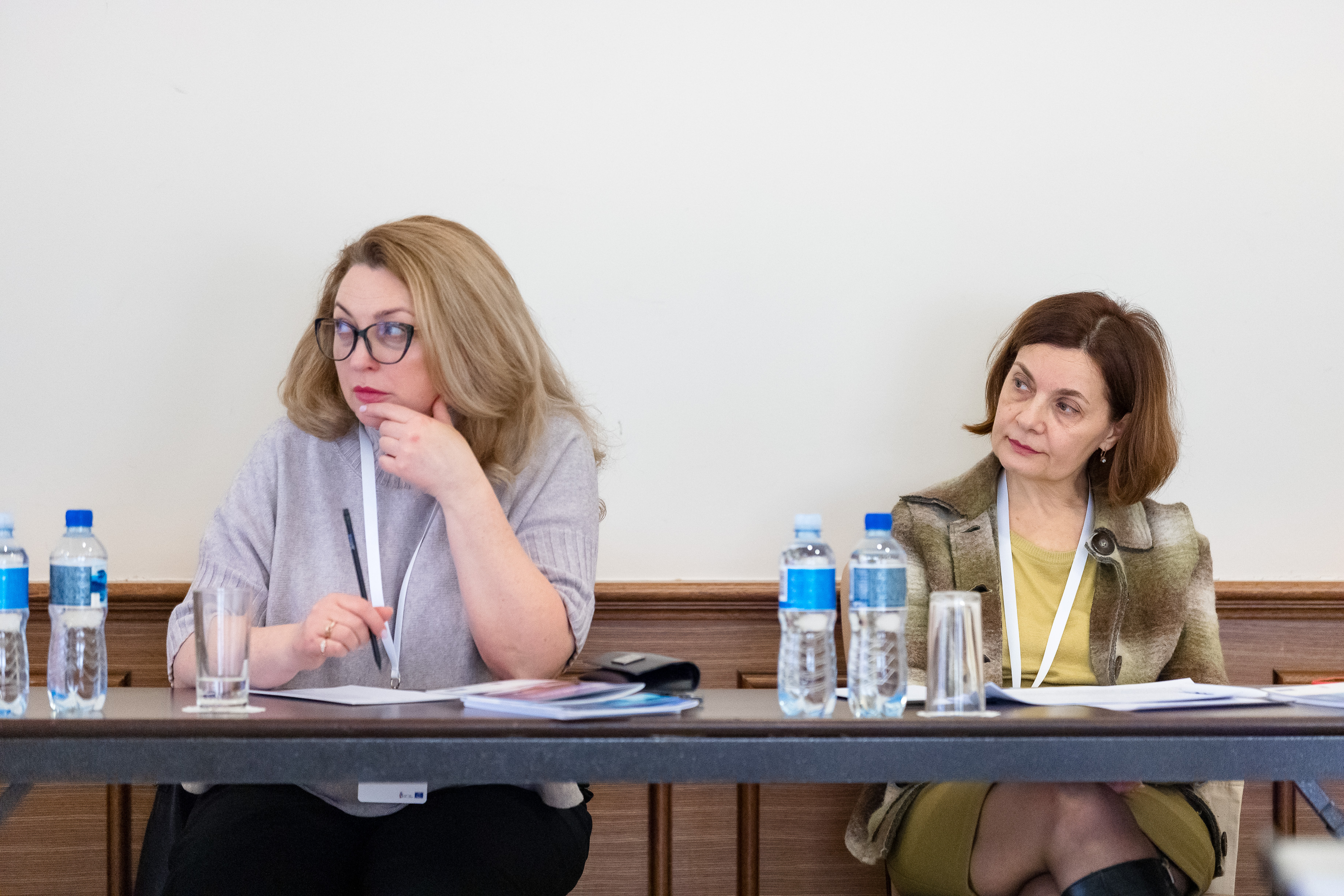
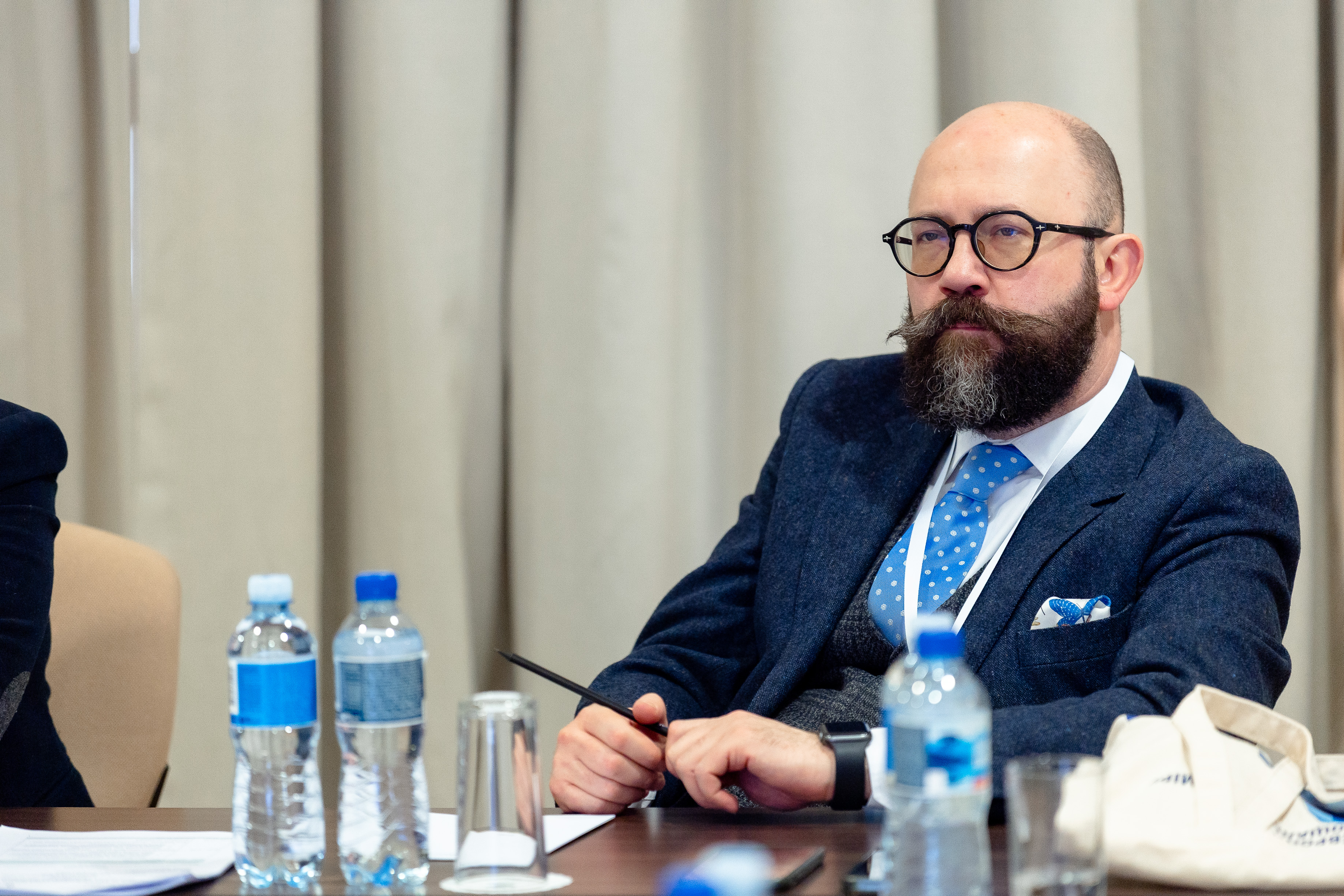
On 27 February 2026, an information session “Reporting under the European Social Charter: Procedure for non-accepted provisions” was held in Kyiv. The event brought together representatives of central executive authorities involved in providing information for the preparation of the national report on non-accepted provisions of the European Social Charter (revised), the Secretariat of the Ukrainian Parliament Commissioner for Human Rights, as well as members of the expert community.
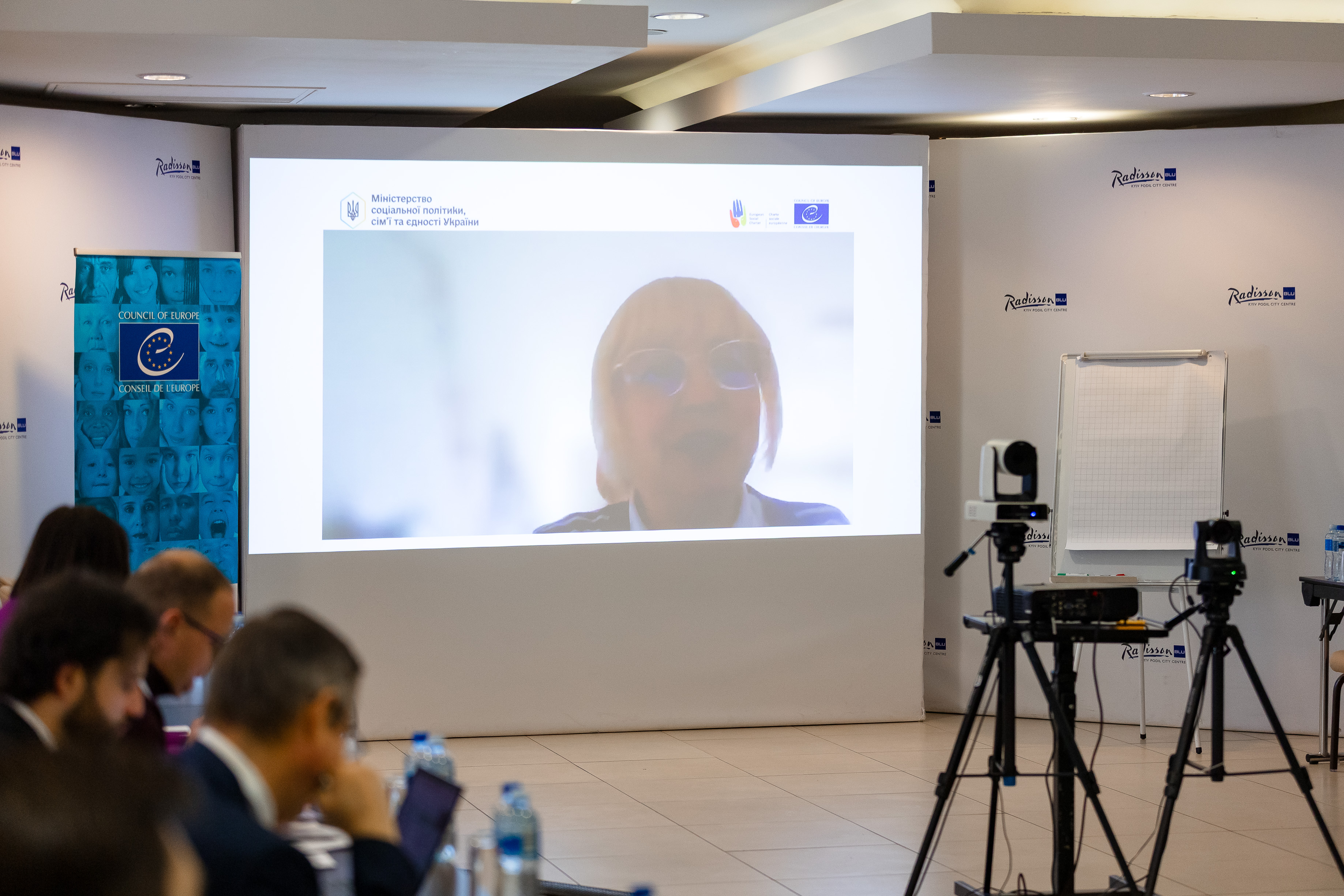
During the first thematic session, Ms Alla Fedorova, a member of the European Committee of Social Rights, presented an overview of the rights enshrined in the European Social Charter, outlined the specific features of the Charter system and its monitoring mechanism, including the collective complaints procedure, and provided a detailed explanation of the reporting procedures. Special attention was paid to the specifics of reporting on non-accepted provisions of the Charter.
During the second session, Ms Olena Sviatun, national consultant of the Council of Europe, presented specific recommendations for the preparation of the national report on the non-accepted provisions of the European Social Charter for reporting in 2026. The participants analysed the previous conclusions of the European Committee of Social Rights regarding Ukraine and discussed the information to be included in the new report.
Interagency coordination in preparing information for the report was also discussed. Participants emphasized the importance of timely data collection, consistency of positions, and a systematic approach to implementing Ukraine’s obligations under the Charter.
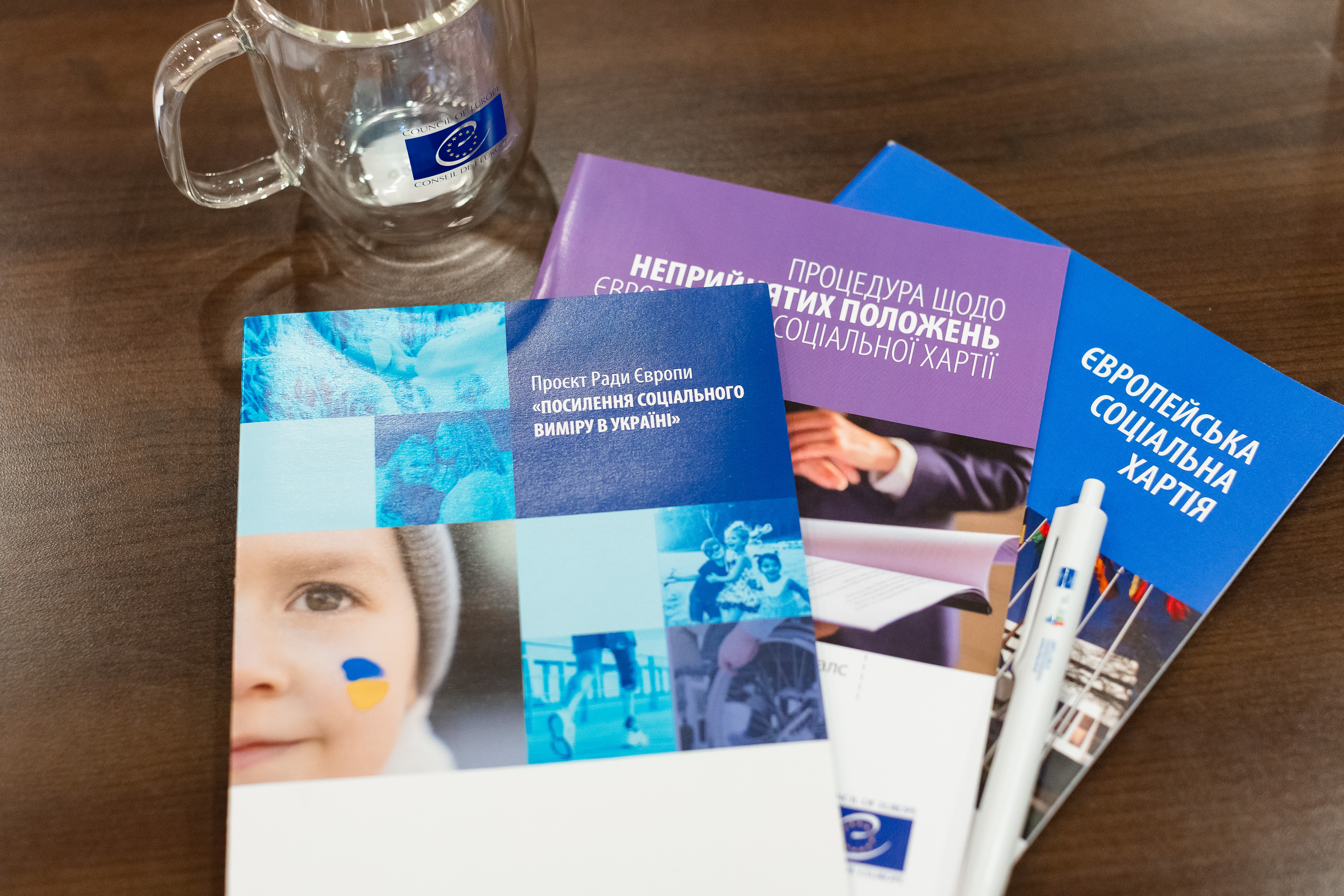
The event was organized by the Ministry of Social Policy, Family and Unity of Ukraine in cooperation with the Council of Europe project “Strengthening the social dimension in Ukraine” implemented within the framework of the Council of Europe Action Plan for Ukraine “Resilience, Recovery and Reconstruction” for 2023–2026. The Project aims to ensure that general public and people from vulnerable groups, including war-affected population in Ukraine, benefit from targeted social protection and support.





.jpg/c0c9e4b1-e2fa-bfaa-879f-167aa92a6daa?version=1.0)
.jpg/23b64815-e983-64e1-2535-0f0562667179?version=1.0)
.jpg/f4a20cf4-bc44-c143-e6e0-9c8f82206c36?version=1.0)
.jpg/8829c4a9-1ec5-91ea-a28c-7935cc8397bd?version=1.0)