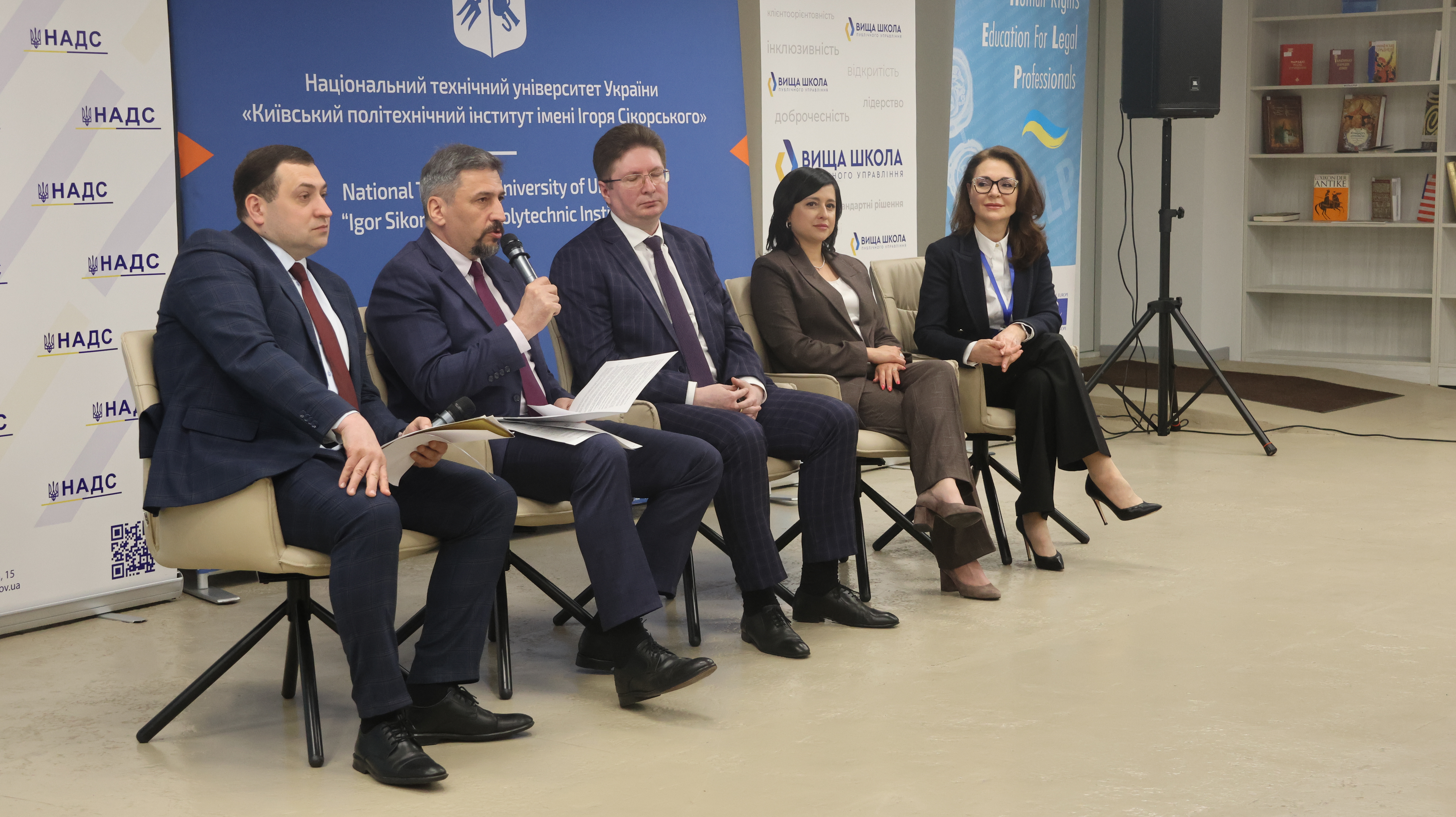
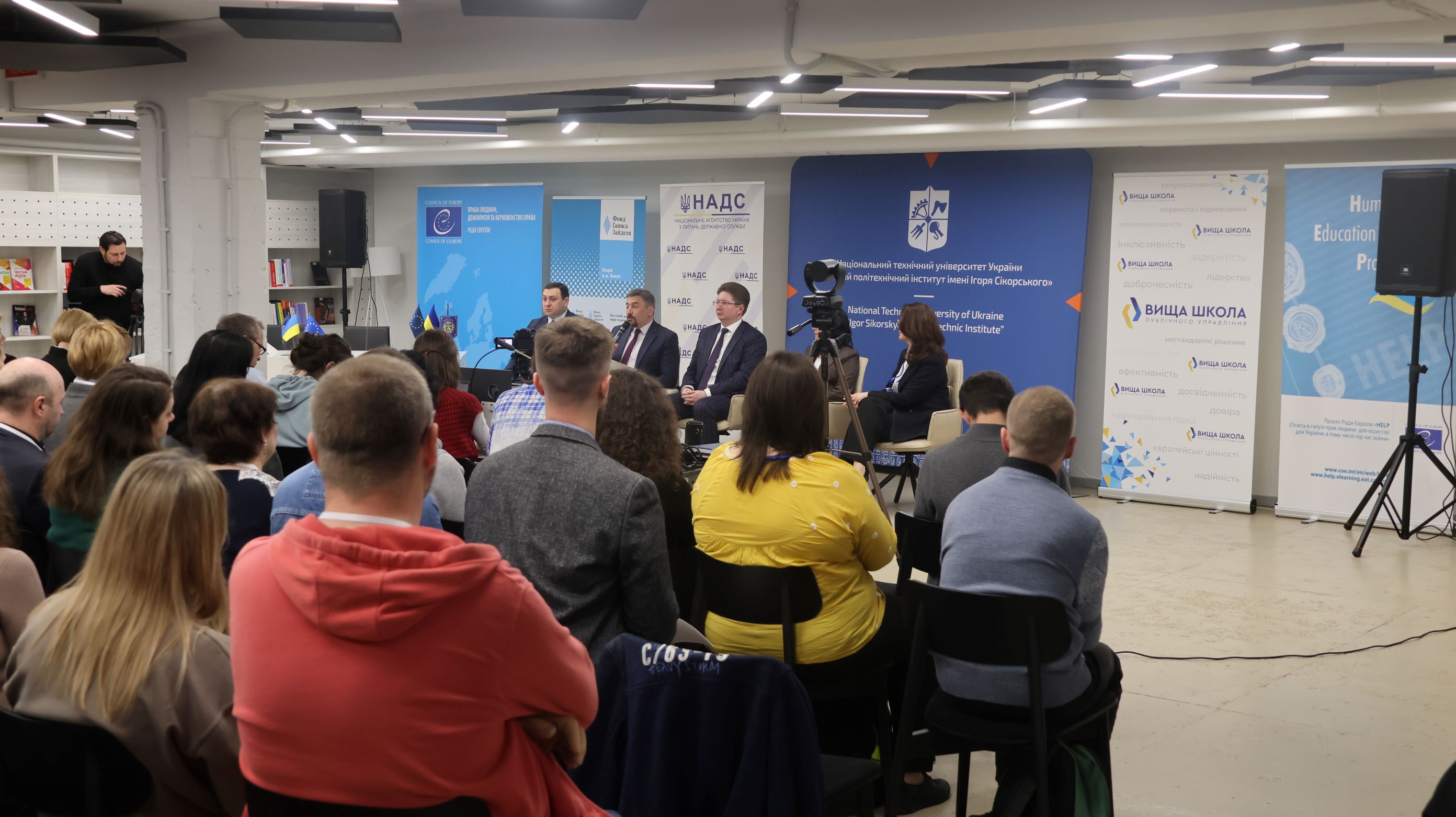
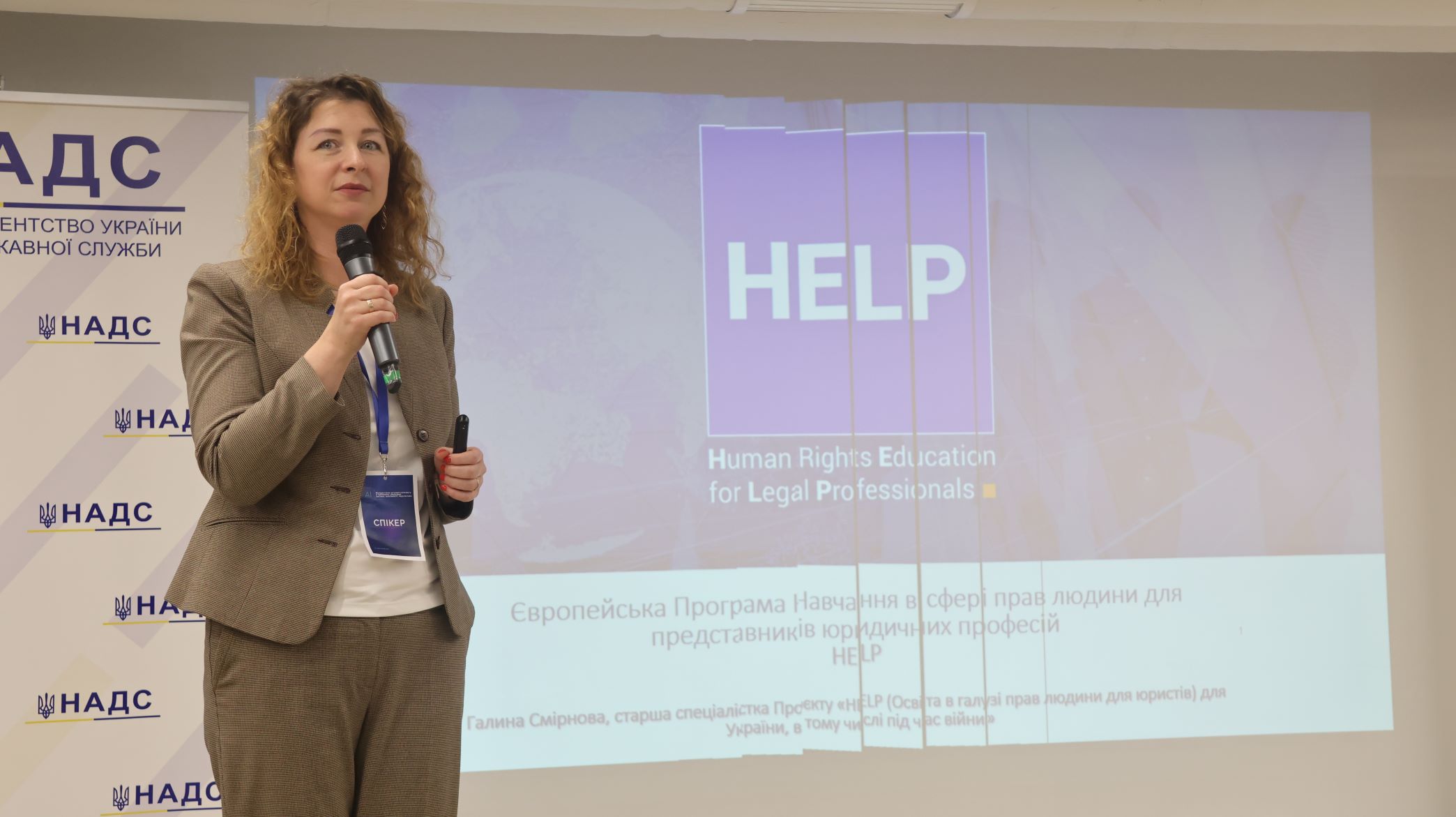
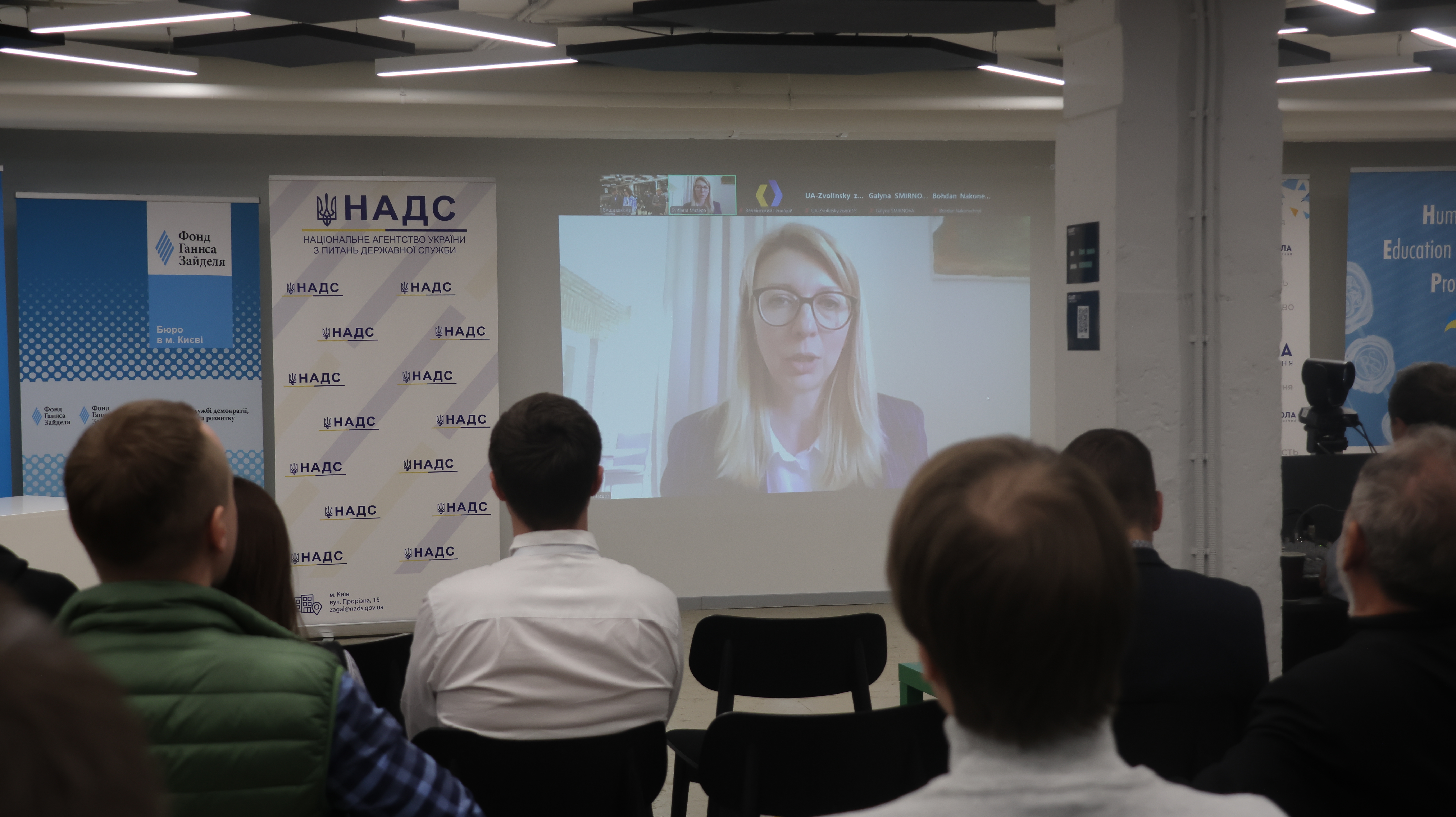
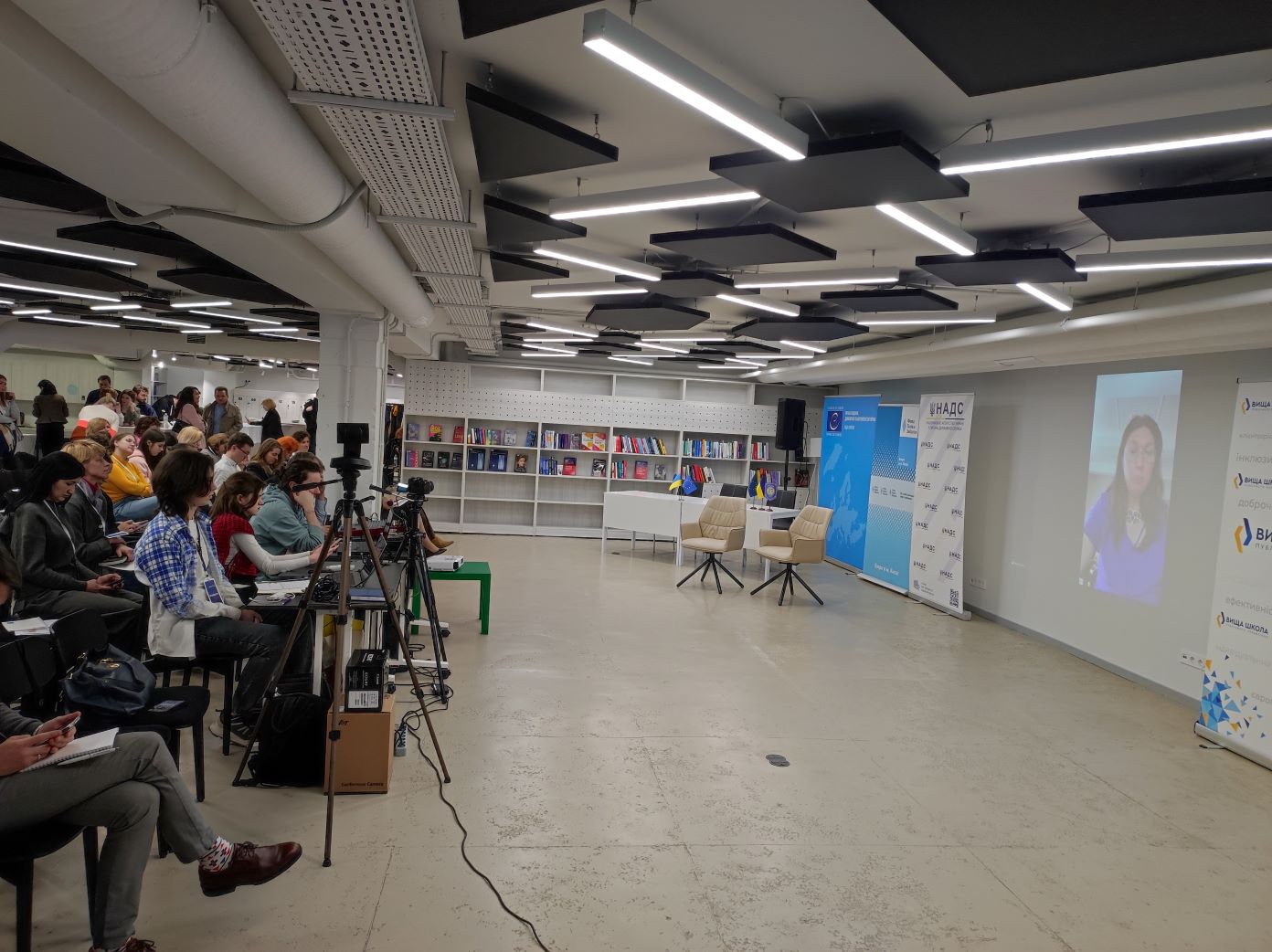
On 16 May 2025, the Council of Europe HELP course "Artificial Intelligence and Human Rights" was launched for Ukrainian civil servants. The launch was organised within a conference "Artificial Intelligence in Public Administration: Challenges, Opportunities, Prospects". The event brought together more than 100 civil servants, academia and researchers to address the challenges and explore opportunities related to the use of AI in public administration in Ukraine.
In the opening remarks, Head of the Council of Europe Office in Ukraine, Mr Maciej Janczak, underlined the organisation’s long-standing commitment to AI governance as a strategic priority of the Council of Europe Digital Agenda 2022–2025. He noted that this priority was further reaffirmed at the Reykjavik Summit, which led to a major milestone: in May 2024, the Committee of Ministers adopted the Council of Europe Framework Convention on Artificial Intelligence.
The Convention was signed by Ukraine on 15th May 2025, bringing the number of signatories to 16, reaffirming the country’s commitment to responsible development and use of AI.
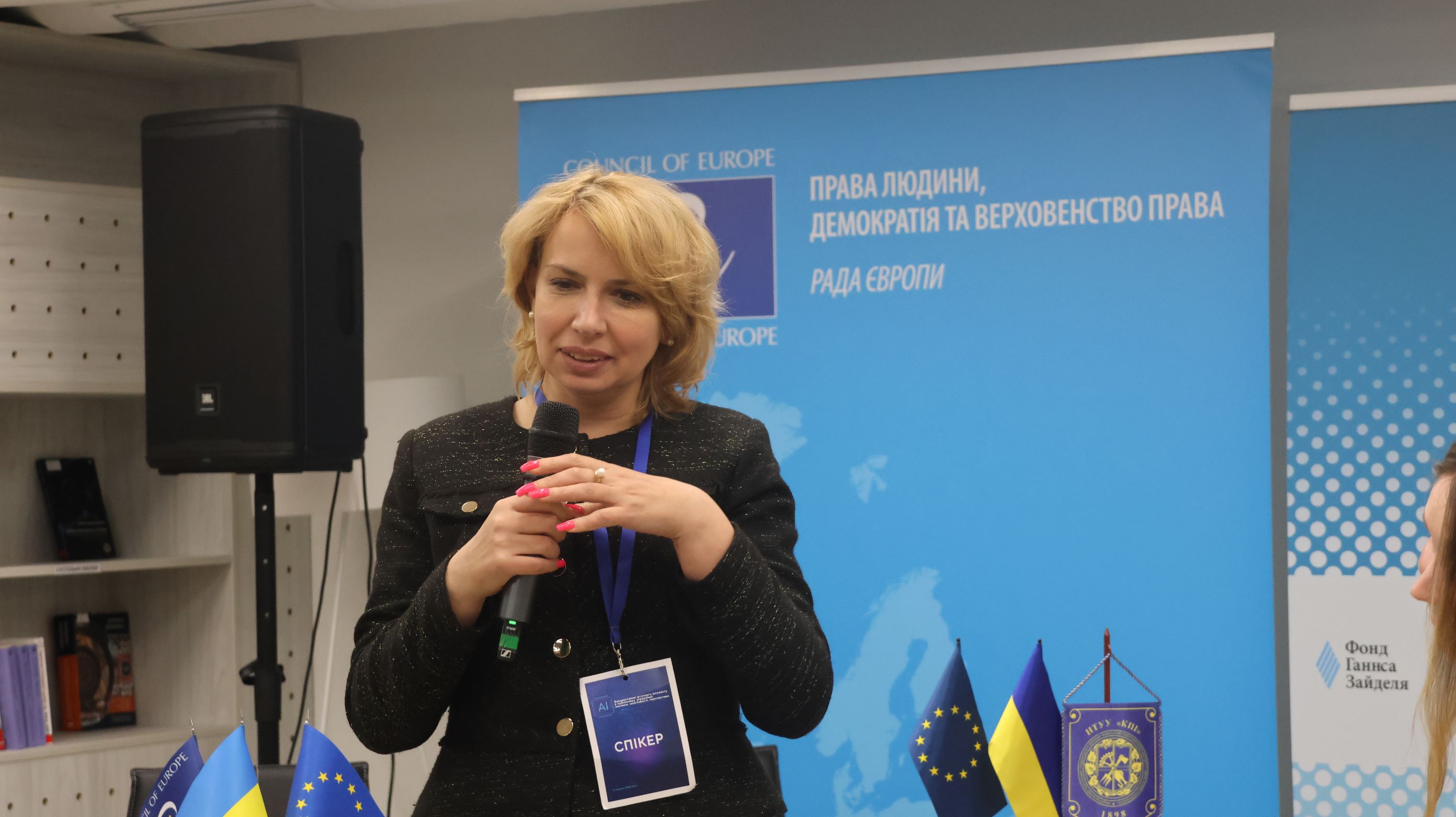
Ms Albina Ovcearenco, Head of Digital Development Unit of the Council of Europe presented the Framework Convention and its mechanisms. This pioneering global treaty sets binding legal standards to guarantee AI respects human rights, democracy and the rule of law. Its core feature is its AI risk-management framework, supported by the HUDERIA Methodology—a non-legally binding tool designed to help states assess AI-related risks and impacts.
The HELP course "Artificial Intelligence and Human Rights" was adapted to the national legal context and launched for 80 civil servants with the aim to enhance their understanding of AI technologies and some of their human rights implications.
The course provides information about the most important instruments at international and European level, and their practical implementation across Europe and beyond, focusing on the Council of Europe and the European Union frameworks.
The national tutors of the course will accompany the group over the next three months: Mr Vasyl Oryshchuk, an AI and digital skills trainer at the Prosecutors' Training Center of Ukraine, holding a PhD in public administration, and Ms Svitlana Mazepa, PhD, Associate Professor and international researcher at the Center for European and International Criminal Law Studies, University of Osnabrück (Germany).
The HELP course on “Artificial Intelligence and Human Rights" is also available on the HELP Platform in self-learning format. New users to the HELP platform will have to create an account before accessing this course or any of the 61 online courses available in self-learning format. Currently, 39 HELP courses are available in Ukrainian on the CoE HELP E-learning Platform, and the full catalogue of HELP courses is available here.
The conference was organised by the National Agency of Ukraine for Civil Service, Higher School of Public Governance, Center for Adaptation of Civil Service to European Union Standards, National Technical University of Ukraine "Igor Sikorsky Kyiv Polytechnic Institute", and supported by the Council of Europe Project "HELP (Human Rights Education for Legal Professionals) for Ukraine, including during wartime" Phase II, and Hans Seidel Foundation in Ukraine.