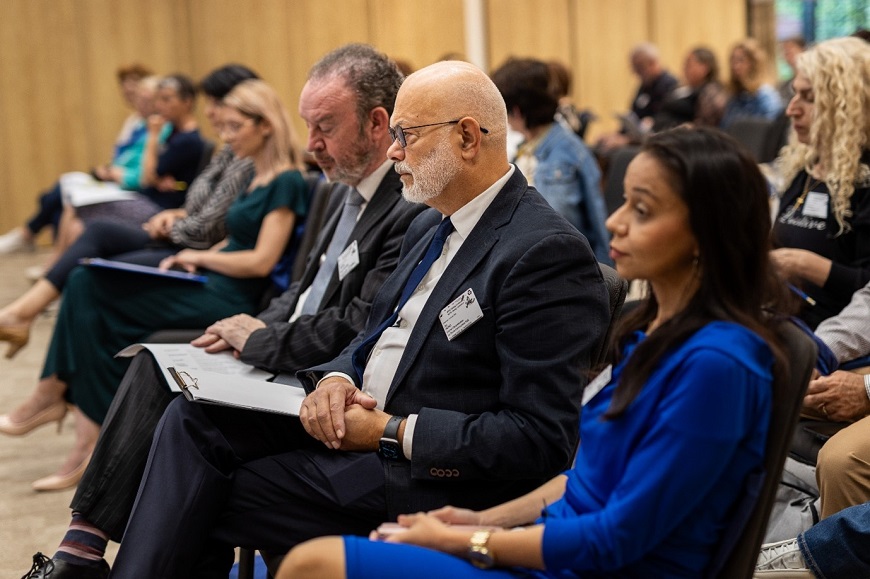
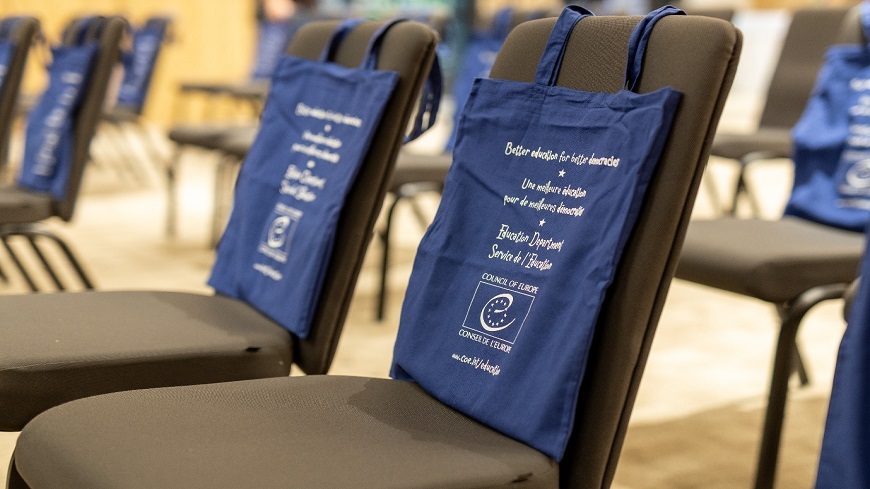
Concrete examples of inclusive, plurilingual and intercultural education in support of a culture of democracy, at both micro and macro levels, were at the heart of discussions during the closing conference of the Romani-Plurilingual Policy Experimentation (RPPE), held in Bratislava on 3 and 4 June 2025.
Underpinned by the Council of Europe’s Recommendation on the importance of plurilingual and intercultural education for democratic culture (CM/Rec(2022)1), the RPPE has addressed the gap between policy and classroom practice by developing contextualised approaches and activities which aim to foster the development of integrated linguistic repertoires in which languages and cultures interrelate and interact, thereby promoting culturally diverse and inclusive democratic societies.
The event, co-organised by the Council of Europe and the Ministry of Education, Development, Research and Youth of the Slovak Republic provided a platform for Slovak authorities, national co-ordinators and participating schools from Greece (3 schools), Slovak Republic (3 schools) and Slovenia (4 schools), to meet and share their valuable experiences in using Romani language and culture to support the educational inclusion of Roma pupils in primary education.
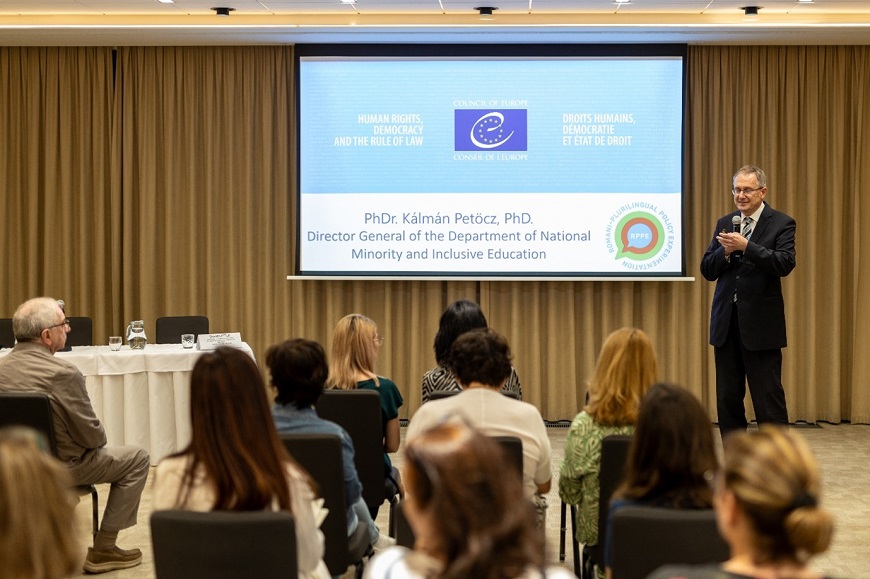
The importance and value of the kind of inclusive practices developed within the RPPE was underscored by Kálmán Petöcz, Director General of the Section for National and Inclusive Education in his opening remarks. Also present was the Irish Ambassador to the Slovak Republic, Dermot McGauran.
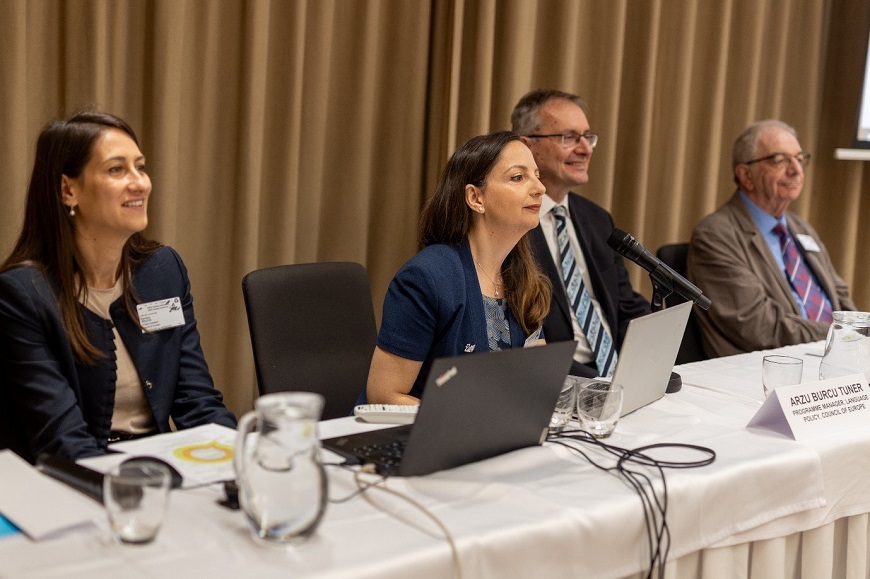
Arzu Burcu Tuner, Programme Manager, Education Department of the Council of Europe, stated that the event represents the reaffirmation of a commitment to valuing linguistic diversity, and to ensuring that Romani pupils—and all pupils—see their languages and identities reflected and respected in the classroom.
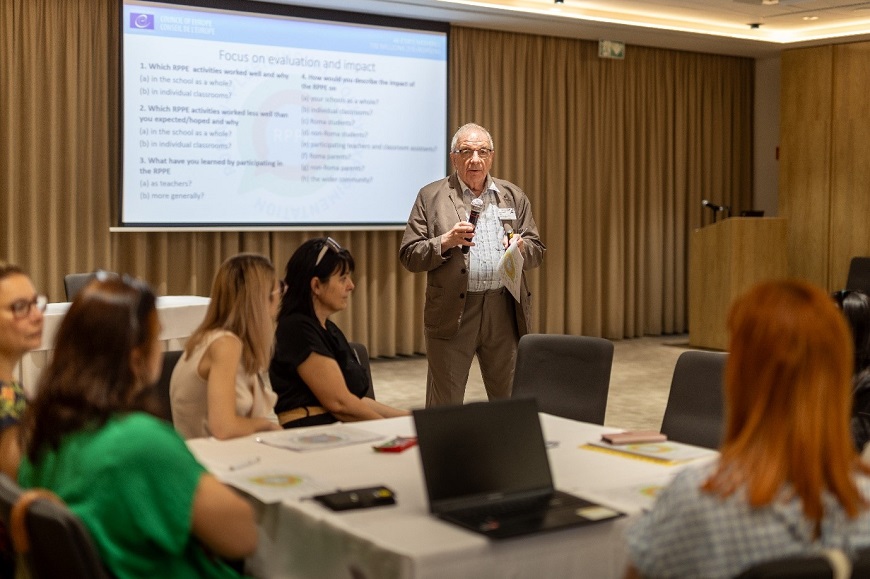
Following the opening remarks, the programme continued with a webinar in order to disseminate the achievements of the RPPE beyond the participating schools. In her opening remarks to the webinar, Sarah Breslin, Executive Director, European Centre for Modern Languages and Head of Language Policy, Council of Europe, echoed the words of the Secretary General stressing that education is an essential element of democratic investment and that languages, with the diversity and richness they convey, are among the core elements that bind us together. It was followed by a presentation by Prof. David Little, the Academic Co-ordinator of the RPPE, who gave an overview of the project and its objectives. The webinar concluded with the presentations by country teams from Greece, Slovak Republic and Slovenia.
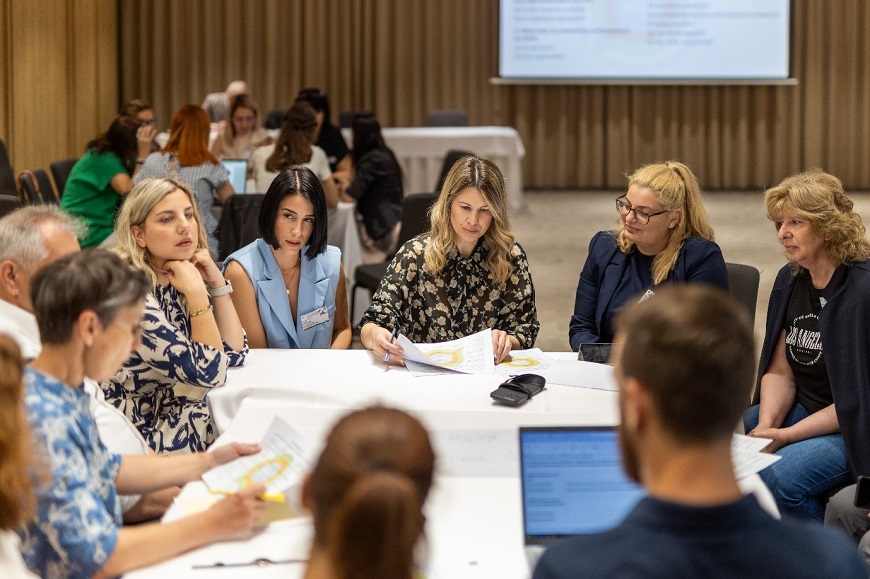
The conference ended with group work and exchanges, moderated by the academic co-ordinator. These focused on the impact, dissemination and sustainability of the RPPE and its further application in teaching methodologies in plurilingual and inclusive education on regional and national levels, and the significance of plurilingualism and inclusion for the development of culturally diverse democratic societies.
The event offered a unique opportunity to reflect on the practical application of the Council of Europe’s concept of plurilingual and intercultural education in schools and classrooms and to consider its relevance both for the educational inclusion of Roma pupils as well as of learners from other linguistic and cultural minorities.