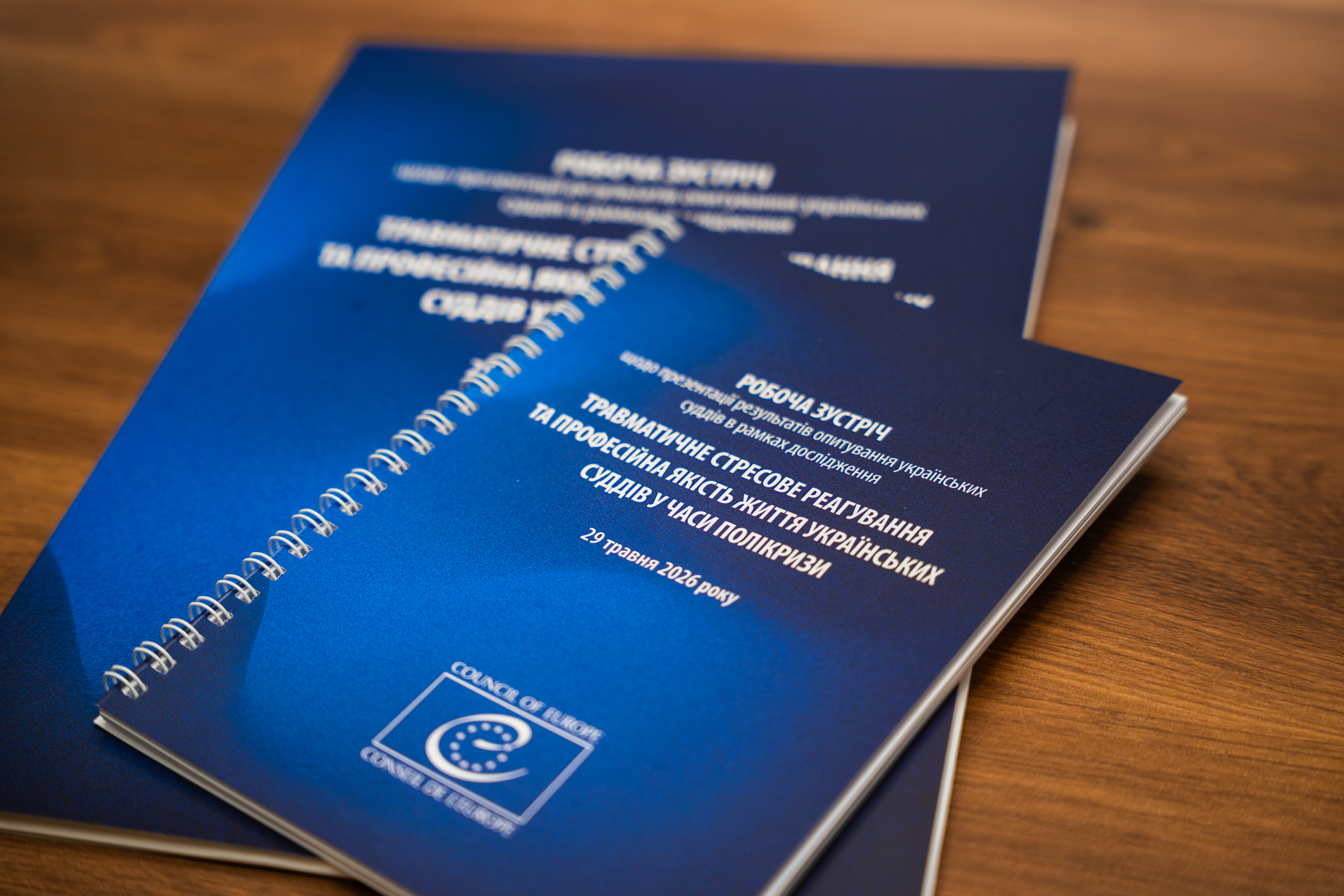
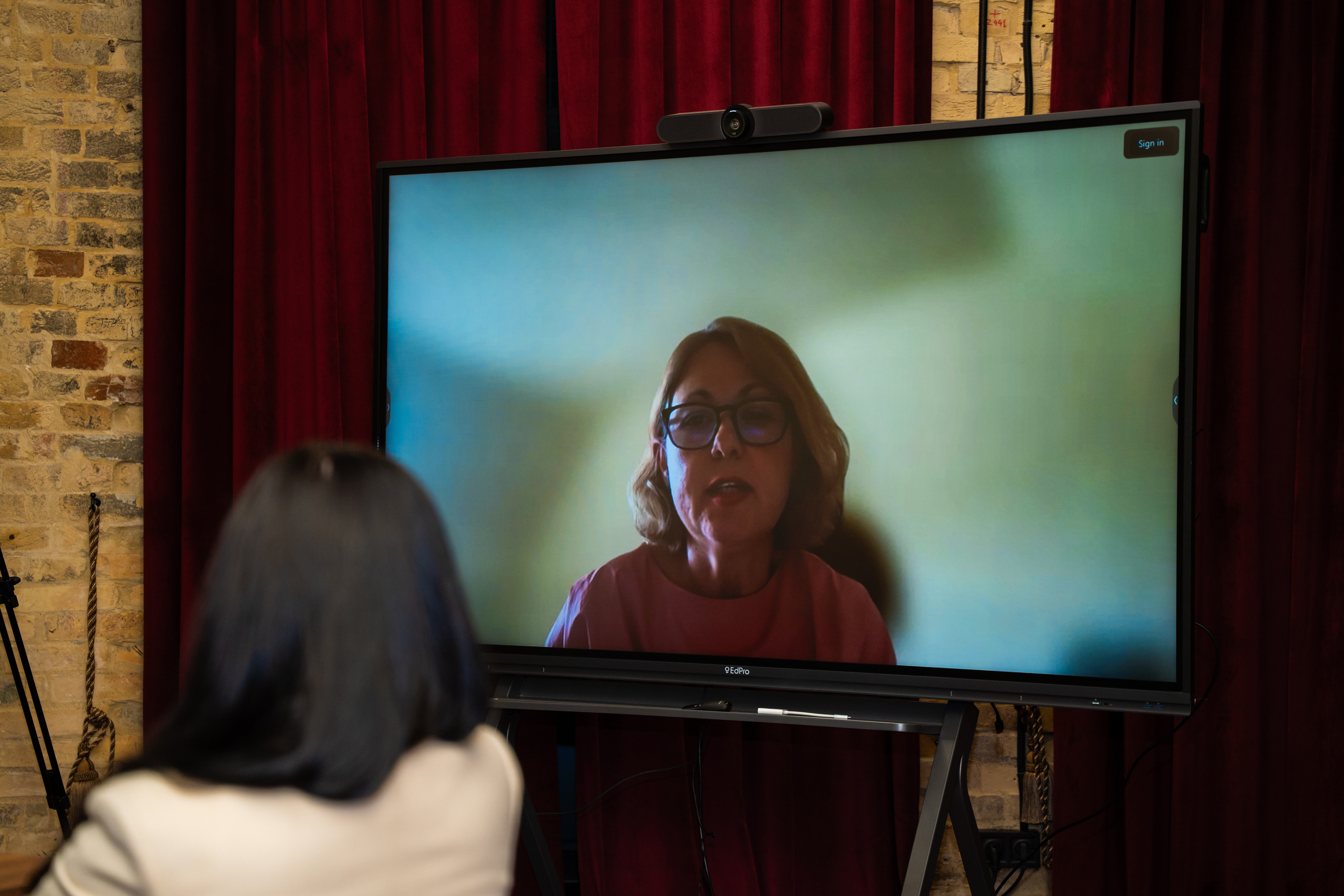
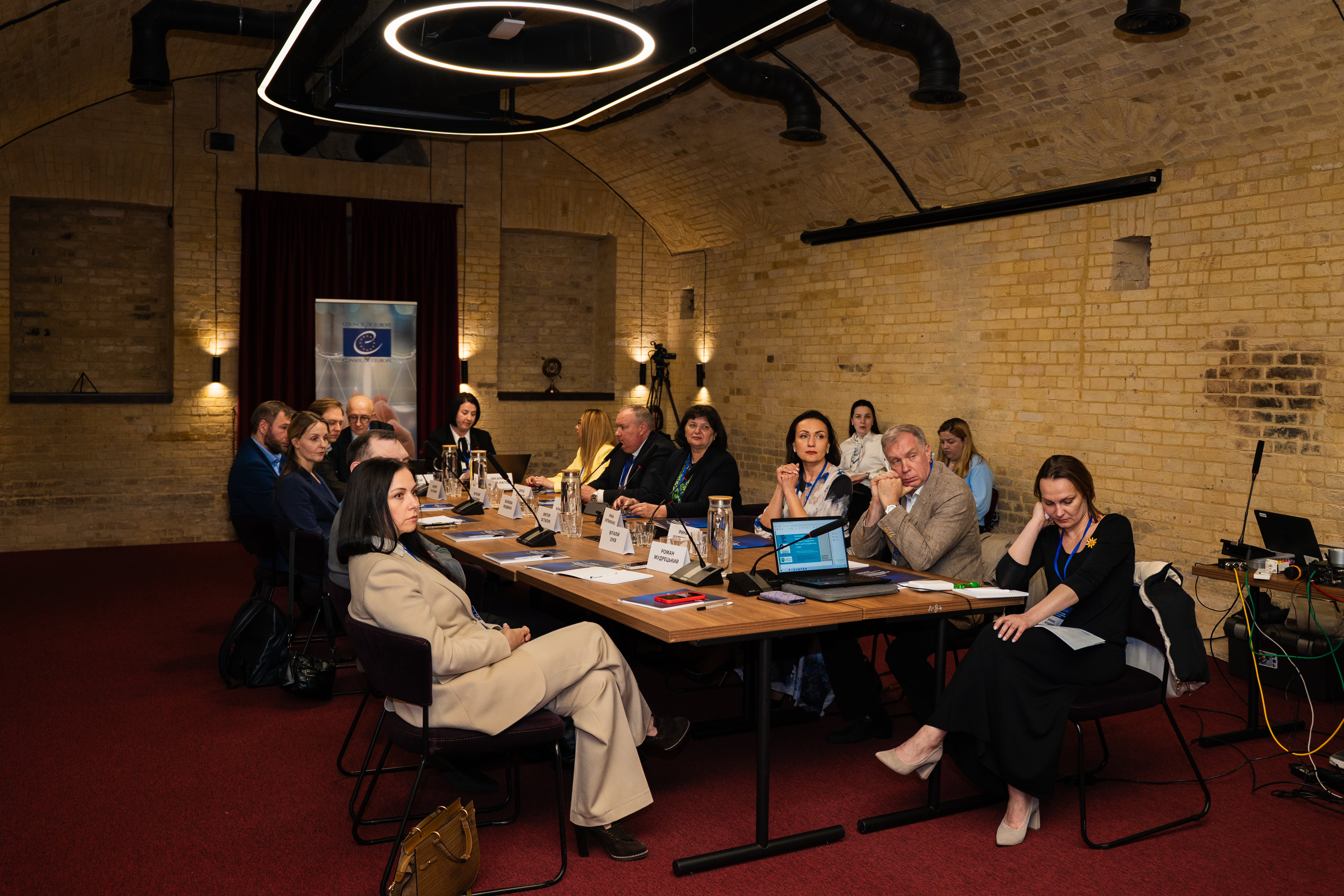
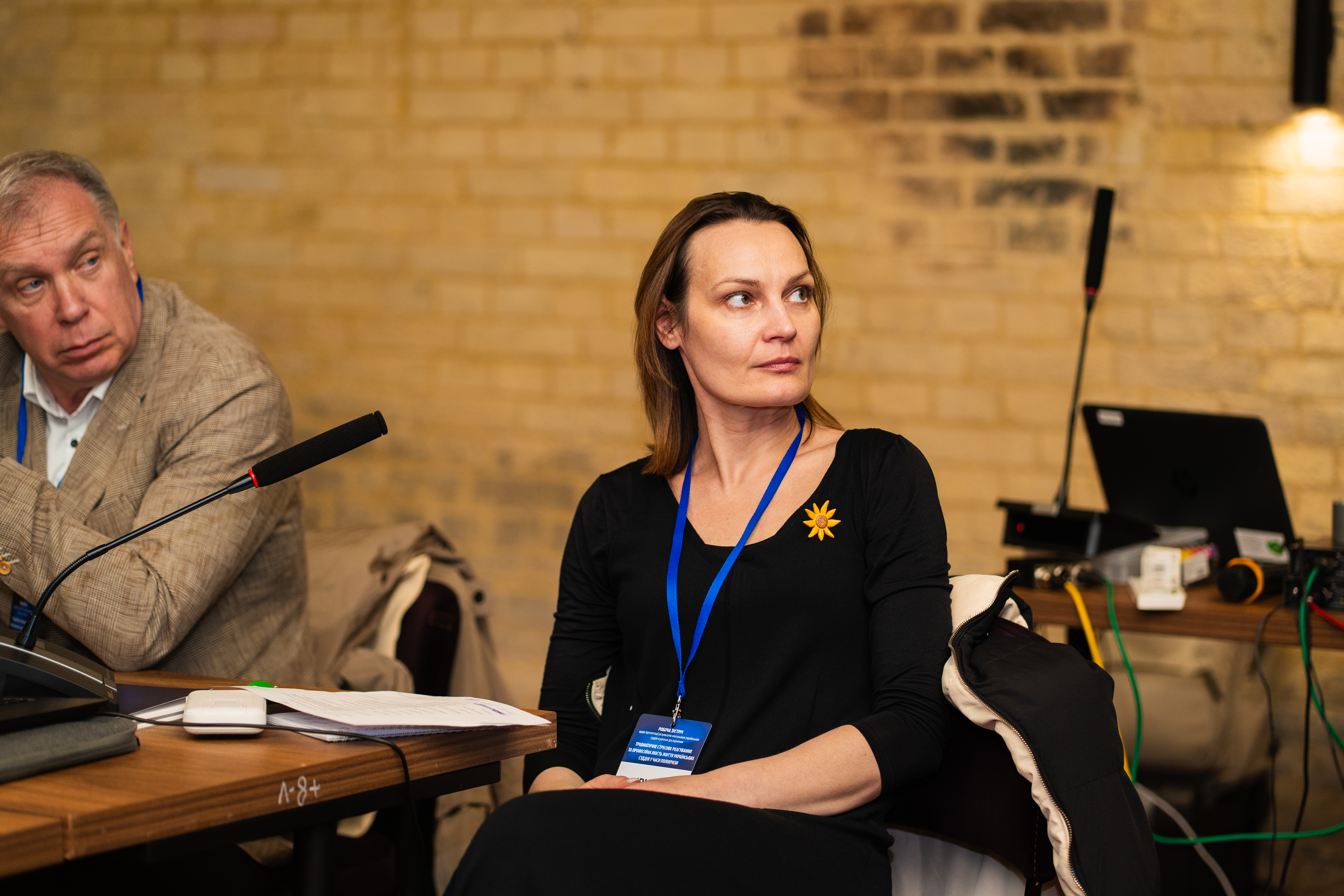
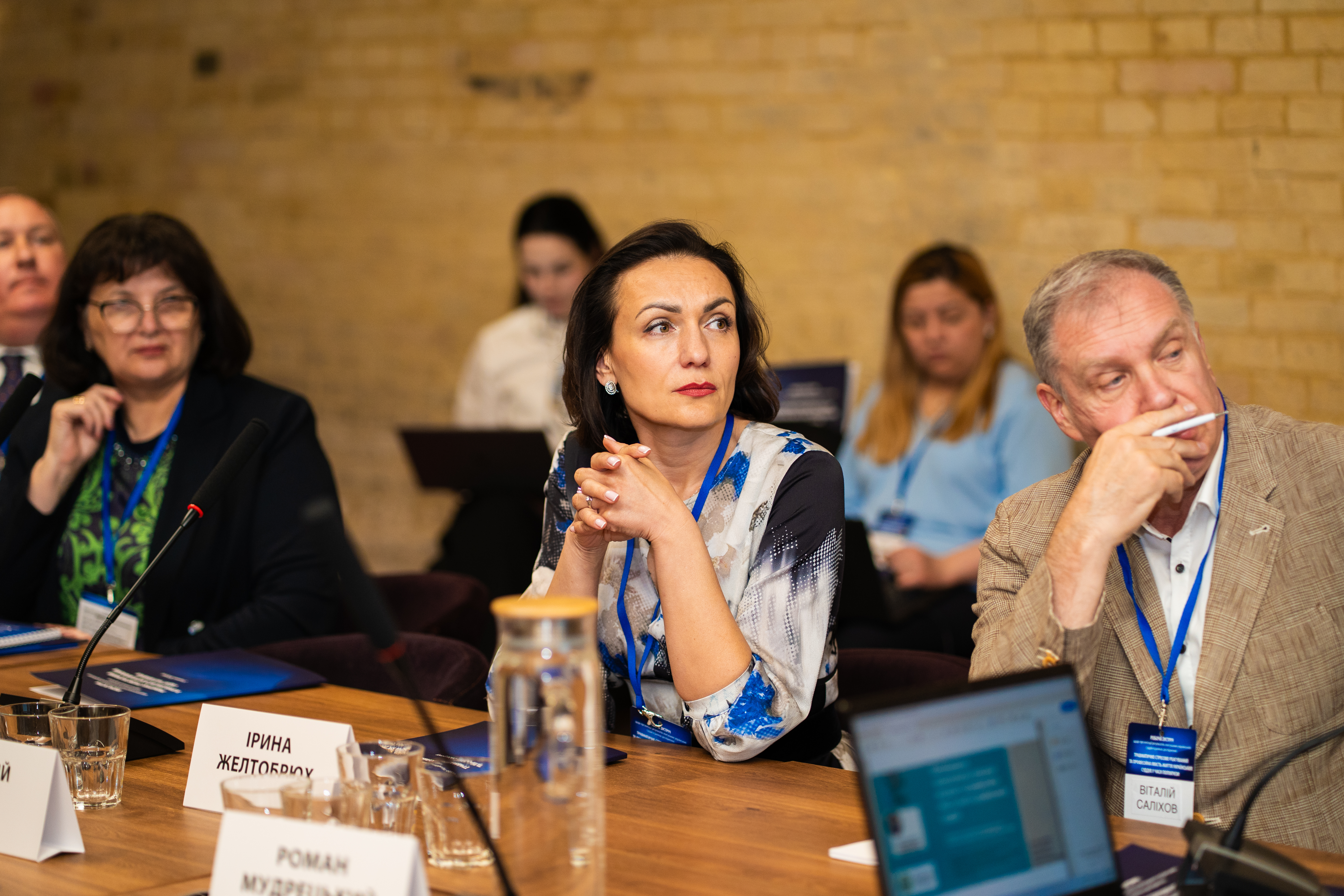
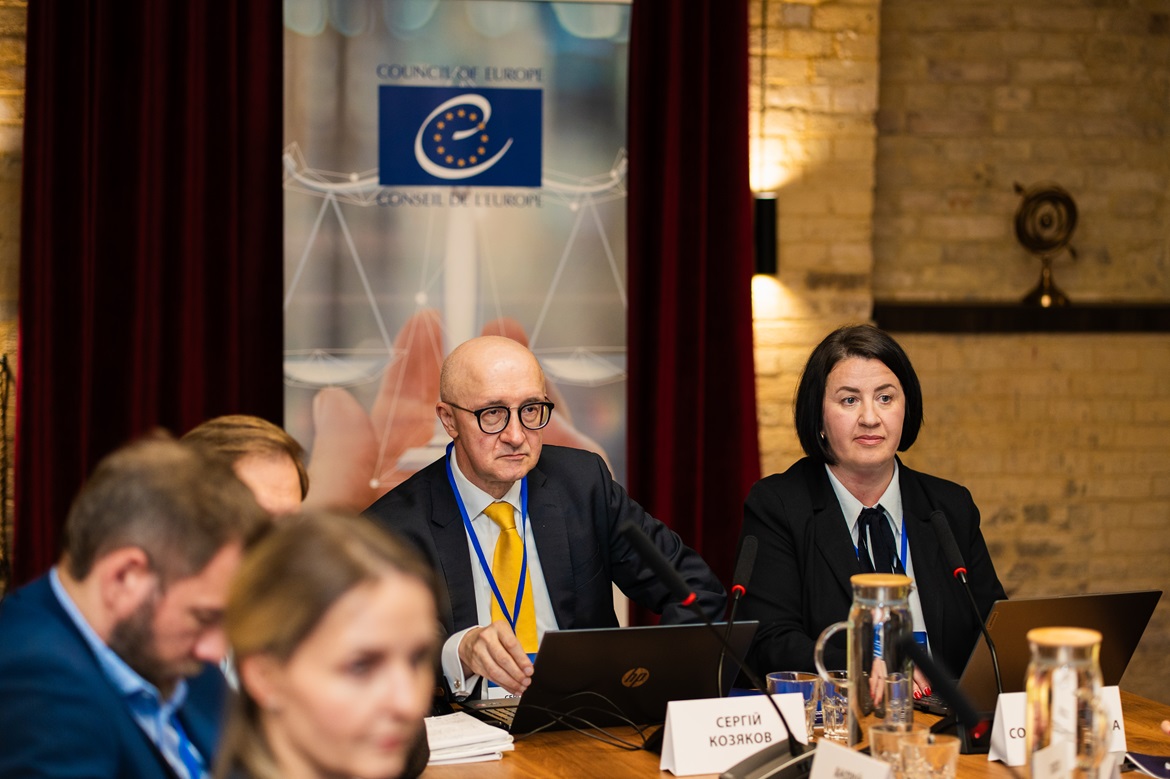
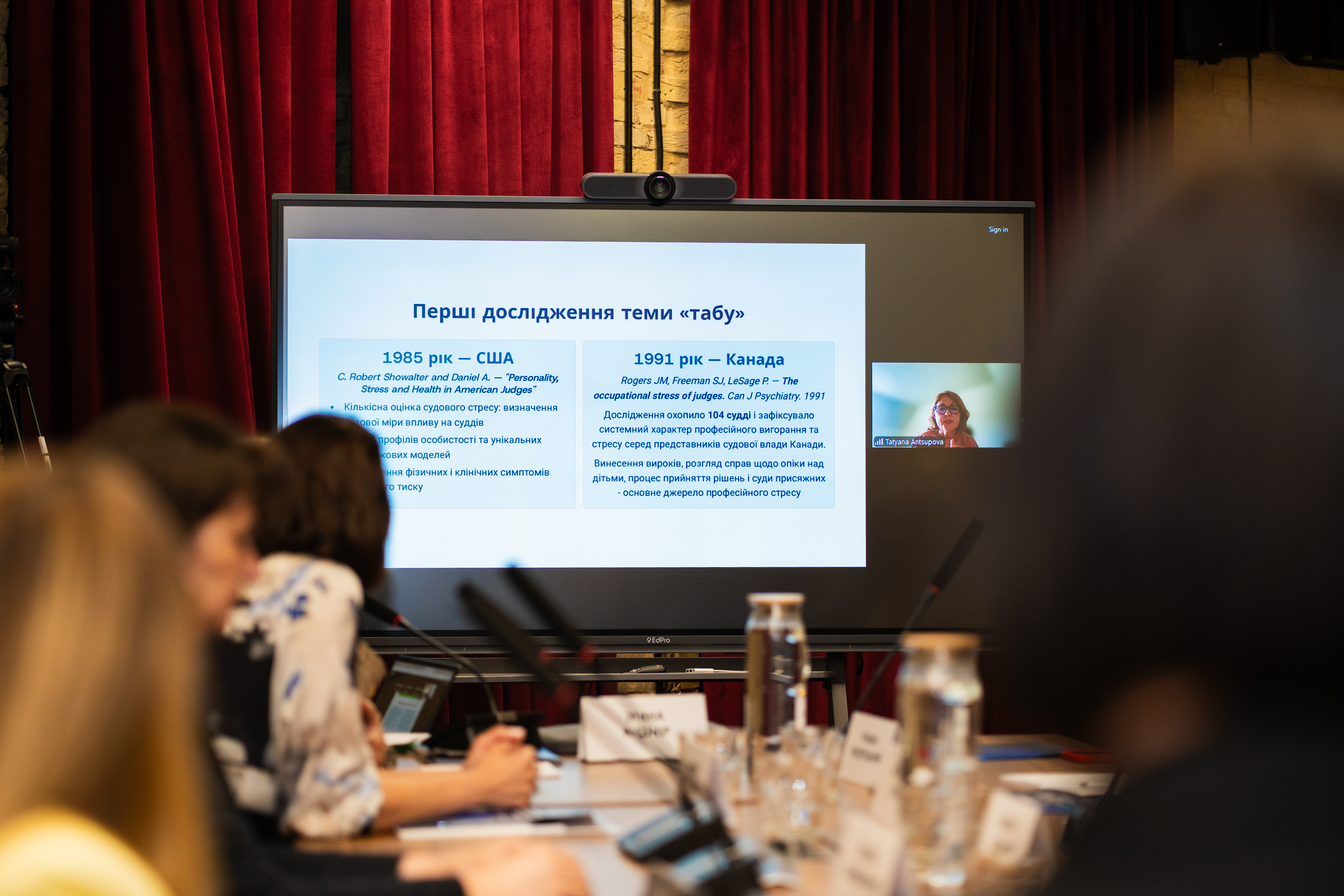
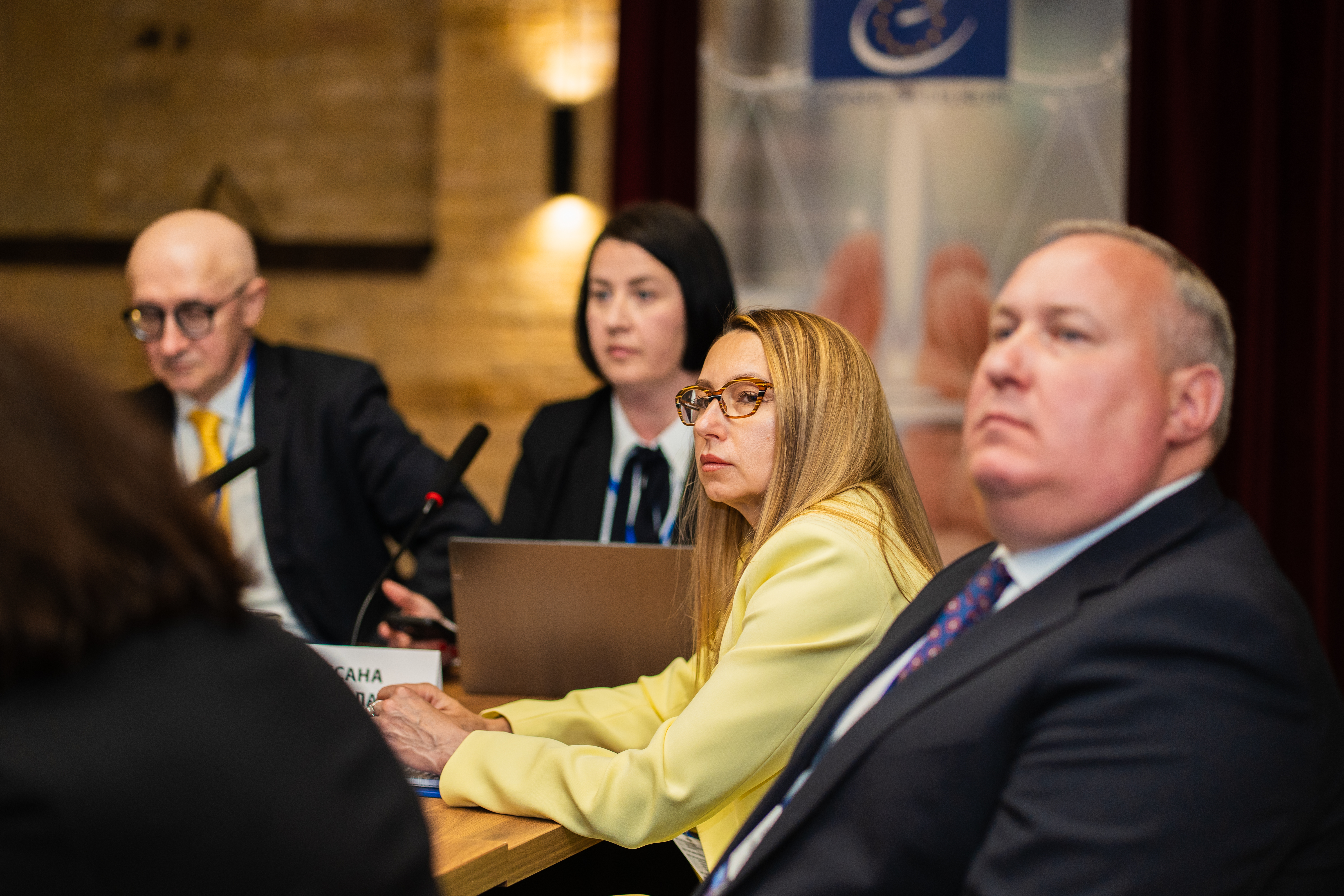
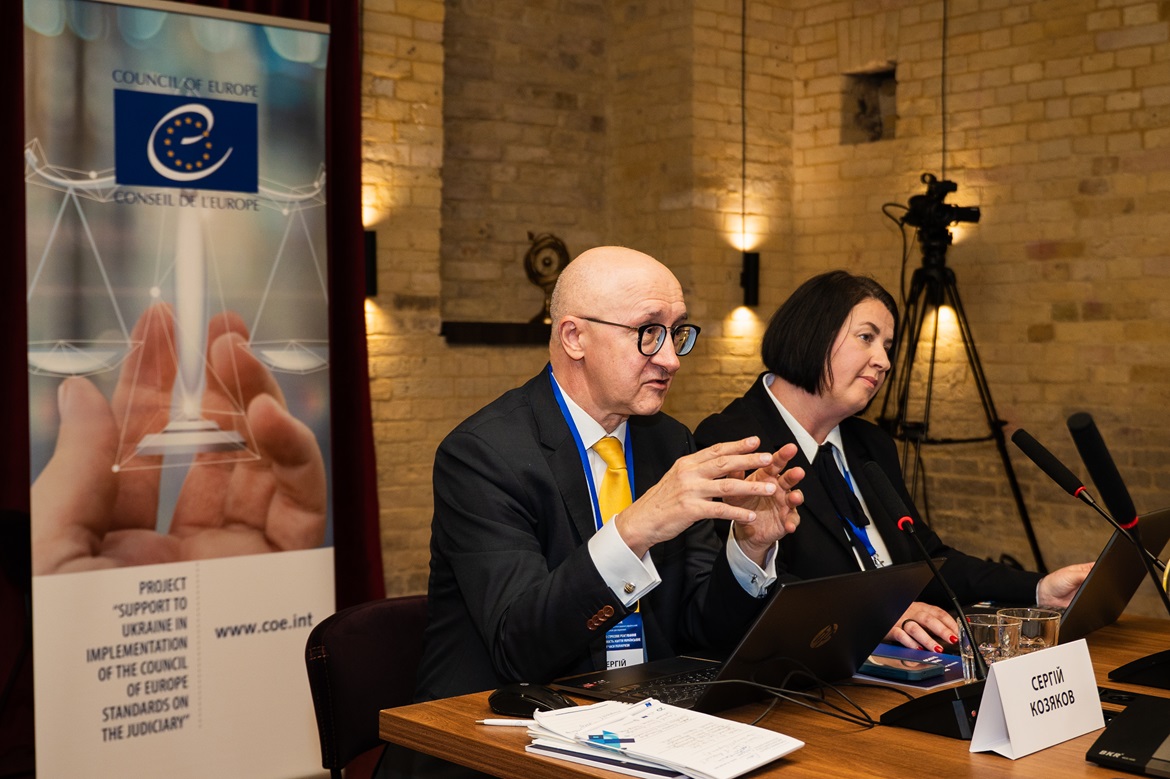
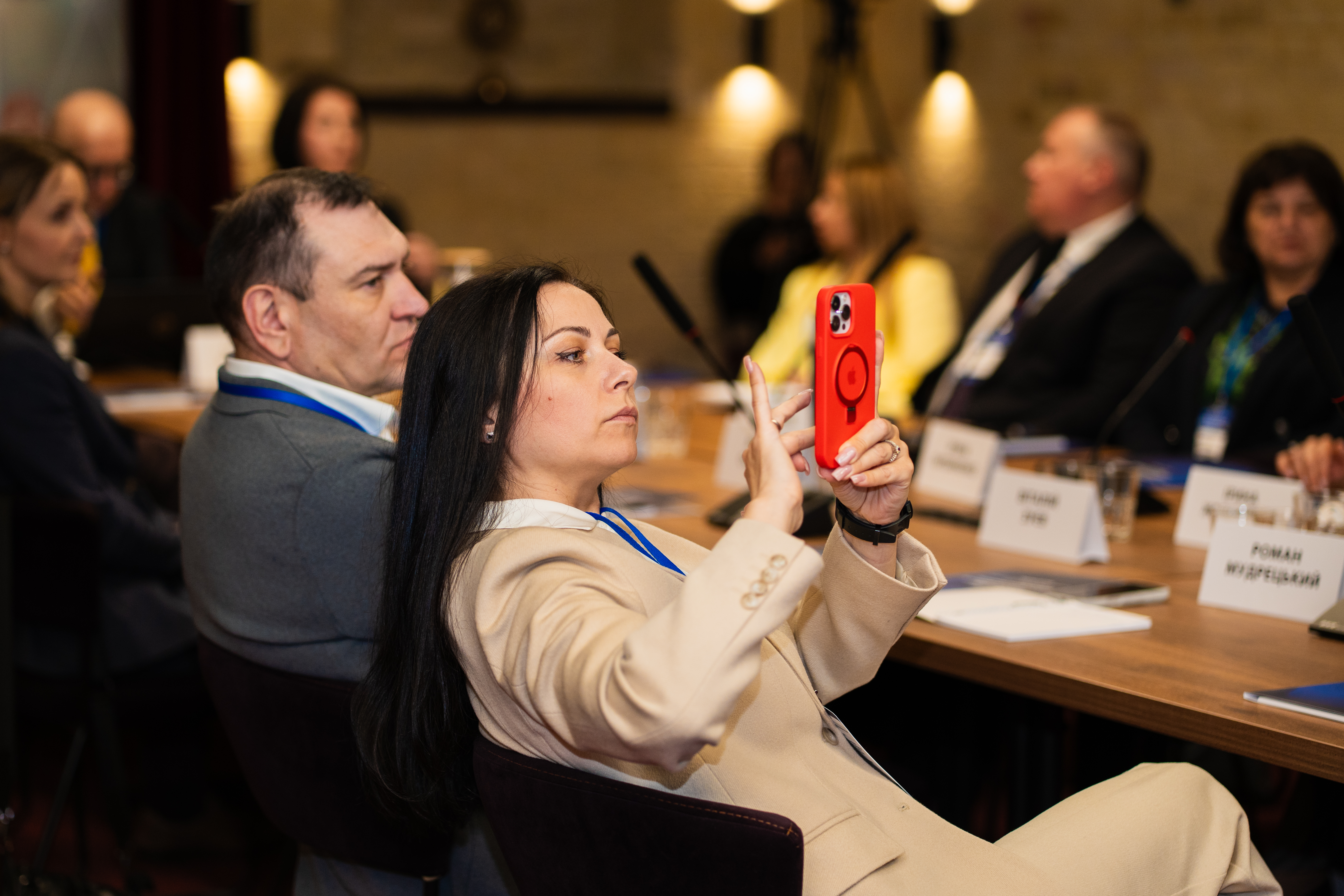
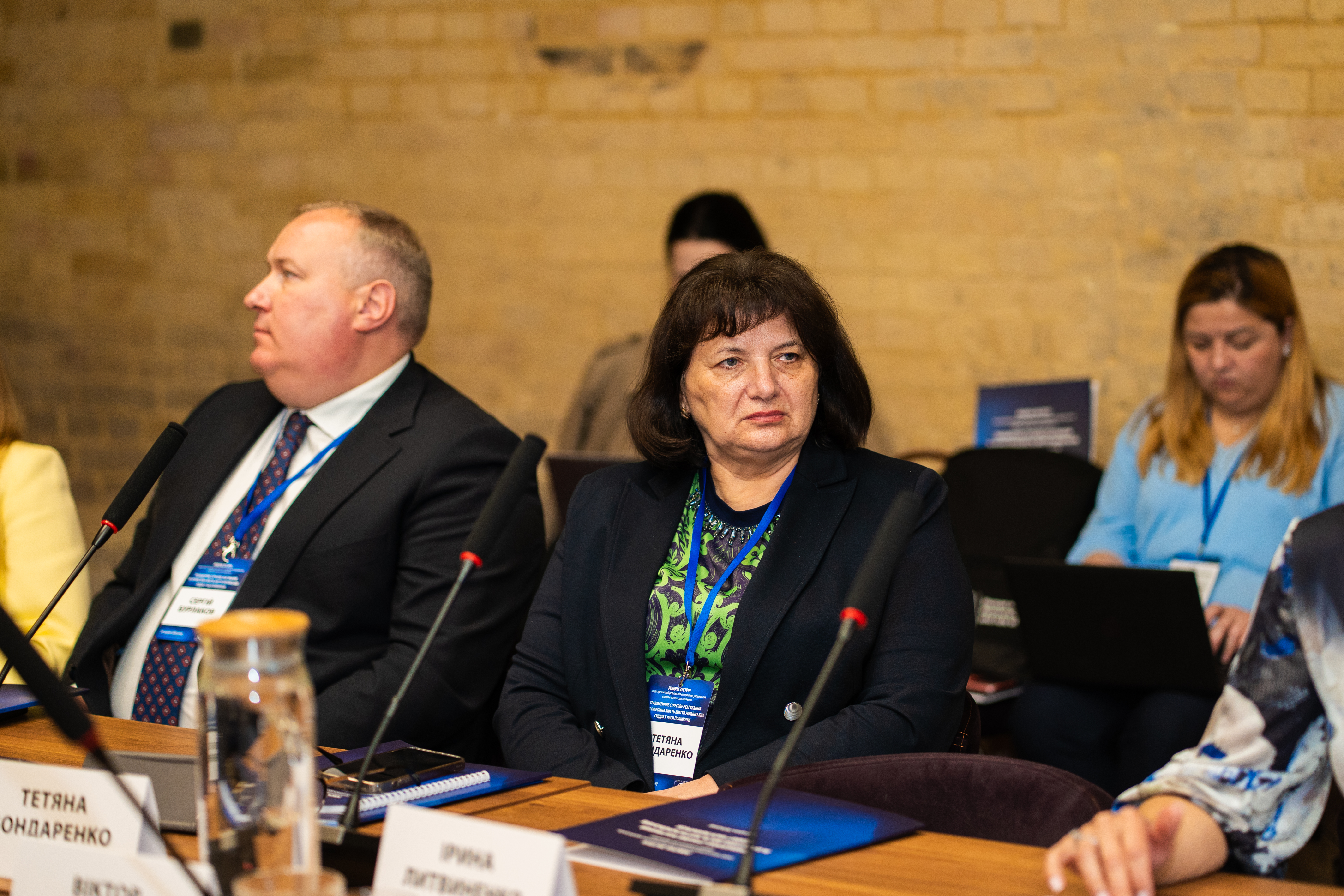
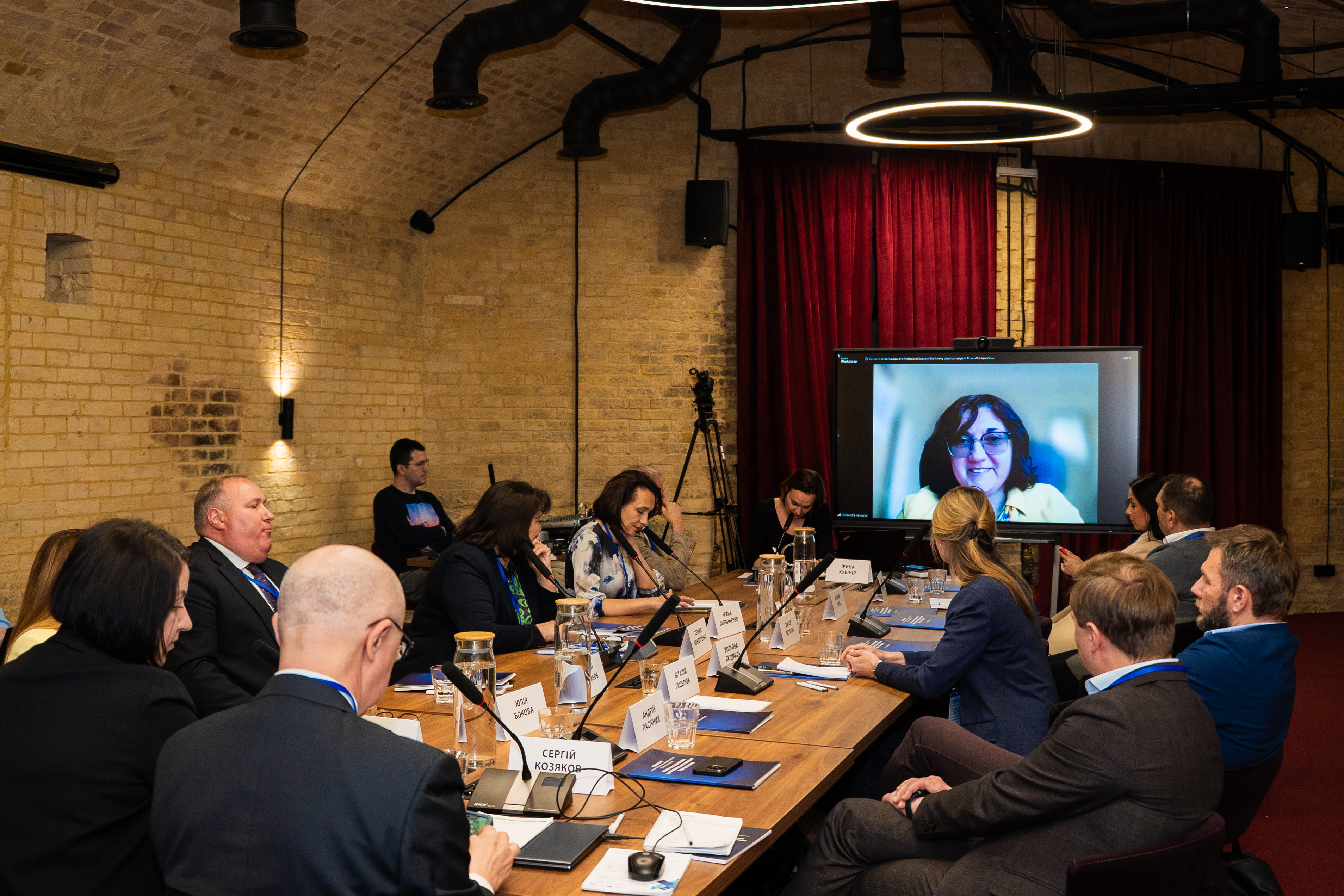
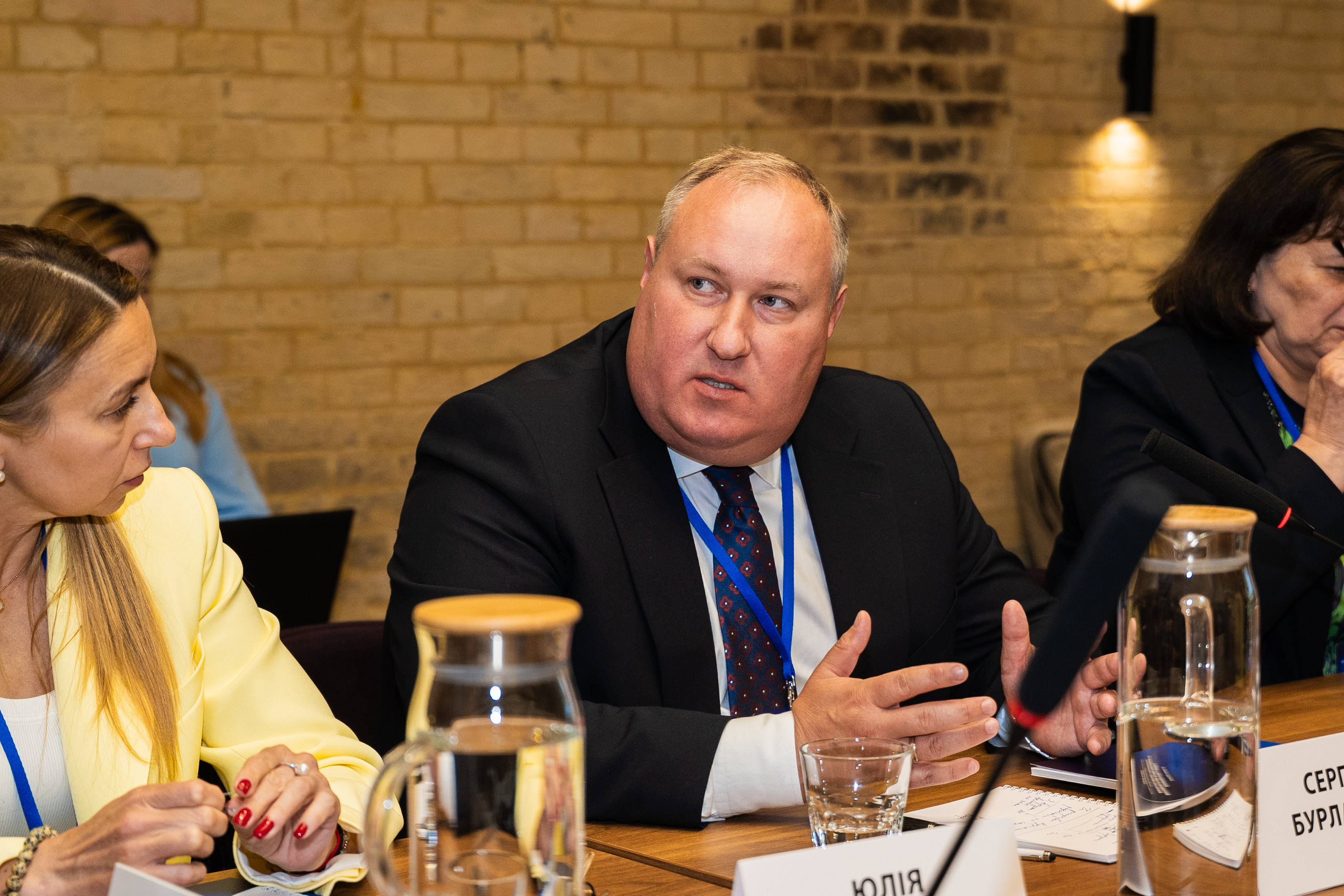
On 29 May 2026, a working session was held to present the findings of a study on how the full-scale war and other overlapping crises affect stress levels and the professional quality of life of Ukrainian judges. The event focused on ways to support judges who take decisions every day in a context of prolonged threats and uncertainty.
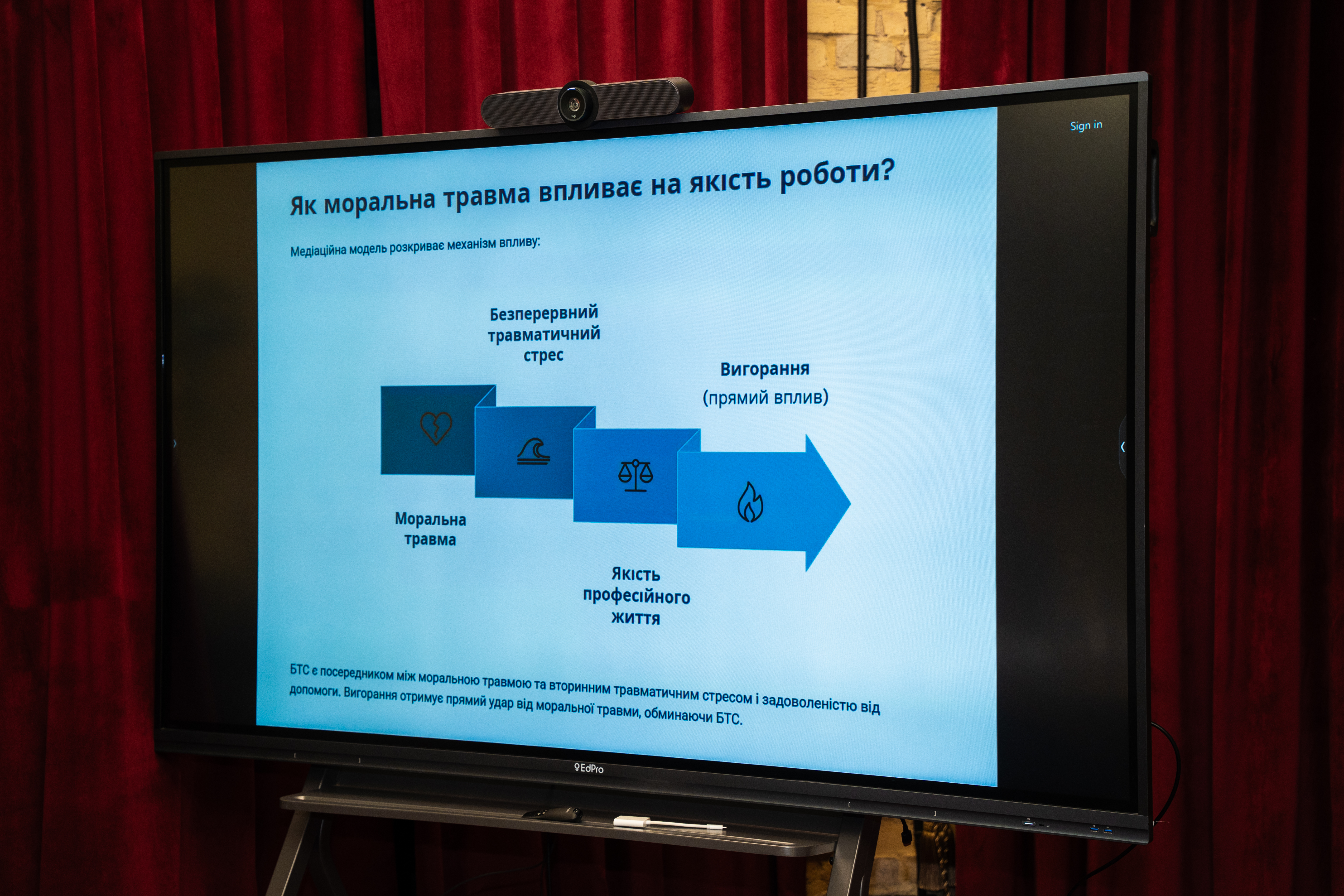
The presentation highlighted key findings of a survey of judges on traumatic stress responses and their impact on well-being and the performance of judicial duties. Experts underlined the need to combine individual coping strategies with institutional measures of support that can be put in place by judicial governance and self-governance bodies.
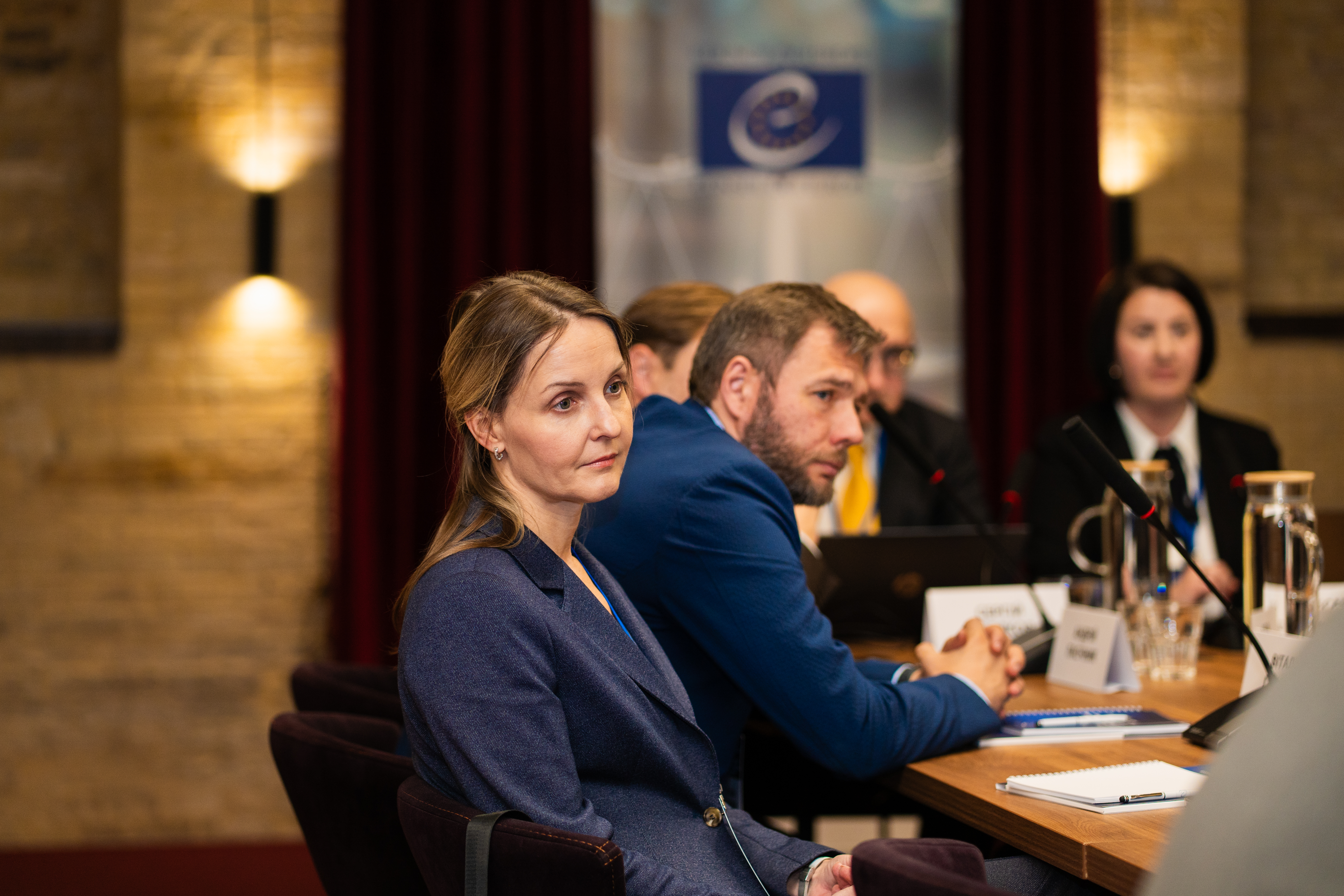
The session brought together judges of the Supreme Court and the Constitutional Court of Ukraine, representatives of the High Council of Justice, the Council of Judges of Ukraine, the High Qualification Commission of Judges of Ukraine, judges of courts of appeal, as well as members of the Consultative Council of European Judges, the European Commission for the Efficiency of Justice (CEPEJ) and the Council of Europe. This format provided an opportunity for open dialogue between national and European institutions on how to strengthen the resilience of the judiciary in a situation of multiple crises.
A moderated discussion focused on practical steps, ranging from psychological support and training programmes to policy recommendations in the field of judicial well-being.
The event was organised by the Council of Europe Directorate General of Human Rights and Rule of Law in the framework of the Project “Support to Ukraine in the implementation of Council of Europe standards on the judiciary”, in partnership and co-operation with the British Institute of International and Comparative Law (BIICL) and the University of Exeter.