For people in Armenia, the success of anti-corruption reform is measured by whether public services become fairer, whether institutions are held to account and whether citizens can trust that the decisions affecting their lives are made with integrity. Knowing whether this is happening requires reliable evidence of what has actually changed.
This question is especially timely as Armenia prepares its Strategy for Judicial and Legal Reforms 2027-2030, which will include an anti-corruption pillar. Understanding what the current Strategy has achieved and what is still left to be reached will help ensure that the next strategy builds on what functions and sustain an inclusive dialogue with civil society.
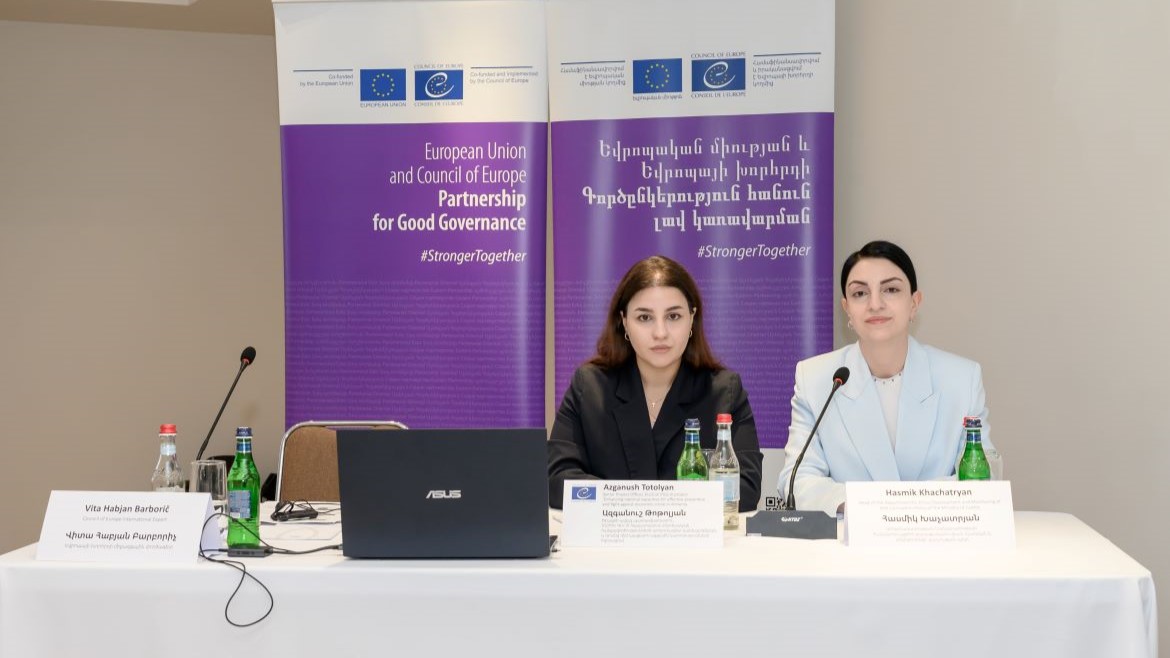
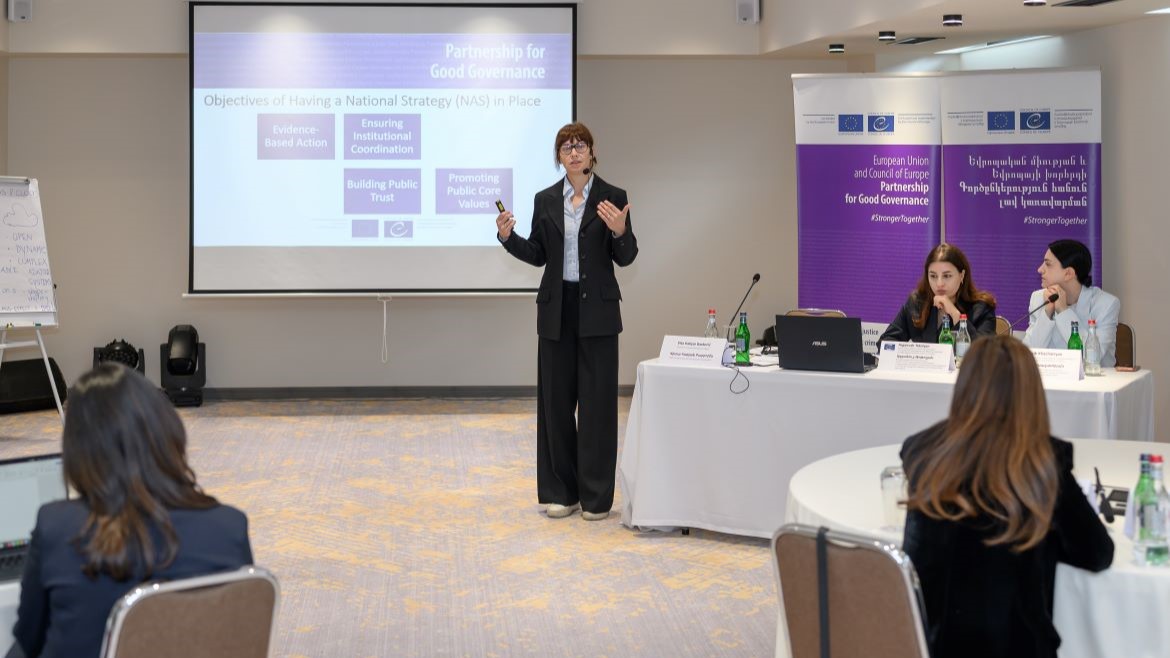
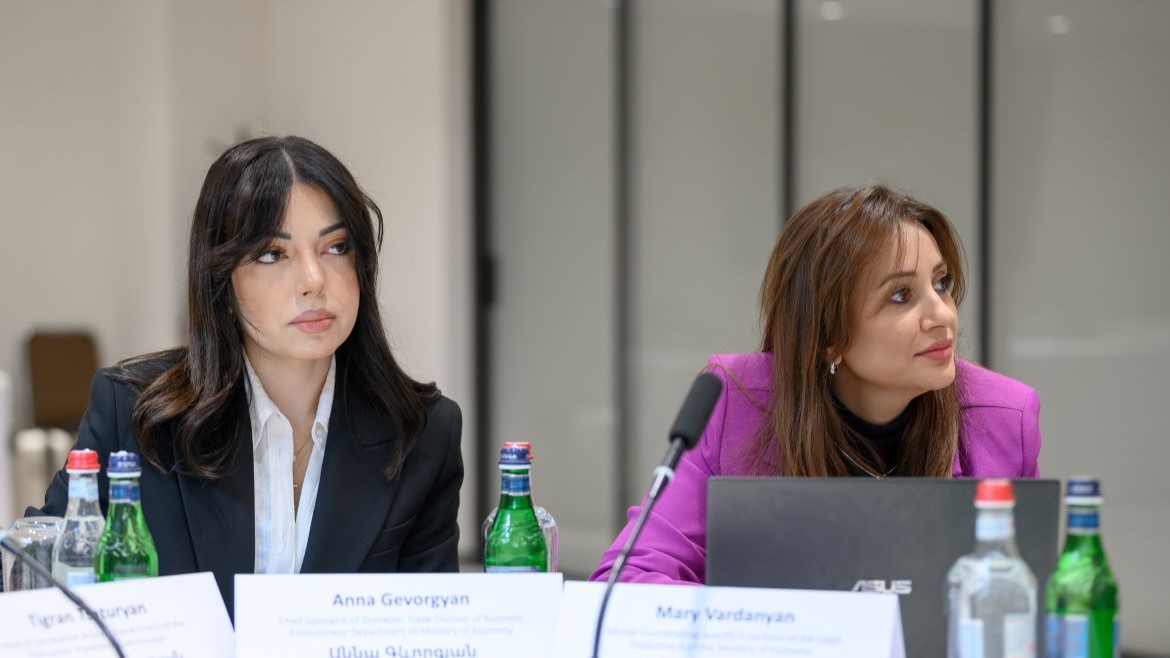
To support this, on 22-23 October 2026, the Council of Europe brought together representatives of the Ministry of Justice and officials responsible for providing data and information for evaluating the Strategy’s implementation for a two-day training in Tsaghkadzor. The training was organized within the European Union and Council of Europe Partnership for Good Governance project “Enhancing National Capacities for Effective Prevention and Fight Against Economic Crime in Armenia.”
Building on a revised monitoring and evaluation methodology, participants focused on making the assessment of progress more systematic, evidence-based and results-oriented. “Measuring change, not just activities,” noted Hasmik Khachatryan, Head of the Department for Policy Development and Monitoring of Anti-Corruption Policy at the Ministry of Justice of Armenia.
In practice, this means distinguishing between activities, outputs and outcomes; developing clear and measurable indicators; identifying reliable data sources; and assessing results using verifiable evidence. Participants also discussed the obstacles that often stand in the way, such as missing baseline data, indicators that do not capture real change, and results that are reported but not verified.
The sessions also highlighted the importance of looking beyond institutional reporting. It underlined that the people affected by corruption and by efforts to tackle it, must be part of assessing progress. Civil society organisations, the media and the private sector can contribute valuable perspectives and independent evidence, making the assessment of the Strategy more comprehensive and accountable. Civil society organisations and the Human Rights Defender’s Office used the opportunity to share their views on the Strategy’s implementation, engage in dialogue with the government and contribute to the development of future anti-corruption policies.
Better evidence leads to better decisions. By strengthening the methodology and the capacities of those involved in assessing its implementation, the Council of Europe continues to support Armenia in understanding what works, identifying where further efforts are needed, and ensuring that progress can be measured and sustained. This will inform the anti-corruption pillar within the Strategy for Judicial and Legal Reforms 2027-2030, help build policies that respond to people’s real needs and, ultimately, contribute to greater public trust and integrity across society.
This event is part of the European Union and the Council of Europe joint programme “Partnership for Good Governance”, co-funded by the European Union and the Council of Europe, and implemented by the Council of Europe, in the framework of the Project on “Enhancing national capacities for effective prevention and fight against economic crime in Armenia.”