The Committee reports that the structural deficiencies identified during previous CPT visits to Albania have still not been addressed. These persistent issues include:
- courts not carrying out the statutory annual reviews of placement decisions (medical measures) in a timely manner;
- insufficient quality, quantity and diversity of treatment offered to forensic patients;
- chronic shortage of qualified staff, in particular psychiatrists, psychologists and occupational therapists.
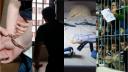
The CPT also found that living conditions continue to be unsuitable for the treatment of female forensic patients in Tirana Prison Hospital, while the situation for male forensic patients accommodated in the “temporary facility” in Lezha has further deteriorated, inter alia due to the number of patients having increased from 404 to 469 over the last three years. The CPT considers that living conditions may now amount to inhuman and degrading treatment for the vast majority of male forensic psychiatric patients. This was particularly the case for those patients accommodated in dormitory style cells, each of which was equipped with bunk beds and holding as many as 12 patients, allowing less than 4 m2 of living space per patient, including for those with serious physical and sensory disabilities.
The CPT acknowledges the commitment of local management to improve conditions, within the means available. However, their capacity to effectively make progress in respect of the treatment and living conditions of forensic psychiatric patients is severely limited by the absence of meaningful support from the central authorities, in the form of policy, legislation and financing. At the central level, the treatment and living conditions for forensic psychiatric patients have not been prioritised, despite the promises made in this sense by the Ministers of Health and of Justice in early 2024. The CPT urges the Albanian authorities to treat the situation of forensic psychiatric patients as a matter of priority and to address the deficiencies set out in its report.
The report has been made public under an automatic publication procedure adopted by the Albanian authorities.
- Read the report (in English)
- Read the visit’s newsflash
- The CPT and Albania