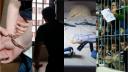
The aim of this visit was to examine the treatment of persons detained under immigration legislation. To this end, the CPT visited six immigration detention centres (Centres de retention administrative or CRAs) and two airport holding areas at Roissy-Charles-de-Gaulle and Lyon-Saint Exupéry.
The Committee deplores the lack of improvement – and even the worsening – of tensions and ill-treatment observed in detention since 2018. Despite its previous recommendations, the findings of the 2025 visit reveal a detention model characterised by prison-like appearance and general austerity of the premises. Furthermore, the CPT notes dilapidated material conditions, sometimes in a state of serious disrepair, appalling hygiene standards, and shortcomings in healthcare provision. The poor range of activities on offer is totally inadequate given the length of detention for many people, who can be held to the maximum detention period of 90 days.
“These factors, which have been identified in the past, generate tensions. They turn these places into real ‘powder kegs’,” emphasised Alan Mitchell, CPT President.
Several people in detention, particularly at the Paris-Vincennes CRA, alleged that they had been brutalised by police officers operating within the centres. Many people also reported provocations, insults – including of a racist nature – as well as unprofessional behaviour at all the CRAs visited. Detainees indicated that they were reluctant to file complaints for fear of reprisals or out of a sense of resignation.
The CPT recognises the human and material constraints faced by officers responsible for supervision in the CRAs. Many police officers felt they lacked the necessary resources or training to deal with the changing profile of detainees, who are often affected by substance-use and psychiatric disorders.
The scale of violence between detainees has likely worsened in recent years. Nationally, the number of incidents of violence between detainees has almost doubled. Many detainees reported incidents of violence, often resulting in injuries (bruises, trauma, broken teeth), as well as fights, frequent thefts and extortion within the living quarters. The CPT recommends that the French authorities adopt a national strategy and swiftly strengthen proactive security measures to prevent acts of violence and intimidation amongst detainees.
The CPT also notes that the average length of detention has tripled since its 2018 visit and questions the purpose of the continued detention observed, when actual removal would not appear to be a reasonable prospect. Deprivation of liberty should only be used as a last resort.
With regard to holding areas, the CPT once again expresses serious reservations about the detention of unaccompanied children in such facilities. In principle, children should always receive specialised care and be accommodated in dedicated facilities that respect their best interests.
In their response, the French authorities provide information on the measures taken or envisaged to implement the recommendations made by the Committee in its report.
- Read the report (in French, in English)
- Read the executive summary (in French, in English)
- Read the French Government’s response (in French only)
- Read the visit’s newsflash
- The CPT and France