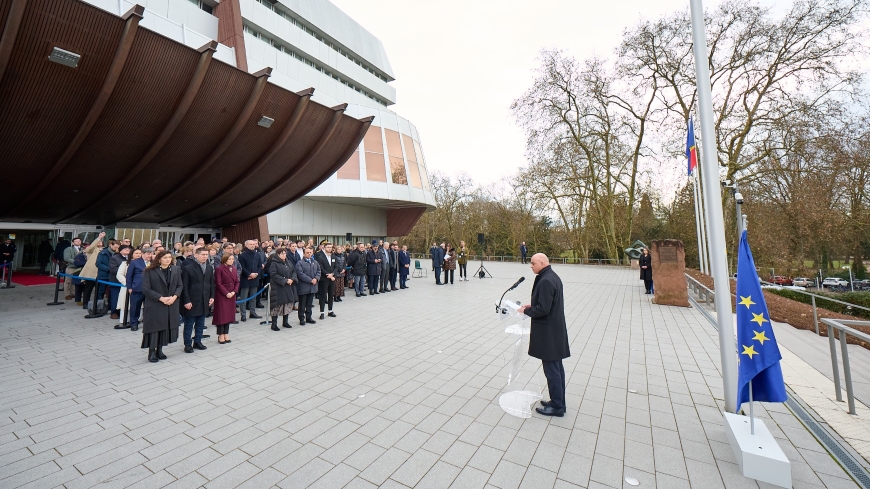
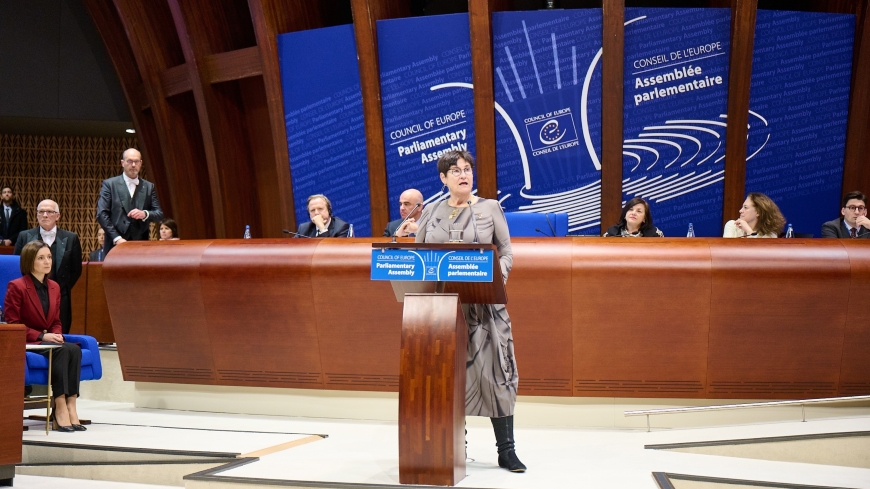
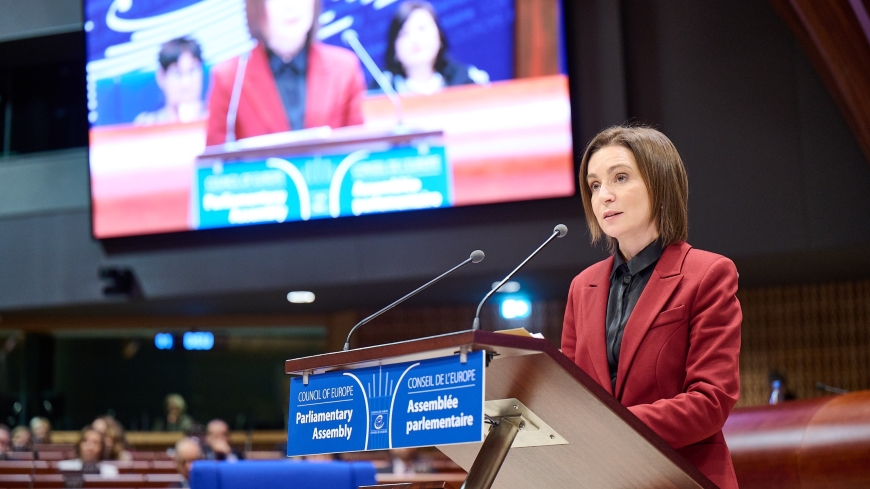
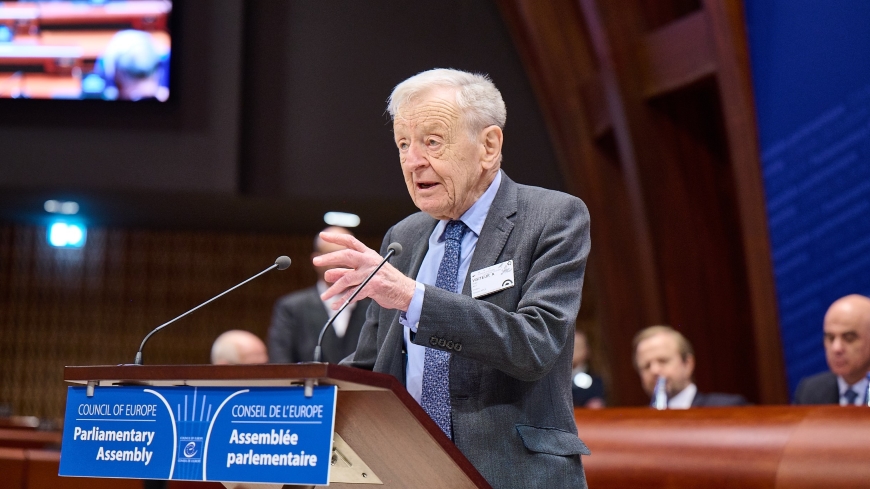
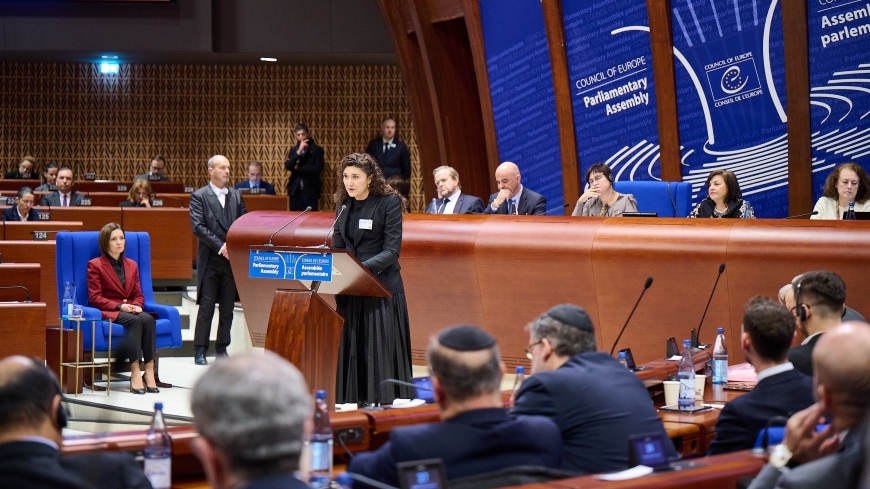
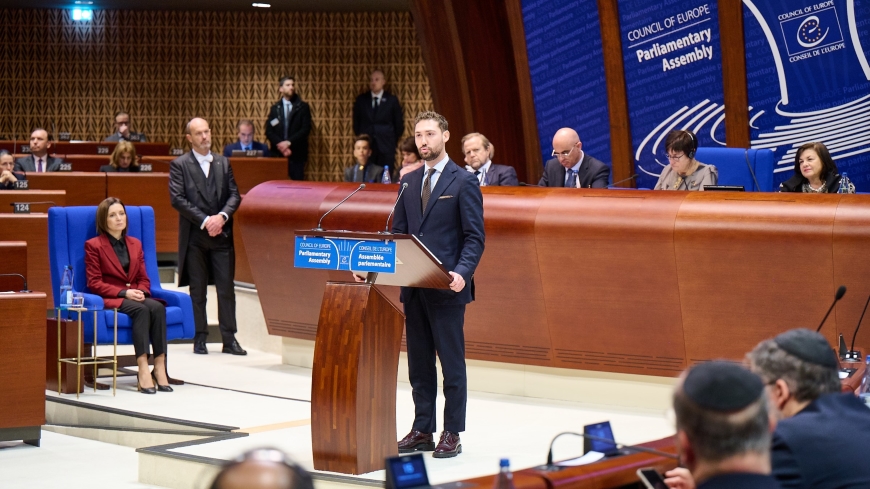
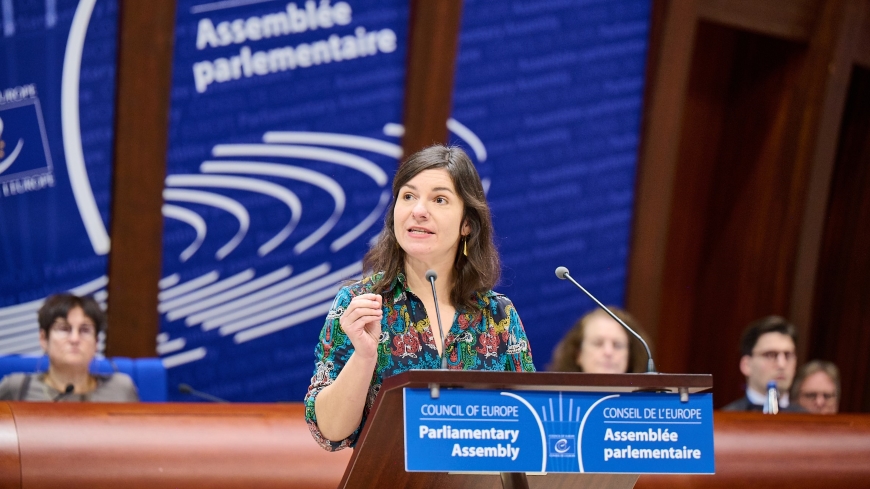
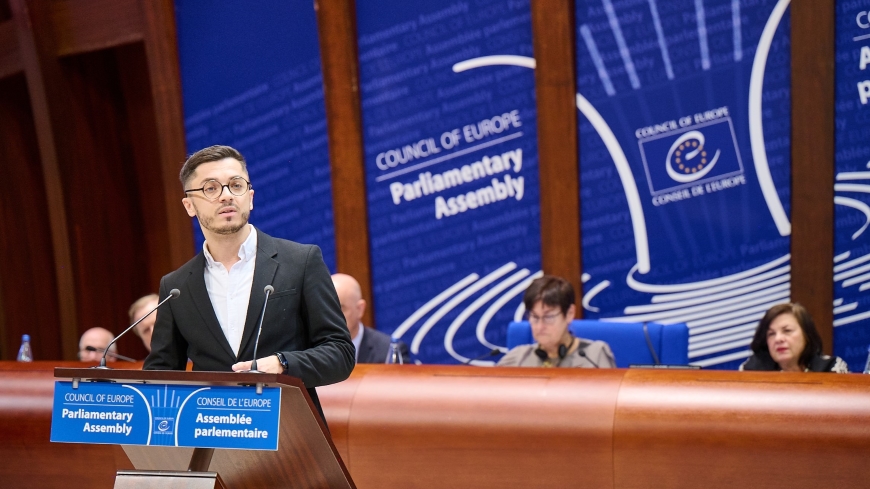
«El Consejo de Europa se encuentra a menos de una hora del campo de Natzweiler-Struthof. Sin embargo, representa todo lo que el Holocausto intentó destruir. El Consejo de Europa es un proyecto de paz construido sobre una promesa solemne: nunca más. Una paz basada en los derechos humanos, la democracia y el Estado de derecho».
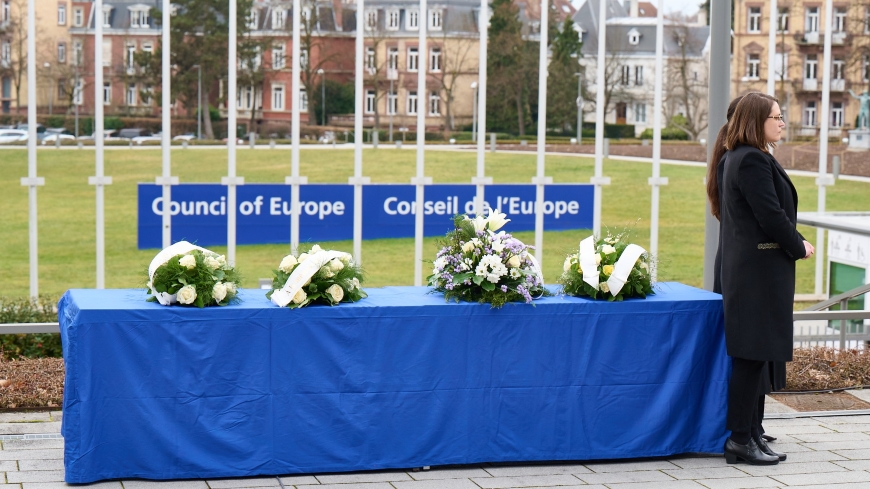
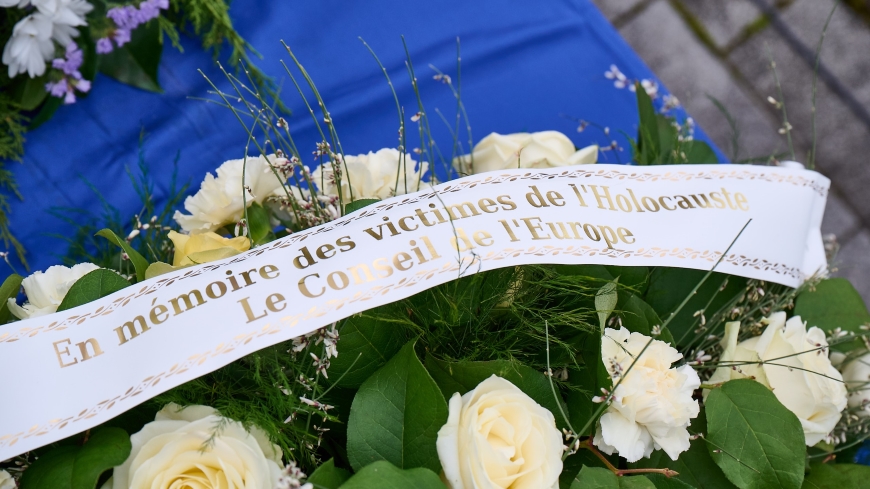
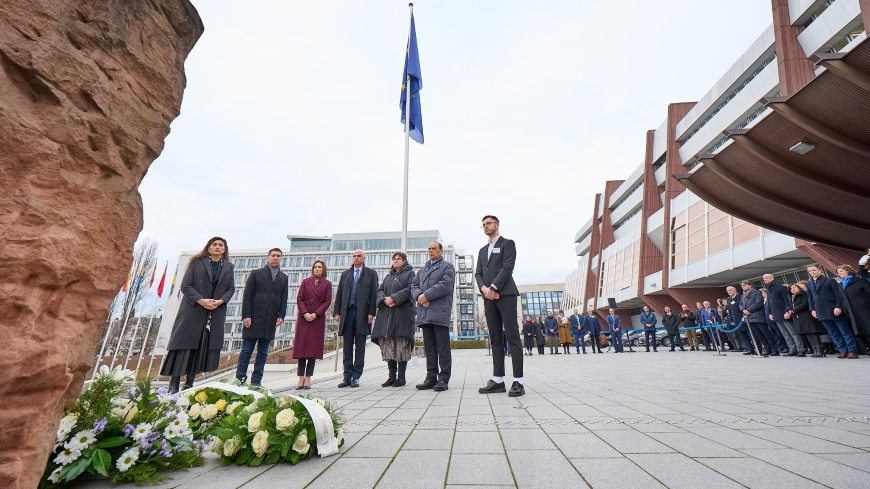
Estas fueron las palabras del secretario general Alain Berset, frente a la estela conmemorativa situada en la explanada del Palacio de Europa, donde se depositaron coronas de flores en honor a las víctimas del Holocausto durante la ceremonia que marcó el Día Internacional en Memoria de las Víctimas del Holocausto.
«Como dijo Simone Veil aquí, en el Consejo de Europa: “La Shoah ne devait avoir ni témoin ni histoire” (La Shoah estaba concebida para no dejar ni testigos ni historia). El Holocausto no debía dejar testigos ni rastro en la historia. Con la conciencia de que la era de los testigos llegaría algún día a su fin, subrayó la importancia de reflexionar sobre cómo se enseñaría el Holocausto en el futuro. Ahora nos corresponde a nosotros asumir esa responsabilidad.
Debemos ayudar a las generaciones más jóvenes a comprender cómo una sociedad puede derivar hacia niveles tan profundos de inhumanidad. Y darles las herramientas para resistir la desinformación, la negación y la manipulación de la historia. El antisemitismo no terminó en 1945. Ni tampoco el odio que persigue a las personas por su fe.
La memoria del Holocausto es un rechazo a toda forma de intolerancia religiosa, aquí y ahora», remató el secretario general. (Leer más...)
 Read the Secretary General's speech in full
 PACE news: PACE remembers the victims of the Holocaust, and reflects on its lessons for today