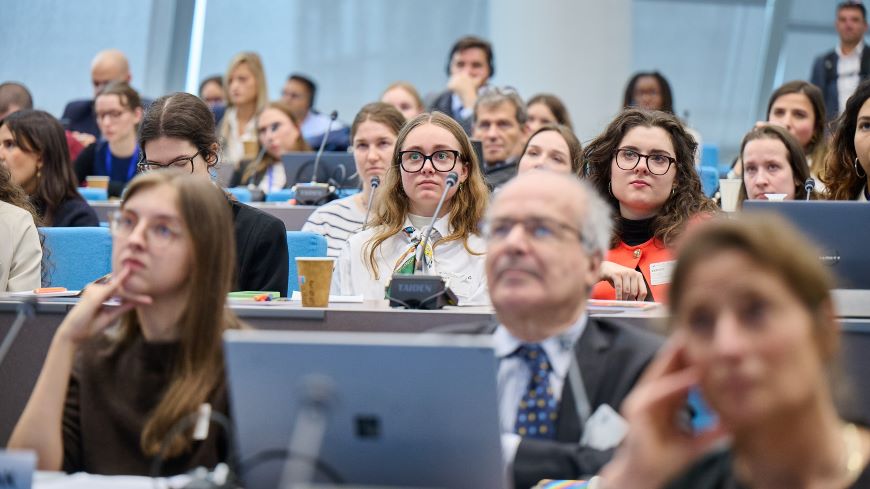
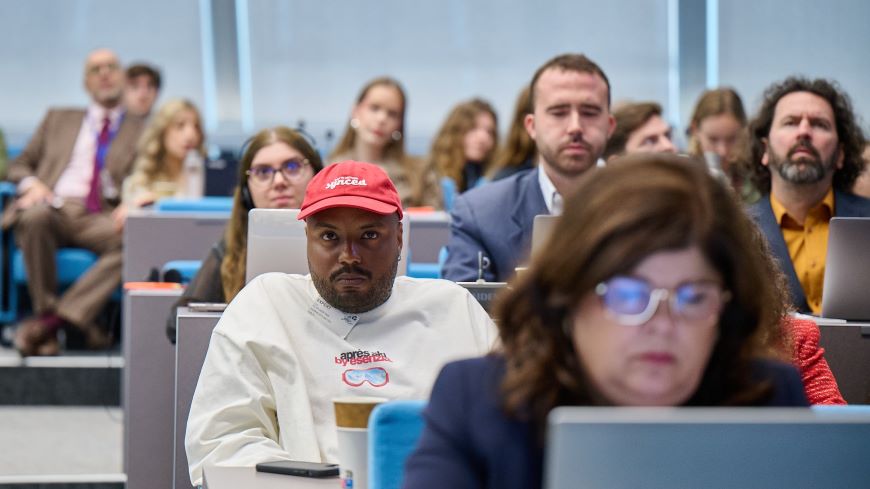
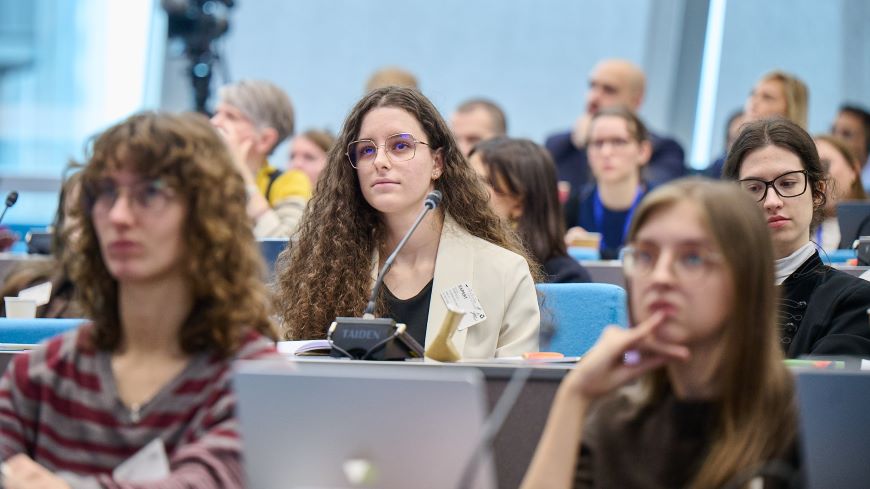
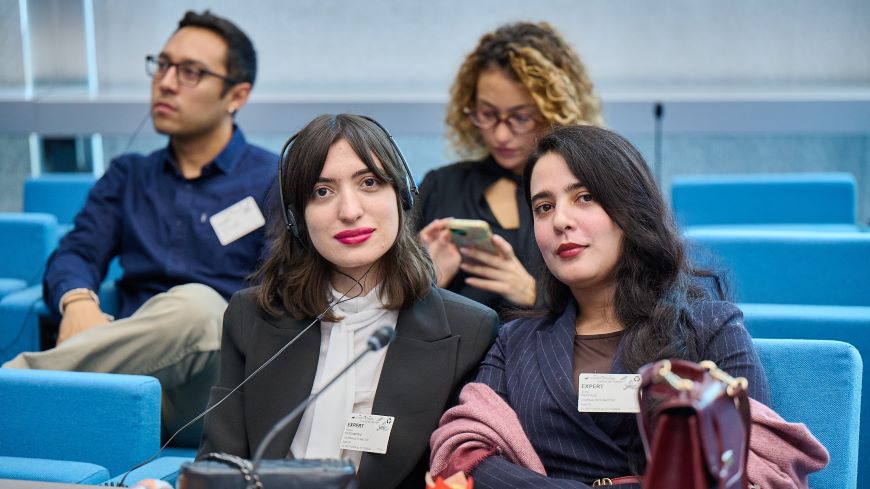
How can we distinguish verified information from misleading content in the age of social media, algorithms and artificial intelligence? What role do journalists play in safeguarding democracy? And how can young people contribute to a more resilient society?
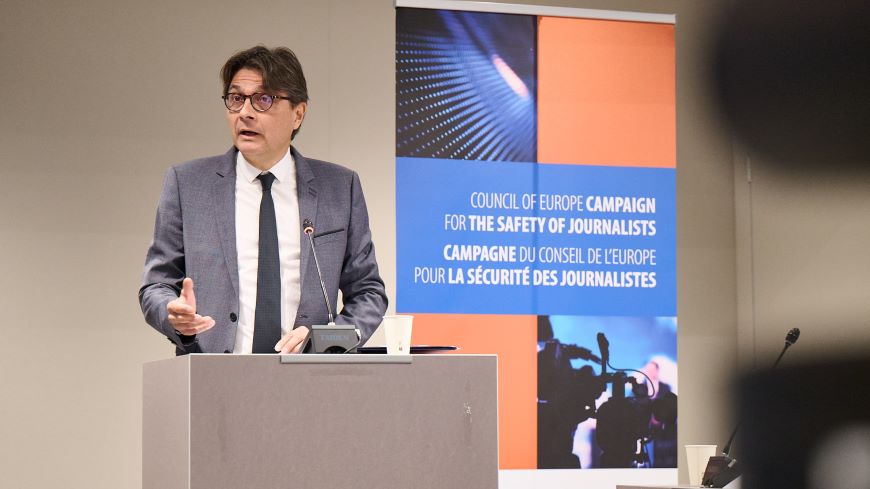
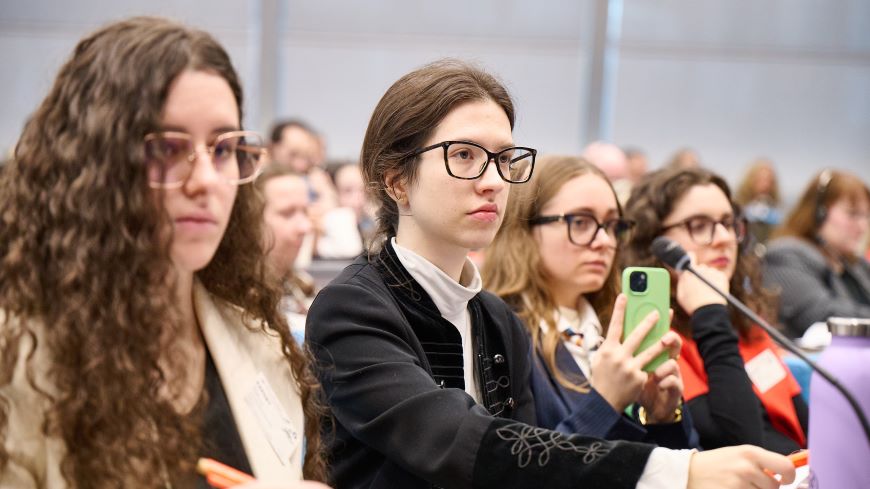
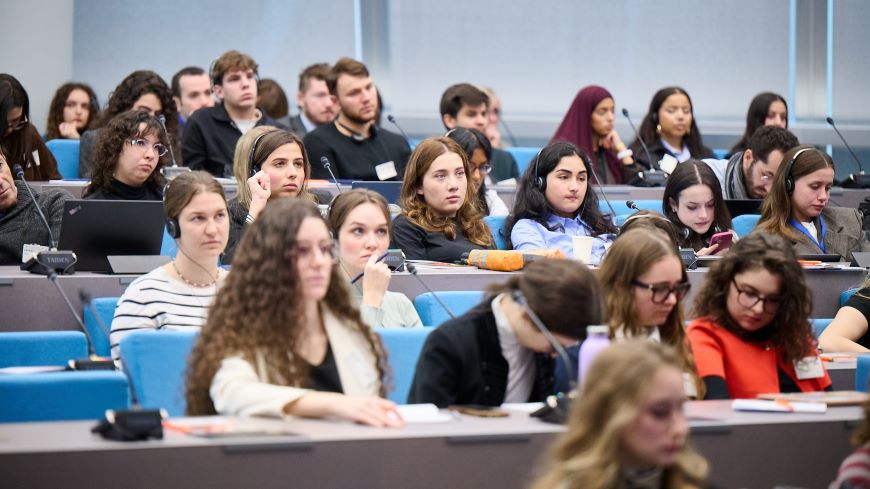
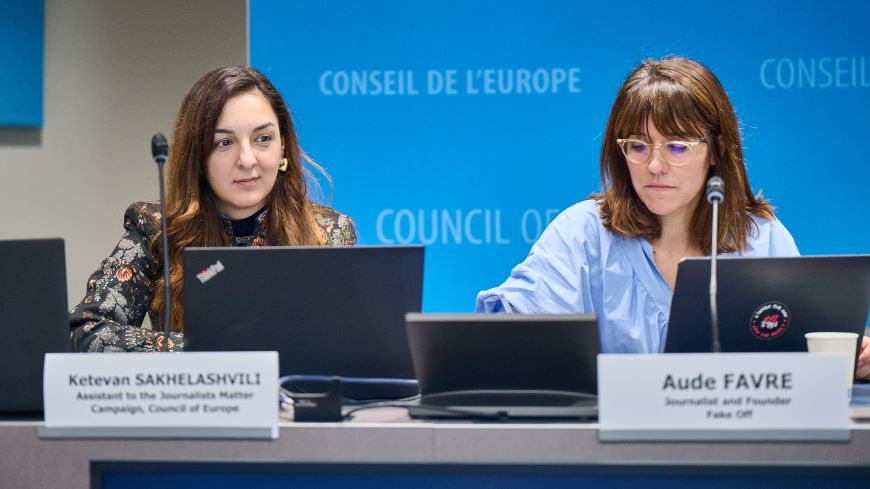
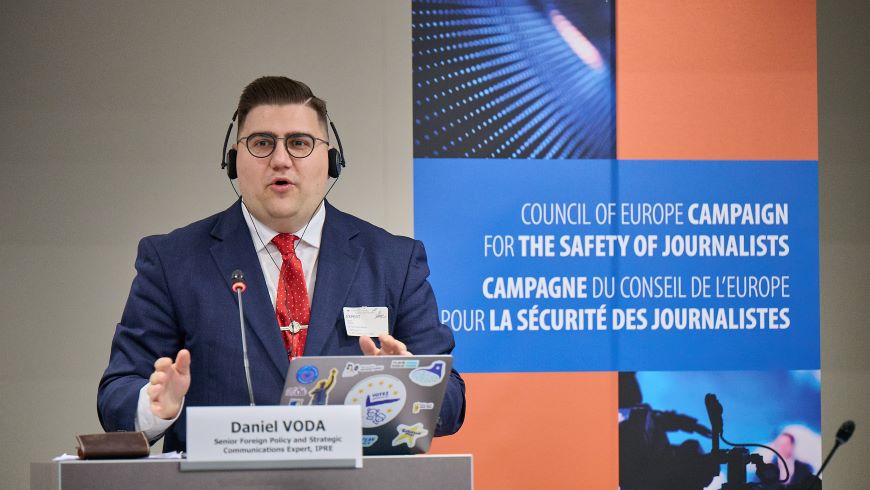
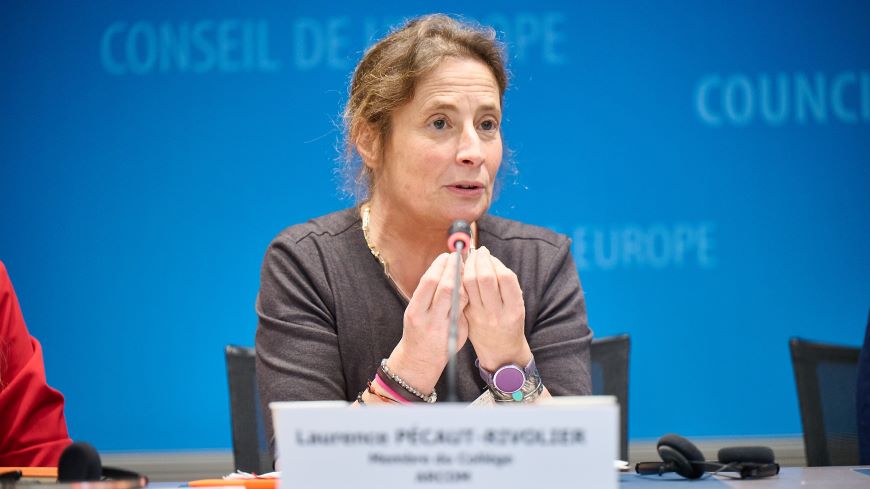
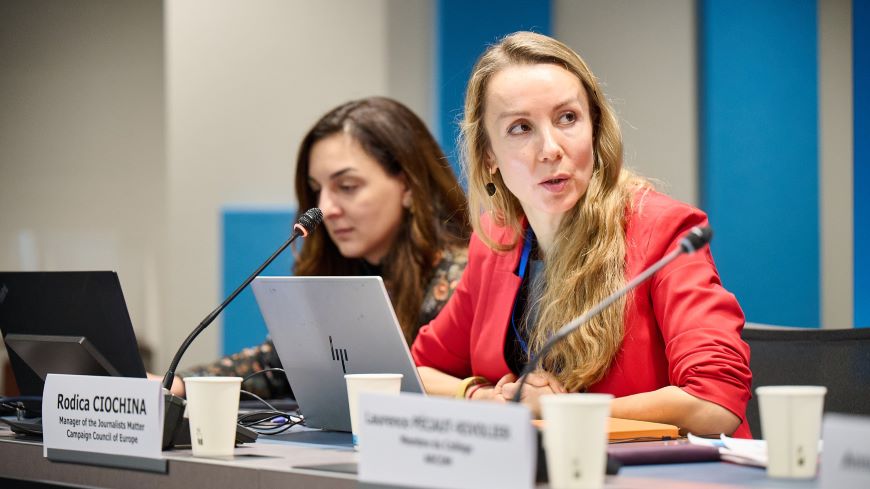
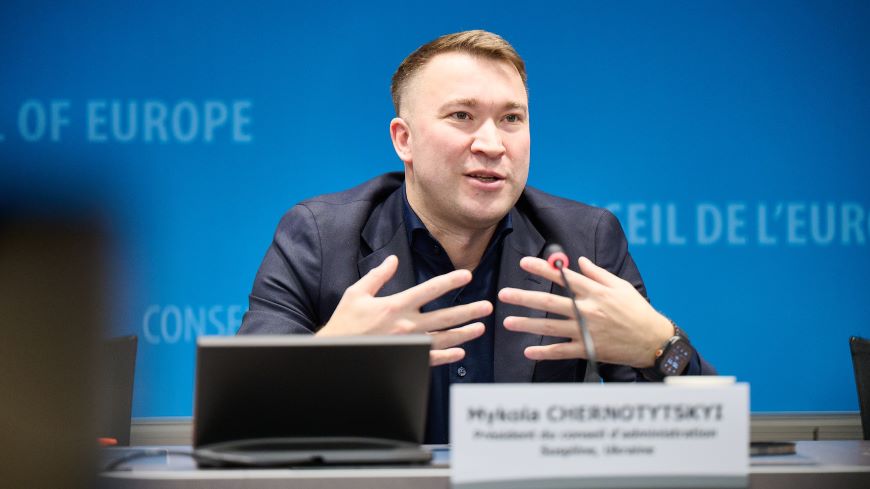
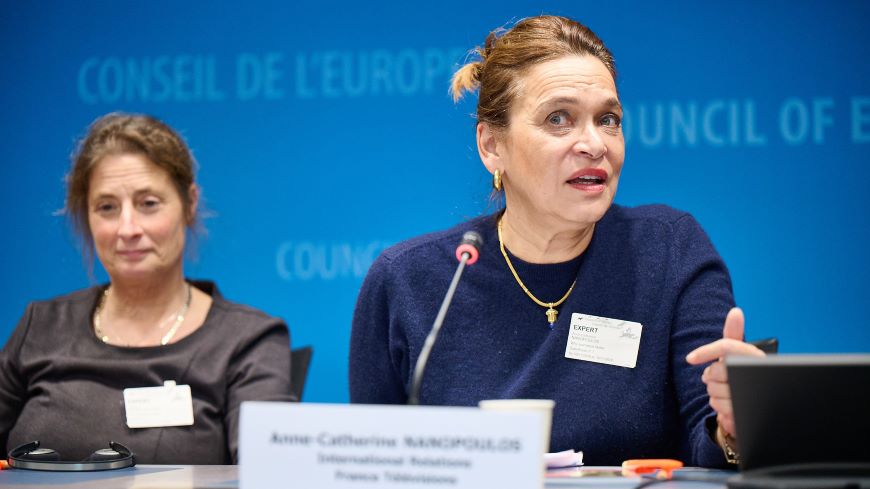
On 9 and 10 November the Council of Europe is bringing together in Strasbourg young people, journalists, social media actors, media experts and institutional representatives to discuss the challenges posed by disinformation and the vital role of journalism in democracy.
These questions lie at the heart of the initiative “Youth facing disinformation – Why journalists matter”, conducted under Monaco’s Presidency of the Committee of Ministers as part of the Council of Europe’s campaign for the safety of journalists, Journalists matter. The event, which is a contribution to the Council of Europe New Democratic Pact for Europe, aims to strengthen dialogue between young people and information professionals, promote media literacy and encourage the younger generation to support reliable sources and press freedom.
Two days of dialogue and action
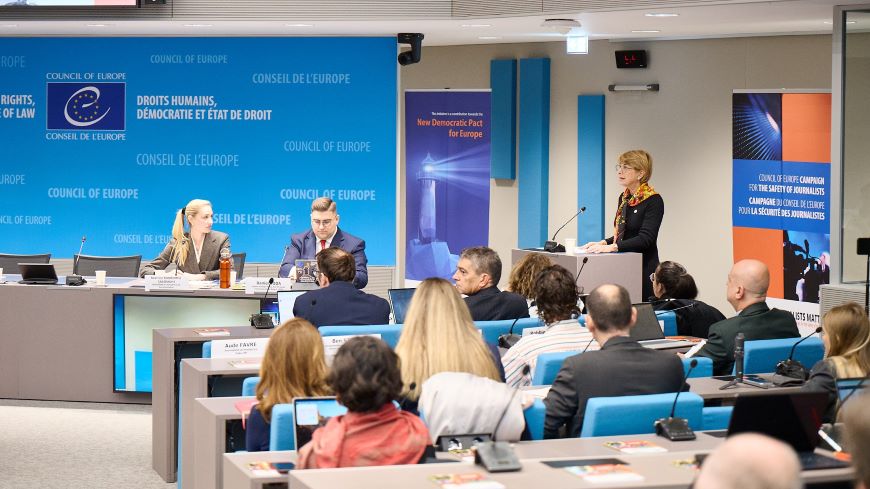
Several key issues are being addressed in the 9 November conference: disinformation and information manipulation, the transformation of journalism in the digital age, artificial intelligence and media literacy, and journalist safety and democratic resilience.
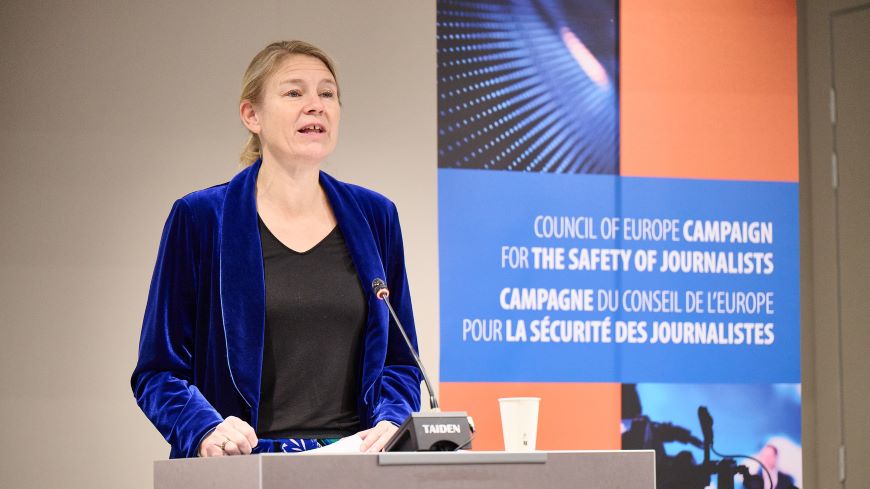
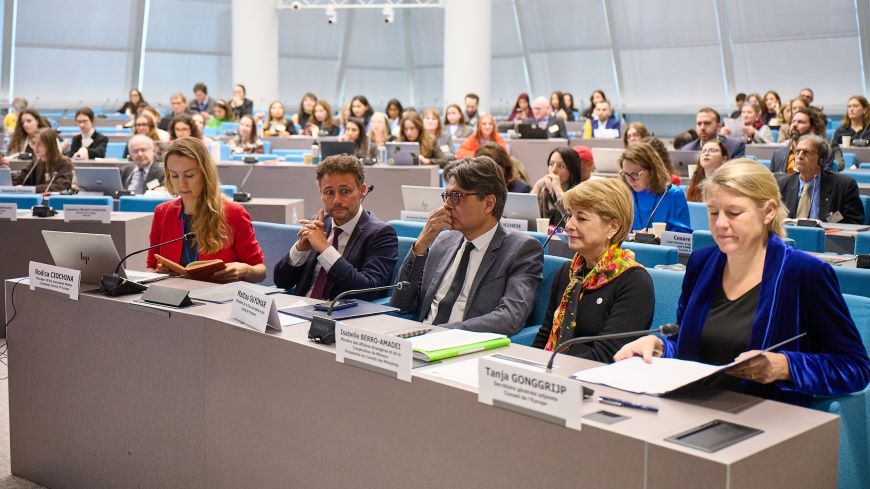
Speaking at the opening, the Deputy Secretary General of the Council of Europe, Tanja Gonggrijp, said: “Democracy depends on informed choices, and that requires reliable, independent and pluralistic information. That is why journalists matter. Disinformation, meanwhile, can polarise societies, undermine trust and distort elections. Protecting journalists and strengthening citizens’ ability to recognise trustworthy information are two sides of the same democratic challenge.”
“At a time of democratic backsliding, we need more in-depth reporting, more verification and more context”, she said, while emphasising that this is a shared responsibility by governments, news organisations, digital platforms, and each individual, who should check sources and think critically before sharing content.
Distorted facts harm public debate
The Minister of Foreign Affairs and Cooperation of Monaco, President of the Council of Europe Committee of Ministers, Isabelle Berro-Amadeï, underlined that information is “all too often exploited, politicised or misrepresented. Yet public debate cannot be built on distorted facts or biased arguments. The polarisation of societies and xenophobia are phenomena that are very easy to stoke but particularly difficult to dispel once they have taken hold.”
Preventing and combating information manipulation calls for a collective response across our entire continent, she said. “We must give young people the means and the confidence they need to get involved, to defend their convictions responsibly and to make their own choices”, she added.
The president of the European Court of Human Rights, Mattias Guyomar, said that “in the times we are living in, characterised by increasing disinformation, the rise of ‘fake news’ and ‘alternative realities’”, journalists have a particular responsibility. “Access to accurate, objective and well-founded information is essential to the proper functioning of democracy.”
“In the face of threats to democracy and the rule of law, and through the cases brought before it, the Court has demonstrated that it can play its part. When it protects judges, NGOs, lawyers, whistleblowers and journalists, the Court protects not only individual rights but also, more broadly, the rule of law, pluralism and the proper functioning of democratic society”, he said.
On 10 November, several workshops at the Council of Europe’s European Youth Centre will allow participants to put their knowledge into practice through fact-checking exercises, simulations and discussions on journalists’ working conditions. The workshops also aim to develop critical thinking and produce recommendations for future action.
Putting young people’s voices centre stage
By bringing together young people from the Council of Europe’s 46 member states and professionals from a range of backgrounds, the initiative aims to generate practical proposals to better address the challenges of today’s information environment. Through this initiative, the Council of Europe is reaffirming the importance of an enabling environment for independent, high-quality journalism, and the need to empower young people to play an active role in defending information integrity and freedom of expression.
The young participants will also draw up a collective pledge setting out their views and proposals in support of quality journalism and democratic debate.
During the conference, the four youth-led projects to promote media literacy and combat disinformation that have been selected following a call for proposals were announced. Journalist, director and producer, Béatrice Borromeo Casiraghi, presented grants to the project leaders from European Youth Press, Fundación Maldita.es, the FactChecking Factory and a multimedia initiative on climate disinformation and quality journalism.
Béatrice Borromeo Casiraghi highlighted that “online noise is where disinformation thrives. When facts, opinions and deliberate manipulation become harder to distinguish, the very fabric of our democratic societies begins to unravel.” The individuals leading the technological revolution, she argued, are shaping a world where “accuracy comes second to engagement, and truth matters only when it attracts attention.” But there is another vision of the world, she said, based on the idea that “truth matters, that giving a voice to those who don’t have one, and holding the powerful to account, matters”.