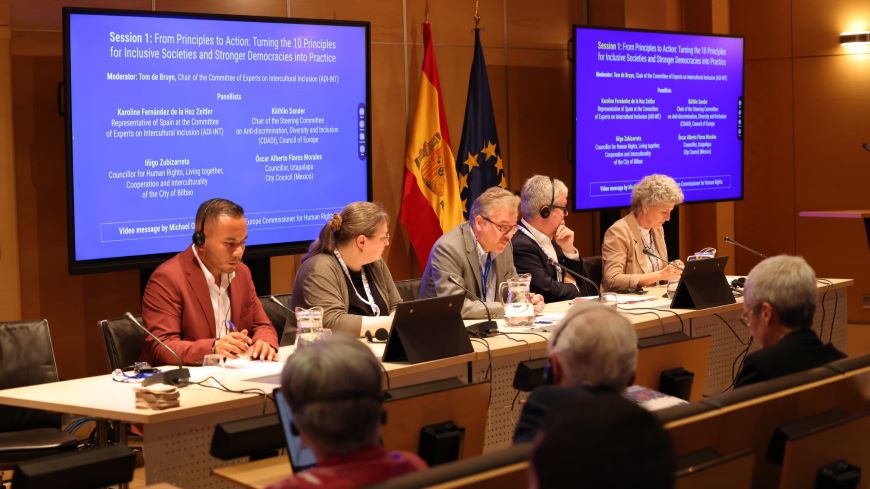
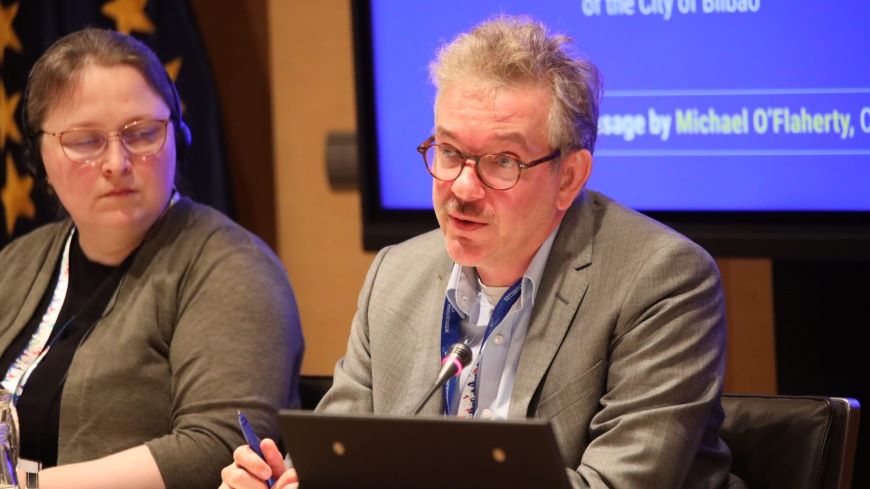
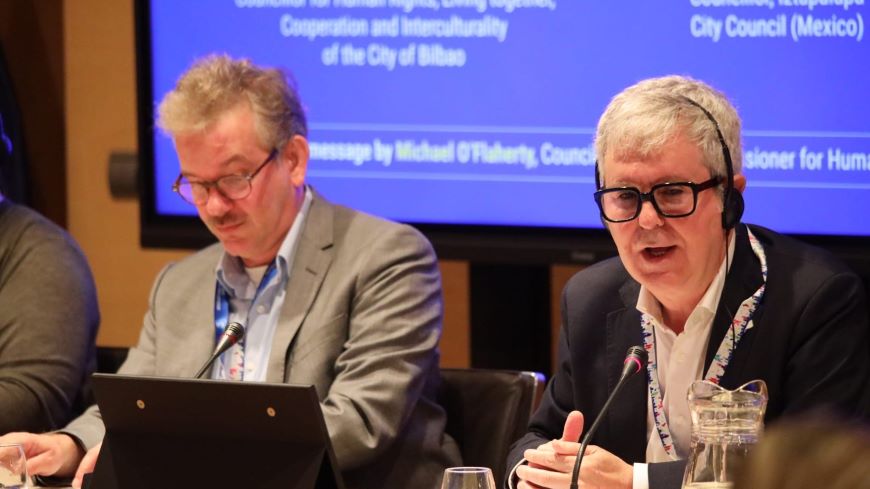
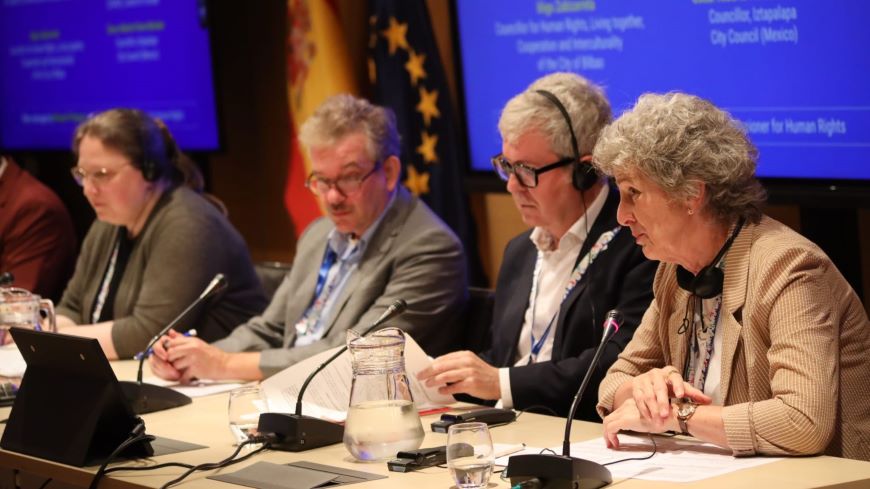
Intercultural inclusion is key to democracy because it strengthens trust, social cohesion, and democratic legitimacy, turning diversity into a driving force for dialogue, collaboration, and shared prosperity for the benefit of all.
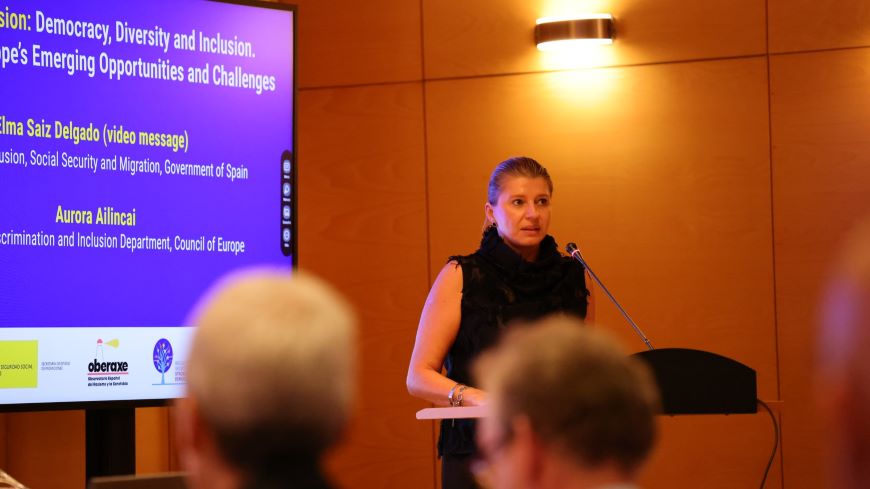
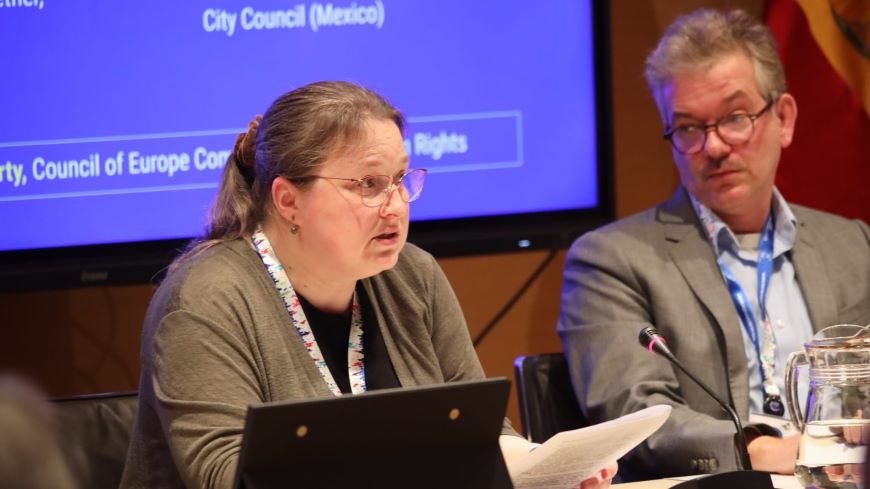
This was the core point of the “Inclusive societies, stronger democracies” event, which was held in Madrid on 15 October 2026. At the opening Aurora Ailincai, the head of the Anti-discrimination and inclusions department in the Council of Europe, underlined this proposition:
“The Council of Europe's Reykjavík commitments and the New Democratic Pact for Europe both point in the same direction: democratic resilience and security depend on people's ability to participate fully in society, to trust one another and to feel recognised as equal members of a shared community. Building inclusive societies is therefore not separate from strengthening democracy. It is part of its foundation.”
Ten principles for inclusive societies and stronger democracies
In the light of this, the Council of Europe’s Committee of experts on intercultural inclusion (ADI-INT) and Spain’s Observatory on racism and xenophobia (OBERAXE) have therefore developed and launched their Ten principles for inclusive societies and stronger democracies.
These principles aim to make intercultural inclusion easier to understand, apply and mainstream in everyday practice. Local, regional and national authorities, schools, businesses, academia, civil society, international organisations and indeed the wider public are invited to work together in turning these principles into reality and building stronger, more inclusive societies and democracies for the benefit of all. They are also a contribution to the New Democratic Pact for Europe.
One of the principles is: “We live together, free and equal”. In practical terms, this means equality, dignity and inclusion are essential to a democratic society, ensuring everyone is valued and can participate, thrive and contribute. Because people face different barriers and start from different circumstances, targeted measures are required to provide equal opportunities for all and strengthen social cohesion.
This leads directly to another principle: “We embrace diversity as a strength and an opportunity”, because recognising, respecting and embracing diversity helps create inclusive environments where everyone feels valued, belongs and can contribute, making society more prosperous, creative and fair. When institutions and public spaces reflect the people they serve, they gain legitimacy and strengthen a shared sense of representation and democratic belonging.
“We act against all forms of discrimination and hatred, in all spheres of life” is vital because discrimination and hatred harm people’s dignity, restrict participation and weaken the trust needed for a free and confident society. Preventing and confronting all forms of discrimination – including intersecting and institutional barriers – and providing effective support and safe reporting channels helps build a more secure, inclusive and resilient democracy.
The principles continue, addressing areas like making inclusion part of everyday life and building the skills for an inclusive society, and should be treated as a holistic approach to the issue in modern Europe.