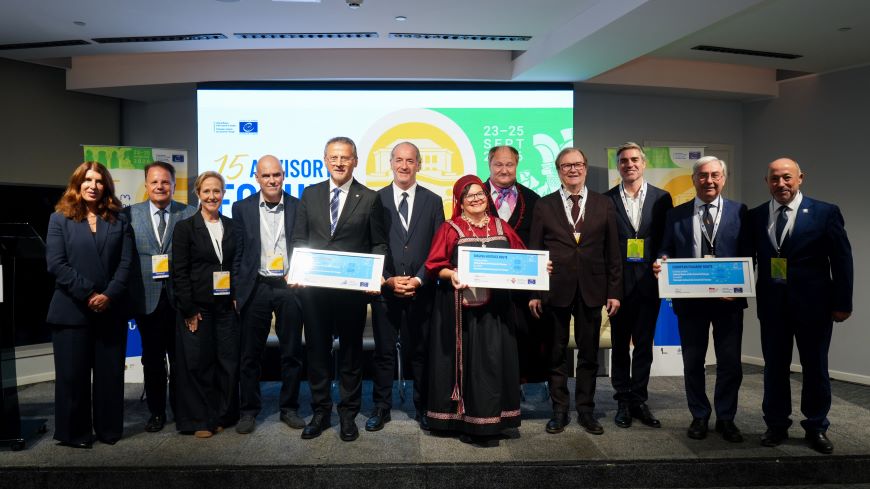
The Council of Europe has certified three new routes in 2026 as part of its cultural routes programme. The themes of these are the musician Niccolò Paganini, traditional singing practices in the north of Europe, and the travels of medieval merchant Pietro Querini.
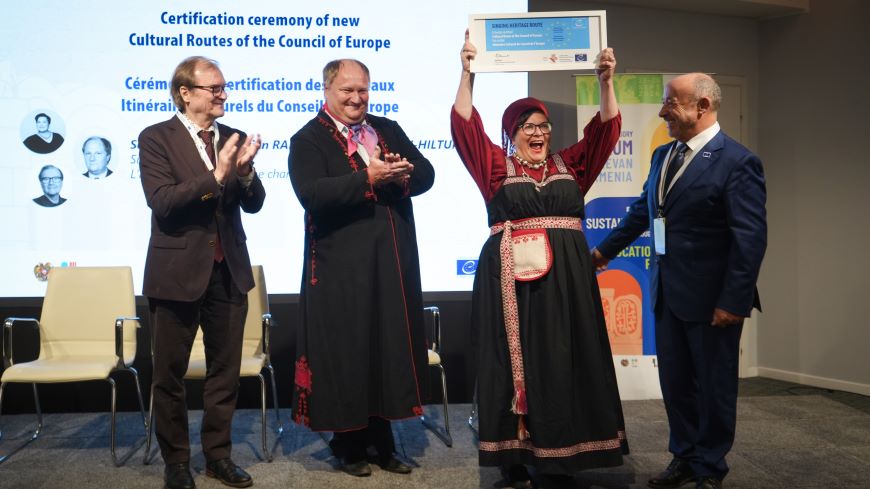
The certification took place at the 15h Advisory Forum on Cultural Routes of the Council of Europe, themed “Routes through time and cultures: education for sustainable heritage”, which is taking place in Yerevan from 22–25 September.
Co-organised by the Enlarged Partial Agreement on Cultural Routes of the Council of Europe and the Ministry of Education, Science, Culture and Sport of the Republic of Armenia, it has featured discussions, workshops, a ceremony for the Cultural Routes receiving certification in 2026 and awards for inspiring heritage education practices. Around 300 participants explored how education and culture support societal development, sustainable development and shared values.
Three newly certified Cultural Routes of the Council of Europe
The European Paganini Route, the Singing Heritage Route and Via Querinissima are the new Cultural Routes in 2026:
The European Paganini Route highlights the legacy of Niccolò Paganini (1782–1840), the famous Genovese violinist. It aims to recognise Paganini's cultural importance and contribute to intercultural dialogue based on music. The network brings together public and private organisations, conservatories, music academies, universities, and municipalities.
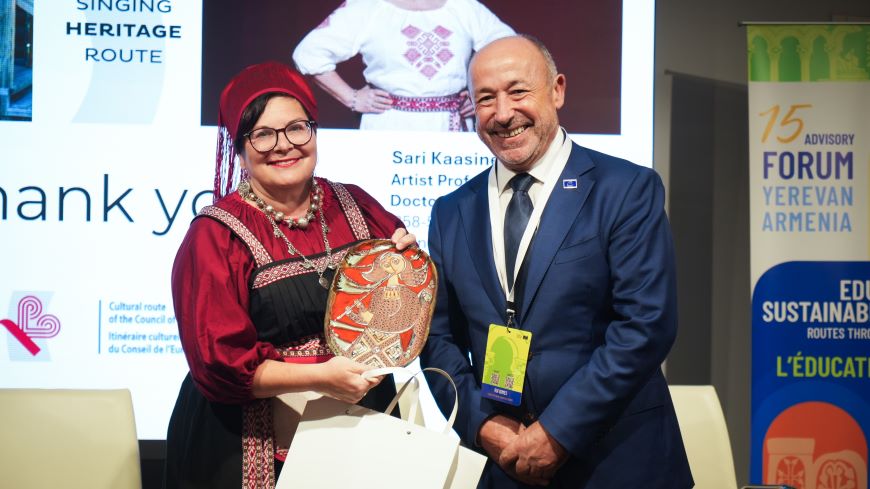
The Singing Heritage Route connects traditional community singing practices in Norway, Finland, Estonia, Latvia, and Lithuania. These traditions have historically contributed to the preservation of language, culture, and identity prior to the introduction of written language. It aims to support the preservation and transmission of these traditions through sustainable cultural tourism and regional development. It links relevant sites, including museums, archives, libraries, festivals, and traditional settlements, integrating both intangible and tangible heritage.
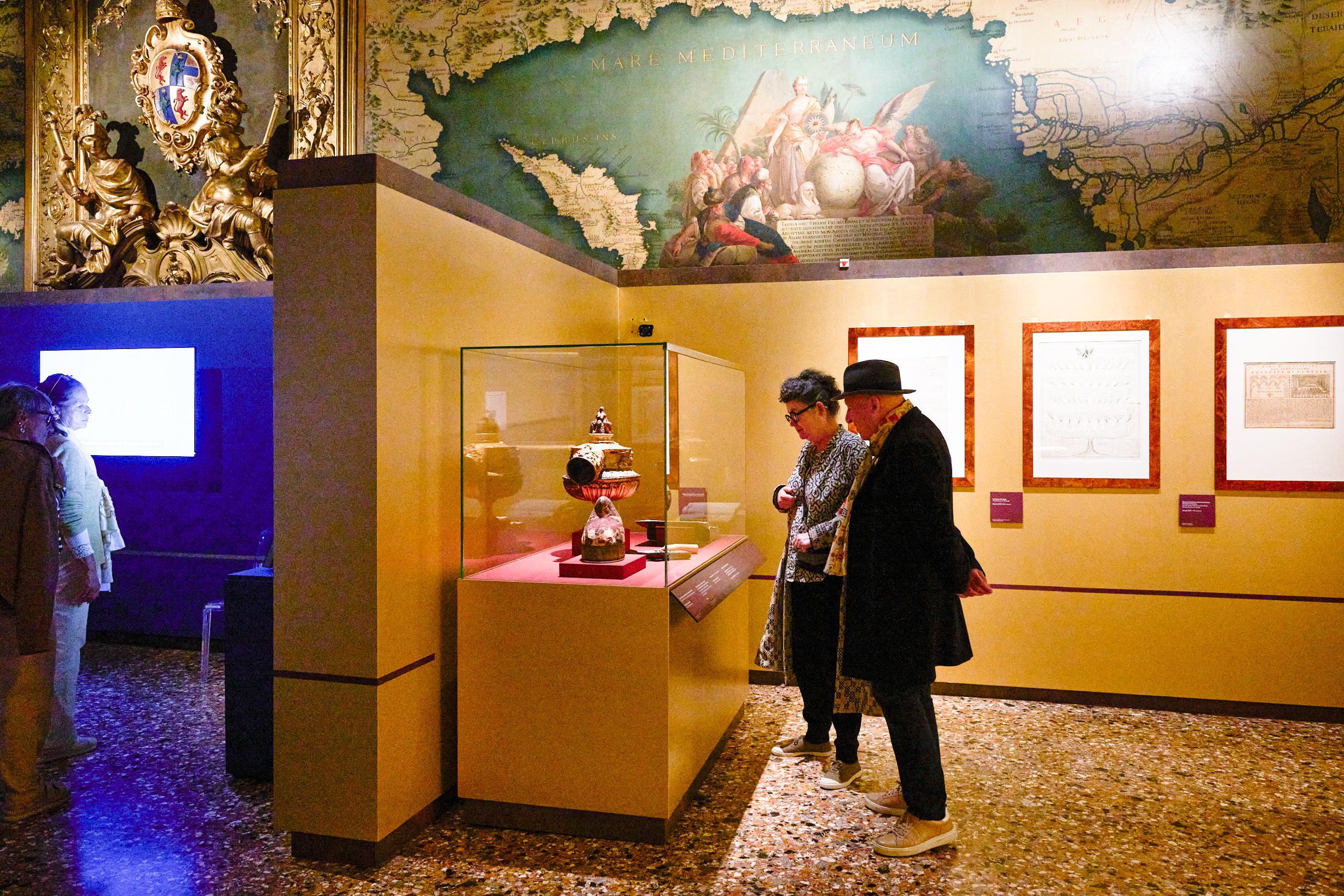
Via Querinissima retraces Venetian merchant Pietro Querini’s 1431 voyage from Crete to Bruges. After storms wrecked his ship, Querini and his crew reached Norway’s Lofoten Islands, where fishermen rescued and hosted them for months. His surviving accounts inspired cultural exchange between Northern and Southern Europe, highlighting hospitality, solidarity, knowledge and encounter.
Launched by the Council of Europe in 1987, the Cultural Routes are grassroots networks of historic sites links to specific themes. They act as channels for intercultural dialogue and promote a better knowledge and understanding of European history. In 2026, there are 52 Cultural Routes of the Council of Europe crossing more than 60 countries, the oldest being the Saint James Way, inaugurated in 1987.