We’re so used to seeing the 12 gold stars on the night blue background – on banknotes and numberplates, on driving licences and street signs, at protests, at song contests, and at golf tournaments – that we almost don’t see it anymore. It has become a part of our shared identity, transcending the diversity of the continent.
Yet how did the European flag come about?
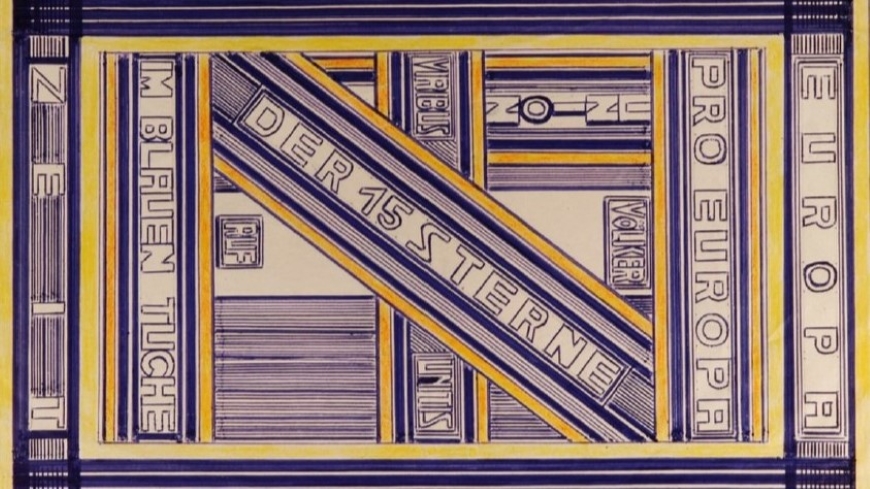
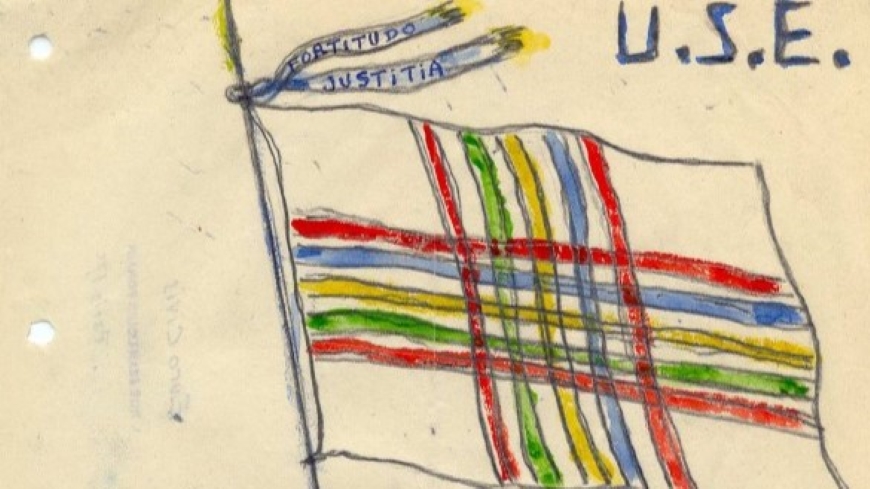
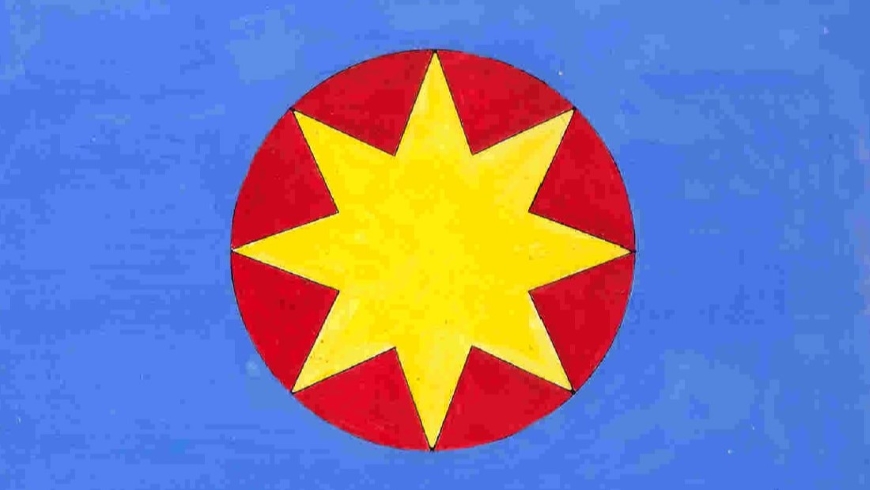
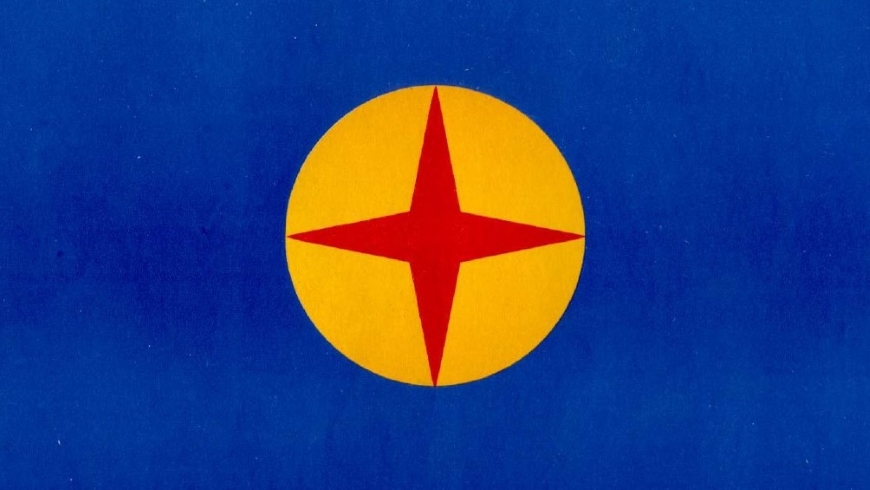
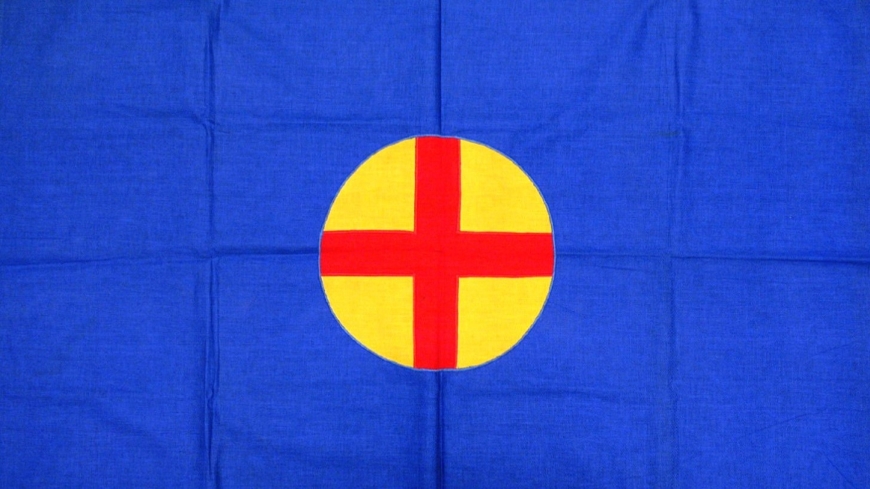
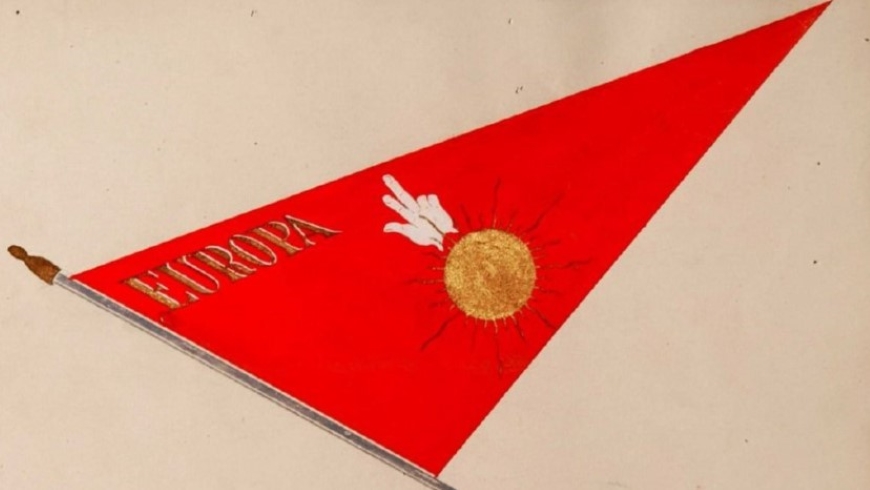
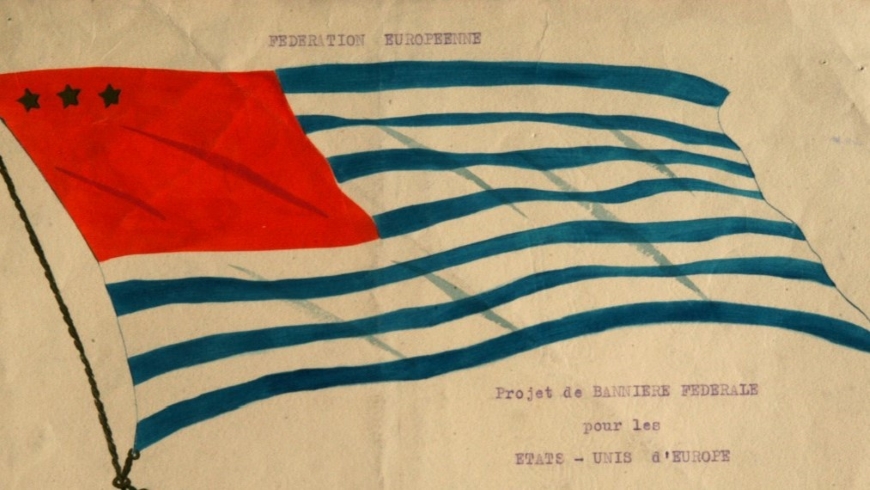
Back in the 1950s, with the old continent still in ruins from war and divided by communism, the young Council of Europe felt that a new flag was needed to symbolise Europe and Europeanism. A competition was launched. Scores of designs were received from the public (some of the rejected designs are in the gallery below this article) before eventually the now familiar yellow and blue banner was chosen.
The 12 stars are not an indication of member states: twelve was chosen as the number of perfect union and stability. The design is simple and easy to produce (vexillologists will tell you that a good flag should be able to be drawn by a child) and recognise.
The Council of Europe unveiled the flag on 9 December 1955. It has grown to become instantly identifiable, associated with the core values of the organisation. (It wasn’t until the 1980s that the flag was adopted by the other organisation that would become the European Union) .
 Read more about the flag of Europe
Design history of the European flag
 Watch: the making of the European flag