


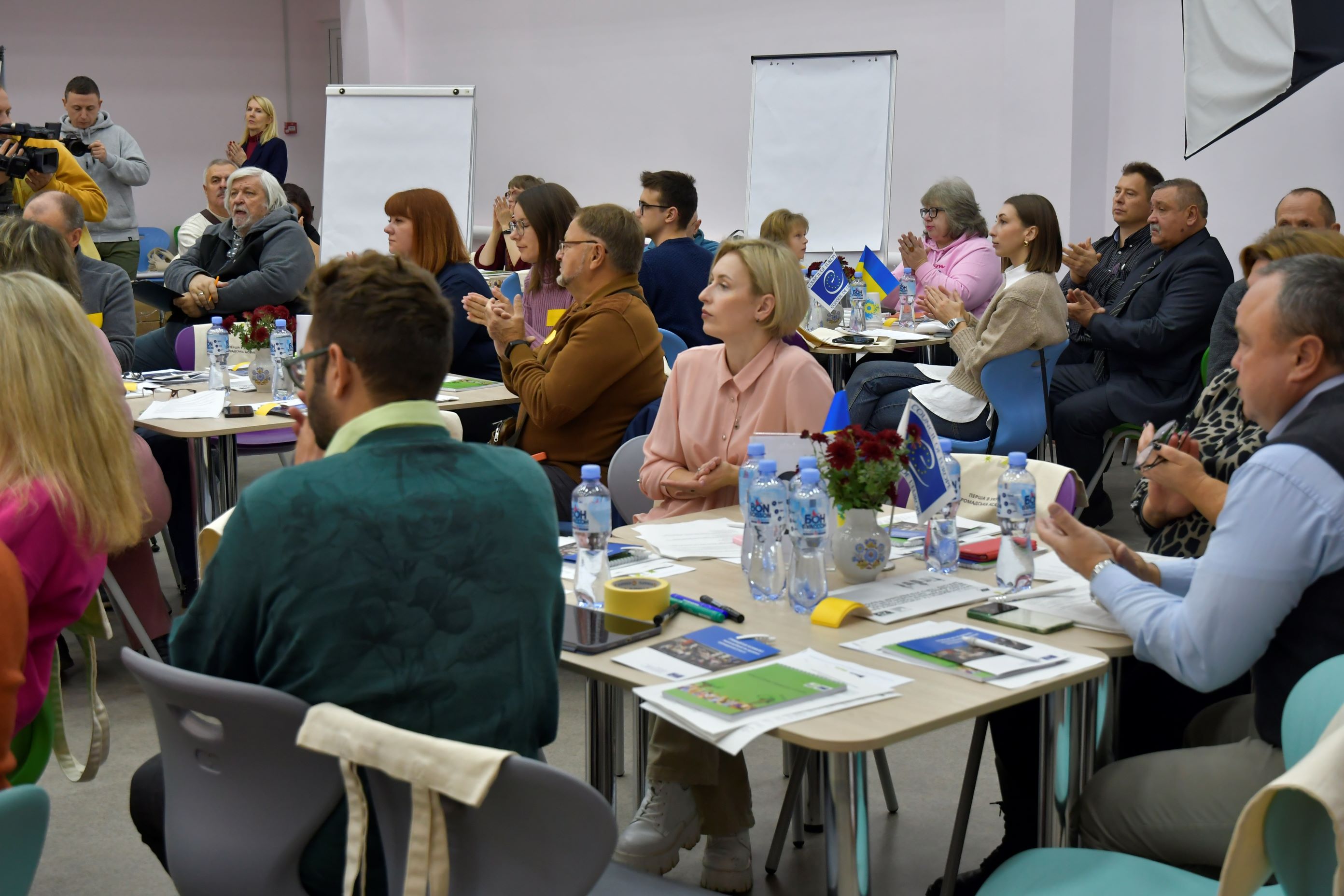
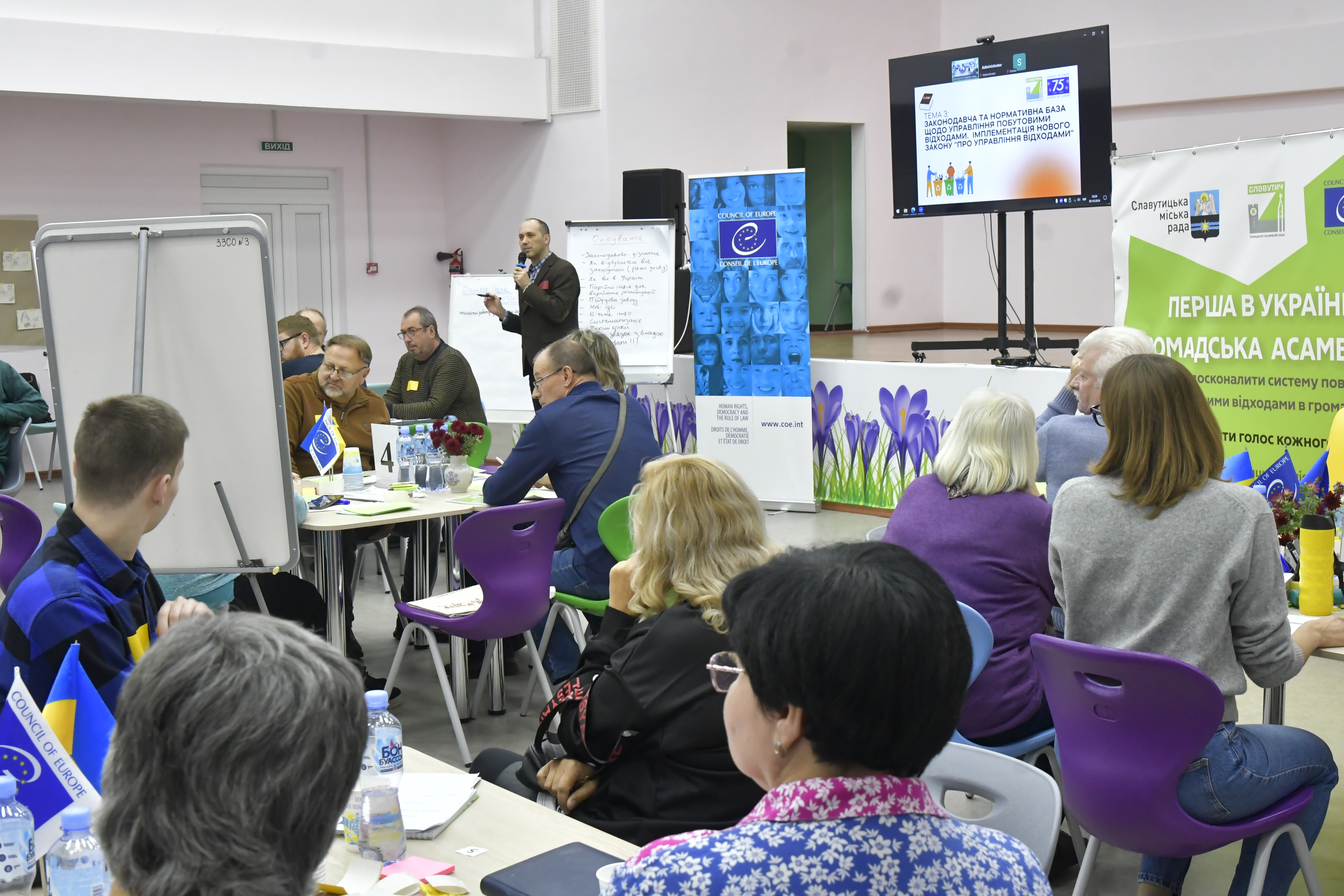
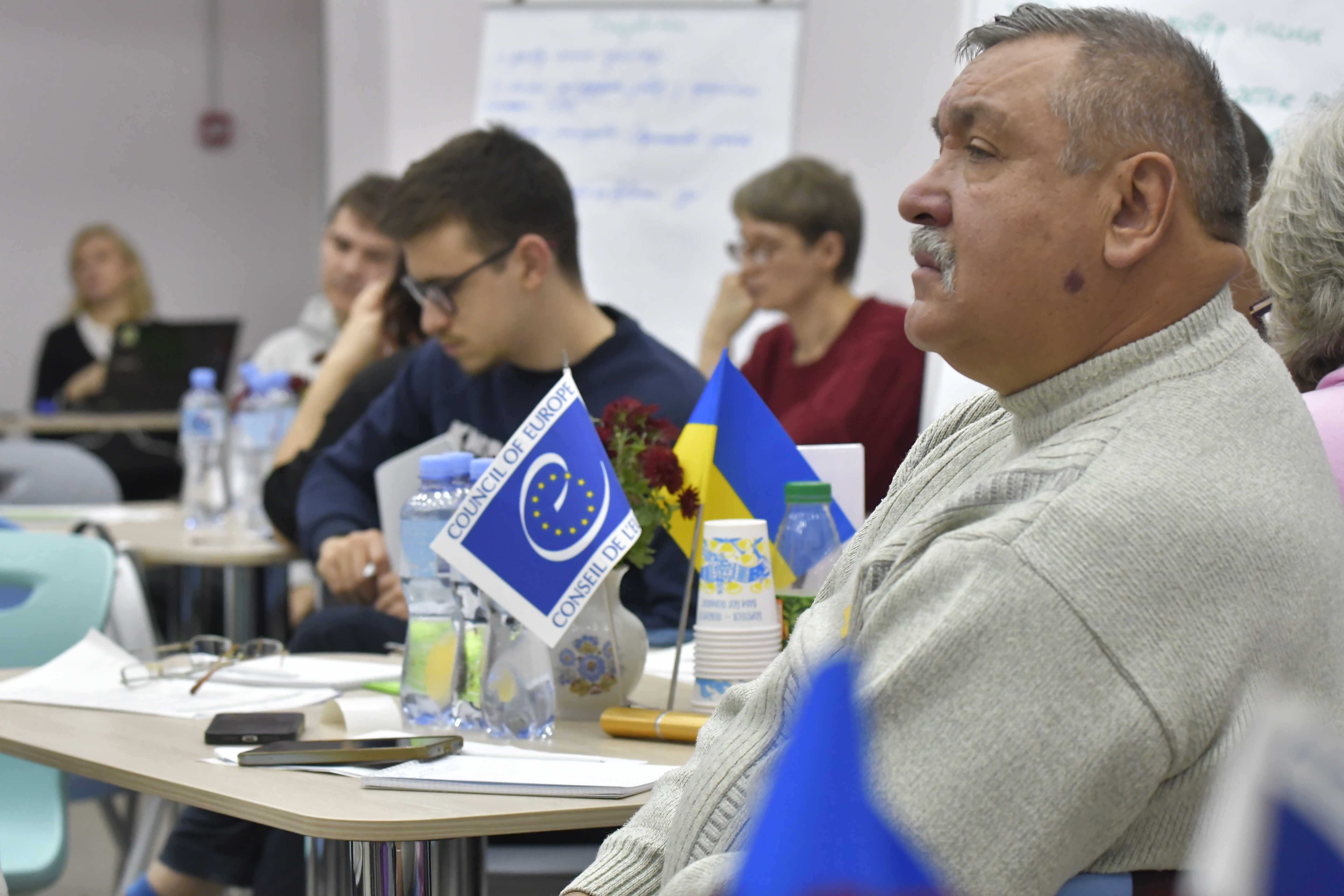
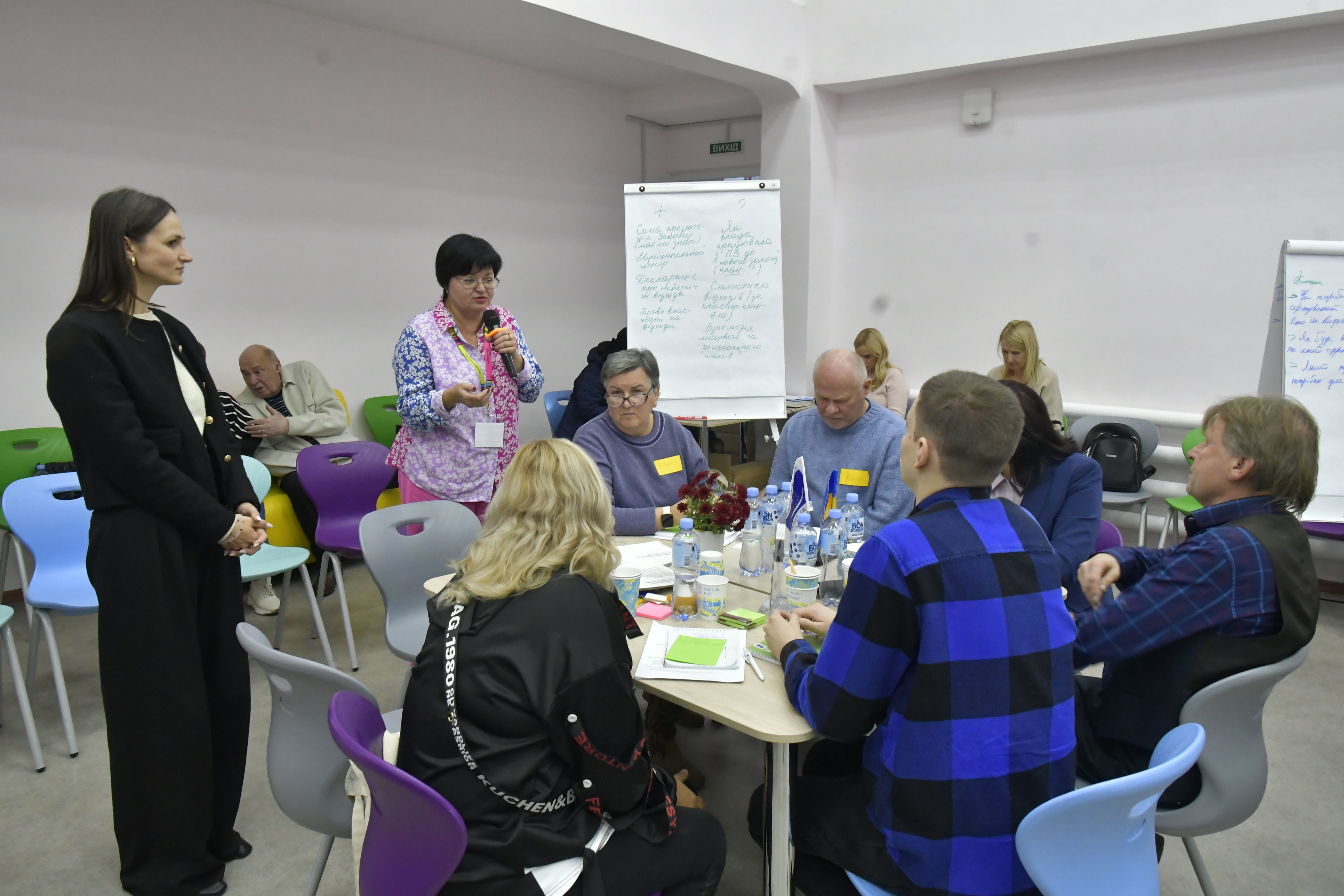
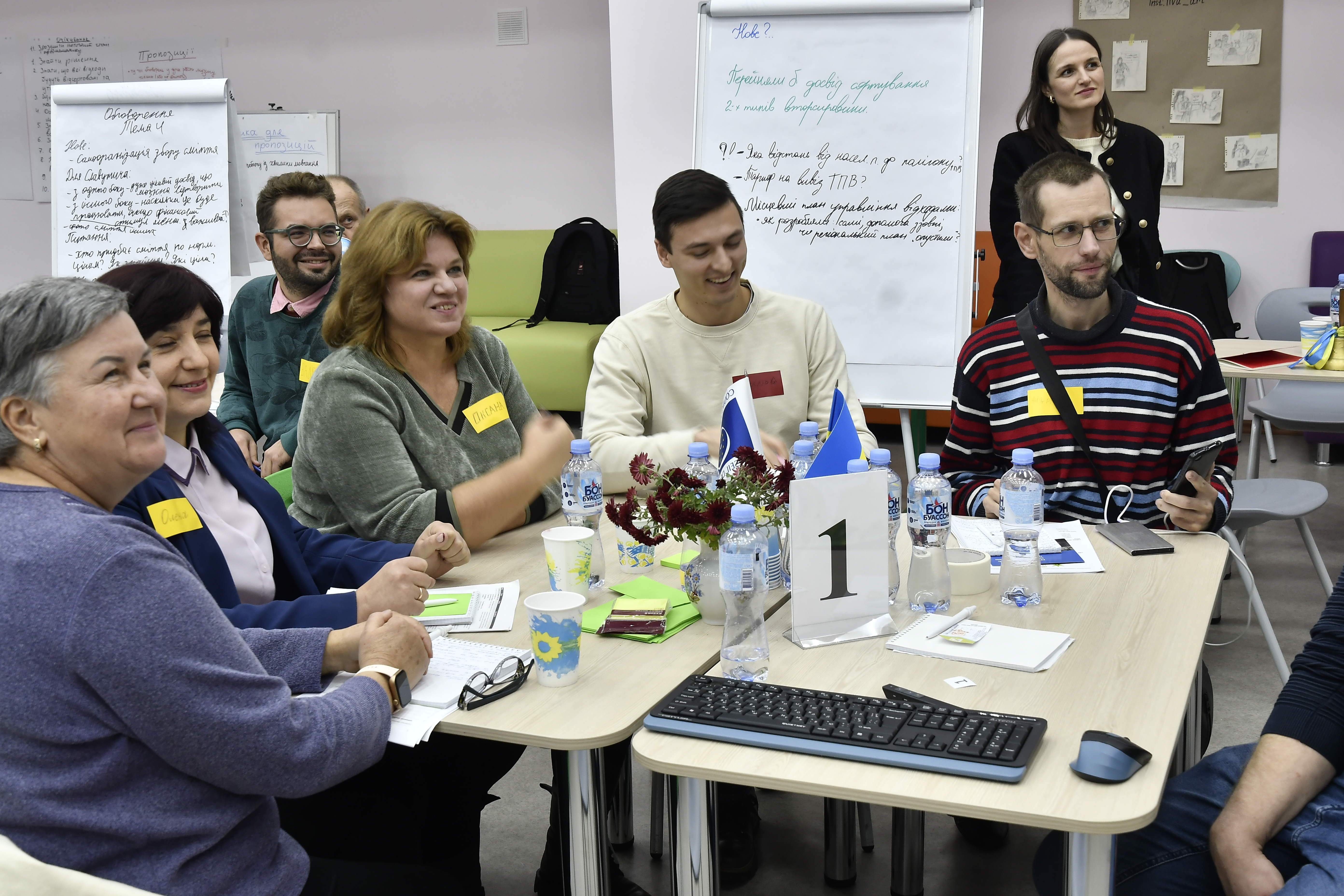
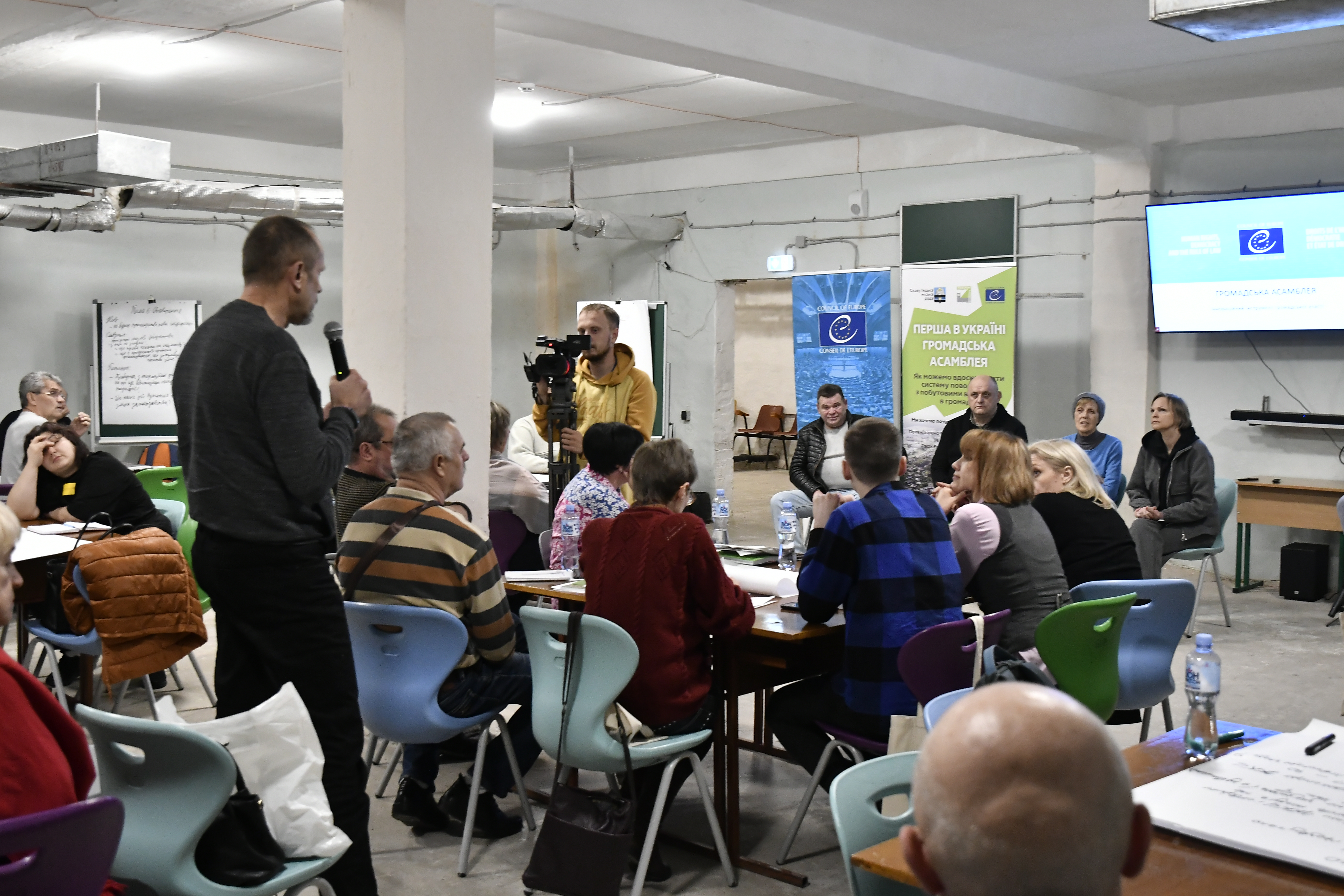
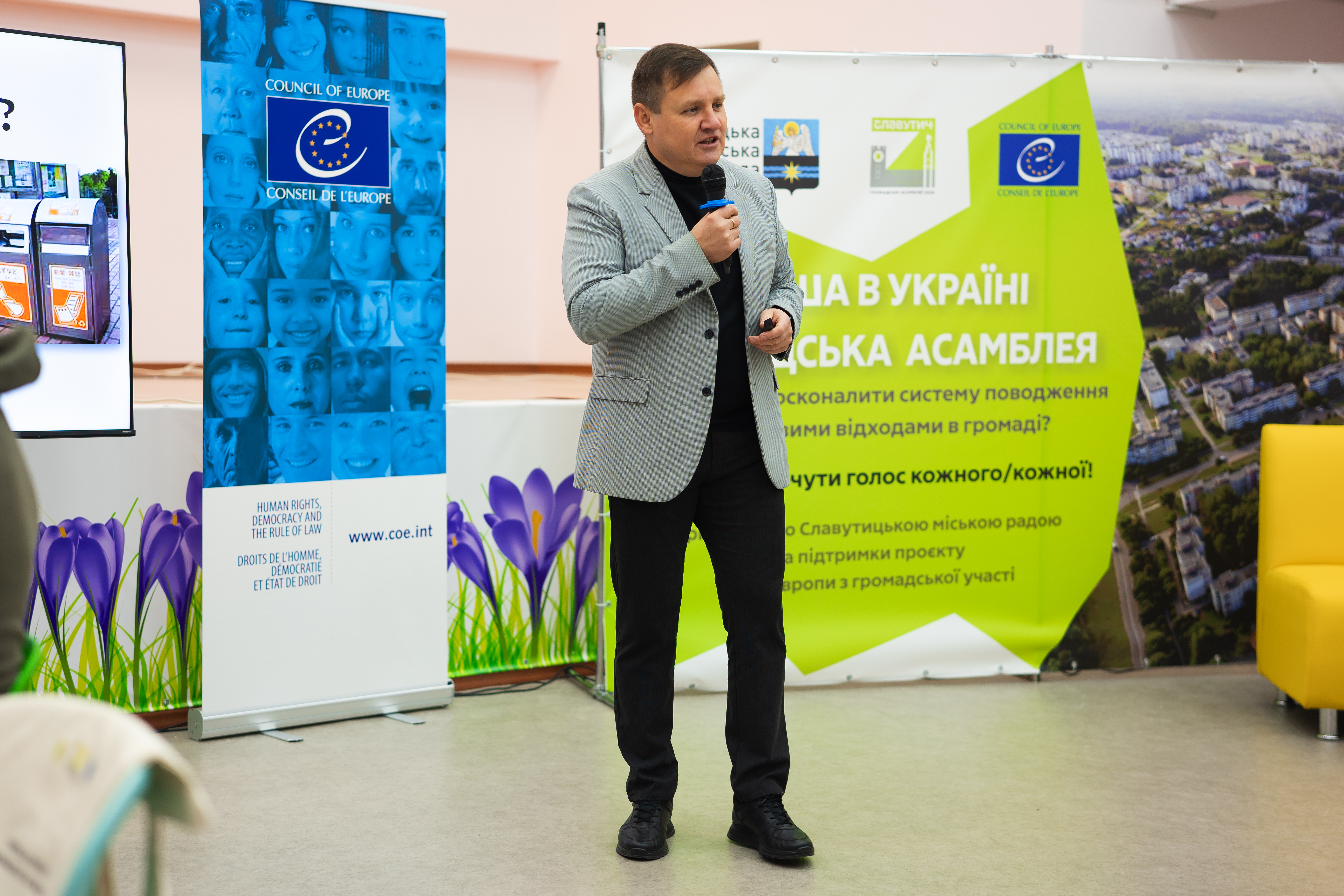
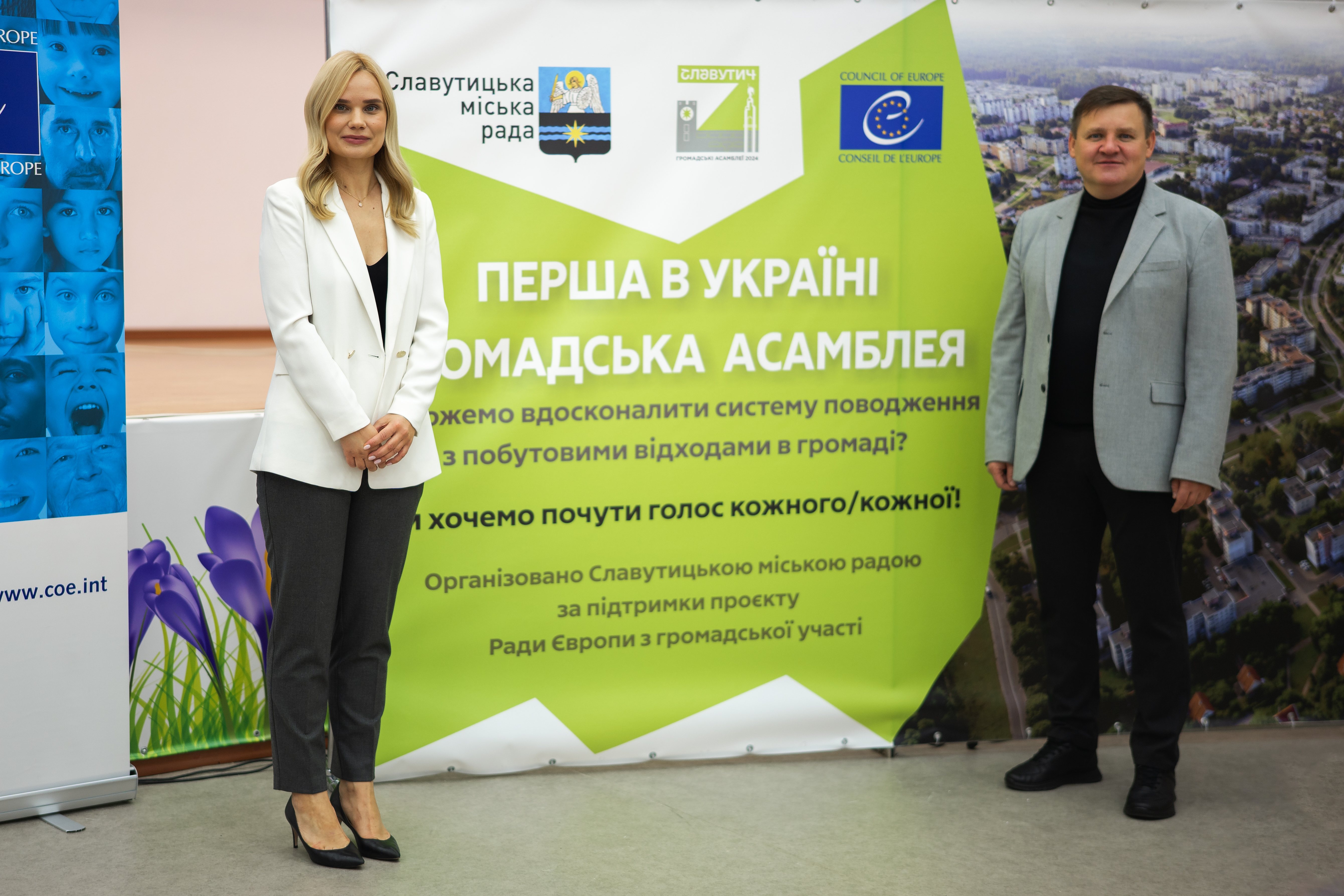
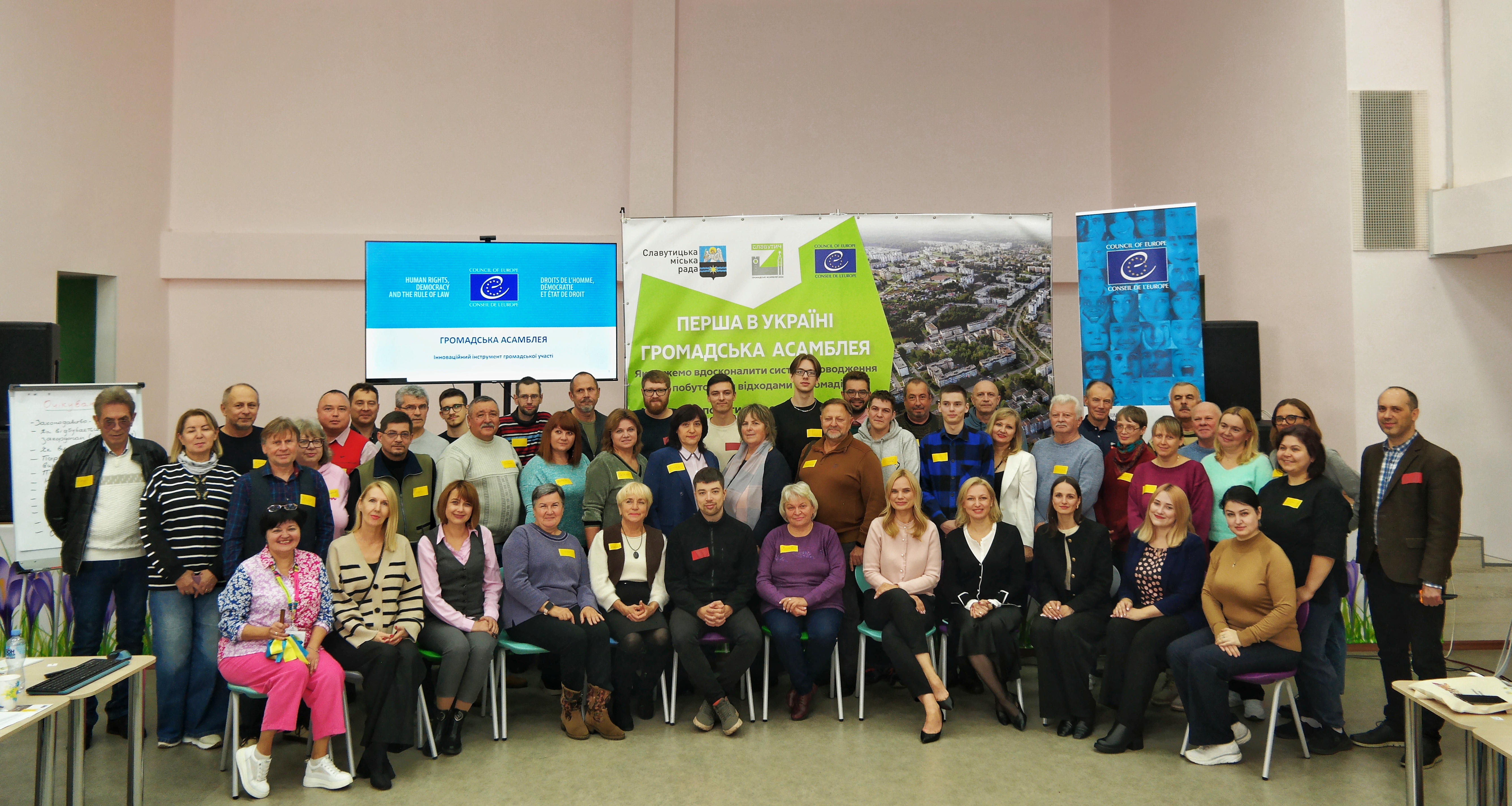
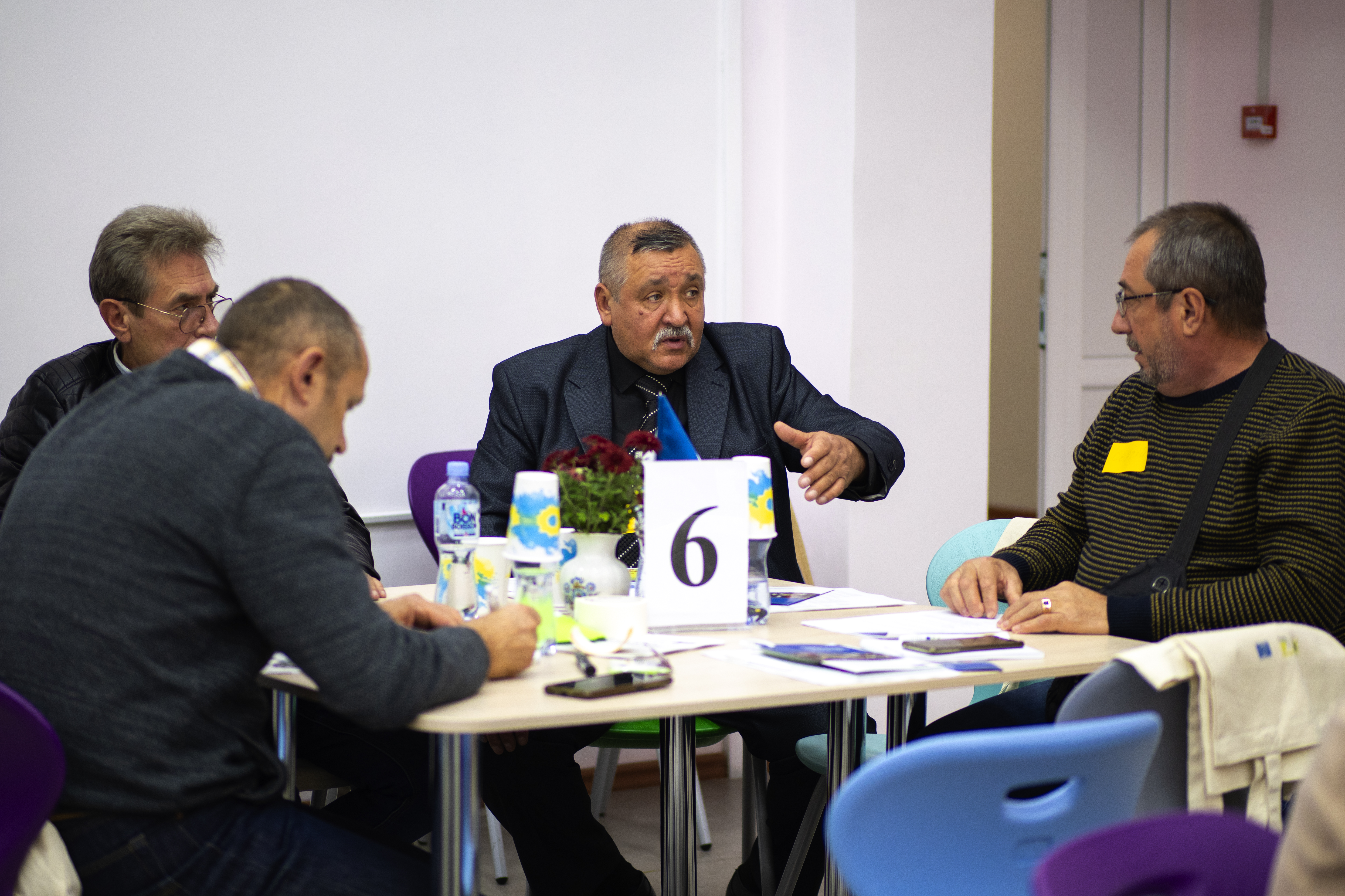
On 19-20 October, Slavutych became the next community to host Ukraine’s first Citizens’ Assembly. The Citizens' Assembly on the topic «How can we improve the household waste management system in our community?» was launched here. The event was organised by the Slavutych City Council with the expert, methodological and financial support of the Council of Europe project «Strengthening democratic resilience through civic participation during the war and in the post-war context in Ukraine».
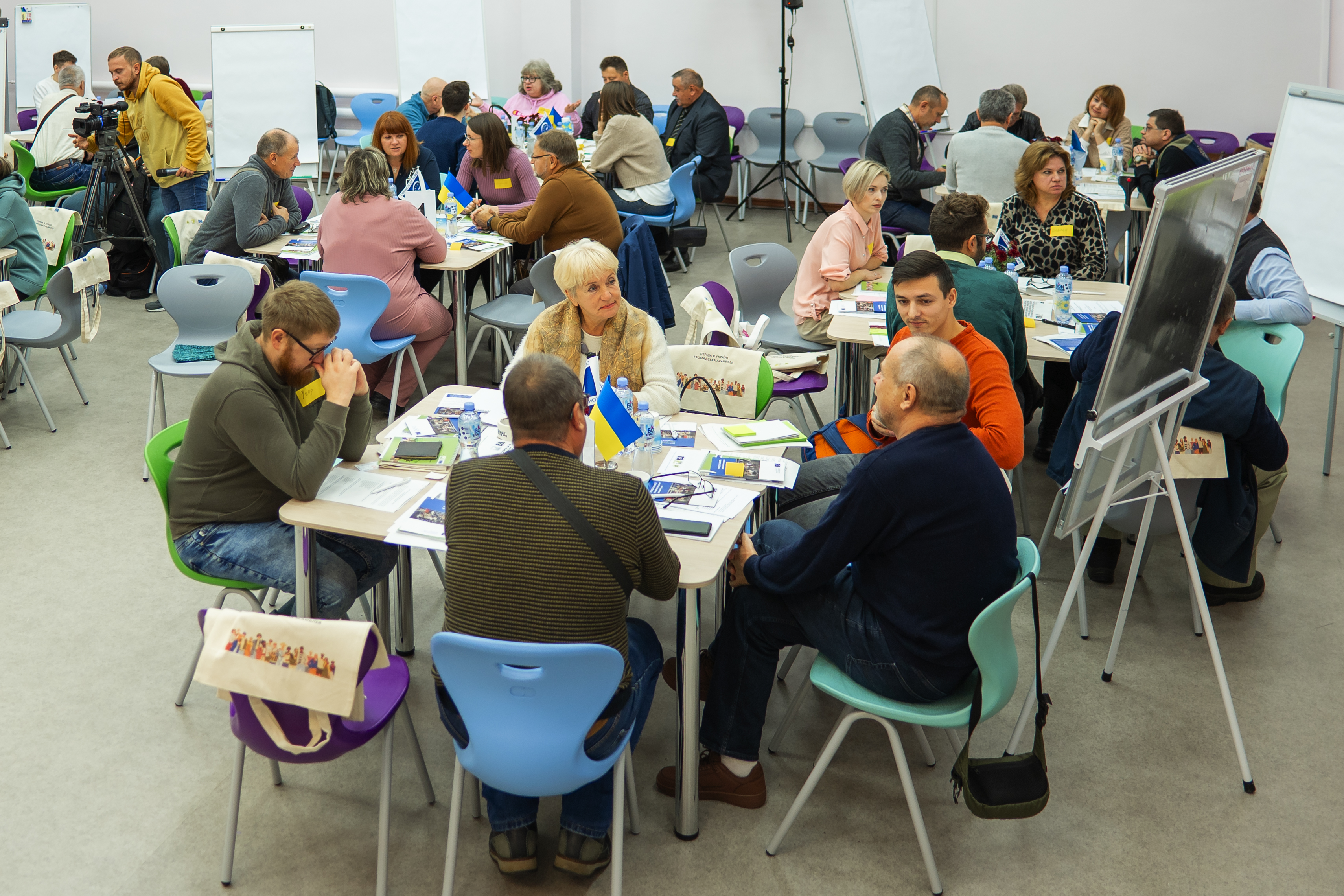
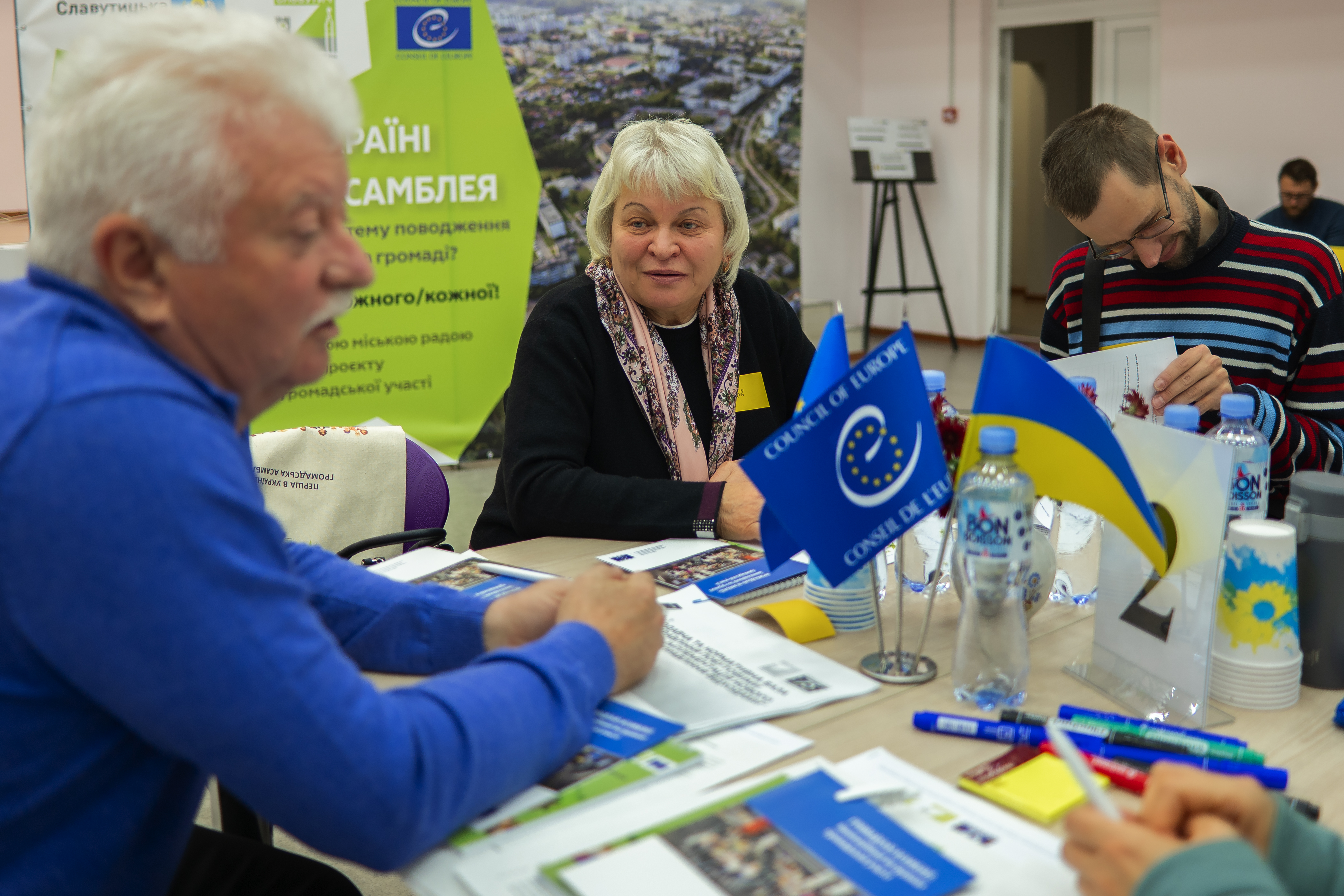
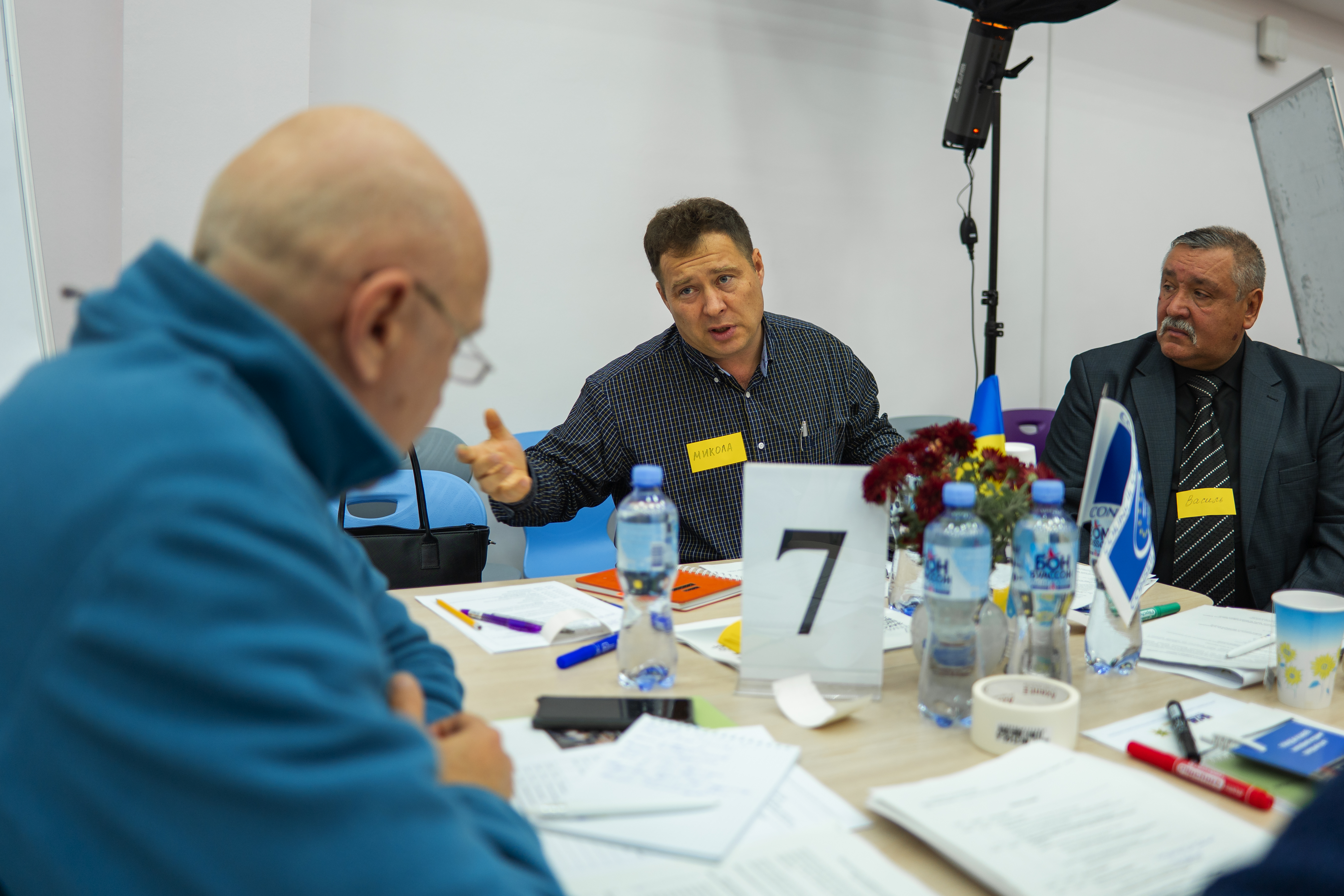
The Assembly will continue its sessions on the weekends of 9-10 and 23-24 November 2024. Over six days of deliberations, the 45 members of the Assembly, representing the socio-demographic cross-section of the community, will collaborate with Council of Europe experts to craft actionable recommendations for improving household waste management. The municipal authorities have expressed their commitment to considering these proposals.
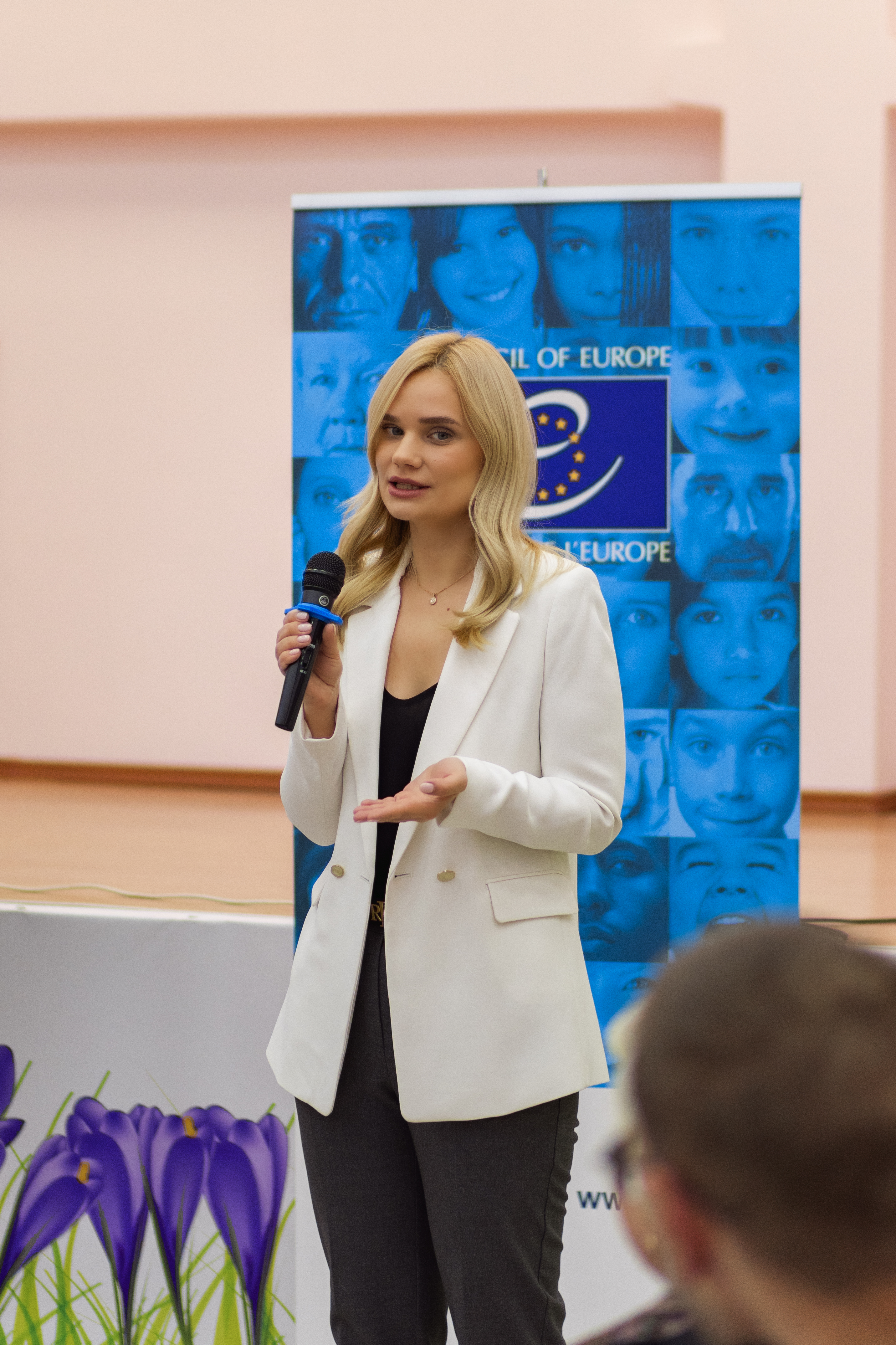
In his speech, Mayor Yurii Fomichev expressed his belief in the importance of deliberative democracy, stating: “Certain instruments of democracy do not work during the war, so mechanisms of deliberative democracy, such as the Citizens' Assembly, are extremely important today. I am convinced that we should use this tool in the future”. Daryna Sokolova, Senior Project Officer, highlighted: "The Citizens' Assembly provides a unique opportunity for citizens to directly propose solutions and recommendations to the authorities. The pioneering nature of Ukraine's first Citizens' Assembly is especially significant, as it plays a crucial role in empowering citizens to influence decision-making processes, even in the context of wartime."
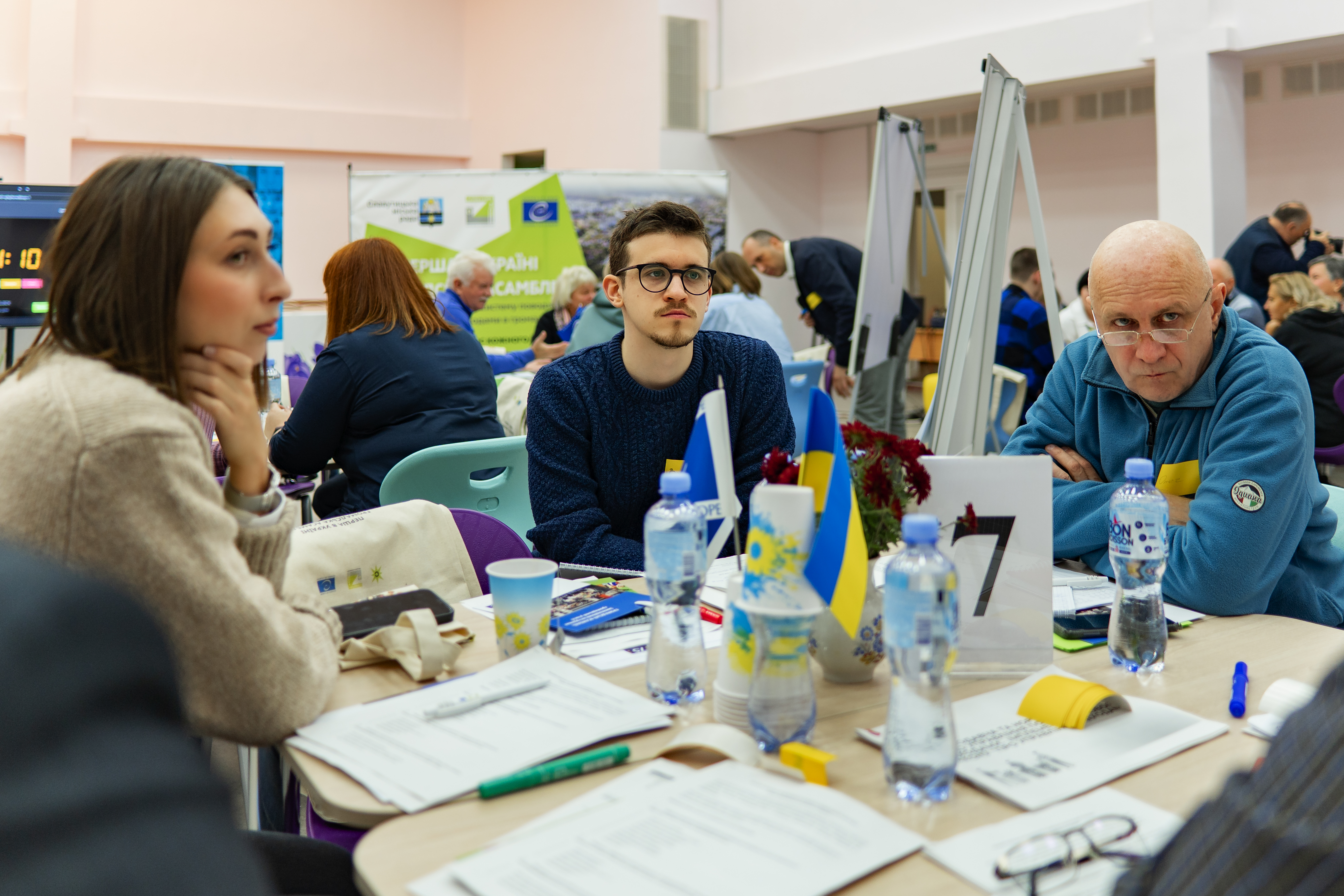
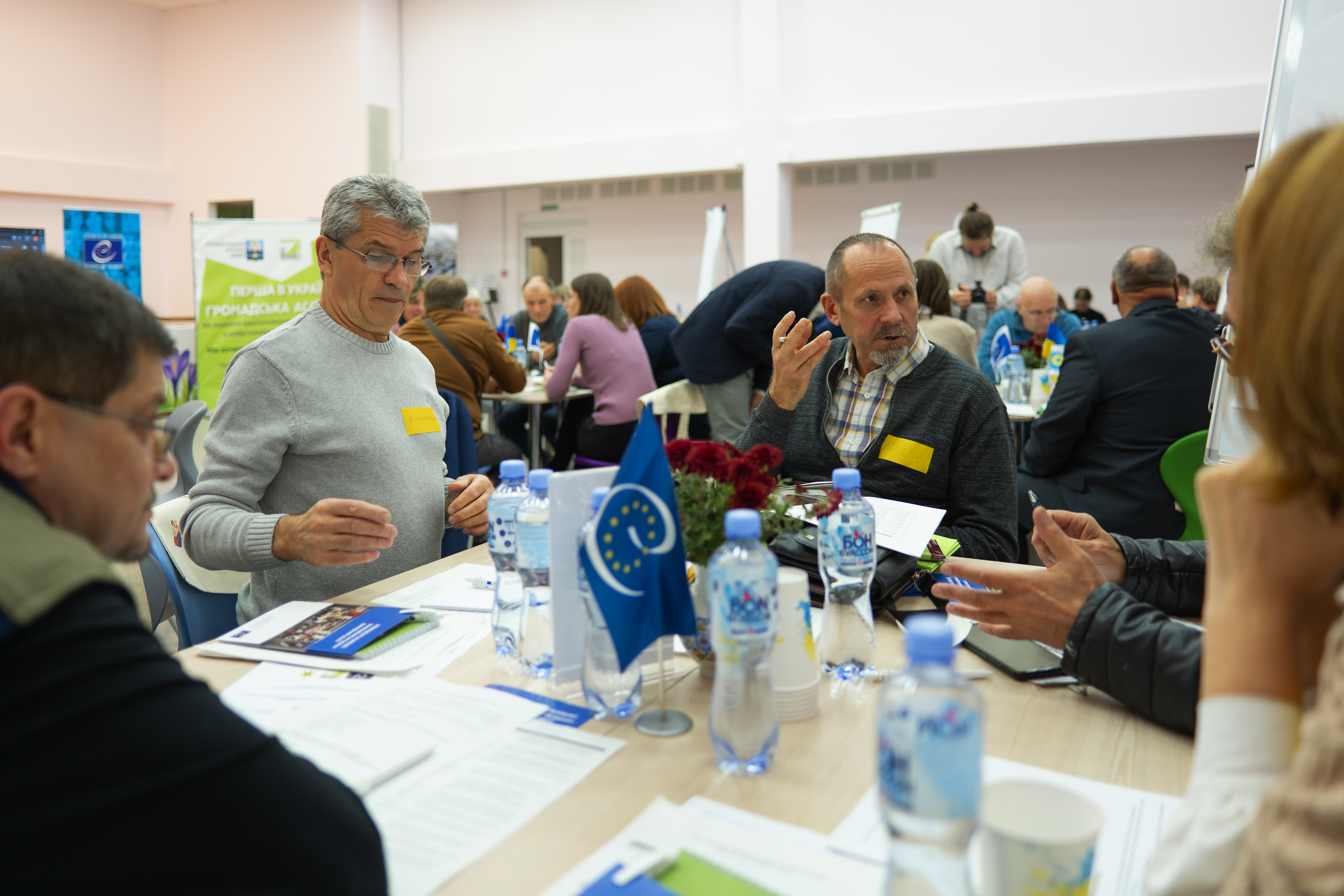
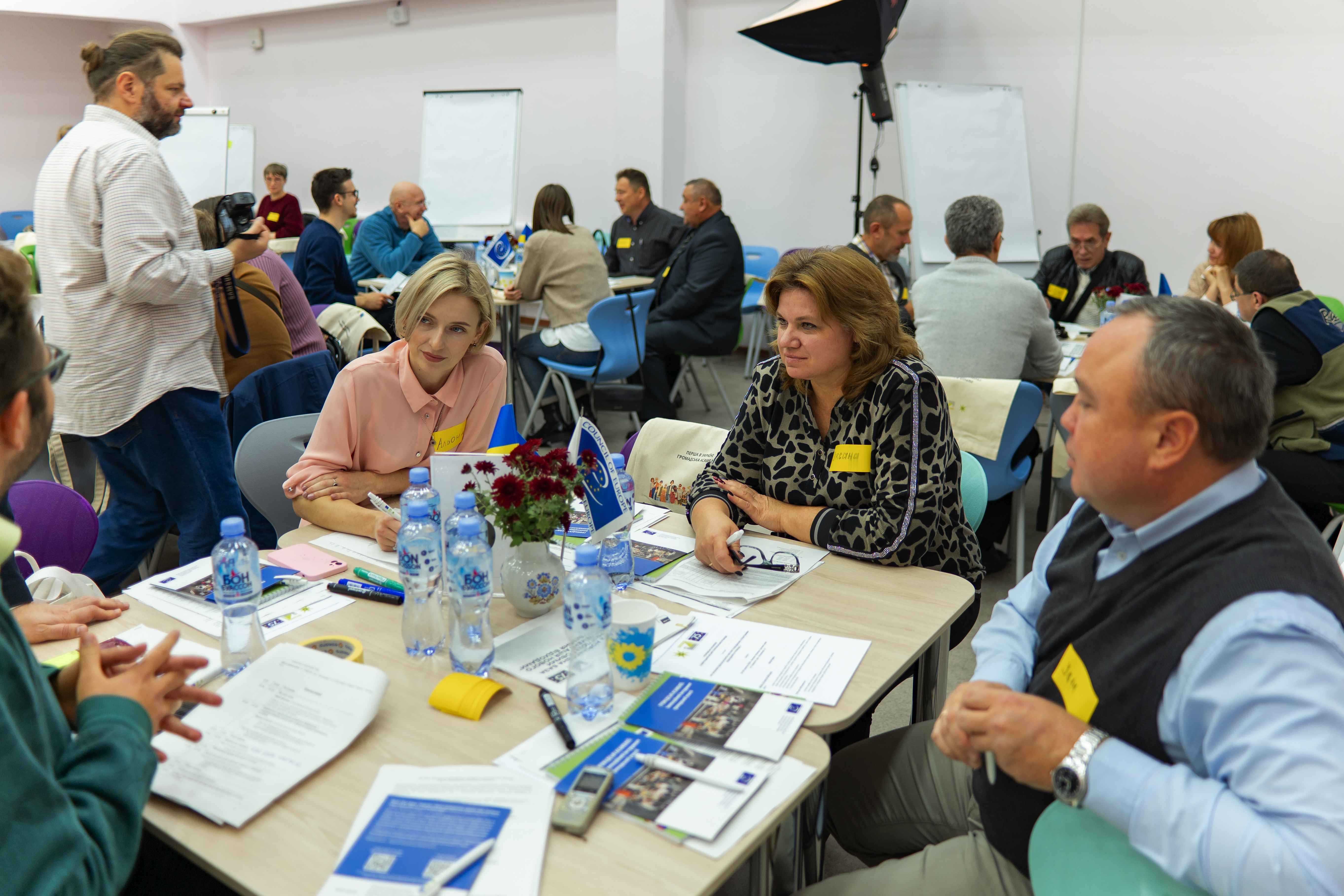
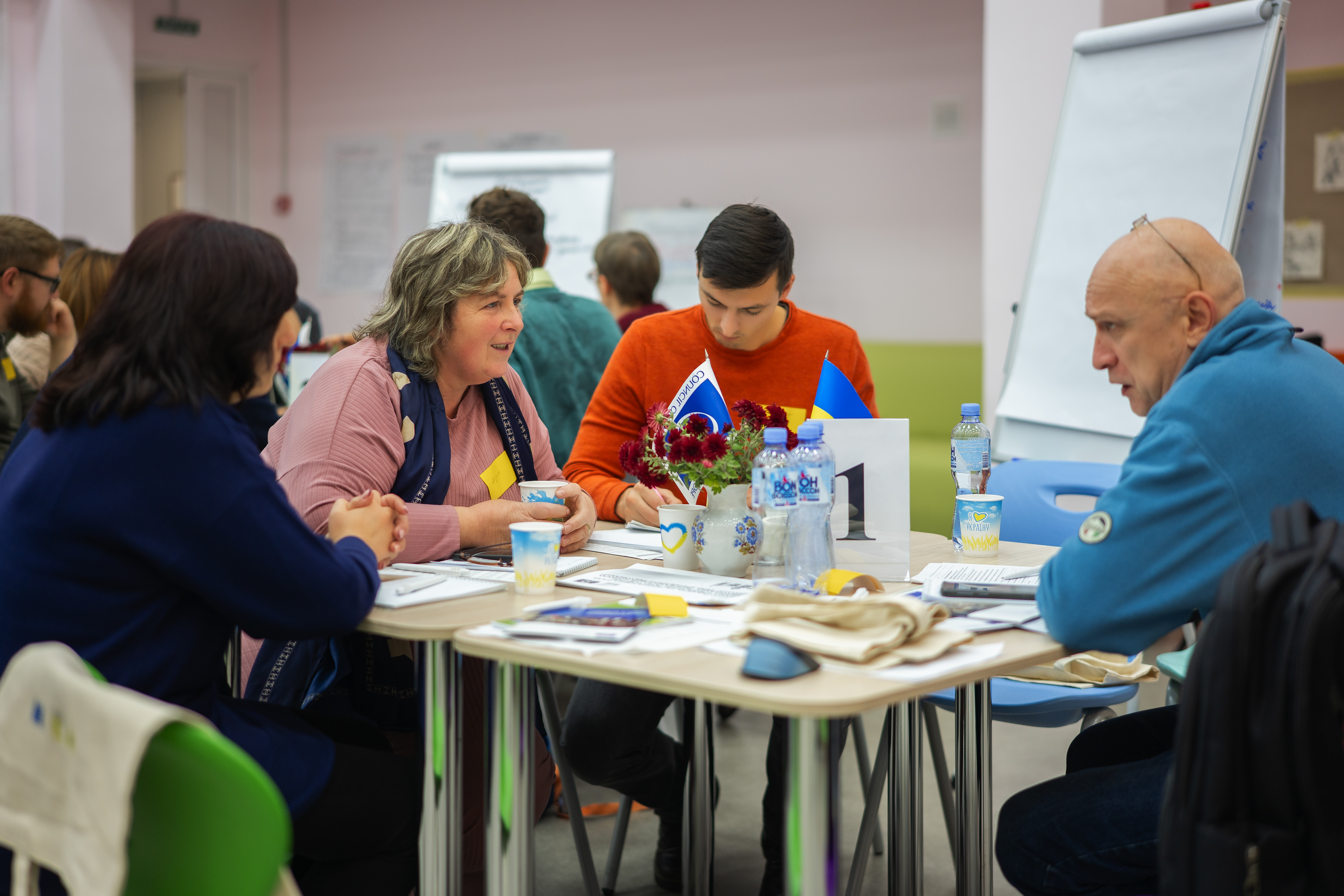
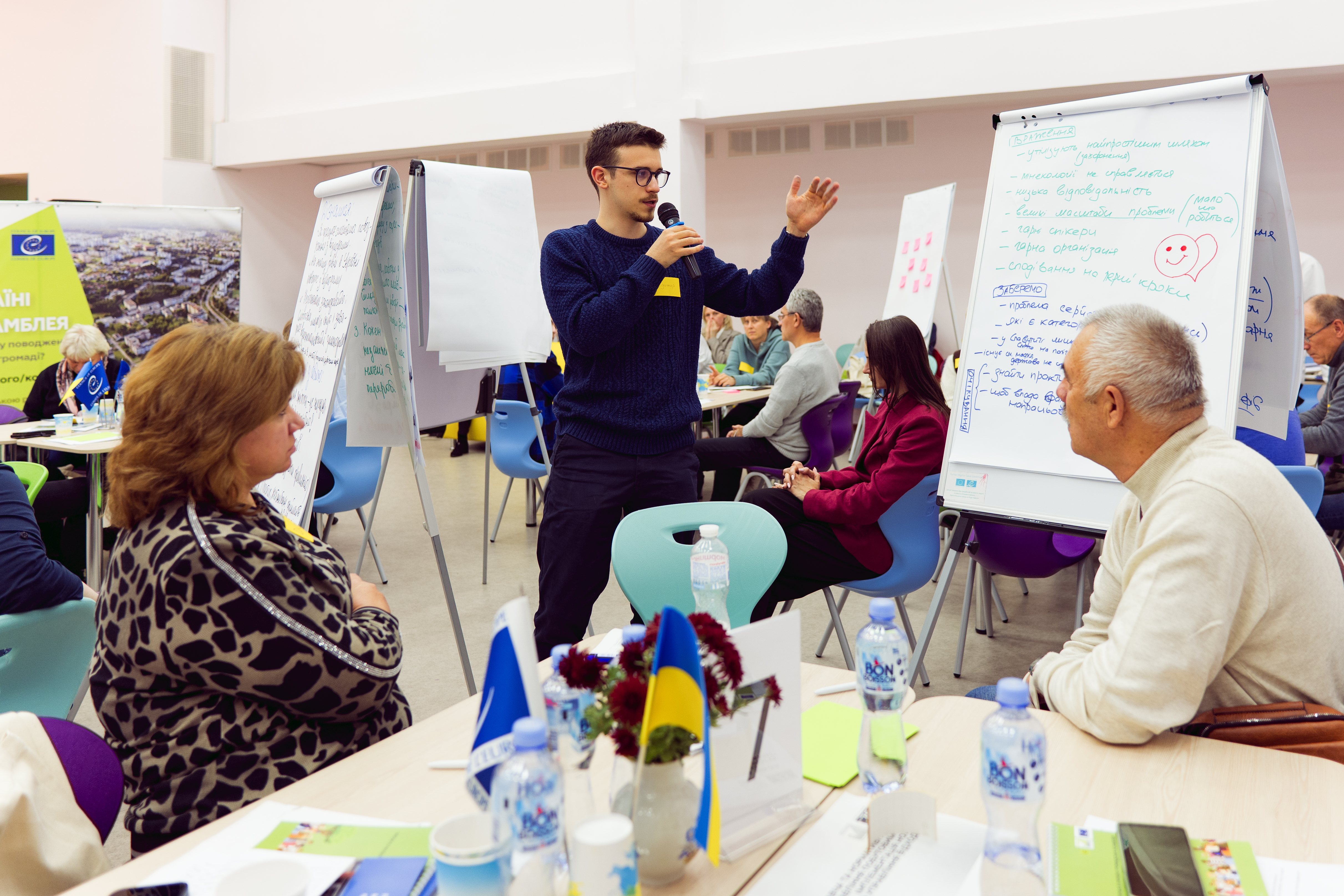
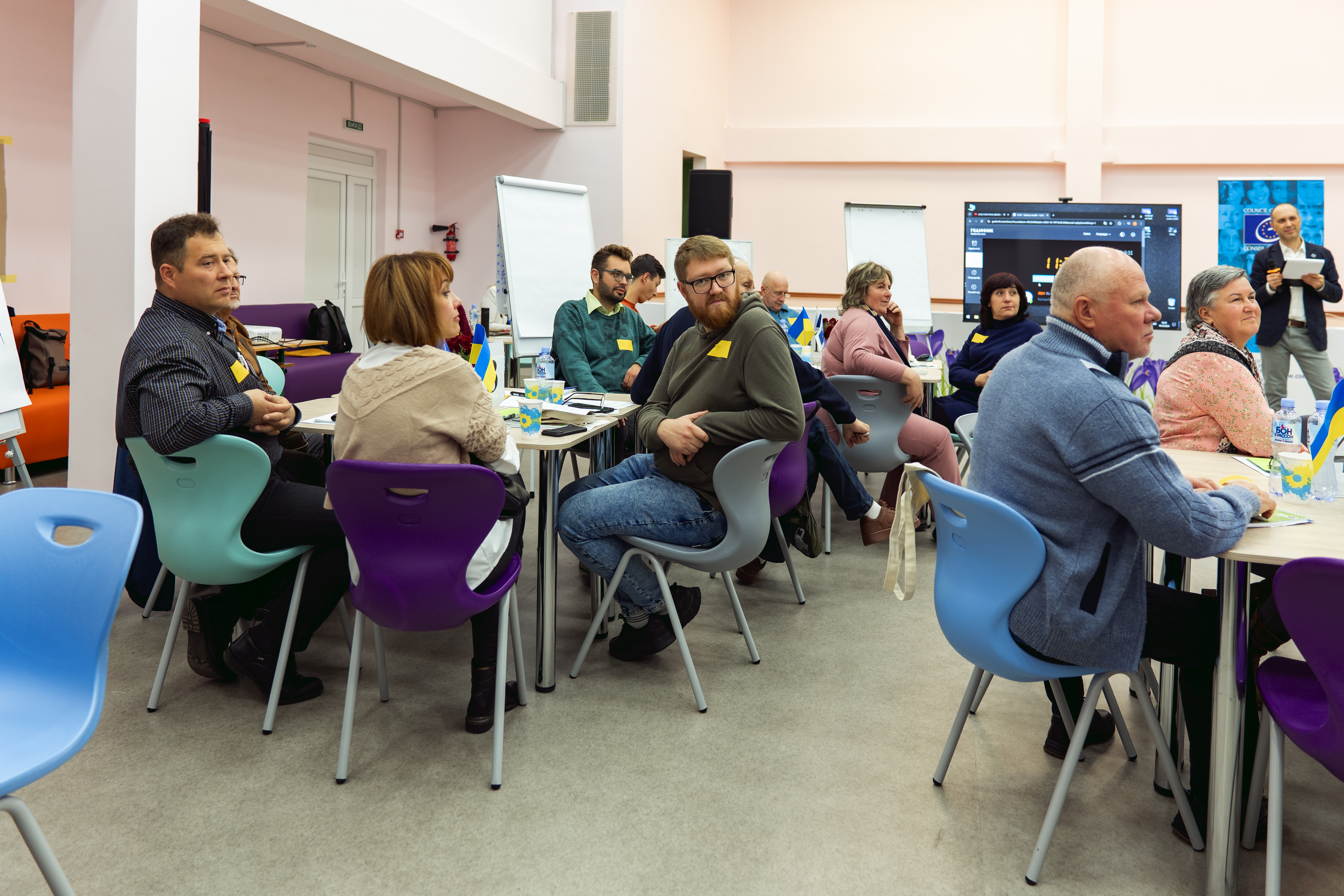
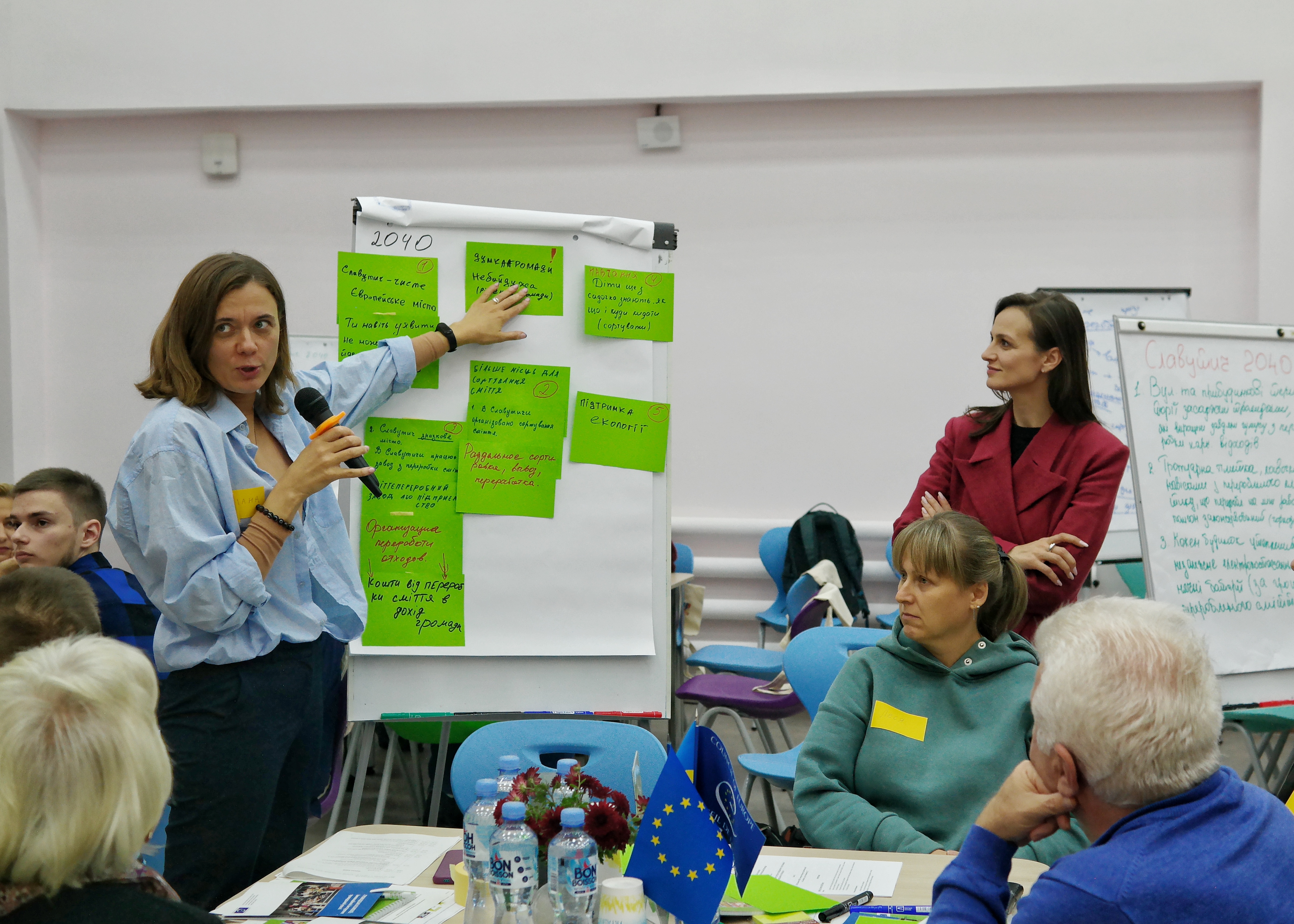
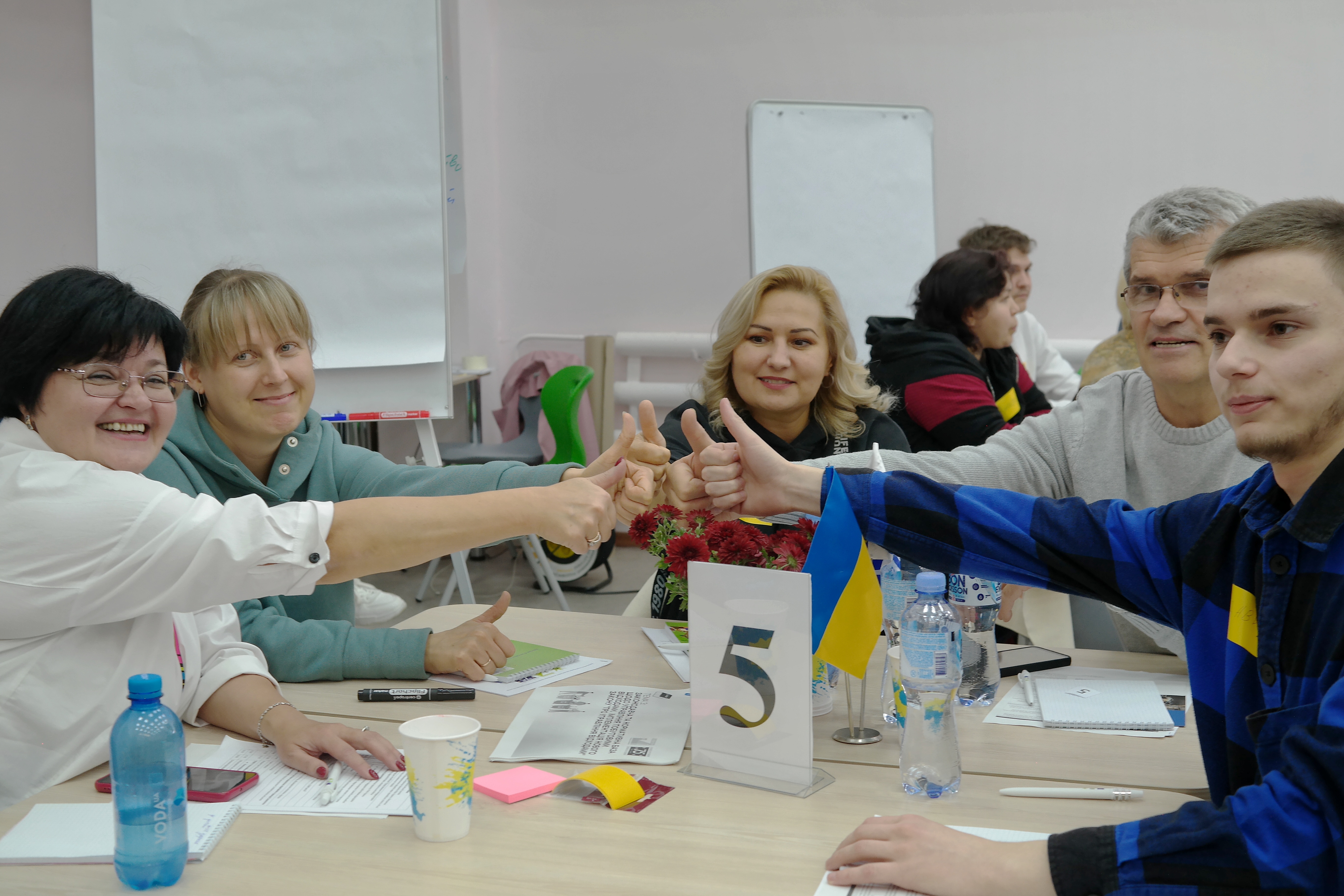
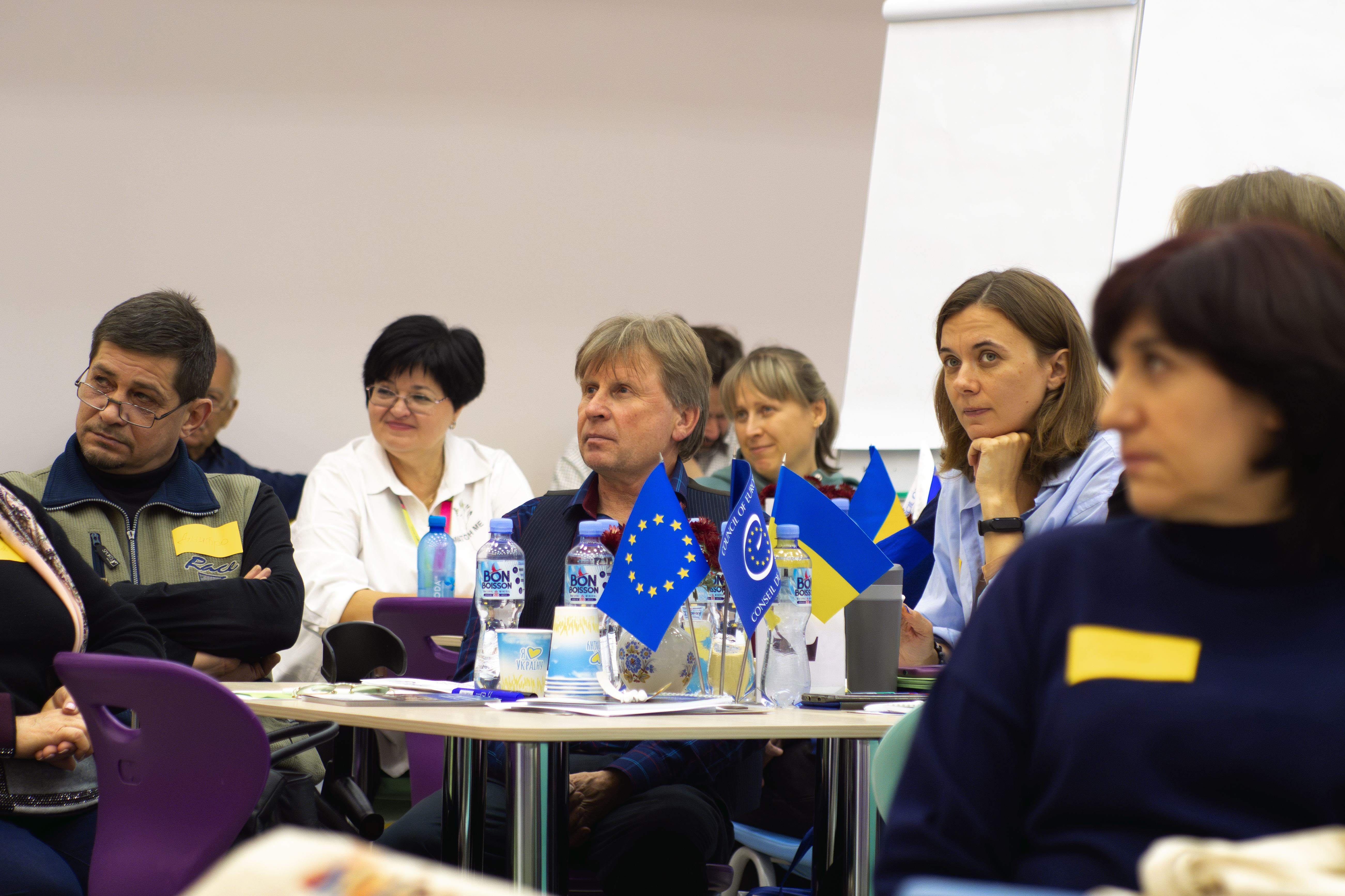
The event was also attended by representatives of local authorities and members of the Citizens’ Assembly Supervisory Board. The first weekend was packed with expert presentations and dynamic discussions. Over the two days, the Citizens’ Assembly members:
- Gained insights into the classification of waste and the current state of waste management in the community;
- Explored the legislative and regulatory framework surrounding household waste management;
- Learned from the successful waste management practices of the Shatsk community;
- Became familiar with effective international approaches to waste management.
On the second day of the Assembly, a panel discussion titled “System of Solid Household Waste Collection in the City of Slavutych and Its Optimisation” was held. The discussions, questions for the speakers, and the initial round of idea development were lively, reflecting the urgency and importance of the issues raised by the Citizens' Assembly for the Slavutych community.
At the conclusion of the first weekend, participants shared why they were eager to continue with the upcoming sessions:
“This is an opportunity to freely express opinions and drive positive change in the community. I hope all the proposals will be considered in the final report and implemented in Slavutych.”
“The discussions inspire change and highlight the real challenges facing the community. I want to contribute to Slavutych, and I believe that, thanks to the Citizens' Assembly, we can address the waste management issue and find solutions.”
The Citizens' Assembly is a deliberative democracy tool that has already been implemented in many countries across Europe and globally. This is the first time Citizens' Assemblies are being held in Ukraine, in cooperation with two communities — Slavutych and Zvyahel. The organisation of the Citizens' Assemblies has been a complex process in the making since March 2024. Its planning, preparation, and execution fully adhere to the Recommendation CM/Rec(2023)6 of the Committee of Ministers of the Council of Europe on deliberative democracy, as well as international standards for participatory democracy https://go.coe.int/VUeis.
Earlier, the Council of Europe project «Strengthening Democratic Resilience through Civic Participation during the War and in the Post-War Context in Ukraine», had selected coordinators for the Citizens' Assemblies and conducted a training session for them as well as for representatives of the local authorities in both the Zvyahel and Slavutych communities. Supervisory Boards were appointed within each community, and Stakeholder Forums were held to determine the topics for the Citizens' Assemblies. The project also selected experts and facilitators to support the process.
Following the methodology developed in collaboration with international experts, 4,000 invitation letters were sent to randomly selected households in each community. The sortition was conducted to accurately reflect, as closely as possible, the population of the community aged 18 and over in terms of age group, gender, educational attainment, and district. The random selection of 45 members (2 places were reserved for internally displaced persons) and 12 substitute members was conducted using the open-source software, Panelot. To ensure the involvement of as wide a range of residents as possible in the process, including the members of the diaspora, the municipality's website also provided a platform where any resident could submit their suggestions and opinions on the topic.
Learn more about the first session of the Citizens' Assembly in Zvyahel, focusing on 'Creating urban spaces as public locations for social interaction and recovery’: https://go.coe.int/YHgML





.jpg/5293a35c-c287-419a-56df-2ccbd740603f?version=1.0)
.jpg/173b4f36-dd97-ddee-fc36-37671a5e65de?version=1.0)
.jpg/41a04801-ae18-5b96-4f76-a4beb9c46de6?version=1.0)
.jpg/e1ad45ad-5580-f122-4ec1-88610191a045?version=1.0)
.jpg/6d650ac4-4e25-b31a-3fea-93895645350b?version=1.0)
.jpg/d574fab1-88a7-1876-da6e-eb66c48a00a2?version=1.0)
.jpg/f17f9791-1020-8a07-9d2d-f5ae9937933e?version=1.0)