How can international law ensure accountability for cyber operations and the growing use of artificial intelligence (AI) in armed conflict?
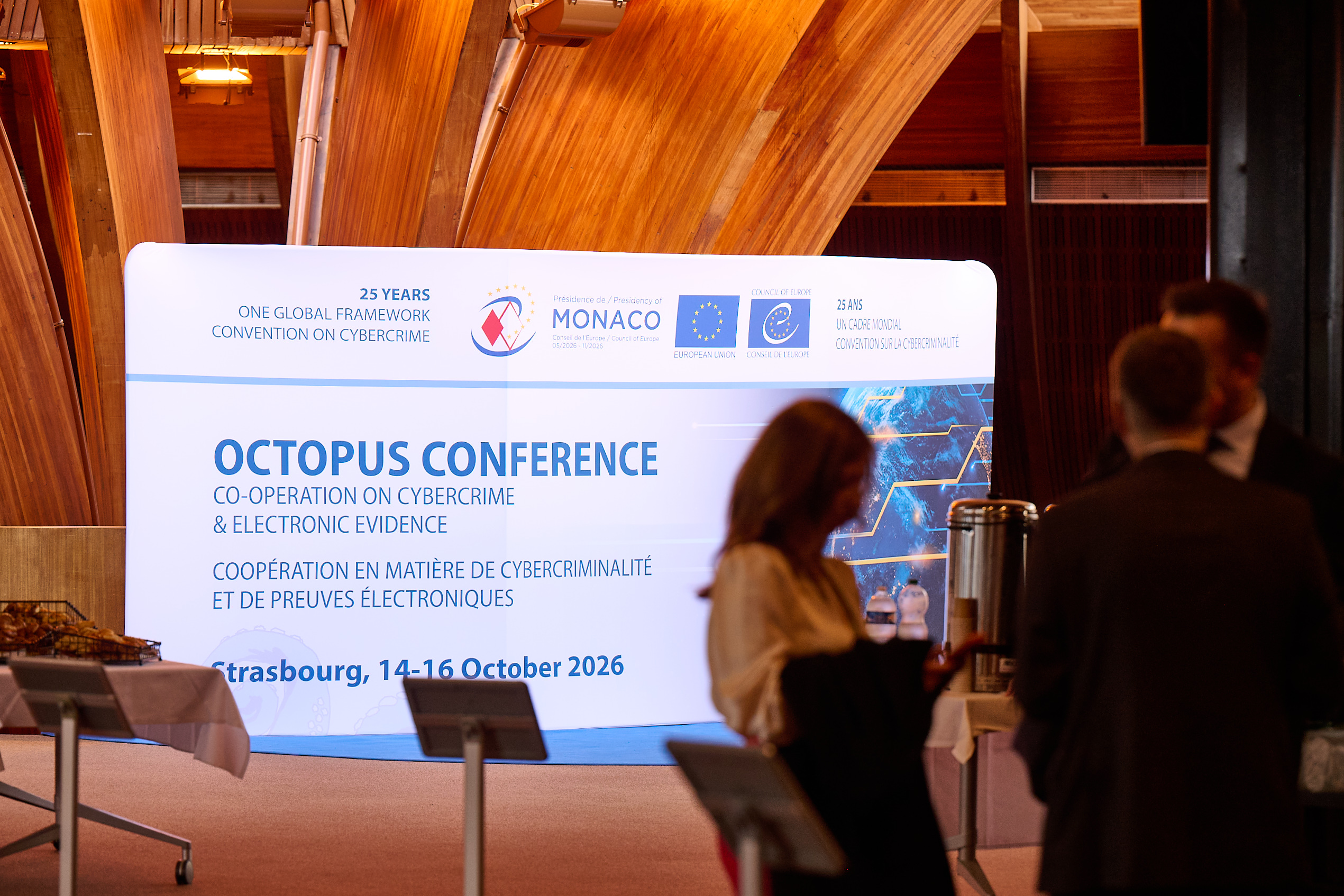
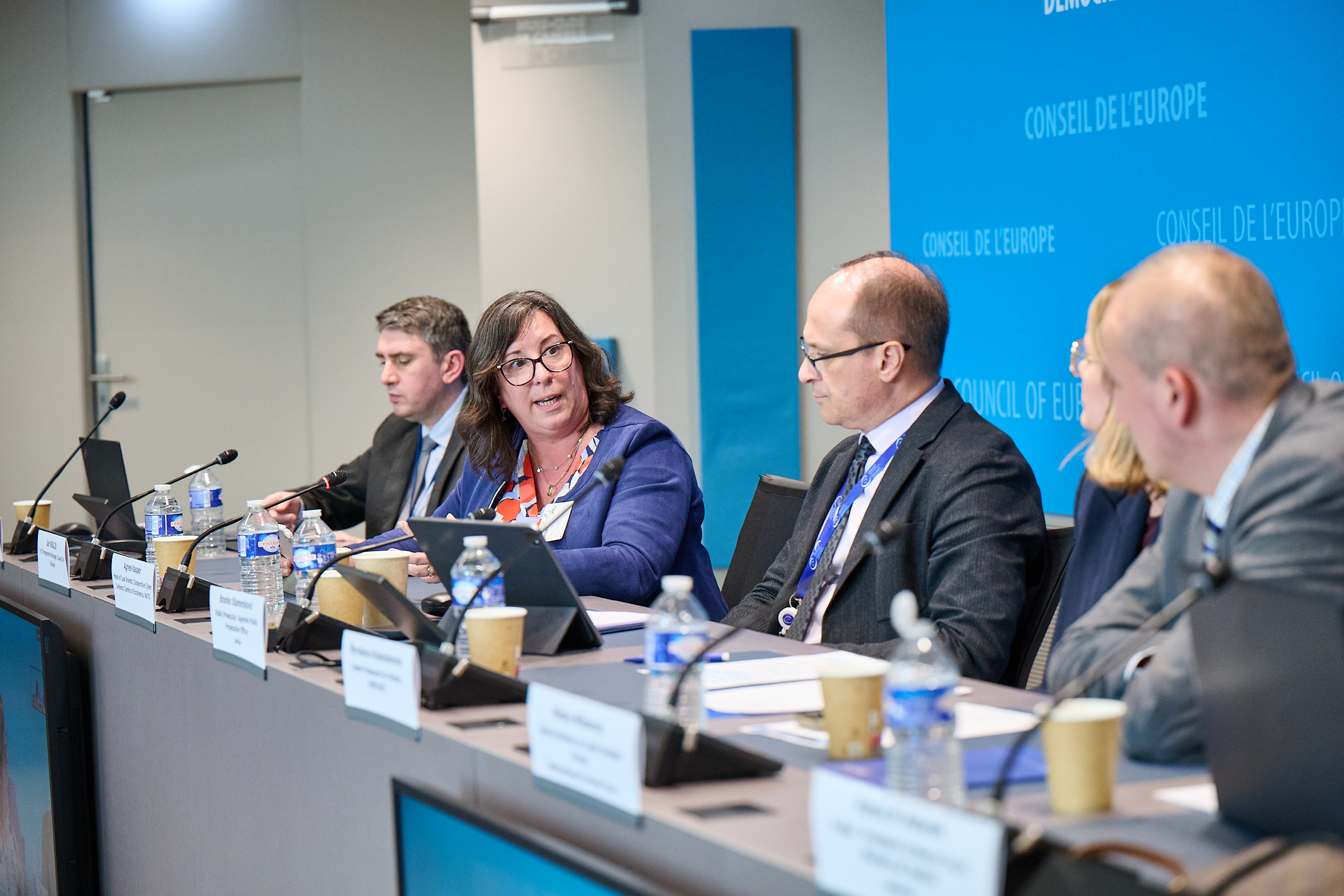
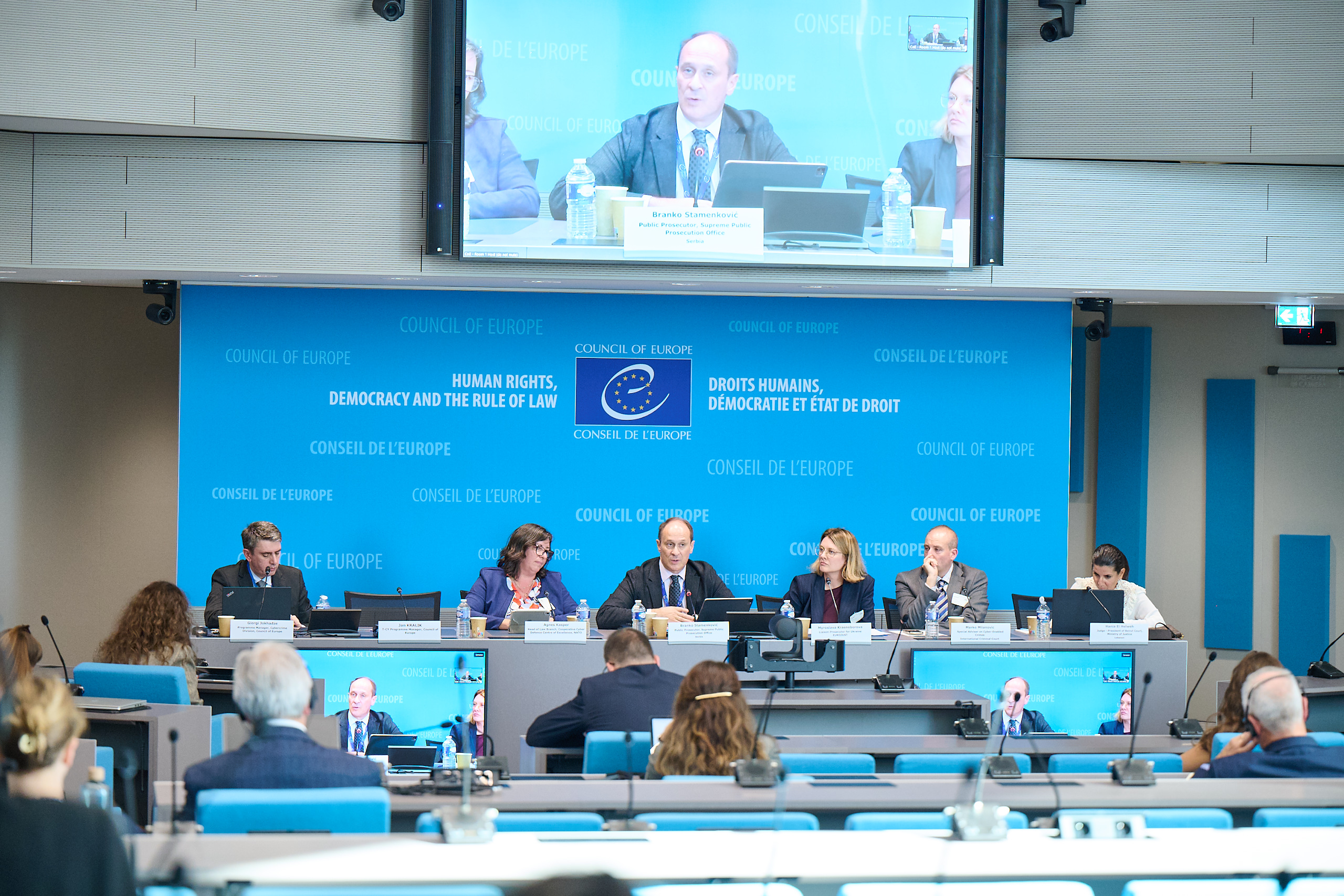
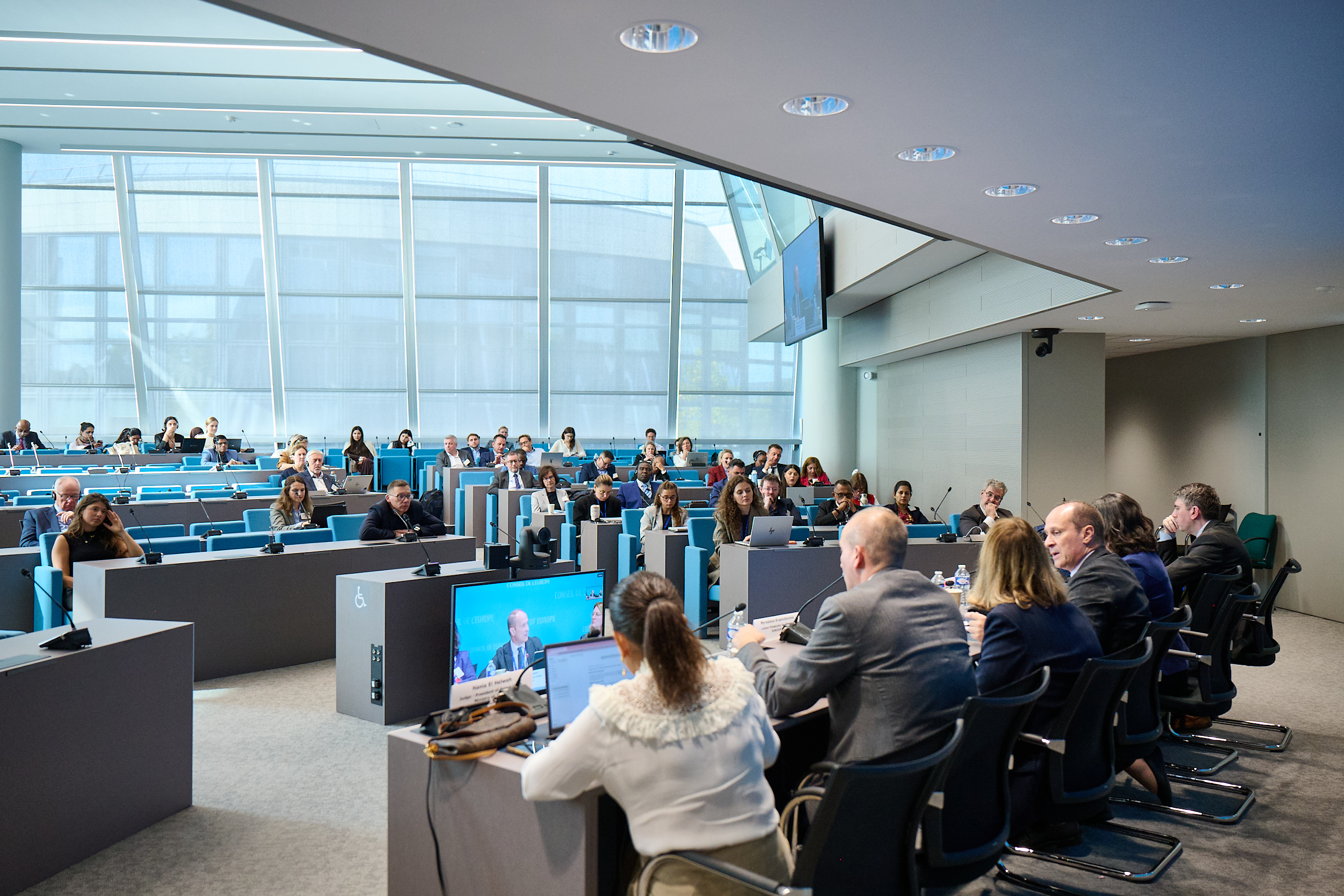
This question was at the centre of the workshop “Prosecuting cyber-enabled international crimes”, held on 15 October 2026 during the Octopus Conference 2026 in Strasbourg. Bringing together international law scholars, legal experts, prosecutors and justice practitioners, the discussion explored how existing legal frameworks can address emerging technological challenges and support the investigation and prosecution of international crimes.
Professor Marko Milanovic, Special Adviser on Cyber-Enabled Crimes to the Office of the Prosecutor of the International Criminal Court (ICC) , shared his thoughts on the application of existing international criminal law to cyber operations, including developments under the Tallinn Manual 3.0 process. He highlighted that the key challenge is not necessarily the need for new categories of offences, but ensuring that existing legal provisions can be effectively applied to cyber-enabled conduct, nationally and internationally. Experts also examined the distinction between an attack under international humanitarian law and an armed attack under Article 51 of the UN Charter.
Agnes Kasper, Head of the Law Branch at the NATO Cooperative Cyber Defence Centre of Excellence (CCDCOE), focused on the challenges of identifying legally relevant conduct within complex multi-domain operations. She highlighted how interconnected cyber and kinetic activities, often unfolding across different stages and involving multiple actors, complicate the legal assessment of individual actions and their consequences. Ms. Kasper emphasized that the principal concern is the risk of effective application of existing law being undermined by growing operational and technological complexity.
The practical implications of these legal challenges were illustrated through experiences from the ongoing armed conflict in Ukraine, where cyber operations may be closely linked to kinetic attacks, creating complex evidentiary records across multiple jurisdictions and technical systems.
Myroslava Krasnoborova, Liaison Prosecutor for Ukraine at Eurojust, outlined how Ukrainian prosecutors assess cyber operations linked to kinetic attacks, including in the context of the crime of aggression. She distinguished between operations directed at legitimate military targets, those affecting civilian objects and potentially amounting to war crimes, and operations causing adverse effects such as the loss of functionality of critical infrastructure.
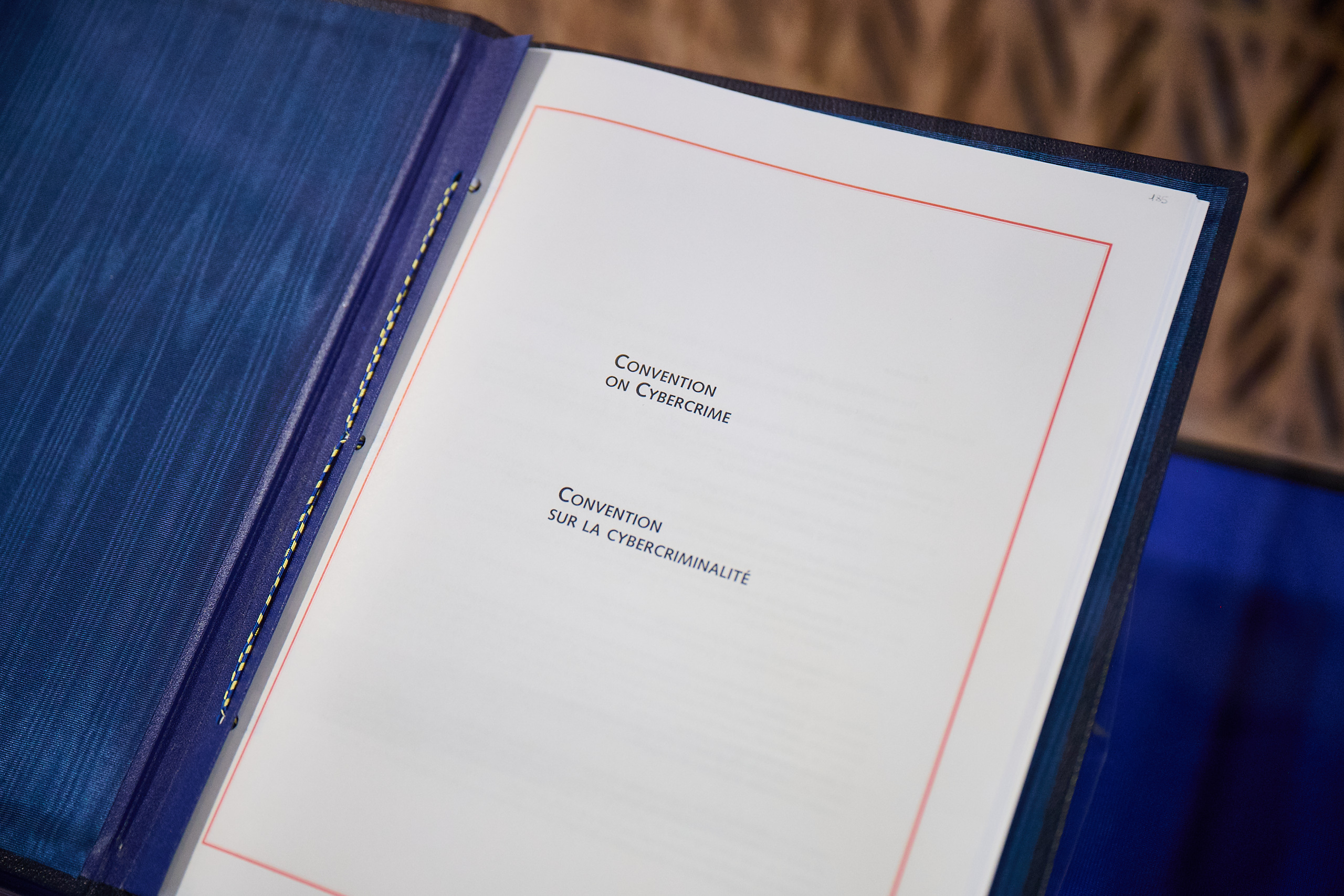
Participants emphasized the importance of international cooperation mechanisms, including Joint Investigation Teams (JITs), mutual legal assistance arrangements and the Budapest Convention, particularly its Second Additional Protocol.
The final discussions focused on the growing use of AI in military operations and the challenges it poses for individual criminal responsibility.
The panel concluded that the effectiveness of international law in the cyber domain depends on the continued development of legal interpretations, as well as the ability of states and institutions to translate established principles into operational practice.
Strengthening electronic evidence-sharing arrangements, improving coordination between legal and technical experts, clarifying responsibility in AI-supported operations and incorporating emerging operational experience into legal doctrine were identified as important take-aways.
Related resources:
- Discussion paper on cybercrime and crime of aggression
- Cybercrime, electronic evidence and artificial intelligence: Mapping study
- More about the 35th T-CY Plenary: T-CY Plenaries - Cybercrime
- More about the Octopus Conference 2026 - Cybercrime
- Convention on Cybercrime (Budapest Convention)
- Cybercrime Programme Office (C-PROC)
- Electronic Evidence of War Crimes website