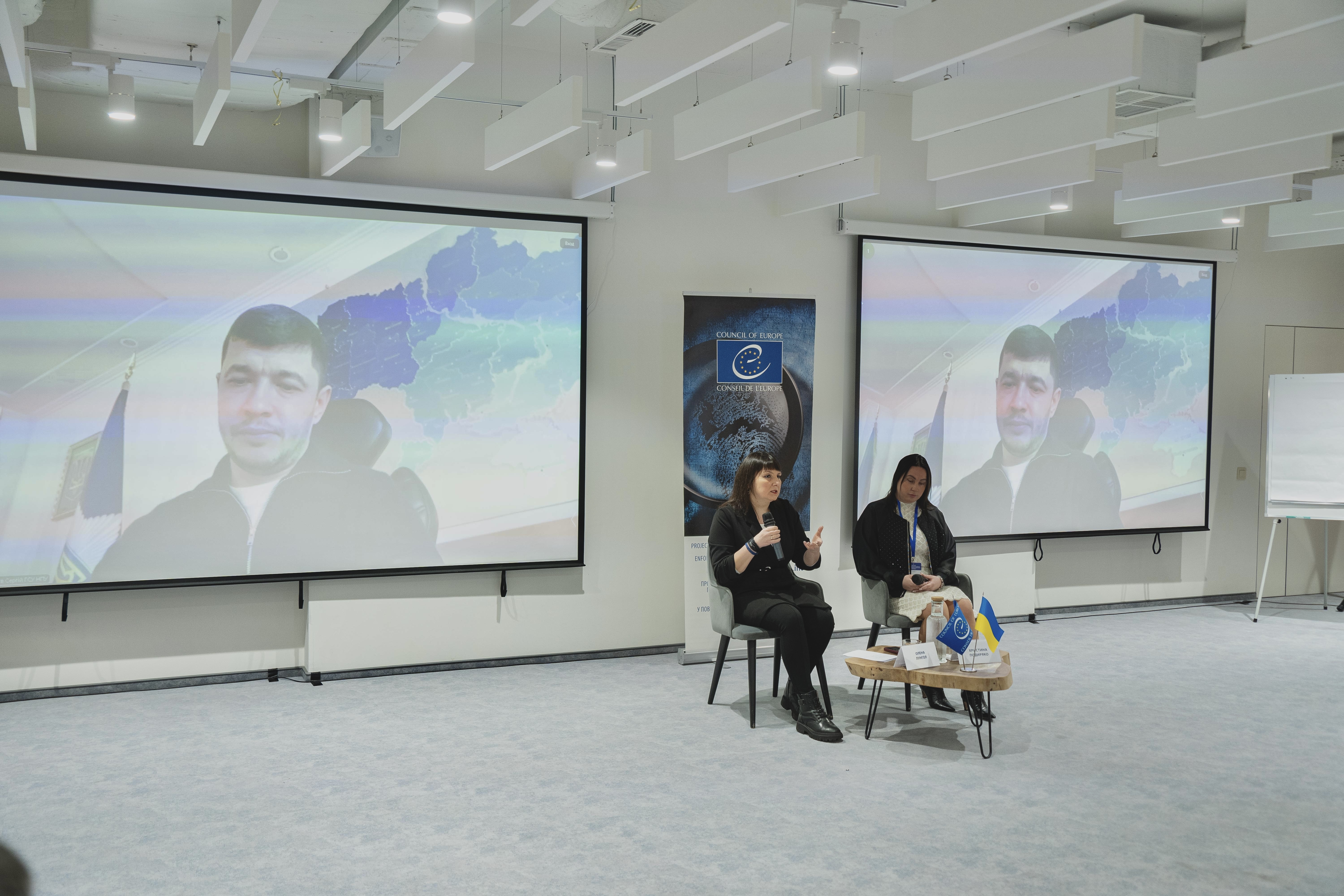
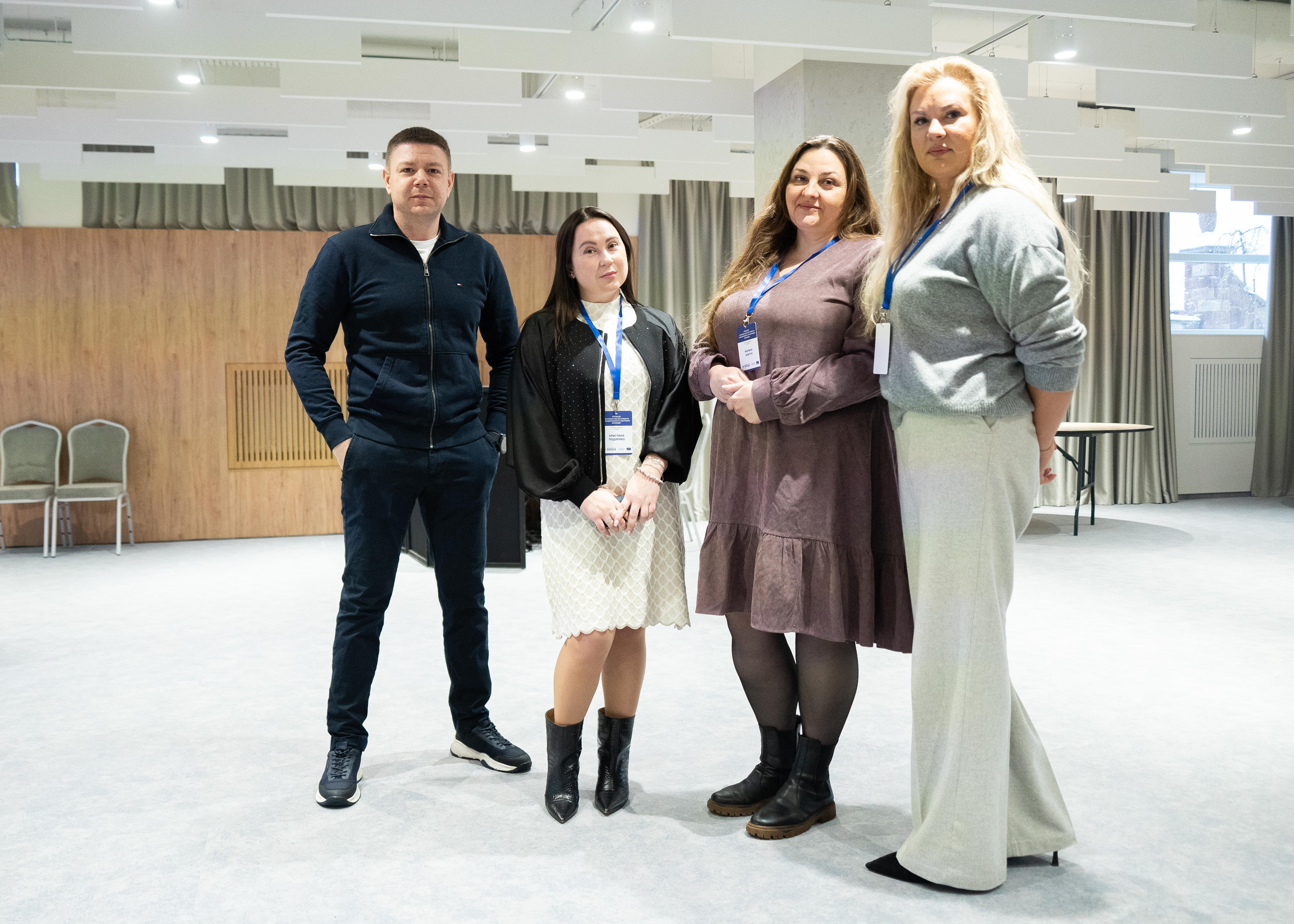
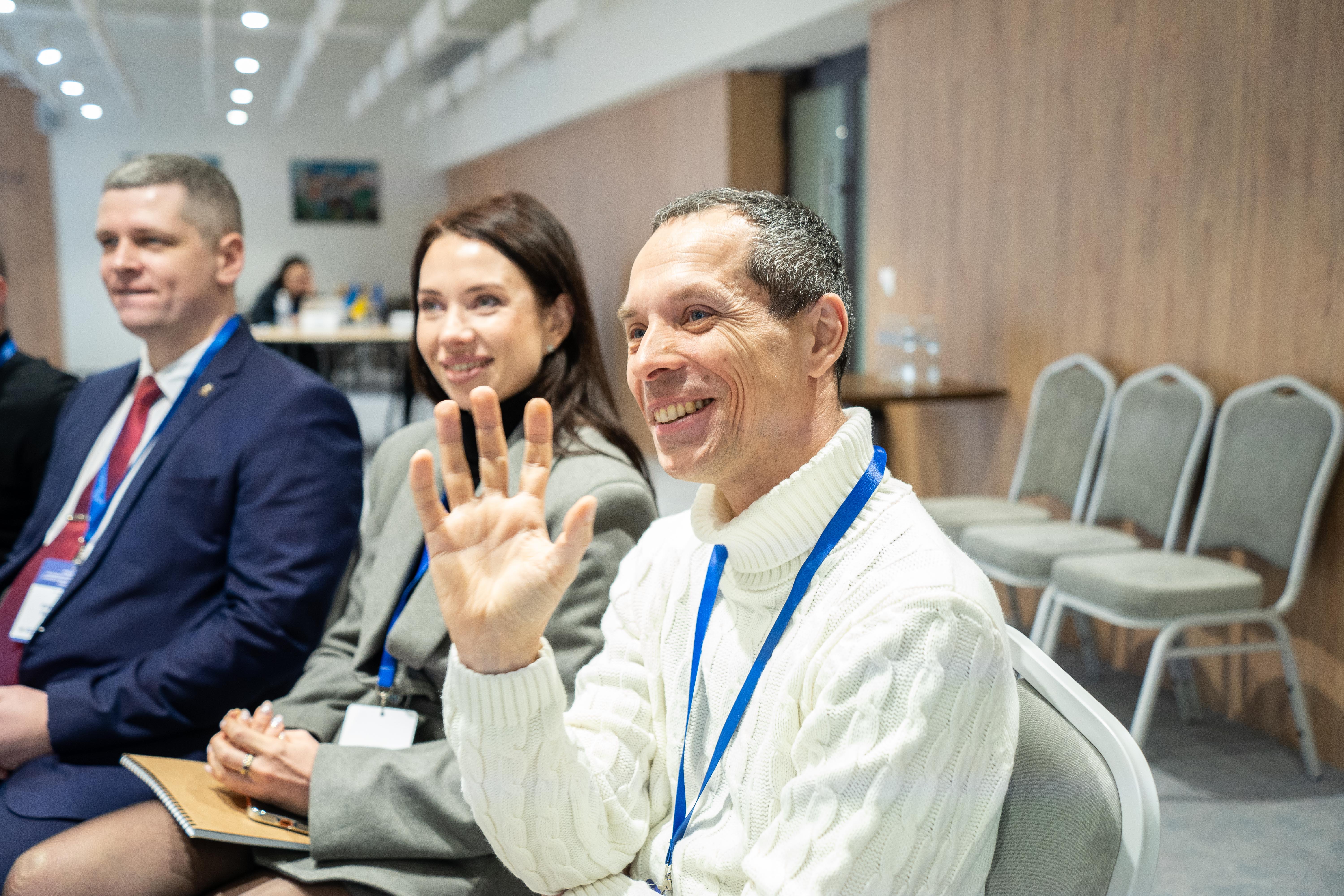
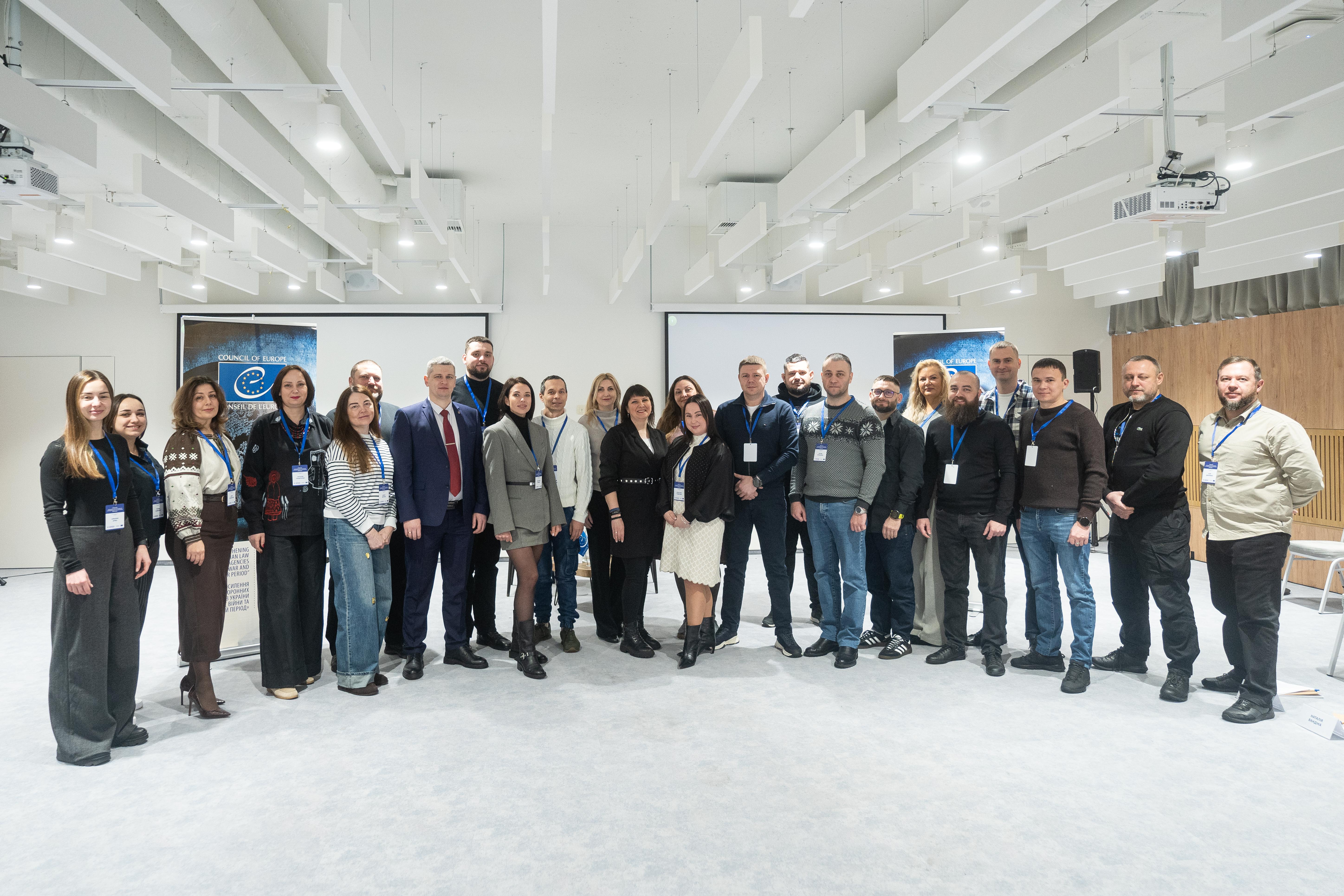
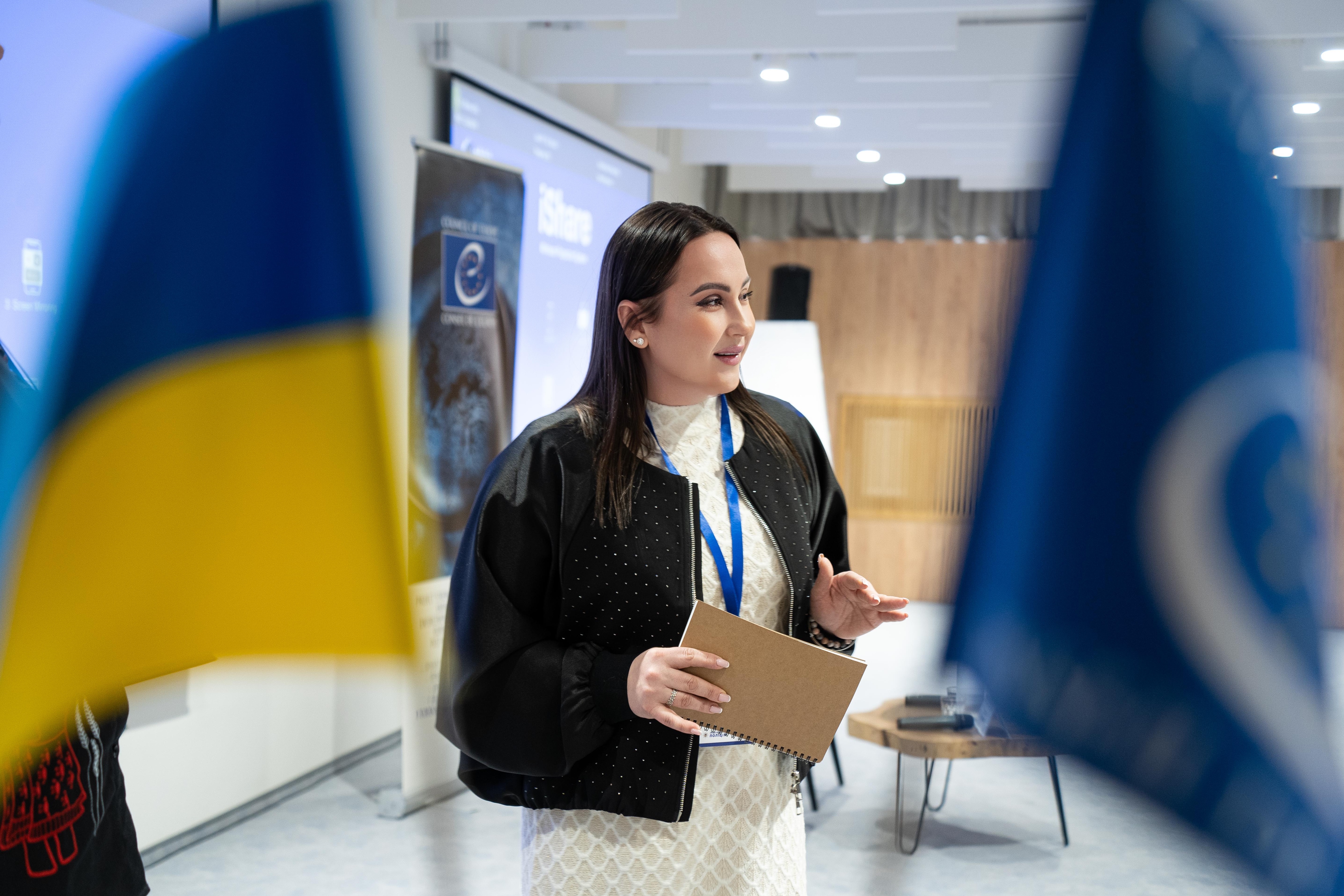
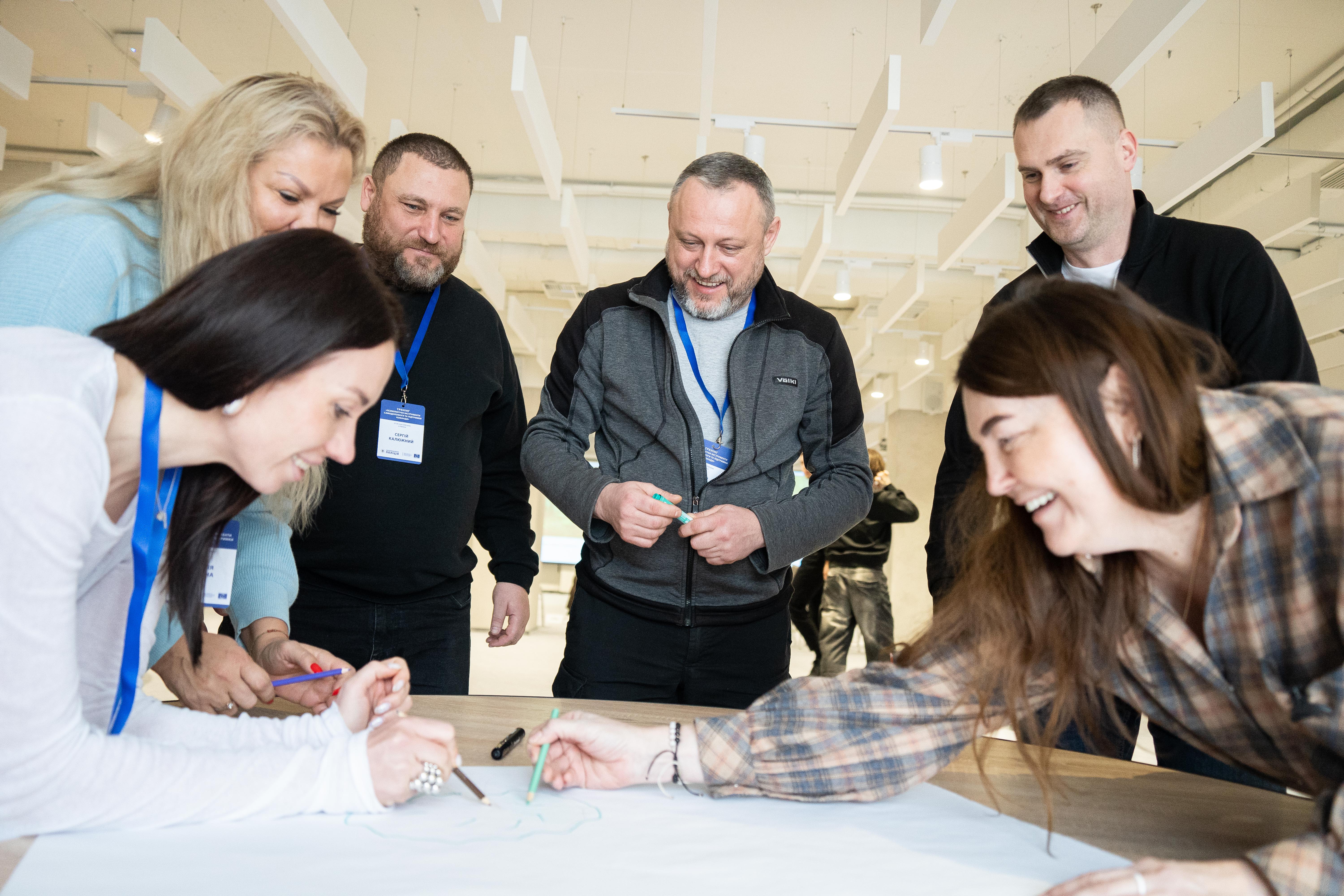
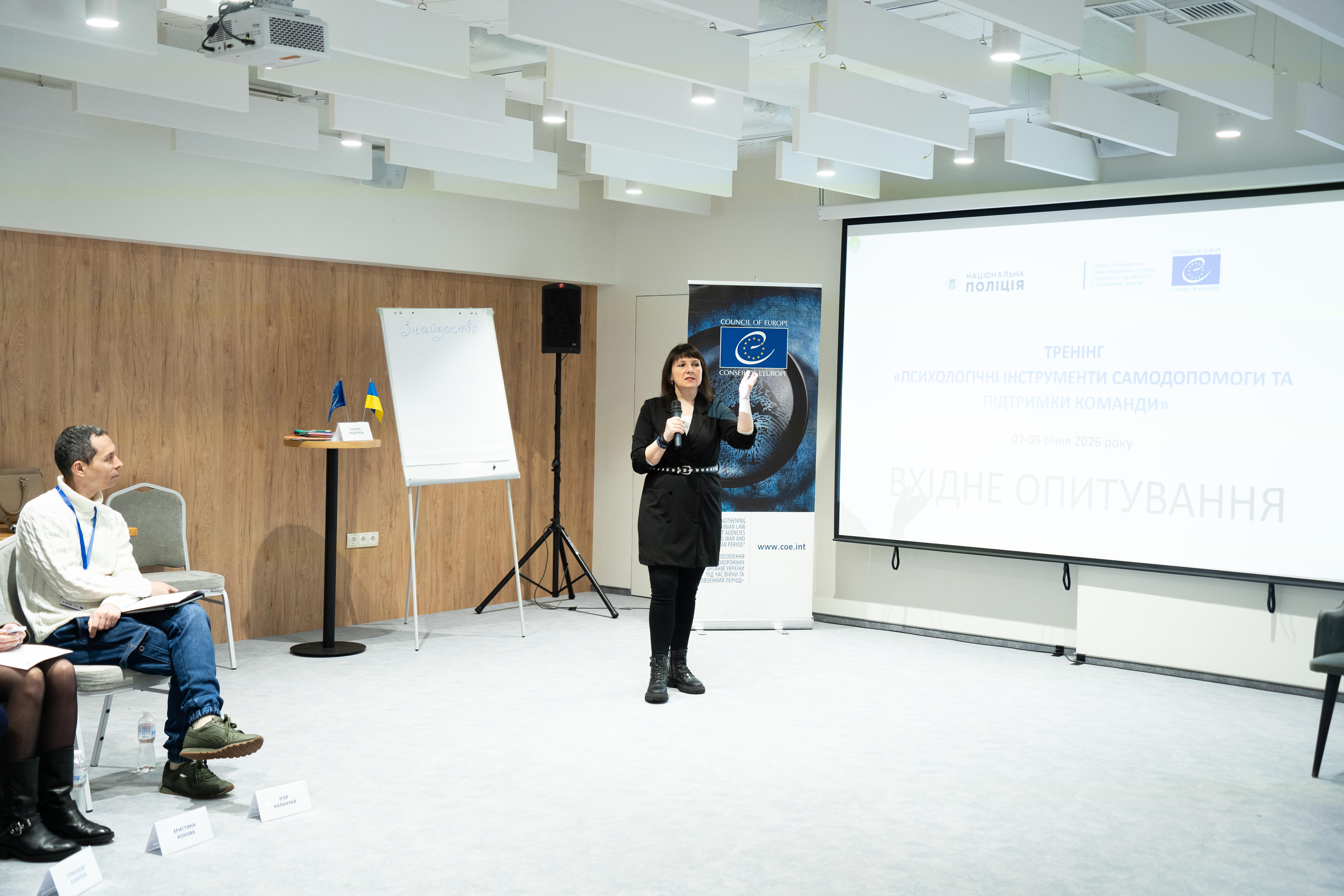
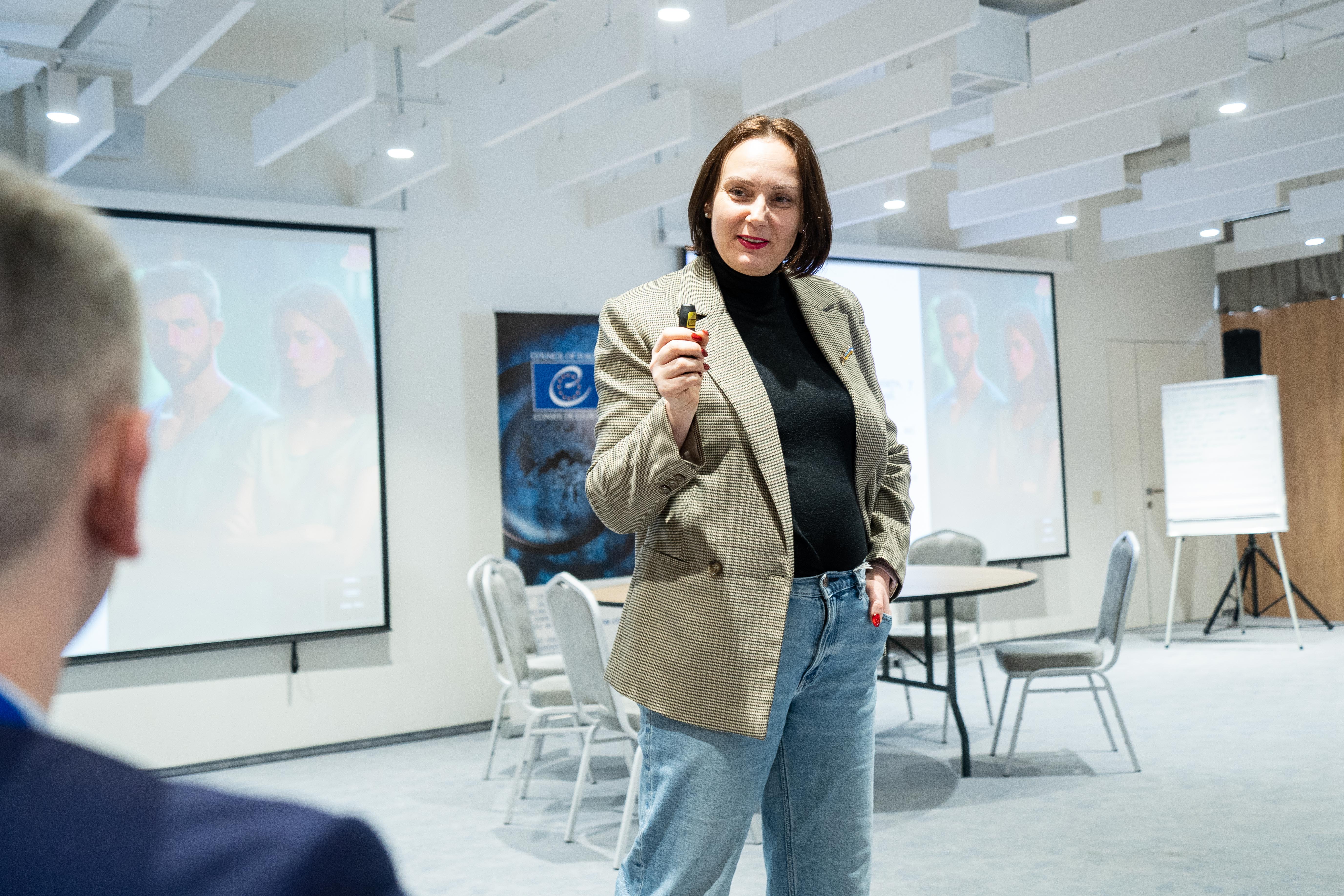
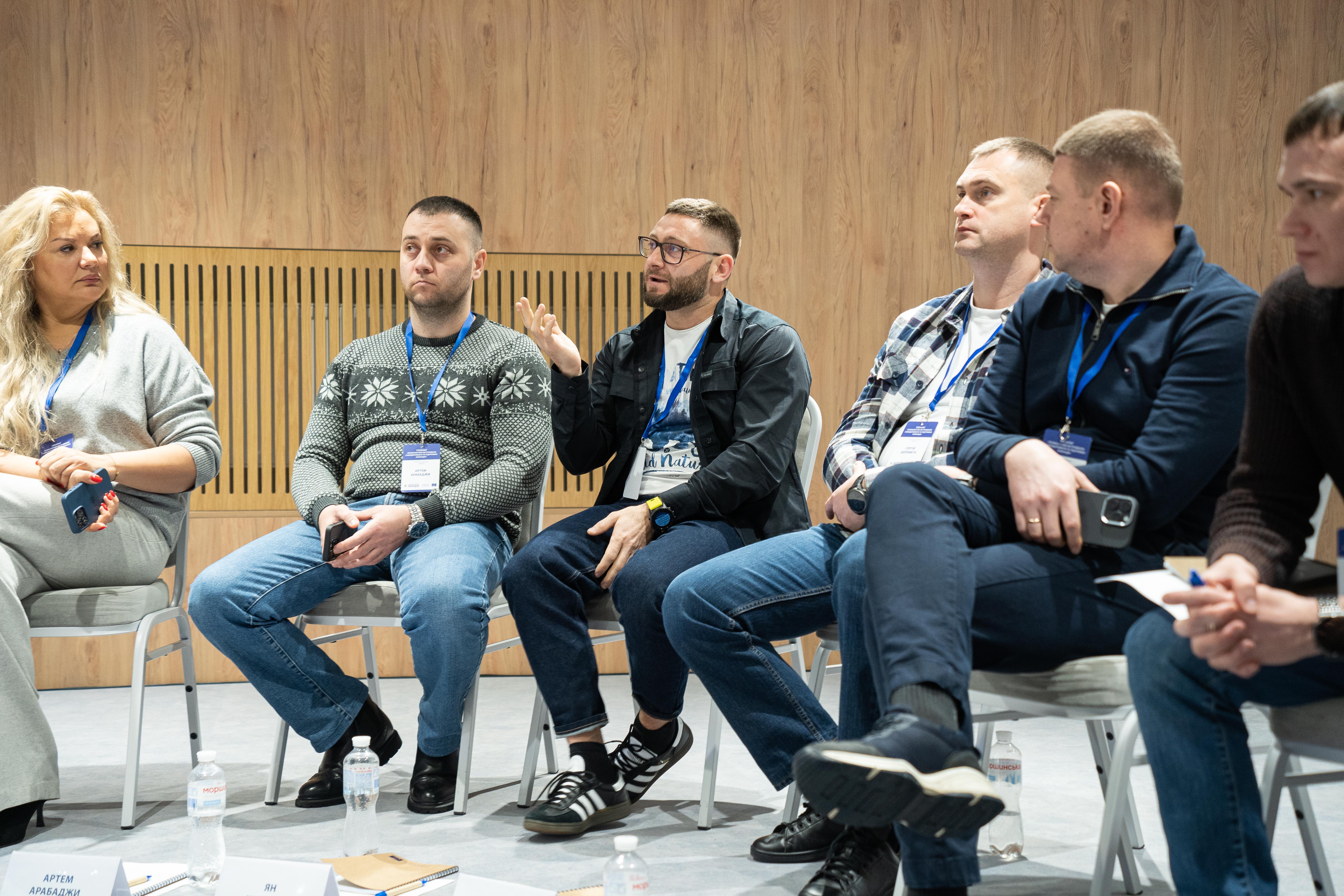
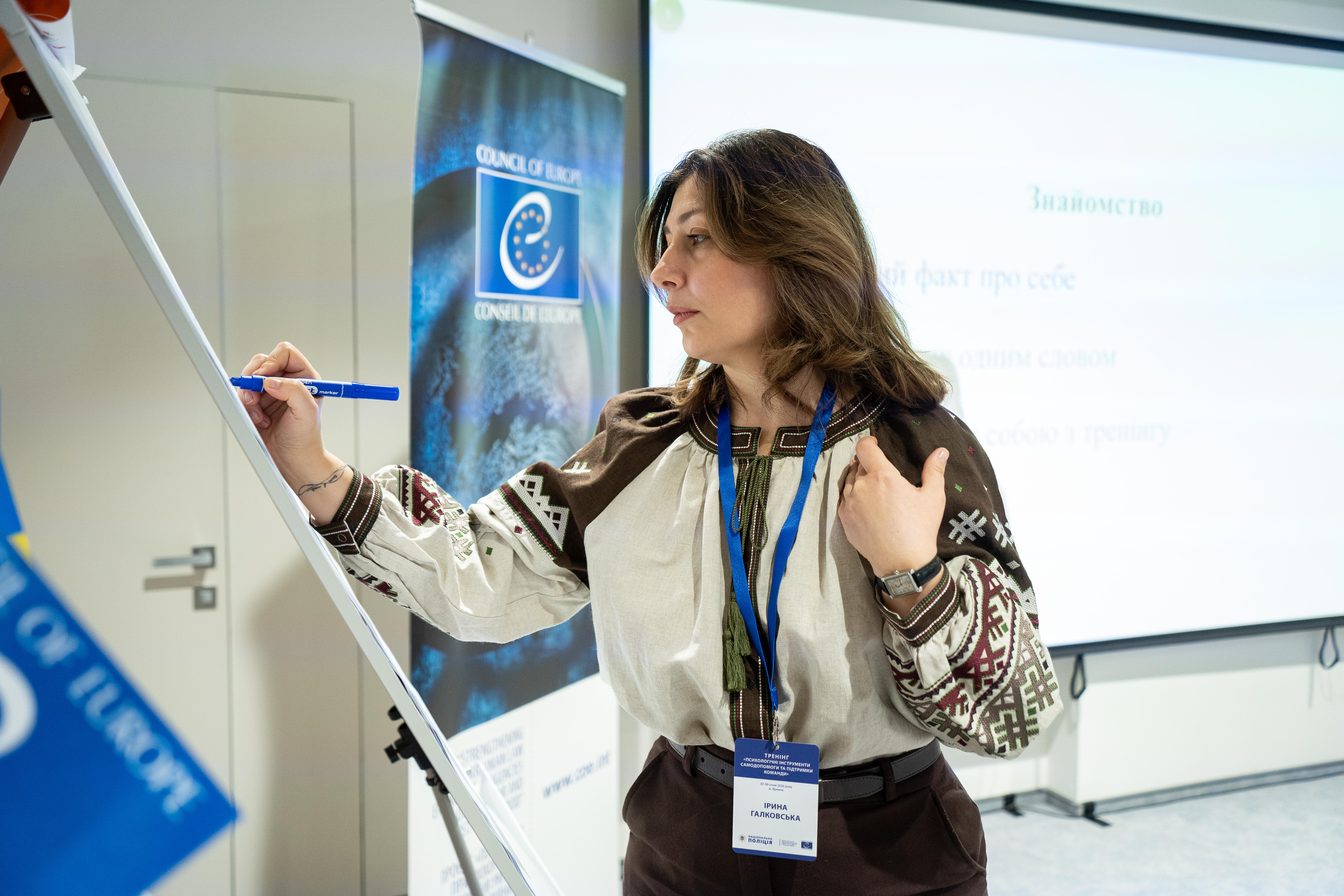
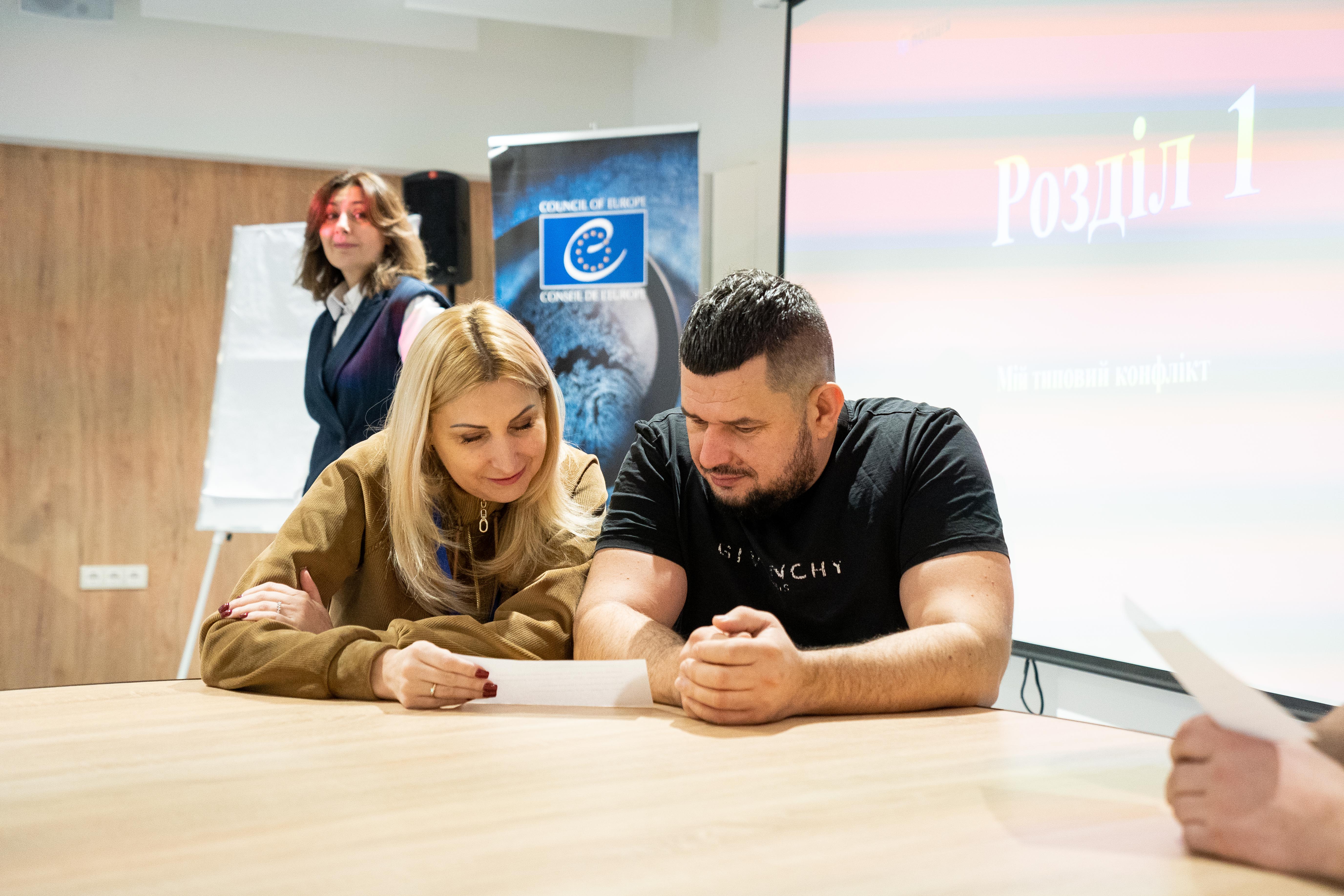
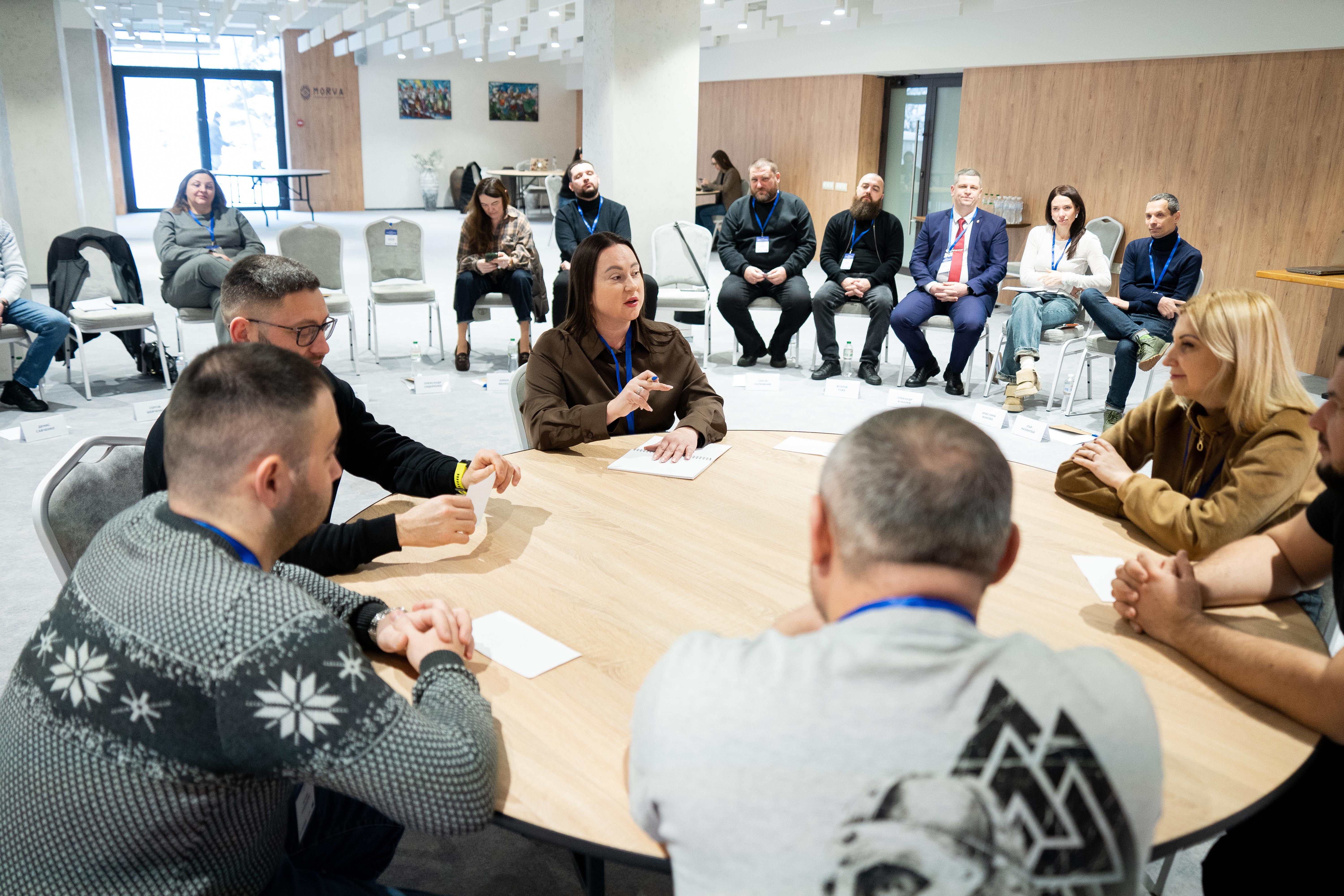
On 7-9 January 2026, a specialised workshop was held for heads of investigation units of the National Police of Ukraine (NPU) that conduct pre-trial investigation of crimes committed in the context of armed conflict. The event brought together 19 participants, including the leadership of the Divisions for Documentation and Organisation of Investigation of Crimes Committed in the Context of Armed Conflict of the Main Investigation Department (MID), as well as the heads of respective specialised units from 12 regions of Ukraine.
The effectiveness of investigating international and war crimes directly depends on the quality of the system that builds on a team as its cornerstone element. In wartime, investigators work in an environment of constant danger, high risks, excessive workload and prolonged stress, which creates a threat of professional burnout and vicarious trauma. That is why developing the psychological resilience of leaders and supporting teams is no less important than procedural and methodological investigation tools.
Serhii Panteleev, First Deputy Head of the MID of the NPU, pointed out: “Today, we clearly understand that success in complex criminal proceedings is ensured not only by professional knowledge, but also by the ability of a leader to keep the team together, support people and ensure continuity of work in conditions of constant pressure and danger. Such measures are extremely relevant and practically necessary.”
Khrystyna Podyriako, Head of the Division of Investigation of Crimes Committed in the Armed Conflict of the MID of the NPU emphasised that: “Investigators who document war crimes deal with severe human suffering and traumatic content on a daily basis. The task of a leader is not only to control processes, but also to create a safe internal ecosystem for the team, where there is trust, support and the ability to recover. The National Police of Ukraine expresses its sincere gratitude to the Council of Europe for its consistent support and systematic assistance in strengthening the capacity of law enforcement agencies, as well as for its ongoing support for initiatives aimed at preserving human potential in wartime.”
The programme combined theoretical and interactive sessions. Participants examined the nature of stress, psychological and vicarious trauma, the impact of chronic tension on managerial decision-making, and the risks of professional burnout. Particular attention was paid to the symptoms of emotional exhaustion and early signs of employee overload
During practical sessions, participants learned self-regulation techniques, recovery from critical events, and methods for stabilising their psycho-emotional state. Tools for supporting teams after difficult work situations, dealing with conflicts in teams, and building effective internal communication were also discussed.
A significant part of the programme was devoted to team dynamics and the role of a leader in crisis situations. Participants analysed the stages of team development, typical reactions to stress in teams, and ways to maintain cohesion. Practical exercises helped them develop skills in workload distribution, motivation support, and creating a safe working environment.
The event was organized by the Council of Europe within the framework of the project “Strengthening Ukrainian Law Enforcement Agencies During War and Post-War Period – Phase II” (Project) in cooperation with the National Police of Ukraine. The Project is being implemented within the framework of the Council of Europe Action Plan for Ukraine “Resilience, Recovery and Reconstruction” for 2023-2026 in cooperation with the National Police of Ukraine, the Security Service of Ukraine and the State Bureau of Investigation.